
5 top e-commerce platforms in Africa
Growth of e-commerce Gives Rise to Sophisticated African Digital Consumer After scouring the store for a new pair of sneakers, Paballo Molahlehi finally lands on the one that catches her attention. She stares at it excitedly, swooning over the fresh pair of purple Reeboks. “It’s precisely the one I was looking for, I knew I was going to find it here” she nods as she adds the shoes to her shopping basket. Thrilled with her latest addition to her growing sneaker collection, she navigates her way to the pay point. Molahlehi is doing all this while reclining comfortably on her couch, enjoying the convenience of online shopping. “I stopped going in-store after discovering online shopping. It makes more sense because my purchases get delivered to me for free, and I usually get discounts.” [adsanity align=’aligncenter’ id=144658] Molahlehi is among Africa’s growing middle class who have money to spend and whose shopping habits have changed. With the surge of internet penetration on the continent, many Africans are easing into the habit of shopping online. According to a McKinsey’s Lions go digital report, online shopping could account for up to 10% of retails sales (with a value of around US $75 billion) by 2025, as more Africans gain access to the internet. The increasing access to the internet is seeing a rapid emergence of e-commerce sites eager to tap into the continent’s growing online consumerism. The likes of Nigeria, Kenya, and South Africa are at the forefront of this evolution. Companies such as Jumia, a Lagos-based online retailer, are dipping their finger in almost all major markets on the continent, cutting themselves an enviable piece of every pie. Jumia is also among Africa’s best-funded e-commerce sites, having raised US $150 million in funding in 2014. As more people take to the internet to do their shopping, the demand for devices such as smartphones also increases. The 2017 Accenture Digital Consumer Survey finds that in countries such as South Africa, smartphone acquisition increased from 52% in 2016 and 63% in 2017. Some of the more technologically advanced nations like Kenya and Nigeria boast a smartphone uptake of more than 44% and 30% respectively. Across the continent, the number of smartphone users saw a nearly twofold increase, reaching more than 226 million. This spike in smartphone penetration is steering a digital revolution on the continent, exposing users to the endless opportunities the internet provides. Here are some of the top e-commerce platforms in Africa that are reaping the benefits of the booming internet penetration on the continent. JUMIA With a mission statement and ethos for connecting African consumers and entrepreneurs to do better business together, Jumia is blazing the trail of e-commerce sites in Africa. The company is creating a platform where small, medium and large African companies link with their potential market, thus creating a new-age ecosystem that bypasses the middle man. Launched in 2012 in Nigeria, the site has solidified a footprint in over 23 African countries, with a network of over half a million sellers since its inception. Jumia has managed to create a stellar reputation for being a hub for products and services spanning across the retail, food and hospitality, talent recruitment, concierge and the hotel and catering industries. Apart from servicing the needs of consumers and businesses, Jumia has also been upskilling and aiding employment for many Africans who are qualified in areas such as Engineering, IT and online marketing and web development. TAKEALOT South Africa’s Takealot is the go-to online retailer for the shopper that seeks a convenient and simplified online buying and user experience. The site has been around for over a decade, having been established in the year 2002. Its broad catalogue and variety of products in entertainment gives it an impressionable edge. Customers can shop anything from books to games, computers and TVs. Part of what makes Takealot an e-commerce success story is that the online retailer strives to provide its customers with the very latest products in the market, coupled with up-to-date product specification. In April 2017, Takealot scored a significant investment of over US $69 million from Naspers, one of Africa’s biggest digital companies. This came after the online retailer received US $100 million investment from investment firm Tiger Global Management in 2014. Naspers boasts a 53,5% stake in Takealot, while Tiger Global owns about 34%. KILIMALL Kenya’s largest online shopping mall, Kilimall is relatively new in the e-commerce space but has remarkably managed to create an inter-continental mark since its launch in 2014. The site, now established in other countries such as Nigeria and Uganda, has a retail customer base that continues to boom. Kilimall is known for providing electronics such as phones, computers and gadgets, stocking top brands such Samsung, Huawei, Lenovo, and Phillips. The site also offers other products such as home appliances, clothes, books, health and beauty products, and more. All its services are accompanied by a 7-day free return policy on their premium range of goods, making it an attractive choice for consumers. KONGA Konga has come a long way since its humble beginnings in 2012 as a Lagos-only e-commerce site that specialised in baby and beauty care. The online platform has morphed into a major online retailer, often dubbed “The Amazon of Africa.” In 2015, Konga joined forces with leading Nigerian banks to launch KongaPay, a safe and convenient online payment method to tackle the issue of trust in Africa when it came to online payments. The online marketplace was one of the first in Africa to create a system of payment that was integrated with world banks – an innovation that uses click system that eliminated the sharing of sensitive information during payments. With a backing from the South African media giant, Naspers, Konga is now a major player in the e-commerce space. In 2014, Naspers, which has a 50% stake in Konga, invested US $50 million in the online store. BIDORBUY Established in 1999, South Africa’s
Diana Washe: Because I do what I like, my work and lifestyle are interlinked

[bctt tweet=”I covered my shoe with African fabric, posted it on social media & the next thing I was getting orders” via=”no”] Diana Mano is a Digital Marketer for a direct marketing company, a blogger, a BA Communication Science graduate and a mother of two boys. Diana, known by most as Diana Washe, is the founder and creative designer of Shaina an African inspired accessory designing business based in Johannesburg, South Africa. Her products are handmade and fuse African fabrics with different textures to create unique handmade pieces. She named herself Washe a name which comes from her faith in the Lord meaning “of the Lord”. Tell us a bit about Shaina. Shaina started in 2014 when I was diagnosed with depression. I was in a dark place having lost someone very close to me. I started seeing a therapist and one of the things that she encouraged me to do was to look for a hobby in an effort to help me with the depression. So I went to YouTube and found a video on how to make crafts using the fabric. The first thing I did was cover my shoe with African fabric, posted it on my social media page and the next thing I was getting orders. I wasn’t keen on making this an income generating hobby but my therapist advised me otherwise. So I started with a few orders and boom, Shaina was born. I started with small things like accessories because if you can’t wear fabric, you can at least accessorize. With each year I get better at the craft. Shaina basically means shine. I named it Shaina because I don’t believe that people should just sit and wait for things to happen, they should flourish where they are planted. Shaina is an extension of my personal life, I am a lover of accessories. How would you describe your designs? I make contemporary African accessories which is a fusion of other fabrics and African print. I have in cooperated a combination of leather and African print into my line. Basically my brand is an affordable luxury brand. What inspires your designs? The different people I meet in African print either on the streets of Johannesburg, Harare or in magazines. If I see something I like, I am always thinking of ways to make it better. I love fashion and prints, I find them very vibrant but I also feel like a lot of people do not really appreciate print. [bctt tweet=”If I see something I like, I am always thinking of ways to make it better – Diana Washe” username=”SheLeadsAfrica”] Tell us a bit about Soweto Fashion week? Soweto Fashion Week (SFW) is a platform for upcoming fashion designers to show the world what they are made of. For me it was nerve-racking, exciting and a great eye opening experience. It was my first time showcasing at a fashion show but I feel I executed my work very well. It was a good place for me to be because of the media coverage, exposure and meeting new people. How has your educational background helped you in managing your business? So firstly, my work background as a Digital Marketer assists me in running my own pages as it includes a lot of social media, email marketing, web-page optimising. So because I do what I like, my work and lifestyle are interlinked. What are the challenges of running your own company? Time. One just never has enough time. I wear many hats, student, mom, blogger, digital marketer and my personal life, therefore, there is not enough time. Tell me a bit about your blog. My blog is called Parenting in Heels and it is a lifestyle parenting blog started in April 2017. A lot of people ask me how I manage to do what I do so I decided to share my everyday life and how I make it work. What is your advice to those aspiring to enter the fashion industry? Have a passion for it, determination, work hard and stay focused. What were the major start up challenges you faced? Trying to move Shaina from being a hobby to it being a business. Where would you like to see your brand in future? I am looking at expanding my brand into African Inspired interior design and a kids clothing line. I want to have a concept shop and also work with other designers. I would also like to see my products being recognised and available in shops and major fashion shows. [bctt tweet=”Diana Washe: I am self-taught and I am willing to help other women ” username=”SheLeadsAfrica”] What can we expect from Shaina in the next five years? A more solid brand that is found all over the world. Empowering and encouraging women especially single parents to be self-sustaining and use what they have. I am self-taught and I am willing to help other women. I believe the world is so abundant of things to work with. If you’d like to share your story with She Leads Africa, let us know more about you and your story here.
4 lessons we can learn from DJ Cuppy and Rona Wigs

Well, everyone knows or should know Florence Ifeoluwa Otedola aka DJ Cuppy. If you also do not know Sharon Adeleke aka Rona Wigs, then you should know the Adelekes, that is Davido’s family. So what do these two women have in common? Daddy is stinking rich, yes, but that not withstanding, they work and they are really good at what they do. Now, these ladies have a couple of things to teach us about business and life in general. 1. Daddy’s money is not necessarily mine When asked why she was making wigs, Sharon replied; “Yes my daddy has his money but it is not my money. My daddy has his own money, Davido has his, I want to make mine.” It is quite accepted to see a rich kid live off trust funds and have an enormous social life. They do not necessarily have to work, I mean who has to work when the money is there, right? No. Here are two women, daughters of some of the richest men on the continent slugging it out. Well not really slugging it out, but the hustle is real baby. Sharon and Cuppy do it normal way, starting something sustaining the drive, making a name and creating a global brand. 2. Passion drives Anybody who knows Cuppy personally, knows she loves her music production. She is crazy about what she does and takes time to do it right. No half-bakes for the eclectic DJ. Sharon gushes over her wigs like they are the new definition of bae. It is evident that she enjoys what she does and she has turned it into a business. They work their passion and make money from it like no (wo)man’s business. Their businesses show the depth of their dreams. This is not just mere working to show that they can work, no, this is a dream. You see this in the hands-on way Sharon handles Rona wigs. She uses social media to advertise herself and is fully involved in the entire wig-making process. And well, it’s not like Cuppy can give out the spin table to someone else to “help” her spin. 3. Know what you do Cuppy can hold a crowd’s rapt attention with her music. She remixes almost everything and puts the “DJ Cuppy” spin on it. You see her right there on stage making new sounds out of old songs. This is not just someone who can DJ, this is a lady who can spin. Sharon said “I love making wigs and I am good at it”. Nuff said! These are not rich kids pretending to work , nah, these are Motherland Moguls who work! And there is no stopping them. 4. Playing the daddy card Well, it might not be your daddy, but if someone around you has the fame and the money, make it count. We are not all children with rich dads even though we may know some. We cannot deny the massive boost that being Otedola’s daughter has given to DJ Cuppy or how being an Adeleke has and will influence Rona wigs. Sharon openly admits to having had a privileged life. Still, both women have something that could be watered. Yes, some people will get away with daddy’s money and position. But if Sharon and DJ Cuppy use “daddy’s” card, it’s to rake up the market, connect and build their brands.
The fault in Nigeria’s stars: The war between business & government

The fault, dear Shakespeare, is occasionally in our stars —and if you’re Nigerian, occasionally in our government. Yesterday, while all of Nigeria nursed a hangover from Mark Zuckerberg’s stealthy visit to Lagos, local government officials handed out an overdose of Advil, with complementary sunglasses, to smack us all back to reality from the ephemeral excitement. Amongst other properties on Rumens Road in Ikoyi, the Lagos branch of the Nuli Juice Company—a rising local healthy fast food company—was demolished by local government officials who claimed that warnings had been sent to the respective landlords concerning outstanding fees. A worrying trend A few months ago, the Federal Government of Nigeria, through the Nigerian Communications Commission (NCC), slammed a $5.2 billion fine on MTN for failing to disconnect unregistered users, dragging the telecoms giant’s bottom line to a headline loss for the first half of 2016. This was amidst questionable monetary policy decisions by the Central Bank that have now seen the Nigerian economy, along with the constituent businesses of the flailing economy, crumble in 2016. The tug of war between Nigerian businesses, their predominantly foreign investors and the government has never been more obvious. And Nigeria’s economic situation, more disheartening. The same business owners, investors and government officials who vivaciously graced the dance floor to the tune of the “Africa is shaped like a gun and Nigeria is the trigger” chant led by McKinsey & Company and The Economist appear to be trickling off. Standard Chartered and Atlas Mara are leading the exodus from Nigeria with United Airlines and Sun International in tow. The Garden of Eden has proven that when trouble strikes in paradise, the blaming game begins. Adam blames Eve, Eve, the serpent and we Nigerians, our government. That’s just the way the chaos crumbles. However, the Nigerian government is not alone but in good company. The Chinese government has driven Uber to a $1.3 billion loss in the first half of the year. The Tanzanian government abruptly passed a bill requiring all telcos to list on the Dar Es Salam Stock Exchange. The South African government’s proposed sugar tax has the potential to squeeze the life out of Coca Cola’s operations in the country. This chasm between the private and public sector across the globe could not be more glaring. Thankfully, in my lifetime, I’ve experienced the magic that happens when the chasm is bridged. I spent the summer of my sophomore year in college interning at Sahel Capital, a leading agriculture-focused investment firm. Sahel Capital manages the $100 million Fund for Agricultural Finance in Nigeria (FAFIN). Nigeria’s Ministry of Agriculture established the fund and now, Sahel Capital manages it. I am the daughter of my father, a brilliant agricultural economist. He spent the bulk of his career in Nigerian agribusinesses—the private sector. My late maternal grandfather spent his life in public service. In his day, he worked in the agriculture sector of Nigeria’s Western Region. Interning at Sahel Capital, the epitome of public-private partnership, my two worlds collided. And not just mine, but Nigeria’s too. Collaboration between the public and private sector is by no means beyond the bounds of possibility. Here’s blowing the whistle on our leaders for attempting to prove otherwise.
Why you should network with your peers, not just your mentors

We have a tendency to approach a career as a “ladder” –always looking upward to the next promotion or raise. There’s no doubt that networking with advisers has benefits, but it shouldn’t simply be limited to your mentors or role models. When you’re young, “networking” often means meeting people more influential than you are. However, it’s not only important to cultivate relationships with people who are influential, but also to make connections with those who will become influential. The idea of networking with your peers isn’t a new one, but it’s astounding how few people do it. Networking is a word that makes many people groan, yet it is essential to thriving personally and professionally. But when done right, networking should be fun—relationships, both personal and professionals, should always be reciprocal, not transactional. Whether you’re 23 or 63, no one is superior or inferior to you. In cultivating these connections, recognize that we contribute equally not identically. By connecting with people at similar career stages, we can gain access to information and help hone each other’s skills. Lift as you climb. Here are a few tips to help you reap the benefits of networking with your fellow millennials: 1. Create a community network of peers When was the last time you went out with colleagues for lunch or coffee? How often do you reach out to your contacts? While we’re all inundated with emails and texts, we can always make the effort to reach out—even if it’s just a brief email or phone call. Keeping the lines of communication open means that you’re engaged and interested in someone’s personal and professional development, and more likely than not, they’ll also be interested in your own journey. Short on time, but want to maximize opportunities to re-connect with friends and colleagues or meet new people? Consider organizing a dinner party or coordinate an activity like a group fitness class or art exhibit. It’s an opportunity to have fun while you build trust through network. 2. Think aloud Millennials are the most adaptable, creative generation in history. Wisdom isn’t all about age. It would be foolish not to tap into this generation’s innovative spirit. When I’m looking for ideas, the first people I ask are my friends because they come from diverse perspectives. They’re artists, psychologists, policy analysts, financiers, and more. While we might not be in the same industries, hearing a range of opinions from different backgrounds helps me refine my own ideas and think outside the box. The best “aha” moments often come from the most unexpected sources. They also introduce me to opportunities that I might not otherwise come across if I’m thinking narrowly about my own field. 3. Ask questions You’ll never get what you don’t ask for. While your peers might not be in a hiring position, they might be able to offer valuable insights on everything from upcoming opportunities to the office environment. Looking for a job at a particular organization? Comb your peer networks to ask about the perspectives of any friends working there. Entry- or mid-level professionals might notice things that senior staff is oblivious to. 4. Stay grounded It’s easy to get star struck by people who’ve spent decades climbing to the top and have accrued a daunting list of achievements and accolades. Connecting with people your own age can help put life into perspective. That 22-year-old who just won a Pulitzer or got accepted into a major Ph.D. program? He or she can probably tell you about the many failures they’ve encountered on the road to success. Talking to your peers can keep you grounded by providing more realistic expectations of your progress in achieving your goals.
Who you’ll meet at SheHive London – Charles Sekwalor

Charles Sekwalor is the founder of Movemeback, a members-only community that connects professionals with career and business opportunities in Africa. He’ll also be speaking at SheHive London this year. We spoke to Charles about moving back —what to expect, what to pack and how to deal with (reverse) culture shock. What do you think is driving the increase in diaspora moving back to Africa? I think that there are 4 factors here but it is a trend that has developed over time. Opportunity: In the last couple of years there has been a narrative about Africa rising. This is essentially a period of opportunity where people have become increasingly optimistic about Africa and the role its starting to play economically in the world. Challenges: There’s been a slowdown in the global economy and so we’ve seen multinationals making more and more of a play for Africa, the local expansion of markets, increasing press coverage and universities focusing on recruitment from Africa. Cultural changes: This new generation or millennials think slightly differently as to how they go about their careers. They are thinking 2-3 years at a time as opposed to long term careers like the generation before them. These people are far more open to try new things and experience work in different regions. Macro factor: Globalisation is also a big factor as we no longer live in countries with borders. Markets have become more accessible and so people have become more open to moving to other African countries different from their home country. What are the Top 5 things you need to pack with you when you’re moving back to Africa? Your personal escape – whether its music, a good book, hobby Your address book (or MMB login) – everything you do on the continent will most likely rely on the connections you have or will make in the future. Foreign currency – for emergencies Mobile phone – the minute you land, everything will be done with your phone. Make sure you already have plans to get a local sim. Guilty pleasures – luxuries that are difficult to come by in Africa such as special sweets or food. Big company vs startup? What is your opinion on the type of company to join when moving back to Africa? There’s no right answer here and there doesn’t have to be a single answer. It’s very much a personal decision and journey that everyone needs to go on depending on what they’re looking for. It can also be a transition from big company to your own startup. There are 5 questions everyone should ask themselves: What is this company aiming to do? What is my role and my ability to influence change in the broader sense? How does the cultural fit of the organization align with me? How much support and structure am I looking for at this stage? If you’re already moving back and it’s a new experience a start up environment can provide a little too much ambiguity and lack of structure. Then again, it depends on the individual What are my financial needs? How much financial stability do I need going forward? In theory, a corporate job should be offering a little more financial stability. What can people expect from their benefits package when they move to Africa? This varies massively by region, sector and level but there are 5 things to consider: Experience many people will take an absolute pay cut to maintain their quality of life. You should expect something that is locally competitive but will not seem so when compared internationally to cities like London and New York. This is for obvious reasons such as the cost of living being higher there. Expect to be paid in local currency and at the very least in the mid-term. Expect employers to be open to negotiating a small amount for your initial transition/move – e.g. initial plane ticket Finally, there is an opportunity for some potential perks such as housing allowance, drivers and health insurance packages. It’s also important to find out upfront if there are decent compensation options available however no one should expect significant increases in salary. What is a good way to face the cultural shock? The clue is in the name, ultimately it’s a shock – like a pothole in the road you can’t magic it away… Your objective is to dampen that sock in any shape or form. In engineering we do that through increasing the time over which a force acts -the shock absorber! Here are 5 points to keep in mind: Don’t have extreme expectations – be level headed… and expect ups and downs as the norm. Build your own support network before you go with people who have similar backgrounds and aspirations. Use resources such as MoveMeBack to find opportunities that are well suited to you and learn from the realistic experiences of others. Maximise for stability, sustainability and happiness first – you can almost always find something for you if you prepare – this will see you through toughest of days Be very clear on your ‘why’ – you need to know what it’s all in aid of and what your end goal is. This is necessary to keep you going when things are wavering. Come to SheHive London to hear Charles speak about moving back and answer all your questions! Buy your pass here now.
Who you’ll meet at SheHive London – Melba Mwanje
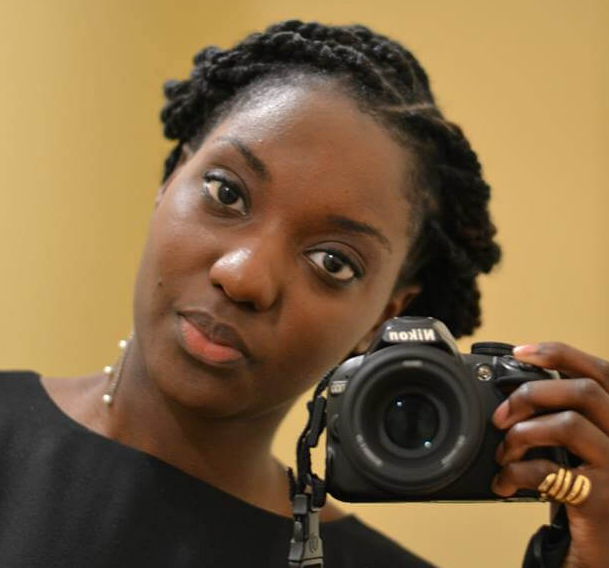
Believe it or not, SheHive London starts tomorrow! Melba Mwanje, Executive Finance Director for the Luanda International School in Angola and co-founder of SE1 United youth charity spoke to the SLA team about what she’s looking forward to at SheHive. Thanks for speaking with us. Can you please introduce yourself, tell us who you are and what you do? Hello, my name is Melba Mwanje. I am employed as the Executive Finance Director for Luanda International School in Angola. We are a leading school with over 700 students, a fantastic IB curriculum, and several multi-million dollar assets and investments. Before and after my work with the school, I volunteer as a life coach, careers advisor, and babysitter. I also provide creative consultancy services to companies around the world. In the United Kingdom, I am a Co-Founder and a Trustee of SE1 United youth charity. Is this where you thought you would end up? I haven’t finished yet… What’s your big idea that you’re looking to achieve in the next 5 years? Currently I have five big projects in development. Themes include poetry, human rights, storytelling, and coding. The idea that I am most excited about is the creation of an international online community of people with questions, answers, and ideas about random topics. Sounds vague for now! Watch this space. What made you want to attend SheHive London? To meet, talk, and laugh with interesting people who are interested in Africa. What skill are you most proud of that you believe can add value to another attendee at the event? Musical thinking. I like to invent unusual and fun solutions to challenges, and I have found that I am very good at it! My creativity tends to have a bias for song and dance, hence “musical thinking”. It is an unconventional approach to life that has brought me success and I hope it can inspire another attendee too. In any case, I am greatly looking forward to learning from and sharing with new friends at SheHive London. I am honoured to be a part of such a valuable network. Meet Melba at SheHive London! Buy your last minute pass here!
Who you’ll meet at SheHive London – Lausanne Kimbidima

As we continue our countdown to SheHive London, we talked with Lausanne Kimbidima, globe-trotter, all-round travel enthusiast and founder of Good Africa. Lausanne shared a bit about her initiative and why she’ll be attending SheHive London. Thanks for speaking with us. Can you please introduce yourself, tell us who you are and what you do? My name is Lausanne Kimbidima – my family is originally from Brazzaville, Congo, from which my parents moved to Paris in their twenties. I have always loved travel. I first left France at age 8 when my family decided to leave our small town, which was about a 45 minute drive from Paris. We moved to London, where I learnt English within 6 months, and years later, ended up studying for a Communications degree in the West Midlands. Is this where you thought you would end up? Growing up over 300 miles from the majority of my family, led me to travel often. I would train-travel on my own when I was as young as 15 years old. Later I travelled Europe with friends but I became mostly curious about experiencing Africa. Although I was working towards a career in Media & Communication (I had worked on projects for Disney, and British cinema film releases), I pursued my travel ambitions. Prior to my first trip to Senegal, people told me to observe and take notes so I could brainstorm enterprising initiatives to boost the economy. However, when I got there and submerged myself in the diverse city lifestyles, the wealth of culture was undeniable. So upon my return, I launched an Instagram page called @wearegoodafrica, to share this vision of contemporary Africa, and we now have over 3,000 followers. What’s your big idea that you’re looking to achieve in the next 5 years? We are building a curated platform dedicated to African lifestyle which will provide insight into the new travel habits of millennials, as well as the everyday lives of the locals. Good Africa will feature tips, guides and reviews from travellers worldwide. As Good Africa was born due to a lack of resources on authentic 360 African lifestyle —work, and travel included— we are also developing an inclusive programme, where travellers will be invited to a transformative travel experience. Good Africa is an advocate for freedom. We believe every moment you wake up and decide that you want to experience work and lifestyle anywhere else in the world, this should be possible. This is what drives our mission. What professional organisations are you associated with and in what ways? I am a School of Media, Birmingham City University Alumni, and a proud Good Africa ambassador! What made you want to attend SheHive London? Prior to moving into the next phase of Good Africa, I am excited to connect with other individuals in the travel sector and just anyone determined making their mark on the world. Who are you looking to network with and meet at SheHive London? I am 100% open to what this experience will bring – and look forward to insightful conversations with business owners to investors and travel enthusiasts. What skill are you most proud of that you believe can add value to another attendee at the event? I am bilingual! I’m also an eternal optimist. I hope to motivate and inspire other attendees to start their journey, and add value to others. Meet Lausanne at SheHive London! Buy your pass here!
Who you’ll meet at SheHive London – Jessica Laditan

Jessica Laditan is the Founder and CEO of Pop Up Africa, a pop up events company that runs African-inspired events across London. She’ll be one of the many participants at SheHive London (which is now just 8 days away!). SLA intern, Lamin recently talked with Jessica about her work and her expectations for SheHive London. Thanks for speaking with us. Can you please introduce yourself, tell us who you are and what you do? Hey guys, my name is Jessica Laditan. I’m the Founder and CEO of Pop Up Africa. Pop Up Africa is an African inspired pop up events company. We curate and run African-inspired events across iconic spaces in London. The idea is to bring diversity to the space whilst celebrating culture and giving traders who sell African inspired goods a platform to promote their brand to a wider market. Our events vary from trade events, to street food markets, cultural festivals, private functions and networking seminars. I’ve been featured on the Women4Africa ‘100 Gold List’ 2016. Earlier this year I was a Judge in the ‘Next Star in African Food’ Initiative launched by Red Magazine in partnership with publishers Harper Collins. I also regularly share my knowledge and expertise on pop up retail for African brands at events, on radio, online and via print features. Is this where you thought you would end up? Haha no, definitely not where I thought I’d end up. In school I had dreams of becoming an actress until my dad quickly told me to think of a more serious career. I studied Marketing at University and wanted to go into Fashion PR. I dabbled in that for a bit until it quickly became apparent that I wanted to own my own business. Having my first child gave me that push that I needed and a few poor business ideas later I came up with Pop Up Africa and haven’t looked back since. What’s your big idea that you’re looking to achieve in the next 5 years? In the next 5 years, I’m praying that the business will grow to higher levels with an international presence. What professional organisations are you associated with and in what ways? Over the past few years, I have developed and worked in partnership with a few organisations including, Spitalfields Market, The Southbank Centre, Farm Africa, Red Magazine, Google Campus… What made you want to attend SheHive London? I’ve been tracking She Leads Africa and the SheHive events and couldn’t wait for it to come to London! The founders are inspirational and I love events where African women come together to empower each other so I decided that I definitely had to attend SheHiveLondon. Who are you looking to network with and meet at SheHive London? I’m open to networking and meeting anyone at the SheHiveLondon event. I’m looking forward forward to hearing and learning from others. Also to meeting anyone that’s interested in Pop Up Africa and the work that we do. What skill are you most proud of that you believe can add value to another attendee at the event? I’m most proud of my event management skills, my knowledge of the London pop up scene and my skills in helping brands raise their profile. Meet Jessica at SheHive London! Buy your pass here!
5 Zambian women doing amazing work that Linton couldn’t be bothered to
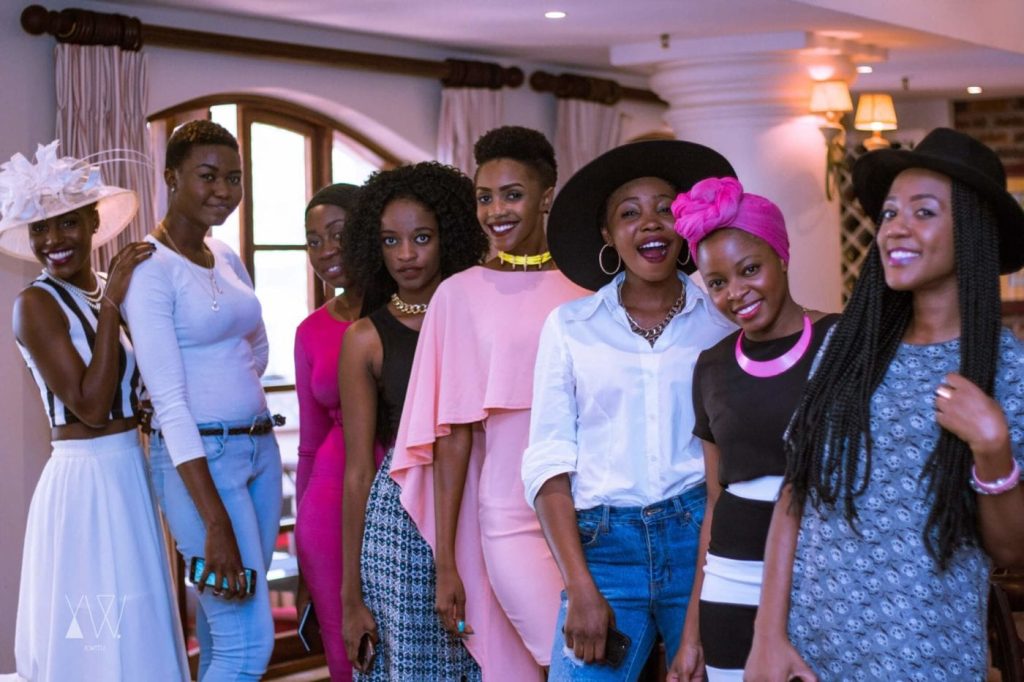
Unless you have made a vow to stay off of social media and the news, you’ve surely come across of the hashtag #LintonLies. #LintonLies trended for a few days last month after actress and producer Louise Linton wrote her “How My Dream Gap Year in Africa Turned Into a Nightmare” piece. It was a recent addition to the White Savior trope and was filled with so much inaccuracies about Zambia that African twitter had to say something. The hashtag #LintonLies was created in response and forced Linton to remove her book from Amazon. While Louise was clawing her way through the jungle and chasing off humongous spiders in her mind, she could have simply picked up her cell phone and asked Zambian women to help her tell the real story. Write it, film it, market it. The reality though is that Zambian women aren’t waiting for their stories to be told for them to be deemed worthy. They have charge and are doing a darn good job of it. Even though more can be done to improve the lives of women in Zambia ( that’s another discussion for another day) those who stand up and make a change should be applauded. Here is a list of Zambian women that are engaging in entrepreneurial bombassery that likes of Linton could learn from. Zambian women aren’t known to simply sit and let things happen, they are the women that are running businesses and changing the entrepreneurial landscape of the country. Samba Yonga Founder of communications powerhouse Kuatenga media, Samba is a media communications specialist whose work has showcased Zambia to the world on various platforms, local and international. Kuatenga’s latest work is The Tikambe Natulande TV show , a youth-led program focusing on issues of sexual and reproductive health and rights (SRHR) in Zambia. The Tikambe Natulande show focuses on educating young Zambians without losing them, showcasing stories they can relate to and answering even the most embarrassing questions. Questions like: “What would you do if your religious leader asked you to sleep with him to solve a problem?” Known for her great style and her deep laugh, Samba is passionate about unearthing authentic Zambian stories. She does not shy away from stories no matter how uncomfortable. Samba also challenges challenging harmful beliefs and narratives respectfully while delving into preserving our languages and cultures. Quite a feat! If you are ever in Lusaka and hear of a cool cultural event, Samba has probably worked tirelessly behind the scenes. Yet she may also just be the lady at the market next to you buying finkubala. Monica Musonda Queen of entrepreneurship bombassery. This woman is revolutionizing the way young Zambians eat (cue the satisfied rumble of the stomachs of university students). She is the founder of Java foods whose main goal is to provide convenient, affordable and nutritious foods made from local products. This successful commercial lawyer set up the food processing company in Zambia in 2012. Since then, Monica has been pretty transparent about what it takes to be an entrepreneur on the Zambian scene. She is also open about leadership issues and often hands out solid advice. Monica and Java foods are all about churning out nutritional foods that tackle the problem of malnutrition in countries like Zambia (by producing a nutritious porridge consisting of sorghum, millet and soya, for example). Java foods engages with small-scale farmers to provide them with grains through a self-sustainable system. Monica encourages young women entrepreneurs to not be afraid of starting their journey. Do you have an idea? Get started, and don’t be afraid to ask for help along the way. MaFashio Sekayi and Tukiya are two stylish entrepreneurs from Zambia, styling and profiling with their blog MaFashio. The sisters are very popular and are good at putting together great outfits, interestingly enough via thrifting. Instead of making style out of reach by only wearing designer things that a young Zambian girl may likely not be able to afford, MaFashio show that thrifting is a great source of pieces waiting to be handpicked. They began with simple street style, but these two have fast become the go to for styling, makeup artistry and photography. They have also being a part of great social initiatives and looked good while doing it. From styling the techie guys at Tech Hub Bongo Hive, to sitting in at Zambia Fashion week, the MaFashio brand is growing. MaFashio showcases great Zambian talent but staying true to the reality of living in Lusaka. Now, Sekayi and Tukiya are not fashion airheads who only live and breath fashion. They are young women who are working on various projects behind the scenes (like finishing uni amongst other things. Congratulations!) Cathy Phiri If you scrambled to get the newest issue of Trendsetters when you were in high school in Zambia, then you probably know who Cathy Phiri is (especially if you also wore that sky blue and navy blue skirt daily to school, you know which one, Roma stand up!). Cathy Phiri has been in the Zambian media game for a long time, starting in 1995 when she and her sisters started up a non-governmental organization in Zambia called Youth Media which led to to the development of the award-winning newspaper (later magazine), Trendsetters. After years in the business, winning awards and working as Media 365 (the company at which she is managing director) Cathy has a new show called HerStory. HerStory helps Zambians look at various issues from different angles. Media 365 is a dynamic creative and communications agency that focuses on communication strategies, audio-visual campaigns, marketing, and research services for social change and development. Cathy has focused on educating the masses on HIV/AIDS but with HerStory she is diversifying. Now she’s diving into discussing the political situation in Zambia, the Blesser/Blessee phenomenon amongst other stories. The premise is that Zambian women can and will weigh in on what is happening in their society fearlessly. Having been a part of popular shows like the