
Jackie Mgido: It’s taken me years and I’m still in the infancy stages of my business
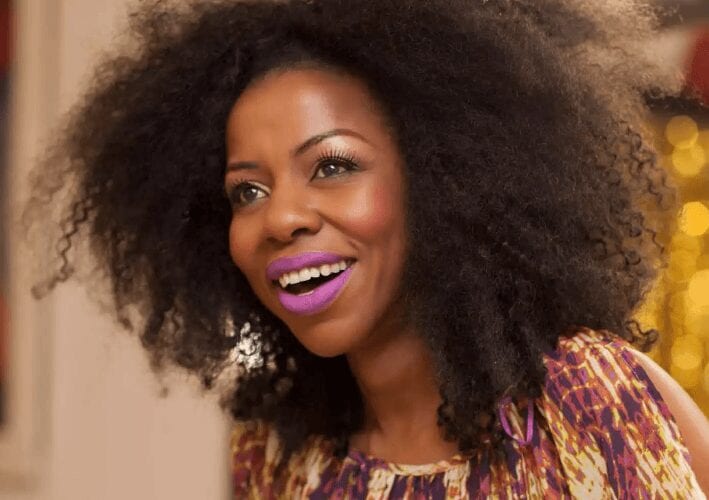
[bctt tweet=”They were thinking, “Who is this Zimbabwean that claims she knows how to do makeup?”” username=”SheLeadsAfrica”] Jackie Mgido left Zimbabwe about 24 years ago; now that’s a long time. Always a dreamer, Jackie wanted to do the unexpected and always wanted to feel fab. In the United States, she looked into what she loves best and found that was everything to with makeup and hair. But, you know that struggle with being African and having passions that are considered outside the norm. First, Jackie did what her parents wanted her to do then after that she decided to go with her passion because it just felt natural. Jackie Mgido is a talented makeup artist and founder of Vault cosmetics. Where did your passions originate? As a little girl I was very insecure, I never thought I was cute. I grew up at a time where there was a division between whites, coloured and blacks. I grew up in a time where women bleached a lot in order for them to be noticed. That’s where it all started; I also wanted to be noticed. I wanted them to say, “Hey, you’re so pretty!” but I realised early that bleaching cream wasn’t going to do that for me. Your passions sprouted from wanting to be noticed as a dark skinned girl just like the light skinned girls were noticed. What are some of the things you would teach your daughter about loving herself? I have a 9 year old daughter. I will continue to speak of kindness to her. You can teach your child confidence all you like and tell them you are who you are but if inside they don’t feel it, it’s a misdirected arrow. When you are kind to other people and people start seeing you for your heart, they really start seeing you for your beauty. Because it will just draw in those people, your popularity goes up; you attract the people that are amazing and your confidence goes up. What would you say are the fundamentals of maintaining a business and keeping it going after you have started? Connecting with your customers! They are the ones that make your business, if you lose that connection with them, then you have completely lost it. Let your customers drive whatever it is that you are selling. Yes, I am the expert but my customers are the ones that buy the stuff, so if I am not giving them what they want and what they like then it’s not going to sell. [bctt tweet=”If you lose connection with your customers, you have completely lost it – Jackie Mgido” username=”SheLeadsAfrica”] The fundamentals are: Understanding your customer Connecting with your customer Letting your customer drive your business Where do you see Vault in 5 years in terms of sustenance of your business? So far Vault has been a trendsetter, we started a revolution. Vault is fostering the mind-set of people trying to start their own businesses, the mind-set of people wearing things that they’ve never tried their whole entire life and most importantly the expansion into other countries and education. Education is key! We are going to be one of those makeup lines that are an education-based and that have hubs all over the world not just in Africa. It’s going to be one of those makeup lines where the customer also feels a sense of ownership because its important for the customer to feel like they are part of something bigger than themselves. Have you felt like changing people perception and the mind-set around makeup has been easy in Africa? I’ll speak on Zimbabwe particularly because it’s my culture, I know the people because I am part of the people. Interesting enough it is harder to show and it’s easier to show and tell. Our philosophy is, teach it, feel it then they’ll buy it. The reason Vault has grown so much in four years is because it’s been a little easier for us to show and tell. So changing the mind-set hasn’t really been that difficult because we are getting people to understand why they are wearing makeup. When, people come in we ask them why they’re wearing makeup. “Are you wearing makeup for you?” That changes everything! Who is the most interesting person you have put makeup on? Charity, she’s a newspaper vendor in Msasa, Harare who stands with a bunch of men at the traffic lights and sells newspapers. Charity had no exposure so she never thought, “If I put on a suit, high heels and glasses, I could sell more”. When we saw Charity and I told my girls we had to Vault her. Now not only does Charity have her glasses, she has her lip-gloss and she can fiercely sell her newspapers. Sometimes, she works for us at big events, handing out pamphlets to attendees. When I’m in Harare, I make time to go and see her. Which man would you love to put makeup on? All the ministers in Zimbabwe
Salome Phiri: Don’t ever be afraid to shine, greatness is your birthright
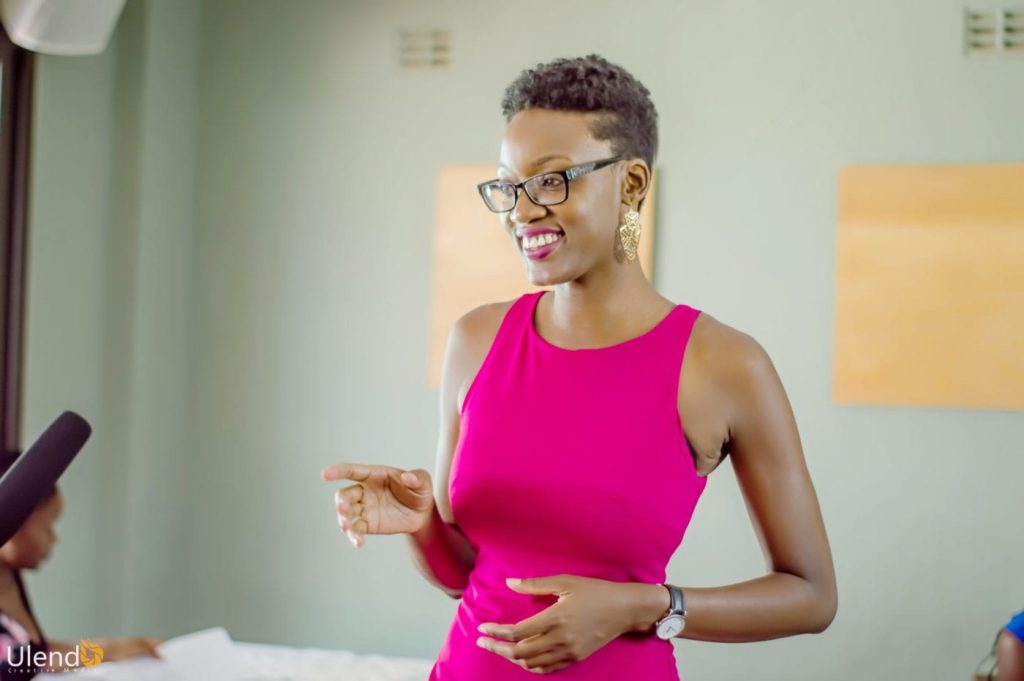
[bctt tweet=”Our vision is to build a diverse community of millennial African women – Salome Phiri” username=”SheLeadsAfrica”] African Women Redefined is an excellent example of women pulling other women along to walk in the light. Started by Salome Phiri, African Woman Redefined (AWR) is a women’s empowerment platform which creates a unique space for women to develop themselves both personally and professionally. The idea is to create a network of support that will help women embrace their uniqueness and live their lives as phenomenal women. Still less than a year old, AWR has many more exciting things in store and Salome Phiri is working hard to make the organization a success in Zambia and throughout Africa. What is African Women Redefined all about? How is the organization structured, what type of activities do you organize? At African Woman Redefined, we believe that all women are phenomenal and by embracing their uniqueness and tapping into their full potential, they can define themselves by their own standards and ultimately live purposeful lives. Our mission is to promote positive narratives about African women by celebrating, inspiring and empowering them through digital content and events that are aimed at addressing various themes which are central to the modern African woman. Our focus is to help the millennial African woman develop a strong sense of self and grow into a well-rounded and balanced individual who thrives in various areas of her life through her own efforts and with the support of other women. The AWR team comprises of myself and two other phenomenal women from different backgrounds, who share my passion and drive to contribute to the upliftment and betterment of women in our society. Together we dedicate our time, resources and expertise to achieving our common mission of changing the world one woman at a time. [bctt tweet=”Salome Phiri: At African Woman Redefined, we believe that all women are phenomenal” username=”SheLeadsAfrica”] What was your motivation for starting this social enterprise? Growing up I was a very timid and quiet child who lacked the confidence to speak up and stand out. This behaviour spilled over into my adult life and for many years I struggled with insecurity and low self-esteem. My turning point came at a time when I had experienced setbacks in my personal and professional life that left me so emotionally drained that I could no longer recognize myself. As a way to transcend the pain from these experiences, I resolved to search deep within myself and find out who I was at the core of my being and what I really wanted out of life. It was like I had finally woken up to myself. I became more confident and self-aware, and suddenly my life became more colourful, hopeful and meaningful. As I began to walk in my light, however, I noticed that many of my peers were still in the shadows –lacking a sense of identity and living unfulfilled lives. We live in a society that is predominately patriarchal and deems a woman successful if she has an education, a job, a husband, and children. This mindset has resulted in many young women making decisions that conform to societal expectations, some of which are to the detriment of their psychological and emotional wellbeing. I found this disheartening, and so my personal mission became not only to change the way society viewed its women but also to change the way women viewed themselves –as extraordinary beings that have great potential and purpose, hence the birth of African Woman Redefined. What is your vision for African Woman Redefined? How do you hope to achieve that? Our vision is to build a diverse community of millennial African women, who are secure in their identities and use their unique set of gifts and abilities to positively impact society. AWR aims to position itself in Zambia and throughout Africa as a reliable and trusted source of information where young African women can learn to embrace their unique identities; learn to harness their potential, discover their purpose, and foster relationships with other women. We aim to achieve our mission by targeting millennial women between the ages of 25 and 40. These women are likely to be professionals, entrepreneurs, creatives, influencers and change agents who continually seek personal growth and wish to inspire positive change in their communities. Your organization has been around for about half a year now. What is your biggest accomplishment so far? Our biggest accomplishment so far would be successfully organising our first major event under the theme “Be bold. Be beautiful. Be You”. The aim of the event was to bring together a group of women to connect with one another and to be inspired to live authentically and be bold in pursuit of their dreams. Despite it being our first time hosting such an event, we received great reviews from the attendees, most of whom highlighted that the event was well organized and that it had effectively achieved its objectives. Looking ahead to 2017, what can we expect to see and hear about AWR? We have loads of exciting things in store! We are currently planning our next major event that will take place in March in celebration of International Women’s day. In the long-term, we aim to expand our target market to include young women between the ages of 18 and 25 who are in college or university, and offer them mentorship programs designed to guide them through their academic careers. We also intend to grow our network by collaborating on special projects with other women empowerment platforms both locally and internationally. [bctt tweet=”Embrace your uniqueness and live your truth – Salome Phiri” username=”SheLeadsAfrica”] From your personal experiences and through the work that you are doing, if you could use this platform to share one message with young, African women scattered all over the continent what would that message? Embrace your uniqueness and live your truth. Don’t ever be afraid to shine because greatness is your birthright. The
Nigeria’s women’s bobsled team: We are just three regular girls who have now made history
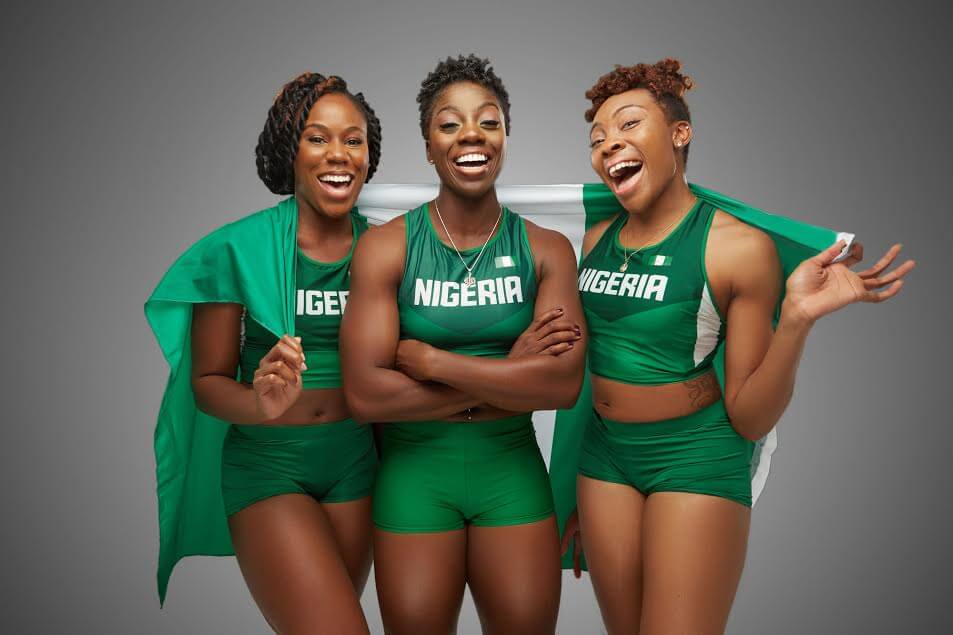
[bctt tweet=”When you are the first person to do something, there is no blueprint ” username=”SheLeadsAfrica”] No African country has represented the sport of bobsled at the Winter Olympics, but that’s about to change thanks to three women aiming to represent Nigeria. Seun Adigun, Ngozi Onwumere and Akuoma Omeoga are shaping history to become Nigeria’s first women’s bobsled team. Seun, Ngozi and Akuoma are established athletes and are engaged in many hustles. Ngozi has background work experience in the mortgage industry and is now a full-time student pursuing a Doctoral degree. Akuoma is the brakeman for the Nigerian Women’s Bobsled Team and also works as a healthcare recruiter. Seun is the driver of the team and also currently a chiropractic student. Seun is studying for a dual degree of a Doctorate of Chiropractic from Texas Chiropractic College and a Masters of Science in Exercise & Health Science University of Houston Clear Lake. Teamwork and support have been integral in giving the women of Nigeria’s bobsled team confidence as they work towards success. Why a bobsled team? How did you decide to come together to do this? Seun: After realizing that my participation as a brakeman on the United States women’s bobsled team had grown to be far larger than me, I knew this was something I had to do. I noticed my ability to potentially empower and positively influence millions of people resided in my decision to give back to the country of Nigeria. I knew I possessed the resources and connections to get it done. The sport of bobsled was looking to grow and the continent of Africa had never been represented in the sport of bobsled. Once I finalized my decision to take on this mission, I knew I would need teammates so I reached out to these lovely women, Ngozi and Akuoma. [bctt tweet=”I noticed my ability to potentially empower & positively influence people – Seun Adigun” username=”SheLeadsAfrica”] Ngozi: Bobsled chose us! Well essentially Seun chose us to be apart of her amazing vision and from then on we made the decision to embark on an experience that would grow beyond us. Seun (who is also my former coach) and I have our annual lunches, at this one particular she brought up bobsled. Honestly, I needed something new and refreshing. I had just made the decision to hang up my spikes and had come off of a trying season competing for Nigeria in track and field attempting the Summer Olympics 2016. So when Seun presented this option to me, I was stoked and pleasantly surprised. Still, this didn’t become reality for me until we actually had our first practice and touched Seun’s wooden self-made sled, “The Mayflower”. Akuoma: Bobsled came out of the blue for me. I was familiar with the sport being that a coach of mine had been involved with the sort. My participation came out of Seun Adigun asking me to join this mission. I accepted and I was the third piece to the puzzle. How has been your experiences as African women in sport? What unique challenges have you encountered? Seun: So far the experience has been very rewarding as we have been receiving endless support and positive energy as we take on this task. The most challenging thing so far has just been navigating the unknown and doing it fearlessly. When you are the first person to do something, there is no blueprint for the optimal plan of action —you just have to trust God and work through the process one step at a time. Ngozi: As a Nigerian-American woman, I have been embraced by my teammates and by other aspiring athletes, Nigerians and just women in general. Challenges will always come when you are embarking on something completely new but we have adapted very well. With With us all being women with very high demand schedules, there have been some challenges in accommodating everything but we do quite well. Also, the learning curve of learning a completely new sport has been challenging but we aim to conquer. Akuoma: My experience has been the same as it has always been. Growing up I had always been active in sports and so have many other Nigerians that I grew up with. So being a Nigerian girl in a sport was pretty normal. I think the biggest challenge with this sport in particular, is that there isn’t a lot of awareness. So taking myself along with everyone else I know on this huge learning curve has been a bit challenging. [bctt tweet=”I had always been active so being a Nigerian girl in a sport was pretty normal – Akuoma Omeoga” username=”SheLeadsAfrica”] So far you’re yet to practice on snow or with a bobsled, how confident are you in securing a place at the Olympics? Seun: I have spent time on ice as both a brakeman and a driver —and that is the most important thing. As the driver, the success of the team resides in my ability to drive the sled from the top of the hill to the bottom. I have already successfully completed two driving schools this season on two separate tracks over the course of three weeks. With that, I can now compete in a race on either of these tracks, putting us in position to start the qualification process. This is a great confidence boost for the team because we now have something to look forward to. Our confidence is additionally fueled by our relationship with one another. We trust each other and that has taken us a long way in accountability and commitment. Our wooden sled has given us the opportunity to simulate sled conditions bringing our chemistry together and reproducing race scenarios. Ngozi: I think there is much to be said about mental preparation as this plays a big part in physical preparation. Although we have not yet been on ice, we have the perfect mentor to take advice from (Seun) as she was in the same
Diana Odero: I have had years of practice travelling on a budget
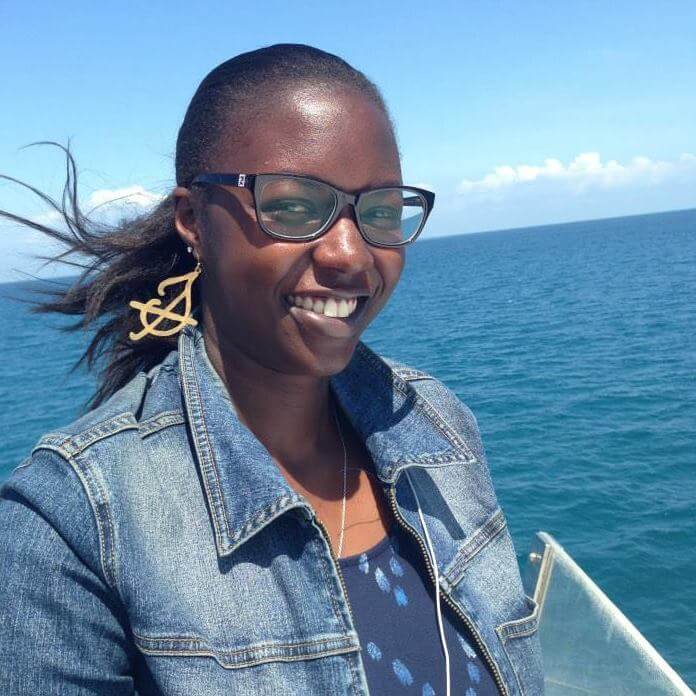
[bctt tweet=”Patience, an open mind and other skills you need to master the art of budget travel” username=”SheLeadsAfrica”] Diane Odero counts being a journalist (and contributor to SLA) among her growing list of accomplishments. She is also an avid travel lover and is able to do even though she was a student until just recently. For Diana, travel is an enriching experience and an opportunity for African women to get out there and see the world for what it actually is and not for what we think we know about the place. Travel is more than just time to re-energize, reboot, press the reset button on life, it also helps bring in some Chi back into your life. Diana has only ever travelled on her own and has found that travel can be therapeutic. Let’s talk finances, how do you find the budget to travel so widely? I save constantly! I’m just like every other young woman who likes to shop, eat out and have a pamper day once in a while but then I also love to travel. And if you know anything about travel fares, they sure don’t come cheap. So I usually compromise on most things that I would like but don’t necessarily need. I also make sure to put some money away with every income earned to keep up the saving habit. Also, I started travelling a lot while I was quite young, so I knew early on that I wanted to study abroad at some point and I was fortunate enough to do it twice for undergrad and for my Masters. I also signed up for various sky miles programs years ago, not knowing how beneficial they would be in the long run. The miles started accumulating a lot while I was in college and before I fully understood the magic of sky miles. Now those miles have come in handy in the past two years and with more flights made, more miles are earned —it’s a beautiful cycle. Lastly, I have mastered the art of finding really cheap flights. Would you believe me if I told you that my direct return flight to Italy from London only cost me £100 on British Airways? Insane. I couldn’t believe it myself, but booked it instantly before it disappeared. (Fares like those on such airlines don’t come by every day). I’ve had years of practice since my college days with my friend Fiona who would scour the web with me at wee hours of the night (best time to find flights, also best days are Tuesday & Thursday in my experience). I also realized most of the travel packages out there put out a really good deal if you research very carefully. What about visas? Have you faced any difficult travelling within or outside the continent as a Kenyan citizen? The one place I have had minor issues was in the US where the Kenyan passport isn’t as valued as others. My visa was never an issue but the way I was treated compared to other people with passports from non-African countries, was really disappointing. Nonetheless, America is still a second home to me and I know as more people of colour travel and even more Africans get out there, these unnecessary stereotypical discriminations will stop in due time. In terms of visas, the UK visa was quite the struggle to obtain particularly for school. It’s not an impossible task, they just make it ultra difficult so you need to have a lot of patience when travelling to the UK. One single step missed in the application process and you’ll be denied one as soon as your interview is done. Having applied for various visas before, I already knew what to prepare for and the dos and don’ts of the process; the lengthy process was what I had not expected at all. Within the continent, I haven’t had any problems with travel and visas so far. What five skills does every African travel lover need? Why these skills in particular? Time management skills I have never missed a flight and I’ve only ever been close to missing one once in my life. That was because I had a 7:30am flight and woke up at 5 (the time I was meant to be at the airport). I literally got there as they were closing the gate; I had to beg them to let me in because I was rushing to school to make it in time for an exam. Why I woke up late you may ask? I was up the night before until 4am —silly, I know but I really thought I would hear the alarm clock. Be very time conscious so as to never miss flights because rescheduling is such a pain and costs so much as well. Patience I’m usually a very patient person but some things can drive you insane. Traveling a lot has made me appreciate the art of being patient with people everywhere because not all places work the same as where you are familiar. You have to be patient enough to scope out the environment around you, to learn how things work instead of forcing your ways upon someone who has no idea what you mean or are doing. You need to be patient with the visa processes while going through security and customs at different ports, and you need to be patient when flights/trains get delayed over and over again. Keeping calm is much better than blowing a fuse believe me, you’ll get to your destination eventually. An open mind It’s really the only way you will enjoy anywhere you travel to including the traveling process as well. The world is a huge ball of diversity and with so many cultures living in it, no one person is the same so keep an open mind wherever you go to embrace what all these different places and people have to offer. A lot of Africans are very rigid and very
Koena Selolo: Every woman is a queen in her kingdom
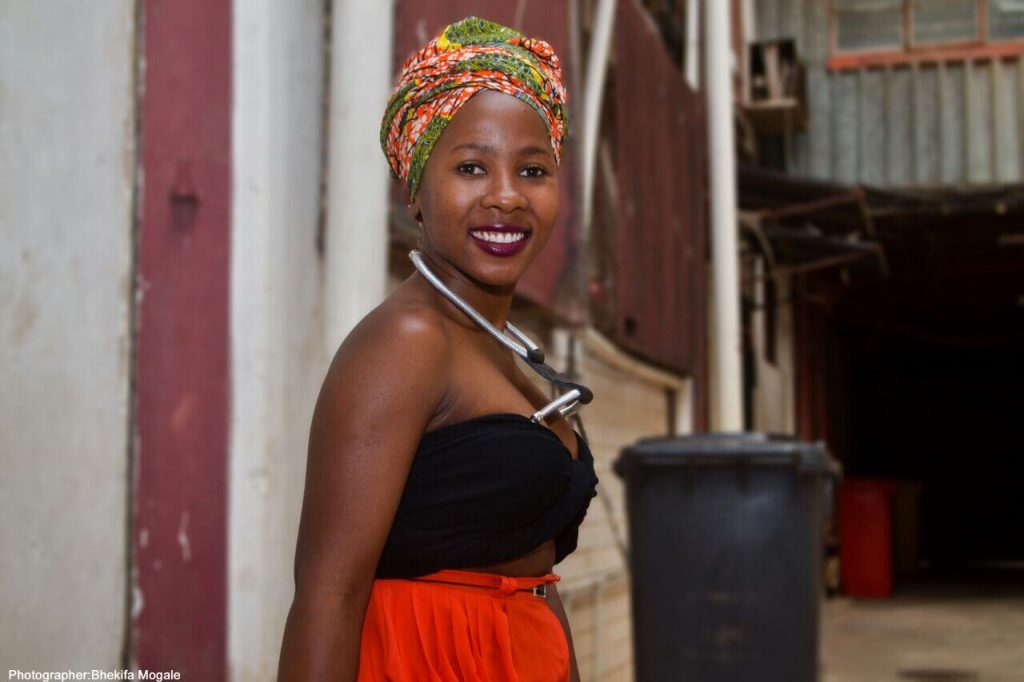
[bctt tweet=”Kgošigadi aims to create accessories that befit every queen’s beauty – Koena Selolo” username=”SheLeadsAfrica”] Born out of a family of only girls and being the youngest, Koena Selelo had great inspiration from all women around her yet she had to find her own voice. Koena refers to herself as a queen in her own “kingdom”. She is a well oozing strength and courage; Koena has managed to rise against at all material cost and whatever failures she encountered. A servant at heart and passionate about women, Koena Selolo is the founder of Kgosigadi, an accessories brand. Tell us about Kgosigadi, what does it mean in general? And what does it mean to you as its founder? Kgošigadi means a Queen in Sepedi because that’s what every woman is; a queen in their own “kingdom “. This is a brand that affirms every woman, reminding them to never leave their throne to be enslaved in another woman’s “kingdom”. I affirm this through their standard of life and preferences in how they wear their accessories. Kgošigadi therefore aims to create accessories that befit every queen’s beauty. Kgošigadi embraces every woman’s authenticity and her reign over her dominion.To me, that means I can empower women through mere accessories and acknowledging women from all walks of life. How did you become an accessory designer? I became an accessory designer from my love of making earrings from any clutter I found lying around at home. I am a creative at heart, so I would collect old buttons and wires, I also had a scrapbook and would sew my clothes etc. It was all part of my hobby. [bctt tweet=”Koena Selelo used buttons and copper wires to create her first sellable accessory range ” username=”SheLeadsAfrica”] In 2015, I made my first sellable accessory range from buttons and old copper wires and I have never stopped since. That has generated income to grow Kgošigadi as I never got funding or any capital to start. In that same year, I entered the university business pitch hosted by the The Hookup Dinner and I was a winner for Tshwane University of Technology. [bctt tweet=”My first sale generated income to grow Kgošigadi, I never got funding to start – Koena Selelo” username=”SheLeadsAfrica”] I was then part of the top 3 start-ups competing with various universities in South Africa which has been a stimulus for my growth. My somewhat naive 22-year-old eyes were opened to the competitive world of business. What is your favourite part about being an accessory designer? My favourite part about being an accessory designer is seeing my customers happy with what I have made with love for them with my hands. That to me is fulfilling. Having them post beautiful pictures on social media of themselves wearing their Kgošigadi crowns, on its own shows that the Kgošigadi tribe is full of assertive women. One can’t say Kgošigadi without understanding the true power and strength that comes with being called Kgošigadi. How do you approach a new collection? Where do your ideas evolve from? I approach any new collection first by drawing and wandering around material shops for idea inspiration. It is also important that I keep my creative juices flowing and I do this through looking at what is trending. One has to keep bettering their craft and evolving as they grow. [bctt tweet=”Koena Selelo: One has to keep bettering their craft and evolving as they grow” username=”SheLeadsAfrica”] Do you have a favorite accessory designer that you admire? My favourite accessory designer is Ntozihle, whose work ethic I admire so much more than anything! I also admire the likes of Maria Mccloy and Koketso Mohlala —Ditsaladesigns. I draw a lot of inspiration from different accessory designers, even the informal ones whom I admire for reasons such as their resilience etc. How do you define luxury? Luxury is something expensive and extravagant one can live without but can afford live with it. Would you say you’re a realist or fantasist? I am a realist and fantasist because in my world the two can co-exist if a balance is maintained. One can’t live on reality alone, one also needs to believe in the unseen. That is what faith and dreams are for. Just because it hasn’t happened doesn’t mean it won’t happen!I believe dreams are wings that one can I believe dreams are wings that one can fly, with them one can reach the unthinkable and unimaginable. What is the most valuable lesson you have learnt in life My most valuable lesson is from a Bible scripture in Joshua 1:8 that says; “Be bold and courageous”. This scripture has been the anchor that has kept me from being washed by the waves. It helped me maintain my authenticity in this business and has made has bold as a lion. When my parents still had not yet bought the whole idea of Kgošigadi out of loving concern and security, I had to be courageous —even though my courage might sometimes be interpreted as rebellion! What would you choose; lipstick or lip gloss? I’m a lipstick lady. If you’d like to share your story with She Leads Africa, let us know more about you and your story here.
Judy Goddard: I make it a point to re-frame every failure as a lesson
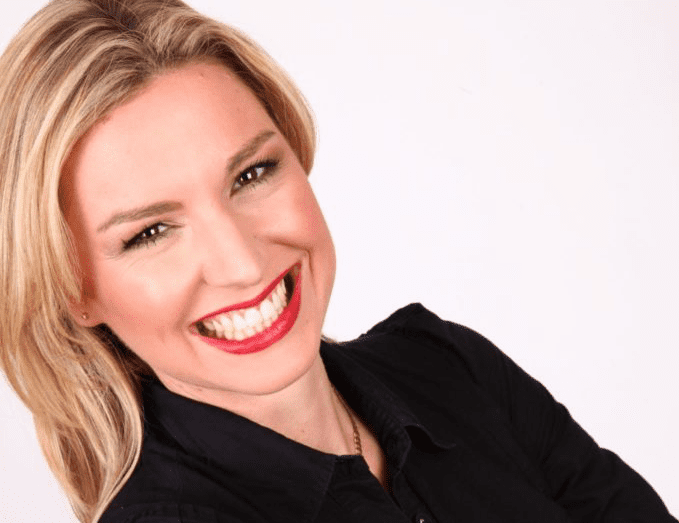
[bctt tweet=”Judy Goddard: As an entrepreneur…you never really ‘arrive’.” username=”SheLeadsAfrica”] “Trapped”. Ideally, that isn’t the word you would want to use to describe how you feel about your 9-5, but it is a word I hear all too often. It is for this reason that I love meeting women like Judy Goddard. Her boldness and single-minded dedication to creating the life she wants to live is the stuff #MotherlandMoguls are made of. The Johannesburg-based entrepreneur is the founder and director of Masiwela, co-owner, and director of On Pointe at Longpoint, and has most recently she became the director of The Rand Club. What would you say was your biggest frustration when you started out as an entrepreneur? Looking back I realise that I wanted to be at ‘the end’ before I did the work. I had established a career in hospitality before I became an entrepreneur, but the corporate world has different markers of success. I credit this uncomfortable start with helping me understand that the destination is the journey. As an entrepreneur there are always new targets to work toward, you never really ‘arrive’. Masiwela’s continued success is a testament to the fact that you do not shy away from setting audacious goals. Often people lose their momentum after they experience a few failures. How do maintain your contagious tenacity in spite of failure? The key is to make sure that you learn to trust your own judgement. Failure happens to even the most competent people; you need to learn from every failure and keep track of the lessons. It also helps that I am an optimist. I make it a point to re-frame every failure as a lesson. When I lose money in my business I refer to the loss as paying ‘school fees’, and I only ever pay it once. We dissect the failure as a team and keep track of the lessons learnt to help us make better decisions in the future. What helped me quite a bit is that I have also become intentional about creating a strong positive process. This means I surround myself with people who genuinely want me to succeed. I also spend every second of my spare time learning new things that can help me lead better. I love that you refer to yourself as an ‘Africaneer’ (African Entrepreneur), and I notice Masiwela steadily increasing its presence across the continent. As a young company, what has been your strategy for breaking into the various African markets? I am originally from Zimbabwe and at first, it was not easy to break into the South African market. In hindsight, being an outsider here was fantastic practice for my continental vision! The biggest lesson for us has been to think laterally. Invest as much into gaining trust and forging relationships as you do into the technical parts of the business. This also means not shying away from collaborating, even if it’s just to get your name out. You will be amazed at how much you can get done with the right relationships. [bctt tweet=”Don’t focus on the big wins. Consistent hard work is the key – Judy Goddard” username=”SheLeadsAfrica”] Secondly, and this is good advice in general, don’t focus on the big wins. Consistent hard work is the key. The small wins always add up and help you to create the big wins. Last year Masiwela took over management of the historic Rand Club in Johannesburg inner city. Not only is it in an older part of town, but the club itself has a complicated history. What motivated you to take on the challenge? As someone who studied and worked overseas, I understand the temptation to benchmark our cities against cities like New York and London. That said, young African entrepreneurs are in a unique position in that we must create the environment we want to operate in. We need to think long term to get this done. Personally, I have always wanted to live in New York, so I resolved to be part of creating the African version of New York in Johannesburg. [bctt tweet=”Judy Goddard: Young African entrepreneurs…must create the environment we want to operate in” username=”SheLeadsAfrica”] I took up the Rand Club because I realised how important and unique our role as young Africans is in writing Africa’s story. ‘History’ is currently being created and it is our role to help write a better history for our children to learn. The Rand Club has quite a negative colonial history, so it excites me to be able to change that narrative. What has been the biggest leadership lesson running a business has taught you? What distinguishes entrepreneurs is that they always need to be prepared to make a decision. The mistake I made early on was that I thought that this meant I had to make every single one. This slowed everyone down and I became a bottleneck for my company. [bctt tweet=”Entrepreneurs always need to be prepared to make a decision – Judy Goddard” username=”SheLeadsAfrica”] I have come to realise that as a leader of an organisation, leadership automatically involves becoming a coach, and empowering my team. When a member of my team asks me a question, I resist the urge to give them an answer. The goal is to get them to show initiative and to trust their judgement. Instead, I ask them what they think they should do to fix the problem. Only give input on how you would handle it if the team member is totally off the mark. When you do, make sure you explain the reason behind why you would go in a different direction. If you’d like to share your story with She Leads Africa, let us know more about you and your story here.
Olubukola Adebiyi: The solution to poverty is to bridge the gap between the less privileged & the privileged
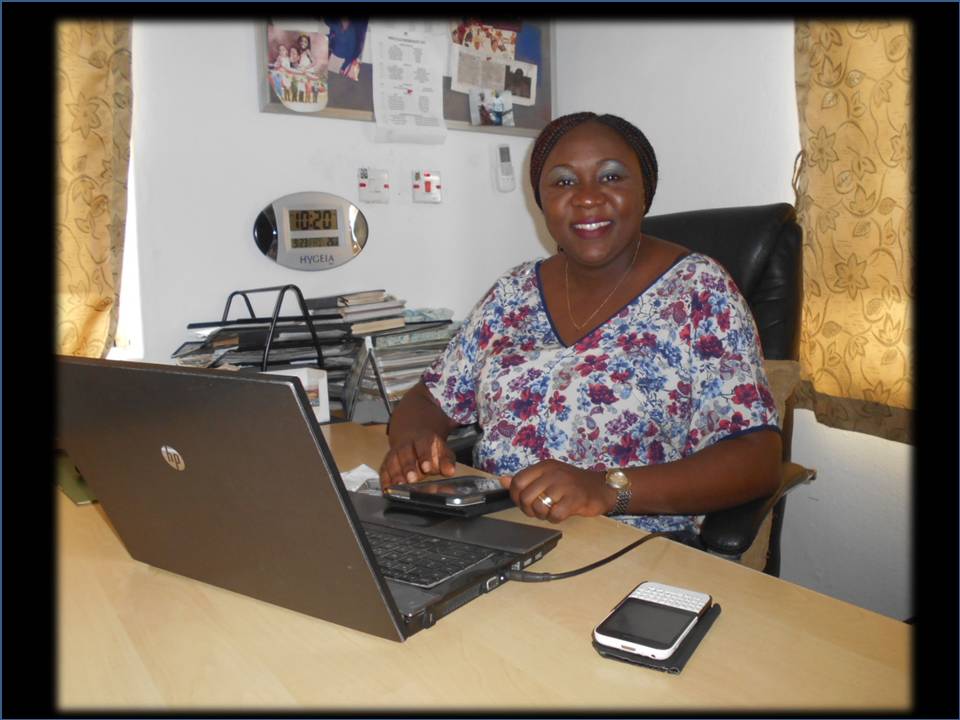
[bctt tweet=”Be completely focused and committed to your passion against all odds. – Olubukola Adebiyi” username=”SheLeadsAfrica”] Buzzing with a powerful and uncompromising energy, the social enterprise, Jakin NGO is a place that has become home to many who don’t have much that they can proudly call their own. Bearing at its core a commitment to improve the everyday lives of society’s most vulnerable, Jakin serves as space for transformation; it serves as a training ground. It is a place where hope meets education; where dreams meet technology. Jakin is for many, a temporal refuge away from home. Olubukola “Bukky” Adebiyi, the President and CEO of Jakin, fully embodies Jakin’s commitment to serving humanity. Her service and commitment to change are championed through her passion and optimistic ambition to see Jakin serve even more people. Bukky is fully hands on as she not only obliges to her role as CEO but trains, serves food, greets, advices and lives the passion for her calling each and every single day. How would you describe what you do? As is described in our mission statement, I work with vulnerable groups to overcome health, economic and educational hardships. Our group targets are by majority orphans and vulnerable children, women —mostly widows, people living with HIV, people living in slums and hard to reach areas, particularly youth. What inspired you to get involved in this particular field of work? It’s my passion to put smiles on faces. By the grace of God, I realized that the “less privileged are simply those who lack the privileges of the privileged.” The solution to poverty is to bridge the gap by creating a conducive, secure and encouraging platform for the “privileged” to share their resources with the “less privileged”. What do you think has been your greatest contribution to your work? My life and my time! Your work can be challenging considering the fact that you are dealing with the vulnerabilities of people’s lives, what keeps you motivated? It’s the joy that breaks forth in the life, faces, and households of the beneficiaries that keep me motivated. Once they receive any form of assistance, they seem to light up with some immeasurable hope that tomorrow will be better. Thereafter, they seem to have a new drive to survive, despite all the odds. Most of the time you can hear them thanking God for remembering them for good. Can you please share with us a great story of success? Jakin has been in operation for 13 years, and yet we have never held a single fundraiser or partners forum. Nevertheless, we have over a thousand individuals, corporate and faith-based partners here at home (Lagos, Nigeria) and abroad that help keep us operational. All our projects till date always record outstanding success. We have over 6,000 orphans and vulnerable children, and over 2,000 vulnerable families including youth, widows, and people living with HIV, that are receiving support from 17 different projects that we have. How do you ensure that you maintain a level of commitment and integrity from your employees and the individuals that you supervise throughout the whole year? Consistency with our organizational values of transparency, integrity, humility, passion and the fear of God make that easy. I make my adherence to these values the first example that others follow. [bctt tweet=”The less privileged simply lack the privileges of the privileged. – Olubukola Adebiyi” username=”SheLeadsAfrica”] In your line of work, what are some of the things that you do to begin the year well? I make sure I personally start my year annually with rededicating my life to God and seeking His direction for the year by fasting and praying for the most of January. We normally have staff prayer meeting on the first work day of the year before commencing with general meetings, reviews of the last year, and other activities. Our annual training happens in that first week as work plans are completed by each department, in line with the organization’s yearly budget. Most implementation commences skeletally in January while the majority kicks off in February. How do you ensure that all your departments are working in line with the goals that you set forth as an organization? The organization is well structured. We have an organogram headed by a six-member Board of Directors that meet regularly. The office is also run by a management team comprising of all departmental heads who ensure that all members of staff are working in line with organizational goals and objectives. What word of advice would you have for a young woman wanting to do what you do? Have a clear vision of your passion. Be completely focused and committed to it against all odds. Start small, be transparent and always give feedback to your partners. Encourage your helpers and supporters. Above all, walk closely with God. [bctt tweet=”Start small, be transparent and always give feedback to your partners – Olubukola Adebiyi” username=”SheLeadsAfrica”] What is the best part about being a boss lady and owning that power of freedom? It teaches you humility and fear of God. You can’t afford to abuse power because it’s a privilege. How do you maintain a healthy work-life balance? I spend the bulk of my work life serving humanity so I make sure all my spare time is spent with my husband and children. Also, I enjoy being at home with my loved ones. I am blessed with the support of my husband. How do you de-stress and/or unwind from a long day of work? I watch TV, cook, dance to gospel songs and enjoy my time with lovely kids. I go out once in a while. Here is how you can support and learn more about the work of Jakin NGO. If you’d like to share your story with She Leads Africa, let us know more about you and your story here.
Yoli Mqoboli: I wanted to start a business that is meaningful to me and to other businesses
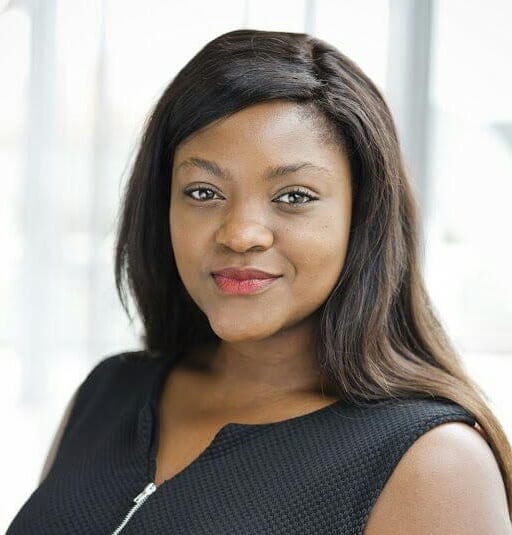
[bctt tweet=”I fell in love with Business Management during my undergrad studies – Yoli Mqoboli” username=”SheLeadsAfrica”] Yoli Mqoboli is a certified global Remuneration Specialist with extensive experience in reviewing and developing total remuneration policies, packages, and frameworks for both public and private sector organizations. Her career started off at the South African Reward Association (SARA) as an intern —gaining exposure in all aspects of total rewards such as basic remuneration, benefits, and total reward elements. She has worked for blue chip companies focusing on expatriate reward management and Africa reward. After her last stint in corporate, she started Sunguti Business Solutions, a 100% black woman owned human capital solutions consultancy specializing in tailored remuneration, reward and benefits solutions and talent acquisition solutions. Yoli then approached her former Director and pitched the idea of coming back to the organization as an independent consultant, as such giving her the independence and time to start-up and nurture Sunguti. What was the spark that led you to start Sunguti Business Solutions? Sunguti Business Solutions, before the name ever came into existence, was always a dream of mine. I fell in love with Business Management during my undergrad studies. As such, I decided for my postgrad studies to specialize in Business Management. I had in mind a Business Solutions consultancy focusing on each of the various business functions. My business model would be that of a sub-contracting arrangement as I don’t have experience in all of the business functions. This was also aimed to collaborate with other professionals and hopefully, garner more business participation. I wanted to start a business that is meaningful to me and to other businesses. What services do you offer your clients? Are they only limited to South Africa? If yes, what are your goals to grow Sunguti to rest of Africa and the world? Currently, our capacity is in Human Resource solutions, which include Remuneration and Benefits consulting and Recruitment. We focus on permanent placements, response handling, and headhunting services. Our service offering is in South Africa and we plan on expanding it to Swaziland first, and then the rest of Southern Africa. Our short-term plan is to penetrate the southern Africa region, due to the geographic reach and ease of doing business. As a 100% black women owned Human Capital solutions consultancy company, do you find it is easier for black women to start their own consulting firms, especially in your industry? If not, what are some of the challenges you’ve faced? Starting a business is hard for anyone, and as a black woman within the Reward fraternity is twice as hard. This industry has and still is owned by elite white-owned professional service providers. Women face hurdles such as access to funding, lack of access to other types of business due to non-exposure as these fields have been traditionally deemed to be male gender specific. Also the lack of a support network and lack of advisors or mentors in these areas of business. [bctt tweet=”For Yoli Mqoboli, starting a business within the Reward fraternity was twice as hard” username=”SheLeadsAfrica”] Reward management, which is a specialist function within HR, is currently a scarce skill with fewer black professionals. Yes, there has been an influx of black talent –however, the skill is not mature enough. The major challenge for us as black-owned consultancies is getting taken seriously by companies and peer competitors. You’re deemed an unknown and your credibility shaky because your brand is not yet established. Corporate South Africa prefers to reserve remuneration consulting projects for the big professional services. There is little confidence in smaller consultants who ironically have consulted for the same corporates under these big professional service providers. How can the challenge of small black-owned consultancies being overlooked be overcome and ensure that they make a mark in the consulting world? There is no perfect answer, however, in light of the new developments in BEE procurement regulations –bigger professional services providers who aren’t fully representative in black ownership and participation will be urged to partner up with smaller black consultancies. Some have already done that therefore the rest will probably follow suit. [bctt tweet=”Yoli Mqoboli: The major challenge of black-owned consultancies is being taken seriously” username=”SheLeadsAfrica”] In the meantime, it’s us smaller black consultancies who have to create the opportunities, approach potential partners and keep abreast of developments in the market. However, the same needs to be done by bigger competitors. What advice would you give to women looking to venture into the remuneration management and talent acquisition space? You need to have a flair for people, numbers and the evolution of human capital solutions. You need to love what you do, and you will never have to work a day in your life! Secondly, you need to network and keep abreast of the developments within the area of reward management, both locally and globally. What are your goals for Sunguti in 2017? How will you ensure you meet the goals? My goals for Sunguti in 2017 is to focus more on business development initiatives; this includes joint ventures and collaborative partnerships with some of the bigger corporations, and expand the service offerings to Swaziland. We also aim to register with the relevant SETA in the introduction of accredited training and development services. Lastly, we aim to strive for standards of quality and commitment to our current clients. If you’d like to share your story with She Leads Africa, let us know more about you and your story here.
Samba Yonga: Working to document African women’s history
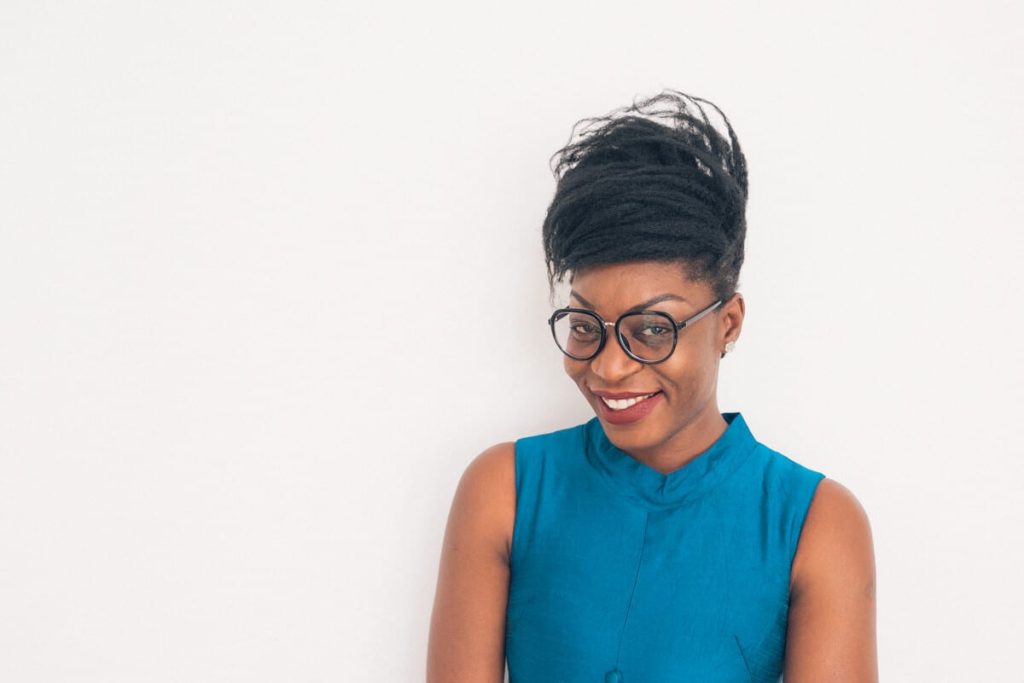
[bctt tweet=”Samba Yonga: I am now more interested in communicating real impact ” username=”SheLeadsAfrica”] Samba Yonga is a Media Communications specialist running her own firm Ku-atenga Media. A trained journalist, Samba initially worked with one of the daily papers but found the job extremely boring. She then joined a media company that worked in development communications, this opened up more opportunities in development communication role. Samba also recently co-founded the Museum of Women’s History in Zambia with Cultural Specialist Mulenga Kapwepwe and eight other women in Zambia. The Museum of Women’s History in Zambia aims to highlight women’s role in the history of the country. SLA contributor Kudakwashe Mulenga sat down with Samba Yonga to find out how she navigated her career to end up running her own businesses. You took on several roles at a fairly young age, did you face any challenges? I know the narrative of the ‘struggle of women’ is real —most people ask me how being a woman has impacted my work. I am aware that there are inequalities everywhere and work towards addressing them. In my case, I think I am very fortunate that women are encouraged to take on the work that I do. I have also been very lucky to be surrounded by people that encourage me and recognise my ability. [bctt tweet=”Samba Yonga: I think that women are encouraged to take on the work that I do” username=”SheLeadsAfrica”] We also live in an environment that is malleable, meaning you have to work around your situation. You have to create life hacks and develop market-creating skills for your business. On my end, we largely had to develop the market and I think it is the same with a lot of people in the creative/communications sector here in Zambia. You are co-founder of the Museum of Women’s History in Zambia, tell us about that. I co-founded the museum with a group of women who want to highlight the importance of women’s narrative in history. In the work I do I network with a lot of people and I took an interest in Zambian history. My work involved research to a great extent. And I would find intriguing stories about the past that I had never learnt in school even at college level. [bctt tweet=”Samba Yonga co-founded a museum to show the importance of women in Zambia’s history” username=”SheLeadsAfrica”] I then found a lot of things that were not in the mainstream narrative and that I felt should be known by all. As I researched more I found more and more interesting information. I met and listened to experienced cultural actors such as Mulenga Kapwepwe. I followed her work and also collaborated with historians such as Marja Hinfelaar, she was responsible for digitizing the National Archives of Zambia. Last year, I undertook a research in collaboration with a Swedish organization on these buried narratives. We met with communities who confirmed narratives of women having an active role in Zambia’s history but not being documented. One of my favourite ones is of the Mukuni Kingdom in which there is actually a dual leadership. Bedyango, as confirmed by Chief Mukuni was the Matriarch of the kingdom. Mukuni was a wandering ruler of the north who was strong and mighty. Bedyango realized that this was a threat to her kingdom and she offered a dual leadership instead. However, when the colonial authorities arrived they refused to recognize the woman as a leader and that is how Chief Mukuni became the more prominent leader. This information was never documented and many people don’t know about it though the dual leadership is still practiced today. This showed me how we are not using our own information to strengthen our communities. This is the concept for the museum. [bctt tweet=”Samba Yonga: We are not using our own information to strengthen our communities” username=”SheLeadsAfrica”] How has the reception been so far? The reception has been really good and we didn’t expect it. We just opened our virtual space and so many people have reached out with resources including stories and collections. A lot of history in Zambia is oral and the establishment of the museum has encouraged people to contribute. Our main goal is to get this information into the curriculum and make it part of mainstream knowledge. Who in your museum do you think every African should know? Immediately it is Bedyango the custodian and Matriarch of the Gundu kingdom, which is now Mukuni Village. She is a modern day example of a feminist. Bedyango is an example of someone who was able to stand for justice and used proven methods of leadership that progressed her kingdom. There is no other person who is a great example. Another notable one is Mumbi of the Shila people and she was responsible for the protection of the now Bemba people. Mumbi played the role of what could now be referred to as a modern-day diplomat. There are many examples and these show a very different perspective of women. Our history has obscured such figures and has limited the positions and roles that women played. We would like women and girls today to realize their own capabilities to achieve their dreams from the women of the past. [bctt tweet=”Our history has obscured such remarkable women – Samba Yonga” username=”SheLeadsAfrica”] Let us talk about your other baby Ku-atenga media, what does it do? Ku-atenga is primarily a communications consultancy. I have a background in communications both corporate and development. These unique skills allowed me to have a good understanding of what communication entails and what responses work for Africa. We combine these skills to create communications packages for Africans. Now there is huge interest from outside Zambia and Africa for African content. We design communication tools and content for different organizations at Ku-atenga. We have done work with varied local and international organizations. And more recently we are getting involved in doing more transformative communications that would effect change. I am now more
Maphano Mohapi: What doesn’t kill you, makes you stronger
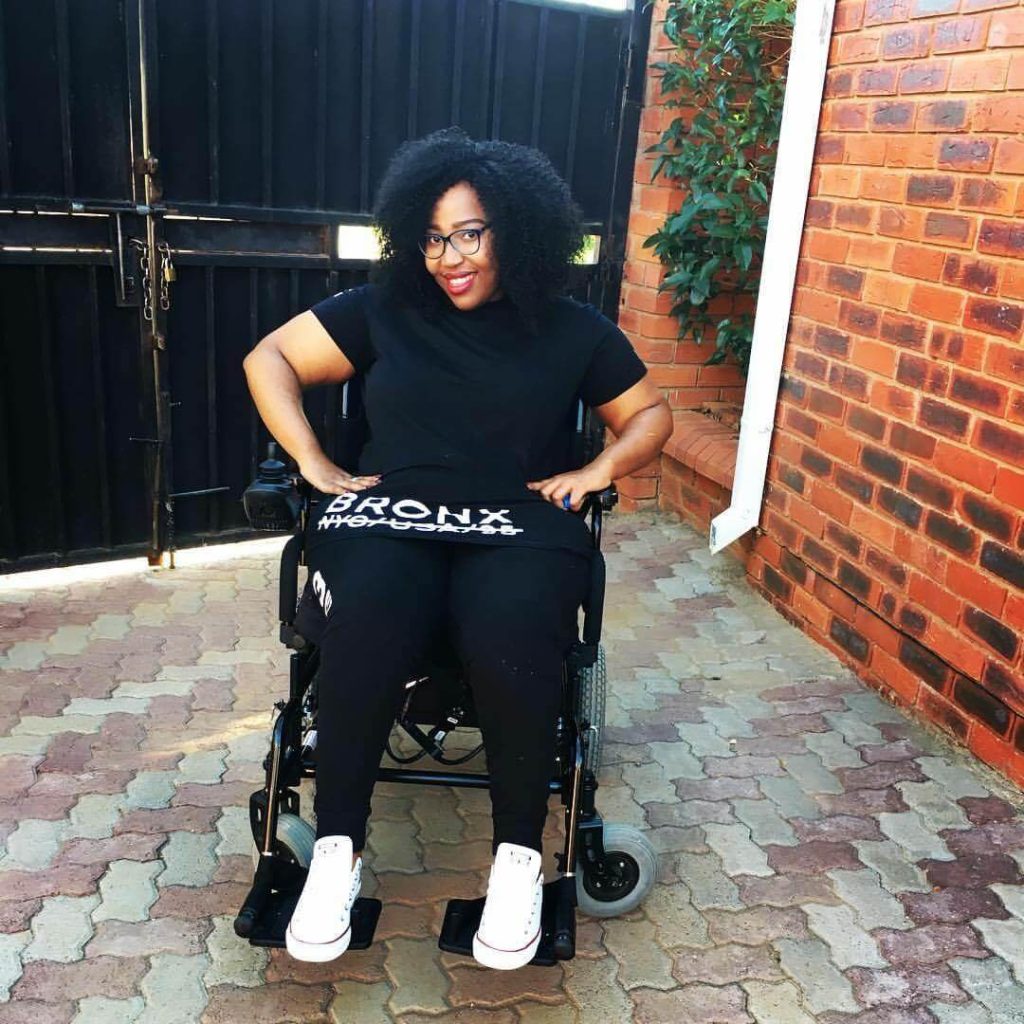
[bctt tweet=”What drives me every day is that I only have one life to live – Maphano Mohapi” username=”SheLeadsAfrica”] “Veni, vidi, vici”; I came, I saw, I conquered. Maphano Mohapi has indeed conquered all odds to be the phenomenal entrepreneur that she is today. Not only is she a social work graduate, nail technician and makeup artist with a spa business of her own; but she overcame and survived a fatal car accident in 2004 that left her unable to walk. Maphano was still in her teens at the time, but she found a way to embrace her tragedy and rise above it. Maphano describes herself as an ambitious Mosotho girl with a knack and love for people. Because of this trait, she always knew she wanted to be involved in work that engaged with other people. Maphano began hustling in her bedroom; doing people’s nails in the comfort of her home while raising enough capital to grow the business. Phano ea Bophelo Beauty Day Spa which can loosely be translated as “gift of life” was born in 2012. [bctt tweet=”Maphano Mohapi always wanted to be involved in work that engaged with other people” username=”SheLeadsAfrica”] A new lease on life For Maphano, the accident may have taken something most precious to her; her mobility— but it ended up giving her a new lease of life. It ignited a passion inside her she couldn’t resist and built resilience so strong that it helps her navigate the daily challenges she faces while running her business. [bctt tweet=”After her accident, Maphano developed a resilience that helps her navigate business challenges” username=”SheLeadsAfrica”] At first, Maphano’s challenge was the means of a start-up capital which led to her approach the Lesotho National Development Corporation for assistance. When her attempts proved futile, she had to seek other opportunities and knock on other doors. Luckily her parents had faith in her business endeavour and offered to help her with the start-up capital. “For most youth in Lesotho, embarking on a business is motivated primarily by the lack of employment. Hence it’s a survivor’s alternative to just lying around waiting for a job from God knows where. “After completing my studies at university, I could not find employment anywhere. People with a disability usually get discriminated against certain jobs because of their condition,” says Maphano. Maphano isn’t one to sit and have a pity party over how unfair life has been. Rather, she is full of joviality and zest that even able-bodied people don’t have. For Maphano, venturing into nail artistry and make-up was inevitable as she grew up loving art and has been painting since primary school. The only difference is that now she gets to do it for a living and smile all the way to the bank afterward. [bctt tweet=”For Maphano Mohapi, venturing into nail artistry and make-up was inevitable” username=”SheLeadsAfrica”] In order to perfect her skills, Maphano went to nail art school and make-up artistry school in South Africa. “Initially Phano ea Bophelo was supposed to be just a rehabilitation centre for trauma but it turned otherwise. However, the funniest part is that actually clients upon visiting the spa find both body rejuvenation and mental rehabilitation. “The social worker in me actually comes in handy because most women who come to the spa are usually laden with lots of problems and need an ear to listen. This is actually their safe haven where they can de-stress and connect with other women.” [bctt tweet=”Phano ea Bophelo is a safe haven where women can de-stress and connect” username=”SheLeadsAfrica”] At the initial stage of the business, Maphano collected clientele in her room through social work marketing. Even now, social media and word of mouth advertising have helped built up her brand and increase her clientele. Maphano’s perseverance and dedication has paid off as she was honoured and crowned victor in 2016 at the Finite Women appreciation awards under the entrepreneurship female category. Her parents have been her biggest supporters and she speaks fondly of them as her role models. They inspired her to venture into business; having travelled the road before themselves. Maphano credits their advice as instrumental in helping her navigate the various challenges that face her business. Her innermost desire is to see Maphano’s innermost desire is to see Phano ea Bophelo grow to greater heights and create more employment. Her last words are an encouragement to everyone, especially the youth to let their voice be heard and challenge stereotypes. “Never give up on your dreams and remember you only have one life to live. Getting a second chance in my life moulded me into the strong, beautiful black woman I am today. “What drives me every day is that I only have one life to live and the only thing I know how to do is to love because I don’t know what dead people do,” she ends with a chuckle.