
Lebohang Monyatsi: The first South African woman in a wheelchair to be a runway model
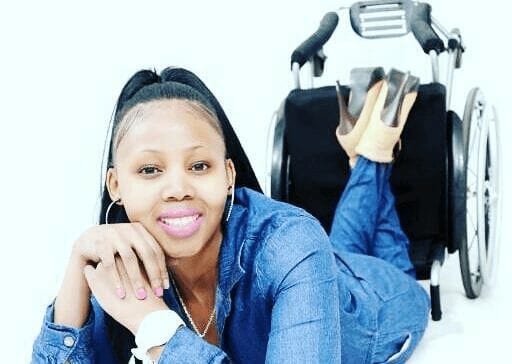
[bctt tweet=”The fashion industry ignores diversity and inclusion – Lebohang Manyatsi” username=”SheLeadsAfrica”] “The main goal is to break the stereotypes associated with people with disabilities in the fashion/entertainment industry and to pave the way for those to follow and succeed me.” Those words come from Lebohang Monyatsi, the first South African woman in a wheelchair to be a runway model. Lebohang was born and raised in North West Province, in a small town called Vryburg. She is recognized for representing her country in the field of Wheelchair Basketball. Lebohang is extremely passionate about the needs of children, disability inclusion and accessible features for all. Tell us about your journey as a model, what made you fall in love with modelling? I have always loved modeling. As a teenager, I did mostly pageants, but at some point, I gave up. This is because the fashion industry especially in South Africa, ignores diversity and inclusion. In SA, and other parts of Africa, many people have a belief that people who are differently abled are only good for office work or sport. I intend on making people see that we are capable of doing other things. We have other abilities beyond sports activities and office work. I wanted to embark on this from a young age but couldn’t because of lack of opportunities for people with disabilities in the entertainment industry. [bctt tweet=”Lebohang Manyatsi: I am work in progress and on the hunt for who I am yet to become” username=”SheLeadsAfrica”] What kept you going? “Be the change you wish to see”, that quote keeps me going. I believe that whatever change you wish to see in the world, you should be the first one to act on it, lead by example. As the first South African runway model to do so in a wheelchair, I believe my work speaks a lot of volumes. What are your goals as a model? My goals as a model are to do international modelling, to inspire/be a role model -especially to those who think “it’s not possible”. In addition to those two, I want to open doors for others to follow and surpass me. [bctt tweet=”Lebohang Manyatsi want to open doors for others with disabilities to follow and surpass her” username=”SheLeadsAfrica”] What have been your greatest accomplishments so far? So far my greatest achievement is being a finalist for Face Of The Globe and of course modelling at Soweto Fashion week which appeared on Selimathunzi. Also, modelling at Maboneng Fashion week and GeeJunction Fashion show. How do you define success? For me, success means being very happy and content with what you do. [bctt tweet=”Success means being very happy and content with what you do – Lebohang Manyatsi” username=”SheLeadsAfrica”] What do you think needs to be done to make the fashion/entertainment industry friendlier to disabled people? People want to see diversity in the fashion/entertainment industry. The industry needs to keep this in mind and actively work towards being inclusive and diverse at all time. What is your motto in life? Be happy with what you have but never give up on what you want. If you’d like to share your story with She Leads Africa, let us know more about you and your story here.
Oby Bamidele: The more you conform, the less you become
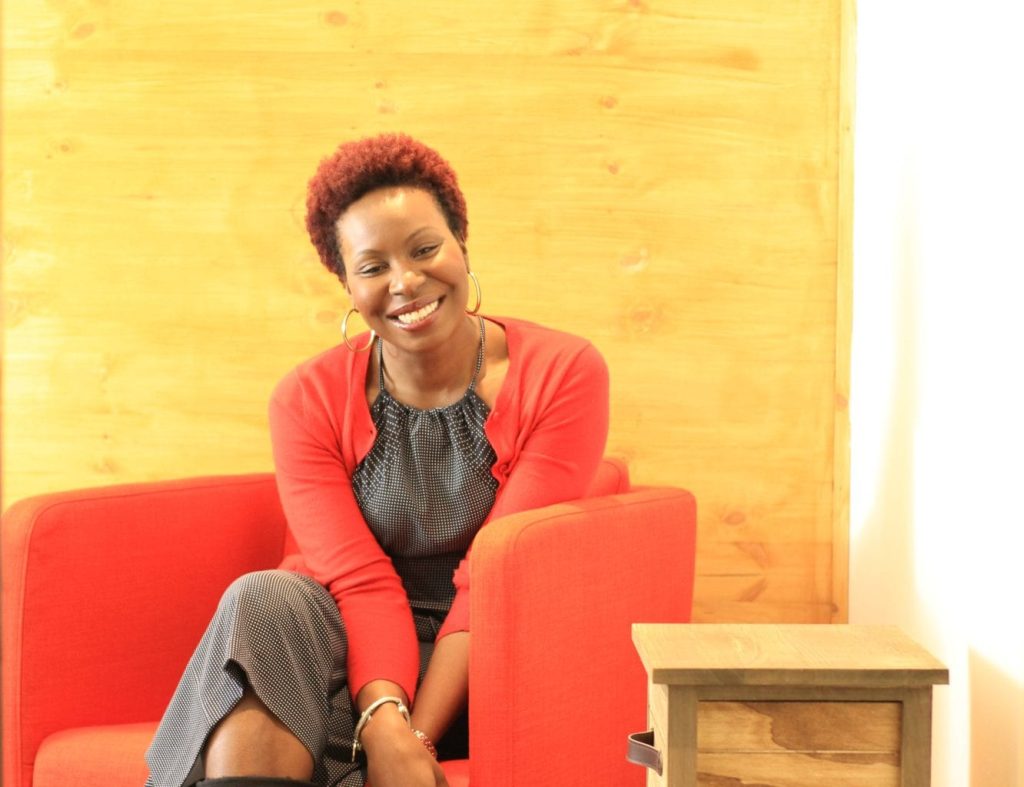
[bctt tweet=”I predominantly help women dig deep to discover their true self – Oby Bamidele” username=”SheLeadsAfrica”] Oby Bamidele is an Authenticity Coach and registered Counsellor who believes that a person can only be truly happy when he or she is being true to themselves. Oby started her career as an accountant, and in her book “Finding Purpose”, she shares candidly her challenges and triumphs in breaking out of a conformist life and uninspiring career. Her interest had always been in people and psychology, but at 18 years old, she lacked the knowledge and conviction to convince her parents that studying Psychology would be a wise career choice. After years of struggling to live the fulfilling life she craved, Oby finally took the leap and she certainly is not looking back. Her goal is to empower women around the world to be authentic, self-aware and live purposeful, nonconformist, liberated lives. Tell us a little about yourself and your job as an Authenticity Coach? Although my clients are diverse, I predominantly help women dig deep to discover their true self and the clarity and courage to make the changes that will enable them to live a deeply satisfying life. We live in a world where we strive to fit in and conform to gain approval. We do what is expected of us by our families, friends, society and the world, usually to the detriment of our own needs, dreams, and passion. In our bid to fit in, we lose the essence of who we are, or we hide away the parts of us that we feel do not fit into the ideal standard. However, doing so hinders our ability to embrace our uniqueness and individuality. When my clients come to me, they are frustrated, confused, scared and unsure. My job is to help them, understand who they are, identify the root of their problems and coach them to develop the right mindset, resilience, and resources to achieve their desired change. Before becoming an Authenticity Coach and Counsellor, you were an Accountant. What inspired the transformation? I started my career in Accounting, having studied Accounting and Finance at University. But I was unfulfilled in a career that didn’t play to my strengths, passions or interests, which for me was soul-defying. I wanted to be excited about my work and not dread Monday mornings. [bctt tweet=”Oby Bamidele wanted to be excited about her work and not dread Monday mornings” username=”SheLeadsAfrica”] I was unhappy and constantly trying to be the person that I thought I should be rather the person I truly wanted and needed to be. As a result of my unhappiness, I made poor choices in my spending, relationships and my eating habits. Things were spiralling out of control, I was engaging in excessive behaviours to numb my emotional pain. I reached a low point where I had to re-think my life; my self-discovery journey began. I started having counselling and mentoring. Through counselling, I began to know me and I liked the new person that was emerging. I learned that not knowing what I wanted was the route to a wasted and frustrated life. I have always been passionate about empowering people and the more self-aware I became, this stood out strongly as the career path for me. It took me 5 years to complete my training in counselling but I thoroughly enjoyed it. After working part time as a counsellor, I finally took a leap of faith and launched my private practice. I love my work and I am extremely passionate about it. I understand the pain of my clients because I have been there. Also, I run self-awareness masterclasses for women and teenage girls, called BARE. Doing the work I love gives me the opportunity to work with schools, organisations, to speak about Authenticity and Mental Health. [bctt tweet=”Having been there before, Oby Bamidele understands the pain of her clients” username=”SheLeadsAfrica”] I have written two books; “Finding Purpose” and my latest book is titled “Me, My hair and the Rest” -an autobiographical account of my journey to self-acceptance and authenticity, recounted through my relationship with my hair. What are some obstacles you encountered during this transformation? My main obstacles were fear in its various forms, particularly fear of losing my identity. I discovered how much my identity was attached to a job title, despite the fact it was a job title that didn’t excite me. I was still desperately trying to hold on to a status that made me feel validated by others. Why do you think many women are conforming to societal standards lately? What happens to people who conform to societal standards? I think that as human beings; we crave approval and acceptance. Often when we try to follow our own way, we fear we will be rejected, ridiculed, or looked down on. Many are desperate for approval and believe that conforming is the way to earn that validation. Culture and society model the perfect life as having financial wealth, status and possessions, looking flawless and perfect. It is all about the external things. Whilst there is absolutely nothing wrong with having material wealth, many rarely stop to question whether the cultural and societal norms are aligned with their own values. As African women, many of us have had our lives mapped out from a very young age. Before the age of 10, I knew that my life would look like this; go to university; get a good job; get married and have children. For a long time that was as far as I understood my purpose to be. [bctt tweet=”Many African women have had our lives mapped out from a very young age – Oby Bamidele” username=”SheLeadsAfrica”] But I lacked self-knowledge to question if I wanted those things and if so, why. Was it out of my own desires or because I had to tick a box? When I ask clients these questions, many don’t know the answer. Some are scared to find
Assia Sidibe: I am building a better Africa for myself and my daughters
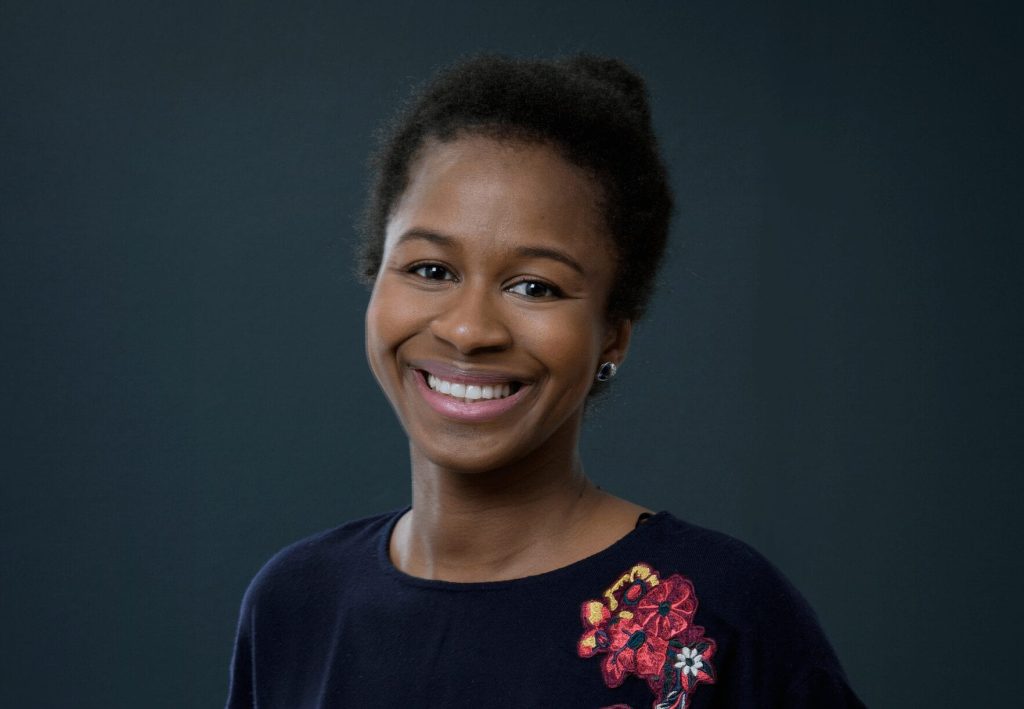
[bctt tweet=”Your first husband is your job. It is important to be independent – Assia Sidibe” username=”SheLeadsAfrica”] At only 32 years old, Assia Sidibe heads the pool of Francophone countries for the African Risk Capacity (ARC) – a specialized institution of the African Union that insures African countries against the risks of extreme weather events. Assia is from the beautiful land of Mali; she grew up in Côte d’Ivoire but had to leave this second home 16 years later, after a coup in the country, for France, where she lived for a decade. In this interview that took place on a plane, 3 hours away from a Madagascar business trip, SLA contributor Meguy Massoudi attempts to capture just what a trailblazer Assia is. Assia did a great job at answering with candor and a lot of humor. What did you want to be when you grew up? Why? I have no idea. I was not one of those people that knew what they wanted to do. All I knew is that I wanted to work in development and help people. Growing up in Côte d’Ivoire, I could sense the inequalities in society. I wanted to help people that were less fortunate than I was, just not in a charity sort of way. That idea only became concrete when I was around 18 or 19. How did you decide that finance was the route you would take for your studies and later your career? When I was supposed to decide what to study, I had no idea what to do. My parents pushed this idea that finance was the best place to start on me. They believed that it opened a career in everything. So I studied finance in high school. After my Baccalaureate, I did a PREPA (preparatory school) in Superior Classical Letters. I was curious about learning about history, languages, and philosophy. After that, I knew what I wanted to do. So I did a Master’s degree at Science PO Paris in Finance and Strategy. And from then, it opened up a career in development very easily. Have you ever done any volunteer work? If yes, how has it been important to you? If not, would you be interested in volunteer work? When I arrived in South Africa, I gave contemporary dance lessons to teenagers in the Joburg CBD. I wanted to give back to the community. I wish I could volunteer more. If I had more time I would. Have you ever faced problems in the workplace because you are a woman, how have you dealt with them? No. I have faced problems in the workplace more because I am young. Working with African governments however, it has not been as difficult. Being a woman can be challenging, but if the work relationships are based on mutual respect, that is good. [bctt tweet=”Assia Sidibe: I have faced problems in the workplace more because I am young” username=”SheLeadsAfrica”] I have been pleasantly surprised by the open-mindedness of senior government officials who are willing to work with women of every age, especially in West Africa. Africans are not as closed minded as we are often made up to believe. You have a career that allows you to surpass yourself every day, and meet the game shakers in climate change and in governments. How do you find the confidence to talk to so many high profile people and get them to align with your vision and participate in your work? I am not at all impressed by high-rank people. At the end of the day, we are all working for the continent. I don’t scare easily or get impressed easily. That doesn’t mean I don’t respect them. I also think it is important to share our different views with one another, Minister or not. You would be surprised how friendly and open-minded people on the continent are. Was there a time you messed up and felt like you failed? What did you do to recover? I wouldn’t say messed up. But last year, one of my countries didn’t get on board with ARC. I didn’t feel like I failed because I was on maternity leave. But I felt guilty. It’s a woman thing. When I had to travel after giving birth and leave a little baby, I also felt guilty. I always leave thinking to myself, did I make the right choice? But I wouldn’t be happy staying at home. I tell myself, I am building a better Africa for myself and my daughters. And If I can make that impact, then that’s good. What keeps you going in the most stressful times? The belief in the potential of our continent keeps me going. I believe in what I do. I admit to being a bit of an idealist. But the bottom line is believing in what I do. I meet exceptional civil servants who work in hard situations but they never give up. In hard times, these people inspire me and keep me going. [bctt tweet=”The belief in the potential of our continent keeps me going – Assia Sidibe” username=”SheLeadsAfrica”] When we talk about the continent, we don’t talk enough about those that do everything in their power to make Africa better. We only talk about those that are corrupted. What are your success habits? My success habit would be never giving up. But I wonder if I even really have success habits. I am just a person who never gives up. It’s in my personality. Nothing is impossible. So my success habit would be to explore a hundred ways to solve a problem before giving up, in every single thing I do. What advice do you have for women wanting to make advancements or drastic changes in their careers? I will start by addressing the point about drastic career changes. Speaking from experience, I resigned from my job in France. You have to find the courage to do it. When you want to do something, do it. For
Toyosi Ogunmekan: The warrior #MotherlandMogul
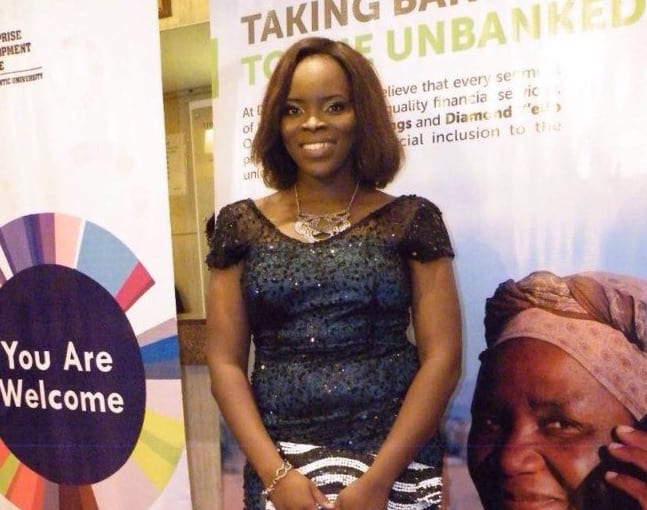
[bctt tweet=”Toyosi Ogunemeka is a Sickle Cell warrior whose start-up answers shortcomings in the healthcare system” username=”SheLeadsAfrica”] Toyosi Ogunmekan is a “warrior”! Yes, she is a Sickle Cell warrior who got involved in business because she noticed shortcomings in the healthcare system. Instead of getting beaten by the system, Toyosi decided to roll up her sleeves and make an impact. She started a business in medical technology, Toyo Medical Techs where she provides a range of healthcare products used to diagnose, monitor or treat a disease or medical condition. It includes medical devices, information technology, biotechnology, and healthcare services. SLA contributor Ugochi Obidiegwu caught up with her recently to understand her drive. What led you to start your business? After my post graduate in biomedical engineering, I fell in love with the idea of applying engineering principles to medicine. As a regular hospital visitor, being SS, I was very dissatisfied with our Nigerian healthcare system. I felt we needed to do a lot more technologically to meet up with foreign standards. Hence, the birth of Toyo Medical Techs. What has been your experience as a woman and SS in your line of business? Every business, especially at the start-up stage is very stressful and challenging. In my business, I have to do a lot of running around and drive long distances. There are days I feel overwhelmed and break down, there are also days I get comments like “I love what you do, keep it up” and that just makes my day. It’s been a bitter-sweet experience so far and I’m excited for what is to come. [bctt tweet=”Nigeria needs to do a lot more technologically to meet up with foreign standards – Toyosi Ogunmekan” username=”SheLeadsAfrica”] What is the impact of your business activities on your health? Doctors advise their sickle cell patients to avoid all forms of stress, but I don’t know. Maybe it’s an “SS-thing” we tend to be very stubborn and still act like we can do it all. Maybe we are trying to prove we’re not as weak as people think we are. Well there are days I suffer the aftermath of over stretching myself. I also thank God for family and friends who tend to “scold” me when I’m over doing it. Some 2/3 years ago I was diagnosed with avascular necrosis of the hip (it’s a common complication in sickle cell patients). My doctor recommended I do a lot of physiotherapy, avoid standing and sitting for too long, etc. But you know Lagos and all the traffic, sometimes I sit in traffic for hours! And when I get home, the pain I usually experience from that hip! OMG! It’s unexplainable. Still I’ve been able to understand my body and figure out how to balance my health and work. What’s your advice to others with your health challenge? My advice to other warriors is for them to be religious with their medications, avoid as much stress as possible, stay hydrated, understand their bodies; know when to slow down and join support groups. I run an awareness page on Instagram @thewarriorstoryng where I share tips and stories of other warriors to inspire others. I’m also a member of the Sickle Cell Aid Foundation (SCAF). From your entrepreneurship experience, what would you advice someone about to start? Be passionate about your dreams and don’t let anyone make you feel like you can’t do it. When one client says no, it doesn’t mean you should be discouraged, move on. And most importantly, pray. [bctt tweet=”A lot of people are ignorant and think sickle cell warriors don’t live long – Toyosi Ogunmekan” username=”SheLeadsAfrica”] What myths about Sickle Cell disorder annoy you? A lot of people are still ignorant about the disorder and think warriors don’t live long. There are a lot of warriors that live up to 90+ What are your plans for 2017? Hmmm… to stay healthy, get that beach body, I pray. I want to keep creating awareness on sickle cell disorder and keep pushing my business forward. Want to see women you know featured on SLA? Tell us what amazing things women are doing in your communities here.
Anyiko Owoko: It starts with you
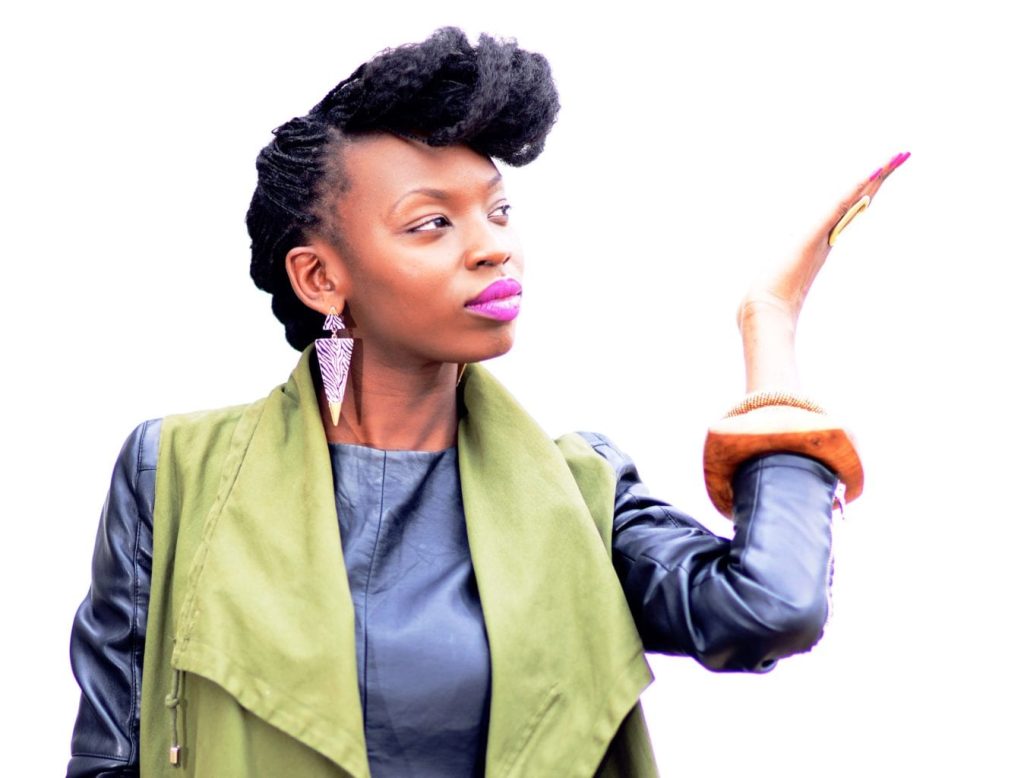
[bctt tweet=”Anyiko Owoko is a writer and PR maven who has worked with many Kenyan & African stars” username=”SheLeadsAfrica”] A celebrity publicist, a Public Relations maven, journalist, blogger and all round music and entertainment aficionado -Anyiko Owoko is the perfect definition of more than a triple threat. The young connoisseur is the publicist to award winning East African music group; Sauti Sol. Starting out as their friend and assistant, Anyiko has risen to media success thanks to her work with the boy band. Anyiko also works with many other talented artists on the continent and beyond who have seen her prowess as an influential communicator and brand strategist. Now she intends to expand her growing PR company –Anyiko PR and let SLA contributor, Diana Odero in on her journey to where she is now and why she is fuelled by creative people. You have the incredible role of being Sauti Sol’s publicist. How did this come about? I have always been their friend to begin with. I was initially friends with Chimano in particular, who I met in 2006 at Alliance Francaise where I was studying French. Funny thing is, we weren’t even in the same class so I don’t really recall how we became friends. Chimano would always tell me about his friends and him singing in high school and now that they were done, they were thinking of starting a music group. He wanted my opinion on that. So I sort of became their advisor from back in the day and I encouraged them to take on the music group idea. Chimano and I joined the choir at Alliance and we really liked it but Chimano felt that he needed his friend (from high school) to join in as well. We both convinced the choirmaster to allow his friend -Bien Baraza to join, even though non-students weren’t allowed in the choir. Later on Savara and Polycarp, Chimano’s other friends were brought in and they were a full singing group in a choir. After we completed the French program, we enrolled into University and surprisingly Chimano and I ended up in the same school, in the same course and in the same class. That’s really how it all started and as for me, I’ve always loved writing and communicating. As a friend, that was a great quality I had that was able to help them get their group off the ground. I have been their road manager, an assistant, I got them onto social media and after several years, they realized that I was the main person doing their publicity. I knew they would become big stars from way back in the day and so I did all I could to secure their brand and maintain their presence in the music industry. They of course now have a bigger team; I even have my own assistant as well, so at least we have a lot more help than we did when it was just the boys and I. Did you always want to get into the public relations field? No, I never saw myself doing this kind of work. PR kind of just found me because of the work I was doing with Sauti Sol. My plan had always been to get into writing and become a journalist. PR is part of communications so it still lies in my preferred field but I guess you can say I ended up specializing in it. [bctt tweet=”Anyiko Owoko: PR kind of found me because of the work I was doing with Sauti Sol” username=”SheLeadsAfrica”] I wanted to do broadcast journalism, which I have been doing actually; I’ve been working in TV for the past seven years. I still write though, I write for DStv, for the Daily Nation, I run my own blog and I also write for the Coke Studio website. So I’m still doing what I always wanted to do and I’m grateful to have found something else that I can do that contributes to the industry. How did you know that it was time to leave the employee life and become your own boss? I recently stopped working in TV this past September because I wanted something new and more challenging and needed a break from my broadcast career. About three years ago, I started feeling this way, I always wanted to leave but it was a bitter-sweet decision to make as that was my first official paying job. I was still in college when I got that job and for a journalism student, landing a job hosting an entertainment show in a national network was and still is quite a big deal. It was a really great show with great content that you don’t get much of nowadays in Kenya. I knew I wanted to leave when I realized I wasn’t learning anything new. People would come on the show and I would train them on hosting, reporting, scriptwriting etc. and no one was teaching me anything new. The producer of the show who discovered me had already left the network and I was now answering to his juniors even though I had more creative experience than they did. In addition, things were really changing fast in the world of media, including social media . The show was stagnant and I started interviewing the same artists all over again due to lack of content so it was getting too monotonous for me. [bctt tweet=”I knew I wanted to leave my job when I realized I wasn’t learning anything new – Anyiko Owoko” username=”SheLeadsAfrica”] Now I have my own column in Yummy Magazine where I interview all kinds of celebrities discussing food and lifestyle, which is something I never thought I would do. I started my own company and all this has been the breathe of fresh air that I really needed. As a celebrity publicist now, can you tell us which artist has been the most pleasant to work with and which interview has been the
Enny Ethnic: All our products are manufactured in Zimbabwe
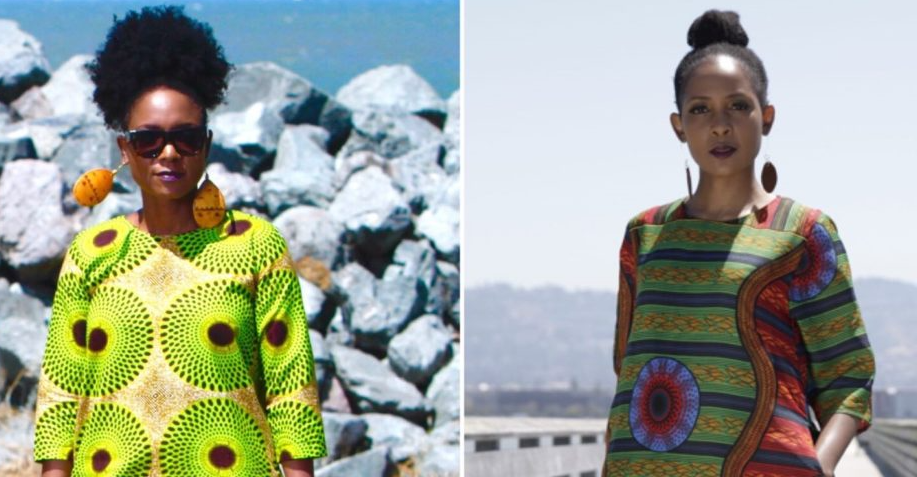
[bctt tweet=”Being your own boss means you have to continuously work @EnnyEthnic1″ username=”SheLeadsAfrica”] Enny Ethnic is an ethnic fashion online shop run by two sisters from Zimbabwe, Mercy and Matipa Nyamangwanda. They are currently based in the US and their online shop provides unique, stylish and hard to forget pieces for and inspired by every woman. Their target ranges from the ethnic-centric type, to the urban chic, modern classic, vintage-chic to trendy. Named after their mother, Enny Ethnic’s prints can be purchased online and are currently shipped to Australia and the UK with hopes to expand to other African countries. Where and how was Enny Ethnic formed? We started in 2014 by making clutch purses from the fabrics we collected everytime we travelled home. The clothing line started a bit later towards the end of December 2015 after we noticed the amount of attention we got when we rocked our print. We now make clothes, earrings, bags and scarves. [bctt tweet=”Travelling kicks in our creative process we are proudly African & Zimbabwean – @EnnyEthnic1″ username=”SheLeadsAfrica”] Tell me about the inspiration behind your design and the process of creation? Travelling kicks in our creative process, we are inspired by everything and the different cultures we see. We go through our creative life as a blank page hence we are able to write on it. We keep an open mind when we do what we do. Also, we are proudly African first and more importantly, Zimbabwean and we are always thinking of how we can represent the African woman. We work with women from Zimbabwe who put the pieces together for us -they are part of the process. We create a sample and they sew, and they have great work ethic too. Because we come home often, it makes the process easier and having people who understand our language is a great creative bonus. It’s really important that we do it in Zimbabwe, not only is it our motherland but it gives us some time to spend with family. What makes you different from other African print labels? We are very modern, and our pieces alternate between modern and traditional. Our line is huge and as we also create beach and office wear. At Enny Ethnic, we fit multiple lifestyles and most of our pieces are one track. You recently showcased at the San Francisco fashion week. Tell us a bit about that? We got an email from the organizer telling us that he wanted us to showcase our line and we were terrified. Enny Ethnic was only in its eight month. We were part of the emerging designers at the week, and we learnt a lot and managed to pull through perfectly well. Showcasing at the San Francisco fashion week really put pressure on us as we had to fly out home in September for two days. Fitting was the following week and a couple of weeks later was fashion week. The models were picked by fashion week so we had Asian and Russian models. We were not sure how their skin colour would look on African print but it came out well. Our line was showcased first and more models were added to make them twelve in total. How has the market responded to your product? Most people have loved it and including white Americans, Asians -this brings so much diversity to the product. Because of this support, we had a pop up shop in New York from the 25th to the 30th of October 2016. This enabled people to come in and physically see the merchandise. There is always something about people seeing the product physically and we wanted to give Enny Ethnic’s clients this opportunity. What type of woman are your creations targeted for? Our creations are ageless and can fit into every lifestyle. So every woman can rock Enny Ethnic, the good thing is that you can either dress them up or down. [bctt tweet=”It means a lot to say our product is from Zimbabwe and to say we are Zimbabwean – @EnnyEthnic1″ username=”SheLeadsAfrica”] In the process of creating your business, what things did you have to do that you had not accounted for? Marketing. We did not think it was a big deal but, hello biggest surprise. Then, we had to sit down and think about the manufacturing. Where is it that we could get this manufactured? We did not want China, so we settled with Zimbabwe. This has huge cost implications as we buy the fabrics from Zimbabwe and get the things made at home as well. However, it is valuable to not just us but to our culture as well. It means a lot to say our product is from Zimbabwe and to say we are Zimbabwean. This gives people an opportunity to connect with our country. What can we look forward to from Enny Ethnic? Things have moved so much faster than we expected. We are really excited as we are already looking at our pastel spring collection. We are looking forward to bringing another show stopper to fashion week. It will be ready-to-wear pieces that people can snatch off the runway. We are also looking at creating a men’s line. Then, there are the physical shops, we want, to bring Enny Ethnic to our clientele in Washington DC and California. We know that by bringing in something physical, we get that connection with our customers. We are also looking forward to shipping our merchandise to African customers. How do you manage the business since you both have jobs? Coffee! Because being your own boss means you have to continuously work especially when you are still starting up. We are always working because the fashion industry is fast paced and it is sometimes mentally exhausting but there is also a certain renewed energy you have when you are doing something that you love. Want to see women you know featured on SLA? Tell us what amazing things women are doing in your communities here.
Ronelle Steenekamp: Be aware that everywhere can be a learning space
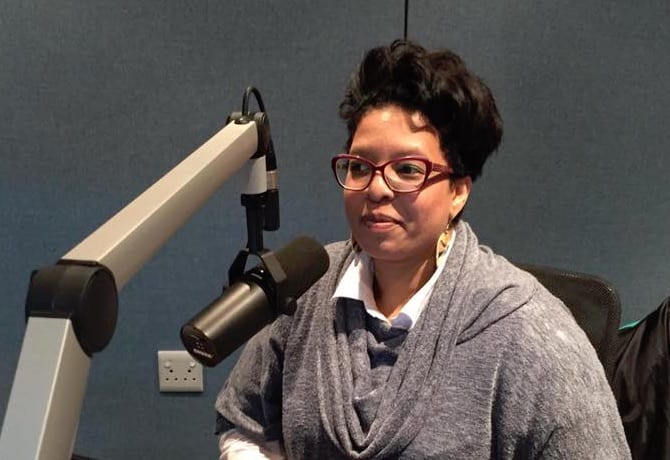
[bctt tweet=”Ronelle Steenekamp: I am just a woman who doesn’t over think & pursue what is in my heart” username=”SheLeadsAfrica”] Ronelle Steenekamp works in consulting and training but what keeps her motivated is not passion but her sons. As am a mother to two interesting and independent boys, Ronelle keeps motivated, inspired and challenged in many ways. The start-up RSA Consulting breaks boundaries in the workplace through transformation. They design learning programs for employees, advise organizations on learning and development projects and help companies to carry out more effective learning interventions. RSA Consulting also aims to support businesses in designing, delivering and evaluating learning. While building her start-up, Ronelle doesn’t joke with finding time for herself and being in her own space. Self-care is on the top of her list of priorities. With the boys, studies and a business Ronelle Steenekamp still manages to make time for friends and family. What learning techniques have you found are the best to maximise learning? The best learning techniques starts with the acknowledgement that you can learn from anyone, any time. We need to be aware that everywhere can be a learning space full of information, knowledge and lessons learnt. One does not only learn from experts. What are the mindsets that you believe need to be changed in organisations? Why? We need to change the mindset having your own business is incredibly hard and that it is for people more intelligent, more creative, more experienced etc. Yes, having your own business has it’s challenges, but so does working 9-5. If you have a challenge, you also have the solution. If we are going to believe it is so difficult and impossible —it is going to be just that. You might as well just enjoy the journey, bumps and all. [bctt tweet=”One does not only learn from experts – Ronelle Steenekamp” username=”SheLeadsAfrica”] You mentioned your sons motivate you. You’re also a divorced single mother, how have you managed to over the challenges of this? I remember making the decision to leave my great job that was comfortable and secure. Then I quickly started to doubt and told myself —Are you crazy?, you are a single mother, two boys, a bond and vehicle to pay. This was a good reason to rather stay in my job and not take the big risk into being an entrepreneur. My kids was a enough reason to stay in a secure job rather than take a risk, right? Wrong! They were the reason why I had to JUMP and pursue my dreams. The challenges I experienced are no different to anyone who takes a big leap of faith. However, I overcome them by knowing that if I have the challenge, I have the solution. Do you have a motto that keeps you through? My personal favourite motto is; Pray then slay. Before pursuing interests, goals and objectives, I pray. Thereafter I boldly pursue with positive energy and confidence; that’s the slaying part. [bctt tweet=”The motto that keeps Ronelle Steenekamp going is, pray then slay!” username=”SheLeadsAfrica”] Let’s talk about RSA Consulting, what plans have you got brewing for this business? I have plans to expand and have a greater presence nationally and also on the rest of the African continent. Collaborations are key drivers to achieving this! What can we expect from you and RSA Consulting in the next three years? In the next 3 years we want build a stronger foundation. It is important that we spend more time securing the base in order for the building blocks to stand when storms come. This can be done by focusing and maximising the strengths of the organisation. If you’d like to share your story with She Leads Africa, let us know more about you and your story here.
Rajah Saparapa: Sawaree aims to bring people what they need
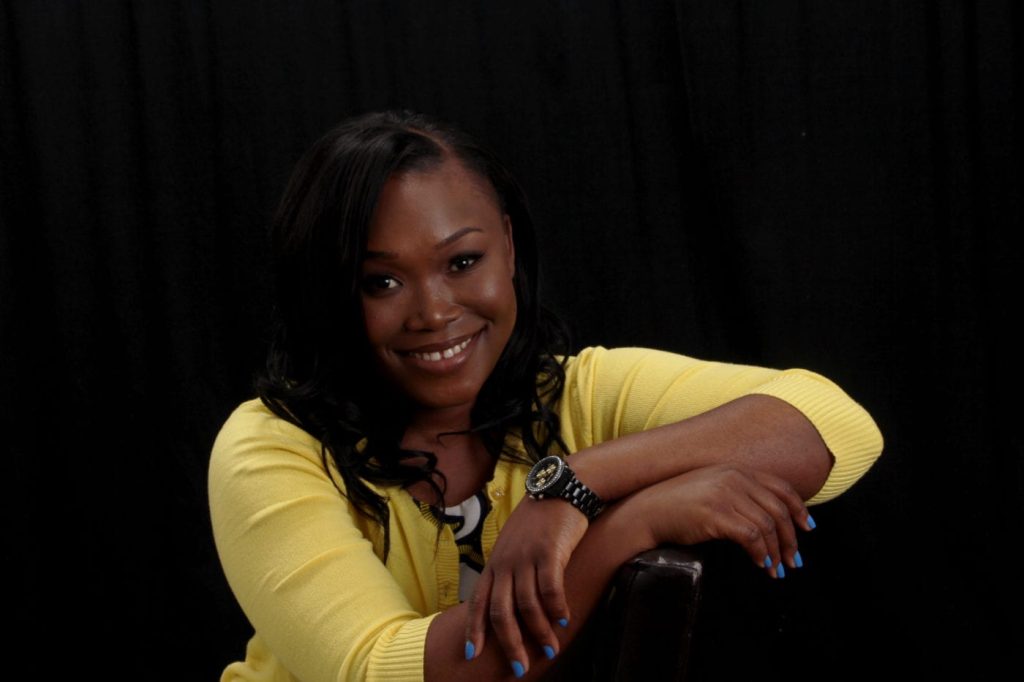
[bctt tweet=”Rajah Saparapa: Togo needed a platform where people can get packages from anywhere” username=”SheLeadsAfrica”] Rajah Saparapa is both a student and the CEO/founder of Sawaree. From Togo, Rajah lives in the US where she saw an opportunity in launching a business that could easily make people in Togo access goods and products from abroad. Rajah has always wanted to be a leader, especially in Africa. She is able to balance her studies and business as Sawaree is an online store, enabling her to work remotely. She was able to launch and run Sawaree using her own money that she saved up enough to invest. Now Rajah’s looking for new investment and opportunities to grow her brand. Take us through the first 6 months after launching Sawaree. The first 6 months were intense. I am going to be honest with you, it is still intense. After Sawaree was launched, we had no sale for a month and half. A friend volunteered some hours to help me with the online advertisement; we tried to maximize our social media ads on Facebook, Instagram and so on. Since it is a new venture in Togo, many people were skeptical about using our website; unless someone they know had given it a good review and could vouch that it is safe and reliable. It is all about trusting Sawaree and trusting us. I literally harassed my family members to talk about Sawaree and to order from Sawaree. I wanted them to share their experience not only with us but also their communities. [bctt tweet=”Sawaree is a new venture in Togo, many people were skeptical about using it – Rajah Saparapa” username=”SheLeadsAfrica”] Our first customer was a family member, then his friend ordered. It was exciting. However, Sawaree is still struggling to get its name out there, and to earn the trust of the Togolese diaspora. We listen to comments that people leave and try to bring them what they want and need. At first, Sawaree did not have a currency exchanger on the website. The prices were posted in US Dollars and some clients from Europe complained that it makes them feel like they were not our target audience so we installed a currency exchanger to facilitate prices our clients. We have also learned that our clients like sales and so we use sales to attract new clients. Feedback is very important to me, it is how I know that what we are doing right and what we can improve. As a CEO, it is very important to be open to criticism and make room for improvement. When I started Sawaree I knew it was not going to be easy. I have learned how to work twice as hard and to manage my frustration by tackling issues head on. Why was it important to have a platform that allows the Togolese diaspora to deliver groceries to their family in Togo? I always heard stories in the Togolese communities here in the USA or in Europe about an individual sending money back home. This was money to be used to buy groceries, but the money ended up being used in another way. This is a problem not only among the Togolese diaspora but others too. When my best friend from Cameroon told me about a platform like Sawaree that was available in her country, I thought to myself that Togo needed something like that. Something to make it easier on its diaspora, something convenient where people will not need to get out of their home and drive to a store to send money. A platform where family members back home in Togo will be receive packages without having to make any effort. Most of the platforms that are available in other countries do not guarantee delivery. The customers have to usually come and pick up their packages in the store but with Sawaree, we do delivery. How do you manage to keep your promise of delivery within 24 hours from anywhere in the world? The idea of having something delivered to your home is a new concept in Togo. After doing my research, I found that there isn’t any other store that does delivery in Togo. That is what makes Sawaree different, we literally come to you. As stated on the website, all orders that are made before 6PM are delivered the next day, within 24 hours. We have a partnership with our providers that we send orders to as soon as we get them; our provides have it ready for us for pick up and we deliver. The delivery process involves a lot of phone calling. In Togo, knowing or having a physical address number and street name is a hassle so Sawaree does it the old fashion way. We call the recipient of the package and ask him to identify to us where he or she lives. It has been a challenge but after we have a client order to the same home twice, it is much easier for the delivery man to know where he is going. I am proud myself in knowing that Sawaree has never missed its delivery window. [bctt tweet=”Rajah Saparapa: Sawaree promises global delivery within 24 hours and it has never missed” username=”SheLeadsAfrica”] Is there a story behind the name “Sawaree”? I was figuring out name for the company with my mother and my sister and it took days. Any name I came up with was already taken, then I thought, why name it in French or English? I decided to name it in Tchokossi which is a dialect in the North of Togo, where I come from. I speak Tchokossi and it is part of me, so I thought it was good to go back to the root. Then Sawaree came to me, it means “patience”. I knew that the journey for building and establishing Sawaree was not going to be an easy road. I wanted to remind myself that any time I read up Sawaree,
Lauren Jacobs: Forget perfection, embrace what you have to give
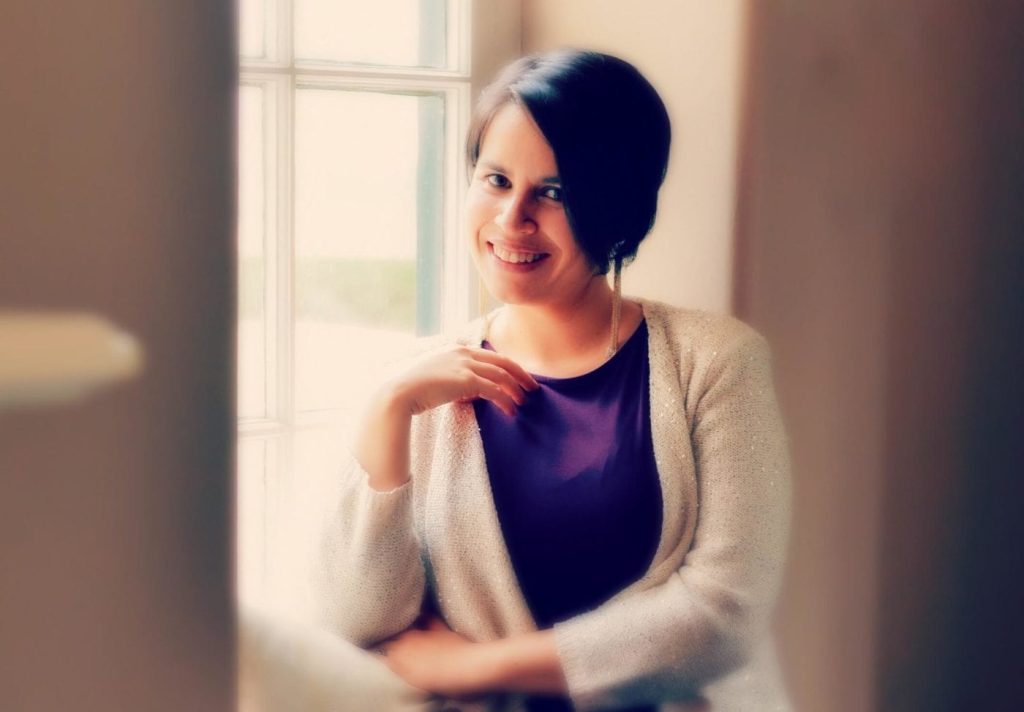
[bctt tweet=”Published author, ordained minister and gender equality activist Lauren Jacobs inspires us” username=”SheLeadsAfrica”] Lauren Jacobs identifies herself as a woman, a sister, daughter, wife, leader and child of God. These markets combine in her passion which lies in empowering women to see their lives as full of possibilities and as a landscape for dreams. Lauren is an activist committed to speaking about issues such as domestic violence in faith communities. She is also a story teller, researcher, author, journalist and an ordained minister in full time ministry with her husband. How do you define storyteller? When I close my eyes, and picture a storyteller, I am immediately transformed out in to the African landscape. A circle of men and women gather around the blazing fire and the storyteller completes the circle, up on her feet. She tells the stories of generations passed, the ones entrusted to her to hand down. She tells the stories that encourage, that teach, that rhyme and that are complex in its riddles and songs. In many different cultures and tribes, the storyteller is essential to the survival of the community. Many different cultural and religious groups rely on oral storytelling to stay unified and connected to the past. For me personally, I love telling stories that are factual, historical fiction, poems that reflect truth or true life stories that teach us about ourselves and those around me. To be a storyteller for me, means that I am telling the stories that can change mindsets and set us free, and keep us connected to the hidden stories of the past that carry deep meaning for our present wanderings. [bctt tweet=”To be a storyteller means telling the stories that can change mindsets – Lauren Jacobs ” username=”SheLeadsAfrica”] What do you think makes a good storyteller? I think different people would answer this question differently, depending on what they are looking for in a story. For me, I love stories that teach me something. I gravitate towards storytellers that make me feel something, with their language, their wording and even their silences. The kind of storyteller that draws me in and I am lost, coming out of the story as though I had encountered a little slice of heaven on this side of earth. That’s a good storyteller! What led you to embark on this path of standing up for justice again gender violence in faith communities? I saw abuse in my family growing up and I saw it around me as a child. In the lives of friends, at school and in the lives of family members. Gender-based violence with its injustice must have sat deeply inside of me. When I was just 14 years old, I told my mom that one day I wanted to build a safe house for abused women and children. As I grew older I met survivors of abuse and when I enrolled at university, I started a B.A degree in English and Psychology. I went on to do my master’s degree in counselling and I specialized in Gender–based violence in South Africa. For me, I feel that our faith communities should be places of refuge and safety, but in essence they are often the opposite. Religious leaders do not know how to overcome abuse or how to empower victims. I have it in my heart to help them, to empower them to be vessels of healing and hope, instead of vessels of secondary trauma and victimization. I believe this is part of my God design, the way He made me, to pursue justice and stand up against violence. [bctt tweet=”I never saw myself as a minister, I wanted to be a psychologist & researcher – Lauren Jacobs” username=”SheLeadsAfrica”] Can you tell us about your journey to become an ordained minister? I never saw myself as a minister. When I met my husband, he was studying to be a pastor and was already knee deep in the work of pastoring at a community church. He always knew that was his calling, I just wanted to be a psychologist and a researcher, helping the community and aiding healing. The year before we were married however, we started up a ministry together, I wrote and did community work and he preached. I was happy to be in the background of the ministry, until God called me forward, which was a shock! Then, I knew I had to be ordained and take a more active role as a speaker and teacher, in the ministry. I was ordained in 2013 and am so thankful I was. Our ministry has a big outreach heart and we have been blessed to travel and minister. I have also been blessed to have more opportunities to help communities through my role as a religious leader. How can women discover their unique identities? Firstly, I always say go back to the innocence of your childhood dreams. What did you desire to do as a child? What was your innocent dream, before the world came and told you that money or position was important? Was it painting, dancing, writing, acting, directing others, helping, shelving books? Sometimes, a big part of your identity and your “sweet spot” can be found when you rediscover what you longed for as a child. What do you enjoy and what makes you unhappy, and weary? Some people love working in an environment buzzing with people, others love being solitary, that’s part of your unique design. Invest in a hobby, something that you can lose yourself in, take a course and discover a different part of yourself. Pray, there is no better way to discover who you were created to be, than by going back to the Creator. We each have an individual stamp on us, that only the Manufacturer can understand. To be fully alive, means we need redemption within, it’s the simplest way to discover the true you. [bctt tweet=”Your sweet spot can be found when you rediscover what you longed for as a
Royal Adventures of Princess Halima: It just takes time for others to see your vision
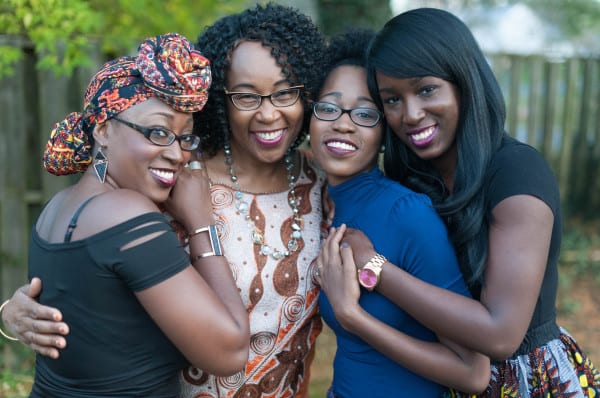
[bctt tweet=”The Royal Adventures of Princess Halima book series was created to teach African children more about their history & culture” username=”SheLeadsAfrica”] While digital content has made it easier for people across the globe to access previously underrepresented stories, there is still a significant gap when it comes to online and offline content focused on authentic African stories. After the birth of a new generation of their family tree, Anna, Lucy, Jainaba and YaAdam came together to ensure that more African children knew about their rich history and culture. Why did you believe that Princess Halima needed to be created and how did you find yourself being the one to make it happen? We are half Gambian and Tanzanian and wanted to bring Africa to the forefront and educate our readers that Africa is a continent full of rich history, and not the misconceived idea that Africa is a single country. We want our readers to find an escape into Africa’s vast richness and history while following Princess Halima in all her adventures. And most importantly, we want to empower young minds with knowledge that will pique their interest to one-day jump on a plane and make the journey to Tanzania, Ghana, or Nigeria or any other country in Africa! The Royal Adventures of Princess Halima project was inspired by the birth of the first baby (grandchild) in the family, Halima Bah. Halima is of Guinean, Gambian, Tanzanian descent. With such a rich combination of African culture and history, we thought the best way to educate Halima about her many homelands was to start the series of books through which she will get to not only discover her heritage, but also learn about the African continent as a whole. Why don’t you believe that books such as Princess Halima have been created before in the market? You will find that most stories about Africa are told through animal characters. It boils down to controlling our own narratives and images of ourselves in the world. Storytelling is one of the most important traditions humans possess to influence, shape beliefs and behaviors. We could not exist without the values, the wisdom and the courage shared from past generations through the art of storytelling. As such, this campaign is an effort to control the stories and images of our beautiful continent. What makes Princess Halima different from all of the other educational content out there on the market? Princess Halima is a brave, curious and courageous African girl that is intrigued by the wonders of the world but specifically her continent of Africa. As a Princess, she luckily gets to travel across the continent visiting cousins, friends and family. During each visit she takes time to explore all that these beautiful countries have to offer from the culture, fashion, languages, parks and historic sites etc. These adventures and experiences shape her worldly view, and those of her readers. For your business to get to the next level, would you prefer funding or a high value mentor? Which one would you choose and why? We would prefer both but to be completely honest, at this point we would select funding over a mentor. We have built a machine over the past two to three years that is working for us. Every member of our team handles different aspects to ensure we are reaching our goals and meeting deadlines. [bctt tweet=”.@PrincessOfAffia – “The most valuable lesson we have learned is patience.” ” username=”SheLeadsAfrica”] What is the most important thing you’ve learned on your journey that you want to share with young African women entrepreneurs? The most valuable lesson we have learned is patience. We have also gained an understanding that although we are passionate about this project and believe in its power, it will still take time for others to jump on board. In addition, we have learned that while we have received significant support from our African communities it wasn’t that overwhelming support we anticipated. However, it doesn’t mean that the interest and love isn’t there, it just takes time for others so see your vision and feel your passion for something you so strongly believe in. What story can you not wait to tell next? We are excited to tell the story of our homeland, The Gambia also known as the Smiling Coast. The smallest country in mainland Africa is going through some transitional changes right with the results of a recent election which has birthed the movement #GambiaHasDecided. This movement speaks to the ultimate pride, honor and fight Gambians have. Princess Halima’s story will capture its beauty and strength. Fast Five Favorite story or nursery rhyme as a child Favorite story Shaka Zulu, was scared of it but loved it at the same time. What did you want to be when you grew up Work in the international development(United Nations) field like our mother. Any travel tips for when you’re on the go with young ones Get them a good book like ours, you can’t go wrong with The Royal Adventures of Princess Halima What author are you most inspired by Chimamanda Ngozi Adichie from Nigeria Ebook or hard copy Hard copy! I love the smell of books and closing the book upon completion gives me a sense of accomplishment. Sponsored content