
Yoadan Tilahun: Nothing gives more credibility than the quality of your work
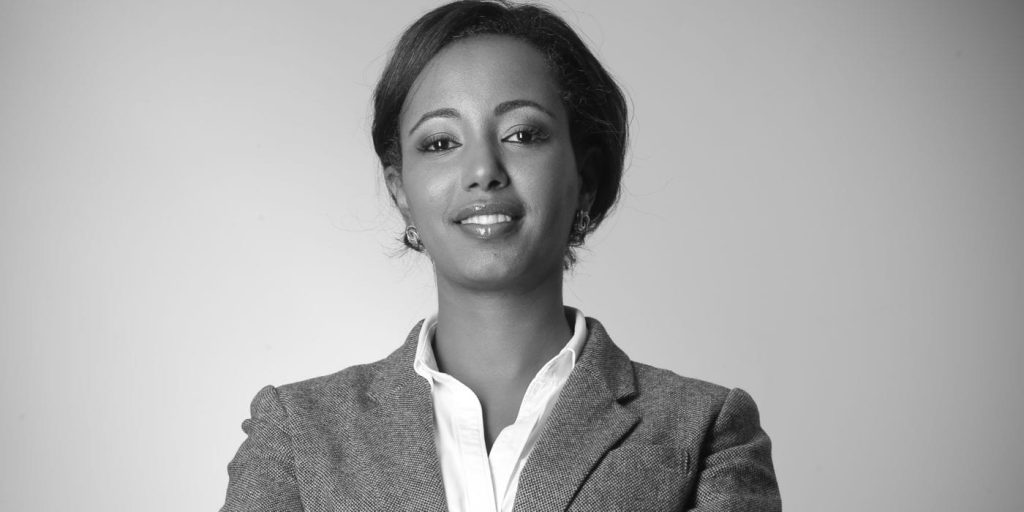
So many of us dream of turning our side hustles into main ones. Few of us do but Yoadan Tilahun is one of the few who’s managed to succeed. Yoadan founded Flawless Events while working full time in corporate trade in the Washington, DC area. Flawless designs and produces corporate events, brand activations, international conferences and trade fairs on behalf of its clients in a number of industries. These include Coca Cola, Google, World Economic Forum, Africa Leadership Network among many others. Yoadan moved Flawless to her home city, Addis Ababa in 2008, where it has been flourishing since. Heran Abate, SLA contributor, spoke to Yoadan whose career decisions and approach to life demonstrate a calm boldness that exemplifies the #MotherlandMogul. Having worked in corporate trade, why did you decide to start an event management company? It started as a side gig, actually. I was looking for an additional source of income to supplement my day job. Around that same time, the events I was attending were quite unorganized —so I leveraged my existing network and tried my hand at it. But from the beginning, there was no two ways about it. The very first event sparked this exhilaration in me —from brainstorming initial designs to realizing the finest details, I was hooked! To this day, there’s nothing quite like the adrenaline rush of being in perfect sync with my team. Especially when months of planning and toil pay off and an event falls seamlessly into place before our eyes. It sounds like it was going well in the US, what prompted the re-location of the business to Addis Ababa, Ethiopia? Ethiopia has long been a center for African intergovernmental affairs, being the seat of the African Union and the Economic Council for Africa. So, there were already many international conferences going on. Particularly around the Ethiopian millennium (September 2008 —we follow a different calendar), there were a number of grand initiatives to broadly expand Addis Ababa’s infrastructure and create larger FDI (foreign direct investment) opportunities. This meant an increase in modern facilities, roads and an influx of investors who were looking to tap into networks and opportunities. That was the market gap Flawless came to Ethiopia to fill. Would you say this re-location was the turning point for the company? Yes and no. While it was good timing, the hard work ahead was in building the momentum. We had to adapt to new regulatory frameworks, re-adjust to an entirely different set of clients. And also build relationships with vendors from the ground up. Like any start-up, the initial stages were crucial. You have to be tireless and tactful in pursuing new clients, being a step ahead of their needs. Until you build a reputation for over-delivering in (seemingly) effortless fashion. That sounds like there’s more good advice where that came from for our readers, could you elaborate? Certainly. To put it simply, nothing gives you more credibility than the quality of your work itself. No amount of advertising can make up for a poorly managed event. It was through happy clients’ referrals that we were able to get some of our highest profile and exciting events. So what makes for a flawless event? What else helped you establish a compelling brand and reputation? Clear process and production, the two are different but both critical. The first requires top-down strategy to tackle the separate pieces of the whole. It also entails investing time in creative output and designs to personalize the event then tireless follow-up. As the event nears, we burn the midnight oil, making sure there are no loose ends affecting back up plans and that we are in constant readiness for crisis —this is inevitable. Our clients rely on us to trouble-shoot and problem-solve on the spot —a late visa, equipment held up at customs etc. Are the majority of your clients international? What industries do you serve? About two-thirds of our clients are international. We mostly do corporate events, international conferences in trade and investment, development as well. We have held events that companies used as entry platforms into the Ethiopian market —Google’s first event for example. We’ve set up high-level meetings for finance entities who don’t have contacts in the country. Most recently, we organized an event in which Ethiopian Airlines celebrated its newest plane acquisition by setting a Guinness World Record for the largest human formation of an airplane. That was fun! How do you nab these high-profile events? We are tireless in building and sustaining relationships both locally and internationally. We are the only private-sector members of the International Congress & Convention Association. We are close partners with professional networks in Africa including African Leadership Network (we’ve hosted their event in Kigali and Addis) as well as Extensia —a continental group of high-level professionals in ICT. On the ground, we have excellent working relationships with hotels, government offices as well as previous clients. This gives us a lot of leverage to flexibly offer our clients a whole buffet of options. Your increasing influence sounds like a direct result from the events you have previously organized. Yes. Our influence is built on opportunities born out of our previous work and our growing network, clients calling us back to take on new events or referring us to contacts in new industries. You were very recently selected among 30 women entrepreneurs to take part in the Graça Machel Fund’s Woman Advancing Africa. What was the goal of this forum? What are the implications for Flawless? I’m honored to have been selected. Graça Machel is a Mozambican humanitarian and also the widow of Nelson Mandela. This forum is a platform for African women entrepreneurs to leverage their capacity and networks to influence the economic trajectory of the continent. It’s because of the integrity of the work that our client’s have attested to that we are invited to take part in larger conversations about entrepreneurship, economic growth. In Ethiopia as well, we are now well-positioned to take initiative in expanding the MICE (Meetings,
Lulu Mutsikira: My opportunity came from my frustration
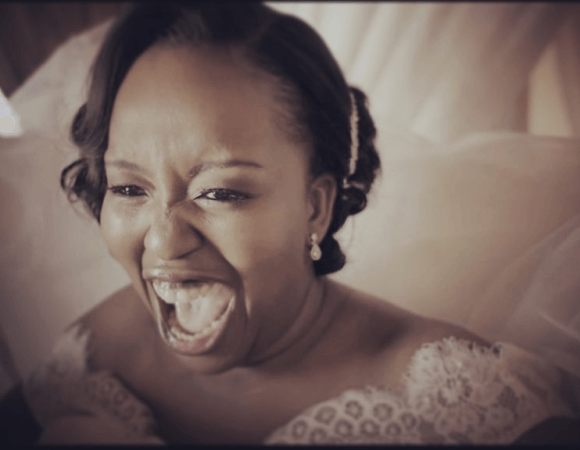
As a person who believes in following their dreams, you can only imagine how much it excites and inspires me, when I see someone I know personally, do exactly that. Following her dreams fully and wholeheartedly and succeeding at it! Lulu Mutsikira, founder of Nama Saya, who can be contacted via email, began her company when she left the corporate life, in pursuit of her passion. Nama Saya is an event styling and interior decor company. The multi-faceted boutique agency specialises in full-service design and planning of interior & event spaces. When I bumped into Lulu in a car park, as she was leaving a client’s apartment, we had the best catch-up in her car. We discussed the rise of local designs in South Africa, incorporating heritage into everyday living spaces, starting a new business venture and juggling being a family woman and an entrepreneur. Event styling is not a term I’ve come across before, please tell me a little more about it. The event styling business was born from frustration at the event industry when I was planning my wedding. I was struggling to find exactly what I wanted in one place, and the cost of sourcing from multiple suppliers just wasn’t worth it. So, I decided to buy everything for my big day myself with the long term ambition being to then go into a hiring-out style business part time. The styling bug hit hard and I became addicted to making tables beautiful. I no longer wanted to just hire-out, but wanted to be there from beginning to end, to ensure a holistic and connected event was achieved. While the wedding was a catalyst, I had been saying I will do this kind of thing for years. The interior decor story is a similar one, I have always loved making interior spaces pretty and my first flat was such a project. I was so happy with the final result, and so was everyone else surprisingly, so I knew there was something there. Then right after my wedding, a friend asked me to do her boyfriend’s home, and that he would pay —I did it and loved it and that was that, I was sold. I can imagine that must have been very exciting, and the start of a new business venture? A few happy clients later and a course in interior design, it’s the thriving part of Nama Saya. What really cemented Nama Saya as a business idea for me is the realisation that so many people are hungry for someone to take away the stress of “creativity” from them. While many may view this kind of career path as easy, it certainly isn’t —constantly thinking up fresh ways to reinvent ultimately the same thing, is work and you either have it or you don’t. What’s encouraging, especially from the interior space, is that people are really starting to recognise that and are willing to pay for the service of having a professional eye reinvent their home. As it is known, “customers are the lifeblood” of any business. Who would you say is your clientele? Surprisingly I don’t have a specific type of client. I have individuals from all walks of life. The events clientele is mostly couples looking to tie the knot and needing some help with the creative direction of their big day. Most have a colour in mind but not much else, so it’s up to me to put the pieces together. The home clientele vary from just out of varsity individuals who want to spruce up their spaces, to wealthy business people who are building a home, the spectrum is very wide. So on top of being your own boss, you’re a wife and a mother, how do you juggle family life and being an entrepreneur? I don’t! Seriously though, it’s an incredible struggle and it takes a lot of work and understanding from your family. Luckily my husband is on a similar journey so he understands 150% that right now, I am building and that will take time. The long term ambition is definitely to strike that balance, but right now, I would be lying if I said I have it all figured out. Let me know when you catch wind of the secret. I’ll be sure to do so. So with various projects and an array of clients, which project has been your most exciting thus far? You know, every project fills me with excitement, perhaps because I am still growing. They are a God-send; I treat every single event or home installation with as much excitement as the next. I am currently working on a huge home project that makes me both sick to my stomach with nerves and giggly with excitement! With South Africa taking an interest local design, fashion, music, experiences and everything in between, what would you say is trending in terms of design? What local styles, trends and brands, give a space that truly South Africans feel? Local has always been lekker! It’s about time we caught the train that has long been on the move, there are so many local designers doing amazing things for the industry. From an interior perspective, it’s not so much a particular brand, but rather the African influence used subtly to make a true statement in the home. I recently did a home installation where the client asked me to use Sesotho blankets as upholstery for her headboard —the result was magnificent and really so reminiscent of true pride in the heritage of our county. Wow, that sounds really beautiful. People actually wanting to incorporate their heritage into their everyday living spaces – would you say that this is a growing trend? I am finding out that individuals are starting to really insist on a space in their homes that reflects them from a heritage perspective; it is really very exciting to see. We are very blessed in SA to have traditional ceremonies as part of our wedding process. What
Edem Fairre: I need to push more boundaries if I must get to the top
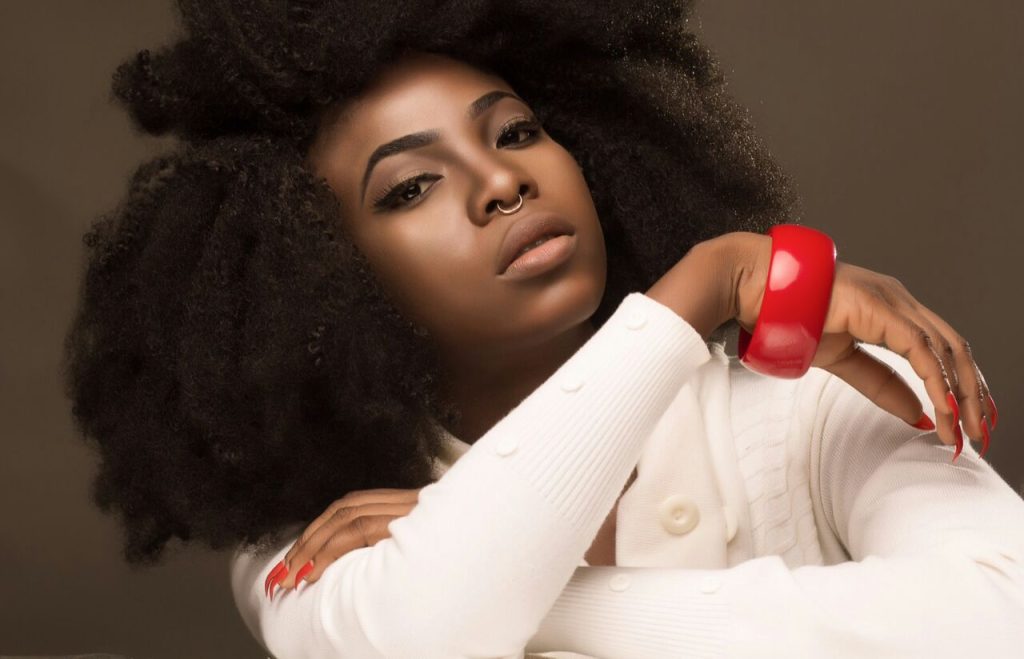
Edem Fairre is one of the few models in Ghana who has managed to turn modelling into a career. She was discovered by Donthes Media in 2010 fully ventured into modelling in 2014. Though she has been in the industry for barely two years, she has walked several runways across the country; worked with known brands like Beige Capital Bank, Nivea, Renault, Samsung, Bayer Chemist, Joy FM, DSTV sport, Airtel Ghana as well as various fashion designers. She holds a managerial position in one of the top modeling agencies in Ghana, Empire Gh Models. Naana Joa had a chat with Edem, who though has achieved so much in the industry than many Ghanaian models, still feels the need to push more boundaries to achieve her goal. Why do you feel the need to push more boundaries? What is the goal? It doesn’t matter your achievement in life, there’s always room for improvement. There’s always something new to learn; a new goal to set and achieve. I’ve focused mostly on lingerie, promotional, commercial and sport modeling. I’ve not had time to perfect my runway skills but this is something I intend to correct. There’s more to achieve in my field of work. Equipping myself and excelling at all aspects of modeling will help me stand a better chance at getting to the top. My goal is to be a supermodel like Naomi Campbell or Tyra Banks who managed to establish themselves as the most recognised and in-demand models of their time. I also want to prove that modelling is a real career like law, medicine, engineering and business. Entrepreneurs and professionals alike complain of bottlenecks to getting to their goals and reaching the top. What would you say has been a hindrance for you? It’s easier blaming where I come from but that would be somewhat unfair since Africa has raised champions. I admit there are limitations in Africa. You’ll need to go the extra mile to break boundaries here. But with hardwork, dedication and talent, I believe this can be done. Personally, I’ve had challenges like self-doubt, my current studies at the university, and lack of funds. Surprisingly, models also doubt their work and themselves. Our job is to portray a character and the goal is to get it right. So when the results for the work done shows otherwise, self-doubt sets in. You begin to doubt your worth and suitability. I am currently studying ABE UK marketing management at the university. This simply means losing some job opportunities. But this course is to help me manage my brand better so I’m not one to complain. In the industry, other people call the shots especially when you do not have the funds to promote your brand. You are taken advantage of and made to settle for less than you deserve. Professionally, I will say unhealthy competitions and partiality is another challenge. Though the modeling industry in Ghana is small, it is very competitive and I love competitions. They push you to be better at what you do. But it gets ugly when competitors use unethical means to get contracts. This results in unqualified models being given jobs while the qualified are bypassed. What steps are you taking to changing the narrative? Regarding self-doubt, I am working on building my self-confidence and keeping a positive mind and outlook on things. I have also accepted that losing jobs because I have to be in school is totally worth it. To solve the issue of lack of funds, I am on the verge of breaking through in the movie industry. Also in the pipeline is hosting gig for a television show called Event Update on Top TV. These I believe would give me something on the side to help push me to the top. With unhealthy competitions and partiality, I believe models need to be independent. This way, they are able to fund their own projects. This may not entirely solve the issue. However, it would be a start. Advice for budding models? Be yourself Respect yourself and those you work with Don’t sell yourself short in the name of modeling Accept a good job even if it may not pay well If you were to contest with an African model, who would it be? Well, I’d contest with myself. There must be a secret to your success as a model. Tell us about it. If I tell then it wouldn’t be a secret anymore. But I’d be willing to share with any woman who joins the modelling family. Do you ever imagine not reaching your goals? What would you do if that happens? That is not an option! I have worked so hard and patiently. I will not accept failure. Want to see women you know featured on SLA? Tell us what amazing things women are doing in your communities here.
Manyaku Mositsa: This is not something you get to learn in school
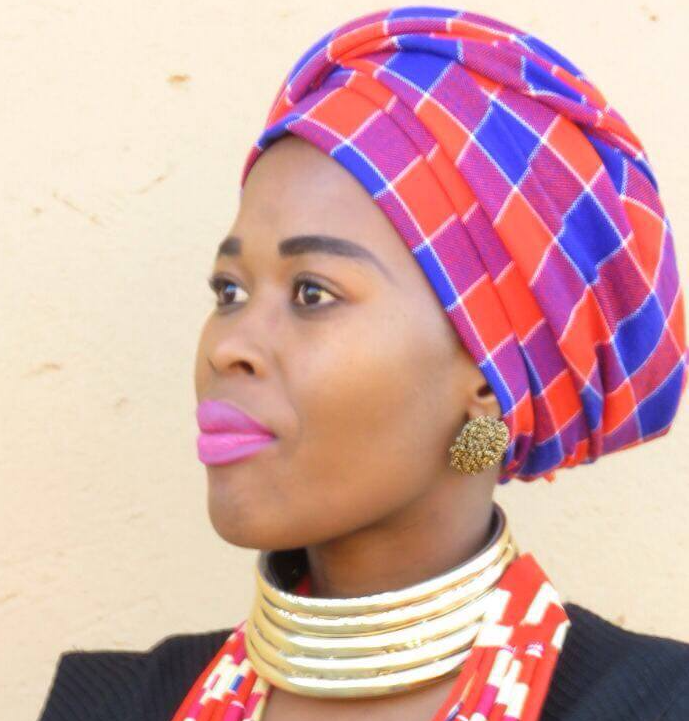
South African Manyaku Mositsa is a 31-year-old dreamer and achiever who grew up on the dusty roads of Mohlaletse Ga Sekhukhune. Though a graduate of Biotechnology from the University of Johannesburg, Manyaku left paid employment to pursue her passion for fashion. She just wasn’t happy with wearing the overalls that came with her job in SAB laboratory. Now a fashion designer, Manyaku has expanded to make her passion for empowering women with skills and experience a reality through her organisation, Giving Hope. SLA contributor Makalele spoke to Manyaku on fashion, inspiration and managing multiple initiatives. You could have chosen any other career path. Why fashion? It started as a hobby. Since I was five, I’ve liked dressing up. I loved wearing mommy’s clothes and doing the catwalk in front of the mirror. But I never imagined doing it for a living. As a young girl, I dressed differently because I thought the kind of clothes I wanted were just not available in clothing stores. In 2005, during my in-service training at SAB laboratory, I would dress up to work even though I knew I would need to change into a work suit and safety boots. Though I enjoyed the job, I never really liked wearing overalls. Finally, in 2010, I decided to pursue my dream for fashion by taking part time classes in dressmaking. I did the fashion business part time till in 2014 when I left my full-time job to fulfill my passion. My personal philosophy is, ”the best way to master something is by actively doing it with a strong will.” What is your favourite part of being a fashion designer? I love that I can be unique, inspire others and of course, turn heads. Your designs are so good. What inspires them? My inspiration comes from the desire to prove to myself and the world that ladies in dresses can be fashionable too. I also get my inspiration from unique fabrics and textures. My celebrity muse also plays a major role. What’s fashion to you? Fashion is simply dressing and accessorizing in style. You’ve got to have an eye for it. This is how successful fashion designers are able to create trends. Aside fashion, you’re involved in other projects. Tell us about your current project, Giving Hope. Giving Hope is a division of UD Holdings aimed at empowering young women with skills and work experience. We help them become employable and young entrepreneurs. The focus is on designing, clothing production, shoe making , bags and hats manufacturing , beauty therapy as well as events management. How do you manage running a fashion house and an organization? My love for what I do wakes me up every morning. This is where I get my drive for the day. This is not something you get to learn in school. I run both ventures in the same premises and that has made managing them a whole lot easier. I had to learn to stop procrastinating and just do it. Of course I’ve had some challenges but it’s worth it. What do you do for fun? The nice thing about this industry is you can work while having fun. Traveling, fashion shows, photo shoots, getting myself pampered all form a part of my fun activities and work too. We want to know what amazing things women are doing in your communities! Tell us here.
Kuwala: The African continent isn’t simply inspiration for Western designers
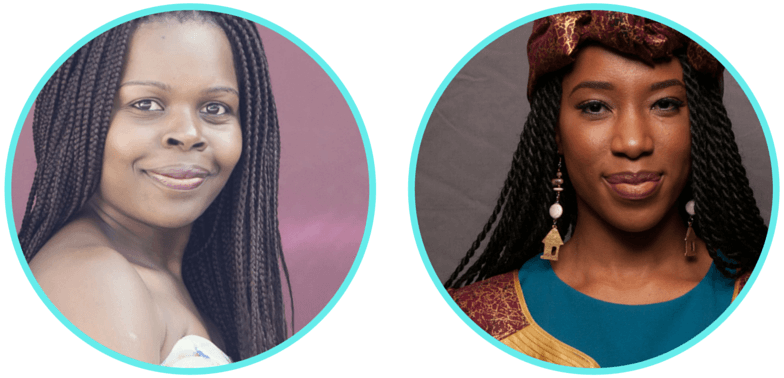
It’s never easy connecting with emerging businesses half way across the world but Malawians Freeda and Veronica, founders of Kuwala, make it look simple as cake. Both women want to share their connection with Africa through heritage and fashion. Their brand, Kuwala focuses on vibrant African prints like the chitenge and their goal is to encourage ethical production methods. Kuwala achieves this by partnering with select fashion brands and designers that have unique messages to share. We had a chat with the friends turned business partners on how they promote high-quality fashion designed in Africa and they promote high-quality fashion designed in Africa and about how Africa can be more than just an inspiration for Western designers, but a fashion hub for creativity and manufacturing. Who are Freeda and Veronica? How did you both decide to start Kuwala? We are Malawian women who share a strong connection with the African continent through our heritage and fashion. Both our families had been close friends for some years. When Veronica moved to Toronto, the same city as Freeda, we further connected as friends. Interestingly, while discussing our life and career goals, we realized we had similar goals for business, fashion and staying connected to Africa. After months of researching and planning, Kuwala was launched in January 2014 and the rest is history. How do you identify socially responsible fashion brands for Kuwala? First, before agreeing to partner with brands, we consider their online presence and the message they share on their website and social media. Today, it’s almost impossible to have a business without some sort of online presence. From there, we email people we intend establishing a partnership with and negotiate terms that are mutually beneficial. Also, when we can, we also travel to the countries where the designers are based to further connect and review their operations. We think Africa has the potential to become a fashion manufacturing hub. In summary, through Kuwala partnerships, we want to encourage and promote ethical production methods across Africa. Who is the ideal Kuwala shopper? Simply, our ideal shopper is a woman that’s interested in rocking African inspired fashion in her everyday life. She understands Kuwala’s mission and is interested in spreading the stories of the brands we work with. Typically, her wardrobe is full of vibrant colors and unique prints. She simply enjoys standing out in a crowd and not conforming to trends. Most people are familiar with the wax prints of West Africa or the Ghanaian kente cloth. Do you work with Malawian fabrics? Of course, the most commonly worn fabric in Malawi is the chitenge. This cotton cloth comes in a variety of vibrant prints and patterns. It is also known as ankara or kitenge and is most popularly worn in Southern and West African countries. Most of the clothing on kuwala.co is made from this print. How is Kuwala redefining African fashion abroad? Tell us about your new model to connect fashion designers in the Diaspora. Basically, through Kuwala, we aim to promote the idea that beautiful and high-quality fashion can be designed and made in Africa. We want to dispel the idea that the African continent is simply an inspiration for Western designers. Whether it’s in-person or on our website, we try sharing stories of the designers and brands we work with. Also, with our new model, we’re working on facilitating partnerships with designers in the Diaspora. Kuwala works in Canada, Kenya, Malawi, Ghana and the United Kingdom, how do you manage this? Have you started manufacturing on the African continent? We manage everything through technology. From social media to emails and phone calls, technology has really helped us to better manage Kuwala effectively. In the past, it’s never been this easy to connect with emerging businesses half way across the world. We manufacture in Africa through the brands we partner with that are based on the continent. Also, like with most businesses, running Kuwala has had its share of ups and downs. However, this whole process has been a learning experience and we learn from the past mistakes made. You and Freeda have visited many African countries, what is your top advice on travelling the continent? Veronica: My advice for travelling in Africa is eat everything! No matter how different or “strange” it is. Be open to tasting the many delicious dishes that are available across the continent. It’s okay to not like it, but at least you’ll be able to say you tried something your friends back home haven’t eaten. Freeda: I am not as adventurous as Veronica in the food department. I would say, be prepared to have some of your preconceived ideas and assumptions about Africa dispelled. In addition, remember to also appreciate the beauty and diversity because that narrative of Africa is often overshadowed. Interested in collaborating with Veronica & Freeda? Reach out to the dynamic duo at hello@kuwala.co. To stay up-to-date with what’s going on at Kuwala, follow them on Instagram, Facebook and Twitter. If you’d like to share your story with She Leads Africa, let us know more about you and your story here.
Meet our Accelerator Moguls: Koko’s Kitchen
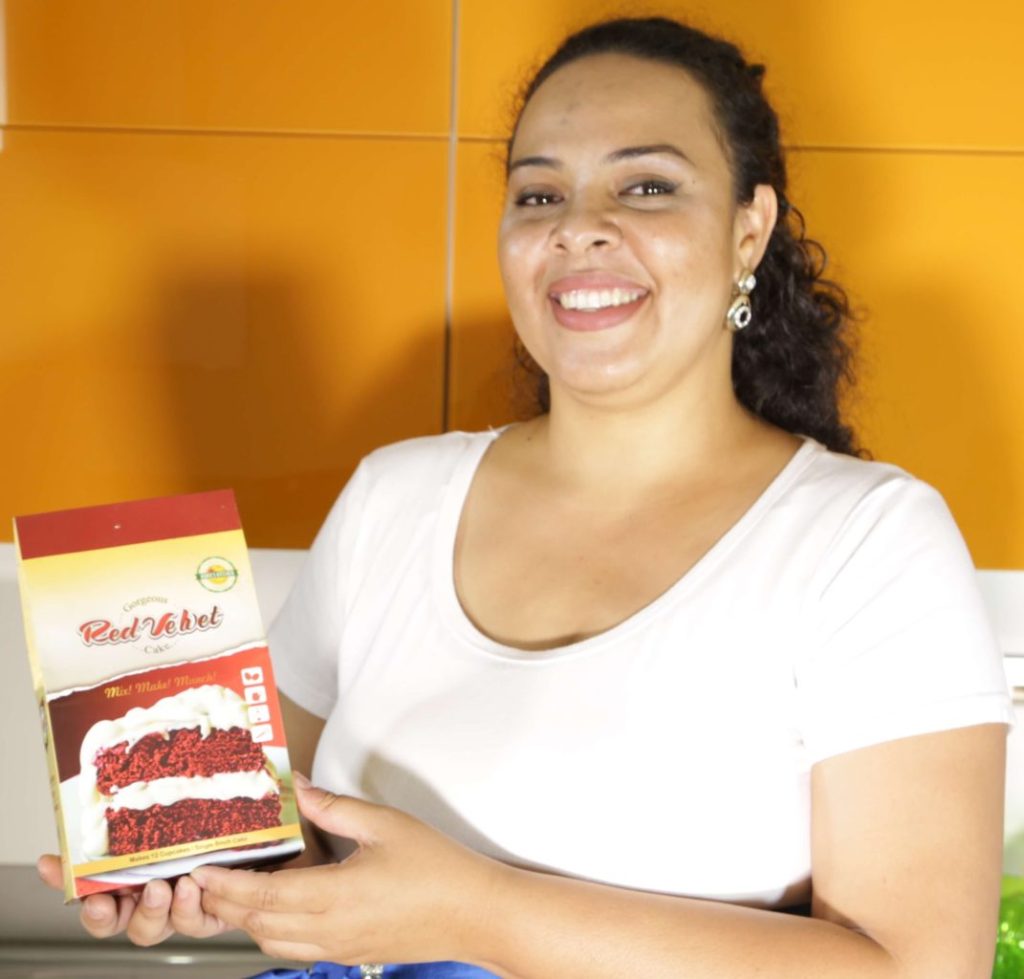
As you know the first ever She Leads Africa Accelerator Program is currently ongoing. Out of the 120 startups from across Nigeria who applied for the program, we identified 10 as the next generation of Nigeria’s brightest female entrepreneurs. These 10 selected businesses are now benefitting from our intense accelerator training. One of them is Koko’s Kitchen, a brand that makes baking easier for Nigerians. From cakes to cookies, Koko’s Kitchen answers the demand for locally made easy-to-bake mixes. Sifa Asani Gowon and Oluwatosin Olaseinde started the brand to build an indigenous brand within Nigeria. They hope the Accelerator program will help take them there. Why did you decide to apply to the SLA Accelerator program? While I, Sifa Asani, was busy fiddling with cake mix formula, trying to tweak it to perfection, Tosin was working tirelessly to build a strong foundation for the business in terms of accounting, mentoring and the like. Tosin has been tracking the She Leads Africa voraciously and when the accelerator opportunity came up, we seized the opportunity. We decided to apply for it because we know it will help us to strategise and position the company to achieve critical pace. It would also help us to network and expose Koko’s Kitchen to potential investors. What do you intend to take back home after the Accelerator program? As a preamble, let me say that I had actually attended a SheLeads program earlier this year, in April: SheHive Abuja. I really liked what I saw and was so impressed with the organization, the speakers and the overall ambience. There were women from all over the nation with one thing in common; ambitious dreams and the drive to succeed while adding to their communities and families. I liked that women were being encouraged to bring out the best in themselves as well as be considerate and help other business women when and how they could. When we applied for the Accelerator program I expected no less from SheLeads. I anticipated a learning environment especially suited to African female entrepreneurs in terms of advice, tools and mentoring. We intend to take back home a stronger company in terms of controls achieving KPIs and also a stronger network that we can leverage on. How do you intend to stand out and improve your business after the mentorship programme? Considering Koko’s Kitchen is a really young company, we have been fortunate to have reliable collaborations. This ranges from that of the co-founders to the ecosystem such as She Leads Africa, amongst others. We plan to execute all the key decisions that we have taken from to SLA accelerator programme. To glean knowledge from the outstanding entrepreneurs who have walked the road before us and have shared their stories and give us advice. We’ve been taught the value of time and of discipline. We are also accountable to our SheLeads mentors, which goes a long way in keeping us in line and focused. After this program, we intend to take all we have learned and all the contacts we have made and utilize it to our advantage. We intend to streamline and stretch our ideas to build a strong and reliable business that is here to stand the test of time.
Oby Igodan: I’m teased for all the business ideas I come up with
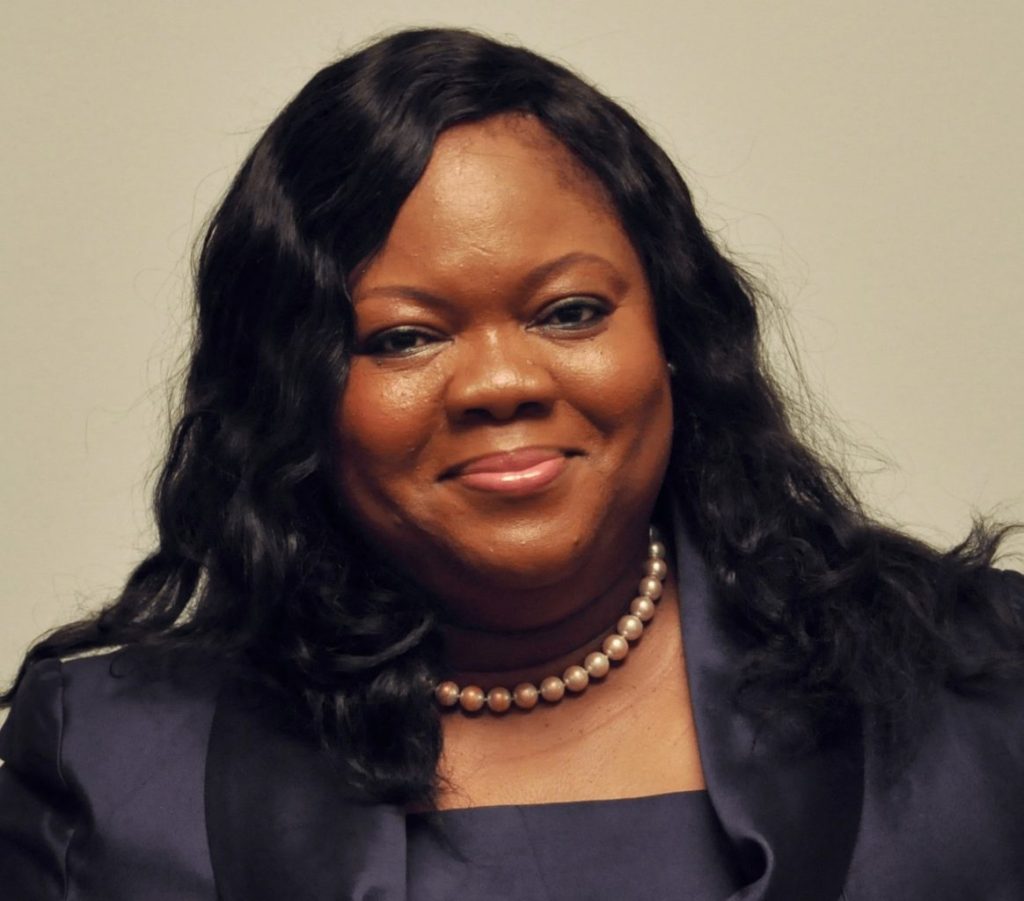
If you’re a #MotherlandMogul and a mom, you know the struggle of finding the right kind of daycare facility for your young kids while you hustle. For Oby Igodan, what disturbed her was that the facilities she came across did not feel like home. Running a daycare can be a profitable business but as a mom, your child’s development is of utmost importance. Looking to start a crèche and daycare that’s a home away from home, Oby launched Home Also Crèche & Daycare. She runs this while also working as a Managing Partner at VIL Consulting. As the children in her crèche grow, she is looking at expanding into a preschool to cater to our older kids who love it at the crèche. Oby spoke to us on the challenges, joys, and satisfaction of providing children with a secure and stimulating experience in a comfortable and relaxed setting. Why start a crèche? While raising my own children as a career woman, I realized something interesting. The facilities I took them to in their early years didn’t really provide the feel of a home environment or afford them the gradual transitioning into the academic arena. A lot of those outfits were run purely for business with little or no consideration for the unique developmental needs of each child. I set up Home Also to identify every child’s uniqueness and help foster proper development. What challenges did you face starting your business and how have you overcome them? Majorly, it took some convincing to get my family to surrender the living room space. In fact, I wanted the entire ground floor of our home to run the crèche. It sounded ludicrous. With persuasion and the knowledge that this was my dream upon retirement, they agreed to let me use the space. Secondly, finding the right staff that has been difficult. My staff has to be well-trained to offer young children —from 12 weeks to 3 years— a fun and educational experience. And of course, there was raising the required capital to start paying staff without having a single child enrolled. Then, paying for staff training while anticipating that it would translate to enrollment. I will say that God has been gracious to me and I give Him all the credit for helping me overcome these challenges. Has it been any difficult working with other people’s children? Actually, it’s been really rewarding and thrilling to have these little angels kept in our care. We feel that their parents trust us and we must guard that trust jealously. We’re grateful that they trust us enough to leave us their babies at such tender ages. Some are as young as 3 months. It’s a vote of confidence that we uphold. From your experience, what does one need to have covered to open a crèche in Nigeria? First, ensure you have the passion and the required aptitude for the business. Then, good, knowledgeable and experienced staff. A safe, secure and hygienic environment is also very important. Be sure to meet the requirements of regulatory bodies. And of course, there’s the all-important start-up capital. What keeps you inspired in hard times? My life has been dotted with ups and downs. Through it all, God has helped me. The knowledge that I have a father who loves me gives me inner strength to weather storms. His mercy and grace have brought me this far and will see me through the years ahead. When it looks like there is no way out, the voice inside will read out relevant scriptures to give me confidence and hope. That’s just it. On occasion, I’m inspired by stories of people I admire. People like Joyce Meyer, Stormie Omartian, and Oprah Winfrey. If you weren’t running a crèche, what would you be doing? If I wasn’t running a crèche, I would be working full-time running a consulting firm. This is something I am engaged in at the moment, but on a part-time basis. It’s called VIL Consulting and it’s a homegrown management consulting firm set up by a team of experienced professionals. We have the best from businesses and institutions who help to provide expert advice and assistance to clients. I participate as a managing partner, providing the required strategic direction for my partners. My daughters always tease me about all the business ideas I constantly go on about. So, if I didn’t have my hands full with two start-ups at the moment, I’d be working on starting another. You see, I need to prove to them that mummy’s not all talk! If you’d like to share your story with She Leads Africa, let us know more about you and your story here.
Nse Ikpe-Etime: 5 things to learn from the actress’ beauty startup
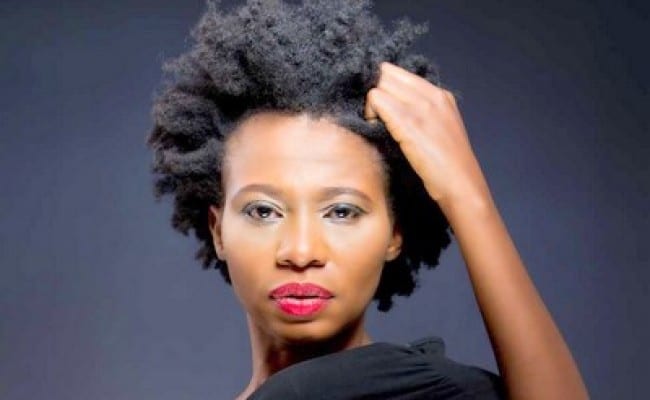
Last month, award-winning Nollywood actress, Nse Ikpe-Etim started her own beauty line, Eden’s Theory. She liaised with a UK-based company to launch a homemade beauty product line and founded it with Victoria Thomas, an award-winning filmmaker. Nse is following the footsteps of several other famous actresses and singers who’ve made the move into the beauty industry, including Queen Bey herself. Now, you may be asking, why is Nse or all other enterprising celebrities taking this leap? Here are a few things to learn from her wise business venture. Play on your strengths Being an actress, Nse is automatically in the beauty industry. Her celebrity status thrusts her with responsibility and women on the continent look up to her. Photo shoots, films, award ceremonies, you name it, she’s probably been to dozens of these and for each event, she has to step out looking her best. The beauty industry was a shoo-in for her in this sense. She’s already probably used several products to maintain her glamorous appearance and therefore understands what works and what doesn’t. In an interview, she said: “People always ask about my skin and hair. Many of them assume that I use very expensive products, but I have actually always used natural oils and butters. With Eden’s Theory, you get to retain the best bits of African butters while oozing some of your personality into a product of your choice.” She already knew she had a ready market waiting and so she took the bull by the horn. It’s best to venture into areas where we have some experience. Sure, challenging yourself is fine, but, especially in business, it’s best to get into an area where you have experience and passion. Don’t be a one-trick pony By venturing into this business, Nse is distinguishing herself as a #MotherlandMogul who can do more than just act. This is a bonus as it sets her a bar above her current occupation. In this century, career and occupation are not set in stone. What Nse is showing us is that you can follow several passions —all at once. She also has a family, so #MotherlandMoguls that’s clearly not a reason for us not to pursue our dreams anymore. Business is for everyone I think most of us grew up with the notion that certain people were made for certain things. Not being ‘good in math’ is hogwash. Business is something that everyone can succeed in, as long as you venture into an area you have a passion for. As an actress, Nse did not limit herself to the entertainment world. In fact, she leveraged her popularity to get press coverage for the launch and to advertise her products. Beauty and brains are virtues we can all have. They are not mutually exclusive concepts. And in the business world, what will ensure your success is not whether or not you remember what logarithm is. It’s whether you are willing to put in the effort, blood and sweat to see your venture grow. Your past builds you Before becoming an actress, Nse was in the broadcasting, banking and retailing industries. She took some time to find her niche as an actress. Evidently, this has proven to be an advantage for her. Her experience in broadcasting has given her some needed PR knowledge to showcase her product to her audience in the best way possible. Her stint in retailing gave her some business know-how on business. I guess that’s not something she learnt as a Theatre Arts student at the University of Calabar. Whatever your side hustle or full-time job, as you climb the ladder to self-discovery, never dismiss the process. It may very well be what defines you in the future. Your friends are your greatest strength Nse co-founded her beauty line with a friend, Victoria Thomas, a successful filmmaker in her own right. These ties were probably made in their mutual stake holdings in the film industry. This goes to show that as #MotherlandMoguls, we really ought to pull each other up. Partnering in business is a very good way of doing. Different personalities tend to bring in different strengths into the overall success of a business. As you contemplate that business idea and start work on your business plan, keep these lessons from Nse in mind. They might give you more ideas on how to become that big shot CEO of a business empire.
Andrena Sawyer: Flexibility is key to increasing your business lifespan
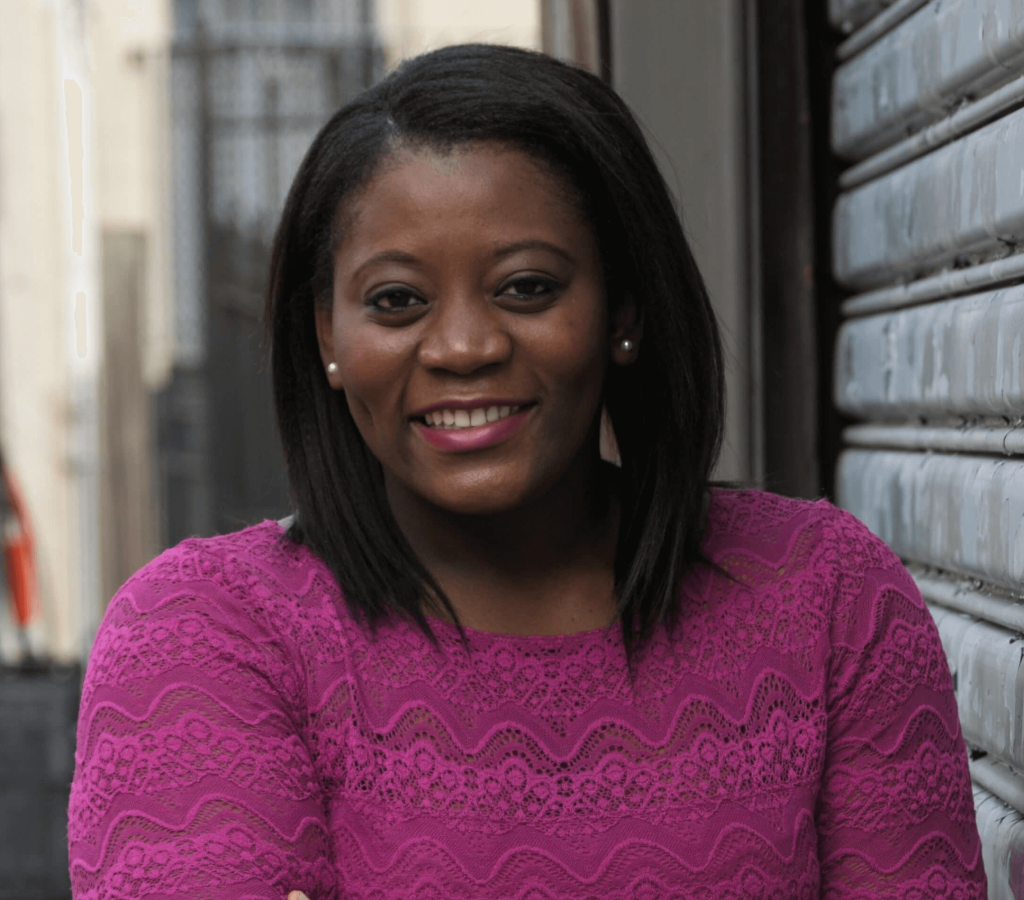
Start-ups sometimes need miracles to survive. Luckily there are superheroes who rise up to the challenge. Take Andrena Sawyer for example, she runs P.E.R.K. consulting an advisory firm that provides quality and affordable services for small to mid-sized nonprofits and businesses. Andrena is so effective at ensuring SMEs survive that in 2015, P.E.R.K. consulting, placed 1st in the AccelerateUp Business Growth Competition presented by the Maryland Small Business Development Center and Capital One Bank. This basically means that P.E.R.K consulting can serve as great model to new startups. When Andrena offered to share her story with SLA, we jumped at the opportunity. Get ready for actionable advice on overcoming funding challenges, lengthening your organisation’s lifespan and increasing revenue. Firstly how can SMEs overcome the juggernaut that is funding? Importantly, SMEs need to create effective business models that include strategies for cash flow management if they’re to navigate funding challenges. Cash flow challenges are inevitable for most start-ups, and many wait until a seeming crisis to develop a management plan. Creating a strategy before the need arises is essential for survival. In addition, it is important that SMEs have a compelling value proposition. As a Small Business Consultant, I meet passionate entrepreneurs with brilliant ideas, but the value ends at their passion. To survive the initial start-up years, the problem that a business solves should be clear to customers, investors, and partners. I firmly believe that the more informed stakeholders are, the more engaged they will be. How can organizations lengthen their lifespan? Simply, flexibility and innovation are the keys to organizations lengthening their lifespan. With the advent and increased use of social media, industries and consumers are rapidly changing. It has become more important now that founders remain flexible and informed of how their customers’ needs are changing. The focus should be on creating a culture where change is encouraged. Doing this can take an organization from a reactive to a proactive stance in marketing, capacity building, and revenue generation. How did you manage to increase P.E.R.K.’s revenue by 72.3% in one year? Primarily, the reason for the increase in revenue is that we identified our niche. When P.E.R.K. launched in 2013, I envisioned being all things to all clients. I desperately wanted my passion for community development to translate quickly to meet the needs of anyone that was interested. The challenge was that our customers were confused about our expertise, experience, and scope of work. Also, in our second year of operations, we started to refine our offerings to three key services. They include entity formation, business development, and capacity building support. This created a more targeted marketing approach, which allowed us to focus our efforts and ultimately bolster our credibility. Understanding our market also allowed us to conduct more accurate research. This helped to set competitive rates and create strategic partnerships with other key players in our industry. What advice will you give other startups looking to use P.E.R.K. as a model? There are two things I would say to startups looking to use us as a model: Be persistent. As cliché as it sounds, do not give up. Entrepreneurship can be extremely stressful, and founders may find that they initially encounter a lot of rejection. My advice is to do your due diligence by ensuring the idea is viable. Get the support of trusted mentors and advisors, and push through the challenges. Be creative. I once read that the average millionaire has about seven streams of income. There is a lesson to be learned there. If those who are thriving financially are always looking for ways to earn more, I believe that businesses can thrive in much the same way. For example, P.E.R.K. primarily provides consulting services. However, there are several other ways that we generate revenue including trainings and seminars, publications, and referrals through partnerships. As long as it is consistent with the business’ value proposition, there is no limit to how creative founders can get in generating revenue or reaching their audience. As a Sierra Leonean, are you engaged in any initiatives back home? Interestingly, even though I am not directly engaged in any initiatives in Sierra Leone, P.E.R.K. maintains a partnership with several organizations. These organizations help to mobilize young Sierra Leonean professionals in the United States and within the diaspora. In 2013, we helped launch the Sierra Leonean Empowerment Network. The network has since grown to include thousands of young professionals, many of whom are now working in Sierra Leone. Who will you say is the greatest African woman to have ever lived? Fortunately, there have been many great African women who have impacted the continent and the world. Women like Nana Yaa Asantewaa, Winnie Mandela, and Miriam Makeba immediately come to mind. However, I have been personally impacted by Leymah Gbowee’s story. As someone whose life was altered by the Liberian/Sierra Leone civil war, her story narrated in the documentary Pray the Devil Back to Hell reignited my passion for community work. Studying her work as a peacemaker who mobilized thousands of people in Liberia to put an end to the war compelled me to launch P.E.R.K. Consulting as a platform to support other change agents. Surprisingly, women like her are often thought of as just extraordinary. But her story challenged me to believe that any woman with a conviction and commitment can inspire a community to effect change. If you’d like to share your story with She Leads Africa, let us know more about you and your story here.
Helen Dausen: If used well, fear can be your propeller
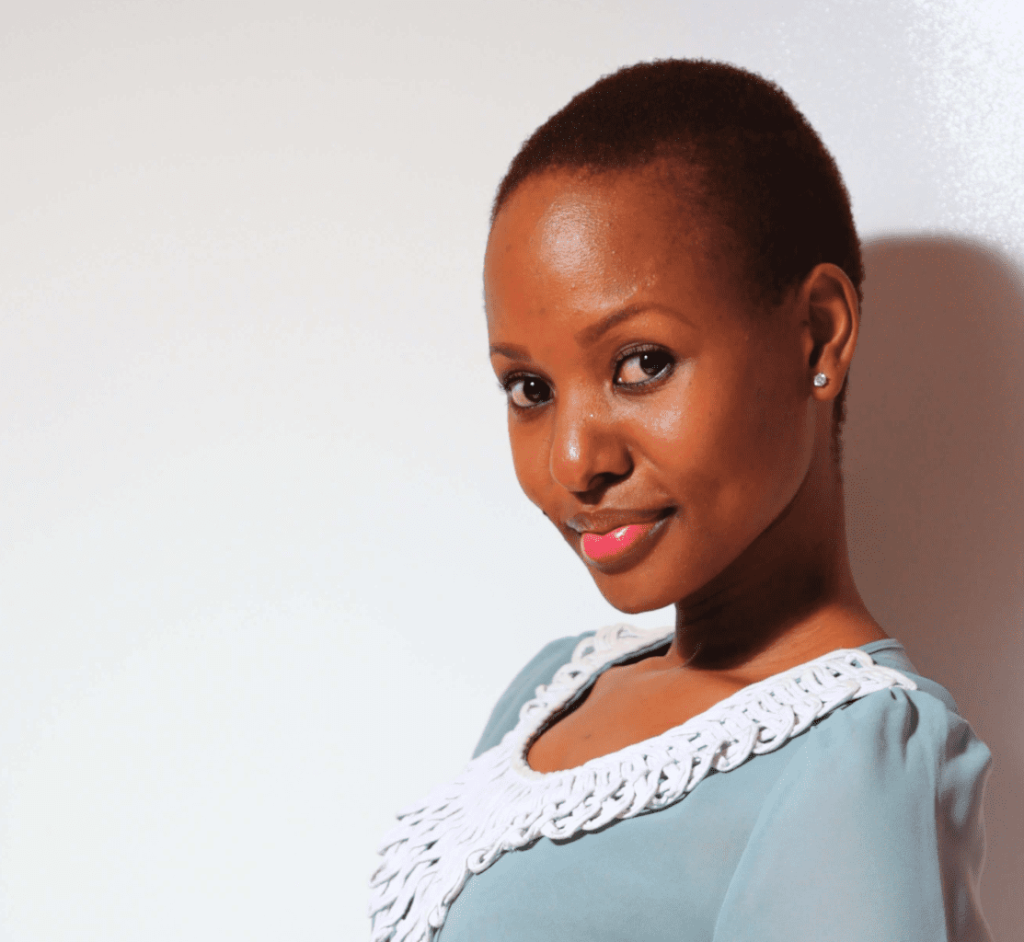
There was a time when it wasn’t easy for Tanzanian women to find a skincare product that was 100% natural and meant for the African skin. That was before Tanzanian-made African beauty brand, Nuya’s Essence came along. Nuya’s Essence is a natural bath and body care brand that handcrafts natural products from botanical oils, butter, and herbs. The product is made from the purest botanical and non-toxic ingredients there is. Largely, the ingredients are sourced locally and from South Africa, Ghana, India, and Morocco. Njeri Meja, our SLA contributor spoke to former beauty queen and formulator of Nuya’s Essence, Helen Dausen. She found out more about how Helen’s beauty queen past helped her business and the steps Helen takes to improve her hustle. What motivated you to start Nuya’s Essence? I have always been so careful about how I nourish my skin. I think I got it from my mother. As a young girl, she would apply olive oil and pure coconut oil on my sisters and I. I had also been unemployed and needed to do something about my life. While in college, I wondered if I could get a quality soap to complement my beauty care routine. So I went looking and found some DIY ideas for soap. I started mixing stuff at home and sharing recipes with friends. I would also tell them what to apply or what food to eat and the like. The idea of Nuya’s Essence first gained root in my heart in April 2013. However, we didn’t start marketing it publicly until in June 2014. How did you start? I started small with support from my parents. I began with making handmade skincare products from the backyard at home. I sold to my mom’s salon, farmers market, pop-up shops, and friends. Did being a beauty queen help your business in any way? Yes, it did. As the crowned Miss Universe Tanzania 2010, people often asked about my skin and hair-care routines. That also fueled my decision to build a skincare brand. Who is your target audience? Actually, everyone can use my products. The marketplace is saturated with products made with harmful chemicals patronized by unsuspecting African women. I wanted to create something great enough to be an option to the mainstream skincare products. Nuya’s Essence is for women looking to go all natural and adopt a healthy lifestyle. Tell us more about your range of products Our natural skincare range is formulated to work with all skin types. The ingredients are carefully selected and suited for everyone. We do not add fillers, toxic chemicals or test them on animals. Our products are recyclable, bio-degradable, eco-friendly and safe enough to be used by kids. It can be used on sensitive skin, very sensitive and mature skin. We produce them in small batches with our customers’ satisfaction in mind and they do serve the purpose. Did I tell you that they also smell amazing? Oh yes, they do! Currently, our product range includes natural handmade soaps, body oil, body butter, body scrub, 100% pure coconut oil, and raw shea butter. However, we keep working at developing new products. How have you improved yourself as an entrepreneur? I just completed a Mandela Washington Fellowship program for Young African Leaders. The intense 6-week-long program ended on the 4th of August 2016. I worked hard at it and formed great partnerships and friendships. It was a great experience and boost for my personal and business growth. I look forward to better opportunities. I have also done some training in natural/organic skincare formulation in Johor Bahru, Malaysia. There, I learnt the basics of formulating a perfect product. I still study online, read lots of books on the subject and strive to improve my beauty range or create new ones. Any challenges? How do you mitigate them? My biggest challenge so far is getting customers to believe in our products, especially women. I started using my products long before I sold them. This made me more comfortable and confident to tell other women about them. Personally, I have experienced the healing powers of plants and I have been able to achieve youthful, flawless, glowing and evenly-toned skin. However, getting clients to believe in you is hard. To tackle this, I give free samples for trials and this has worked. They usually return with their friends and this time, they actually buy. Word goes round and we’ve done well so far. How would you advice a woman looking starting something like Nuya’s Essence? Fear will always be a constant factor but if used well, can be your propeller. You may never enjoy absolute support. Money may never be enough. But girl, you can rise above it all. The trick is to start with what you have at the moment and then grow in small paces. Last words? One of my favorite successful businessmen said, “The harder you work, the luckier you get.” I believe there are so many opportunities out there. You just have to be ready to take them. Be willing to take risks and accept failure as a learning curve. The only real failure is not trying at all. After all, what’s the worse that can happen? Always believe in something. Personally, my hope and faith are in God. I am at peace with myself, my work and the people around me and that helps. I set out to glorify Him in everything I do as a person or business woman. Always have something or someone to fall back on for support. You can never go wrong with this. Want to see women you know featured on SLA? Tell us what amazing things women are doing in your communities here.