
Joyce Muthoni: Starting entrepreneurship at a young age has given me time to make mistakes
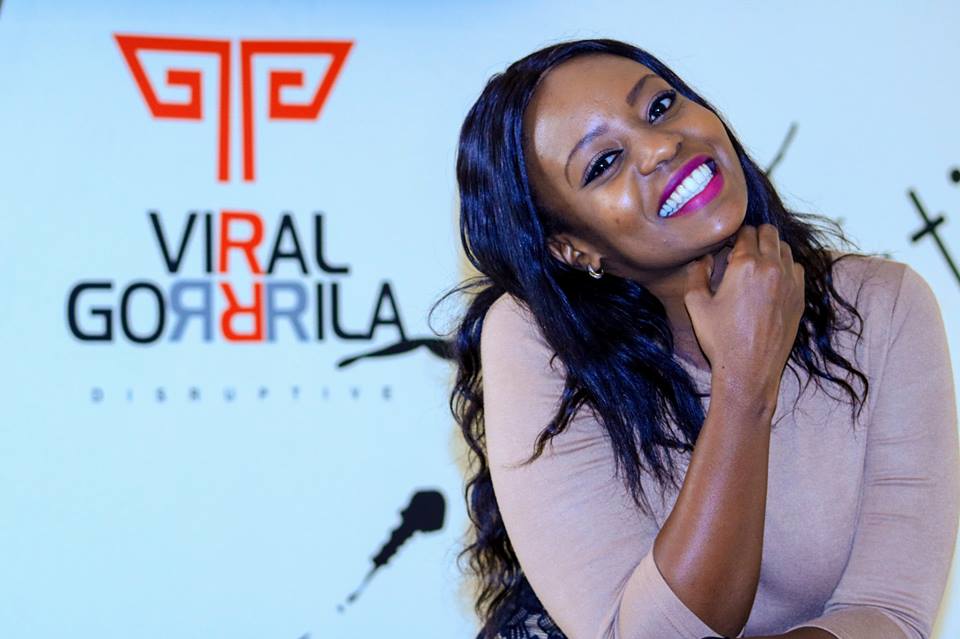
[bctt tweet=”The name Viral Gorrrila came from a need to have our audience be curious about what we do ” via=”no”] She calls herself a spirited individual and she has accomplished a lot in a short span of time. Joyce Muthoni is the founder of Viral Gorrrila and has worked in her first business for 6 years. She started her first business Proteque Consulting while still on campus, just before she graduated. After six years of running it, Joyce started a balloon business, retailing helium balloons. In under two years, her balloon business is now getting into retail stores and expanding into other regions in Kenya, after successfully setting up the Nairobi and Mombasa offices. The balloon business led to the founding of Viral Gorrrila, a digital marketing agency. It was because of digital marketing activities that her balloon business grew its client base. Joyce quickly saw an opportunity to venture into an untapped industry and help companies gain more market share through digital activities. Tell us why you choose the name Viral Gorrrila for your business. Viral Gorrrila is a digital marketing company that deals with a number of things including website design, Google analytics, Google ads, social media marketing and advertising, and content development. I believe that content is king and conversion is queen. the coining of the name Viral Gorrrila came from a need to have our audience be intrigued, attracted and curious about what we do. The essence of our work is to ensure that as many people as possible get to learn about our clients’ brands and services. The ‘viral’ bit is coined from this while ‘gorrrila’ came from the word guerilla in guerilla marketing. The goal of the company is to develop creative, captivating and memorable content for our clients and this is what guerilla marketing is about. Our creative content seeks to fulfill this and create advocates out of the audience. The Viral Gorrrila term in its self-symbolizes disruption, doing things differently, changing the way digital marketing has been done in our country and helping our clients and other brands see the value of change. The “rrr” in Gorrrila reflects this. Why do you say you’re a new kind of digital marketing agency? What makes you different? There are a lot of agencies in the country, some with a wealth of experience and others starting out and learning the ropes as they go along. We have a strong team that is conversant with Google advertising and social media advertising. We also have a deep focus on creative content development and we have ventured into animated productions in 2D and 3D for our clients and are pursuing a digital channel that will air only animated content made in Kenya. This will, later on, open up to airing content from the rest of Africa. What exciting projects are you working on lately that you can share with us? My work and keen interest in the animation field has led me to work with a local gaming and animation company that is making great strides in the market. I was approached by the Director of ISHAKA LLC, Mr. Sagwa Chabeda, to assist in the project concept and fundraising. We are currently working on a gaming, animation and manga franchise that is set to take the African, European and American markets by storm. It is a bold statement to make but it is a viable endeavor. We have attracted interest from some international production and distribution companies who are looking for new content to market to the world. The ball is in our court and we want to tell our African stories and help the world understand who we are, our cultures, traditions, and heritage. We want to give our viewers an authentic display of the different countries in Africa, one story at a time. [bctt tweet=”My keen interest in animation has led me to work with ISHAKA a local gaming & animation company” via=”no”] You started your business while in school, what was your experience being a student entrepreneur? I started my business in my final year of campus. I had some work experience previously in my father’s company and it was here that I made the decision not to pursue employment after my education. Understanding my personality and passion, I knew what my dreams were and I didn’t want to wait to pursue them. The great thing about starting my business while I was still on campus was that I got business referrals from my fellow classmates who were older and already running their own businesses. I also received advice from them on business planning and execution. On the other hand, I was inexperienced in many things and my lack of experience cost me a lot of money and brought a lot of tears. I had no HR, finance or management skills. My background was in marketing. I had to quickly learn the ropes and continue to keep an open mind, learning attitude, build tough skin and pursue continuous development. Starting entrepreneurship at a young age has given me time to make mistakes, understand my strengths and grow into the business woman I am today. I am now very clear on what I can and cannot do and this has helped me to avoid taking up projects that I know I will not be able to adequately serve. Starting early has also been beneficial in giving me time to grow my network and I can confidently say I am a very resourceful person. I have come to appreciate the pains and pleasures of entrepreneurship and I have a big heart for those who want to venture into business. I appreciated the assistance I got when I was on campus as I started out and I would not hesitate to help anyone seeking advice as an entrepreneur. You have to tell us about your balloon business, how did the idea to run this come up? How exactly did you use digital marketing to grow it?
Zizipho Dyubeni: I understood the struggle of having inconsistent income

[bctt tweet=”Zizipho Dyubeni is behind an agency built on the premise of heightening the voice of creative Africa” via=”no”] Zizipho Dyubeni is a communications specialist and entrepreneur from Cape Town, South Africa. She uses her creativity to promote and uplift fellow entrepreneurs in the township areas where she grew up. Through her company Blue Apple Concepts, Zizipho curates and organises bespoke events aimed at entertaining and empowering the youth, especially those interested in entrepreneurship. One such event is the popular GlamHour, which serves as a platform for fledgling entrepreneurs in the beauty industry to showcase their work, network and gain new clients. The events also offer pampering massage sessions, facials, nail therapy and fresh delicacies for women who want to unwind in style- a rare and novel treat to the township areas of Khayelitsha. Then there’s the Lingerie Fair, aimed at encouraging young women from disadvantaged areas to openly talk about sex and practice healthy lifestyles. Apart from the pioneering strides, she’s made in the entertainment industry, Zizipho is also a speaker, entrepreneur, event coordinator, concept developer, a freelance communications specialist, content producer and a much-loved radio personality for 2OceansVibe, an online streaming radio station. Being such an inspiration, we just had to share her amazing story with you, our SLAy community, and find out what makes this ambitious creative tick. Tell us about yourself. Who is Zizipho Dyubeni? I am a young 27-year-old mom to 8-year-old Storm. I grew up in Milnerton where I went to high school. With a passionate love for all things creative, I furthered my studies at the University of the Western Cape where I later dropped out due to financial constraints. Fast forward nearly 8 years later I have created a creative agency built on the premise of heightening the voice of creative Africa, work in media. I enjoy a life wonderous and eventful! I am also an events coordinator with a specific interest in women related lifestyle eventing. What inspired you to start BlueAppleEye Concepts and where do you get the inspiration for all these innovative event concepts that you’ve come up with? I was and still am a freelancer, I understood the struggle and pain of having inconsistent income. The main idea behind the Creative Corner is to regulate work activity for creative freelancers and in doing so creating a solid creative e-commerce. What challenges have you had to overcome on your journey in the entertainment and communications industries? I would be lying if I said I have overcome a lot of the challenges, the creative industry is one that requires resilience. Right now our biggest struggle is merging business rationale with the creative concept. Tell us about your other creative and business pursuits… I am an influencer, MC, vocalist and radio DJ outside of running a small business. [bctt tweet=”Zizipho Dyubeni: The creative industry is one that requires resilience ” username=”SheLeadsAfrica”] How do you manage to remain focused and disciplined to keep up with such a packed schedule? My work does not feel like work. I am passionately living out my dream every day, on hard days I cry and pray. My family, friends and business partner keep me grounded. What are your plans for the future? For my business to grow into the biggest service agent in Africa housing plus 200 000 or more freelancers with sufficient work monthly. That is the biggest dream. [bctt tweet=”My work does not feel like work. I am passionately living out my dream every day” username=”SheLeadsAfrica”] What do you do for fun and relaxation? I party, read, listen to jazz and spend time with my loved ones. What are the 4 skills you had to learn/use when entering the entertainment and communications industries? Listening Collaborating Paying attention to detail Concept development If you’d like to share your story with She Leads Africa, let us know more about you and your story here.
Elsie Mutsaka: You must do what sets your heart on fire

[bctt tweet=”I realised that my brand and I are one and so my blog should be the same @ElsieMuts” username=”SheLeadsAfrica”] Elsie Mutsaka is an up and coming PR dynamo, social media marketer and blogger from Zimbabwe based in Port Elizabeth, South Africa. Her accessible fashion aesthetic is inspiring women from all walks of life to be confident in their style. After discovering her personal style, Elsie started getting questions about her outfits and where she gets pieces. That encouraged her to start blogging and share her style with a wider range of people. SLA contributor Anelisa Nokoyo had a chat with Elzie to find out what inspired her quirky fashion blog, and what she has in store for the future. When did you start blogging? Initially, I started blogging last year, April 2016 under the name differentlyconfident. Then this year I changed my domain name to my full name. I realised that my brand and I are one and so my blog should be the same. What would you like to achieve with your blog? I have always wanted to share my style with people and through this blog, I manage to do just that. Most importantly I wanted to bring about the idea that style is not about the price tag or label, and that you can look perfectly chic while still living within your means. Growing up I had times when I was not as confident about how I looked, but as I grew older I became comfortable in my skin, looks, and style. That’s the exact same message that I would like the people that read my site to get each time they read my posts. It’s basically a site for any type of woman to visit and get outfit inspiration, love the skin they’re in and know that they can create their own unique style. Also, while people shy away from thrifting, I find that it’s one of my favourite things to do with my sister each holiday, as you get stuff that nobody else has. So I always mention where I get my clothes for each blog post and I’m not embarrassed that I shopped a SALE or that I thrifted. Ultimately, I intend on building a brand that inspires and speaks to women who fully know and understand themselves or who at least aspire to. What do you enjoy most about blogging, and what are some of the challenges? I really enjoy putting outfits together and reading comments from people who read the posts. Most of the time I really appreciate it when people give their honest opinion and usually, my family and friends do the most. I think one of the challenges is when the writer’s block strikes. Sometimes you really have good photography but you are just not satisfied with your writing, but when I eventually get it together it’s amazing because I get to think out loud. What are some of the wardrobe essentials that you think each woman should have? Well, personally I believe everyone should have a really good quality blazer, a good pair of denim jeans, black pair of heels, very good quality handbag and at least one vintage or pop of colour item. I could go on and on, but those are my faves, just that I own more than one of each. Whenever I am asked to, I style people or help them create their dream wardrobe so the essentials differ sometimes depending on your style. Besides fashion, what else do you write about? Besides fashion sometimes I write about things that matter to me like issues that women face, but I do this as a contributor for other platforms. Other times on my blog I share about my beauty routines which are quite simple. What are some of the lessons you’ve learnt since delving into the world of blogging? I have learnt that you must do what sets your heart on fire, sometimes trends in the blogging sphere are awesome but they are not always your thing. It’s okay to do what you feel comfortable in. Also, there are so many bloggers out there and everyone has a niche and something unique they bring to the table, so it’s good to celebrate others. I enjoy commenting on other people’s blogs. It does not take anything away from me when their work and skill grows, and if you appreciate other people’s work oftentimes the favour is returned. [bctt tweet=”If you appreciate other people’s work oftentimes the favour is returned” username=”SheLeadsAfrica”] What else do you do besides blogging and how do you blend the two occupations together? So, besides this blog, I do public relations, which means I spend my days working as a social media marketer for an online store and managing other platforms for clients. Because the social media thing is my 9-5, I usually blog in the evenings and do shoots on Saturday mornings. It’s all about organising your very little time well. The two also blend well because it’s all use of the digital media, so sometimes I reply to comments on the job. bcct You need to use what you have and what’s around you Give us your top three tips that you’d give to anyone who wants to start blogging… Once you figure that you want to blog GO FOR IT! I mean just do it. Secondly, just trust the process and even if like 3 people read your blog that’s okay, it takes time to grow an audience. When I first started blogging a close friend of mine offered to take pictures of me, she had no camera experience whatsoever but as my blogging got better, her photography did as well and because she believed in me so much I gained confidence. What I am trying to say is you need to use what you have and what’s around you. I did not have a professional photographer but I had a friend and that helped me grow, and here
How to start/run a fashion label with no money and no clients
[bctt tweet=”No money or client at the outset poses a challenge but doesn’t render the situation hopeless” via=”no”] No money? No Clients? …No Problem! In business as in love, it is not always the individual with the ‘deepest pockets’ and the best connections that wins. In most cases, it’s the individual who applies their imagination and creativity that wins the deal or the girl. Starting a creative business of any kind with no money can seem like a daunting task, regardless of what industry you might be trying to break into. Despite the challenges you will have to face on this journey, a lack of money or a lack or clients need not be an impediment to your pursuit of this lofty goal. With these five essentials in mind, you should be well on your way to securing your first client with absolutely no money in the bank! Label DNA Before you call all your friends and family to tell them you are finally starting your very own fashion label, you need to understand your label’s DNA. What kind of clothes will you make? What type of clients will you cater to? What is your style? What sets you apart from other fashion labels…what is your DNA? Many aspiring entrepreneurs do not figure this out at the very beginning and then find themselves swept from corner to corner by the various fashion trends constantly emerging. Your label DNA lets the world know what you are about. Are you an eco-friendly fashion band? Do you specialize in street wear? Are your clothes only meant for A-list Africans or are they meant to make the hard working career woman feel powerful as she chases her dreams? Your label DNA tells you and all your potential clients what your brand actually stands for, thereby setting the tone for the type of clients you are likely to attract. [bctt tweet=”Your label DNA tells you and all your potential clients what your brand actually stands for” via=”no”] Chutzpah The fashion industry is cut-throat, with more and more brands coming into the industry, not just in your country, not just in Africa…in the world! With all this competition, an entrepreneur must have what the Jews call ‘chutzpah’, which roughly translates to audacity, nerve, supreme confidence. You must be able to stand by your choices- especially your creative choices- even when only one person gets it. The biggest fashion trends were not started by shy and timid people or the companies they run. The world’s trends are started by those that a willing to tap into the very core of their beings and dig out bold ideas, radical ideas, ideas that the rest of the world has to catch up to. Think Levi’s denim jeans, Chanel’s ‘little black dress’ and others that gave those then tiny brands, the chance to truly contribute to the world. With no money and no clients, a brand with a little chutzpah can go a long way in carving out its very own piece of the delicious fashion pie that is up for grabs. [bctt tweet=”You must be able to stand by your creative choices even when only one person gets it” username=”SheLeadsAfrica”] Guerilla marketing The concept was first promoted in 1984 and has never had more significance than in the 21st century with all our smart phones and social media platforms. Never has there been a time where the small, barely recognized fashion label can give huge and well-established brands a run for their money. Guerilla marketing is suited to small brands that do not have the financial resources to create expensive advertisements for their products. Guerilla marketing is all about creatively gaining the attention of your target audience with bold and most times unconventional marketing strategies that cost close to nothing. This will mean going against the grain and catching your target market by surprise through your clever marketing. It might cause you to step on a few toes, maybe a few people will instantly dislike it. One thing for sure though is, you will become the talk of the town which will eventually ring the cash register. Like Oscar Wilde once wrote, “There is only one thing in world worse than being talked about, and that is not being talked about.” The recipe for a perfect guerilla marketing strategy; little or no money, a fresh target market and a tonne of creativity and imagination. Social media The age of social media platforms is upon us and it would be remiss to ignore what a great impact setting up a social media page for your fashion label can have on your growing business. However, a note of caution must be given at this point; when setting up and running a social media page for your fashion label, it is very important that you have a clearly defined strategy. Your social media strategy includes all the things you will ‘post’,’ like’ or ‘reblog’ as well as those that you will not include on your professional pages. Your fashion label’s social media pages are an extension of your brand DNA, in fact, they help communicate your brand DNA more effectively, they re-enforce the lifestyle and mindset that your fashion label promotes through the clothes and accessories you create. With a lot of creativity and no money, you can set up a page for your fashion label that will see you rise from zero followers to thousands, or even millions of followers by staying true to your brand DNA and being creative with the content that you put up on the page. No money down and yet you can be assured of scoring a few great clients if this responsibility is handled with care and precision. Skills The lack of financial resources or clients at the outset poses a challenge but doesn’t render the situation hopeless by any means. The lack of the required skill set, however, can mean that even if an individual found themselves with a huge reserve of financial
Yvonne Amankwah: There is less consideration for Special people in recruitment

[bctt tweet=”A lot of organizations in Ghana prefer to work with able-bodied individuals” username=”SheLeadsAfrica”] Yvonne Amankwah is a young leader passionate about her contributions to societal issues and education for the less privileged. What struck SLA contributor Ugochi Obidiegwu most about her business is the fact that Yvonne made a conscious decision to involve people living with disabilities. This is something a lot of people do not consciously think about. Tell us about your educational background I am blessed to have practical experience in corporate work, communication and societal development works which enable me to effectively contribute to solving problems. I had the opportunity to learn and develop my leadership skills from President Obama’s YALI initiative Nigeria cohort-1 and my engagements as the ex-president of Enactus Radford University College chapter broadened my scope. Recently, I completed my basic knowledge in Deutsch at Goethe Institute. I also hold a first degree BSc in Business Administration where I majored in human resource. During my degree program, I successfully combined my studies with work, showing I could to be self-motivated, organized, capable of working independently and able to utilize my skills and abilities effectively. Why did you choose to work with Special staff? 90 percent of the time, when there is an employment opportunity the last people we look at employing are people with disabilities. A lot of organizations in Ghana prefer to work with able-bodied individuals whereas there is less consideration for the Special people. This is what motivated me to carve my niche by working with people with disability. I feel they can be powerful when empowered to do more for themselves. I am deeply committed to training people with disabilities giving them an opportunity to better their lives. How do you communicate to ensure your desired business goals are achieved? The importance of communication cannot be overstated therefore it’s one of the ways business goals can be achieved. For the speech and hearing impaired we provide a note taker, a sign language interpreter, written materials or printed scripts. In some situations, we keep paper on hand so the person can write out words that staff cannot understand. Besides, we use training videos which is very useful where interpretations may not be available. What led you to start your own business? A few years ago, I learnt an important lesson from my entrepreneurship lecturer back in college, Mr. Alan Dwomoh Sarpong which earned him the place as my mentor. He told me his secret to success was “looking at each day as a new opportunity to be your very best. Set high goals, be honest, never say no, and work with people who share your passion for doing their best”. [bctt tweet=”My mentor’s secret to success is looking at each day as a new opportunity to be your best” via=”no”] Since then I injected this advice into my life as I try to live up to it every day. This was the realization of my dream that I could impact the lives of people by my handiwork. As the CEO of a new startup Vons Brands Limited, a detergent manufacturing company where we produce liquid soaps and home cleaning detergents, I find it important to teach others this trade so they can benefit from it. I really love what I do and I try to surround myself with people who share similar interest. I thrive on this type of environment. What are the challenges you have encountered in the course of doing business? I believe entrepreneurship is much broader than creation of business, I define it as a mindset and a way of thinking and acting it but that notwithstanding, challenges are inevitable. I have many but I work hard to overcome them. Finances, high-priced raw materials, distribution are just a few of the challenges but have managed to overcome them. I have a practical approach to problem-solving and a drive to see things through to completion. One of my keys to thriving in my space is to learn from the failures of others by having the humility to learn from their mistakes. It has always led me to success. The dark side of being an entrepreneur can never be skipped, but there is always a way to survive the harsh realities of entrepreneurship. One has to learn to live with risk and always be ready to improve by challenging the usual. [bctt tweet=”Entrepreneurship is broader than creation of business, I define it as a mindset” username=”SheLeadsAfrica”] Do you think the business environment is favourable to African young women? The business environment is favourable to African women entrepreneurs who become the voices of change despite the challenges. These barriers can be broken through thought leadership. It’s time to fight the challenges to enhance our contribution to development in Africa. At first, it’s difficult to break through but with time and consistency, you thrive in the business environment. There are a lot of opportunities for women to explore and be successful at, they should not be discouraged by the physical obstacles they see. They should rather feel empowered to overcome any challenge that sets in on their journey to success. What would you advise a young woman who wants to start a business but is paralyzed by fear? Fear is weakness! It cripples your ability to explore and be successful. Being bold is a new era. Get that weakness out of your mind and spirit. It only exists when you allow it into your thoughts. Success and fear are enemies so you should always choose one side. Never be with the losing team which is fear. Get out of your closet, go out and make things happen because you can. The environment for women in entrepreneurship is great against all odds and this is the redefined power given to us women. Women don’t lack confidence, don’t be paralyzed by fear it’s our to turn elevate our generation! If you’d like to share your story with She Leads Africa, let us know
Fikile Skhosana: I help victims to become survivors
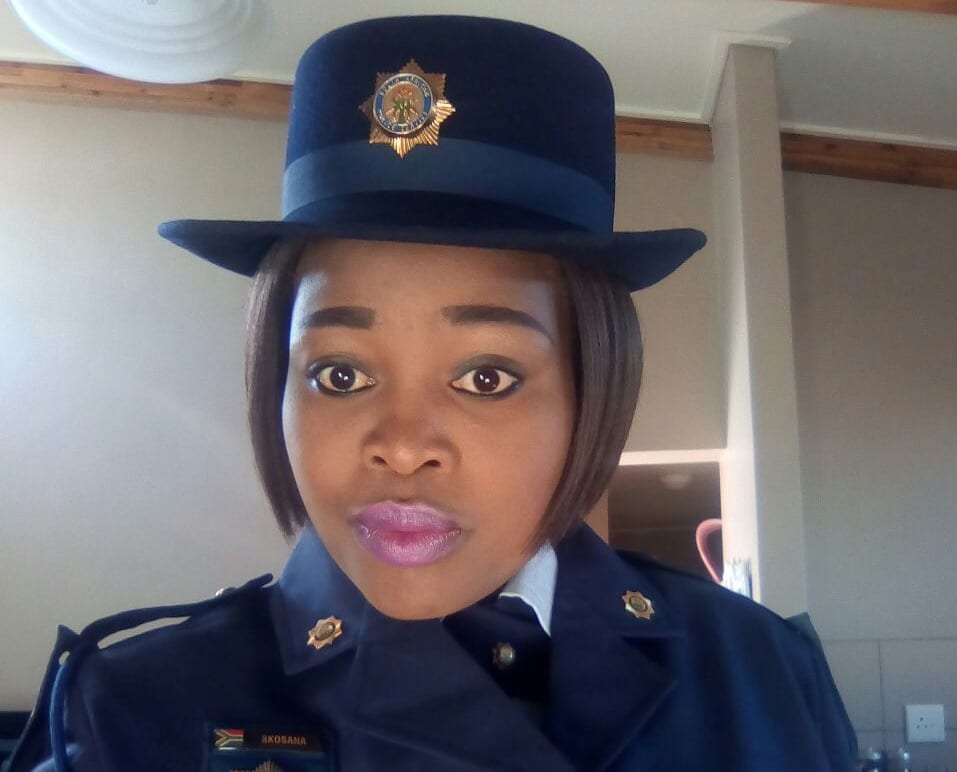
[bctt tweet=”I became a police officer because I like challenges, protecting others, and solving problems” username=”SheLeadsAfrica”] Fikile Skosana is a Detective Constable and Investigator employed by the South African Police Service, under Family Violence, Child Protection, and Sexual Offense Unit. She is constantly solving critical cases related to women and child abuse and assault. Fikile is giving women, whose rights are violated, the freedom to speak out and find justice and closure for their ordeals. This brave and compassionate 33-year-old always finds it rewarding when she solves a case and turns a victim into a survivor. When most young girls dreamed of being nurses or working in other ‘feminine’ jobs, you chose to be a police officer. How did you come to that decision and what did your parents say about it? I became a police officer because I like challenges, protecting others, and solving problems. My parents were not happy at first but now they believe in me. Police work is seen as a field typically better suited to men, what has been your experience with working in a male dominated field and have you ever felt incompetent because you are a woman? The job is not gender-specific, ultimately police officers have to be the same regardless of gender. As a woman, I don’t go out to fight but to calm the situation. I always feel competent, especially after solving a case. For women who feel guilty or responsible for their rape ordeal, sexual assault or abuse, what do you say to them or how do you act in such circumstances? How do you create that safe space for them that allows them to speak up freely and be heard? Some kids feel more comfortable talking to a mom-type person, same as rape victims, they feel free and safe talking to women. I listen to them, I tell them they are safe, I help victims to become survivors. What is your motivation every morning that keeps you going to work in a challenging and potentially risky field? Helping people and stopping other people from becoming victimized. The difference I make in someone’s life is what motivates me. [bctt tweet=”The difference I make in someone’s life is what motivates me – Detective Constable Fikile Skhosana ” username=”SheLeadsAfrica”] What is the most fulfilling aspect of what you do? The most fulfilling is when offenders get higher sentences. Solving cases and giving victims some type of closure is what I find most rewarding. How can young women wanting to enter police-work mentally prepare themselves for work in such a field? How does one know that they are a good fit for this type of career? I encourage women to consider law enforcement as a career if they are willing to put in time and hard work. They shouldn’t be discouraged and think that this is a male dominated world. They can do anything that a man can do. [bctt tweet=”I encourage women to consider law enforcement as a career if they are willing to put in time & hard work” via=”no”] Being a police officer, do you enjoy action movies or dramas on TV and if you do, which one is your favorite and why? I watch ID Extra channel 171 on DSTV. The shows on that channel are all about crime solving. I actually learn different tracing techniques there. If you’d like to share your story with She Leads Africa, let us know more about you and your story here.
Nyaradzo Mavindidze: Work is a form of worship
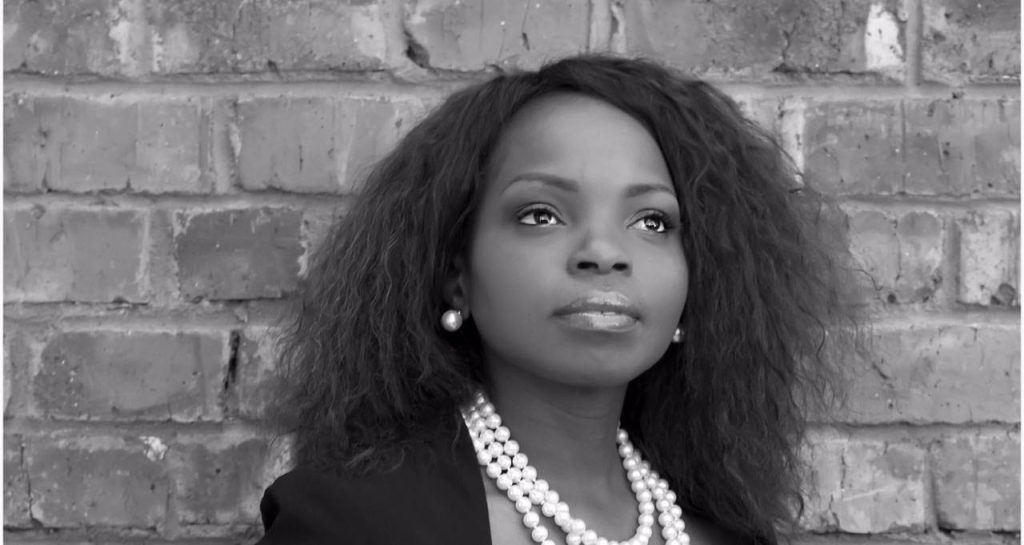
[bctt tweet=”Nyaradzo Mavindidze is passionate about developing the ‘uncommon sense’ in leaders” username=”SheLeadsAfrica”] Nyaradzo Mavindidze, the Managing Consultant of Avodah Consultants, is a Holistic Leadership Expert who is passionate about developing the ‘uncommon sense’ in leaders, thus going beyond the five senses. A psychologist by profession, she enables leaders to draw on their inner and outer natural resources thus shifting personal paradigms and beliefs leading to transformed organisations. Over the years, she has developed herself as a brand to reckon with in dissemination of lasting solutions to performance deficiencies in individuals, leaders, and organisations. She says, “Every one of us already has power, it’s just a matter of peeling away the stuff that shadows who you are and what you are capable of…” As a coach, Nyaradzo creates an environment where you and your dreams, your challenges, fears, and victories are the focus. A time and space to be you, to find out who you are and what you want, and to then go out and create that despite external environmental challenges. Nyaradzo is a high-energy speaker with boundless energy and wit who is able to combine inspiration with insight. Her charismatic style and ability to engage emotionally with audiences have made her a sought-after keynote speaker delivering proven solutions on topical issues for corporations. Her mission as a speaker, coach, and trainer is to empower organisations to achieve sustainable success through holistic development and cognitive reconditioning. She has published a motivational journal, ‘Motivation for Success: Morsels in the Desert’ and is the co-author of; ‘Breaking the Glass Ceiling: Career Strategies for Women’. Her motivational articles are published in local magazines and tabloids. She currently writes a motivational column ‘Motivation for Success’ published in The Business Herald every Monday. She makes guest appearances on local radio and has been interviewed on a MNET TV program. In 2015 she was on the list of Young Zimbabweans to Watch’ and is the 2016- ZIWA Motivational Speaker of the Year. Nyaradzo is also the founder of QueenMakers Trust whose mission is to empower female leaders through training, mentoring and coaching, thus enabling them to contribute into the mainstream economy. How was Avodah formed? Avodah was formed through a series of events. Having been in the NGO and corporate sector for close to a decade, with Viva Network Dandy Zimbabwe and Standard Chartered, I took a career sabbatical and went to Uni in the middle of a third pregnancy. Halfway through my degree, I started a clothing business: Sheba’s Closet, in an upmarket area in Harare. I travelled to Asia and Europe at least once a month to purchase clothing for the two shops that I had acquired. After graduating in 2008 Avodah was formed with the realisation that it was virtually impossible to get back into formal employment due to the state of the economy. I decided to run the 2 businesses, my love for fashion and my natural speaking talent. It focuses on soft skills training, human capital development, recruitment, and coaching. Avodah is a Hebrew word meaning work is a form of worship. I believe that as you are working, you are exercising and using your gifts that were placed inside of you, thereby giving glory and worshiping the giver of that gift. In 2012, I went through a life altering experience that got me thinking about my purpose, passion, and desires. This led to me closing Sheba’s Closet to focus on something that left a legacy for my children. I knew that I was not going to be able to develop it to the level Edgars and Truworths (regional clothing stores), so I decided to focus solely on Avodah. [bctt tweet=”Every one of us already has power, it’s just a matter of peeling away the shadows” username=”SheLeadsAfrica”] What were the major start-up challenges? I started Avodah during the 2008 recession period. I was going in the opposite direction of the economy. The only reason I have managed to survive is my work ethic and excellence. I believe when you function in your area of passion and strength you have more staying power. Tell us a bit about QueenMakers? QueenMakers is a passion. I am passionate about women’s empowerment. I started QueenMakers to assist women developing themselves to function at their maximum potential. Culture, religion, politics, economies, and societies have made women a secondary species and made them feel like they don’t deserve a seat at the decision-making and power table. QueenMakers is an organisation where women come together, get trained, motivated, coached and inspired to reach within themselves and polish their potential. We network, encourage, expose women to opportunities that are around them, help them maximise their potential and occupy centre stage. What are some of the challenges that you have faced as a black African woman? Most of my challenges as a black African woman have been self-belief and going past that little voice inside your head that says it’s impossible. I have had to work hard to develop my confidence to put myself out there. What more can government do to support entrepreneurs in Zimbabwe I believe women have not even begun to utilise the ‘little’ that has been put on the table for them. Before we can ask for more we need to sweat what has been offered thus far. There is more that they can do but it’s also more of what we as women can do. For example, there has not been that many women in politics. Our generation aspires and desires, complains and bickers but no one has really stepped up, very few women take up such roles. [bctt tweet=”As you are working, you are exercising and using your gifts that were placed inside of you ” username=”SheLeadsAfrica”] What lessons or advice would you give your younger self? Be bold and not afraid because fear is not real. It needs to be challenged through the stretching of our minds. Like Nike says; Just Do it. What can we look forward to in the
Isioma Onyegikei: Social media has helped reach our target audience
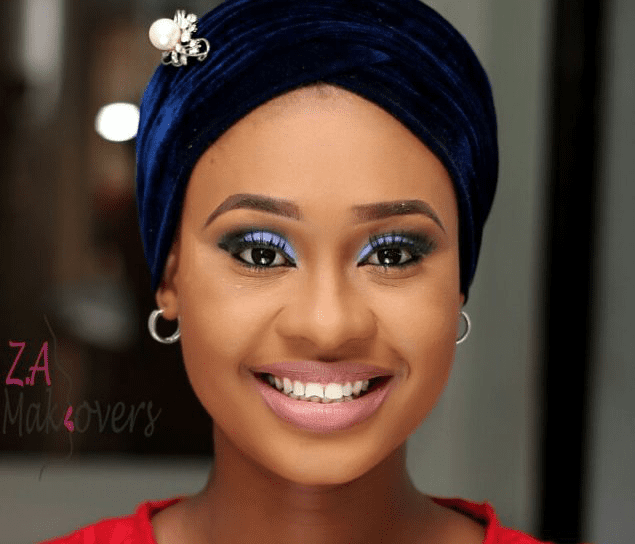
[bctt tweet=”It has not been so difficult to sell food online – Isioma Onyegikei” username=”SheLeadsAfrica”] 24-year-old Isioma Onyegikei is the founder and head cook at Brelunds, a food service provider startup in Lagos, Nigeria. Her startup offers services which include the running of office cafeterias, breakfast, and lunch weekly subscription plans, events catering, bulk soup and stew preparation. Isioma officially began Brelunds in September 2015 with a standard menu consisting of Nigerian dishes, finger foods, and Nigerian street foods. She is a graduate of Political science and public administration from the University of Benin, Nigeria. What inspired your decision to start a food retail business? The decision to start a food retail business was inspired by my experience as an employee for another company. I resumed work very early and got home very late due to heavy traffic in the city. Saturdays were the only days I rested, did chores and caught up with friends. On Sundays, I go to church and prepare ahead for the next week. I realized that it was the reality of most of my colleagues. Some even had to work on weekends too. Cooking is a huge chore because time and rest in Lagos is a luxury to a typical Lagosian. So I started out by making and delivering bowls of soup and stew. My intention was to ease my client of cooking as a chore, an important human need. Along the line, the idea of a weekly lunch plan to be delivered to clients at work came up. How have you been able to sell cooked food to people via an online medium? Describe the process from order to sales. For now, we sell our meals online via our Twitter and Instagram pages. We are currently working on a better website. We post information about our services on these platforms; potential clients see our information online and contact us for the service they want. They either pre-order for bowls of soup/stews or they subscribe for any of our lunch packages. They provide us with their names, phone number(s) and address for delivery. It has not been so difficult selling cooked food online because it is an important need and a food delivery business helps the client with one less problem to worry about. [bctt tweet=”Social Media has helped with referrals – Isioma Onyegikei” username=”SheLeadsAfrica”] How has social media enabled you to reach your target audience? Frankly, social media has enabled us to reach our target audience in the sense that a lot of young Nigerians (Lagosians) and even older Nigerians are online. The chances that our next client that we will market to offline has a Twitter, Facebook or Instagram account is 80%, so with social media, it is easy to market to a lot of people at the same time in different locations with just one post. Potential clients also come online to search for a service they need, we see this and market our service to them. Social media also has helped in terms of referrals. An old client can see someone asking for a similar service and refer them to our page. Instagram, for example, is pictorial so with a business page, anyone who comes across the page already knows what services to contact us for. The use of hashtags has helped in getting across to our intended target audience because people do search for the service thy want using related hashtags. Which social media channel do you consider to be the most responsive channel for your business? Twitter has been responsive and this is because people do not necessarily have to follow you to see your tweet on their timeline. Retweets are free. There is also the advantage of having others try out a service that one or two of their friends have used and Twitter seems to be the most engaging social network to set up that way. How often do you make sales from social media? We make sales from social media regularly. It is a food business and now, more than ever, people desire convenience. Also, the fact that we have two different service offerings: pre-ordered bowls of soups/stew and lunch subscriptions, helps to ensure that we are able to reach a broader segment of people and meet more needs. [bctt tweet=”Logistics is an issue for online businesses. – Isioma Onyegikei” username=”SheLeadsAfrica”] What are some of the issues you have faced while trying to run your business online? In running an online business, our main issue has been logistics. First of all, we run a value for money service, delivering high-quality meals at very affordable prices. Currently, a lot of logistics companies charge very high for their service and most times it makes no sense to ask a client to pay more for delivery than the actual food they are buying. Also, the logistics companies have other clients that they also trying to service while servicing you. In situations like this, it is very easy to get disappointed at any time or have a client’s order messed up on the way. There is also the issue of bad publicity when running an online business. Social media can make or mar business. An unsatisfied client can easily discourage others, totally within their rights, so for us at Brelunds we ensure that our customer service is top notch and intended to “wow” both clients and potential clients. What’s your perfect one-line statement for young females trying to build a brand via social media? Know what you do, learn what you don’t know and know those who know what you don’t know. If you’d like to share your story with She Leads Africa, let us know more about you and your story here.
Munozovepi Gwata: Nobody is really taught how to manage their personal finances
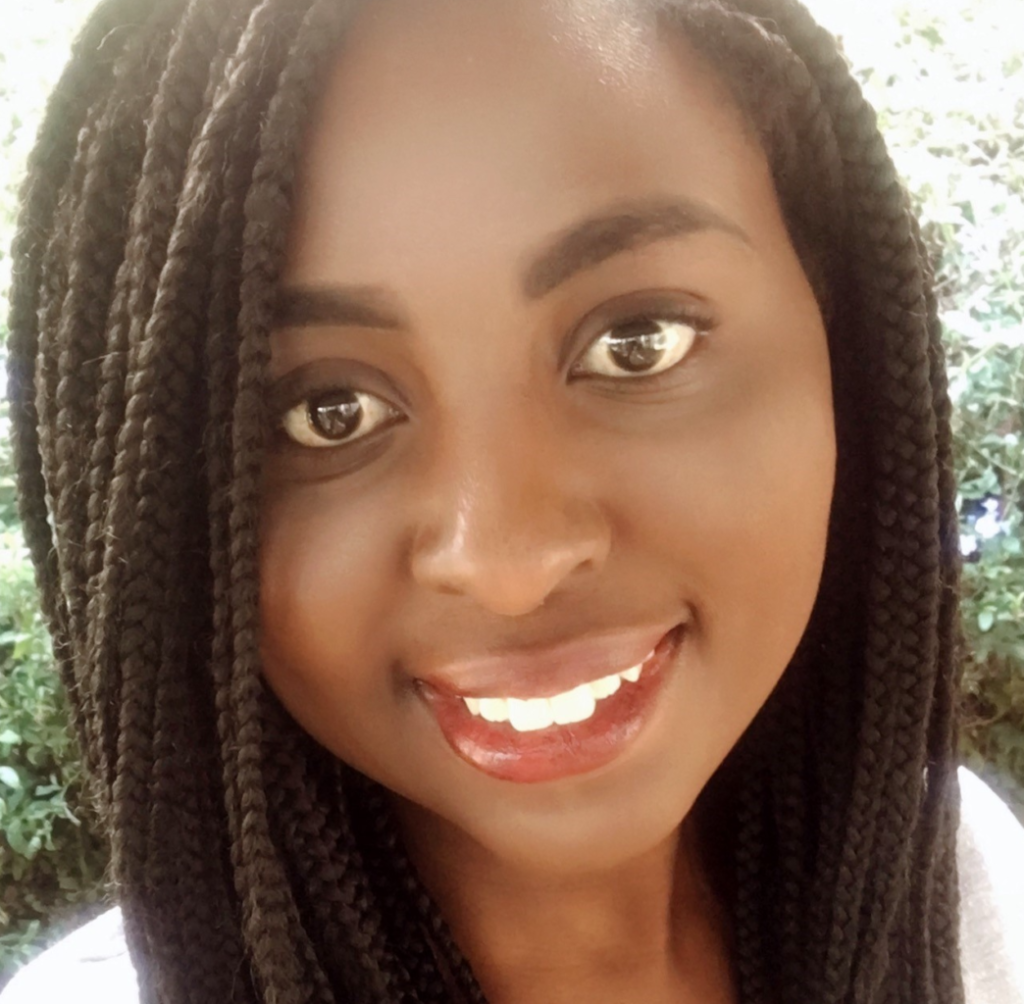
[bctt tweet=”We want to instill financial literacy skills into children from a very young age so that they can understand money” via=”no”] Munozovepi Gwata is an ambitious entrepreneur and an aspiring Chartered Financial Analysts and Hedge Fund manager. She is the founder of the Aworks, a conglomerate with subsidiaries Arete’ Tech, Kukura Capital NGO and Kukura Capital Investment Trust. Her personal mission statement is to inspire people throughout the African continent and to create innovative solutions that will bring upon development, wealth, and success for the continent. Munozovepi’s goal is to build Awork to the same status and standard of Berkshire Hathaway which she has no doubt that she will accomplish. Why is financial literacy important and why start an organisation that educates people on the matter? I believe financial literacy is extremely important just like learning Maths and English. It is the fundamental skill that equips people with the essential ability to effectively save and make money. Unfortunately, nobody is really taught how to manage their personal finances. Not at one stage in our lives do we come across financial literacy education in the mainstream education system. I find this very alarming and I am a strong advocate that financial literacy should be included in the mainstream curriculum. The consequence that we have now, is that people are not equipped to manage their personal finances and they do not know how to save or grow their money. Therefore, instead of having the opportunity to pass down wealth to the next generation, they are passing down poverty and debt. I felt that I could no longer sit on the sideline and watch this continue to happen, this is when I decided to become a part of the solution and build an organization that addresses the problem. In starting Kukura Capital, did you decide to go solo or have a business partner(s) and why did you decide to go solo/partner up? In starting Kukura Capital, I decided to go solo. I do have a great team of friends and family that help me and soon we will be adding another 8 new team members to the Kukura Capital team. When I started Kukura Capital it was only an idea. A lot of people, even though they shared and agreed with my vision, didn’t share my hard work ethic, and because of this, I did not manage to find a full-time business partner. It still worked out great in the end. I was given a lot of good advice on how to develop the organization, leaned on some great books and to my surprise in such a short time we have managed to pick up and maintain a great momentum. We also have the support from other well established NGO’s and Institutions which is great. When did you establish Kukura Capital and what has been the biggest lesson you have learnt thus far? Kukura Capital was established last year in November and it was inspired by my own journey to learn more about the financial industry. In gathering information, I kept thinking to myself there has to be an easier way to learn about financial literacy, and from there Kukura Capital was born. The biggest lesson I have learnt? I have to say I have learnt so many things, but the biggest lesson is that knowledge is truly power. As an organisation, one of our main goals is to make knowledge about financial literacy easily accessible and to break down the complex concepts of finance and make it simple and easy to understand and apply. Doing such a simple task has proven to be powerful. When you tell an individual of any age, be it a high school student or a young adult, that if you save this amount of money every month and reinvest it either in the market, or in a business and you can get this x% in return, people’s eyes really light up, and they really do change their spending habits. The things people always say to me is: “Why didn’t anybody tell me earlier? I would have been a millionaire a long time ago.” What gave you the courage to start your organization? What advice would you give to someone who is thinking of going into business? Fortunately enough, my past experience in leadership positions and community involvement gave me a lot of confidence to start. Also, having a business and finance background also gave me the confidence to start Kukura Capital. However, to be honest, I didn’t really think too much about it, I really believed what the organization stood for and went for it. That would be my advice to anyone starting a business. In addition to running Kukura Capital I also run a FinTech business and when I started I had plenty of doubts but I quickly moved away from any negative thoughts and just went for it. In addition to that, I will advise anyone who wants to start a business to fully commit to their business and make sure that they love what they do, so even when it gets tough they are still driven to keep going and succeed. [bctt tweet=”I’ll advise anyone who wants to start a business to make sure that they love what they do” via=”no”] You have recently finished a children’s book “The Rich Life of Thabo”, what brought about the decision to write a children’s book on financial literacy and in what format and where will the book be available? I really love this book and wrote it with my talented friend Charisa Mujuru. I am really excited for this book because it is definitely going to inspire a lot of young kids to be like Thabo. Thabo is the main character in the book and he lives in a township and one day he decides that he is tired of never having enough pocket money so him and his sister, under the guidance of their grandmother, decide to start a business. The book really
Giving it 110%: How to be a fitness entrepreneur and slay in your tech job at Google
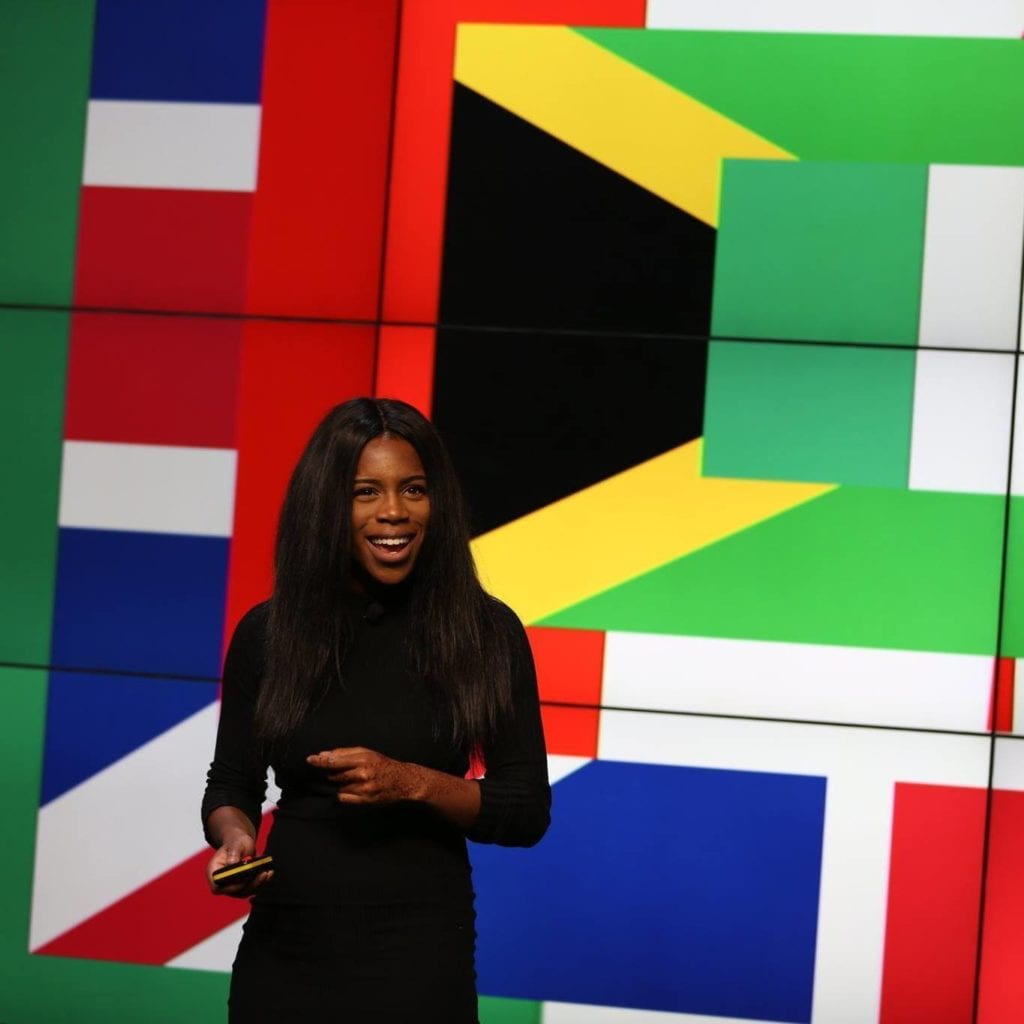
[bctt tweet=”Bami, founder of Bam Bam Boogie has created a global operation from a ‘side hustle’” username=”SheLeadsAfrica”] Imagine working at Google and trailblazing your very own dance fitness sensation. That’s what founder of Bam Bam Boogie, Bami is doing. In less than a year, this Google marketing specialist and fitness entrepreneur has run fitness classes in Brazil, London, Vegas, Texas, Toronto, and Dublin. Talk about major multi-tasking and creating a global operation from a ‘side hustle’. SLA contributor Abiola caught up with Bami to find out just how the heck she has achieved all of this in such a short space of time, and how this is only just the beginning. Tell us about Bam Bam Boogie (BBB) and how you got started Bam Bam Boogie is an Afro-Caribbean-inspired dance workout that pairs traditional fitness movements with authentic Afro-Caribbean dance styles to the beat of contemporary afrobeats, dancehall, reggaeton, soca, and hip-hop. We foster an environment of diversity and inclusivity: anyone and everyone is welcome at Bam Bam Boogie. It all started following a rough time I was going through at the end of 2015. I’d just returned to the UK after my first ever trip back to my ‘homeland’ Nigeria, and although it was an amazing experience, I had a strong sense of emptiness. While ‘going back’ helped me see where I came from, there was still something missing and I couldn’t work out what. Something felt like it just didn’t fit. So after some soul-searching, and that took the form of working out. But being at the gym was so mundane, and it felt like you needed to look a certain way to fit in. And that’s how BBB was born. I wanted to create a space where people who may not feel 100% confident in the gym, can workout, be free and have fun while doing it. So that’s what I did, and very quickly, it became the most popular Googler-led class at my work gym. (Googler is Google-speak for someone who works at the firm!). [bctt tweet=”Afro-Caribbean dance at Google? Find out how this woman makes it all work #TeamBoogie” username=”SheLeadsAfrica”] How did you get your firm to support the BBB movement, and keep supporting it even a year later? We started as a diversity initiative to generate awareness, celebrate cultures and break down stereotypes in the workplace. That was our USP and it helped me to get buy-in and continued support from my firm. I only had to convince a handful of important people and from there the news spread like wildfire. There’s nothing like word of mouth. Very soon other teams and managers were asking for Bam Bam Boogie conferences and team events! It’s a fun and easily accessible way to start an important conversation and I think that’s why the firm is so supportive. It strongly reflects their “bring your whole self to work” perspective. What have been the highlights in taking BBB from some classes in Ireland to around the world? It’s always amazing when I take BBB to other countries and people find out that I live in Ireland. They look puzzled, first they think, ‘where is that?’ and second, ‘there are African people there?’ It makes me proud to be able to represent the diaspora through BBB. I loved taking the class to Toronto because that’s where I grew up and become heavily involved in Afro-Carribean culture. Everyone back home was super proud and supporting, and #TeamBoogie Toronto wish they could do classes weekly! I also loved doing it in Vegas because – it’s Vegas right? Everything that happens in Vegas stays in Vegas so I guess that’s all I can say about that workshop! Finally, Sao Paulo was a major highlight because it was my first time in Brazil. The energy was amazing Brazilians can really move – they even taught me a move or two! I loved explaining the concept to Afro-Brazilians because they were so impressed to see someone who looked like them bringing their passions to the corporate world and thriving in both aspects. It’s a moment I’ll never forget. How do you get so many diverse collaborations and how have they helped your brand? I’ve had the opportunity to work with lots of different growing brands around the world such as blktckt concept online magazine (USA), u-wantit.com (Nigeria), Organo (USA), Kemetic Knowledge (USA) and Put Power (Canada). I’ve been able to do this mainly through my network and very open personality. Yes, BBB is a brand, but it is an extension of my personality. I have made this very clear from the start, so within the first 30 seconds of meeting someone, I have already told them about BBB. This helps a lot with word of mouth because it means I’ll always be top of mind. I also I seek out opportunities for myself using social media. I’ll search up relevant hashtags for example “#ukurbanwear” and I will slide into their DMs to see how we can add value to each other’s brands. I like to support brands I believe in especially if they have an ethos that supports Afro-Caribbean Culture. These collaborations have helped add credibility to my brand as when people see these interviews, blogs, and videos they get to see the entrepreneurial side of BBB. The fact that it’s not just a dance fitness movement but a community used for empowerment and support. How do you balance a high-powered corporate career with entrepreneurship? [bctt tweet=”Calculate how many hours you have in a day and break it up according to daily/weekly priorities. #productivity” username=”SheLeadsAfrica”] Balancing the two is never easy, and some weeks it feels like a 50/50 split in dedication, other times it feels like 110/110 and I’m burning out at both ends. But if you’re passionate you just have to keep pushing. My top 3 tips would be: Calculate how many hours you have in a day and break it up according to daily/weekly priorities. For example, I know that