
Fatsani Banda: Self-ship is the enemy of leadership
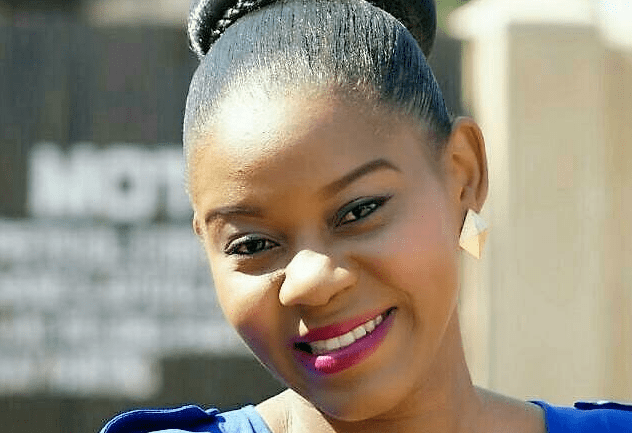
[bctt tweet=”Fatsani Banda’s passion comes from the desire to leave the world better than she found it” username=”SheLeadsAfrica”] Fatsani Banda is a young woman carving a path for herself in the world of global health. Born and raised in Malawi, Fatsani studied journalism and worked in a number of organisations before gaining a fellowship at the Global Health Corps (GHC). During her GHC fellowship year, Fatsani worked as a Procurement and Logistics Coordinator at Partners in Health stationed in Malawi. She helped manage a $500,000+ budget for the purchase and delivery of clinical items as well as the construction of new surgical wards. In partnership with the Ministry of Health and UNICEF, Fatsani helped implement an electronic stock management system for tracking drugs and essential commodities. Following her fellowship, Fatsani remained with Partners in Health Malawi as an Operation Manager for two years. When Ebola hit Liberia, Fatsani was spurred to action and joined the Partners in Health team in Liberia, working as an Operations Manager to support in strengthen the country’s health systems. In a former life, you worked at a bank. We’re always inspired by bold career moves, but tell us -why did you make the switch to global health? My main drive in life comes from the desire to leave the world better than I found it. Global health is a platform for me to give back to this world. Only healthy people can contribute to the development of society – even those who work in the bank have to be healthy to render their services. [bctt tweet=”Global health is a platform for me to give back to this world – Fatsani Banda” username=”SheLeadsAfrica”] When most of us think about health, we think about doctors and nurses. How are you leading efforts to solve global health challenges despite not having any medical training? When I stepped into the health sector as a Global Health Corps fellow in Malawi in 2012, I had a similar perception. Over the past five years, it has become very clear to me that factors beyond medical training are important determinants of health and access to healthcare. [bctt tweet=”Fatsani Banda shows that you can have a career in health despite having no medical training” username=”SheLeadsAfrica”] There are remote areas in developing countries that have a good number of physicians, but patients still do not get the essential drugs they need to prevent and treat disease because there is no functioning system to make this medicine accessible. This is where I fit in. My job is to collaborate with medical personnel and vendors to bridge these gaps and strengthen supply chain systems. In the aftermath of the Ebola epidemic in West Africa, many people moved away from the region. What motivated you to leave your home country of Malawi to help with relief efforts in Liberia, one of the hardest hit countries? Just as I did nothing to earn decent health services throughout my life, those born in Liberia with a dearth of health resources similarly did nothing to deserve such conditions. Perhaps because of my undeserved good fortune, I feel an obligation and a desire to help rectify inequity. It’s been so rewarding to serve the people of Liberia, whose health system was in shambles before the intervention by Partners in Health (PIH). The Ebola situation has calmed down, but you’re still working on rebuilding health systems. What does a typical day look like for you? Most developing (and even some developed) countries have entrenched health problems, and Liberia is not spared. Working with PIH to strengthen the health system in Liberia has been quite thrilling in many ways. On a daily basis, we see our interventions impacting, and often times saving, people’s lives. We provide modern healthcare options and supply essential medicine in communities which are far from the capital. What has been the most rewarding aspect of your work as a health equity leader so far? What’s been the most challenging? Progressive service delivery is what makes me happy. As part of PIH’s Operations department, I work with a team that is the hub of all functionalities of the organization. Seeing patients getting the lifesaving drugs they need in the rural facilities that we support really keeps my heart at peace! The flip side of this is the challenging part –Liberia’s road network, especially in rainy season, is very poor and is often the cause of delays in operations. Accomplishing our planned tasks becomes hard in this situation, but we have to carry on. It seems like your work, by nature, is very collaborative. What it’s like to join efforts with people across sectors and borders to improve health outcomes? The greatest ideas are the ones that are dreamed up by teams of people. When two or more people gather and brainstorm around a challenge, the probability of getting an excellent outcome is high. [bctt tweet=”Fatsani Banda: The greatest ideas are the ones that are dreamed up by teams of people” username=”SheLeadsAfrica”] I find the nature of my job very thrilling as it involves cooperating with other people who have different perspectives from mine. Together we think up and implement solutions to the difficult challenge of strengthening the health systems of Liberia. You also supervise and mentor other young health equity leaders who are following in your path. What’s the best piece of advice you share with them? Everybody has a role to play in this work. Title and rank do not matter as much as people think –anyone can step up as a leader and come up with an idea. The supervisors and managers in any work environment depend highly on their subordinates. I usually share with my team that we need bottom-up efforts, collaboration, and a commitment to long-term change to be successful. The world feels very chaotic right now, and new health and development challenges are emerging every day. What motivates you to keep working for a brighter future? We all hope for the best, but the
Tanaka Nombulelo Mandidi: My spirit is awakened with every opportunity to remind someone what their beautiful is
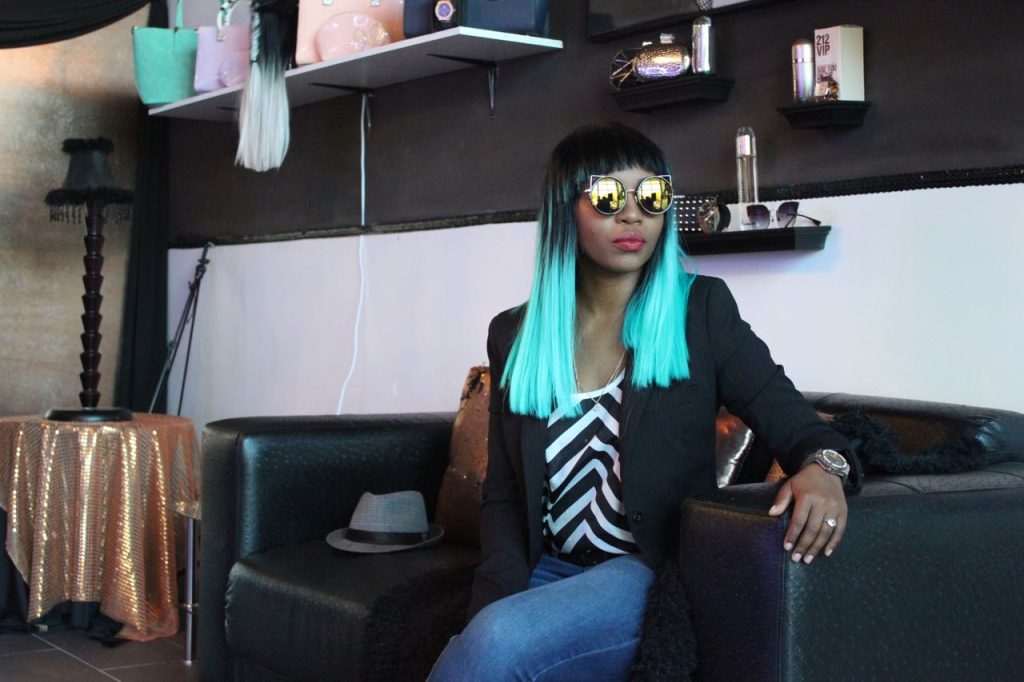
[bctt tweet=”From plaiting hair in high school to celebrating African beauty, Tanaka Nombulelo Mandidi” username=”SheLeadsAfrica”] Tanaka Nombulelo Mandidi is the creative mind behind the Cape Town-based Slay Studios, which is building its reputation in providing quality affordable products and service offerings that celebrate African beauty and heritage. She is driven by helping people take their dreams and turn them into business concepts. She is a makeup and hair enthusiast who loves to team her passions with social entrepreneurship. Tanaka considers wine her first love (apart from her husband), hates hiking and loves having a good laugh. What was the spark that led you to start Slay Studios Cape Town? I’ve always loved hair. I’ve been plaiting hair since high school and as time went on (through Youtube gurus) I taught myself more intricate styles and methods. In 2015, I had a near death experience that made me reflect on how I was spending my time. I had a successful career, was married to the love of my life and adulting was finally making sense. Yet something in the deepest depth of my core was missing. I felt a joy in my heart every time someone asked me about hair, makeup or self-awareness. And before I knew it, I had resigned from my job and stepped into what I believe God was calling me to. Society has taught us that different is not ok. That there’s a standard of beauty we should all aspire to. That #proAfro means #Antiweave. There are so many distorted truths that have been sold to women of colour and its time those truths are unravelled. That’s what Slay Studios is. A place where who you are is perfect. [bctt tweet=”Tanaka Nombuleleo Mandidi’s Slay Studios is a place where who you are is perfect” username=”SheLeadsAfrica”] What services do you offer your clients? At the Weave Bar, we specialise in all things lace -closures, frontals, wigs and customisation. We talk through exactly what the client wants so everyone walks away from the experience satisfied. Our premium virgin hair is sourced directly from India and undergoes a UV treatment before being retailed to our customers as Slay, our hairline. Currently, our services include bridal makeup or special event makeovers. Our Designer Accesories include our #eyecandy, #armcandy, #scentcandy and #clutchcandy collections. At the heart of what we do is the Slay Foundation. 10% of sales from our services and accessories go into the foundation. Sometimes we makeover young girls, or wash and care for a homeless mother’s hair. Our mission is to make a difference in one person’s life a day. Why Cape Town? It’s very hard to find a clean, modern space where African people can get their hair done without compromise. We’re so used to bad service that its normal to not like your hair when you leave. Cape Town has so much room for improvement in services provided to young, modern black women. [bctt tweet=”Tanaka Mandidi: Cape Town can improve in services provided to young, modern black women” username=”SheLeadsAfrica”] Our next target cities are Johannesburg and Harare in Zimbabwe -the latter being our attempt to staying close to home and bringing change in our home community. How has the journey been from when you decided to open up shop to now? Start up a business they said. It will be a walk in the park they said. THEY LIED. When you work for a company you’re hired to perform a specific task. With a start up, you are EVERYTHING to your business. You are the accountant, marketing director, lawyer, and stylist. Your business requires you to fulfill all those roles (or hire someone who will) for the cogs to move. And that’s where its so easy to drop the ball. It took about a year for me to figure out what I was doing and a good 5 months after resigning for me to open up the storefront. Some days are amazing. Some days aren’t. Those amazing days keep me going. Planning and vision are also very important. The details? – not so much. When the small stuff faces you, you make a quick decision and move on. The key word there is moving on. Where do you see Slay in the future? My dream is for Slay to grow, influencing fashion, beauty and having an impact on social issues. Our *top secret* in-house makeup line for women of colour is under construction. We plan to expand into the African accessories platform and exclusive virgin hair extensions line. My hopes are to interact with different women and inspire them to own their identity. [bctt tweet=”My hopes are to interact with different women and inspire them to own their identity” username=”SheLeadsAfrica”] We’re hoping to grow our team and move into a bigger space to allow for content production, hosting makeup workshops and development classes. With growing sales, we’ll have more contributions to our social impact ventures and be able to bring beauty to more women in the Western Cape and one day, all over Africa. If you’d like to share your story with She Leads Africa, let us know more about you and your story here.
Chinonye Akunne: My purpose is to help people and save lives
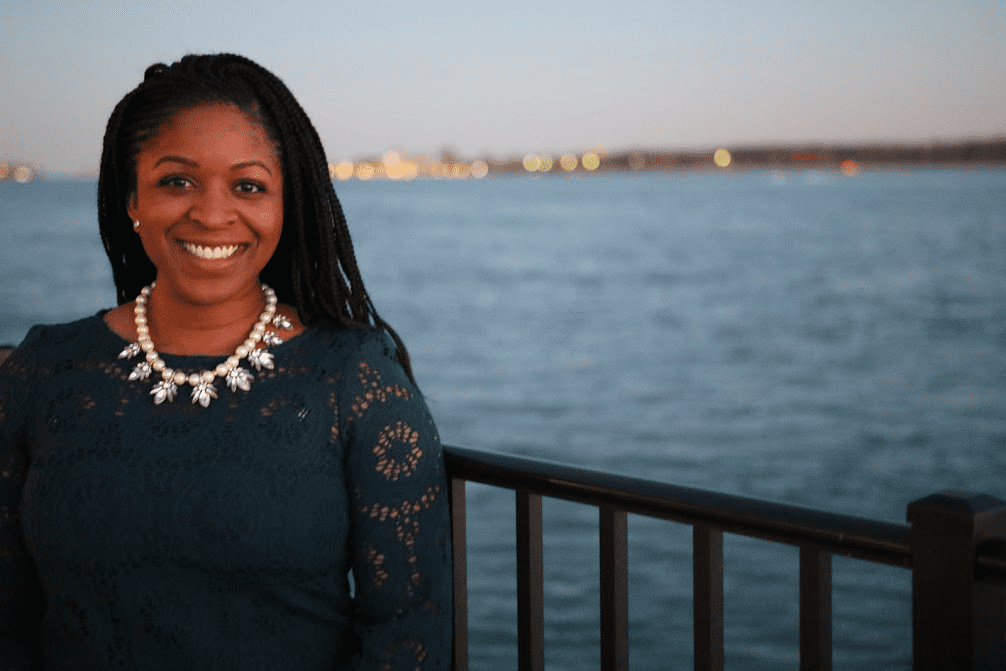
[bctt tweet=”Chinonye Akunne had unknowingly been practicing the craft of making products for years” username=”SheLeadsAfrica”] Chinonye Akunne is a Nigerian, born and raised in Columbus, Ohio. In partnership with her sister, Chinonye owns personal care company ILERA Apothecary. The company utilizes mostly organic materials, educates on health with relation to the skin and focuses on reducing the environmental impact of the cosmetic industry. Chinonye is also co-founder of educational platform Motor City STEAM, a program that aims to increase student literacy in science, technology, engineering and mathematics (STEM) with art integration. How did you come up with the name ILERA Apothecary? ILERA means “health” in the Yoruba language of Nigeria and Apothecary is Grecian for a person who sold medicine and drugs. Originally, ILERA Apothecary was called Delicate Serenity and Action Level, a women’s and men’s personal care line respectively. My family and friends gave me feedback on the company, leading to a name change and re-brand. I searched Google Translate for words such as ‘luxury’, ‘beauty’ and ‘health’. As a family company, how is the responsibility shared? What role do you play in the running of the business? My sister/business partner and I use our experience and educational backgrounds to run the business. Nneji has a Masters in Marketing, so she handles the brand of the business from social media design to marketing material. I have a Science and Manufacturing background so I handle the development process from sourcing ingredients, overseeing the batch processing up through final packaging. [bctt tweet=”Chinonye Akunne: I have always known that my purpose is to help people and save lives” username=”SheLeadsAfrica”] Since you have a degree in public health and come from a family of makers and healthcare professionals, had you always known this was what you were going to do? I have always known that my purpose is to help people and save lives. Up until 3 years ago, I was on the path to medical school. A month prior to completing my Masters in Public Health I received admission to med school and a job offer. After much thought and planning, I took the job which eventually led me to where I am now. It is interesting because I have unknowingly been practicing this craft of making products for years. As a child, I loved the DIY and beauty sections of magazines. It was from these magazines that I started experimenting with beauty. In the 4th grade, I put eggs in my hair after reading about its great deep conditioning properties. Unfortunately, I did not read the part about rinsing with cold water. I rinsed with hot water and the eggs ended up cooking in my hair, it was gross. That day, I learned valuable lessons in following instructions, properties of a chemical reaction and trying again. Practices like this lead me to create hair products in grad school such as styling gel and almond hair milk, eventually developing into ILERA Apothecary. How long did it take for the business to break even and yield profit? We officially broke even with our first wholesale order which came 5 months after I launched the original lines (Delicate Serenity and Action Level). Breaking even is the easy part. Sustaining and engaging old and new customers is the hard part and key to yielding high profits. As of today, we have not reached our target customer or profit goal. Honestly, it may be another 6 months to a year before we do. However, every single day, we are getting closer with each customer engagement and sale. That sale may be online, at one of our stockist shops, via a wholesale order or at a vending event. As a company, we are constantly strategizing and finding new ways to reach future customers, many of which do not yet know we even exist. This takes time, forward thinking and persistence. [bctt tweet=”Yielding high profits in business takes time, forward thinking and persistence” username=”SheLeadsAfrica”] What does success mean to you? To me, success is a combination of goals that ultimately leads to flexibility, peace, and growth towards being a better person. Being flexible in what hours and what locations I work are important to me. Some days I am more creative at 9pm than at I am at 9am, or have the urge to work on my dining table versus in the office. I want to be able to visit my parents on a random Tuesday without having to request work off. That is the flexibility that I envision in success. In terms of peace, it is being self-loving, mentally well and not owning debt (yes, you own not owe debt). Peace takes practice; you practice forgiveness; you practice stress management; you practice money management. Though I often don’t see it, I am growing into the success I envision every day. I am increasing my global presence through platforms such as She Leads Africa, I discuss my issues with my therapist rather than holding it in, and my family and I are currently enrolled in the Financial Peace University. These simple steps are growing me into a better and more successful person. [bctt tweet=”Chinonye Akunne: Success is a combination of goals that leads to being a better person.” username=”SheLeadsAfrica”] What advice would you give to 16-year-old Chinonye? “ChiChi (as I used to go by), Open your eyes. Listen to your mother when she blesses you with good wishes no matter how long and drawn out they may sound. Listen to your dad when he forewarns you about watching the company that you keep, ‘unsuccessful people are not friends with successful people…’ “Continue to speak your mind but make sure you finesse your words. Understand that in a few years you will forget the names of the people you are trying to impress so be yourself. The extra-curricular activities you partake in will lead you far so take note and never stop being inquisitive.” Who would you take to lunch, Oprah or Michelle Obama? Since I have to
Shamiso Ruzvidzo: Kusika Design Centre was born from pivoting my other businesses
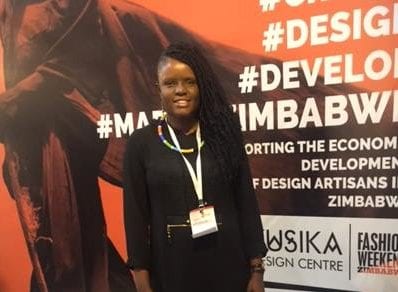
[bctt tweet=”Kusika means to create. We go beyond that, we design, create & develop @ShamisoRuze” username=”SheLeadsAfrica”] Thirty-four-year-old change practitioner, traveller, and foodie, Shamiso Catherine Ruzvidzo, relocated from Australia back to Zimbabwe in 2012. She had been in Australia for 12 years, where she did her degree in Information Technology and worked for Rio Tinto before finding her love and passion for the fashion and design sector. She is the founder of Catherine Ruze, a boutique modelling agency which was first set up in Australia and later on moved to Zimbabwe. Catherine is also the founder of Fashion Weekend Zimbabwe and now Kusika Design Centre which is based in Doon Estate, the design district in Harare. Kusika is a hub that supports the economic development of small businesses in the fashion and design sector. As if that is not enough, Catherine is the regional director of programs for a local NGO. She juggles these two passions with her everyday life. From IT to fashion, why fashion? I started in the fashion industry when I was 16. My mom sent me to Medusa, a modelling agency in Harare, where I did a modelling course and ended up modelling for them. That is how I plunged into fashion. [bctt tweet=”@ShamisoRuze started in the fashion industry when she was 16 at a modelling agency in Harare” username=”SheLeadsAfrica”] Fast forward years later, I was doing freelance work with photographers in Australia and I got introduced to local designers who I started working with. Australia really lifts up its local talent and this is where my love for local design and supporting local designers came from. I produced my first fashion show for Betty Tran, then Betty Sugar. I just brought together a pool of models and publicists I was working with and we made it work. I realised that there are many designers wanting to see progress in their businesses but as start-ups, they normally don’t have the resources to hire models, or even create a full fashion show because they are putting all that they have into their collections. This idea gave birth to the Catherine Ruze modelling agency. When was Kusika birthed? Kusika is a new initiative which was born from pivoting my other businesses; Catherine Ruze Modelling Agency and Fashion Weekend Zimbabwe (FWZ). It was officially birthed in July 2015. As an entrepreneur, you are always pivoting until you kind of get to that place where you feel like you have finally found the right model. We had outgrown what we thought we wanted to do with FWZ and therefore took a step back. We then decided to slowly transition into Kusika using FWZ as the face. Fashion Weekend Zimbabwe paved way for Kusika; we will not be doing annual events anymore but we will be doing pop-up shops instead. We have hosted a variety already, both in and outside Zimbabwe. In 2016 we did four pop-up shops and this year we are looking at six. Why Kusika as a name? Kusika means to create so it’s all about creation. But there is more to creating and creations. People can create, then what? We go beyond that, we design, create and develop. When one looks around Zimbabwe, everyone is creating something but a lot of people are copying creations that have been done by various other people. So what does Kusika do? We are pretty much a design incubator. By design I mean if you use your hands to create something, then you definitely fall under our mandate. We are trying to support the economic development of designers and artisans in Zimbabwe. It’s a 50/50 partnership where we put our resources to get the product line going. We work with them on three levels: Production/development of their collections, be it clothing, home décor, bags, and accessories. We provide artisans with access to information on what’s trending, how the market is like etc. Training- on product quality and how to run a business. We want Kusika to be a design hub where people come to learn new skills and get inspired to use their hands for livelihood. One may have had skills in the past but times and people’s needs change. So we are bringing in new skills and ways to develop these old skills. Currently, the products we have been exposed to are not very impressive and therefore we saw a huge gap on quality assurance. Marketing, the final level is taking the products to markets. At the moment Zimbabwe is lacking a market. There is not enough local consumption for someone to live off their talent but we are trying to change that narrative, to say to them, no you can use design to pay your children school fees, to put food on the table. So Kusika is a place you come to create and we help you to take it a step further. How have people received this type of business in Zimbabwe? Kusika is a medium scale business and our target market is not local. Our customers are people outside Zimbabwe who currently have lesser problems than we do and have a different appreciation of the product. Zimbabweans have bigger problems at the moment and furnishing their homes and themselves is not one of them. How big is the team? We have four local people working at Kusika and other external contractors including one buying agent who is based in France. She is the one who helps source out the buyers. What are some of the challenges of running a business in Zimbabwe? Remaining inspired in present day Zimbabwe is a challenge, it’s very easy to be stagnant. The world is moving so fast right now in terms of innovation, and unfortunately, we are being left behind. It’s important to step out of Zimbabwe from a leadership point of view to get inspirations, new ideas, and concepts. [bctt tweet=”Remaining inspired in Zimbabwe is a challenge, it’s very easy to be stagnant @ShamisoRuze” username=”SheLeadsAfrica”] The hijacking of concepts or business ideas
What womens month means to us as Zimbabwean women in business
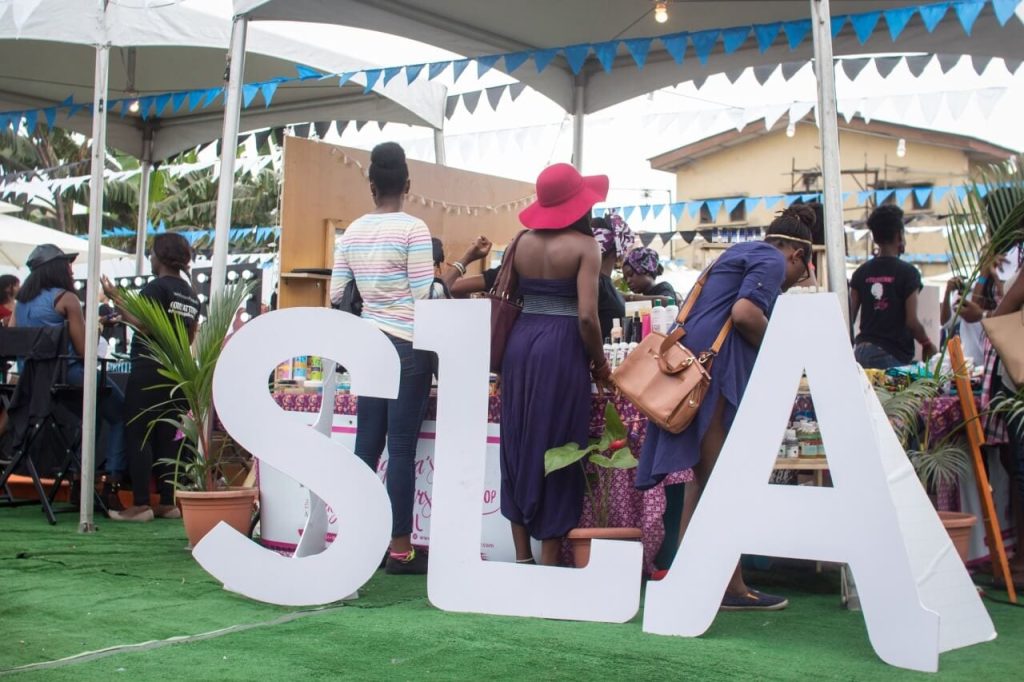
[bctt tweet=”Celebrating #womensmonth & what it means to be a #MotherlandMogul in Zimbabwe” username=”SheLeadsAfrica”] Women’s month means different things to different people and cultures. For me, it means celebrating each and every woman’s business and individual achievements; as well as our efforts together as a collective. It is about understanding the power of WE, which signifies collective leadership, I am because we are. In Shona, we would say, “munhu munhu nekuda kwevanhu”, I am a woman because of other women that surround me. Here is what a few women had to say about being #MotherlandMoguls in Zimbabwe today. Huge responsibilities As a 30-year-old woman living in Zimbabwe in 2017, my surroundings are constantly reminding me of the huge responsibilities I have as a citizen of this state. My actions right now are helping shape the future of this land in one way or another. I am a woman accountable to future generations so I want to make sure that I leave a legacy of authentic beauty, love, strength, hard work and integrity. I really don’t care anymore how hard I have to fight to achieve that. – Tariro Makina: Twenty47 Virtual Assistant Expressing creativity Women’s month means celebrating the calm intelligence, quiet confidence, and simple elegance that’s in every woman. As a Zimbabwean woman, especially, women’s month means celebrating the freedom to express my creativity, the privilege to showcase my brand and culture, and the power to follow my dreams. – Matipa Mutsemi: EnnyEthnic A woman’s place is at the top To be a woman is to be a creator. I am the ‘wombman’ that brings life into existence. To be a woman is to embrace your instincts and trust them. A woman is pure love, and only thrives to see love which is why it is difficult for a woman to see evil whilst immersed in it. A woman can go through the unimaginable because they see the inner love and not what is being presented on the external. A woman’s place is right up at the top. And then peace will prevail. – Nonku Jijita: Love Nonku“ Wake up every day with a sense of purpose As business owners, we would like to remind other women this; “You have to wake up every day with a sense of purpose and follow your dreams”. You are going to hear a lot of no’s, don’t let that distract you from achieving your goals, persevere and define your own destiny. – Mercy Nyamangwanda: EnnyEthnic [bctt tweet=”Business owners need to wake up every day with a renewed sense of purpose” username=”SheLeadsAfrica”] Shaping the future of Zimbabwe Women’s month for me calls me to reflect on what it means to be a young Zimbabwean leader, as a woman in this country. It challenges me to examine my values, not just as Shamiso but within the decisions I make with my business. Are my decisions helping to shape our country? Am I intentionally helping to mentor the next generation of women leaders? Am I involved in policy decisions that are being made on a higher level, that affect our tomorrow? This month is particularly important, especially in the lead up to Zimbabwe’s elections next year. It challenges me to think over if I’m doing my part as a young Zimbabwean woman and leader to help shape what is coming next. – Shamiso Ruzvidzo: Kusika Design Let’s stop making apologies As we commemorate women’s month, it’s a time for us to look back and celebrate our victories, and restrategize for our shortfalls. One thing that is glaring for me is the fact that we as women, need to stop making apologies for being women, movers and shakers in our respective professional fields and adoring mothers and wives to cap it all. Let’s stop making apologies for coming up with a brilliant idea during a brainstorming meeting. Let’s stop making apologies for getting that promotion those two other male colleagues were eyeing. Let’s stop making apologies for taking that well-deserved break from the hustles of work and family life. Let’s stop making excuses for being professional women who are also mothers, who need to occasionally be there for their children at school matches to cheer them on. Let’s stop making excuses for not being there at family functions because we had to attend weekend classes for that course we have always wanted to do. This month, to my fellow sisters in the tech field, let us remember we don’t owe anyone any excuses for putting on heels and make-up because it does not make us any less tech. As women, let us continue to build networks that will strengthen us in both business and social life. Let’s continue to be pillars of strength for each other, and let’s always cheer a sister on! – Joy Makumbe: Founder Marjorlic Construction and The Joy Makumbe Trust
All you need to know about trademarks
What do Apple, Google and Microsoft have in common? They are some of the biggest brands globally. As a start-up, you’re probably interested in how to protect your brand…or if you should even be bothered. Trademarks can take on different forms and if you’re thinking ain’t nobody got time to register trademarks, think again. We’ve broken down what trademarks mean and how you can protect your brand in the infographic below. We’ve also busted common myths about trademarks and brands.
Emilia Dias: I learned to let my work speak for itself early on
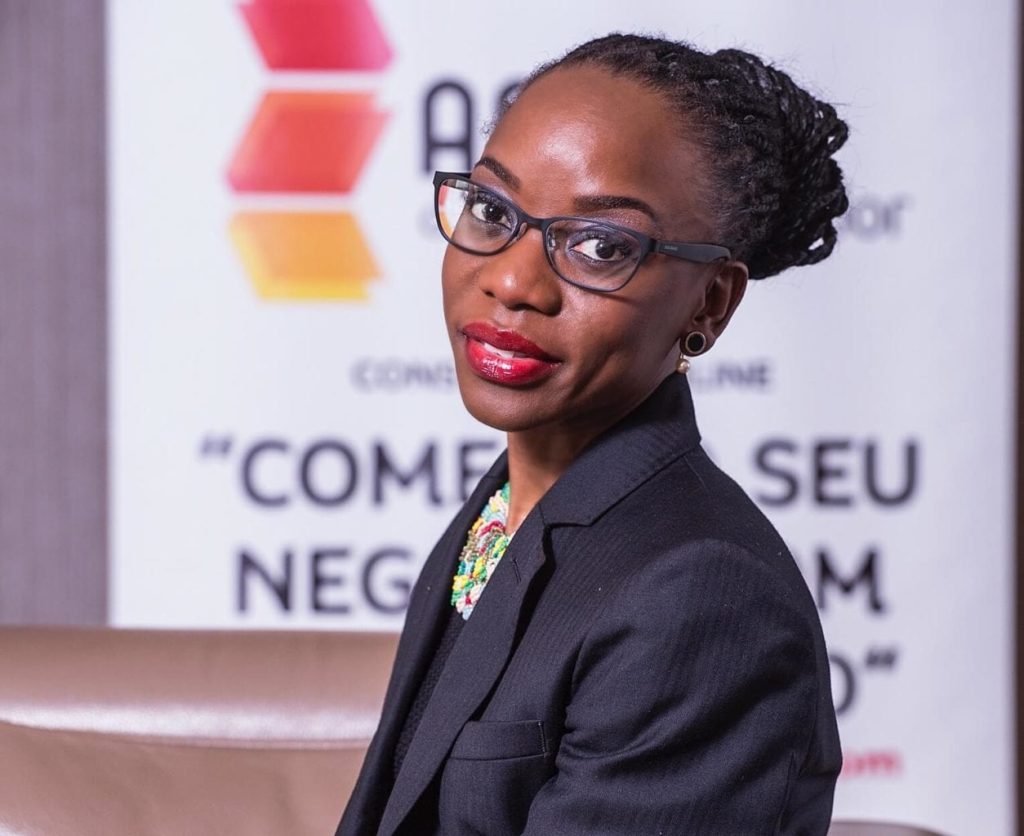
[bctt tweet=”Emilia Dias is the only lady as well as the youngest on her board, here’s how she does it” username=”SheLeadsAfrica”] The versatility of marketing allows me to navigate into any sector as long as I’m dedicated There must be programs to attract more women to the Telecom sector – Emilia Dias Emilia Dias is an incredibly hard working young woman whose achievements speak volumes. She is a founding partner of Evision Consultores, a start-up focused on strategic consulting and marketing services founded in 2009. Emilia is also a founding partner of the first online consulting portal for entrepreneurs in Angola, ABC do empreendedor. Divided between management, marketing, and entrepreneurship, Emilia left the banking sector 7 years ago to pursue a career in the Telecommunications sector. She currently works as Sales and Marketing Director at Infrasat, a satellite business unit of Angola Telecom. Emilia is a winner of the Star award from Moneygram International for the implementation of the Brand in Angola in 2009 while working for BPC Assessed Moneygram International in Angola. SLA contributor Anelisa Nokoyo recently had the honour of interviewing this dynamic young woman to find out what fuels her drive and passion for life and work. Tell us about yourself, who is Emilia? I’m Emilia Filomena Dias, 36 years old born and raised in Luanda, Angola, with no significant other and with no kids. I’m a very enthusiastic person who believes in the multitasking capabilities of women to change society. My career path started as an intern at BPC, at the time the biggest and oldest state-owned commercial bank in Angola. Later on, I was recruited as a junior marketeer, then promoted to a marketing analyst, and two years later was again promoted as Head of Strategic Marketing. While working on strategic management, I was also part of the team assigned to do the implementation of the microfinance division and was then invited to be part of the FIPED program (financial institutions for private enterprise development) at Harvard university in USA where I got a certificate in Microfinance. What encouraged your foray into the largely male-dominated world of finance and marketing? I consider myself a natural born entrepreneur and marketer, but I went into finance because it was the first option I had after university. Once there, I found that I really enjoyed it and became passionate about my work. The versatility of marketing is a plus, as it allows me to navigate into any sector as long as I’m dedicated and willing to learn and that’s how I went from finance to Telecoms. Both sectors are still male dominated, and I believe there must be a network and programs to attract more women to the Telecom sector. I’m the only lady as well as the youngest on the board. I feel that I have to dedicate more time in everything I do and be proactive, working by anticipating. Most of all I look at each new day as a new chance to be the best I can to inspire and promote young women to enter the Telecom sector through entrepreneurship. [bctt tweet=”Each new day for Emilia Dias is a chance to inspire young women to enter the Telecom sector” username=”SheLeadsAfrica”] What obstacles have you had to overcome in order to excel the way you have? Being a dedicated Sales Manager in a sector with fierce competition and the need for constant innovation really places a lot of demand on my time, but the drive to make it happen and excel in every project I dedicate myself to has always been strong. [bctt tweet=”Emilia Dias: My drive to excel in every project I dedicate myself to has always been strong” username=”SheLeadsAfrica”] On the professional side, I didn’t really face many obstacles as I let my work prove my worth and it happened naturally. People considered me a young woman with no experience and no brain, so early on I learned to let my work speak for itself. Now, it has become easier because I’ve been successful to an extent to build a reputation and I’m taken as the professional that I am. On the entrepreneurial side, I’m still struggling to find my dream team that shares the same vision and will help me achieve my targets and conquer my dreams. My main dream is to have my swimwear brand, +244 Moda Praia, sold beyond Angola as well as having any of the brands I helped to create being recognised worldwide. How do you balance your work and personal life and what challenges have you faced in that arena? I had to put aside some quality time, and really have my time dedicated to my objectives, being employed and working on my personal start-up dream company focusing on different areas from marketing consulting to fashion and software development. I’m still building my dreams, paving my way but feel that I still have a long way to go before I accomplish them. On a candid note, it has had its drawbacks and I won’t lie about it –it can be difficult to keep a relationship alive when you as a woman seem to work more than your partner and when that is misunderstood it proves to be hard on the relationship. This has been a challenge which I feel is not mine to take on alone in a relationship, so here I am still waiting while continuing to do my work. How do you stay disciplined and focused? I try to maintain an equilibrium, I usually define month and weekly goals and have a daily to-do list which I try to stick to (not easy I have to admit). I work non-stop from 8 to 5 for Infrasat and from 6 to 9, as well as on weekends for my personal entrepreneurship projects. What are your other interests outside of finance, marketing and telecommunications? Outside finance, marketing, and Telecom I’m engaged in promoting entrepreneurship. I take part in different events aimed at gathering, assisting and promoting entrepreneurship among youth
Kundai Chiyanika: Not every job will be for you, bloom where you are planted
[bctt tweet=”Entertainment in Zimbabwe is hard, you need to become visible to build your brand” username=”SheLeadsAfrica”] Kundai Chiyanika is a Zimbabwean television and radio host. She is fun loving and always keen for an adventure. An explorer at heart, she loves new places and new people. A proud mommy of two, Kundai is building a name for herself in the entertainment industry. Her life motto is ‘Be happy and stay happy’ and she’s focusing on building her brand around that. SLA contributor Ruva Samkange recently caught up with Kundai to learn more about her brand. You recently moved back to Zimbabwe, what did you want to do when you came back? I had lived in Cape Town for a long time and had some personal issues so I felt that it was time to move back home to be with family and regroup. At first, I really didn’t have an idea of what I wanted to do. I had enjoyed baking so I started a small baking business in my hometown. The market was not sustainable and I felt like it wasn’t what I really wanted to do. [bctt tweet=”@KundaiChiyanika wanted to make sure she was not just working because she had to” username=”SheLeadsAfrica”] Even though I struggled with what I what wanted to do, I always knew I wanted to work actively with people and that an office job wasn’t for me. I wanted to make sure I did something that suited my personality and was not just working because I had to. You ultimately went into radio at ZiFM. What made you go into radio? Well, radio found me. A friend of mine sent me a flyer about an entertainment company that was looking for a female co-host for a radio slot. I shared it with another friend and she asked me why I wasn’t trying out. I was scared but she encouraged me. The experience has been amazing, I never thought I would love it so much. My co-presenter Dannythatguy and I get along like a house on fire, we present The Switch and Fire Friday. Our show is the pre-party, helping people get ready for a Friday night. You now work on Kwese Sports, what made you venture into television? I’ve secretly always wanted to be an actress since I was a child. So television has always been something I would jump at the chance for. I think it is a natural progression. A lot of people I work with did radio. I get to diversify my portfolio through television with exposure to different mediums, Kwese Sports is a Pan- African channel. Even though I’m a couple of months in I have traveled and will continue to travel between across Africa and I can’t wait to get more African stamps in my passport. How hard has getting into media been? I have been very fortunate that an opportunity became available when I was not looking. But the industry is so competitive. Once you are in, the pressure is on to produce a quality product because there are 10,000 people behind you hungry for your job. I have learnt that passion is not enough. You have to keep chasing the dream. Fight for it and keep trying to improve. There is always room for more. [bctt tweet=”You have to keep chasing the dream. Fight for it & keep trying to improve – Kundai Chiyanika” username=”SheLeadsAfrica”] How different are radio and television? With radio, my personality comes out a whole lot more because my show allows that. Television is a whole different beast. If you are nervous people can see it a mile away and there is more pressure to be perfect. Like I said its a very natural progression. Television is the next step for a lot of radio personalities. Once you conquer one, you’re hungry for the next challenge. I am lucky I still get to do both. What advice would you give to someone looking to get involved in television and radio? Don’t copy anyone. Be inspired but always be yourself. Also, keep making demos and keep sending them. Try to make those contacts. Entertainment in Zimbabwe is hard, you need to become visible to build your brand. Do promos, host events, be relevant. [bctt tweet=”Be inspired but always be yourself if you’re looking to get in TV and radio @KundaiChiyanika” username=”SheLeadsAfrica”] I’m not a social media person but I had to open myself up and become active online. Having updated Twitter, Facebook and Instagram accounts will let people know who you are. Make sure your name comes up when people are are looking for an entertainment personality to host events or when job opportunities arise. What are the most important lessons you’ve learnt on your journey? Try not to compare your journey to someone else. Unfortunately, this industry is about comparisons and people’s preferences so you have to sometimes put blinders on and focus on what you need to do. Not every job will be for you. Try not to dwell too much. The hustle never stops. If you’d like to share your story with She Leads Africa, let us know more about you and your story here.
Fatuma Abdullah: I am motivated by wanting to do better and making an impact
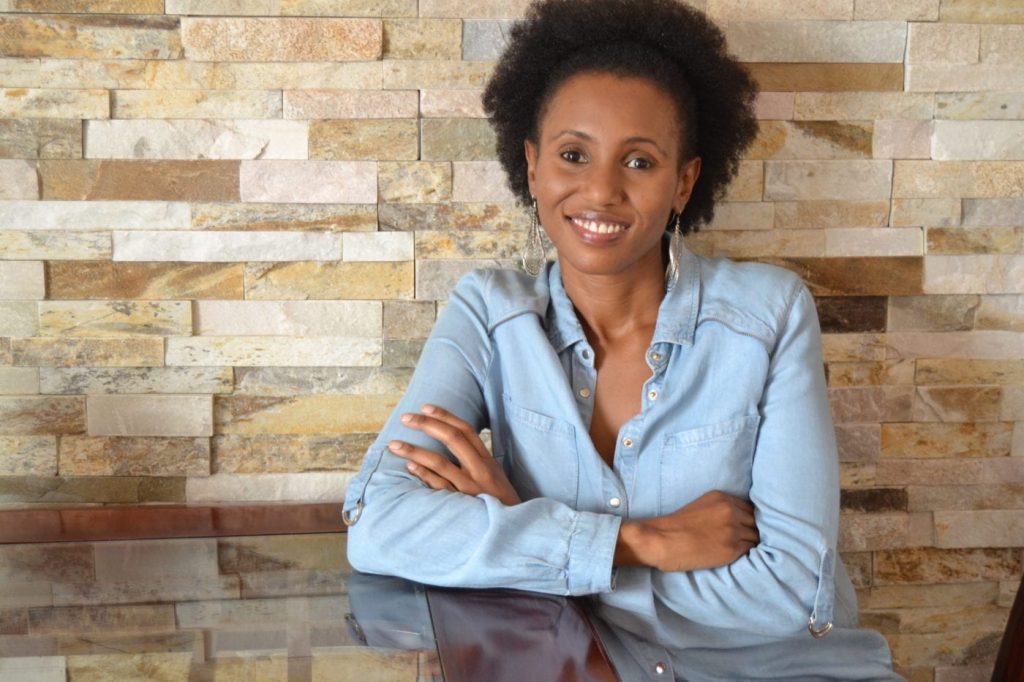
[bctt tweet=”Fatuma Abdullah: My business is special because it contributes to raising confident African children” username=”SheLeadsAfrica”] We all know and probably owned at least two of the famous blonde doll in the world, Barbie. It has been an important part of the toy fashion doll market for over 50 years and it doesn’t seem to lose its popularity. A Kenyan-born entrepreneur wanted African girls to embrace their ethnic diversity and allow them to celebrate their uniqueness and thus Akiki Distributors was founded. Fatuma Abdullah is the founder and owner of Akiki Distributors (Pty) Ltd, which manufactures and distributes Akiki Dolls. “Akiki’s Short Stories”, is her first self-published book. The Johannesburg-based entrepreneur has worked in Banking and NGO sectors delivering on development projects across Africa. We had the pleasure of interviewing Fatuma and this is what we learnt from her… Why Akiki Dolls? Akiki Dolls is about affirming the African girls’ confidence. Seeing themselves in a positive light translates to a positive self-image and a healthy self-esteem. I want African children to experience and to grow in love with an Afro-centric 5-year-old girl who they can identify with. I chose the name Akiki, which in Swahili means ruby (the precious stone). A stone associated with nobility, high energy, courage and confidence. Where do you get your inspiration from? I am inspired by my children’s laughter, Akiki’s stories are structured around that happiness. Also, I am motivated by wanting to do better and making an impact. I love reading books on people’s purpose and life lessons, it is stimulating to see we have the power to choose how our story will turn out and the impact we have on others. It gives me the positivity which I carry through Akiki’s ventures. How do you market the dolls you create? And what has been the most successful form of marketing to date? Mostly it has been online. Social media is a good channel for creating product awareness and the reach is global. We are on Facebook, we have an Instagram account and we also market through our website. Word of mouth and online marketing have been very successful for us. What are your responsibilities as the business owner that have been unique to your business? As the business owner, I am the author and Akiki’s dress designer. I envision the illustrations in the books and I also do the marketing of our products. However, with the growth I am looking to delegate some of the responsibilities. Did you have a blueprint/business plan before you started Akiki Dolls? I had a blueprint in my head to begin with but it has evolved since. I was eager to get Akiki into momentum and was working on incremental activities. How closely have you stuck to this initial plan? I have since made the time and gone through the valuable exercise of developing a business plan and having it documented. It’s not vastly different but it puts things into perspective and makes it easier to articulate the specifics. [bctt tweet=”Our children need to see more positive illustrations about themselves & their countries” username=”SheLeadsAfrica”] What makes the Akiki doll unique? My business is special because it contributes to raising confident African children, by providing them with the play tools and literature that teach and reinforce positive perceptions of black Africans. Our children need to see more positive illustrations about themselves and their countries, they need to read books where they are the stars. Akiki storybooks are concept themed stories all children can relate to and learn from. Did you write Akiki’s short stories, if so, what will the next book be about? If not what would you write about? Yes I did. It was my first self-published book. I have Akiki’s travel series coming up, I am very excited about that and the other stories I am working on. I want to write short stories of African women and men. Everyone has their own magic and it would be interesting to capture that. If you’d like to share your story with She Leads Africa, let us know more about you and your story here.
Amandla Ooko-Ombaka: Ask for forgiveness, not for permission
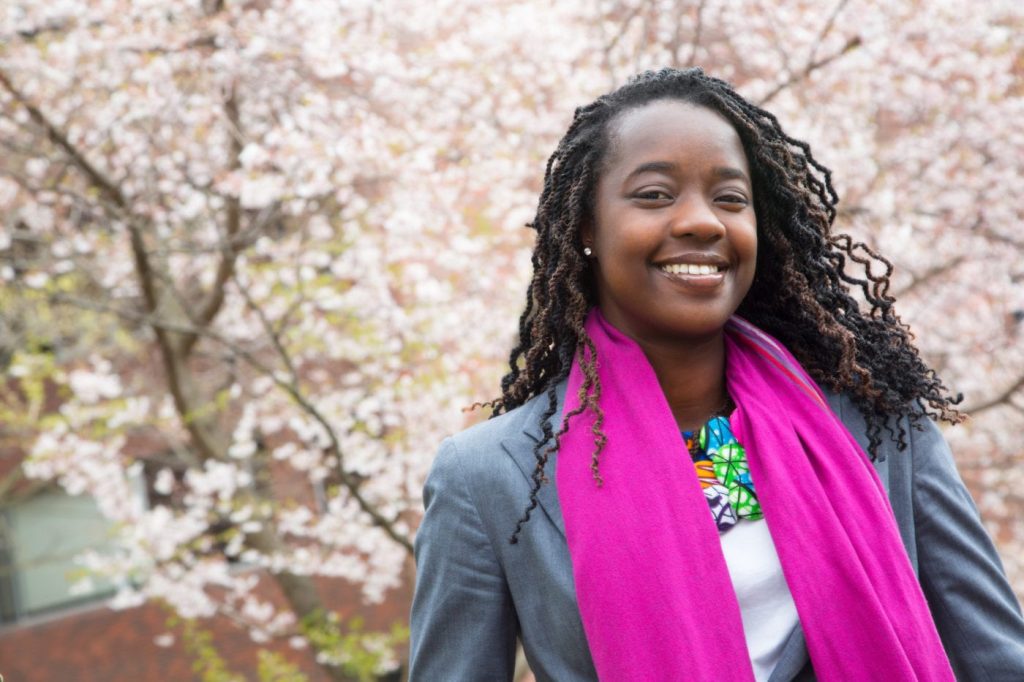
[bctt tweet=”We need people who can walk between the worlds of business and government @AmandlaOO” username=”SheLeadsAfrica”] When you’ve graduated from not one but two Ivy league schools it’s safe to say you are one highly educated individual. Amandla Ooko-Ombaka is not only book smart but has built her professional career with years of experience as a Management Consultant at McKinsey & Company, the world’s biggest consultancy firm. You’d think that would be it for her but not at all. Amandla’s ambition has her advising various non-profit boards as well as co-founding initiatives such as Second Story Africa and the Yale Leadership Institute. We can’t resist adding that she’s currently writing a biography of her late father, top Kenyan lawyer and politician, Oki Ooko-Ombaka. Our SLA contributor managed to secure a few minutes of her time to see if she does ever Our SLA contributor, Diana Odero managed to secure a few minutes of Amandla’s time to see if she does ever catches a break and to find out what motivates her. How does one juggle the various hats you wear and do it so well? I think the notion of daily balance is false so I don’t try and achieve balance on a day to day basis. It’s impossible with the job I do, where sometimes I work 17hr days, to say that I will go to the gym today, I will cook today, I will see my friends today…it’s just not possible. So I think the first step was allowing myself to think about balance over a period of time and that also gives me time to evaluate. Every two months I try to live a balanced life. Meaning in those two months, there’s good periods of working out, of sleep, of seeing my family and of work. [bctt tweet=”The notion of daily balance is false so @AmandlaOO doesn’t try to achieve it on a daily basis” username=”SheLeadsAfrica”] The second step was learning how to say no, which I think has been a much harder lesson for me to learn. I find it very hard to say no especially to people I care about. So, I sort of tell the person asking me to do this or the other; that this is a really cool opportunity and I’m grateful but have to say no in the hope that this opportunity will be there again in future. Once I remove this notion that I’m not the only one who can do this thing, it makes it easier to say no. On top of your quite extensive and busy schedule, you are also writing a book. Tell us more about it and why you felt a need to do this now. The book is a biography of my father. It has been a passion project for the past 10 years. My siblings and I had constantly talked about doing it. I finally took some time off between graduating last year and going back to work to put some real time into the book. The process revealed itself in many different ways one being the more we work on this, the more it becomes our own story. We’re discovering who our father was and the contributions he gave to this country and to this world. I realize we are in a very unique position as his children to write about our perspective of him. We are trying to juggle telling his story and telling ours because his story has so much merit to stand on its own but our story is also valid and legitimate. The timing of this could not be more perfect as I finally moved home after living abroad for a while and I would love to get engaged in politics at some point. In many ways, my political identity is very much tied to my father’s political identity. So I need to understand him, who he was in his early years of politics and what formulated his opinions in order for me to make my own opinions. [bctt tweet=”Amandla Ooko-Ombaka’s political identity is very much tied to her father’s legacy” username=”SheLeadsAfrica”] You recently completed a dual Masters degree at Harvard, something not many achieve – what motivated you to pursue the two courses – an MBA and MPA/ID (International Development), simultaneously? I chose the dual degree because it was a reflection of who I am as a person. Some people may think it’s a lack of focus but my heart is very much in the public sector and my mind is very much in the private sector and I’ve just stopped fighting that. I’ve embraced who I am and my heart and my mind need different avenues to be fulfilled and to work optimally. Harvard business school catered to my mind and the public sector school while Kennedy catered to my heart. [bctt tweet=”My heart is in the public sector & my mind is in the private sector – Amandla Ooko-Ombaka” username=”SheLeadsAfrica”] At a more fundamental level, I think that we need more multidisciplinary thinkers in the world we live in. Things are exceedingly complex and we need the sectors to work together. I don’t think business and government should be the same thing but we need people who can walk between the two worlds. Harvard doesn’t want you to be half a business person and half a public sector person. You should be able to completely hold your own in the two separate schools which I think is really important. I’m multidisciplinary by nature and I think there’s a role for people who think like me. A lot of the things I care about like power and utilities will not be funded by the government. The private sector will fund a lot of these projects, but they need the government to eventually take over asset ownership, right of passage etc. These two disciplines need each other so much more than we like to talk about. It is my life’s mission to bring them closer together. The joint