
Brigite Faustin: The future for women agripreneurs is blossoming
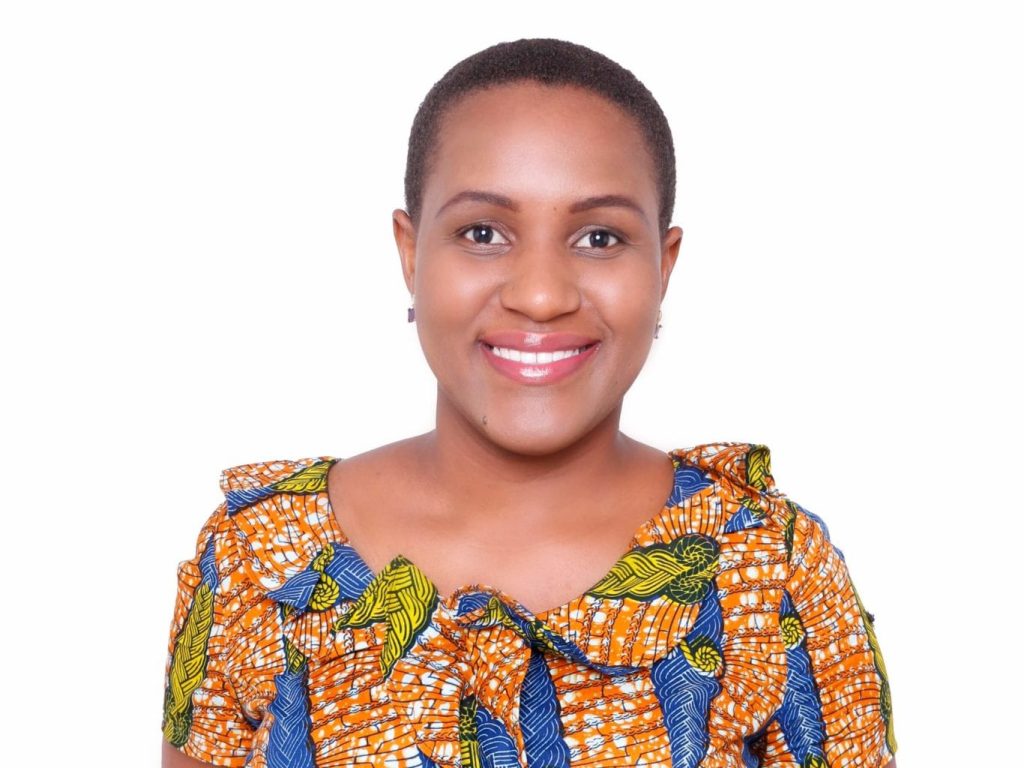
[bctt tweet=”@BrigiteF founder of OBRI is seeing an increase in ambitious agripreneurs across Africa” username=”SheLeadsAfrica”] When Brigite Faustin says the future for women agripreneurs is blossoming, we believe her. The Tanzanian #MotherlandMogul is Founder and Managing Director of OBRI (T) Company. Brigite’s company makes edible oil under the OBRI brand. From raw materials to manufacturing, everything is done in Tanzania. Brigite is a self-taught entrepreneur who has made agribusiness and human development her business. She runs OBRI company as a co-operative social enterprise, ensuring that farmers and communities are supported. Brigite wants to see more women in her industry and has suggestions on how to make this happen. Tell us about the concept of co-operative social enterprise your business is modelled after. Our business model lies behind the concept of co-operative social enterprise. This model promotes economic opportunities for cooperatives organizations, farmers associations and communities through the innovative application of sound business practice. The model supports smallholder farmers to adopt sustainable agricultural practices, improve land use, increase the quality and quantity of their crops, and promote safe and efficient working practices. The model is a win-win to both farmers and the company, as it guarantees a sustainable market channel of agricultural produce to the local farmers while offering quality raw materials to the company without stressing on price fluctuation. How many years have you been in the industry you currently work in? How do you believe your business model will improve this industry? I researched this industry for three years and formalized our company October, last year. I believe our business model will improve this industry because most edible oils in Tanzania are imported and sold at high price. Majority of local companies fail to meet the required quality. Our business model emphasises quality control and value for money. We only source our raw materials from co-operative unions who are dedicated to quality. [bctt tweet=”Brigite Faustin: I researched this industry for 3 years before formalizing my company” username=”SheLeadsAfrica”] Was there a point where you didn’t take your journey seriously? What happened to change that? Yes. Running a business is like riding on a roller coaster. Although it is fun and exciting, there will be times when you’ll be scared and feel powerless. The first three months after I started my company, I wasn’t 100% sure that my brand will stand out in the market and survive the competition. I had limited perception of what my business is capable of! I chose to shed my illusions, understood the core value proposition in my business model and demystified the workings of the business world. Finally, I found myself achieving more than what I have ever dreamed was possible. What are your experiences as a woman in Tanzania’s agriculture and manufacturing sector? My experience has been both challenging and exciting. Like in many parts of Africa, running a food manufacturing company in Tanzania is not easy. There are lots of challenges from the policy point of view to market acquisition. The biggest challenge so far is brand awareness. Being that I am building a proudly African brand, it takes a lot of work to penetrate the market and get people in the know. I have a global plan for my brand. Weak policy implementation and a lack of small business support is another challenge. The government and other key stakeholders have to work on this to encourage more women and young entrepreneurs to invest in the sector. What has been the biggest highlight of your career so far? Seeing my products competing with both local and international brands is the biggest highlight for me. Some of these brands have over 10-20 years in the market! [bctt tweet=”Brigite Faustin: Our business model emphasises quality control and value for money.” username=”SheLeadsAfrica”] What keeps you going every day? I always believe each new day brings an opportunity to get it right. I’m driven to become and remain successful. My goal is to grow and sustain my company. As my business grows, so does my responsibilities. I see my company in the next three years growing across Eastern and Southern Africa, employing young minds and contributing to the society. This keeps me going and pushes me to get it right every day. Interest in agriculture is slowly growing across the continent, what do you think needs to be done to encourage more women to go into this sector? I see an increase in ambitious, devoted and motivated agripreneurs daily across the continent. It is inspiring! Women are no longer waiting for someone to dish them riches on a platter of gold. They are ready to work for it and I am confident that the hard work will pay off soon. Even with the success stories, a few has to be done to encourage more and more women into this sector. [bctt tweet=”Brigite Faustin: I always believe each new day brings an opportunity to get it right.” username=”SheLeadsAfrica”] 1. Mentorship, coaching and role models. I wish when I first began my business that I had a coach. Someone to learn to and take me through the journey. I would not have made so many careless and uninformed mistakes. This would have helped me save a lot of resources (time and money) and I could probably be one or two step ahead of where I am today. Again, the more coaching and women role models there are, the more women will think, ‘maybe I could actually do this’. So hopefully, as we start to get more role models in the agriculture industry coming through, more women will think seriously about their ideas. 2. Support As agriculture has become more commercially-orientated, the glass ceilings which held restrictions have been lifted. There are now far more opportunities within agriculture businesses for women to actively participate. Governments have a key role to play in this relation. They should support access to land, provide financial opportunities and design friendly policies that will encourage more women to take agriculture seriously. The future for women
Susan Granger: My biggest passion and purpose is to empower African women
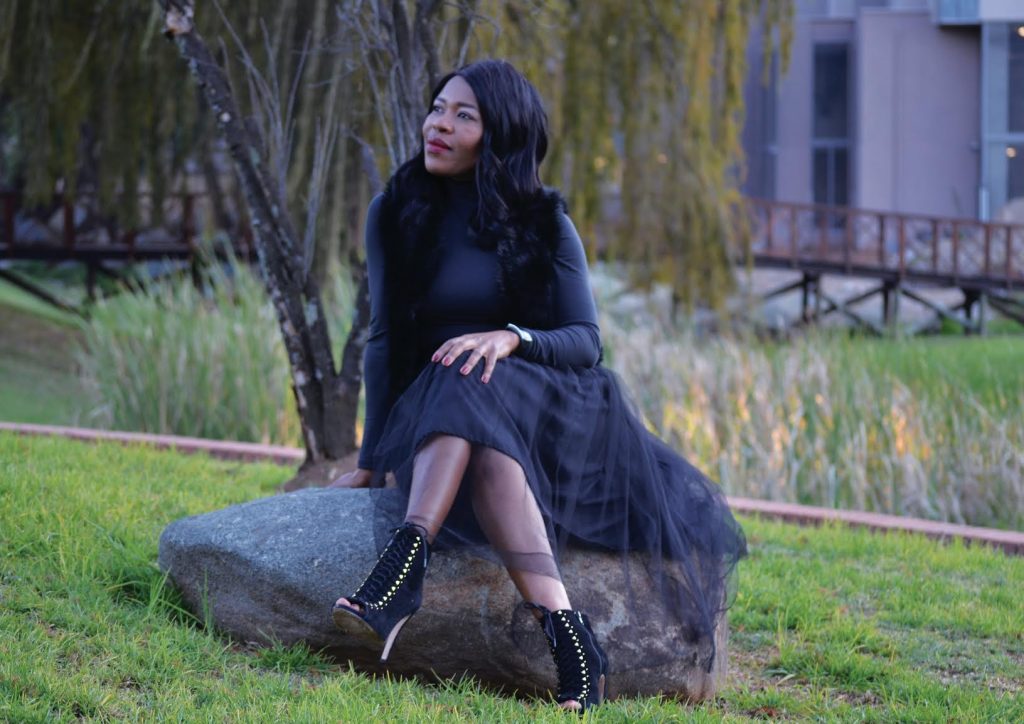
[bctt tweet=”Susan Granger: @nubianon101 has been inspired by my lavish taste for art and style” username=”SheLeadsAfrica”] Nubian Queen on 101 is a niche, quality and exclusive online boutique store, specialising in genuine leather handbags and accessories, all designed and made from the heart of Johannesburg, Gauteng in South Africa. The brand offers a range of contemporary genuine leather bags that bridges the gap between high street and luxury brands. The carefully selected crafted pieces are designed and created by founder and managing director Susan Granger. What is the story behind the name Nubian Queen on 101? Nubian Queen on 101 has been inspired by my lavish taste for art and style and the compelling desire to bring quality bags to everyone despite their social or economic status. Our brand designs are stylish, affordable, versatile and timeless and are not dictated by trends. Besides your frustration at not finding an affordable leather bag, what else informed your decision to create Nubian Queen on 101? I always wanted to make a difference in the community I live in and running a successful business has become my doorway to achieving this. One day, I would like to provide help and tangible assistance that will inspire other start-ups. I know how it feels to look for help, especially when it seems like no one is interested. What were the biggest teething problems you experienced starting out and what are some of the pressing issues you encounter presently? The truth is I am so grateful that I did not struggle at all when I started because I had done my research and planning before I launched the company. I recall on launch day a friend of mine asked me, “Is there anything you didn’t think about before today?” My answer was simply nope, because I had planned everything leading to the day. My pressing issues at the moment is securing funds for expansion. I have self-funded up to this point, but for me to get to the next stage of growth I need to buy my own factory equipment. [bctt tweet=”Susan Granger: Running a successful business has become my doorway to make a difference” username=”SheLeadsAfrica”] 80% of your workforce who make the bags are women. Was this an intentional decision on your part or a purely coincidental one? Before I started NQ, I always wanted to empower other women through jobs. So during one of my several visits to the factories I met a woman who fully understood my vision. When she mentioned 80% of the work staff were women —many of whom were breadwinners— I knew I found the place to call home until I could afford to own my own equipment. In an interview, you mentioned you didn’t have a team save for the outsourced factory staff. How have you been able to manage Nubian Queen on 101 without one? My family members have been my support centre. Most evenings are set aside to do admin work and then during the day I make sure orders were processed. My daughter, Nicola has been my greatest source of support. She is studying law, and during her free time, she covers for me. I’m very grateful to her and the help she’s given me. [bctt tweet=”Susan Granger didn’t struggle when she started @nubianon101 because she had done her research” username=”SheLeadsAfrica”] How have you been able to ensure the craftsmanship remains consistent since quality control is a major struggle facing many entrepreneurs on the continent? This is the amazing thing about an exclusive brand that is locally made. Everything is very contained. Our quality control and craftsmanship are consistent because we do not make hundreds of bags at a time. That is our niche. Aside from setting up retail outlets across Africa, what else does the future hold for Nubian on 101? The long-term goal for Nubian Queen on 101 is to collaborate and extend into other branches of fashion, like shoes and clothing while establishing our boutique stores globally. My biggest passion and purpose is to empower African women through job creation. If you’d like to share your story with She Leads Africa, let us know more about you and your story here.
Hanani Dube: Running a business is one of the most difficult things I’ve had to do
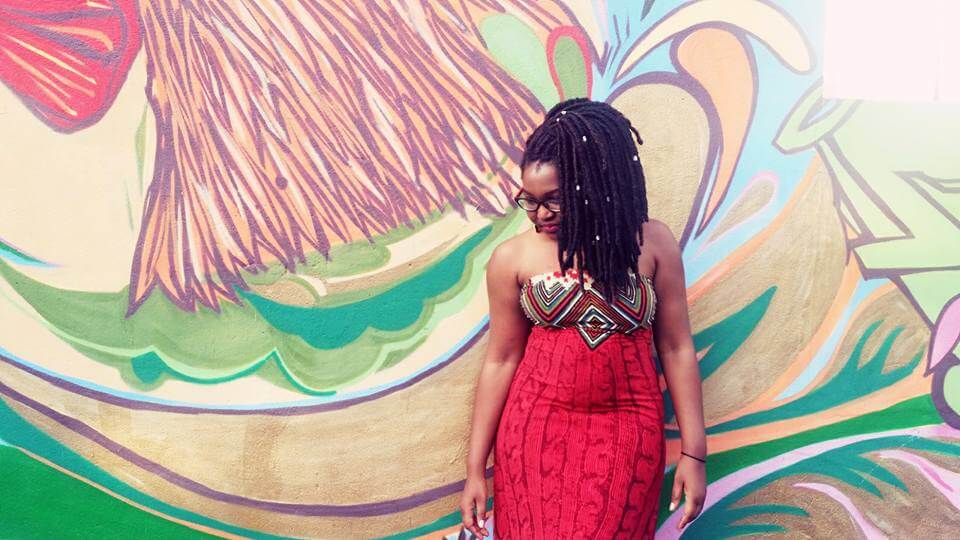
[bctt tweet=”Hanani Dube is a fusion of many things but all her experience has lead her to @FroSisterHanani” username=”SheLeadsAfrica”] Some may say that the natural hair and skincare market has been inundated but Hanani Dube would disagree. Hanani is fusing her degrees in food chemistry and business in her brand FroSister. You can easily tell by her range of hair butters in a variety of “flavours” such as vanilla ice-cream, avocado and sweet almond. In this interview with SLA contributor Dalphine, Hanani Dube shares what makes her FroSister stand out from the competition. Hanani please tell us briefly about who you are, I am sure people would love to know more about Frosister. It is quite difficult to describe myself as I am a fusion of so many things. I am an academic. I studied food chemistry for my first degree and business and HR for my second but I’m also a creative at heart. I managed to fuse together my love for business, food chemistry and natural hair by creating FroSister natural hair and skincare products. When I created the product range, natural hair products were difficult to find in stores and online . Any challenges you have encountered in ensuring your products’ success? There are so many, running a business is one of the most difficult things I have had to do. One of the main challenges is the actual start. People always have great ideas and a vision but when it comes to the action part, lots of people procrastinate and fear sets in. Overcoming fear is a challenge to most. Once you start, you will find that a way is always paved. How do you manage competing with established hair care brands and ensuring brand loyalty amongst your customers? I don’t think its competition, I believe that what I bring to the table is fresh. FroSister is targeted to a completely new target audience. My customers love their natural hair and want a higher quality product which works. Which countries and fashion retail stores have stocked up your brand? Our products can be found in the UK, Zimbabwe and the US. They can be found in independent retailers, wholesalers, as well as hair salons. 2017 will start with our launch in South Africa and Ghana. We also will be launching our FroSister Ambassador Program. [bctt tweet=”Hanani Dube is bringing something fresh to the table with her natural hair and skincare products” username=”SheLeadsAfrica”] Growing up, did you once imagine that you would take over the hair care industry and have your own brand retailing world over? It was something that I aspired to do. I remember when I was 10, I saw an advert of a skincare brand and it just clicked. I immediately told my mum that when I grow up, I want to own a company like this. However as I grew up, I totally forgot about the dream and went on to do food chemistry and nutritional science followed by my Masters in Business. Little did I know that all this would lead to the start of the brand FroSister. So you have to speak it into your life. Aspiring #MotherlandMoguls (like me) out there are dying to know how you balance your family and business life It is such a difficult task. You need to be highly organized with everything, planning a month and even a year ahead for the larger projects. You also need to have a supportive family who understand your goals. Also, don’t be afraid to ask for help. So who, or rather what motivates Hanani? My children motivate me. I want to show them that anyone can make their dreams a reality with hard work, preparation and dedication regardless of their gender age or where they come from. [bctt tweet=”Hanani Dube: You have to speak it into your life. You are more powerful that you know” username=”SheLeadsAfrica”] Any words of encouragement? If you have a dream, don’t allow anyone to tell you that you can’t. You are more powerful that you know. Faith, focus, determination, preparation and hard work are the ingredients. You also have to love what you do and believe in yourself. Always remember you are beautiful just the way you are. Want to see women you know featured on SLA? Tell us what amazing things women are doing in your communities here.
Refilwe Mochoari: I never lost focus regardless of all the struggles I faced
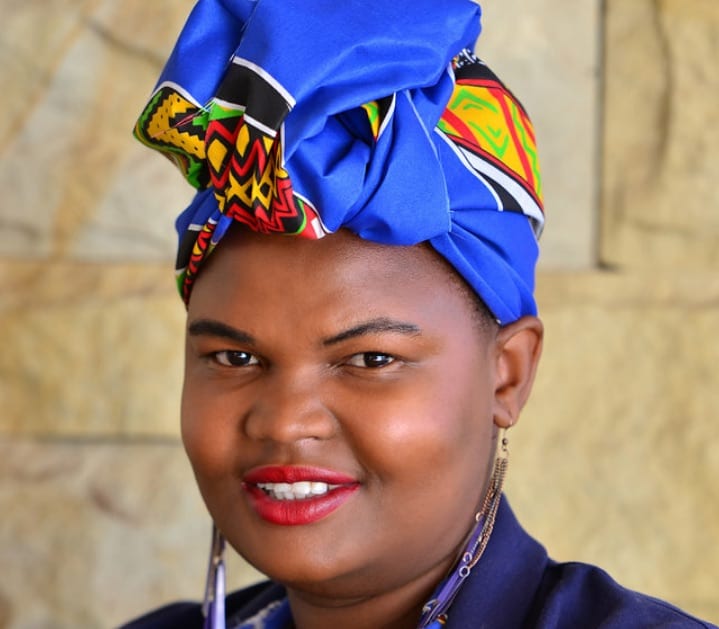
[bctt tweet=”Failure is not the end. @RefilweMochoari dusted herself up and tried again with her business ventures. ” username=”SheLeadsAfrica”] My name is Refilwe Mochoari. I am a journalist and an entrepreneur from Bloemfontein, South Africa. I am the owner of Bo-Esi Media which publishes Contagious magazine, a corporate lifestyle magazine in Bloemfontein focusing on business, entrepreneurship, finance and real life stories with the aim to educate, inform and inspire. The road to Bo-Esi wasn’t easy as its success if built on the back of a failed business venture. I started out as a children’s party planner In June 2011, I was 24 years old and had just started business as a children’s party planner. I thought this was the best decision ever. At the back of my mind, I always knew that I was destined for greatness and the party planning business was only a starting point for me. When I started with this business, I was also employed so I did not feel the pressure of the start-up. I had a guaranteed monthly salary to rely on and I could still live the life that I wanted to live. Being a qualified journalist, I had experience working for different media companies. For a long time, I continued to be a full-time journalist and a party planner but everything changed in 2014 when I experienced bullying in the workplace. When I was diagnosed with depression because of the workplace bully, I had no choice but to resign. [bctt tweet=”Refilwe Mochoari – I had to start working extremely hard to make money, but it was not enough” username=”SheLeadsAfrica”] This resignation was never planned I did not know that I would resign May 2014, it just happened on the spot with no proper thinking. When I left my job, I continued to run the party planning business but it was difficult because there was no longer a monthly salary to rely on. As a result, I was unable to maintain my lifestyle. During this time, I was running by business at a loss because competition was increasing. I was struggling to buy more equipment for the business but my resources were limited in an industry that was forever getting new trends. On top of that, I had just given birth to my second child who was in ICU for 5 weeks. I had some outstanding private hospital bills to take care of, so the struggle was real. I had to start working extremely hard to make money, but it was not enough. Eventually, I had to move out of my own home and back into my mother’s house. I also had to sell all my furniture, which was worth over R100,000 when I bought, it for less than R20,000. Regardless of all the struggles I faced, I never lost focus. I knew what I wanted so I continued to equip my knowledge on business through various entrepreneurship trainings. I continued to plan on how I would expand my business. Also, I wanted to make my student dream of starting a media company a reality. [bctt tweet=”Refilwe Mochoari’s failed venture made her more clever and knowledgeable on how to run a business” username=”SheLeadsAfrica”] Launching Bo-Esi and losing my party planning business I had always wanted to contribute positively to the media industry, especially in my province where I saw a niche for a powerful black-owned media company that will contribute positively to the community. However, I could not start my own media company when I was employed by one because that would be a conflict of interest. When I resigned and things were going wrong with my party planning business, I put to action my dream of starting a media company, Bo-Esi Media. At the beginning of 2015, I I started with Contagious Magazine as Bo-Esi’s first publication. Starting Contagious was very exciting and strenuous at the same time because I had no start-up funding whatsoever. I was rejected at all the doors that I knocked on for a business loan. But now more than ever, I was determined to start so I funded Bo-Esi with the money from my party planning business. After launch, the media business took up all my focus, money and time. This certainly led to the failure/closure of my party business. Eventually, I sold all the equipment I’d bought to improve that business. In the first year of running Bo-Esi Media, I managed to secure two large clients on the spot. Now, I was more clever and knowledgeable on how to run a business. So with only two clients, I was able to publish Contagious, pay salaries and promote my brand to potential new clients. It was thrilling to see how far I had come from with entrepreneurship and I continued to work hard regardless of all the challenges that come with running a magazine. [bctt tweet=”Refilwe Mochoari – 2016 is the year of breakthrough for Contagious magazine, it is now starting to grow” username=”SheLeadsAfrica”] I was more skilful than before I prayed, I believed and I worked. In addition to that, I ensured that I used each and every skill that I obtained from all my previous employers to make Bo-Esi Media a success. I worked on Contagious magazine for one full year before I could secure more clients. The first year of a magazine is the time where the brand had to prove itself, as many advertisers would simply say the magazine is still new for them to advertise in. 2016 is certainly the year of breakthrough for Contagious magazine. I finally started seeing the results of my perseverance. I went from having two clients to a database of over 20 regular clients. For the first time, the business is able to maintain itself and I know that 2017 is coming with even more prosperity. Contagious magazine is now starting to grow and I believe that this is the right time to allow the rest of the province to benefit from a magazine that aims
Humbulani Ravhura: I would love to make yoga more accessible to black people
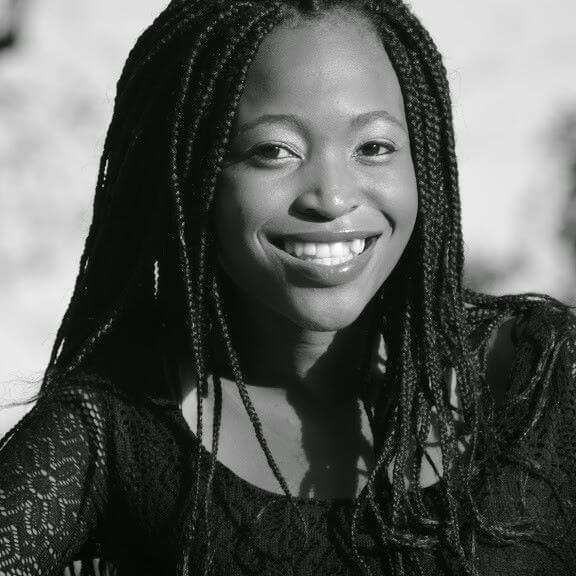
[bctt tweet=”Humbulani Ravhura: The African dream will not happen if our bodies are dying” username=”SheLeadsAfrica”] Some of us are very familiar with the struggle between keeping fit and registering at an expensive gym. Humbulani Ravhura learned yoga from a DVD and enjoyed it so much she went on to train as a yoga teacher. Now Humbulani is the founder of PeachBerry Wellness, a yoga-focused initiative that aims to bring yoga to black South Africans in Pretoria. Read on to find out why Humulani believes wellness is integral to the growth of the African continent. How did you find yourself where you are now? I have always been interested in exercise but I could not find a form of exercise that I enjoyed. Yoga and pilates were in some way at the back of my mind, but gym rates were too high. So, I would run once a week and workout at home on some days. After I got a yoga DVD from a friend and a yoga mat for my birthday in 2015, I decided to follow the DVD as my instructor every morning for two weeks. After that period, the results were amazing. My body felt really light, the bloating I had grown to expect was no longer an issue, my body started to tone, I was sleeping better, more flexible and I began to lose weight. That gave me the motivation to practice regularly. I got to know a different side of my body, I was more aware of everything that happened in it and began to appreciate it even more. I fell in love with the practice of yoga. So I decided to register for a yoga teacher training course in February 2016. How do you combine wellness with development of the African continent at PeachBerry? Africa is now the fastest growing continent in the world. The growth of the continent is attributed to the works of people across all fields of expertise from science, economics, health sciences, humanities, the entertainment industry and others. But I do not see how any of the things we do or aspire to do can be sustainable if our bodies are not taken care of. Our bodies are very precious possessions and without them we can’t be. The African dream and narrative that we are working towards every day will not happen if our bodies are dying. We need sharp physical and mental health to be effective. I would like to contribute to that by introducing yoga, general physical activities and healthy eating habits. To grow PeachBerry wellness, what do you think is more important; mentorship or funding? To grow PeachBerry wellness, both mentorship and funding are equally important. It is essential to have mentorship and learn from people that are more experienced and have been entrepreneurs for years. I believe that you do not only learn from your own experiences, but can also learn from other people’s experiences. It is also very important to get opinions from people that think differently from you, to get challenged by different mindsets and to get support in all possible ways from mentors. But most important, I need to remain rooted in the vision I have for my entrepreneurial path because nobody knows it as well as I do. Funding would help PeachBerry reach both its short term and long term goals, which are studio space and an integrated wellness centre, respectively. [bctt tweet=”Humbulani Ravhura: I could not find a form of exercise that I enjoyed” username=”SheLeadsAfrica”] What will a “wellness conscious” African continent look like? A wellness-conscious African continent would be a continent of people that prioritize physical activity, eating well and hydrating well. It would have people that treat their bodies as the precious temples that they are. We can’t be a growing continent with decaying bodies. How does one turn wellness- in this case yoga, into a profitable business? Firstly, just like any other business, you have to create your own opportunities. You have to identify gaps and obstacles that people encounter when they are trying to live healthy lives and try to figure out how you can ease their journey. Try to come up with ideas that will help you meet your potential clients’ needs. Like making yoga easily accessible and teaching yoga sequences that compliment your potential clients’ everyday jobs. If you have athletes as potential clients, learn about their careers and training methods to see how you can help them reach their goals in a more holistic way. Blend other health and wellness modalities such as massage therapy and aromatherapy because they are complimentary tools. Potential clients may find this to be more interesting. [bctt tweet=”Humbulani Ravhura: Our bodies are very precious possessions and without them we can’t be” username=”SheLeadsAfrica”] What would you like to achieve in the next three years? How do you plan to achieve it? In the next three years, I would like to have my own yoga studio. Also, I’d like to be a mobile yogi offering corporate yoga at work places, schools, and every corner of Pretoria. I would love to make yoga more accessible to black people. I have realized that most yoga studios are in regions that are not easily accessible to them. This makes it harder for most black people to practice yoga. To reach my goals, knocking on as many doors as possible and exhausting every avenue will be key. Practising every day to perfect my skills so that I can deliver the best yoga sessions will also contribute greatly. What is your favourite yoga position? Do you think it says anything about you/your personality? My favourite yoga position is called Pincha Mayurasana, which is a forearm stand. I do not think it says much about my personality, however, it helps me realize the limitless capabilities that lie within me. For example, the first time I saw this pose in a picture, I thought I would never ever be able to do it because it looked so difficult.
Swaady Martin: Franchising is a great opportunity to support women entrepreneurs
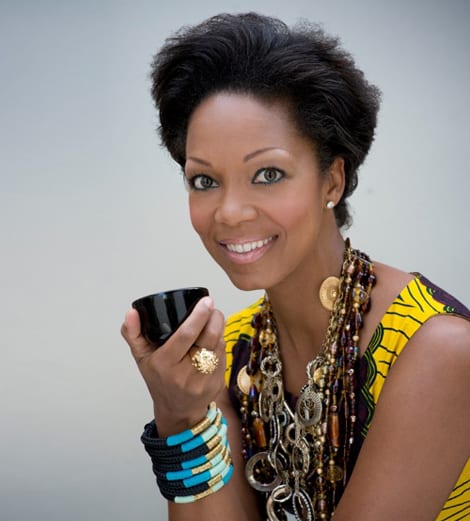
[bctt tweet=”Swaady Martin: Franchising sets entrepreneurs for success with a proven model” username=”SheLeadsAfrica”] Swaady Martin launched the SWAADY Group in December 2012 to reverse Africa’s commodity trap. The group houses socially-responsible brands that locally process raw commodities into high-value, consumer products distributed globally. YSWARA is one of these brands. YSWARA produces and retails high-quality African teas and teatime accessories, like tea-ware and candles. All YSWARA products are created with ingredients sourced from the continent. 88% of their suppliers are spread across Africa, with their key products being “made in Africa”. The SWAADY Group is also home to AKRAFO, the organic gourmet brand. Both AKRAFO and YSWARA operate in the speciality food industry. They offer original African delicacies, at home and abroad, that are beautifully packaged. What was the inspiration behind the name of your brand, YSWARA? The YSWARA name is a combination of TY WARA + SWAADY = YSWARA. The Ty Wara is a West African mythological hero who came to earth to teach mankind social values, as well as agricultural techniques. SWAADY comes from an Arabic word meaning Happiness. [bctt tweet=”Swaady Martin: Our high-end products are forward-looking & rooted in African heritage ” username=”SheLeadsAfrica”] You grew up in Ivory Coast, Liberia, Senegal, France and the UK. How have each of these places and your multi-ethnic background influenced YSWARA? Our teas are grown solely on African soil. They are blended and packaged to the highest international standards at our factory located in the Cradle of Humankind, UNESCO World Heritage site outside of Johannesburg. The location of our factory was thoughtfully selected and in keeping with my philosophy of maintaining a deep connection to Africa, its people and its heritage. Our factory, which overlooks the Cradle of Humankind, with expansive views over the Magaliesberg, symbolises YSWARA’s commitment to Africa and the development and progress of Africans. The unique alchemy of YSWARA is the blend of an authentic African essence; a wholesome caring spirit, a soulful contemporary aesthetic and a selective international distribution. Our high-end products are desirable, forward-looking and rooted in my rich African heritage. They celebrate Africa’s renaissance and togetherness. How has YSWARA been able to overcome the challenge of exporting outside Africa? Our products pricing is competitive. We are in the ballpark of all our international competitors, both in terms of pricing and margins. However, the cost of logistics to and out of Africa, as well as inflation and currency fluctuations remain challenges. That said, we have successfully tested our concept and have been received positively by Africa’s leading luxury and premium brands. Our major clients include Selfridges, Woolworths, The Four Seasons, St Regis, Radisson Blu among others. Our brands are present in 16 countries in Africa, USA, Europe, Middle-East and Asia with approximately 25 retailers. How does YSWARA ensure standard procedures are being followed at every stage and that every product reaches customers in perfect condition? We have a world-class operations team and strong processes in place. Our operations manager, Karen oversees our operations team, including blender and packaging and warehouse inventory. She has over 38 years of experience in all aspects of production planning, inventory management and control as well as MRP and ERP systems. You mentioned in an interview two years ago that one of the challenges YSWARA faced was the fact that Africa lacked many high-end outlets necessary to reach consumers and share your brand experience largely. Do you still find this to be the case, and if so what can be done? It is still the case. Our strategy is to expand our direct retail presence and not rely only on the development of high-end retail in Africa. We believe YSWARA has a compelling story and is well placed to develop a viable franchise business which will attract entrepreneurs and help expand our retail footprint. We have developed a retail concept that can be easily, but reliably duplicated. All our store elements are uniquely conceived and manufactured in Africa using materials from Africa. [bctt tweet=”Swaady Martin: Africa lacks many high-end outlets necessary to reach consumers” username=”SheLeadsAfrica”] Besides opening more stores across Africa, what does the future hold for YSWARA? The future is really about expanding our retail presence in Africa and abroad mainly through franchising. We believe our businesses have a compelling story and are well placed to develop a viable franchise business which will attract entrepreneurs. As an entrepreneur, I am passionate about contributing to the development of more entrepreneurs, especially women. Franchising is a great opportunity to support women entrepreneurs, setting them for success with a proven model and strong on-going business and training support. [bctt tweet=”@SwaadyM is passionate about contributing to the development of more women entrepreneurs” username=”SheLeadsAfrica”] We’ll be building capacity and networks across the continent, breaking intra-African trade barriers, mentoring women in business through product and skills acquisition in ways that are sympathetic to womanhood, elevating their social position and expanding the discourse. If you’d like to share your story with She Leads Africa, let us know more about you and your story here.
Faith Uwantege: I had a burning desire to help street children
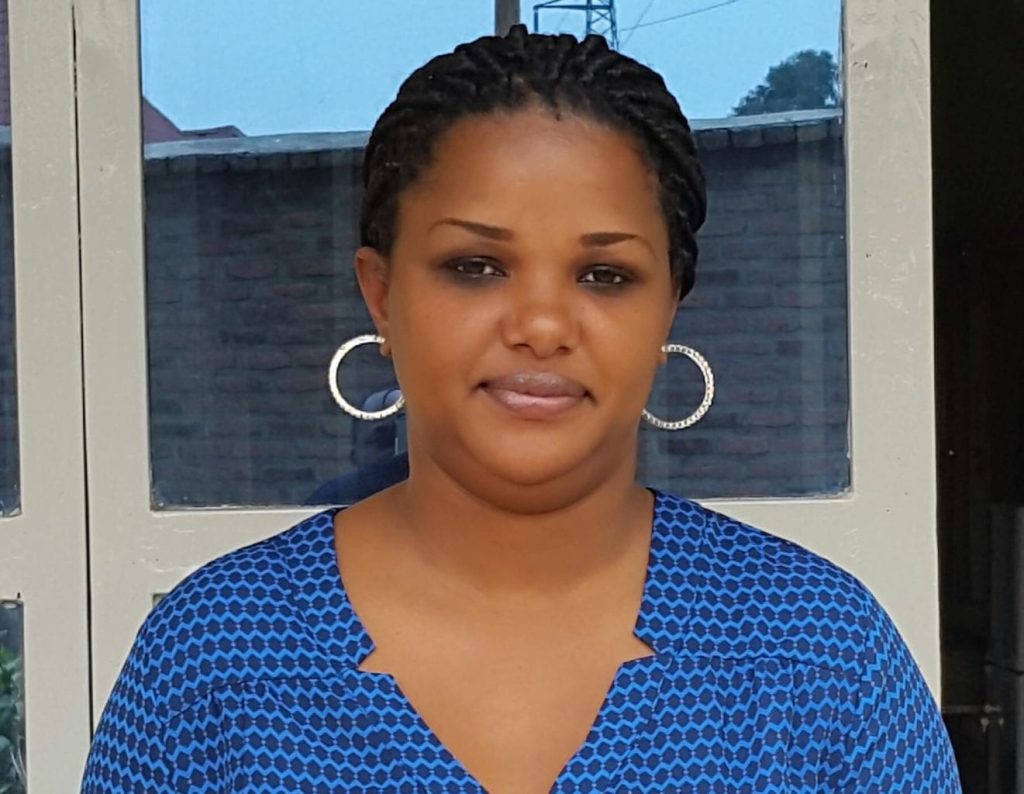
[bctt tweet=”Faith Uwantege: If I didn’t have a big heart, I would probably have given up” username=”SheLeadsAfrica”] Faith Uwantege set up Faith Foundation to answer the issue of Rwandan children and women living below the poverty line. To realise her dream, she saved up while working her 9-5, all while knowing that when she quit, it’ll be to work in something she was truly passionate about. Through her foundation, Faith encourages vulnerable women to sell handicrafts they make themselves. Faith Uwantege is working towards breaking the poverty cycle in Rwanda by encouraging people to be self-reliant. What do you think of the industry you work in? Well, that’s quite a handful of a question but I’ll try my best to answer it. On a personal level, what I dedicated my life to do is not something that’s being done by everybody else. So I cannot say I am competing or comparing myself with anybody in the industry. All I can say is that it takes a lot of passion, dedication and selflessness to be in this kind of industry. So what do I think of this industry? I think the answer to that question is quite relative depending on who you ask! Tell us about saving your salary to see your dream come true. How long did you have to save? Did you have any other plans outside just saving? I really can’t specify how long it took me to save in order to start my dream. All I remember is that I had this burning desire to help helpless children and get them off the street. It is not actually monetary saving alone, I sacrificed my time to be with these children and to try to pinpoint the most vulnerable ones. In what ways do you restore hope to vulnerable children and women? I restore hope in vulnerable children and women first of all by convincing them that there’s light at the end of the tunnel. Before giving them any other form of help, I give them a vocal assurance. I teach women how to be self sustainable by creating and selling hand crafts and helping their children live a better life. I teach women how weave baskets (commonly known as ‘agaseke’) and I also teach them how to use sewing machines. How do you think the poverty cycle can be broken in Rwanda? The poverty cycle in Rwanda can only be broken by teaching people to be self-reliant, by changing their mindsets. Most poor people in Rwanda think that since they are poor, they are only meant to survive on government hand outs and foreign aid. This is a wrong perception because nobody was created to be poor. Once you convince them that they can actually be self-reliant, that’s the beginning of poverty eradication. [bctt tweet=”Faith Uwantege: What I dedicated my life to do isn’t being done by everybody else” username=”SheLeadsAfrica”] What is exciting to you about being a young Rwandan woman today? What’s exciting to me about being a young Rwandan woman today, is that I have a say in the society. Thanks to our president, who actually embarked on a war to ensure that there is gender balance in the country. He also ensured that all children have equal opportunity in education and jobs in order for them to contribute to the development of the country. Do you engage in any other projects outside Faith Foundation? I dedicate myself fully to this foundation and that’s all that I do. I might consider doing other things in the future but at the moment, I think my effort and focus is still vital in the foundation. Who is your mentor and how important has she/he been in the growth of your project? My mentor is Nick Hills, he is one of a kind! He has played an important role and is still there for the Faith Foundation in so many immeasurable ways as a donor and as my advisor. I look up to him! I met my mentor Nick Hills first during his visit to Rwanda. Like most other tourists who had travelled here, Nick came with his family to see Rwanda’s famous mountain gorillas. [bctt tweet=”Faith Uwantege: As a young Rwandan woman today, I have a say in the society” username=”SheLeadsAfrica”] What five skills do young women need to successfully run a foundation like yours? The five skills I think women or any other person for that matter needs to be successful in running this kind of foundation are; Dedication: A woman needs to be dedicated even if the journey seems rough. It’s actually the challenges that make us more stronger in this kind of field. Determination: A woman that wants to be successful in this industry, must be determined. Without determination, you’ll easily give up. Passion for what she does. I always tell people that it’s very important to do something that they are passionate about. Be it in a business or in a non- profit organization, it just makes it so much easier. If there’s no passion, then don’t even bother. Hard work: Work harder even without expecting something in return. It’s worth it. Simply having a big and helpful heart. If I didn’t have a big heart, I would probably have given up. There are many challenges in this industry, especially that it does not pay. It’s the big and helpful heart that drives us. Want to see women you know featured on SLA? Tell us what amazing things women are doing in your communities here.
Pap Culture: The Youtube channel giving a face to South African youth culture
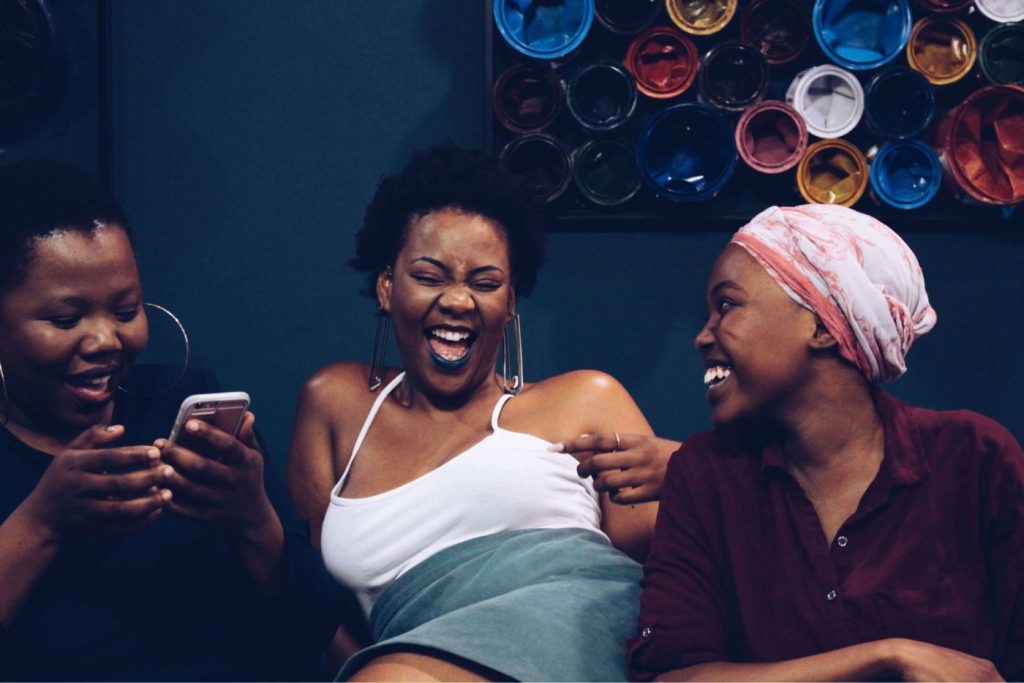
[bctt tweet=”@Tumi_06 gets the inside scoop on @PapCultureSA, we’ve always wondered how they do it” username=”SheLeadsAfrica”] Created in July, 2015, Pap Culture is a Cape Town based YouTube channel founded by Thembe Mahlaba (host), Nwabisa Mda (host) & Bongeka Masango (videographer). The channel was created as an entertainment platform that the trio felt was missing on the YouTube platform, especially in South Africa. Thembe and Nwabisa were interested in starting a podcast channel and once Bongeka moved to Cape Town last year, they realized that they we were all interested in creating a content platform online and YouTube just felt like the right fit. These three are opinionated young black women who thought, “why not?”. And Pap Culture was born. Who and what is Pap Culture? Pap Culture has four segments on the channel: Pap Culture Talks, an open and diverse conversation with two or more guests, who help unpack a topical issue. Pap Culture On Location, captures events. People at the event/location are interviewed and asked quick fire questions relating to the theme of the month. Pap Culture Ride Along, a guest is invited to join Thembe and Nwabisa in a car ride where they indulge in an informal conversation to get to know the guest and discuss matters relating to topical issues and aligns with the theme. Pap Culture Reacts, led by Bongeka, Nwabisa & Thembe answer a select number of questions or react to a video, photo or tweets relating to a specific theme/trending topic. The direction of the channel has definitely moved in a way that we both never anticipated (upon reflection). Yet in many ways, this felt right and intuitive to who we are and how we want to create/entertain. At the core we want to have fun and bring about a humorous side to issues that people often shy away from. We wanted a platform that allows us to tell our story and understanding of South African youth culture. A platform that truly represents what it means to be South African through engaging and interactive conversations. Ultimately, our vision is to change the documented narrative of African youth culture. [bctt tweet=”@PapCultureSA wants to change the documented narrative of African youth culture” username=”SheLeadsAfrica”] What is the one thing you appreciate most about youth culture in South Africa and the continent? Bongeka: I appreciate how unique it is. In as much as we are influenced by the world around us, we are still interested in being authentically African. We have found a way to combine our African identities with trends around the world. Thembe: Active Participation. We are smart and becoming more informed the more we start talking about current affairs and issues that concern us as people. Now, we are able to join the political conversation not with an invite, but by forcefully bringing ourselves to the table. We are voting and making our voices heard, trying to keep our governments accountable of the promises they are trying to keep/not keep. Also, we are protesting for our rights. We are just going out there and doing what we believe is needed for us to live in a better society for ourselves and the families we want to bring into the world. Nwabisa: It’s honest. So much is going on in South Africa at the moment. I love how we are unapologetic about our approach to life and we’re honest about our lives and the things we face (both positive and negative). Also I appreciate the need to tell these stories, facing these challenges head on and really fighting for change now. I think there’s been a huge shift from what was perceived as a lazy generation and young people have shown how empowered we really are. I think young people are still very misunderstood, but so many are making great strides to speak out and tell their stories. There’s a collective support and encouragement pushing for more young people to continue to own who they are and just be themselves. If you had to do a television programme in a different country what would it focus on? Bongeka: It would depend on which country I’m in. If it were an African country, I’d do something fictional. I find we really love hearing stories so it would be interesting to tell stories to a new audience. If I were in the UK I’d be interested in making a game or a talk show simply because they do so well over there. I’d love to be in a studio full of people engaging in the game or talk show. Thembe: This is a hard one. But I think one of these three options. A talk show, a variety show kind of like our YouTube channel or a comedy drama series focusing on creating a positive African identity. Nwabisa: Comedy…always comedy. I don’t consider myself the most conceptually creative person. Especially from a creating from scratch point of view in terms of TV and script writing and all that stuff that goes into making the shows people are obsessed with for years and years. But I love a good laugh…a good long laugh that has you breathless and in tears. So honestly any kind of comedic series that collaborates with people with great senses of humour from all parts of Africa and that has a great representation of different cultures, would be pretty epic. Which episode of Pap Culture has been most memorable for you and why? Bongeka: The most memorable episode has to be the Mission Possible episode, that was part of the Project Find A Bae series. Simply because I was not expecting the day to turn out like that. Although I don’t look like it, I was quite impressed with the ladies for pulling it all off. Thembe: This answer changes a lot depending on if there is an episode that outdoes the last most memorable. But right now it would have to be the episode with Khanyi Mbau. She is a South African celebrity who hosts a weekend talk show with radio
Didintle Moatshe: The teenager bringing hope to her community
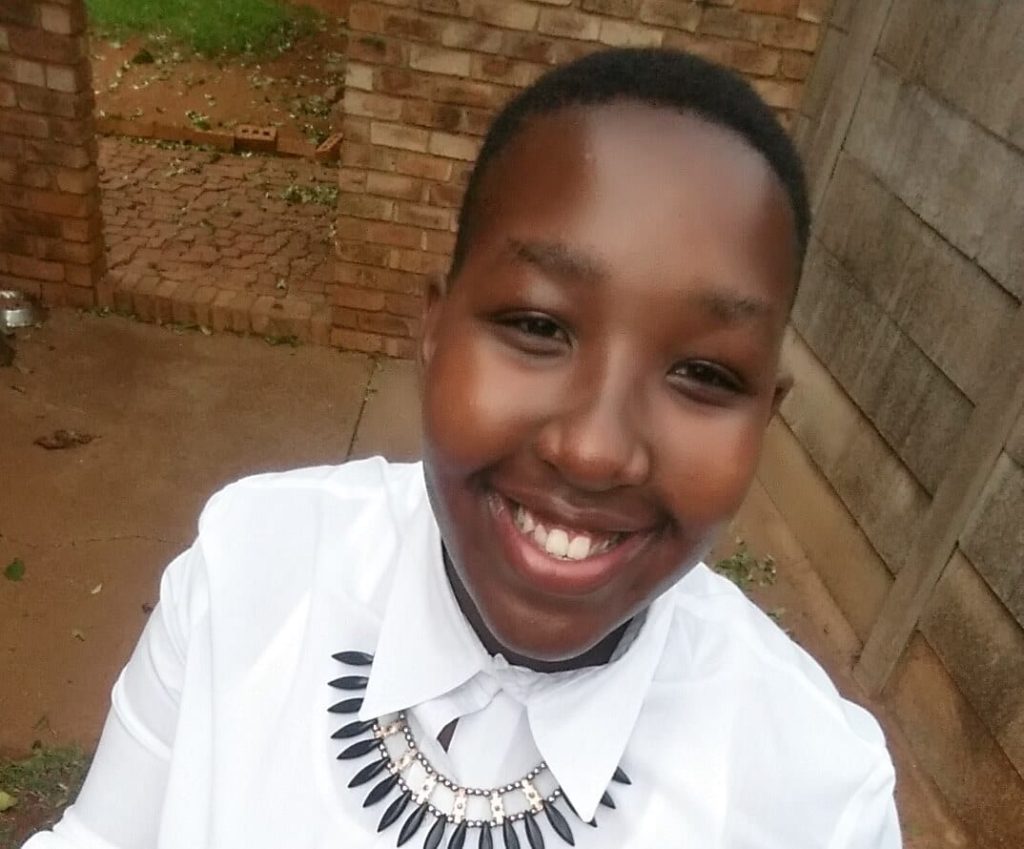
[bctt tweet=”Didintle Moatshe: The motive behind my project is the situations I have been through” username=”SheLeadsAfrica”] The fact that Didintle Moatshe is a teenager doesn’t stop her from working hard to make a change in her community. Together with her partner Kgotso Makgalema, Didintle is trying to save girls in their communities. Both Didintle and Kgotso do this through several projects, including one that provides free sanitary pads to girls so that they remain in school. Supported by the local church, schools and other stakeholders, Didintle shows that it’s never too early to start campaigning for positive change. Her bravery extends to openly sharing her experience with rape. Didintle does this in order to heal and to give hope to other girls who are rape survivors. You’re 16 years old, why have you decided to start these projects as a teenager? I decided to start an organization as teenager because I felt that the government was not doing enough. Most of the time, it is like they do not care. We have been waiting for a lot of things that the government promised to offer but has still not provided. I started this project to fill the gap that has been left alone. The sanitary pads initiative is the project I first started with. Its aim is to help girls who can not afford sanitary pads. I have witnessed it happen, girls who bunk class because of ruined skirts and girls who miss a week of school because her period has started. I started this as a teenager because I felt the government promotes safe sex —which is a choice, more than hygiene of girls. Tell us about Barrier Breakers. Barrier Breakers is the main organization we started. It includes everything —not only sanitary pads— it aims to provide the needs of our communities. We do not want to revolve around one issue, we deal with all of them. In addition, we are breaking barriers of poverty and inequality in our communities. We are building bridges to help others cross, to get to the other side where grass is green and everything is bright. We give hope to those who have lost hope in everything and seek intervention in their lives. Our slogan is, “Breaking Barriers, Building Bridges”. [bctt tweet=”Didintle Moatshe: I felt the government promotes safe sex more than hygiene of girls” username=”SheLeadsAfrica”] What has motivated you to start this project?How did you start implementing it? The motive behind this project is the situations I have been through. I learnt that in the world we all do not have equal chances and we need each other. Ubuntu principles are also behind the project. We all need to practice them and this is me practising Ubuntu. Whatever background I come from does not give me the right to fold my arms and watch women who are supposed to lead in the future suffer. I started this project small where I asked the congregation and the youth of my church to help me gather sanitary pads and toiletries. This was a success and we donated what we raised to Kgomotso Children Centre in Soshanguve. So it all started in church. How do you plan to effectively provide for individuals in need in your communities I plan to get help from companies who are willing to help, as well as from many other individuals who support such initiatives in their communities. Our plan of action is to distribute in schools. This will leave us with a certain percentage who do not attend schools. Some are at safety homes and others in their private homes but we are also going to reach out to them. We plan to donate two packets of pads to individuals in schools and leave extra packets at schools for when they run out. We target five schools every Friday where we freely distribute the sanitary pads. [bctt tweet=”Didintle Moatshe: We all need to practice Ubuntu principles and this is me practising Ubuntu” username=”SheLeadsAfrica”] Tell us about the meaning behind #SaveOurGirls? #SaveOurGirls was a name proposed by my partner working with me in this project, Kgotso Makgalema. We decide to go with the name #SaveOurGirls because we believe that we are saving girls from the pit of poverty. Our roles in this situation is for us to throw in the rope to help them up to reach their destiny. Save Our Girls is another way of saying let’s keep girls in school, save them from the hungry lions waiting to devour them by taking advantage of their circumstances. We want to build a country where women know their worth. We are restoring the dignity and pride of girls. #SaveOurGirls is a cry to the public to help girls who are in need. You are very open about being a rape survivor, can you share why? Many say I am still young to talk so openly about my rape story. What I believe is that in order to heal, I have to talk about it. I have to be free from the chains of rape. I thought to myself, why should I sit and cry while I have Christ? Still, it was not easy. I had to step out of depression, I had to divorce all the suicidal thoughts and find ways to feel good. I might not know who my rapist is but I know that God will never leave the wicked unpunished. Sharing my story can give life to someone who has lost hope. Surviving rape is never easy but I turned back and went back to my first love who is Jesus. My message is, whatever you go through now and just remember God will never put in a situation knowing there is no escape. Praise him in your darkest moments and let his feet dance to your tune. God’s timing is always right. [bctt tweet=”Didintle Moatshe: We want to build a country where women know their worth” username=”SheLeadsAfrica”] Do you see yourself continuing your projects
Nathalie Maikere: Entrepreneurs rarely think about expanding their horizons, we’re there to open their eyes
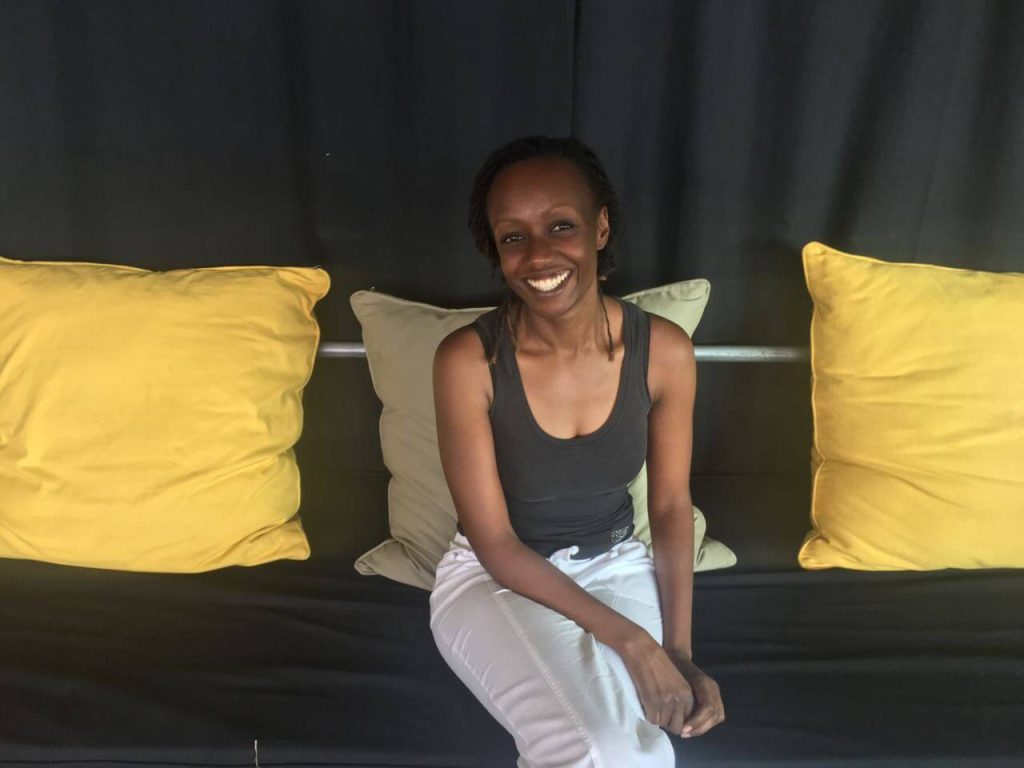
[bctt tweet=”Nathalie Maikere: My intention is to connect entrepreneurs across cultural boundaries” username=”SheLeadsAfrica”] “I believe that we are one”, is something that the beautiful Nathalie Maikere said multiple times during our interview. There she was happy to share what makes her tick, and what inspired the founding of her company, e-ENSURES. “My first language was actually Russian believe it or not…” I wanted to get the gist of what it was that shaped Nathalie into the woman that she is. “Well for starters I can tell you that I was raised in a very international setting. I was born in Kiev, Ukraine, and lived there until I was 6. My first language was actually Russian believe it or not, though I don’t really speak it any more”. Being aware of the other languages Nathalie speaks; i.e French, English, Portuguese, Kinyarwanda, Hindi, and Dutch, I figured that we could give her a free pass on not being up to date with her Russian. Nathalie lived in six other countries after Ukraine. This upbringing makes someone quite adaptable as you might imagine, and open to new experiences. She reminisces; “As a family we could easily go from having all sorts of amenities to being without power for weeks. We knew how to adjust our lifestyle depending on the situation.” This capacity to think outside the box and adapt is a trait that was instilled in Nathalie. This trait is one that she’d like to reflect in the way she conducts her business. [bctt tweet=”e-ENSURES is Africa’s first digital market research company dedicated to startups & SMEs” username=”SheLeadsAfrica”] Someone has got to look out for the little guy e-ENSURES is Africa’s first digital market research company dedicated to pre-startups, startups, SMEs and entrepreneurs. Traditionally, most market research organizations exist to serve the needs of big corporates. This is why most small businesses are not in a financial position to prioritize market research services. Nathalie wants to fix that —someone’s got to look out for the little guy right? e-ENSURES maintains an online marketplace for affordable market reports on current trends in Africa, specifically relevant for entrepreneurs and businesses. This is so they may understand the market they’re dealing with, gauge who their audience is, and strategize accordingly. “We create market reports about new trends that arise, and sell them at affordable rates; so that the information can be accessible to everybody.” Not only do they create these broader reports, but e-ENSURES also make tailored ones on-request. “We’re often asked by entrepreneurs with new and innovative business ideas to conduct research on how receptive the public would be to their concepts.” Connecting her upbringing to her business, Nathalie explains that “often, entrepreneurs have trouble thinking out of the box. There are times where we find that a Kenyan entrepreneur’s idea would meet more success in Kigali or Kampala compared to Nairobi. Yet they rarely think about expanding their horizons —simply because it doesn’t cross their minds, so we’re here to open their eyes.” Working with Africans in the Diaspora There are other entrepreneurs out there who are looking to venture into new markets, but are too afraid to leap forward, and Nathalie has them in mind as well. “We work with the African diaspora in Europe a lot, particularly in Belgium. These entrepreneurs of the Diaspora are often very excited at the idea of returning to the motherland, but they’re afraid because they don’t know what to expect. With us conducting some research for them, we can show them the immense amount of business and investment opportunities to be found on this continent, to encourage their ambition and calm their fear.” I wondered how the idea of founding a market research business came into Nathalie’s mind, so that’s precisely what I asked her next. “Once I graduated, I mostly worked for startups” she started answering, “what I found funny was that none of these companies really did any proper market research before their launch, which caused them a lot of complications.” [bctt tweet=”Nathalie Maikere: Few startups do any proper market research before their launch” username=”SheLeadsAfrica”] Connecting people with e-ENSURES “Beyond the product we sell, I see my business as a chance to connect people.” Nathalie chirps this with enthusiasm after she’s finished giving me the low-down of what e-ENSURES does. “My intention is to connect entrepreneurs with similar ideas to each other, crossing cultural boundaries, so that they may think beyond what their perspective and culture allows them to consider.” Having lived around the world, Nathalie knows that “between all of us [people] we have so many more similarities than differences”. That’s where her motto comes in, “we are one”, so we should all act like it! Nathalie proceeds to tell me how inspired she is by the work that she does; “I believe that entrepreneurs are truly the people who will change the world for the better. They are passionate about their work, and are driven to make their projects succeed.” Want to see women you know featured on SLA? Tell us what amazing things women are doing in your communities here.