
Lulu Mutsikira: My opportunity came from my frustration

As a person who believes in following their dreams, you can only imagine how much it excites and inspires me, when I see someone I know personally, do exactly that. Following her dreams fully and wholeheartedly and succeeding at it! Lulu Mutsikira, founder of Nama Saya, who can be contacted via email, began her company when she left the corporate life, in pursuit of her passion. Nama Saya is an event styling and interior decor company. The multi-faceted boutique agency specialises in full-service design and planning of interior & event spaces. When I bumped into Lulu in a car park, as she was leaving a client’s apartment, we had the best catch-up in her car. We discussed the rise of local designs in South Africa, incorporating heritage into everyday living spaces, starting a new business venture and juggling being a family woman and an entrepreneur. Event styling is not a term I’ve come across before, please tell me a little more about it. The event styling business was born from frustration at the event industry when I was planning my wedding. I was struggling to find exactly what I wanted in one place, and the cost of sourcing from multiple suppliers just wasn’t worth it. So, I decided to buy everything for my big day myself with the long term ambition being to then go into a hiring-out style business part time. The styling bug hit hard and I became addicted to making tables beautiful. I no longer wanted to just hire-out, but wanted to be there from beginning to end, to ensure a holistic and connected event was achieved. While the wedding was a catalyst, I had been saying I will do this kind of thing for years. The interior decor story is a similar one, I have always loved making interior spaces pretty and my first flat was such a project. I was so happy with the final result, and so was everyone else surprisingly, so I knew there was something there. Then right after my wedding, a friend asked me to do her boyfriend’s home, and that he would pay —I did it and loved it and that was that, I was sold. I can imagine that must have been very exciting, and the start of a new business venture? A few happy clients later and a course in interior design, it’s the thriving part of Nama Saya. What really cemented Nama Saya as a business idea for me is the realisation that so many people are hungry for someone to take away the stress of “creativity” from them. While many may view this kind of career path as easy, it certainly isn’t —constantly thinking up fresh ways to reinvent ultimately the same thing, is work and you either have it or you don’t. What’s encouraging, especially from the interior space, is that people are really starting to recognise that and are willing to pay for the service of having a professional eye reinvent their home. As it is known, “customers are the lifeblood” of any business. Who would you say is your clientele? Surprisingly I don’t have a specific type of client. I have individuals from all walks of life. The events clientele is mostly couples looking to tie the knot and needing some help with the creative direction of their big day. Most have a colour in mind but not much else, so it’s up to me to put the pieces together. The home clientele vary from just out of varsity individuals who want to spruce up their spaces, to wealthy business people who are building a home, the spectrum is very wide. So on top of being your own boss, you’re a wife and a mother, how do you juggle family life and being an entrepreneur? I don’t! Seriously though, it’s an incredible struggle and it takes a lot of work and understanding from your family. Luckily my husband is on a similar journey so he understands 150% that right now, I am building and that will take time. The long term ambition is definitely to strike that balance, but right now, I would be lying if I said I have it all figured out. Let me know when you catch wind of the secret. I’ll be sure to do so. So with various projects and an array of clients, which project has been your most exciting thus far? You know, every project fills me with excitement, perhaps because I am still growing. They are a God-send; I treat every single event or home installation with as much excitement as the next. I am currently working on a huge home project that makes me both sick to my stomach with nerves and giggly with excitement! With South Africa taking an interest local design, fashion, music, experiences and everything in between, what would you say is trending in terms of design? What local styles, trends and brands, give a space that truly South Africans feel? Local has always been lekker! It’s about time we caught the train that has long been on the move, there are so many local designers doing amazing things for the industry. From an interior perspective, it’s not so much a particular brand, but rather the African influence used subtly to make a true statement in the home. I recently did a home installation where the client asked me to use Sesotho blankets as upholstery for her headboard —the result was magnificent and really so reminiscent of true pride in the heritage of our county. Wow, that sounds really beautiful. People actually wanting to incorporate their heritage into their everyday living spaces – would you say that this is a growing trend? I am finding out that individuals are starting to really insist on a space in their homes that reflects them from a heritage perspective; it is really very exciting to see. We are very blessed in SA to have traditional ceremonies as part of our wedding process. What
5 things every startup should do to gain traction and attract customers
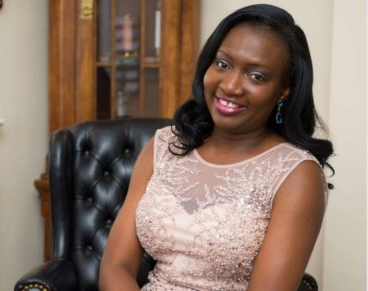
My parents always taught me that I have no limitations in life. Despite growing up in a society that tends to favour boys over girls, I grew up believing that everything I do will turn out well. And I always act out my belief everywhere I find. You can call me “Miss Optimistic”. In line with my “no limitations” mentality, I started Onpoint Success. I’m digressing but at heart, I’ve always been an entrepreneur. My first venture was at age 10 while planning my 10th birthday. I came up with the idea of custom-made invitations and was actively involved in every detail, from planning to music. Most people who attended were thrilled that a girl so young could pull such a feat. Soon, I was the go-to person for custom- made invites and party planning. In my middle, high school and college days, I was that girl offering to teach, share knowledge and empower others. An attitude that earned me the name “Mother Hen”. I found joy in helping others tap into their potentials and build something out of nothing. I didn’t really think much of it. After I graduated from college, I got married, relocated to the United States and started working as an environmentalist. Then, I made the decision to launch my events planning business on the side. However, something interesting happened. While minding my business, I started receiving messages from friends and strangers alike. They wanted me to share with them, tips on how to start and grow a small business. Being the “Mother Hen” I was, I spent the bulk of my time helping others build a better life for themselves. That was when I decided to launch Onpoint Success. I’ve been optimistic about getting it right from the very first day. But it didn’t take long for me to realize that thinking about a thing is very different from actually doing it. It was an uphill battle attracting customers who were willing to pay for my services. I had to wait fourteen long and excruciating months before the first customer paid me. I remember dancing when I got paid doing what I love and it felt so good! Today, even though I’m still working my way to the top, I teach, mentor and inspire other women entrepreneurs. I help them attract customers and get paid doing what they love. The only difference is —they do not have to wait as long as I did. Attracting customers All businesses need customers to survive. Unless your startup is a charity organization, the only way to prove your idea is viable is by getting willing people to pay for it. In my case, like I stated earlier, it was an uphill battle despite knowing that I had something valuable to offer. If you are a retailer, attracting customers might be easier, depending on what you sell. But even at that, prospects usually don’t like to be the first to pay you! As a startup, what then can you do to gain traction and attract the type of customers you’ve always dreamt of? Give freely “Touch the heart before asking for a hand” – John Maxwell I never gave thought to this quote by John Maxwell but once I started Onpoint Success, it all made sense to me. As a startup, one of the fastest ways to gain traction and make people believe in your brand is by giving things out for free. Most prospects may not want to pay for something that has not been “tested and proven”. To help people minimize their risk and open up the barrier of entry, consider giving things out for free. That’s what I did at Onpoint Success and it worked. I consulted for free with those who were trying to grow their business. I shared my expertise with those who were willing to listen. I consistently did this anytime I had the opportunity. This, in turn, helped me gain credibility and trust which then led to my first transaction and many more after that. Make your business presentable People send me emails to say how impressed they are with the way I presented my business. It’s all about being intentional and paying attention to details others might overlook. Simple things like having a blog, a company email address, and even a business card communicates to others that you are ready for business. In a mall the other day, I just couldn’t resist stopping by a cupcake vendor stand even though I had no plans to buy. Oh, how good looking and attractive it was! The cakes were well arranged on the stand, the decor matched the icing on the cake and the samples were strategically placed at the edge of the table. Eventually, I made a purchase. I have learnt and always shared with others that first impression really does go a long way. Yes, you might be a startup but presenting your goods/services to the best of your ability is a great way to gain traction and attract customers. Target audience One of the struggles I had was defining my target audience. And even when I knew exactly who they were, I was too scared to limit myself to those group of people. This made me stretch my resources too thin. It was almost like maxing out trying to reach those who barely cared about what I had to offer. The result? Wasted effort! The truth is, the marketplace is a jungle. Running to every tree in the jungle or telling every tree in the jungle to come to you is not the fastest way to attract customers or build a successful enterprise. The best way to go about this, is by identifying and deciding the specific species of trees that NEED your services. There goes your magic formula. Build your business focusing on specific customers. Make effort satisfying the needs of these customers and watch them begin to flock to you. Technical know-how I believe every business owner should strive for excellence. As a business strategist, I committed myself to learning as much as I could. So, when I met with prospects, I created an impression. Also, it’s better
Edem Fairre: I need to push more boundaries if I must get to the top

Edem Fairre is one of the few models in Ghana who has managed to turn modelling into a career. She was discovered by Donthes Media in 2010 fully ventured into modelling in 2014. Though she has been in the industry for barely two years, she has walked several runways across the country; worked with known brands like Beige Capital Bank, Nivea, Renault, Samsung, Bayer Chemist, Joy FM, DSTV sport, Airtel Ghana as well as various fashion designers. She holds a managerial position in one of the top modeling agencies in Ghana, Empire Gh Models. Naana Joa had a chat with Edem, who though has achieved so much in the industry than many Ghanaian models, still feels the need to push more boundaries to achieve her goal. Why do you feel the need to push more boundaries? What is the goal? It doesn’t matter your achievement in life, there’s always room for improvement. There’s always something new to learn; a new goal to set and achieve. I’ve focused mostly on lingerie, promotional, commercial and sport modeling. I’ve not had time to perfect my runway skills but this is something I intend to correct. There’s more to achieve in my field of work. Equipping myself and excelling at all aspects of modeling will help me stand a better chance at getting to the top. My goal is to be a supermodel like Naomi Campbell or Tyra Banks who managed to establish themselves as the most recognised and in-demand models of their time. I also want to prove that modelling is a real career like law, medicine, engineering and business. Entrepreneurs and professionals alike complain of bottlenecks to getting to their goals and reaching the top. What would you say has been a hindrance for you? It’s easier blaming where I come from but that would be somewhat unfair since Africa has raised champions. I admit there are limitations in Africa. You’ll need to go the extra mile to break boundaries here. But with hardwork, dedication and talent, I believe this can be done. Personally, I’ve had challenges like self-doubt, my current studies at the university, and lack of funds. Surprisingly, models also doubt their work and themselves. Our job is to portray a character and the goal is to get it right. So when the results for the work done shows otherwise, self-doubt sets in. You begin to doubt your worth and suitability. I am currently studying ABE UK marketing management at the university. This simply means losing some job opportunities. But this course is to help me manage my brand better so I’m not one to complain. In the industry, other people call the shots especially when you do not have the funds to promote your brand. You are taken advantage of and made to settle for less than you deserve. Professionally, I will say unhealthy competitions and partiality is another challenge. Though the modeling industry in Ghana is small, it is very competitive and I love competitions. They push you to be better at what you do. But it gets ugly when competitors use unethical means to get contracts. This results in unqualified models being given jobs while the qualified are bypassed. What steps are you taking to changing the narrative? Regarding self-doubt, I am working on building my self-confidence and keeping a positive mind and outlook on things. I have also accepted that losing jobs because I have to be in school is totally worth it. To solve the issue of lack of funds, I am on the verge of breaking through in the movie industry. Also in the pipeline is hosting gig for a television show called Event Update on Top TV. These I believe would give me something on the side to help push me to the top. With unhealthy competitions and partiality, I believe models need to be independent. This way, they are able to fund their own projects. This may not entirely solve the issue. However, it would be a start. Advice for budding models? Be yourself Respect yourself and those you work with Don’t sell yourself short in the name of modeling Accept a good job even if it may not pay well If you were to contest with an African model, who would it be? Well, I’d contest with myself. There must be a secret to your success as a model. Tell us about it. If I tell then it wouldn’t be a secret anymore. But I’d be willing to share with any woman who joins the modelling family. Do you ever imagine not reaching your goals? What would you do if that happens? That is not an option! I have worked so hard and patiently. I will not accept failure. Want to see women you know featured on SLA? Tell us what amazing things women are doing in your communities here.
Manyaku Mositsa: This is not something you get to learn in school
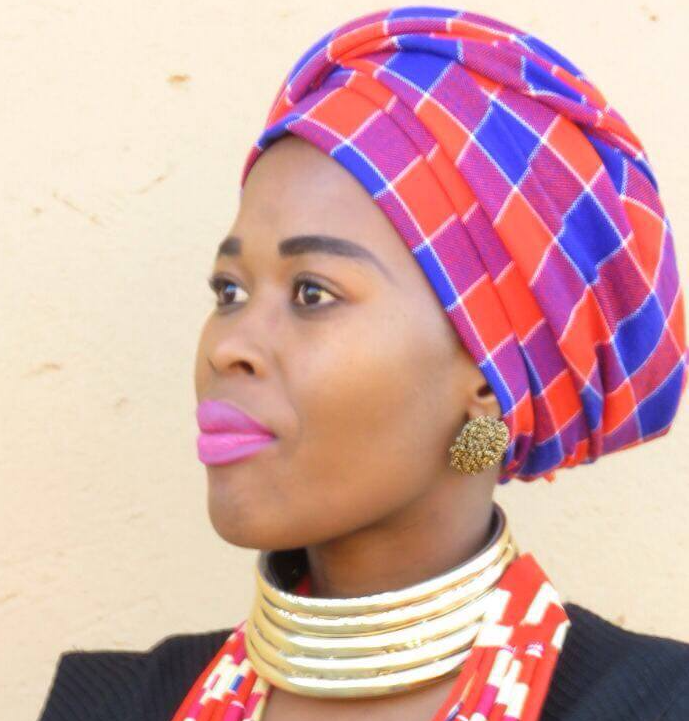
South African Manyaku Mositsa is a 31-year-old dreamer and achiever who grew up on the dusty roads of Mohlaletse Ga Sekhukhune. Though a graduate of Biotechnology from the University of Johannesburg, Manyaku left paid employment to pursue her passion for fashion. She just wasn’t happy with wearing the overalls that came with her job in SAB laboratory. Now a fashion designer, Manyaku has expanded to make her passion for empowering women with skills and experience a reality through her organisation, Giving Hope. SLA contributor Makalele spoke to Manyaku on fashion, inspiration and managing multiple initiatives. You could have chosen any other career path. Why fashion? It started as a hobby. Since I was five, I’ve liked dressing up. I loved wearing mommy’s clothes and doing the catwalk in front of the mirror. But I never imagined doing it for a living. As a young girl, I dressed differently because I thought the kind of clothes I wanted were just not available in clothing stores. In 2005, during my in-service training at SAB laboratory, I would dress up to work even though I knew I would need to change into a work suit and safety boots. Though I enjoyed the job, I never really liked wearing overalls. Finally, in 2010, I decided to pursue my dream for fashion by taking part time classes in dressmaking. I did the fashion business part time till in 2014 when I left my full-time job to fulfill my passion. My personal philosophy is, ”the best way to master something is by actively doing it with a strong will.” What is your favourite part of being a fashion designer? I love that I can be unique, inspire others and of course, turn heads. Your designs are so good. What inspires them? My inspiration comes from the desire to prove to myself and the world that ladies in dresses can be fashionable too. I also get my inspiration from unique fabrics and textures. My celebrity muse also plays a major role. What’s fashion to you? Fashion is simply dressing and accessorizing in style. You’ve got to have an eye for it. This is how successful fashion designers are able to create trends. Aside fashion, you’re involved in other projects. Tell us about your current project, Giving Hope. Giving Hope is a division of UD Holdings aimed at empowering young women with skills and work experience. We help them become employable and young entrepreneurs. The focus is on designing, clothing production, shoe making , bags and hats manufacturing , beauty therapy as well as events management. How do you manage running a fashion house and an organization? My love for what I do wakes me up every morning. This is where I get my drive for the day. This is not something you get to learn in school. I run both ventures in the same premises and that has made managing them a whole lot easier. I had to learn to stop procrastinating and just do it. Of course I’ve had some challenges but it’s worth it. What do you do for fun? The nice thing about this industry is you can work while having fun. Traveling, fashion shows, photo shoots, getting myself pampered all form a part of my fun activities and work too. We want to know what amazing things women are doing in your communities! Tell us here.
Kuwala: The African continent isn’t simply inspiration for Western designers
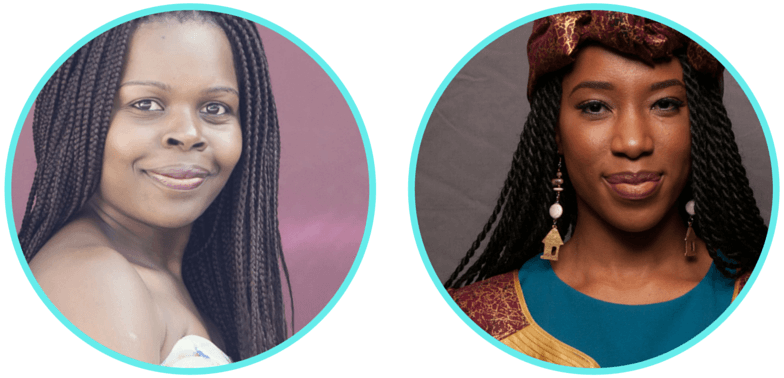
It’s never easy connecting with emerging businesses half way across the world but Malawians Freeda and Veronica, founders of Kuwala, make it look simple as cake. Both women want to share their connection with Africa through heritage and fashion. Their brand, Kuwala focuses on vibrant African prints like the chitenge and their goal is to encourage ethical production methods. Kuwala achieves this by partnering with select fashion brands and designers that have unique messages to share. We had a chat with the friends turned business partners on how they promote high-quality fashion designed in Africa and they promote high-quality fashion designed in Africa and about how Africa can be more than just an inspiration for Western designers, but a fashion hub for creativity and manufacturing. Who are Freeda and Veronica? How did you both decide to start Kuwala? We are Malawian women who share a strong connection with the African continent through our heritage and fashion. Both our families had been close friends for some years. When Veronica moved to Toronto, the same city as Freeda, we further connected as friends. Interestingly, while discussing our life and career goals, we realized we had similar goals for business, fashion and staying connected to Africa. After months of researching and planning, Kuwala was launched in January 2014 and the rest is history. How do you identify socially responsible fashion brands for Kuwala? First, before agreeing to partner with brands, we consider their online presence and the message they share on their website and social media. Today, it’s almost impossible to have a business without some sort of online presence. From there, we email people we intend establishing a partnership with and negotiate terms that are mutually beneficial. Also, when we can, we also travel to the countries where the designers are based to further connect and review their operations. We think Africa has the potential to become a fashion manufacturing hub. In summary, through Kuwala partnerships, we want to encourage and promote ethical production methods across Africa. Who is the ideal Kuwala shopper? Simply, our ideal shopper is a woman that’s interested in rocking African inspired fashion in her everyday life. She understands Kuwala’s mission and is interested in spreading the stories of the brands we work with. Typically, her wardrobe is full of vibrant colors and unique prints. She simply enjoys standing out in a crowd and not conforming to trends. Most people are familiar with the wax prints of West Africa or the Ghanaian kente cloth. Do you work with Malawian fabrics? Of course, the most commonly worn fabric in Malawi is the chitenge. This cotton cloth comes in a variety of vibrant prints and patterns. It is also known as ankara or kitenge and is most popularly worn in Southern and West African countries. Most of the clothing on kuwala.co is made from this print. How is Kuwala redefining African fashion abroad? Tell us about your new model to connect fashion designers in the Diaspora. Basically, through Kuwala, we aim to promote the idea that beautiful and high-quality fashion can be designed and made in Africa. We want to dispel the idea that the African continent is simply an inspiration for Western designers. Whether it’s in-person or on our website, we try sharing stories of the designers and brands we work with. Also, with our new model, we’re working on facilitating partnerships with designers in the Diaspora. Kuwala works in Canada, Kenya, Malawi, Ghana and the United Kingdom, how do you manage this? Have you started manufacturing on the African continent? We manage everything through technology. From social media to emails and phone calls, technology has really helped us to better manage Kuwala effectively. In the past, it’s never been this easy to connect with emerging businesses half way across the world. We manufacture in Africa through the brands we partner with that are based on the continent. Also, like with most businesses, running Kuwala has had its share of ups and downs. However, this whole process has been a learning experience and we learn from the past mistakes made. You and Freeda have visited many African countries, what is your top advice on travelling the continent? Veronica: My advice for travelling in Africa is eat everything! No matter how different or “strange” it is. Be open to tasting the many delicious dishes that are available across the continent. It’s okay to not like it, but at least you’ll be able to say you tried something your friends back home haven’t eaten. Freeda: I am not as adventurous as Veronica in the food department. I would say, be prepared to have some of your preconceived ideas and assumptions about Africa dispelled. In addition, remember to also appreciate the beauty and diversity because that narrative of Africa is often overshadowed. Interested in collaborating with Veronica & Freeda? Reach out to the dynamic duo at hello@kuwala.co. To stay up-to-date with what’s going on at Kuwala, follow them on Instagram, Facebook and Twitter. If you’d like to share your story with She Leads Africa, let us know more about you and your story here.
Meet our Accelerator Moguls: Koko’s Kitchen
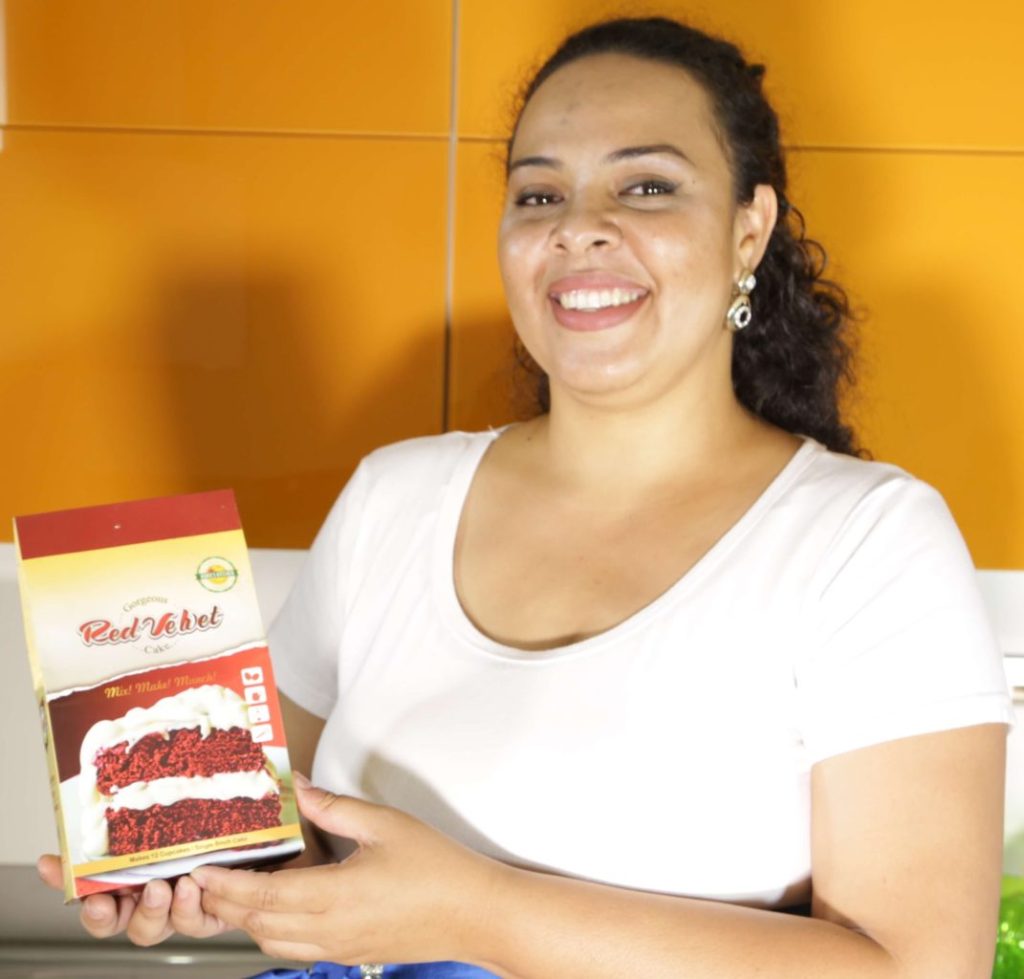
As you know the first ever She Leads Africa Accelerator Program is currently ongoing. Out of the 120 startups from across Nigeria who applied for the program, we identified 10 as the next generation of Nigeria’s brightest female entrepreneurs. These 10 selected businesses are now benefitting from our intense accelerator training. One of them is Koko’s Kitchen, a brand that makes baking easier for Nigerians. From cakes to cookies, Koko’s Kitchen answers the demand for locally made easy-to-bake mixes. Sifa Asani Gowon and Oluwatosin Olaseinde started the brand to build an indigenous brand within Nigeria. They hope the Accelerator program will help take them there. Why did you decide to apply to the SLA Accelerator program? While I, Sifa Asani, was busy fiddling with cake mix formula, trying to tweak it to perfection, Tosin was working tirelessly to build a strong foundation for the business in terms of accounting, mentoring and the like. Tosin has been tracking the She Leads Africa voraciously and when the accelerator opportunity came up, we seized the opportunity. We decided to apply for it because we know it will help us to strategise and position the company to achieve critical pace. It would also help us to network and expose Koko’s Kitchen to potential investors. What do you intend to take back home after the Accelerator program? As a preamble, let me say that I had actually attended a SheLeads program earlier this year, in April: SheHive Abuja. I really liked what I saw and was so impressed with the organization, the speakers and the overall ambience. There were women from all over the nation with one thing in common; ambitious dreams and the drive to succeed while adding to their communities and families. I liked that women were being encouraged to bring out the best in themselves as well as be considerate and help other business women when and how they could. When we applied for the Accelerator program I expected no less from SheLeads. I anticipated a learning environment especially suited to African female entrepreneurs in terms of advice, tools and mentoring. We intend to take back home a stronger company in terms of controls achieving KPIs and also a stronger network that we can leverage on. How do you intend to stand out and improve your business after the mentorship programme? Considering Koko’s Kitchen is a really young company, we have been fortunate to have reliable collaborations. This ranges from that of the co-founders to the ecosystem such as She Leads Africa, amongst others. We plan to execute all the key decisions that we have taken from to SLA accelerator programme. To glean knowledge from the outstanding entrepreneurs who have walked the road before us and have shared their stories and give us advice. We’ve been taught the value of time and of discipline. We are also accountable to our SheLeads mentors, which goes a long way in keeping us in line and focused. After this program, we intend to take all we have learned and all the contacts we have made and utilize it to our advantage. We intend to streamline and stretch our ideas to build a strong and reliable business that is here to stand the test of time.
5 unsexy business ideas to get you started

Quirky title, hey? You see, when many of us ladies venture into business, we often look for the cleanest, neatest and safest sort of ideas. However, on the flip side, the dirty, messy, riskier ventures have a tale of profit to tell. Consider some of the ones below. Farming Many young people are dropping suits and ties for muddy boots. Guess what, turns out farming is feeding the nation while raking in returns. You can consider mass farming of basic food like onions, tomatoes, fruits. You can also venture into unique vegetables especially with the current eating-healthy movement. If those options don’t rock your boat, consider growing fruit and flowers to export to Europe. A business that provides basic needs, that is food, shelter, clothing has a higher retention rate in the market. You can lease land next to a good source of water, hire a few hands to help and get a truck to take the produce to the market. Better still, you can make friends with a broker who would charge reasonable rates. Just as with all businesses, ensure the market is ready for you. Do your homework and talk to a few farmers to get a sense of the industry. Interesting enough, ventures such as pig farming, snail farming, and even maggot rearing have found their place. Definitely not an idea you probably had but for the record, it’s working. Here’s more proof that farming is the new cool. Running a school This is another brilliant idea that works due to the rising population. There’s already a gap, just bridge it. It could be in extra curriculum activities or mode of delivery. You could start off with a day care or kindergarten program and keep working on the next grades/classes as you go along. Most schools started off like this. Worth noting though, is that the running expenses of a school are high, especially once it grows full-blown. Whether with the little ones in nursery school, pre-teens or teens, some chaos is bound to happen. Also, be ready to deal with the parents. Still, the returns are good and with consistency, it’s worth a try. Recycling/waste management Most countries in Africa seem to have a garbage collection problem. Of course, except Rwanda (we’ve got a national cleaning day, so don’t crucify me yet!), Johannesburg and Mauritius. Generally, waste isn’t managed properly and the rising population in major cities can attest to this. This thought lends itself as a business opportunity for an entrepreneur thinking of a practical and profitable solution. When it comes to business, other than maximizing profit, solving a need creates further sustainability and passion for the business. If you are sick of all the littering and dirty neighbourhoods, then piece that plan together. Plus, you don’t need to roll out in the city only. Consider smaller towns with bustling activity. You may need to talk to local authorities such as city or town councils, negotiate landfill rates and invest in trucks, rolling carts, incinerators and casual labour. One word of caution though, a research on existing cartels involved in this job is advisable. This will give you an edge and help you avoid being maliciously ousted from the business. Manufacturing or importing human hair wigs and extensions Everyone I know who ventured into this business with a passion is smiling at the profits. You just need to identify the source of the hair, which could be India or China. For the record, Brazilian or Peruvian hair is just branded as such but most of it is from China. Read more about this here. There are several varieties but once you find a reliable source, especially a manufacturer with ready-made hair, all you’ll need is some branding. You can actually do this locally and place your product in the market. Engage in some rigorous advertising online, in beauty shops or salons and there goes another (hairy) business idea! Running a funeral home I’m not going to risk sounding morbid, so this point is going to be brief. This may not need much explanation. With life, comes the inevitable end. You’ll definitely need to be tough to do this as you’ll have to deal with emotional families and friends still coming to terms with the death of a loved one. Undoubtedly, you’ll need ample space to accommodate an embalming room disconnected from the main home. You’ll also need a storage room for client files, a meeting room and possibly a room displaying options of caskets. You’ll need qualified professionals, dressing tables and materials and recommended chemicals, powders, and creams to preserve the body. It is estimated that one can break even in two years in this kind of business.
Oby Igodan: I’m teased for all the business ideas I come up with
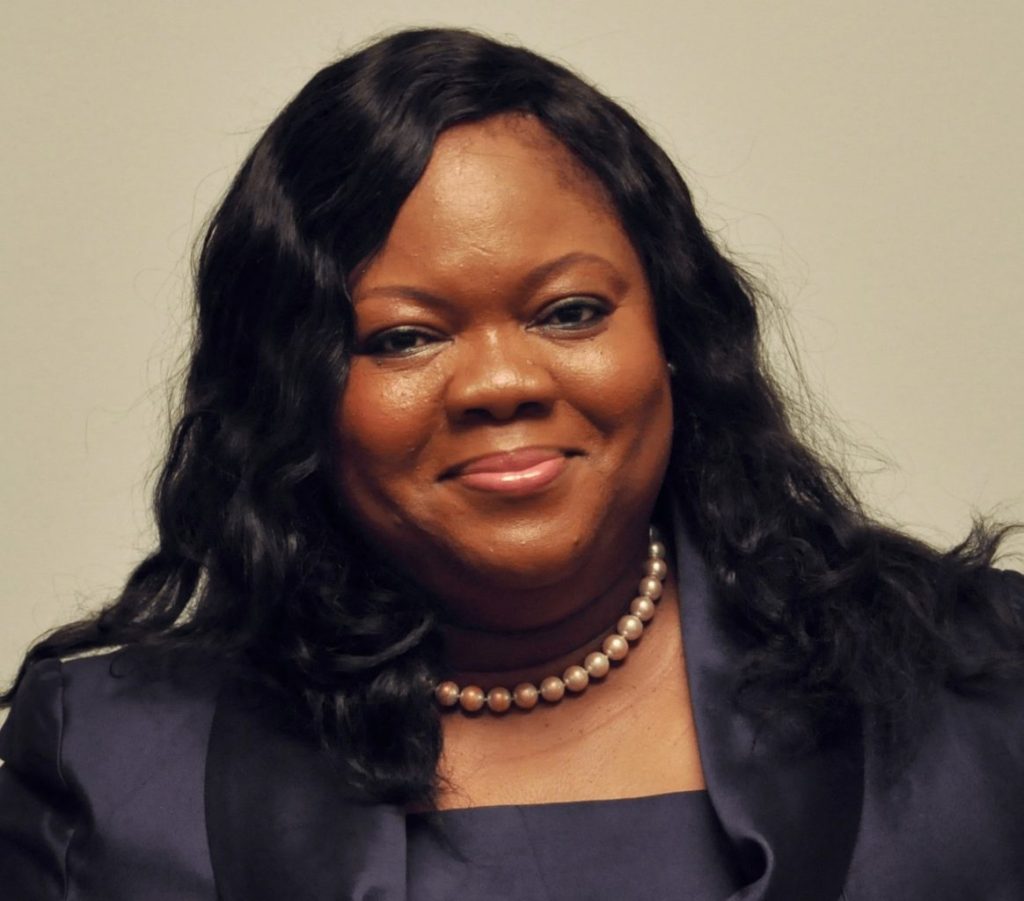
If you’re a #MotherlandMogul and a mom, you know the struggle of finding the right kind of daycare facility for your young kids while you hustle. For Oby Igodan, what disturbed her was that the facilities she came across did not feel like home. Running a daycare can be a profitable business but as a mom, your child’s development is of utmost importance. Looking to start a crèche and daycare that’s a home away from home, Oby launched Home Also Crèche & Daycare. She runs this while also working as a Managing Partner at VIL Consulting. As the children in her crèche grow, she is looking at expanding into a preschool to cater to our older kids who love it at the crèche. Oby spoke to us on the challenges, joys, and satisfaction of providing children with a secure and stimulating experience in a comfortable and relaxed setting. Why start a crèche? While raising my own children as a career woman, I realized something interesting. The facilities I took them to in their early years didn’t really provide the feel of a home environment or afford them the gradual transitioning into the academic arena. A lot of those outfits were run purely for business with little or no consideration for the unique developmental needs of each child. I set up Home Also to identify every child’s uniqueness and help foster proper development. What challenges did you face starting your business and how have you overcome them? Majorly, it took some convincing to get my family to surrender the living room space. In fact, I wanted the entire ground floor of our home to run the crèche. It sounded ludicrous. With persuasion and the knowledge that this was my dream upon retirement, they agreed to let me use the space. Secondly, finding the right staff that has been difficult. My staff has to be well-trained to offer young children —from 12 weeks to 3 years— a fun and educational experience. And of course, there was raising the required capital to start paying staff without having a single child enrolled. Then, paying for staff training while anticipating that it would translate to enrollment. I will say that God has been gracious to me and I give Him all the credit for helping me overcome these challenges. Has it been any difficult working with other people’s children? Actually, it’s been really rewarding and thrilling to have these little angels kept in our care. We feel that their parents trust us and we must guard that trust jealously. We’re grateful that they trust us enough to leave us their babies at such tender ages. Some are as young as 3 months. It’s a vote of confidence that we uphold. From your experience, what does one need to have covered to open a crèche in Nigeria? First, ensure you have the passion and the required aptitude for the business. Then, good, knowledgeable and experienced staff. A safe, secure and hygienic environment is also very important. Be sure to meet the requirements of regulatory bodies. And of course, there’s the all-important start-up capital. What keeps you inspired in hard times? My life has been dotted with ups and downs. Through it all, God has helped me. The knowledge that I have a father who loves me gives me inner strength to weather storms. His mercy and grace have brought me this far and will see me through the years ahead. When it looks like there is no way out, the voice inside will read out relevant scriptures to give me confidence and hope. That’s just it. On occasion, I’m inspired by stories of people I admire. People like Joyce Meyer, Stormie Omartian, and Oprah Winfrey. If you weren’t running a crèche, what would you be doing? If I wasn’t running a crèche, I would be working full-time running a consulting firm. This is something I am engaged in at the moment, but on a part-time basis. It’s called VIL Consulting and it’s a homegrown management consulting firm set up by a team of experienced professionals. We have the best from businesses and institutions who help to provide expert advice and assistance to clients. I participate as a managing partner, providing the required strategic direction for my partners. My daughters always tease me about all the business ideas I constantly go on about. So, if I didn’t have my hands full with two start-ups at the moment, I’d be working on starting another. You see, I need to prove to them that mummy’s not all talk! If you’d like to share your story with She Leads Africa, let us know more about you and your story here.
5 business lessons we can learn from Gabrielle Godwin
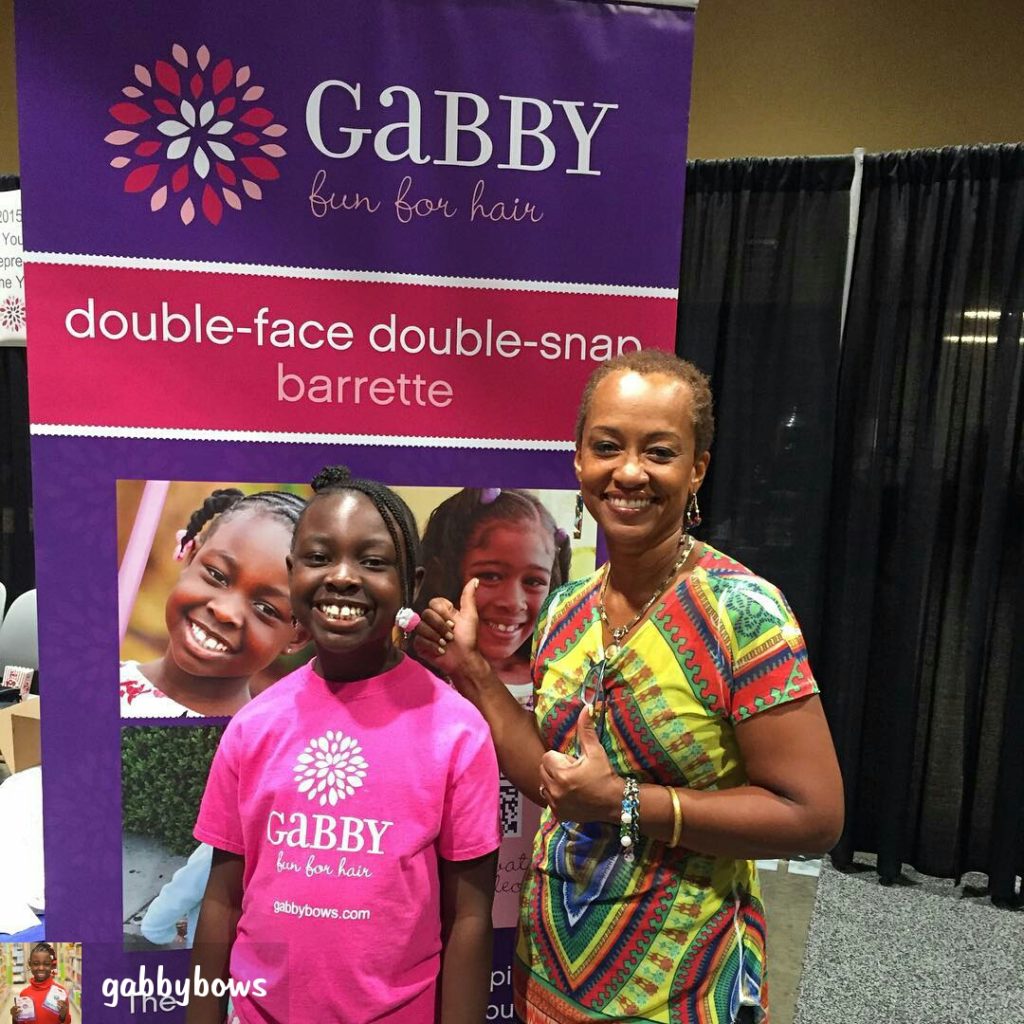
Gabrielle Godwin is the 9 year old CEO and president of Gabby Bows. She also hosts “Gabby Play Dates” for young girls in shelters where she teaches them about entrepreneurship. Imagine that! I know most of us weren’t thinking about entrepreneurship when we were in primary school. Gabrielle is in the fourth grade and recently raised $28,000 to fund her accessories business. I say she has quite a few things to teach us, like… 1. Age is only a number Gabrielle started the hair accessories business at the tender age of 7 with her mother. Having always had trouble finding hair accessories that would work for natural hair, she came up with the idea of “Gabby’s double-face double-snap barrette”. Most entrepreneurs use age as an excuse, claiming that it hinders them from making the necessary moves. Think of Gabrielle next time you think you’re too old or too young to get started in business. You’re not. 2. Crowd funding The need for better designed barrettes with wide colour ranges, as well as more products to meet rising demands, prompted Gabrielle to use crowd funding. The young business woman received support from numerous backers and raised $28,000 using Kickstarter. Her business idea raised a lot of interested backers who were ready to fund the project, not just based on her age but also on the viability of the business. 3. Identify a need Gabrielle’s own personal experience with the inadequacy of the available accessories for natural hair led her to think up a design the will solve the problem. Statistics show the the feedback on the product —which provides services in over 48 states in the U.S. and 8 countries worldwide— are encouraging. Gabrielle tapped into this gap and made some serious business out of it. With the rising awareness of natural hair, more families are on the look out for products designed specifically to suit our hair. 4. The importance of support Gabrielle constantly gushes over the support she receives from her family and others. This has enabled her to grow her business. She has indicated that the fact that her family believe in her business going to the next level has been very encouraging. The need for a strong support team cannot be overemphasised in business. Family members, friends and peers make for a good support. 5. Giving back Heard of writing personal thank you notes to clients? This helps to keep the clients happy and make them feel special. It’s also one way of giving back to the people who have helped your business. Gabby gives back to the community by teaching young girls in shelters about entrepreneurship. She encourages them on starting easy by using herself as an example. Since launching her business, Gabrielle has had the opportunity to speak at business events and was awarded the South Carolina Young Entrepreneur award in 2015. It is really never too early to start!
Nse Ikpe-Etime: 5 things to learn from the actress’ beauty startup

Last month, award-winning Nollywood actress, Nse Ikpe-Etim started her own beauty line, Eden’s Theory. She liaised with a UK-based company to launch a homemade beauty product line and founded it with Victoria Thomas, an award-winning filmmaker. Nse is following the footsteps of several other famous actresses and singers who’ve made the move into the beauty industry, including Queen Bey herself. Now, you may be asking, why is Nse or all other enterprising celebrities taking this leap? Here are a few things to learn from her wise business venture. Play on your strengths Being an actress, Nse is automatically in the beauty industry. Her celebrity status thrusts her with responsibility and women on the continent look up to her. Photo shoots, films, award ceremonies, you name it, she’s probably been to dozens of these and for each event, she has to step out looking her best. The beauty industry was a shoo-in for her in this sense. She’s already probably used several products to maintain her glamorous appearance and therefore understands what works and what doesn’t. In an interview, she said: “People always ask about my skin and hair. Many of them assume that I use very expensive products, but I have actually always used natural oils and butters. With Eden’s Theory, you get to retain the best bits of African butters while oozing some of your personality into a product of your choice.” She already knew she had a ready market waiting and so she took the bull by the horn. It’s best to venture into areas where we have some experience. Sure, challenging yourself is fine, but, especially in business, it’s best to get into an area where you have experience and passion. Don’t be a one-trick pony By venturing into this business, Nse is distinguishing herself as a #MotherlandMogul who can do more than just act. This is a bonus as it sets her a bar above her current occupation. In this century, career and occupation are not set in stone. What Nse is showing us is that you can follow several passions —all at once. She also has a family, so #MotherlandMoguls that’s clearly not a reason for us not to pursue our dreams anymore. Business is for everyone I think most of us grew up with the notion that certain people were made for certain things. Not being ‘good in math’ is hogwash. Business is something that everyone can succeed in, as long as you venture into an area you have a passion for. As an actress, Nse did not limit herself to the entertainment world. In fact, she leveraged her popularity to get press coverage for the launch and to advertise her products. Beauty and brains are virtues we can all have. They are not mutually exclusive concepts. And in the business world, what will ensure your success is not whether or not you remember what logarithm is. It’s whether you are willing to put in the effort, blood and sweat to see your venture grow. Your past builds you Before becoming an actress, Nse was in the broadcasting, banking and retailing industries. She took some time to find her niche as an actress. Evidently, this has proven to be an advantage for her. Her experience in broadcasting has given her some needed PR knowledge to showcase her product to her audience in the best way possible. Her stint in retailing gave her some business know-how on business. I guess that’s not something she learnt as a Theatre Arts student at the University of Calabar. Whatever your side hustle or full-time job, as you climb the ladder to self-discovery, never dismiss the process. It may very well be what defines you in the future. Your friends are your greatest strength Nse co-founded her beauty line with a friend, Victoria Thomas, a successful filmmaker in her own right. These ties were probably made in their mutual stake holdings in the film industry. This goes to show that as #MotherlandMoguls, we really ought to pull each other up. Partnering in business is a very good way of doing. Different personalities tend to bring in different strengths into the overall success of a business. As you contemplate that business idea and start work on your business plan, keep these lessons from Nse in mind. They might give you more ideas on how to become that big shot CEO of a business empire.