
The Omotola way: 3 lessons on work and life

The Omotola way answers a basic concern. As a woman, the one question that has or will cross your mind is how to pull off a successful career and a happy family all at the same time. This is a question that does not seem to bother the opposite gender so much. Anytime we see one woman doing it well, it’s always a wonder how exactly they do it. Omotola Jalade is one such woman; with 300 movies under her belt, several awards to boast of, a music career, philanthropy, four beautiful children and a happy 20-year marriage to boot. This is definitely one woman that works hard and has got everything to show for it. In many ways, Omotola exemplifies all of the advice I have received about life from many different corners. Let the countdown begin. #3 Success follows hard work For the number of movie appearances that she has made, coupled with her modelling and music career, not to mention her philanthropic activities, Omotola has had to put in a lot of man hours. Omotola seems to prove Malcom Gladwell’s 10,000 hour rule for perfecting your craft. In one article, she told how she went back to work barely a month after her first child was born. While some might frown at this decision, it would seem Omotola knew all too well what she needed to do to get her career going. #2 A happy family is a woman’s real success Omotola has never been shy about showing off her beautiful children to the world. If the support she receives from them is anything to go by, then she must be doing something right. A major piece of advice that I have never forgotten was from one of my aunts who told me that there was no such thing as a super woman. You can’t really pull it all off without making decisions that create room for you to do so. Omotola shared with Ndani TV that one of the ways she was able to put in the needed time in her career was because her children were in boarding schools. It gave her time to focus on her career and trained her children to be independent. Having her children at a young age also seems to have worked to Omotola’s advantage. She also says that she is not shy about disciplining her children as she was when she was growing up. Her tough mum act has produced some exemplary children who are off doing great things even at their young age. #1 It matters whom you marry ‘’Your spouse can break or make you career, so it matters whom you marry.’’ One of my mentors told me that once. Omotola says that her husband has been her biggest supporter; 20 years into their union, it is no wonder she has been able to make such great strides. Matthew Ekeinde, himself a busy and successful pilot, has not failed to give his wife the space she needs to grow in her career. In an interview with the Daily Mail, Matthew said he has never been threatened by her success. He, in fact, met her when she had just one movie under her belt and he has seen her rise in her career. These lessons from Omotola inspire on balancing work and life. What more lessons do you think Omotola can teach #MotherlandMoguls?
Looking into the stylist profession
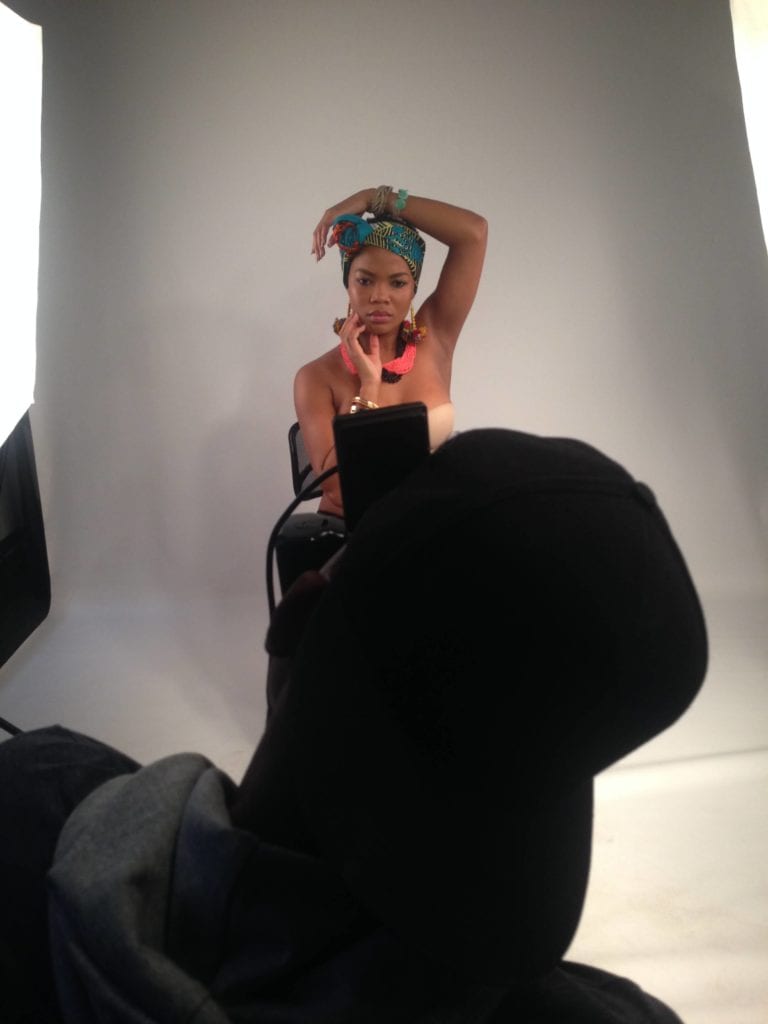
Style can be defined as; a distinctive way or method that a particular item is worn. As life would have it, not all of us are great at style, which is when stylists come to the rescue. Being a stylist is fast-becoming one of the quickest emerging careers of the fashion professions. Stylists generally source, borrow and return clothing (if not bought) for various jobs. Most importantly, stylists are there to show how the clothes should be worn. Meaning, whether a shirt should be tucked in or not, sock folded or scrunched, top off the should or not, which turquoise clutch suits a look better etc. Their jobs vary, from styling photo-shoots, events, TV-shows, music videos and celebrity appearance, just to mention a few. On these projects/jobs, they often work hand-in-hand with hair-stylists, make-up artists and designers to put together complete looks. How it works How it works is that a stylist will decide on a style or theme for the specific job then start sourcing items for it. While sourcing, there may be some boutiques or clothing stores that require a deposit to hold. This is as a form of security should the clothes not be returned or come back damaged or dirty. Others require a payment and refund when clothes are returned, while other boutiques and stores may loan clothes free of charge. Once everything has been collected for the job, the stylist will ensure that they get to the client on time, in good shape (ironed, clean, no missing buttons etc) and are ready to be used. The stylist will also source shoes and other accessories to complement the looks. Stylists can work in various publications such as magazines, on a permanent or freelance basis, where they source items for editorial photo-shoots or write articles on latest trends, personal style, do designer features and so forth. Some stylists work with models and actors on set when recording films, soapies, adverts and so forth. They co-ordinate the clothes worn and may help with props as well. Another option is wardrobe styling where stylists work one-on-one with the client in order to get rid of clothes that are no longer worn, source new ones and arrange them in such a way that everyday dressing becomes easier for the client. Show styling is another option, where the stylist will dress all the people going on stage. For example, hosts and award announcers will be styled by the stylist. One very popular profession would be celebrity styling, which is done by stylist who dress celebrities for all their appearances. Another interesting career option is Brand Consulting, where a stylist can be hired to style a collection by showing the client how it can be put together to achieve various looks for the advertising campaigns, websites and all other media. How to become a stylist So, how does one become a stylist? Having a fashion-related degree would be a great start. If you’ve studied something else and wish to start a career in styling, you could easily; Start off with trial shoots, where you work with a team that is shooting, by helping around. This will be the start of you building your portfolio. Although some companies may not want to pay, due to little or no experience, you could work for free or reach a compromise with them and request that the company at least cover your petrol/transport expenses. Build a contact book by building relationships; this will go a long way especially with referrals and word-of-mouth being such an effective marketing tool. Lastly, advertise yourself and services that you offer. Have what you do in you your social media bio’s along with an email address or phone number that you check regularly. The skills you need to become a stylist These few points could go a long way, but there are some skills that you would definitely need as well. They include; Having an eye for detail really goes a long way. Being organised will help with deadlines or when you’re working on more than one project. Doing your research when meeting with clients. Be it for a certain era, colour or mood, you will need to be well-prepared. Being aware of latest trends and styles. Also knowing when and how to use them and also, when not to. Knowing how to conceal body flaws (should the client wish to do so), or how to accentuate them, should the client want to. Having patience for when business is quiet and when clients keep sending thing back and are not happy. Being well presented, in dress, speech and how you are in general as you are a walking portfolio.
How to get started in PR with no money, no clients
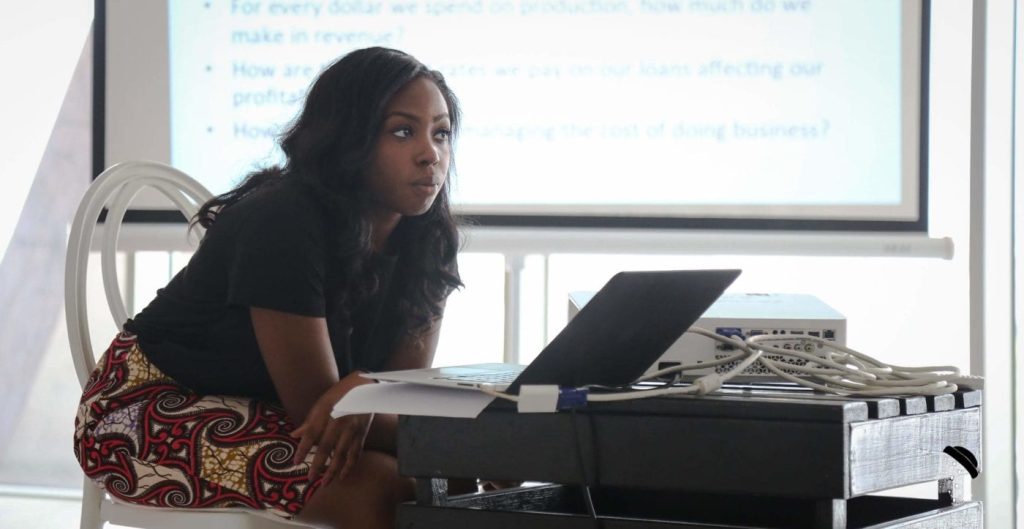
There’s a long list of business ideas that we willingly admit are hard to pull off without money, connections and clients. PR is one of them so when we got an opportunity to talk with Sasha Robyn who co-founded a PR company before starting BlogChatSA, South Africa’s first exclusive online bloggers show. Sasha’s I-may-be-a-rookie-but-I-can-do-it stance has helped her and we think it can help you too. Here’s Sasha’s easily replicable winning formula for getting started in PR. The skills you need In order to succeed in the PR industry, you need to acquire skills that will help you grow and stay grounded in the nature of the business. These skills are Leadership Communication Research Writing Creativity Most important is the last one, creativity and perseverance. While it’s still debatable whether perseverance is a skill or a trait, it’s needed to keep you on track and ensure success. Then comes the somewhat cliché word for Motherland Moguls; passion. You’ll need a strong drive to put in and offer your best to your client. This will set you aside from any other PR agency. As for the resources, get a laptop where you can create a clients’ database. This will be a list of people to whom you render services. A laptop will also help you create the social media strategy you’ll be needing to grow your company. Setting up a PR agency with no money Apparently in PR, money is not always needed to get your company off the ground. Sasha advises that an easier way to branch out into PR and make yourself known is to build on relationships and valuable contacts. Then, create an online presence for yourself and/or your business. Your business will not flourish or draw interest from the broader public if you do not make use of social media platforms. They assist in driving the business and bring clients to you who are in need of the service that you project online. When you build a website for your agency, make sure you keep it professional and simple. Getting started on networks Networks in business are important as they form part of the driving success of the business. In PR, your business thrives off the services that you provide to your clients. According to Sasha, how and where you connect with people will determine the success and efficiency of your business. Attend events/seminars that would allow you to network with people. Consider engaging in public speaking as this would allow you to brand your company on a word-of-mouth basis. It’ll also make it easy for clients to connect with you and/or your business. Source for people who have experience and knowledge in PR and can assist you in building your brand. Do your research on companies/people and the media (depending on your interest in the field). Sasha’s 5-step plan to break into the PR industry It takes a lot of dedication and determination to make your mark in PR. Whether you want to launch your own agency or find a job with another agency, these steps will help. Understand the media universe, including social media Find your niche/product/service Education/training Research local PR Agencies: learn their culture, areas of focus and how they functions. Network, Network, Network Hey South African #MotherlandMoguls, the SheHive will be in Johannesburg from November 3-6. Find out more here.
5 tips to make the most of a slow day at work
When the big conference is over or the quarterly sales report is in, then comes the slow day. Everyone in today’s workplace has moments of downtime every now and then —as you probably do if you’re reading this. But forget #NetflixAndChill, it’s time to #HustleAndChill. Even if you’re excelling at your job, now isn’t the time to rest on your laurels. Use these slow days as opportunities for self-improvement by checking in on your goals rather than your Facebook or Instagram. Here are a few tips for what to do when you find yourself with a few extra hours on your hands: Plan ahead You know how your boss lovingly exclaims, “What would I do without you?” Make sure he or she is prepared for the unexpected sick day or your departure for a new position by drafting a detailed list of your daily, weekly, and monthly activities to ensure that your successor will be well equipped to follow in your footsteps. It’ll also help you avoid forgetting the little things like sending a check for a vendor or drafting invitations to an annual event. It’s never too early to start on hand-over notes —it’s easier to remember what you’re doing while you’re doing it rather than racking your brain as you’re headed out the door. (You’ll also earn brownie points from your boss that will help you maintain a good relationship even after you’re gone). Learn As the saying goes, “good things come to those who hustle.” Got your eye on a raise or promotion? Take this slow period as an opportunity to learn a new skill or hone a weak one. If you increase your value to your company, your employer will be more likely to reward your efforts. Sign up for a webinar, listen to a podcast, or take an online class from sites like Coursera, Skillshare, or edX. Interested in shifting to another role? Visit other departments and learn about their work. Even if your colleagues only need help with menial tasks, they’ll appreciate the favor (and be more likely to return it when you’re in a crunch). Organize To maximize your time when things are busy, set yourself up for success by organizing your paperwork. Organize your online and offline space by saving those client emails that you took hours to draft, filing feedback on projects that you can reference during your next feedback session, and making sure your work space is tidy. A clear space leads to a clear mind. Connect Having a good reputation in your field is part performance, part visibility. According to the Harvard Business Review, “workers are happiest in their jobs when they have friendships with co-workers.” Take advantage of your free time, and follow up with other industry professionals as well as current and former colleagues. It’s an opportunity to build trust and camaraderie at work, but also learn more about what’s going on at your company and in your industry. Grab lunch or coffee or simply spend time acknowledging the contributions of those around you with a handwritten note —old-fashioned gestures are always appreciated. Daydream In today’s competitive global economy, people are being paid more to think than to manufacture. So along with your A-game, it’s time to bring your imagination to work if you’re gunning for that promotion. After all, Archimedes had his “eureka” moment in the bathtub, Newton developed the theory of gravity while lounging in his mother’s garden, and J.K. Rowling came up with Harry Potter while staring out a train window. Now, imagine if those people had been new deep in the drudgery of paperwork or catching up on email. Studies show that daydreaming indicates an active mind more open to creative breakthroughs. Creativity is about thinking outside the box, so put away the phone, turn off the monitor, and let your mind wander. You might just come up with the next game changer.
Some things have to take the back seat: Balancing work + life #SheHiveLagos

Although undoubtedly one of the most fun events of the year, SLA’s SheHive is also one of the most informative gatherings for smart African women. This weekend, the city of Lagos pretty much exploded thanks to #SheHiveLagos. We could wax rhetoric about all the wonderful ways you can achieve some balance, but let’s be real. At the end of the day, you need a way out of those particularly uninspiring mornings where you just want to give up on everything. To help Motherland Moguls shatter glass ceilings across all industries without breaking a sweat, Arese Ugwu, founder of Smart Money Africa, Nimi Akinkugbe, founder & CEO of Bestman Games and Nibi Lawson, founder of The Kinky Apothecary gave the best advice ever. You’ll need to bookmark this! What is balance to you? What does it mean to be able to balance work with life? Arese: I believe in balance but not in the way most people view it. I spent a lot of time in my 20s trying to find balance. But you can’t have it all put together all the time and that’s fine. You should be able to focus on your career and not feel guilty. Learn to live with it. Find out what best works for your lifestyle. Nimi: I have never had total balance in my life. Some things have to take the back seat and that’s totally okay. Don’t knock yourself out on everything. You can’t insist on micro-managing everything. Nibi: Find out how things work with you. Compartmentalize them. Do things at the time you’re able to and when at your best. As busy women, how do you cope with handling personal responsibilities? Arese: There are times when my daughter says, “Mummy, you work too much”. I used to feel bad but I found a way to make her understand that my working hard is tied to the quality of life I am able to provide her. Now, while she’s doing homework, I work. This works for us as we have a routine for homework, conversations and play dates. Nimi: Guilt trips are real. Most times, I’m not able to do school runs but I’ve found a way around that. I decided on 3 days, a week. Support systems are also critical. You need the help of friends, siblings and a spouse (if you have one). My mother-in-law is my greatest support. She kicks in just when I need her. Nibi: I’m not married yet and I feel guilty about not having time for my friends (and weddings). But I find ways around these things. Priority is key. How do you decide on what to prioritize? What models do you make use of? Arese: I think everyone has to learn how to say, ”No”. It’s really that important. If you have to spend all day responding to emails, DMs and tweets, you will never get work done. How then do you pay your bills? I remember being on a board where their expectations for my responsibilities were quite different from mine and of course, I politely declined. Figure out your priorities and focus on them. Nimi: I have a broad picture of what I do. I don’t have idle time. And yes, even my thinking time is planned! I’m definitely not one to attend four weddings and a funeral on a Saturday. It takes a lot to juggle family, friends, business and a career but you can’t sit and worry about how hard it is. You’ve simple got to prioritize. Nibi: My hair business started as a hobby but even as a banker then, I had to decide between the two. You simply have to be courageous enough to decide what you need to do. Looking back at your 20s, what would you have done differently if you knew better? Arese: Maybe I would have gone harder on building my career. Ladies, balance should not exist in your dictionary. Understand that this is a time to build yourself and go hard on yourself. Nimi: Financial knowledge and discipline are very important as a lady in your 20s. Also, develop yourself and don’t wait for things to happen. Nibi: In my 20s, I waited for suggestions on what to do but now, I would say, do you and be focused. How do you manage people’s expectations of who you are with who you really are? What drives your desire for success? Arese: What drives me fundamentally is my child. I want to be successful so I can provide her a better life. And so, I don’t keep friends or people who question my drive and desire for success. Nimi: It’s about purpose. That one thing you love and won’t mind doing for free. Gradually, you would make money out of it. Nibi: I’m driven by success itself and I try to hang around smart and driven women who motivate me to great heights. Final words to Motherland Moguls Arese: If you haven’t found your purpose, that should be your priority right now. You know those issues that make you argue on end? That’s probably your passion. Start thinking of a way to make it work. Your awesome, smart, and lucrative idea isn’t going to achieve itself if you don’t start doing something about how you’d make it happen. Nimi: There is so much abuse of everything these days. So look after yourself, exercise and diet properly. Give back. Have social empathy —think of that one thing you can do to change lives. Nibi: Your health is very important. If you’re not healthy, you can’t be talking of success in business or career. You can’t afford to be ill when there is money to be made. Taking a whole lot on yourself can make you flounder out somewhere along the way.
3 things to consider before changing jobs

So, maybe your current employer is not bae or you have another suitor knocking at your door. Whichever the case, there are key elements you need to look at before jumping ship or looking for greener pastures. These elements might be in your best interests in the long run. 1. Is it in line with your future goals? Compensation and monetary benefits are always, most likely, our first motivating factor when looking for a job. However, once you do get a career that pays you more than peanuts, you might slowly realize you are not really cut out for it. Especially if you are not meant to be in that field. You will be comfortable for a few months but that itch to leave will come back sooner than you can say rands and nairas. When looking to changing jobs, you might want to look at what you really want to do with your career path. Think beyond your current needs. 5, 10 even 15 years from now is that better-paying job something you would still want to be doing then? Is it in line with your values and vision for your career? Have you even thought about your career beyond your current situation? Evaluate your career choice and what you want to do before putting cheddar first. 2. Is it flexible? Sure, it’s cool to occasionally spend an extra few hours at a job, finishing off a project. But you may never realize the time constraints of a new environment and new responsibilities. If you have aspirations of starting other side hustles, you have to give it a lot of thought. Will a new job allow you to be able to push the passion projects you have on the side? Beyond the obvious benefits of a new job and the fringe benefits, you need to consider your own development and growth. Will you have time to pursue a short course, start a business, read SLA articles or listen to a webinar? Your time is an asset that is more valuable than you think. Consider your current projects and if your new job would allow you to still fully commit to them and their success. You have to know what you value as important before making the big leap. 3. Will you grow? Yeah, you want a new job cause you get to work in a company your mom has actually heard about and will be able to tell her friends about without embarrassing you. However, some employers will not necessarily give you the growth opportunity you are looking for. You might not be able to flex your creative, innovative or strategic muscle if you are a small cog in a big machine, even if the machine isn’t that big. You want to be able to move to a career that will allow you experiment, learn and grow and hopefully apply your expertise. This is not always ideal or realistic. However, you do not want to end up feeling stunted and unappreciated which is bad for both you and your employer. Consider asking people who already work for that employer about their experience. Ask about the opportunities available for growth and if they consider employees an important asset. Thinking about it first and laying your options beforehand will definitely help you. You’d be able to make a more informed and prepared decision than if you had not. Happy job hunting.
“Do, Be, Give”: How three simple words sparked a quiet revolution in my life

Like most, I had heard of the book “Eat, Pray, Love” and found the concept intriguing. However, I had never had the inclination to read it up until a few months ago. I was catching up with a friend one afternoon when she told me about someone she knew who recently quit a corporate office job in New York and embarked on a 3-month journey to Europe and Africa to relax and regroup. What made her story even more interesting was that she had decided on a theme for her trip : “Do, Be, Give”, drawing inspiration from the life-story in the book. I was going through a turbulent time in my life. Unsatisfied with the way things were, hearing this story gave me the impetus to make a change. I decided to also read the book and later went on a 3-month journey of my own. I would like to share my experience with you. DO When I started my second Master’s degree in 2013, my goal was to land a job as a consultant at the end of the program. I applied to pretty much every consulting firm in the greater Amsterdam area and was met with either a rejection email, or —worse still, silence. Self-doubt began to creep in: maybe I was too old, maybe I lacked a business background, maybe I was handicapped because I didn’t speak the local language, maybe I had picked the wrong major. With every rejection came new forms of doubt. I landed a job as an analyst for a healthcare non-profit and for a while I got sidetracked from pursuing my original goal. My job was good enough, but I always had this nagging feeling that I wasn’t where I was supposed to be and I wasn’t doing what I ought to be doing. After I decided to act on the “Do, Be, Give” concept, I decided to step out of my comfort zone and resume applying for consulting jobs. One day, out of the blue, I got a text from a friend about a job with the United Nations. Though I felt like it was a long shot, I applied. A little over 3 months later, I am packing my bags for a two-year adventure as a consultant for the UN in Zambia. Challenge: What’s the one thing you’ve always dreamt of doing but haven’t gotten round to yet? Do you dream of starting a business, traveling the world or going back to school? What is stopping you? If money and time weren’t obstacles, what is the one thing you’d do with your life right now? Focus intently on your goal, let the attainment of it motivate you daily and have the courage to go for it. BE In a previous article, I talked briefly about my struggle with depression. For me, this disorder is like knowing the sun is shining but not feeling its warmth. It has not only affected my mental and emotional state but also my physical and social well-being. Alongside therapy and support from friends and family, I chose to start medication during an especially tough period last year. This helped for a while; I was able to get through the day but on the flip side, I felt like my life was on mute. I could finally see all the colours but I couldn’t hear the music. Even though I no longer felt sad, I didn’t feel happy either. For the “Do, Be, Give” challenge, I have made the decision to wean myself off of medication* because I feel I am at a place in life where I am stronger, both mentally and physically. I want to know how it feels to be free from medication: to eat and sleep “normally”. It was a huge, scary step. I kept asking myself; what if I failed? What if things became worse again? So many what-ifs. I prepared myself for the unknown and took a leap of faith. So far, so good. I feel free and some days, I am happy. Other days are still a struggle, but I’m getting to where I want to be. This experience has strengthened my self-confidence, and ability to think and act in my best interests. Challenge: Who are you are now, and who do you want to be in future? What do you need to do to become that person? Any limiting self-beliefs you need to let go of? What truths do you need to embrace to finally inhabit the state of being you have been dreaming of? GIVE For a long time, I toyed with the idea of starting a non-profit organisation. I wanted to help improve the lives of others in a meaningful and engaging way. I knew what I wanted to do, but couldn’t do it alone. A close friend got married this year and I had the privilege of being one of her bridesmaids. As fate would have it, one of us turned out to be a young doctor with a passion for non-profit and youth development. I went out on a limb and shared my vision with her of wanting to create an NGO based in Nigeria. She embraced the idea wholeheartedly and this is how, Give Girls A Chance was born. Our goal is to provide educational and mentorship opportunities to girls from disadvantaged backgrounds so that they too may enjoy access to and benefits of quality education. My working on this project has given me a new friend and a co-visionary: we are one inch closer to seeing the manifestation of our dream. Challenge: What change do you wish to see in your community and in the world? Are you willing to give up something to see this dream become a reality? Your turn If there is something you’ve been meaning to do, find the courage to do it. If there’s a state of being that you’ve been meaning to inhabit, find the fortitude to embrace it. If there’s a cause dear to
5 R’S to recovering from a career setback

Have you recently experienced a career setback? You are in good company. I sincerely believe setbacks are proof that you are alive and working at achieving your goals. Think about it, if you had no goals, no end in sight, how could you suffer a setback? Everyone has suffered a setback(s) at some point in their lives, but the ability to move on positively, is what differentiates one person from the other. I have suffered a number of setbacks as a professional (which I have bounced back from) and I would like to share with you my five practical R’s to recovering from a career setback. Relax Relax emotionally and physically. Cut yourself some slack by relaxing mentally and emotionally. We are often our own worst critic. You might have made a wrong decision, but you still have all the skills, talents and strengths you possessed before the career setback. Relax physically. Do something you love or something that gets you excited. Read a book, watch a movie or go for a leisurely walk. Pamper yourself. Go for a pedicure in a nail salon that is equipped with a massage chair. Tres relaxing! While you are at it, get your nails painted. I am pretty sure you will leave the salon relaxed and in a better emotional state. Reach out You may also need to draw strength and encouragement from your support team, which typically consists of family, peers, friends, mentors and coaches. So my question for you is: what kinds of support do you need right now? Are you at a point where you feel all hope is lost? Reach out to someone that can lend a shoulder to cry on, but still encourage you to move on. A little comic relief won’t hurt either. Are you confused and uncertain about how to proceed? Reach out to someone that has an analytical mind and can offer suggestions on how you can bounce back. Reflect You also need to take time to reflect on and learn from the setback. Could you have done things differently? What can you do to prevent or reduce the chances of a reoccurrence? Do you need to improve your skills or take a course? Try listening to or watching a TedTalk or Tedx Talk for inspiration or seeking advice from a mentor or coach, if you are drawing a blank. Resolve Resolve to do all within your power and reach to bounce back. I am in love with the rubber band person concept by John Maxwell. According to him, a rubber band person is someone who no matter what happens to them, always seems to bounce back. They are resilient people. Deciding to move on from a setback is a conscious decision or a series of conscious decisions. Resolve to be a rubber band woman, a resilient woman! Re-imagine Re-imagine your future, positively. Imagine sharing your story, after you have successfully bounced back, with start-ups, mentees or junior professionals in your community and inspiring them. Imagine giving a Tedx talk. Try to paint a positive mental picture of your desired future; it will inspire and strengthen you. Finally, remember, a setback is exactly what the term suggests; a temporary interruption or delay in progress. Don’t let a career setback define you, learn from it and move on stronger and wiser. Best of luck!
4 lessons Tiwa Savage taught us on comebacks
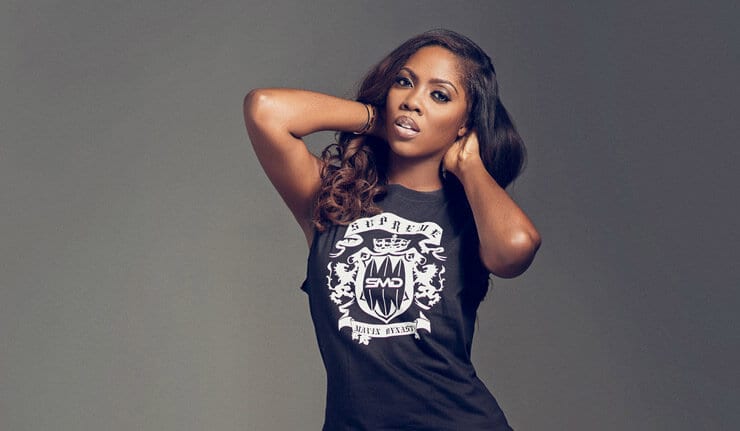
It now seems so long ago. Sometime in April, we woke up to a rather unexpected hot-button topic —the messy detail of troubles in Tiwa Savage’s marriage. There were mind-blowing accusations on social media by her estranged husband. A tell-all video from Tiwa was to follow the next day. We already knew the 36-year-old Nigerian pop diva could make any song sound heavenly. But for someone who seemed well put together, we didn’t exactly see this coming. In case you’re one of the handful who hasn’t realized yet, Tiwa has got her groove back and she’s clearly on her grind! I have gleaned from her setback and triumph, 4 hard-hitting truths. They are guaranteed to stick with you for a long time. Challenges have a way cooler purpose than you ever thought. This is probably relative but this attitude is the most important you can develop in life, business or marriage. Seriously, challenges can sneak up on you and make you feel like the worst person alive. The idea is to realize that though it might take a lot of courage to look pain in the eye, it’s best to trust that it is a learning opportunity. If you’ve never had to crack some tough nut, have you really lived? I don’t think so. Know when you’ve had enough… and start talking like Tiwa. Like the message in the ‘If I Start To Talk’ song, off her RED album, maybe it’s time you realized you’ve had enough and started talking. You’ve probably been silent for too long. You don’t have to talk to anyone but an extra set of ears can be very useful. You probably think no one would appreciate, understand or help your plight (I find that pretty rare), but it can be a lifesaver to have someone know your story. Dust yourself off Tiwa’s got some interesting deals and endorsements going on, right now. The most recent and coolest, of course, is her being signed to Jay Z-owned Roc Nation! That’s some great trick for moving on —deliberately re-enact your own story. It makes for good business and helps you avoid having to obsessively dwell on something you cannot help. You can always decide the turning point in your own narrative. It is that moment when everything changes or catalyzes. Play the stingy one if you must Maybe you’ve been doling out cash to that lazy business partner, spouse, friend, family member or people whose link to you, you can’t fathom. No sweat girl, the giver tag to your name is fine. But the broke, unappreciated and unhappy tag is not so fine. If you find yourself in a position to offer help, by all means, do but it should really be worth it.
Noluvuyo Cakwebe: There’s much more to fashion designing than fabric cutting

When thinking about a fashion degree, the popular career choice would be being a fashion designer or seamstress. But there are many more than that. Over the next few weeks, I’ll be unpicking this industry along with its various career options. I’ll be shedding a little light on each career option in this industry. I ‘e-met’ (met over email) Noluvuyo Cakwebe earlier this year when I was sourcing clothes and shoes for a photo-shoot. Her willingness to help, without knowing me from a bar of soap was amazing, I couldn’t simply forget her! Of course, when I started this journey of finding out more about this industry, I immediately thought of her! When Noluvuyo isn’t in the kitchen, (which she loves), cooking up something delicious to share with her friends and family, she tries to keep up with her love of running. She enters as many running events as she can. And in the few minutes she has for herself, she is always sewing up something for herself or her friends. My series of articles on fashion-related careers is aimed at educating people about the various career options they have with a fashion qualification. Would you say that someone who also has a National Diploma in Fashion has other options, besides being a Fashion Designer? Most definitely, most people think that fashion ends with being a fashion designer, pattern maker or fabric cutter, but it is broader than that. One can go into procurement —buying, sourcing, retail planning, retail–visual merchandising, sales, store management, personal shopper/stylist, editorial assistant, quality assurance and warehouse assistant/ manager. Yes! Being a fashion designer is not the only option! I understand that you’re a merchandise coordinator. Please tell the readers a little more about your position. I am the merchandise coordinator for the men’s fashion department, at Spitz. My role entails assisting the buyer with raising orders, liaising with suppliers and the marketing department. Also, I manage and receive department samples, compile trends and competitor reports, compile and analyze sales and month-end reports. And how did you get into this career? I studied a National Diploma in Fashion and further completed a certificate in Wholesale & Retail Buying & Planning. I studied at the University of Johannesburg and got my certificate in Wholesale & Retail Buying & Planning at EDCON under SETA. What does your typical day look like? It is nothing like a picture from the Devil Wears Prada! I come in every morning to catch up on emails relating to stock deliveries and due costing for the stock to arrive at the warehouse. Then, I ensure that we are receiving stock at a good margin and good price. I analyze daily sales by identifying good and best sellers (stock that’s selling well or badly) for my brands. Alright and how would you combat the poorly performing stock? How do help them perform better? As much as we try to buy styles based on fashion trends and sales history, it is sometimes hard to nail the sales we project. So we analyze what the possible reasons could be. For instance, it could be a certain style detail that could have been in fashion but doesn’t seem appealing to our target market. Other instances could be price-points. We may just be highly-priced compared to our competitors and need to reduce the price. Sometimes, we may have missed opportunities in allocating stock to the correct stores. So we move the styles to stores that are performing better. With our South African economy and unemployment looking very bleak, would you say that a career in fashion offers the possibility of entrepreneurship for graduates? Yes, I believe anyone can start any business with the use of their hands and minds. One could venture into making simple things such as handbags, accessories, clothing or curtains, to having a business that sources t-shirts, work wear, and small corporate gifts. Nowadays, most people are even making money from blogging in their spare time. Some sell a variety of products over social platforms, such as Instagram and Facebook. However, one should never underestimate the advantage of working for someone. That’s if you have a dream of starting your own business one day. You get to absorb a lot of skills and knowledge. Especially if you are intending on starting a business in the same industry. Experience can go a long way. What would your advice be to scholars who want to follow a fashion-related career? This might sound cliché, but I have always known I would end up in the fashion industry since I was a little girl. You need passion for the ever-changing trends, be creative and highly driven. Being able to work efficiently on your own, work smart and plan your week in order to make necessary deadlines are all important. A sharp eye for detail is required in ensuring that you don’t miss anything crucial. Breaking into the industry is tough and competitive. But if you have a vision of the future, your career journey will be enjoyable and fruitful. Have fun exploring other career paths that you could possibly have an interest in the near future. Never limit your abilities! Do you have any advice for the parents of the scholars wanting to follow a career in fashion? I have always appreciated how my mother supported me, from the day I told her what I wanted to study in varsity (fashion). There is a lot of pressure in delivering what is needed, especially when your child has more than 6 subjects in one semester. They will need support in advising them on how to manage their time, with school and their social life. Parents should prepare themselves for unforeseen expenses for projects and fabrics. With so many activities and promotions that are held on campus, they give your child an opportunity to make extra money. You can find Noluvuyo on LinkedIn as; Noluvuyo Cakwebe. Want to see women you know featured on SLA? Tell us what amazing things women are doing in your communities here.