
Gina Din-Kariuki: Treat your business like you would a lover
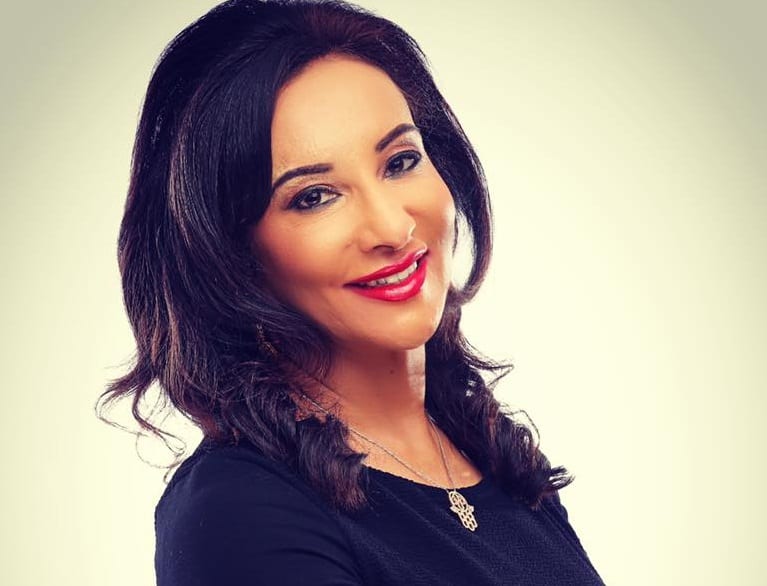
[bctt tweet=”I wasn’t doing what I was doing just to be an entrepreneur, I was doing it to build a life I love” via=”no”] Gina Din Kariuki is a great example of the trade she practices perfecting the public image. An expert in the communications and Public Relations field, Gina has grown her company Gina Din Corporate Communication into the award-winning machine it is today. After 14 years with finance giant, Barclays Bank, she took a leap of faith and decided to be her own boss. The communication agency has been responsible for the strategic PR work for major brands like Kenya Airways, Red Cross, Safaricom and Kenya Commercial Bank (KCB). SLA contributor, Diana Odero engaged with Gina to discover the tricks of her trade and on why she thinks being a boss isn’t always as glamorous as people think. Why did you choose to get into the communications and PR field? I am actually a trained journalist but I have never practiced. After school, I got a temporary job at Barclays handling their shares issue and ended up working there for 14 years. I started off as aPR manager and rose to become Head of Corporate Affairs. After that amount of time, I decided it was time to start my own company. October of this year will mark 20 years since we opened the doors to the Gina Din Group. What has kept you going in this industry for almost two decades? 20 years in October! Quite a feat, it has been an incredible journey, let me break it down a bit for you. Keep evolving: I have always set a high standard for the work we do. There is nothing we do today that will be good enough for tomorrow. We don’t place limits on what we can achieve and keep pushing ourselves further. We have always had people who gave us opportunities. Starting out as a relatively unknown brand playing in the field with only international players (at that time) was challenging. We were lucky to have businesses that rolled the dice and gave us a shot well before I earned it. I am grateful to them 20 years later. Perseverance. The ability to roll with the punches and hang in there even when things weren’t great. To have an inner faith and belief in yourself that tomorrow will be another day. Remaining optimistic is so important when running a business. A great team is indispensable. I have had the opportunity to work with incredible people. Many who came to me with little to no experience but with passion and drive. Treat your business like you would a lover. Give it love, attention and nurture it. Reignite the fire every now and again and always stay relevant. What skills do you think one needs to be a great communicator? You need to know what you are talking about. Obtain knowledge, insight and earn the respect of people in your industry so that you actually know your subject well. Don’t just talk, listen. Focus on understanding what the other person is saying. Watch out for the non-verbal communication. Be open to other points of view. Build relationships. [bctt tweet=”20 years running a communications agency is quite a feat, @gina_din breaks down how she did it” via=”no”] Running a company is no easy feat and you have probably felt burnt out a few times. If yes, how did you deal with it? What do you think is the best way one should deal with that feeling? Of course, I have, as most business owners have. When I do feel a sense of burnout coming I take time to recognize I am human. Sometimes when one is successful we can be perceived as super humans… we can be seen as invincible and never failing. I have failed often and suffered burn out and fatigue. The key for me is to keep evolving as a person and as a brand. As Benjamin Franklin once said, “When you’ve finished changing, you’re finished.” On a personal level, I keep a good balance between work and pleasure. I start the day with quiet time and set the tone for what my day will look like and that really helps in ensuring my mind doesn’t get too overwhelmed. Also, I travel a lot and love visiting new countries and seeing new cultures. I exercise, practice yoga and spend time with loving, supportive people. As an expert in your field, you’ve had your fair share of multitasking jobs. What skills would you advise young business women to have in order to be effective multi-taskers especially when working in a profession as demanding as Public Relations? I like to break things down in blocks so it doesn’t appear too overwhelming and I try as hard as I can to avoid distractions. Being efficient with your time is important when you have to juggle. It’s also crucial to learn to prioritize tasks and delegate what and where you can. [bctt tweet=”What has kept @gina_din going – the ability to embrace success & failure in equal measure” via=”no”] Building an award-winning company from scratch must have come with its various challenges. How did you overcome any challenges that you faced and how would you advise the women reading SLA to handle challenges that may come their way? I have faced many challenges and failures in business and in life but through everything I have found my inner strength and that is what has really kept me going -the ability to embrace success and failure in equal measure. When I first started my business, I took failure very personally but as my inner strength has developed, I have developed the knack of quieting the voice of resistance and stepping outside my comfort zones. I have always tried to keep my spirits high and now fully understand my ‘big why’. In my 20 year journey, I have come to understand you never know what’s around the corner. It can be
Mutsa Majero: There are many companies for self publishing

[bctt tweet=”I am looking forward to highlighting Zimbabwean women who are creating waves all around the world” username=”SheLeadsAfrica”] Thirty-year-old Mutsa Majero has been living in the US for the past 14 years. She is the author of “Meet Chipo”, a children’s book. Mutsa is a licenced Mental Health Therapist and holds a Masters in Counselling Psychology. She took time off in June 2016 to finish her Ph.D. in International Psychology, as well as self-publish “Meet Chipo” and other children’s books. She is the brains behind Zim.Babe.Iwe! an online platform for empowering women and girls as well as promoting literacy. Mutsa has a passion for working with children and as a Mental Health Therapist, she has worked with children and adolescents for the past six years building their esteem and resilience to get through difficult times in their lives. What is Zim.Babe.Iwe! all about and why the name? The name is inspired by two things, my love for Zimbabwe and for women. It’s a play on Zimbabwe with an emphasis on “babe” or women. It’s a brand created to promote literacy and women empowerment. “Meet Chipo” was published under Zim.Babe.Iwe! and at the moment I am looking forward to highlighting Zimbabwean women who are creating waves all around the world and doing big things. That is where the Iwe! comes in, it’s women who have people’s heads turning and doing big things and have people saying, “Iwe!” Why did you decide to start a series of children’s books? I always knew I wanted to write a book but felt like I didn’t have the time, until one day I just decided to do it. My love for education, reading, Zimbabwe and young girls also built on this decision. Growing up my parents put a lot of emphasis on reading and for that to continue and for me to pass it on, a children’s book was ideal and I knew a lot of people would be inspired to read. I wanted Zimbabwean children and non-Zimbabwean children growing up in the Diaspora to have a feel of life in Zimbabwe and therefore connect with it. And for children in Zimbabwe to relate to Chipo and some of the things she goes through in the Diaspora. Where do you draw your inspiration from? A lot is from my experience as a child growing up in Zimbabwe, those were the best days of my life. Some came from my fathers’ experience as a child -he grew up in rural Zimbabwe like Chipo did. So it was bringing out those different experiences and fun aspects of Zimbabwean culture. How has the journey to self-publishing been like for you? It was really challenging getting someone to publish “Meet Chipo”, so I sat on it since 2010 until I decided to take it in my own hands, and discovered I could self-publish. The self-publishing process started in 2014 when I got an illustrator to draw exactly what I was looking for, for the book. It has been a long journey, but I am glad I self-published and did not go any other way. What can you tell other writers about self-publishing? It is important to do your research and to do it early, figure out what works best for you as a writer. There are many companies that one can go to for self-publishing. Talk to other people who have done it before and find out their experiences and some do’s and don’ts. What major start-up challenges did you face? Self-publishing is expensive therefore one has to have some sort of financial stability especially when publishing a children’s book where there are illustrations and a lot of pictures included. And so I encourage women to save because you never know what financial endeavour you may want to start in the future. Another challenge was trying to figure out where I fit in the children’s books world because there are a lot of them. But I think my book stands out in that it is multi-cultural and talks about life in two different cultures. It’s educational as well as fun. I encourage other writers to scan the market to see where they fit in and how they can stand out. Tweet: Self-publishing is expensive therefore one has to have some sort of financial stability How has the market responded to your book? People have actually really loved it because it has taught them about some aspects of the Zimbabwean culture. Many people can relate to resettling, and therefore this book is easy to relate to. What are some of the challenges you have faced as a black African woman living abroad? People have pre- conceived notions of how an African should be, talk, or look like. These kinds of assumptions used to frustrate me before, but I now take it as an opportunity to teach people about Africa, and more importantly, about Zimbabwe. Which African woman has had the strongest influence on you? Definitely my mother. She embodies a lot of what African women are known for, hard work, selflessness, she is inspirational not just to myself but to people around her. Chimamanda Ngozie Adichie. She once said, “Many stories matter. Stories have been used to dispossess and to malign. But stories can also be used to empower and to humanise. Stories can break the dignity of a people. But stories can also repair that broken dignity” I resonated a lot with that because as an immigrant in America, it is important to be inspired and stay inspired because it is easy to be swallowed up and almost lose yourself to the culture you have migrated to. Not that there is anything wrong with acculturation, but I do think that it’s important to recognise and maintain your heritage.Therefore the stories we tell continue to empower and humanise people. I love her books and a lot of what she stands for. Danai Gurira is a strong Zimbabwean Woman who emphasises on telling stories for us by us. I love her
Jennifer Onwumere: I never take on any project just for the money!
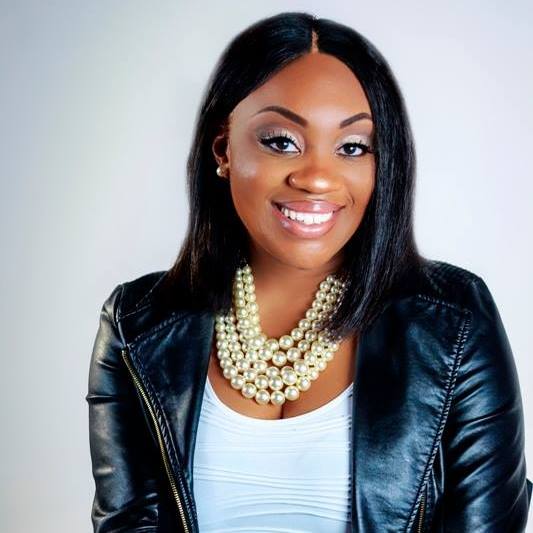
[bctt tweet=”The most fulfilling aspect has been the dynamic nature of entrepreneurship” username=”SheLeadsAfrica”] A vibrant and exceptionally hardworking public relations expert, Nigerian-American, Jennifer Onwumere, is the brainchild behind the Dallas, Texas, based Jen-gerbread Marketing. A young woman who painstakingly proves that the business hustle starts and ends with hard work, Jennifer is graciously African, proudly wearing her Nigerian roots everywhere that she goes. Jennifer courageously embraces the dynamic nature of entrepreneurship, which guarantees that every day looks different and that every client carries a unique set of needs and expectations. With her a heart for the community, Jennifer continues to invest countless hours into the lives of others, and well understands that hard work can offer you the opportunity to do more for your world. Here, Jennifer shares her advice on what it takes to be a successful entrepreneur in the Diaspora. Thank you Jennifer for your wisdom and for your commitment to helping businesses grow! How would you describe what you do? That is a great question. I have worked on a variety of projects ranging from non-profit and entertainment, to lifestyle and more. If I had to summarize what I do, I would say that I create the strategy and visibility/marketing plans for brands. What inspired you to become an entrepreneur? I have always been excited about the idea of being able to forge my own future. Being an entrepreneur allows me creative freedom as well as the chance to be innovative. What inspired you to start a business such as this? I have always been fascinated with consumer marketing and entertainment. It is interesting how different brand messages can attract customers and convert prospects into patrons. My business has allowed me the opportunity to work with some amazing brands and have some great experiences. It has also allowed me the opportunity to work on the type of projects that I want to work on, and has challenged me to take on new project goals. What do you love the most about being a marketing/ public relations expert? I love the fact that I am able to create effective messaging and strategies for brands that I believe in. For example, I produce an annual event called Be a Blessing Day. For this event, we collect much needed toiletries for homeless and domestic violence survivors. Working in my field as an entrepreneur has allowed me the opportunity to execute my vision and strategy in a creative way to achieve my project objectives. As a result, since its inception 5 years ago, over $10,000 worth in donated products, has been collected during Be a Blessing Day. [bctt tweet=”I am excited every time I have a success, it just reinforces the fact that the sky is truly the limit” username=”SheLeadsAfrica”] In the world of entrepreneurship, why is it important that brands like yours exist? In my business, I have taken a primary focus on working with start-up businesses. I think that this allows me to serve a small business customer base that needs strategy and marketing support, but may not have the funds to hire a large corporate agency. My niche allows me to focus on providing startups with the marketing assistance they need, at a rate that is conducive to their current financial resources. What has been the most fulfilling aspect about your entrepreneurship venture? The most fulfilling aspect has been the dynamic nature of entrepreneurship. I never know what is going to happen next, but I am excited every time I have a success because it just reinforces the fact that the sky is truly the limit, and that I can do anything I put my mind to. What have seen some of the challenges? Being an entrepreneur definitely keeps you on your toes. You are never off the clock. You are always prospecting new clients, managing current clients, and managing any problems that may arise. Despite the challenges, the joy comes in the fact that you are making your dreams come true, helping your clients achieve project objectives and educating consumers or prospects. What would you say to a young woman who wanted to start a business like yours? Don’t let fear stop you from achieving your dream. If you have a business you want to start, launch it but be sure to launch with a plan. You must have a strategy for anything you want to achieve in life. What do you think has been your greatest contribution to your work? I never take on any project just for the money. I work on projects that I am truly passionate about and that causes me to go beyond my role to do everything that needs to be done for the project to be successful. How do you ensure that your business remains relevant? Never get comfortable. Continue to create, continue to network and build relationships, continue to invest back into other people. As an African woman in the Diaspora, how do you maintain connections with other African peoples in the diaspora, and how do you make your work relevant to those living in the motherland? I handle the PR and Strategy for AFRIMMA (African Muzik Magazine Awards). This project is special to me because it celebrates some of the most influential music and political figures in Africa. As a Nigerian-American, this is very important to me because it allows me to play a role in an amazing event that celebrates the rich culture of not only Nigeria, but Africa as a whole. How do you maintain a healthy work-life balance? I always make time to do something fun, whether traveling, social events and more. It’s great to work hard, but we are also working hard to enjoy life. So I try to never forget that. [bctt tweet=”It’s great to work hard, but we are also working hard to enjoy life” username=”SheLeadsAfrica”] How do you de-stress and/or unwind from a long day? I love music, so I listen to all kinds of music from Afrobeat to hip-hop,
Khumo Kgwaadira: Sometimes I fall, I rise up, fall and rise up again
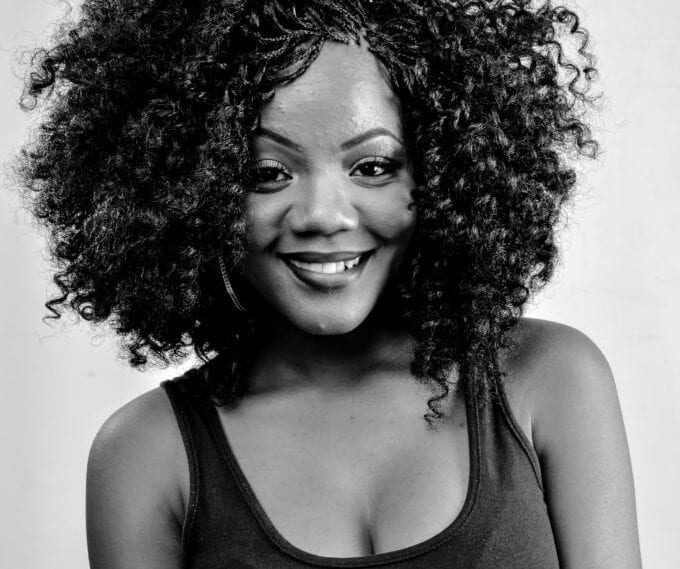
[bctt tweet=”I don’t sleep. I see the need to put in work and take advantage of my position.” username=”SheLeadsAfrica”] Khumo Kgwaadira is an entrepreneur, radio presenter, a sought-after host, fashion designer and #MotherlandMogul in Botswana. Having studied IT in Malaysia, she still managed to dominate the entertainment industry working for Radio Botswana under the RB2. Khumo has been a television presenter on various television shows. She also runs a community organization called WHO AM I which is helping young individuals self-actualize and realize their true potential. What would you say led you to radio and entertainment? It is something that has always been in my heart. As a little girl I used to love watching television and imitating presenters as they did their job. I would always tell my parents and sisters that one day I would be a superstar…they thought I was kidding. As for radio, it’s a thought that came to mind while I was in college. When I have an idea I write it down and revisit all my ideas time and again but funny enough the radio idea, I put it on social media. I updated my twitter profile in college and wrote: student, upcoming radio presenter. I don’t know why I did but that was the beginning of my journey. Can you tell us more about your brand as a radio host and what challenges you faced? I work at RB2 FM and have worked there since October 2013. I currently host the breakfast show called Breakfast n’ Bold with T.H.A.B.O Weekdays 6-9 a.m. On Fridays, I read the 3pm news bulletin and on Saturday I host the TOP40 with Zandile Bawe. Radio is one of the highlights of my life and working for a national radio station truly is a blessing. I have learnt to connect to a wide listenership of different cultures, races and backgrounds. I have learnt to grow up funny enough, to be mature, to invest in my craft through reading, and to be better every single day. Also, I have had to overcome not letting the noise from outside shift my focus. [bctt tweet=”Radio is one of the highlights of my life @MissGeeKays” username=”SheLeadsAfrica”] What four skills have you found yourself using/learning frequently since starting in the business? Patience: I am the least patient person in the world I must confess but working with a team has helped me understand that not everyone is like me. More than that not everything or everyone will work as hard as I do so I leaned into being enduring with the people around me. Focus: I believe this is the greatest weapon everyone should have. Sometimes I fall, I rise up , fall and rise up again, I am learning every day to focus on what is important. This entertainment industry is unkind, complicated and harsh…focus is what has gotten me through. Hard work: I don’t sleep. I see the need to put in work and take advantage of my position in the industry because in the next 3 years there will someone better and more relevant in the industry. Commitment: I have learnt this early on in college, to stay committed to my work because I know for sure at the end of the day I will be reaping the rewards of the work I put in. What challenges have you faced working in a male-dominated industry and also being on television? Unfortunately, people take you for granted thinking you cannot deliver, that is the nature of the game. I have had to constantly prove myself that I can actually deliver. That has been and still is one of the challenges I face. You expanded recently to clothing with Faddic, what inspired that and what do you hope to achieve? My love for fashion started in college after I was exposed to the Asian fashion scene. The lifestyle in Asia is completely different from what we see in Botswana. I was especially drawn to Malaysia which is so diverse and the fusion of different cultures sparked my interest. I am one person who is always interested in knowing more, I gravitated towards fashion and being chic. I said to myself that one day when I am a powerhouse I would have my own fashion label and it would really be cool to have people wear “ME”.. and I didn’t want do it alone. I waited for the right time and One Motlhabane was the right person to work with together and our collaboration is black girl magic MISSGEEKAYSxFADDIC. We hope to change the fashion industry in Africa and take it by storm. What led you to start WHO AM I and what do you want to accomplish through it? This came from a tough place. A place of pain.. a place of self-doubt. It got to a point and a time in my life where I felt there was no reason to live. The stigma and insecurity was overwhelming. One evening in 2011 I wrote a proposal down and titled it WHO AM I and prayed about. I asked God to guide me and help me launch a powerful movement that will tackle issues of “self”. In 2015 we launched and now WHO AM I is changing the lives of many in a positive way. I’m thrilled to be part of that movement. How would you advice someone who looks up to you? Love and believe in yourself a little bit more. [bctt tweet=”I don’t believe in regrets …instead what I draw from that is my biggest achievement, living my dream” username=”SheLeadsAfrica”] Do you have any regrets? I don’t believe in regrets …instead what I draw from that is my biggest achievement, living my dream. Everything I am doing now is what I have always wanted to do since I was young. If you’d like to share your story with She Leads Africa, let us know more about you and your story here.
Johanne Affricot: I have no memory of working on a project I didn’t feel passionate about
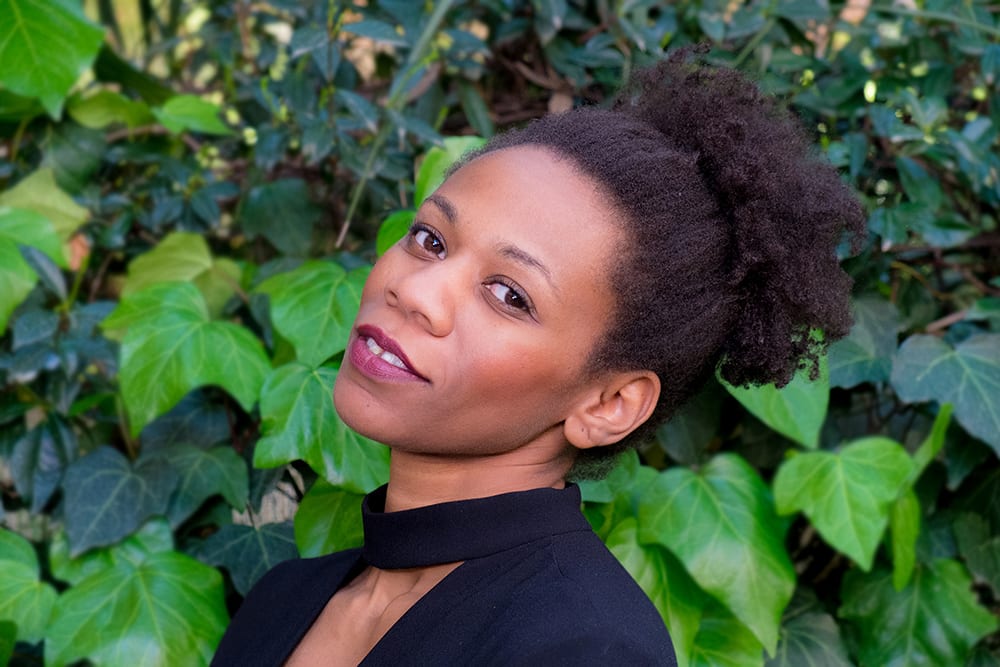
[bctt tweet=”You will quit only when there is no more room for one last try – Johanne Affricot” username=”SheLeadsAfrica”] Johanne Affricot is a freelance consultant working in the field of communication and events. She was born in Italy to a Haitian mother and a Ghanaian-American father. Two years ago she founded GRIOT, an alternative hub celebrating an aesthetic, creative and cultural diversity through arts and style. With her team, Johanne also designs and develops projects for companies, brands and institutional organizations related to culture, art, music and fashion. Johanne is proud of her team and isn’t shy to shout out to them. Celine Angbeletchy, the editor in large of GRIOT mag supervises the English version and she is an Italian-Ivorian based in London. There’s also Janine, who writes content, edits French texts and develops relations. Gaylor Mangumbu, is the only man on the team and he is Italian-Congolese, writing GRIOT mag articles. May you introduce Johanne Affricot to SLA readers. Sure. I was born in Rome, the city where I live, to a Haitian mother and a Ghanaian-American father. Once someone told me that I am an activist. I prefer not to be associated to an activist. I would love to but I am not. I know some activists in Italy, they put all their energies on a cause. I do really admire them, so compared to what they do I can’t say I’m an activist. If I had to define myself, I would say that I’m a “culture activator” and a networker. That’s the only definition I feel comfortable with, that makes me feel like I’m not stuck in a box. I can be a filmmaker, a writer, an entrepreneur, everything that is devoted to spreading culture. I’ve been working in the field of communication and cultural-art events for almost ten years. I started with a short but important experience in the former Communication Department of the General Direction for Cooperation and Development of the Italian Ministry of Foreign Affairs (which I travelled to Mali for). Since then, I’ve always worked for communication and creative agencies. Four years ago, I decided to pursue a freelance path, working for artists such as William Kentridge (South African) and organizing exhibitions and music events. Beside this, I’m also running and trying to grow this project, GRIOT. The goal of GRIOT is to collect, recount and share stories that can inspire people and “activate” culture. When you moved to NY what exactly did you expect? And can you say your expectations were met? I haven’t moved to NY. I often travel to the Big Apple because I have many relatives there. Last summer I went to visit them and to shoot The Expats, a web documentary series (in Italian, English and French) that explores the lives of Italian creatives with African (and Caribbean) origins who chose to leave their motherland in the search of new opportunities, as their fellow white Italians do and as their parents did in the past, from Senegal, Haiti, Eritrea, Ivory Coast, Ghana, Nigeria, etc. The title of the series is meant to be provocative, seen that in the international community this term, expat, is often associated with white people who emigrate for work-related reasons and are privileged because of that, while Africans and other nationalities are called migrants or immigrants. But above all, I wanted to encourage a reflection not only about the existence of black Italians in Italy and abroad (when I travel many people still find incredible that there are “black” Italians), but also Italians who do not know this “different” or “diverse” Italy. In two weeks I’m launching two new episodes shot in London. Let’s talk about GRIOT! Take us through the first 6 months. The first six months were of discovery. I felt the need (I still do today) to see and spread a different image of everything related to Africa and its diaspora, without necessarily excluding other realities I’ve grown up with. I created GRIOT for myself, for the people who feel the same as me and for my children (even if at the time I wasn’t a mother yet). GRIOT is for all those people who wanted to discover different stories or share their stories. I grew up in a “white” country, and most of my family lives between Haiti and the US. While growing up, without giving the same importance I’m now paying to it, I always missed an aesthetic and cultural diversity, something that I’ve always enjoyed and experienced in my trips. But every time I got back to Italy, I missed it. And so I created GRIOT. I’m a perfectionist when it comes to work and I had never written for a magazine before. Furthermore, I was afraid of ending up writing boring stuff, or experiencing a “cultural clash” with a world that was mine but truly not mine. You know what I mean…but in the end everything has become so familiar… maybe because it has never been something alien…it was just asleep somewhere at the back of my mind. Four months after I launched GRIOT, I designed and developed the first Italian event for African-Caribbean-Italian creatives, and proposed it to the American Academy in Rome, which is the most important American art institution outside the States. The American Academy in Rome was organizing an exhibition called “Nero su Bianco – Black on White”. 27 artists (African, African Americans, and Italians) were invited to explore the radical shifts in perceptions of the Afro-Italian identity and subjectivity in contemporary Italy, from cultural, social and political points of view. So, on that occasion I organized “AfroItalians in the Arts Today”. How is it looking at the moment? It is growing. After the first episodes of The Expats came out I was contacted by a media agency to develop content for some other projects. Same thing happened three weeks ago. Let’s see. It’s not easy, because GRIOT is self-financed and everybody involved in GRIOT, I’m talking about the core members, is investing in
Emefa Quashie: From beauty queen to farmer and social entrepreneur
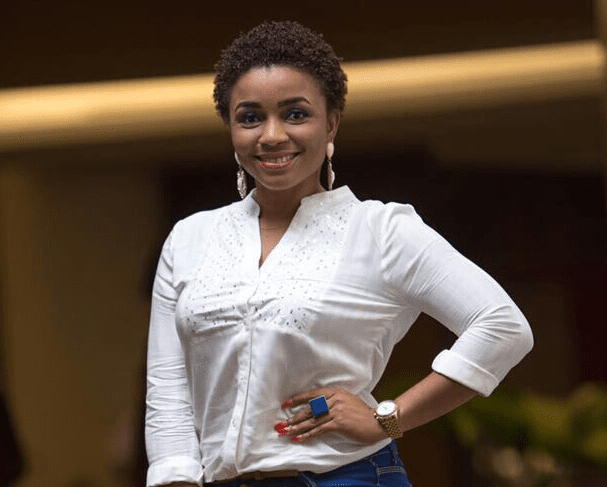
[bctt tweet=”Mamagah Farms is an agricultural social project run by beauty queen Emefa Quashie” username=”SheLeadsAfrica”] It’s not every day that you hear the story of a beauty queen owning a farm. But the story gets bewildering when you notice that instead of just employing people to work on the farm (like some “modern” farmers do) she goes hands in and knee deep -getting her well-manicured nails in groveling dirt as she furiously uproots and plants, as she waters and nurtures and as she satisfyingly harvests and reaps. Meet Emefa Quashie. A present farmer, social entrepreneur and an erstwhile beauty pageant winner. When she’s not furiously uprooting and planting on her farm (Mamagah Farms), she is lost in her studies for her MBA in Marketing or running Universal ChildCare Foundation, a non-profit organization that supports needy children. SLA contributor Emma Kwenu Smith caught up with Emefa to get some insights on how to dominate in an unpopular agriculture career for modern young women and simultaneously use it to make a social impact. Tell us about Mamagah Farms. Mamagah Farms is a social project that mobilizes and empowers rural women farmers to adopt modern technologies in farming. We want to commercialize agriculture in rural communities in southern Ghana. Mamagah farms was established in 2015 with the main aim of empowering women economically through commercial farming and creating support schemes. These schemes create opportunities for smallholder farmers to improve their livelihood. Currently, we work with female smallholder farmers in rural communities within the Southern part of Ghana. Simply put: We farm, we train and we support. There are so many avenues for social entrepreneurship -why agriculture and what was the innovative idea behind Mamagah Farms? I was born into a farming community, and my mother was a small holder farmer so I spent a lot of my days on the farm assisting her. Unfortunately, along the line I grew up with a warped misconception about agriculture. Growing up in a rural community, I always thought farming was for the poor and uneducated -after all, many folks there turn to farming to be able to feed their families and also make an economic living. However, over time I came to appreciate the relevance of agriculture and numerous opportunities it presents to the youth. Mamagah Farms was born out of this realization. This is why I decided to take up farming –to send a message to the young women. Do you plan to diversify what you produce and expand to include other parts of the country? How are you preparing for this? With over 200 acres of land in the Volta Region of Ghana, we specialize in growing and harvesting in maize and pepper. Unfortunately, and as is the same with any start-up, not having enough funds can slow down plans of scaling up. We are pitching for investors and hopefully, we would be able to work at optimum capacity, making full use of the land. This way, we will be able to diversify our produce and grow a variety of crops to suit both local and international demands. Funding is everything especially for an entrepreneur who wants to leverage on technology to make farming simple and easier. There are plans to expand to other parts of the country and even West Africa. [bctt tweet=”Funding is everything especially for an entrepreneur who wants to leverage on technology” username=”SheLeadsAfrica”] How does your business as a social venture empower local women farmers? Mamagah Farms is just like social entrepreneurship project. We apply business principles to solve societal problems. What we noticed is that there is potential for rural women farmers to cultivate on a bigger scale and learn the best farming methods which would ultimately impact their economic livelihood. Realizing this, we use the profit from Mamagah Farms for investments. Apart from financially supporting these farmers to purchase inputs and commercialize their farms, we also partner with local organizations to provide training and extension sessions for these women. Most of the women who work with us are single mothers and while we want to fight poverty and promote empowerment, we want these women to have enough to afford to educate their children. An empowered woman means an empowered family and ultimately, an empowered nation. What challenges have you faced with Mamagah Farms and its related social projects? My biggest challenge has been reorienting the minds of the local folks. As hardworking as they are, the tradition has created a certain mindset towards change. A typical example is technology. When you suggest the use of tractors, some believe that using tractors may disturb the peace of their ancestors. With such a mindset, how can we grow? But it is not enough to recognize a challenge and leave it there. We take the women farmers through training programs, where we address these challenges. We show them concrete examples of how farming is done in first world countries and how we can get there. Culture and tradition can have a hold on people’s mindset, and it is important to give them the needed exposure in order to disabuse this mindset. Why should more women explore the prospects in agriculture in Ghana, and Africa? In recent times, women are defying the odds and taking more risks in their careers. Why should agriculture and agribusinesses be any different? Can a woman not own a 10,000 acre farm and work on it herself, while managing others to work as well? Agriculture has never been and is not a reserve of men. Our natural disposition as women makes us more inclined to be the better farmers, we are nurturing and detail-oriented. This is an important quality. There are several opportunities in agriculture we can take advantage of. From crop planting through to the distribution of produce, there are endless opportunities to explore. Food is a necessity. Africa has arable land and other resources, and there are always opportunities to meet the need for food produce. If you get such an opportunity, why say no? [bctt tweet=”Agriculture has
Lovette Appleton: An entrepreneur should have the courage to embrace failure
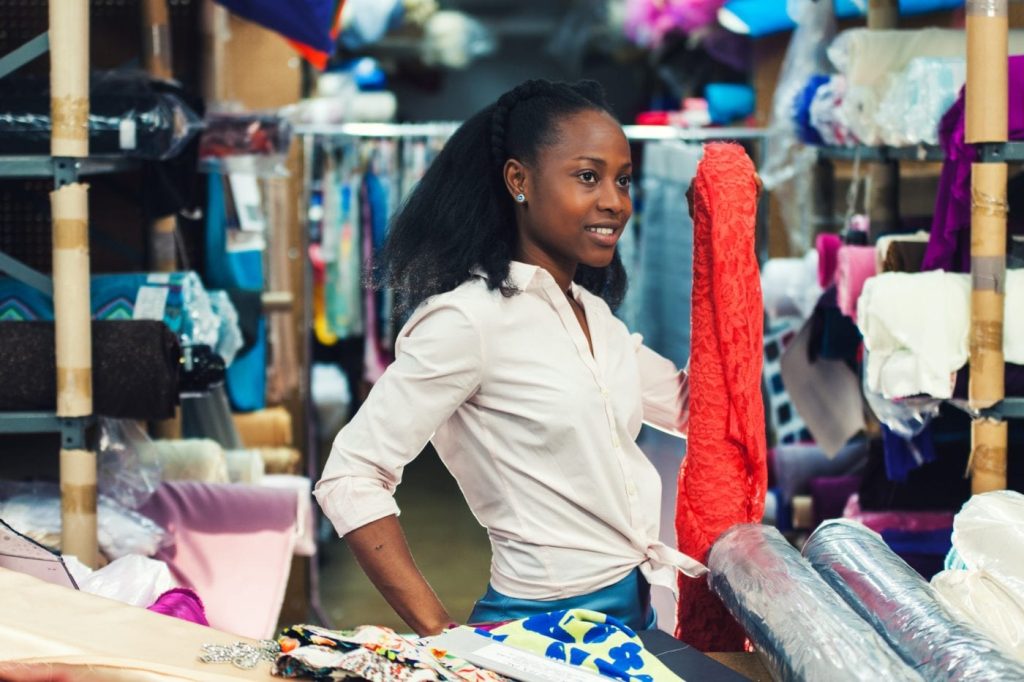
Lovette Appleton knows what it means to chase dreams and make use of opportunities. She did exactly that when she went from being an accounting executive in a manufacturing company to owning her own brand. Lovette used her experiences in travelling across continents to create patent bags that are versatile and savvy. She believes that an entrepreneur should be able to adapt to situations and have the courage to embrace failure as a blessing in disguise. Lovette wants to develop the passion for skills and empower Liberian women and the less fortunate by opening a factory and a training school that focuses on making accessories with an African twist, to empower women and young people who are less fortunate. What inspired you to start your line of patent bags that make the ideal travelling companion? I worked as a wholesale account executive at a company that designed and manufactured slippers shoes that had interchangeable straps and snaps. I thought it was a brilliant idea and I guess it just inspired me. Having lived on 3 continents and am always traveling to new countries so the need for functionality for the modern day jet setter came naturally to me. The modern woman is so versatile, why not give her fashion accessories that can match her lifestyle! What three words, can fully describe you and why? Beatnik, Determined and Industrious! Beatnik because I march to the beat of my own drum! I never follow or want to be like anyone else. I love being me and that’s ok! Determined because I will never give up on myself! My faith depends on no one else but God and myself so no matter the circumstance, I keep pushing. I am industrious because to come this far in life, you have to be! I remember when I graduated from university, I moved to New Jersey with less than $2000 in my account and we all know that’s not enough for one month in the New York metro area but I stayed with relatives, got a part time job and freelanced in addition to a full-time job, the hustle was real but I was able to pay the legal fees to get my patent this way. There is always a way. [bctt tweet=”The hustle is real but there’s always a way, one lesson learnt from the inspiring Lovette Appleton” via=”no”] What life-changing principles do you think every budding entrepreneur must cultivate? To want to open one’s own business takes guts and defiance! Those qualities are admirable however; the most important principles that an entrepreneur should have are adaptability and the courage to embrace failure as a blessing in disguise. I say this because one feels accomplished after setting up a business, doing the business plan, balancing the books etc. You feel like an adult, you are on your way and you hope that if you put in the work, the rewards will come. Unfortunately, I have been around the block for long enough time to know that we can’t control everything and whatever can go wrong, will! The question isn’t will anything go wrong, it is what will you do to ensure it has little impact on your business and how will you learn and grow from the experience. How do you intend to use your patent brand to inspire growth and development in Africa? As a Liberian and most importantly, an African woman, my thoughts never stray from home. I constantly think about how my life abroad will translate and contribute to others back home. Although my company is currently based in the US, I hope to use the opportunity it presents to open a factory as well as a training school in Liberia, to empower women and young people who are less fortunate. Does your business do the production in Africa, If so how do you manage your team abstractly? Since the business is still in start-up phase and the products so novel, It is necessary for me to keep production close to where I am. It’s like a baby, You have to carry it and keep it close until it starts to take its first steps then you step back and give it some free room. Once the brand gets more established, I plan to start working with artisans back home to bring that African touch to my collections. What advice would you give women who are about to launch their own start-ups? Believe in yourself and never let any challenge keep you down. The only person responsible for your success is yourself and you must be prepared to do whatever it takes to make your dreams a reality. If you were given the chance to re-launch your start-up, what would you do better and why? I would focus more on my marketing plan. Having a great product and believing it will work is great but one always needs an extraordinary marketing strategy because today’s business environment is so full of options for consumers that an average marketing plan doesn’t do justice to a great product or message. If I could go back in time I would have concentrated on my marketing plan as much as I concentrated on the product. I am not saying I would have had a bigger marketing budget but I think concentrating on free yet creative ways to let people know about the product and also giving them enough time to actually absorb the message of the brand before even driving the sales pitch. The collection will launch in about a month so I am slowly building up the social media following through my Instagram and Facebook, cross promoting through Linkedin articles as well as my lifestyle website. To reach more people I will launch online ads but in general, marketing doesn’t have to be expensive but it takes time and creativity! [bctt tweet=”If I could go back in time I would have concentrated on my marketing plan – Lovette Appleton” via=”no”] If you’d like to share
Padebi Ojomo: Business Savvy Chick

[bctt tweet=”Remember that whatever you learn makes you and your business better – Padebi Ojomo” username=”SheLeadsAfrica”] If you follow Padebi Ojomo, you can’t help but fall in love with her vibrant personality. This dynamic entrepreneur is so full of life that you can’t help but smile. Padebi runs the Business Savvy Chick Academy and is referred to as the client attraction genie. #MotherlandMoguls, you definitely need more clients no matter where you are on the business ladder. How did you get involved in business? I’ve been involved in business for about 16 years. It actually started with my mum who sent me to learn hair making because I was causing problems at home. She reasoned that since I had so much energy, I could channel it to better use. I didn’t like it initially because it felt like punishment. But I got fascinated with the fact that one could do stuff and money would get exchanged. I started buying and selling stuff: Adire, handkerchiefs to anybody most especially family. This experience opened my eyes to business and built my threshold for taking risks. I had never thought of getting a 9-5 job even though I studied Computer Engineering. After school, I continued buying and selling before branching out to other businesses. [bctt tweet=”I had never thought of getting a 9-5 job even though I studied Computer Engineering” username=”SheLeadsAfrica”] What businesses have you been involved in? My first registered business was Nirvana Design, an interior decorating business. I really love interior decoration most especially for homes. The second one was Blue Tangerine which was basically just a shop. I bought things from China and sold them. It was just something I did because money came in from it. I got married and started Purple Signatures with my husband. This was more like training for small business owners and aspiring entrepreneurs. However, in the course of doing my interior decoration business, I realised that most of the money went towards purchasing furniture. Design always needs good furniture and sometimes artisans could be a pain. I started Chic Carpenter and it was a hit back to back. Though it was stressful, it was a really successful business. I had my factory and a good client base. But it got really difficult to combine it with my pregnancy in 2015 and baby came too early. I had to stay indoors for 4 months because of my baby’s health. This lead to some of my businesses going down due mismanagement. My restless and extroverted nature wouldn’t allow me sit still for 4 months. I had to do something and that was how my online business started: Business Savvy Chick Academy. It has been an awesome experience. How would you advise an entrepreneur trying to find her feet? You need to start with passion otherwise, you would give up when frustration and stress sets in. It is also important to start early. Personally, I started early and it boosted my risk taking threshold. I have done businesses that failed woefully and I have done ones that succeeded. This helps because I have tested it and I see it works so my resolve is strengthened. When you start at an early age, the world isn’t expecting too much from you. So, even when you get your fingers burnt, it’s not really the end of the world as you just learn from it. For example, I’d lose money in my business as a student but my father would still be available to pay my school fees. But as you get older, you have more responsibility and do not have the luxury to keep wasting resources. Passion is really important but if it is not profitable you could branch out and still find ways to do your passion, maybe as a CSR. What do you wish you knew earlier in business? The importance of having a mentor and supportive parents. If I had more support from my parents, it would have been more helpful but I had to hide most times to do stuff. As a matter of fact, they wanted me to get a job with one of the oil companies since I’m from the Niger Delta region. But I knew I didn’t want that kind of job. The major challenge most businesses have is getting clients. As the client attraction genie, what would you suggest we input in our businesses? Based on experience, people buy from people they know, like and trust. For instance, we might use a particular salon or doctor because of the relationship we have with them. Therefore, to sell you need to be deliberate. Be helpful to your clients, give compliments and be there for them. Satisfied customers will always speak about you to others within their circle of influence. Remember, they are not just buying your product or service but the experience of you. [bctt tweet=”To sell you need to be deliberate, be helpful to your clients and be there for them” username=”SheLeadsAfrica”] What’s your tip for running a home and a business efficiently? It’s important to have a supportive spouse, be extremely organised and plan ahead. For example, I plan ahead for the food that will be eaten and for cleaning. In today’s world, it is important to work smart. Focus on the areas you are good at and do it with joy. The others you’re not good at, you could automate. I always stress, “Enjoy, Delegate, Automate or Delete” to my community. If you are good at something, do it with joy, enjoy the process. If it’s not your best task, delegate to someone who would do it with ease and joy. You could also automate the process to make it easier or delete it from your agenda. What are your final words for female entrepreneurs? Do not make your small business make you small minded. Take it seriously and grow it to outlive you. It should not be a second fiddle because you plan to get married or you
Melford Vincent: Kick the notion that two things don’t go together
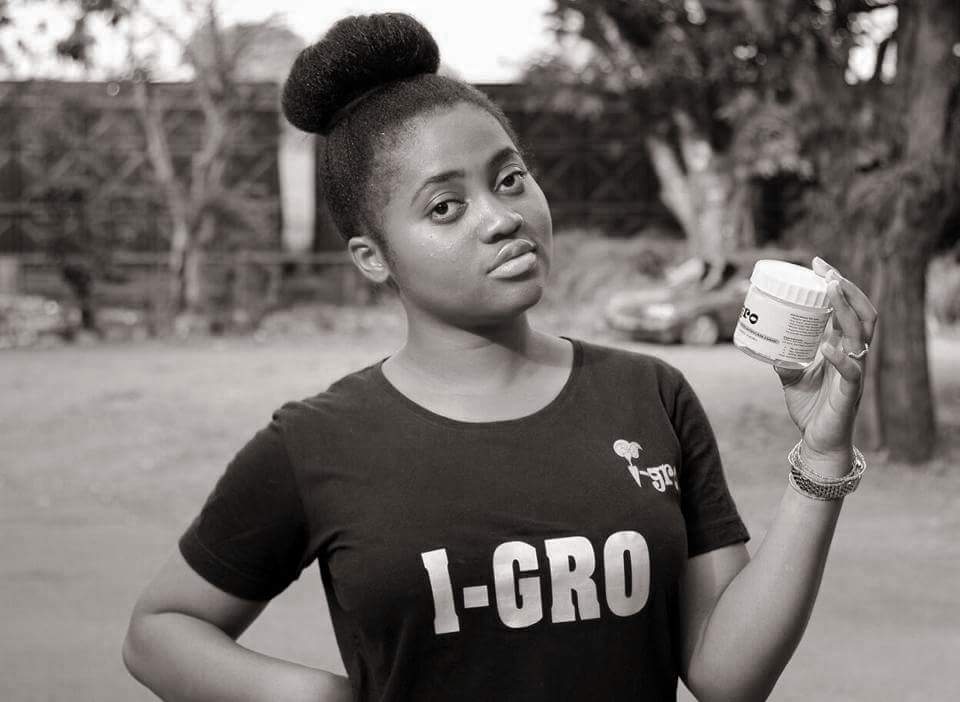
[bctt tweet=”I have great aspirations for my brand & I hope to see it throughout Africa” username=”SheLeadsAfrica”] There is nothing as gorgeous as having glowing melanin with the kink and curls that come with it. Yes, I’m talking about the beauty of African hair. Most of us however, feel compelled to straighten our hair so that we fit in easily. While doing up our hair and getting extensions is not a bad thing, all I’m saying is that it’s still important to maintain that natural and just be naturally unbothered! Melford Vincent a 21-year-old Sierra Leonean lady who is pursuing a degree in Law struggled with badly damaged hair for a long time. She had a hard time with it but through extensive research, she finally found the most effective herbal remedy for African hair. Melford formulated this herbal hair remedy into the I-GRO hair recipe that works wonders for African hair. It helps with hair moisture and the acceleration of hair growth. I-GRO ingredients are all acquired locally from the markets of Sierra Leone and currently it’s one of the main brands leading in the hair community of her country. This is evident in the young women, children and young men that are getting hair breakthroughs through its use. Unbelievably this young #Motherland Mogul started her business with less than $10, making just a few for friends and using the little profits to produce more. To date Melford has made over a thousand products, developed her brand through her smartphone and notepad and now she is looking into hiring staff. I had the opportunity to talk to this goal getter and this is what she had to say. Why do you think the natural hair community is small in Sierra Leone? The natural hair community in Sierra Leone is a small one but it keeps growing from time to time. Most Sierra Leonean Women don’t practice safe hair practices they prefer throwing on a wig or other hair extensions, so they see little or no need to care for their natural hair underneath. Most of us have been conditioned to believe that natural hair is bad and need to be tamed with relaxers. How long do you think it will take to convince the African woman to embrace the texture of their natural hair? I think with the growing trend of the natural hair movement, most African women are coming to terms with it and embracing their natural hair, although some may need extensive schooling and persuasion so as to even give going natural a thought. There are quite a number of hair products for African hair and most women have been disappointed by most of the results. How do you assure someone who has never used l-GRO that it’s different? Through experience, most of the products allegedly made to cater for African hair needs don’t necessarily work for African hair effectively. Reason being that in most cases the African climate was not in mind when these products were formulated. The African climate is a harsh one, with excessive heat, humidity and dry winds in the harmattan, I-GRO bridges that gap. It was formulated, to perform perfectly in an African climate, balancing the hair moisture and not leaving a greasy feeling. The product likewise works for other climates and colder weathers because of its potency. There are over a hundred people talking about your product on Facebook. What are your strategies to multiply this number? I-GRO is fast becoming the most sought after hair solution in Sierra Leone and it has also been spreading to neighboring countries like Liberia , Guinea, Ghana, Nigeria etc. I am working daily to develop my social media following, which is growing substantially daily. How do you manage your time since you are a student and at the same time you run your business? I am still trying to find a balance, as it is actually not easy. For now I make sure I manage my time well. I don’t procrastinate. And I make sure to produce a lot of products at a time so I don’t have to be doing it every now and then. I am thinking of hiring as the business is fast becoming too big for me to handle alone. [bctt tweet=”Melford Vincent says, There’s nothing wrong in starting small.” username=”SheLeadsAfrica”] What advice would you give a young you? I would tell them, to kick the notion that two things don’t go together. They sure do, and you can start building your dream, no matter how old you are. There’s nothing wrong in starting small, you don’t need to break the bank to start a business. I started mine with less than $10. If you’d like to share your story with She Leads Africa, let us know more about you and your story here.
KudaRachel: The accidental entrepreneur proving age is no excuse to not venture into business
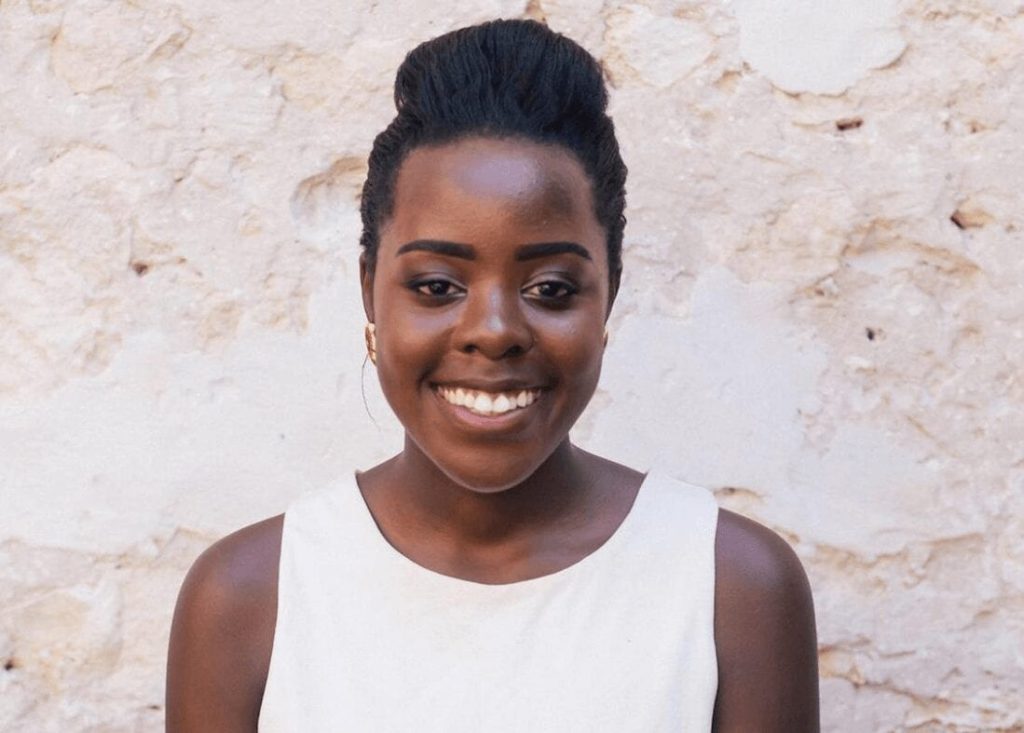
[bctt tweet=”I used to be so focused on my competitors until I realised that everyone is different” username=”SheLeadsAfrica”] For Kuda, the 18-year-old founder of KudaRachel, failing to find a reasonably priced corsage for her high school prom proved to be a blessing in disguise; it birthed the idea of creating her own. The then 17-year-old learned through trial and error before finally perfecting the hand-made corsages and boutonnieres. After seeing her daughter’s creative invention, Kuda’s mother suggested that she sell them, which Kuda did. “I posted photos on facebook and 12 people bought from me! The fact that people wore the work of my hands on such a huge night of their life filled me with immense pride and happiness.” Realising that corsages were only a seasonal thing, Kuda embarked on another great idea, extending to African print accessories. “African prints were the perfect choice because they can be worn in any season. The idea to venture into African accessories came at a perfect time my mother was preparing to go to Zimbabwe for the first time in 6 years. I happened to have $50AUD in my bank account which I gave to her to buy me African print fabrics. ’’ Product differentiation is an essential element in business and KR fashion’s specialty factor is that each product is customer oriented not just mass produced. As Kuda says, time and effort are spent on each KR piece and they pay attention to detail. “I used to be so focused on my competitors until I realised that everyone is different and that no idea under the sun is new. Everything is just a different version of the original! We may make the same things but we each have our own visions therefore, we’ll each have our own target markets. I really do believe in the saying, ‘There is space for everyone at the top.’” Kuda also shares that she connects with other people in the same line of business as her to share ideas. She even sometimes provides fabrics from her suppliers to them. Obtaining fabrics is a major challenge in the business as she claims that the fabrics in Australia a super expensive hence outsourcing them is the better alternative even though large shipping costs are incurred in the process. Giving back where it counts KudaRachel is not just concerned with making profits but fuses social entrepreneurship as well. The social enterprise is visionary and has three main aims which it is committed to. “KR aims to make a difference in people’s lives through fashion. I want fashion to be able to pay for someone’s education or put food on the table for someone in need! KR supports a charity each year.” Since its Since its inception, KR has been supporting Act for Peace by donating 50% of profits from its KR merchandise collection. Kuda further adds on, “In 2016, I represented KudaRachel and did a ration challenge where I got sponsored to eat the same rations of food that a Syrian refugee would eat for a whole week. So far we have raised AUD$439 worth of donations and sales from the KR Merchandise.” Concerned with youth development among its social aims, KR provides opportunities to upcoming talent. Having realised one the main difficulties young people face when looking for jobs is concerned with experience, KR gives them a chance to build their portfolio since most big corporations turn them out. Currently, the business team is made up of 2 main photographers; Feranmi Taiwo and Kelsey Grant, 2 seamstresses, and the models and make-up artists who rotate according to the type of shoot they are holding. The KR website is also a wall of positivity filled with quotes and the blog journey of the KRfam. This is just one of the many platforms KR uses to interact with its clients. The evolution of marketing hasn’t been the same with the arrival of social media marketing. Kuda certainly lets in that it has had tremendous benefits on growing the business. “Social media plays a big role in bringing clients, we use Snapchat, Facebook, and Instagram a lot (just type Kudarachel in all of them). Through them, we have managed to attract customers from countries such as USA and UK. Hustling while being a full-time student As a full-time nursing student, it is a wonder how Kuda manages to keep her business afloat, especially when the two industries; fashion business and nursing are so unrelated. She credits the success of the business to a lot of time invested in financial education. She has taken it upon herself to learn as much as she can about the business aspect. “I read a lot of books and blog posts by people I look up to; Daymond John – “The Power of Broke”, Janine Allis – “The Juicy Bit”, Sophia Amoruso – “Girl Boss” and of course SheleadsAfrica blog..DUH ahahA. Everything I have learnt so far is through the internet, books, other people and trial and error. I’m excited to keep on learning. It also helps that I have a mentor Alyce Schlothauer who is helping me with my overall branding strategy while Shingai Manjengwa advises me on how to run my business.” Kuda certainly credits the success of the venture to the entire KRFAM’s support which is made up of her customers, her mother, friends, and family. She had to sacrifice a lot of her time in order for KR to succeed, cut back on going out and invest instead on special events such as friends’ birthdays. [bctt tweet=”Everything I have learnt so far is through the internet, books, other people and trial and error” username=”SheLeadsAfrica”] Embark on business for the right reasons Her last tips for budding entrepreneurs, “It’s really hard work to be honest. Being your own boss means that when you are starting out, normally your funds are limited hence if you don’t do it yourself, no one else will. You will have to wear the hats of a cleaner,