
Idala Ogufere: I’m determined to enlighten many women

[bctt tweet=”Idala says ‘Don’t work out for the wrong reasons. Do it for your active 90 year old self.’” username=”SheLeadsAfrica”] Idala Ogufere is the go-to fat-burning, body-transforming FlexiMum Coach, she left her career as Chartered Accountant to serve and add value to young mums, grooming them spirit, soul, and body to live and maintain a sustainable healthy lifestyle. This dream was birthed after a near-death experience with eclampsia. Doctors say she’s a walking miracle, but it was for a greater call to help young mums see the importance of healthy living. Idala gives tips on her FlexiMums Facebook Community and Instagram page @IdalaOgufere showing how she shed her 30kg baby fat and stays toned after two boys. Have you always been a fitness enthusiast? Not exactly. Although I used to do lots of yoga stretches with my dad (I didn’t know it was yoga then, I just loved exploring my flexibility), my dad has always been the fitness enthusiast. I started taking fitness seriously after I gave birth to my first son (who’ll be 5 years old in June), but I would just workout and not eat right or I would starve myself, now I know better. When did you start taking fitness seriously? It was after the birth of my second son. His birth was very seamless even though he weighed 3.73kg. I was discharged two days later but when I got home, settling in was tough because I’d developed severe headaches and swollen feet. I thought it was just the normal postpartum stress but the headache became intense. My mum pleaded that I should see the doctor and so I went to the hospital to find that my blood pressure (BP) was outrageous! Here I was with BP reading 180/100, I’ve never had high BP before, so this was strange and ridiculous to me. I was tensed and had to be monitored for a while with ice packs in my head but there was no improvement. Eventually, they had to rush me to the ICU to stabilize my BP and I had seizures during the process. Honestly, how I survived that saga, is still a miracle. God kept me for this purpose, to preach the gospel of healthy living to all young mums I come across. It’s much more than work for me, it’s my ministry! So I take it your experience is why your ‘ministry’ is targeted at young mums? Yes, because obviously as a young mum I know and feel the pain of other mums. This feeling inspired my first business @MyBabyStoreNG which helps young busy moms to shop for their kids. I’ve always been endeared to the challenges young mums face. After my second son and a near-death experience with eclampsia, which was majorly due to my obesity, I felt the calling to enlighten more mums about it. There have been maternal deaths caused by eclampsia although it’s a small percentage, many women and even young ladies need to be aware of this deadly eclampsia. Choosing young mums/ladies was very deliberate as many in this category, haven’t “hung their boots” yet with regards to child-bearing. It’s thus important for them to embrace fitness and good nutrition so that they live healthy lives. [bctt tweet=”I’m impacting more people and that deserves all my time -Idala Ogufere” username=”SheLeadsAfrica”] Now I’m interested in this business, MybabystoreNG. Is it still up and running? Before I answer this let me give a brief story about how I started MyBabyStoreNG. About a year after I had my first son, I had no clue what to do. I loved shopping for my son and I kept putting up pictures of cute baby outfits I saw in the market, people liked it and boom! I saw a business opportunity. MyBabyStoreNG was birthed yet it still didn’t fulfill my desire to help young mums so I decided to help them work on their bodies through Wholly Groomed Academy. These mums that I had sold baby items to wanted to know how l lost so much weight in less than a year. I got more attention as a Fitness Coach and I began to impact them positively. I thought I could handle both businesses together, but it was impressed in my heart to hold off activities in MyBabyStoreNG. This was because it was becoming burdensome for only me to handle both as a sole proprietor. I still have great dreams for MyBabyStoreNG, she’s my first baby, but now Wholly Groomed Academy has taken the lead. I’m impacting more people and that for me is very fulfilling and deserves all my time. My target was busy mums because it was a relief for someone they trusted to help with shopping for their kids. They just gave me a list of what they wanted and I shopped it. More like a Personalised BabyShopper. My dream is to create a Made In Nigeria Showroom where all items are locally sourced and produced here in Nigeria for Nigerians with our cartoon-inspired stories! How easy/difficult was it to actually get MybabystoreNG properly functioning according to its purpose? It was easy when I started at first because I just loved helping mums shop for their kids’ outfits. It became very challenging at a point because I didn’t have enough stock to meet up customer’s demands. I was acting as a middleman and I couldn’t control their stock. As we began to grow, it became increasingly challenging. Then my dream to create my own line of Made In Nigeria Kiddies Line was birthed, it’s still in my dream box. I haven’t given up on it. When the time is right, it’ll manifest. Ok, let’s get back to workouts. Other #MotherlandMoguls might want to know the importance of a fit body, why is it important? I always say, man is a spirit, has a soul and lives in a body. These three elements need to be taken care of effectively to achieve wholeness. Most of us went to school to feed our mind (the soul, seat of our
Molepane Nkopodi: I had a lot to lose but I was not ready to lose it all.
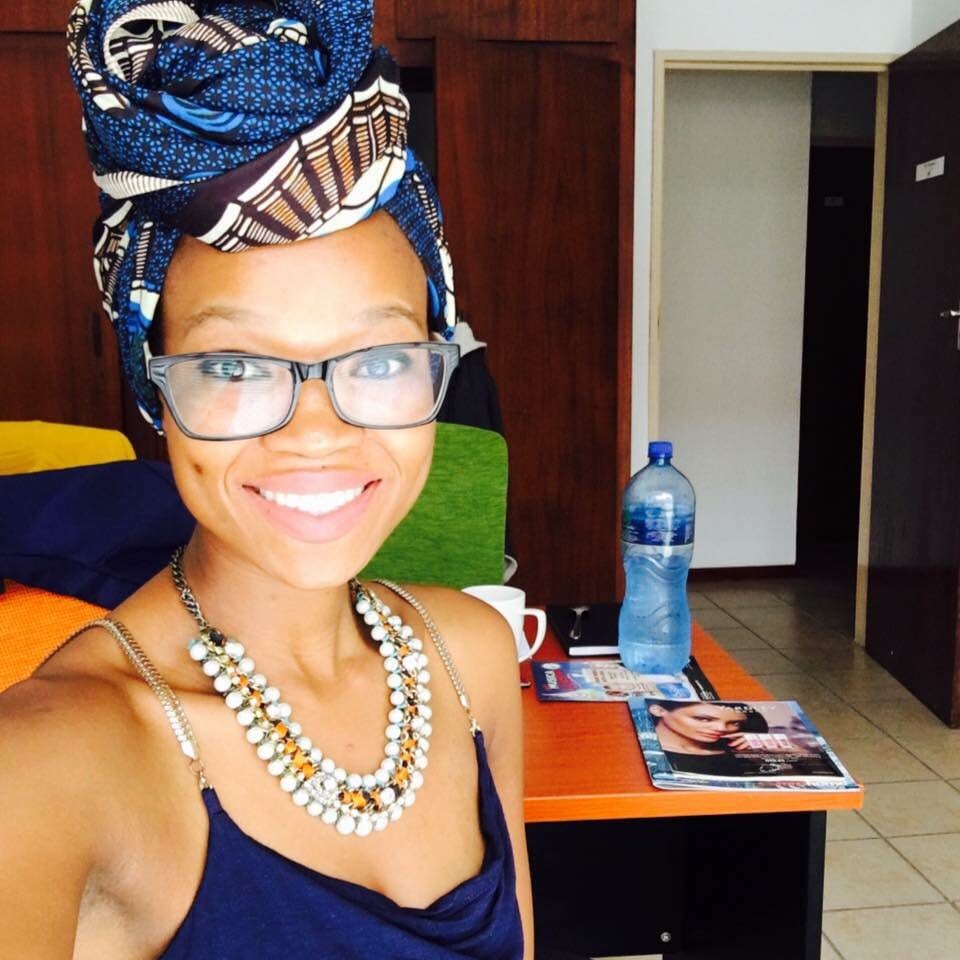
[bctt tweet=” Molepane Nkopodi, proving that young black women can win at being entrepreneurs” username=”SheLeadsAfrica”] Molepane Nkopodi, popularly known as Mo in both professional and social circles, was born in Glen Cowie, a village in Sekhukhune land and raised in various parts of Mpumalanga and Gauteng thus becoming “bundu girl wa le pantsula in surburgatory.” She is a Communications graduate from the University of Johannesburg and after five years of corporate and agency employment, she decided to face her fears and become a social entrepreneur. Mo is the founder and managing director of Darkie Communications, a start-up marketing communications agency that aims to provide tailor-made comprehensive and strategic integrated marketing solutions. She is also an ambassador for rural education and women development through the Kaelo Foundation. She says this about herself- “I have a thing for good food and wine and I’m working on my bank balance to match my wanderlust desires.” In an interview with SLA contributor Jeanette Nkwana, Molepane tells us all about herself, entrepreneurship and Darkie Communications. What does Darkie Communications mean, what desired effect did you mean for the name to have? Darkie Communications is a full house marketing communications boutique offering integrated, strategic comprehensive and tailor-made services to our clientele. The name Darkie came about after a cold call with a current client. I was operating informally with the name “Prodigal Child Concepts”. Upon our first meeting, he frankly said to me that he was “surprised” that I was black. When I asked why he said he “did not know many young darkie (black) women who could give a winning pitch over the phone”. Darkie is a 100% black owned company and we want to inspire the black child that they can dream it, they can work at it and achieve it. Especially considering that I am from a rural area where the majority of the people are poor and marginalized in terms of development. What were some of your biggest fears launching Darkie Communications and how did you overcome them? I resigned from a comfortable middle-management position because my bosses told me it was impossible for me to work for them and myself at the same time. They made me choose between working for them and running my own business, so I chose my business. I had a lot of fears, among these fears were how on earth am I going to launch a business without start-up capital. All I had were a tablet, cellphone, wifi router and lots of pen and paper. And also how was I going to pay my bills, I knew all too well that it would take a while until I sign my first client and my savings would only carry me a short distance… I survived through determination and resilience. I had a lot to lose but I was not ready to lose it all so I worked hard and chased clients for meetings. Also, I had a great support system made up of other entrepreneurs who guided me and connected me to people who would help me launch and operate Darkie Communications. Who do you look up to or follow in the communications industry and what are some of the lessons you’ve learnt from them that you can share? From the top of my head Khanyi Dhlomo of Ndalo Media; for me, she leveled the playground for young, black female entrepreneurs. She took a huge risk and regardless of the odds, she prospered. A young woman whom I see as big league player is Kealeboga Moremba of the Cyril Ramaphosa Foundation; she is young and her go-getter yet humble spirit reminds me of how much we are capable of regardless of where we come from. Like most industries, communications isn’t easy to break into. What are some of the challenges you faced and what strategies did you use to overcome them? This is definitely a “who do you know?” industry. I made it a point to attend every seminar/network session possible. Rejection was one of my biggest challenges but I learnt to not have rejection deter me from the main objective. Especially since I was starting out in Polokwane where the concept of marketing is not a huge priority. Of course, I am human and it’s cute to wallow in my misery but I never wallow for too long. I take my failure as guidance to what I may have done wrong and what I need to amend in order to break through. [bctt tweet=”‘Make sure your prospective clients understand clearly what you want to pitch to them’ -@sassy_mo” via=”no”] Funny thing is, after a few rejections, I came to realize that I was being rejected because the prospective client did not understand what I wanted to talk to them about. So I learnt that in my pitch, I would have to break down a lot of concepts (make them user-friendly because not everyone understands the new age integrated marketing concepts.) What are 3 tips you’d give to entrepreneurs trying to break into the communications industry? Network like your life depends on it- your network does contribute to your net worth Collaborate with other entrepreneurs- the comms industry is huge and you will not be the master of all aspects thereof (PR, Digital Marketing, Copywriting, Publishing, Advertising, BTL, TTL, ATL etc.) Challenge your fears, especially when it comes to putting a price on your services. Often people underestimate the amount of work that goes into marketing communications, they think we only come up for the nice PR photo shoots when it’s actually tough behind the scenes. [bctt tweet=”‘Collaborate with other entrepreneurs- the comms industry is huge & you won’t be the master of all’ -@sassy_mo” via=”no”] If you had to describe your entrepreneurial journey using a movie title, which would it be and why? It’s more of a series called Pitch. Share 3 communication/marketing strategic pointers startups can implement in their businesses. Identify your strengths, or better yet that old boring grade 8 SWOT analysis thing, do
Kat and Lezita: Building a brand based on treating yourself
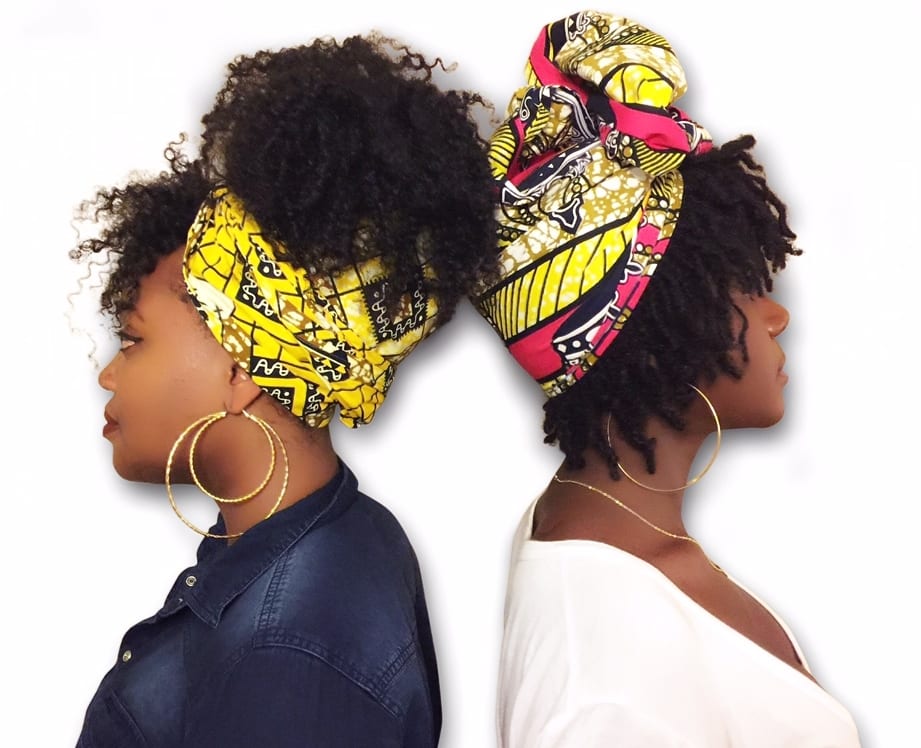
[bctt tweet=”One of THEE most important tools of success is simply staying true to yourself” via=”no”] Diving into the uncharted waters of starting a business is no easy task. But attempting to encourage women to treat themselves to self-love while you do it could be nearly impossible. However, the founders of the Unapologetically Single gift box, Kat and Lezita, managed to do so, and for that we needed to know how. Both founders who have backgrounds in fashion and retail, play a role in carefully selecting the items in the boxes to ensure the products align with their mission to make women feel great about themselves whether they’re single or in relationships. After scrolling through the Unapologetically Single market, it’s clear that Kat and Lezita created these gift boxes for a market that most retailers sleep on, literally. Give us an overview of Unapologeticallysingle.com. Kat: We want it to feel like a lifestyle destination where women can come and talk about love, life, and everything in between. We also have a market where we feature items lovingly curated with single women in mind. What drove you to create UnapologeticallySingle.com? Lezita: It was the end of August in 2016 and I was on the way to buy my 3rd baby shower gift and my 1st bridal shower gift of the year. As I was walking around the store looking at the gift registry, I immediately started to think, “I’m 29 years old and I’m not in a relationship nor am I interested in kids at the moment. What if no one ever celebrates me?” After I left the baby store, I immediately called Kat and we started to brainstorm. Six months later, Unapologetically Single was officially born. Kat: I was tired of being judged and feeling less than just because of a status. We graduated from college, have great jobs, take care of ourselves and people still feel they can knock you down by saying things like: “You still aren’t married yet?” “That’s why you’re single.” “Pretty, successful and single! You must be crazy.” Our site is not meant to bash men or relationships. We want to create a place to celebrate single women of color, and not continue to inundate them with tips on how to not be single or constantly tell them what they are doing wrong. We want to encourage them to live their lives unapologetically single and to enjoy the process. [bctt tweet=”Kat & Lezita push back against the pressure to ‘settle down’ with UnapologeticallySingle” via=”no”] What do you feel are the most successful tools you used to build your brand? Lezita: One of THEE most important tools of success to me is simply staying true to yourself and representing your brand how you want to. It’s so easy to look at what the next company or brand is doing and you may find yourself trying to compete. To me, that’s a losing battle and it’s exhausting. When you stay true to who you are and what you want your brand to be, people will gravitate towards that authenticity. Also, for the obvious reasons, never take rejection or negative opinions personal. A lot of times it’s so easy to feel slighted and hurt when someone doesn’t like your idea or they don’t necessarily want to work with you. I can’t tell you how many times I’ve shared my ideas with someone and their reaction was LACKLUSTER or downright rude to say the least lol. Everyone can’t see your vision and that’s ok. Rejection will never dictate your success AND/OR your worth. Always keep pushing. What resources would you recommend for Black woman who are self-employed? Kat: Honestly, it has been a real learning experience for me. I just try to follow a lot of small business accounts and bloggers who have been where we are and who are not afraid to share their struggles and how they’ve overcome them. One of my current favorite resources is the page Brand, Build and Launch with Arsha Jones. It’s a group with like-minded members that are supportive and freely share any tips that will help you build and grow a brand. It’s a really positive community and I’ve been inspired to keep pushing from the women there. Lezita: NETWORK LOCALLY! It’s so easy to want to reach out to your Instagram and Twitter favorites to network, however, always keep the local organizations in mind too. Go to that alumni meeting that you’d never normally attend or get involved in city events! You’d be surprised the people that can inspire you or even invest in you just by participating in local events. I’m a woman in my mid 20s who would love to create my own business but I have no idea where to start. What’s your best advice towards doing so? Kat: Like Nike says, “Just Do It.” Lezita and I have had so many great ideas but we could never seem to get started. Initially, it can be overwhelming and easier to just sink back into your normal routine or that cushy 9-5, but once you take that initial leap (create a website, buy product, etc.), it’ll be hard to turn around. Lezita: Start out by writing down your goals in pencil (because they will change) and from there set a timeline. There is no right starting point for anyone, but having a timeline will help to keep you on track and in line. Also, be extremely open to change. When Kat and I first started discussing what we thought our business should look like, it was nowhere near where it is today. What is your target audience and what challenges have you faced that are unique to your market? Lezita: Our target audience is women from the ages of 21 and up. The biggest challenge has been defining single. When some people see the words “Unapologetically Single”, they’re automatically off-put because they “got a good man at home” or because they don’t want to identify as being “ the lonely, single girl.” We’re constantly brainstorming ways to get the message across that “ Unapologetically Single” doesn’t
Chellie Clarkson-Brown: Designing for women of color and overcoming the #icebergsyndrome
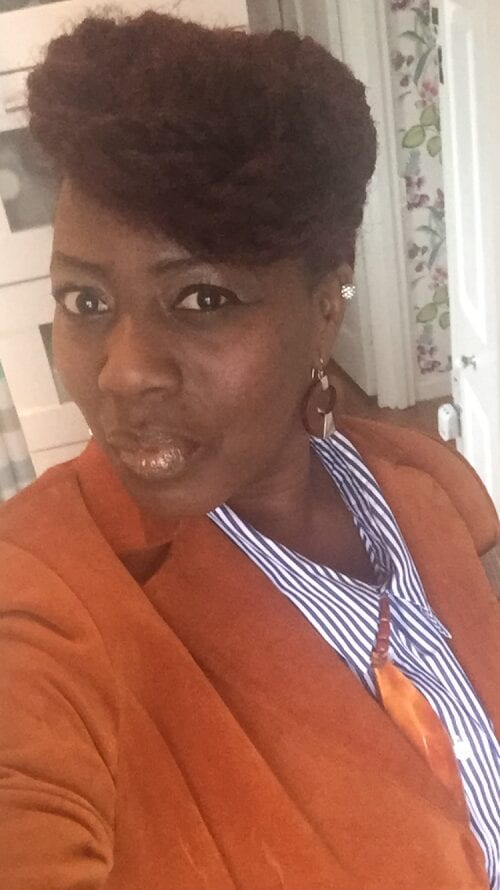
[bctt tweet=”Chellie Clarkson-Brown wants to make African-inspired apparel an everyday staple in Western Europe” via=”no”] No one ever tells you about the amount of work that goes on underneath the surface of the water- #icebergsyndrome… but keep keeping on and eventually the tip of your iceberg will emerge. Enter entrepreneur Chellie Clarkson-Brown the Founder and Creative Director of Afro Couture Designs LDN, a fashion brand focusing on sizes and designs for women of colour. With SLA contributor Neo Cheda, Chellie shares her entrepreneurship journey and what has pushed to her to success. Tell us about you and how Afro Couture Designs come about? I studied Pattern Cutting and Tailoring at London College of Fashion but left this to work within the retail industry. Well, it wasn’t for me so I returned to university at University College of the Arts. My time there was traumatic, to say the least. I was often denied the opportunity to express myself based on what I felt represented me. Everything I designed in reflection of my African heritage and life experiences, was, in my opinion, belittled and rubbished. I lost so much confidence in my abilities and myself, that I became depressed. To add insult to injury, I wasn’t even able to get any real retail therapy without having to break the bank. Come on now, we all know that the only way to make a girl feel good about herself in circumstances like these, is a good old shopping trip. The only items I could get on the high street were ill fitting for my body shape. As almost any woman of colour will know, it may fit everywhere else, but it “sho’ ain’t gone fit” around your hips, rear and thighs. Or you would go up or down a size to alleviate the problem above and guess what, it would fit everywhere else, but not your waist #BlackGirlIssues. So I did some extensive market research in order to collate a sizing criteria for women, particularly focusing on women of colour, as our primary target market. This has allowed us at Afro Couture Designs to create a more inclusive sizing range which is a better reflection of the modern day woman. Most importantly, it incorporates the proportions of women of colour too. As part of our initiative, we are committed to being environmentally friendly by being as sustainable as we are practical. Tell us about your vision for Western European Demographics. At Afro Couture Designs LDN, we design and create on trend contemporary African-inspired apparel and products and our intention is to make these products an everyday design staple within the Western European demographic. Our products are not intended to exclude or to be divisive, rather our products are primarily intended to celebrate and embrace all things African and showcase the beauty within the continent and how it can compliment European fashion trends. We use high end design techniques, pattern cutting, and production techniques and source the highest quality fabrics. At Afro Couture Designs LDN, we fuse and mix together an eclectic range of fabrics from the both the Western European and African Hemispheres to bring you our AfroEurocentric collections. The collections within these ranges are African inspired with a contemporary twist and are intended for those who not only think outside of the box but actually go one step further and throw it away altogether. Afro Couture Designs LDN, provides a multi-faceted design and production service from fashion, products, and interior design to delivering fashion workshops and property development. Afro Couture Designs LDN’s business objective, is to be the one-stop shop or boutique for all your design requirements. Akin to the likes of the Selfridges of London or Macy’s of New York- for all things Afrocentric. What accomplishments are you most proud of? Getting it all together again from being homeless after my home was repossessed and I lost my job. The struggle was harder as I was a single mother at the time. But all things are possible through God. “Everything is possible for one who believes” Mark 9:23. #Ifyoucanconceiveit- #youcanachiveit What challenges have you faced that are unique to your business? Trying to blend Afrocentric influences harmoniously with the Eurocentric to create the AfroEurocentric brand. Additionally, trying to secure financial support for such a new concept with the intention of making the brand available to the mass market. [bctt tweet=”Afro Couture Designs aims to give exposure to established & emerging African artisans” username=”SheLeadsAfrica”] Which 3 African women that inspire you and why? My Grandmother, the late great Madam Margaret Ntiamoah For her determination, her tenacity and most importantly how resourceful she was. I remember growing up in Ghana during the coup d’état of 1979. Food was rationed and money was tight. There were so many of us living in one room and my Nana, would create gourmet dishes for all of us from one tin of baked beans, or even crack 2 eggs in a spinach stew and manage to make that stretch around 6-8 of us, with some left over for the next day. On the days we had money for coal, in the morning before school, Nana would set the coals in the coal pot (which I’d fan) to make the morning porridge, the smouldering coals would then be put into a cast iron, hence the name, to iron our uniforms. After that, the hot cast iron would then be dipped into the cold bucket of water to warm it up for our morning baths. Talk about resourceful! She got up at the crack of dawn every morning well into her later years to go set up her market stall at Mokola market without fail. Her work ethic has stuck with me till this day. God rest her beautiful soul. Ghanaian designer, Christie Brown For being self-taught and still managing to make it into the mainstream fashion world. I’m inspired by her style and the fact that she has slowly over the years managed to place herself
Zakithi Mncwango:I keep following the great yellow brick road of my career and trusting in my bliss.
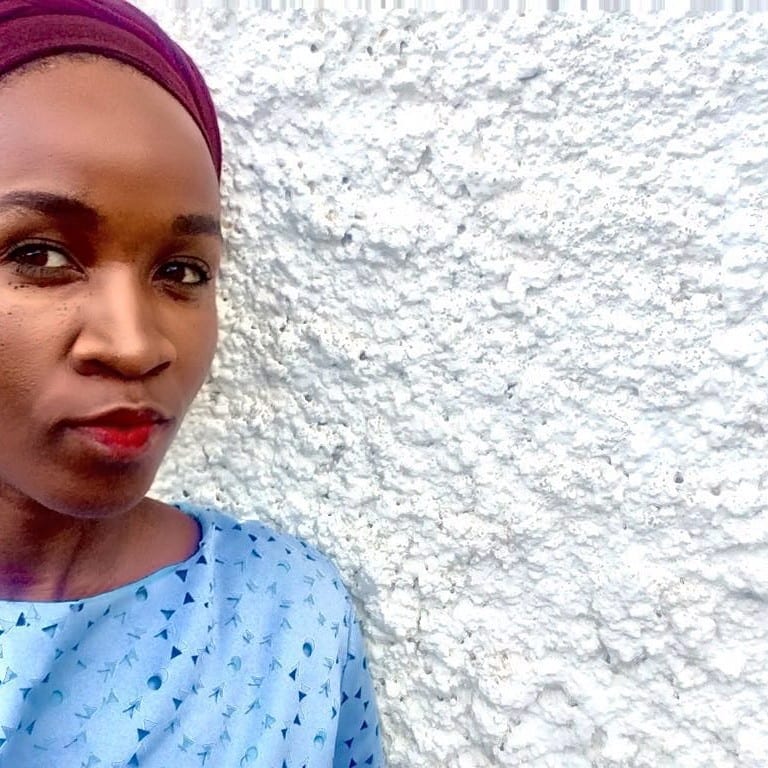
[bctt tweet=”The truest version of yourself as you make your way through your career will get you far” username=”SheLeadsAfrica”] In addition to being Stevie Wonder’s biggest fan, Zakithi Mncwango is also the Africa marketing manager of Safilo. Safilo is an Italian eyewear creator and distributor of global fashion and lifestyle brands such as Fendi, Jimmy Choo, Hugo Boss and Marc Jacobs to name a few. Zakithi is an economics graduate happily working with the world’s leading fashion brands. She is highly skilled and experienced in luxury brand marketing management across the continent, with an interest in luxury brand strategy. When she is not building brands, Zakithi mentors marketing graduates and enjoys lunches that turn into dinners with great friends. Walk us through your career journey to this point of Marketing Manager at Safilo? In a way, my career journey has been a series of decisions and moments of grace that have arisen as result of my decision to “follow my bliss”. I loved economics in school, the idea that I could have a contribution more meaningful than just an opinion on the workings of the world; lead me to the study in university. While at university I sort of wandered into marketing, and in the line of my life, I followed my curiosity and throughout the course of some years since I graduated I have been able to work on some of the world’s leading food and beverage, cosmetics and fashion brands. As a marketing manager, your days are truly never the same. Through the many industries I have worked in, I’ve been exposed to all kinds of wonderful and interesting consumers. Our team must find new ways to communicate our key brand messages in this dramatically changing digital connected age. Now, I work with the Italian company Safilo that distributes some of the world’s leading fashion and lifestyle eyewear brands. I consider myself to still be in the early stages of my career journey but I’m having fun, reveling in challenges that come and finding new ways to talk about some truly iconic brands. I keep following the great yellow brick road of my career and trusting in my bliss. Share with us two major lessons learnt climbing your career ladder? Be authentic. The truest and realest version of yourself as you make your way through your career will get you further than a put-on version of someone else. It’s wildly rewarding to feel valued for who you are, and I’ve learnt in time that it will probably get you further than anything else. Do the very best you can with what you have and BE YOURSELF. I’ve seen time and time again that as you build a circle of influence throughout your career, authentic connection is the primary quality that directs the power of the relationships you can build professionally. Secondly, decide. It’s a common state I think to always seek external counsel or opinion before you make any decision. Be it what you’ll have for lunch or whether you’ll take the red pair of shoes or the green pair and inevitably bigger professional decisions such as whether to re-shoot a big budget tv ad or change direction on a brand strategy. The point is, at one stage or another there will be no one to co-opt the decision making with. There’ll be no time. You may have a set of choices with various probable outcomes and not enough time to explore them all. Whichever stage in your career, don’t shy away from leading the decision-making process. It could all go wrong. Or it could all go wonderfully well. Either way, at the start of it, you must decide. So, decide. What do you enjoy most and least about what you do? I work with some of the world’s most beautiful and inspiring brands. I love this! Every day, our team must find new ways to keep these brands fresh and interesting, I love that challenge. Everyone wants to be at the top. It’s a constant process of having to re-invent and this is sometimes very difficult. The competition is fast, so we must be faster. A challenge we rise to! Working at Safilo gives you great exposure to luxury brands, are there times you get star struck or rather brand struck working with some huge brands and how do you manage to keep your cool? Yeah sure, working with global icons, of course, I get a secret thrill! This doesn’t go away I’m afraid, and I hope it never does. I think with time I have managed to gasp and shriek a little less loudly in the office environment. But to be honest I love the brands I work with so I really revel in the chance to talk excitedly about them. What would you say is your major goal for 2017 and how do you plan to achieve it? In 2017, I would like to get the “cobwebs and dust” off my French. For working purposes it’s fundamental to me as I travel. I’ve already signed up for a class so I’m looking forward to that. I’m also looking to grow my professional network as I think it’s vital to personal growth to be connected to people especially from all walks of life. The major 2017 goal though is to have fun. Lots of it! We know you love Alber Elbaz, which other designers do you fancy and why? I don’t think there are any additional accolades I could give to Ozwald Boateng that he hasn’t yet received. He is truly a pioneer. His design philosophy and how it continues to evolve is truly magic. I’m lucky to be alive in a world where I can witness that kind of genius. I used to have my own blog and in that time found the work of Aisha Obuobi’s Christie Brown. Her work is truly wonderful. It’s a contemporary African aesthetic that belongs all over the world. I continue to watch and marvel at her work!
Nike Fagbule: Public Relations is an industry that is constantly evolving.

[bctt tweet=”We are not a one size fits all company because all clients are inherently different” username=”SheLeadsAfrica”] Nike Fagbule is a seasoned PR professional in Nigeria. In 2013, she founded Zebra Stripes Networks, an integrated marketing agency based in Lagos. Over the years, her company has been able to focus on delivering quality service as well as contributing to the development of different economic sectors. They also offer their quota to Corporate Social Responsibility. Nike’s triumph story is one that resonates round passion and commitment to what she does and she has inspired and empowered people along the line. How do you distinguish your brand from other PR labels? Zebra Stripes Networks (ZSN) is very hands on with client activities, especially those that relate to an interaction with their primary audience and the general public. We are not a one size fits all company because all clients, even if they do business in the same industry, are inherently different. At ZSN, we tailor make strategies and techniques for each client. What are some of the common issues/challenges in the PR industry? Like every other industry, sourcing for efficient employees is a major challenge; a lot of people come to this job with no understanding of what is expected of them as a public relations specialist. Public relations is very challenging and requires that you’re great at multi-tasking. It is also an industry that is constantly evolving. Some years ago, public relations in Nigeria was all about media relations -sending releases and monitoring media, but these days it has a lot to do with creating engaging stories and having your audience’s ear till you say I am done. It is no longer limited to traditional media. I’d need an entire interview simply dedicated to PR challenges. If you were not doing PR, what would have been your next option? I’d probably be a writer. It’s what I thought I’d be doing when I was a child. [bctt tweet=”Nike Fagbule: Working non-stop is counterproductive in the long term. ” username=”SheLeadsAfrica”] What sacrifice have you made for your company to exist today? Uncountable sleepless nights, a handful of friendships and conspicuous absences at family functions. In the early days of ZSN I did not have weekends to myself and it was a couple of years before I could go on a vacation. I had to take a step back because eventually working non-stop is counterproductive in the long term. Describe a day with Nike Fagbule. When I wake up in the morning, the first thing I do is to read a Bible and book chapter. Then I exercise, check my emails for client alerts and then I go into the office. I also watch a lot of American television so I find a way to infuse it into my day. Which celebrity would you like to work for and why? I’d like to just have a conversation with Shonda Rhimes and her publicist. Shonda is obviously not a celebrity so that probably doesn’t even count, but that would be goals for me. If you’d like to share your story with She Leads Africa, let us know more about you and your story here.
Maxima Nsimenta: How to build a successful cosmetic brand

[bctt tweet=”Maxima Nsimenta is proving to herself & the world that quality can be made in Uganda” username=”SheLeadsAfrica”] Ironically, some young people are spending countless hours drafting and sending job application letters in search of white color jobs, while those employed, are quitting pursuing their passions in businesses. What’s more, the latter are not only becoming regional brands but also going ahead to create employment. With the ever eluding job opportunities and increasing cost of living, it is time young Africans started thinking of what “they can do to their countries” instead of the other way round. That said SLA contributor Maureen Murori caught up with a young entrepreneurial Ugandan lady, whose life’s motto is: “Why not?” Maxima Nsimenta is the CEO and managing partner at Livara, a cosmetics company dealing with natural skin and beauty products. The Steve Jobs inspirational quote: “Being the richest man in the cemetery doesn’t matter to me. Going to bed at night saying we’ve done something wonderful, that’s what matters to me,” is what keeps Maxima awake striving to do something different but wonderful! Maxima and Maureen spoke extensively about founding Livara and Maxima’s personal growth since the venture. Here is what Maxima shared: For some young people, starting and running a business is a challenging task that they would rather not take up. What was/is the inspiration behind your venture? While I was still employed as a Field Engineer at one of the world’s largest oil and gas service companies, I had the opportunity to travel vastly. During my travels, I noticed that some of the high-end cosmetics products used oils and ingredients from Africa. It is these oils that especially made the products that much more valuable. Whenever I’d return home, I’d notice that we weren’t adding value to these oils locally. This seriously perplexed me. In addition to this, after about one and a half years of employment, I stopped getting the fulfillment I initially had with the job. I felt empty and purposeless. It started becoming more of a mechanical aspect of my daily life. Yet, when I indulged myself in beauty and cosmetics, I felt content. I then proposed to build a company that would manufacture top quality natural and organic cosmetics that would compete with the international brands. However, I’d do it from my country, Uganda. I planned to prove to myself and the world that quality can be made in Uganda. It took me about a year to prepare for Livara; mentally, financially, structurally. Then when I had my minimums in place, I took the leap. When people are starting out a business, there are several things that they learn on the job. What are some of the things (positive or negative) that you learned about your business or self since starting your venture? Patience! Before I started out in business, I was used to getting what I wanted when I wanted and how I wanted it. In business, especially the manufacturing business, everything is based on processes and systems. Given that I’m building my company based on systems, it always hits me at home where it hurts. Not everything is instantaneous; perfection takes time and is worth the wait. I have learnt to respect people’s time and competencies a lot more. I have also come to understand and learn the value of teamwork from a front row seat, I cannot do everything alone. Business has taught me to learn to trust and rely on people to do their job, a lot more than I used to before. I have become addicted to knowledge acquisition. Nowadays, I read a lot more to be on top of my game. However, because of this, I realize that I have less time to build my other personal relationships -many of which have been affected. I hope it pays off eventually. Most importantly, I have become more spiritual than before. I have put my hope and trust in God, to guide and help me with the things that are beyond my control. There are several things that could have gone wrong but suddenly and unexplainably did not. For me, that is my God at work; leading me through this journey. [bctt tweet=”Not everything is instantaneous; perfection takes time and is worth the wait” username=”SheLeadsAfrica”] What skills did you acquire either through practice, work placement or learning institution to improve business? I’m not certain if research is a skill or a culture! But it is the most important thing that I picked up from my previous jobs. I only executed plans after more than adequate research had been carried out. Before my business, I had three jobs that were all scientific and research based. I’d literally spend nights up learning about different things related to one particular aspect of a bigger picture. It was my job to adequately understand the pros and cons and have a comprehensive yet conclusive position on any decision I made. This research-based decision making has been a fundamental skill for my business today. Presentation skills: Many may overlook this, but this is crucial. Although acquired and built over time since my university days, presentation skills have become a great acquisition that has helped me to negotiate better deals for myself and my business. Report writing: This includes writing project studies and reports. This is a skill that helped me write my business plan that won me incubation space at the Uganda Industrial Research Institute where we are based. Had I not known how to write a business plan and adequately present it, I do not know how far I would have come by now! Communication and interpersonal skills are other skills that keep on resurfacing and pushing me forward. The two keep evolving and changing with different circumstances. So, the basics molded me. And they continue to do so, even today. In the end, I’ve learned that it is always the relationships we have that help to either build us or break us in life. What is
Chika Madubuko: Creating a platform of care and support for the elderly

[bctt tweet=”I was able to identify winning business routes and steered Greymate Care in that direction” via=”no”] A young woman’s trouble in finding a safe and reliable caregiver for her bedridden granny, made her think of filling that void for others. As a #MotherlandMogul who believes in improving the African economy by identifying and solving problems, Chika Madubuko is using technology to support Nigerians, one elderly and disabled person at a time. Making life easier in Africa is one of the causes Chika is passionate about, she has businesses in the agricultural and health sector including her caregiving online platform Greymate Care. Greymate Care offers a safe and secure platform for people to look for a caregiver for their elderly family. With experience in multinationals such as Amazon Inc. and Guinness, Chika is gradually turning Greymate Care into an empire and improving the lives of the vulnerable people. In this interview, Chika talks about the selflessness and business acumen of African women when it comes to unconventional business ideas. What is the story behind the birth of Greymate Care? Greymate Care was created so Nigerians never have to experience the same hassle we did when my granny became bedridden due to diabetes. We were all busy and couldn’t provide her with the care she deserved. Hiring a caregiver for her was so complicated. Sometimes miles were travelled in futility to interview one caregiver, and we often ended up with a poorly trained caregiver. Not to forget the security issues that had to do with having a total stranger in the home. I asked around and discovered it was not peculiar to our family. The busy professionals complained too. Greymate Care addresses the problem and is an online platform that connects the vulnerable to a competent, insured, and professional caregiver. Our caregivers are background checked thus taking the stress of care off busy professionals. The icing on the cake is that you can get even a doctor or a nurse from the platform. Even in the event there’s a strike, doctors never have to worry as there is a source of income for them. [bctt tweet=”The African market is a very unique one and a foreign business idea would fail if necessary tweaks are not carried out” username=”SheLeadsAfrica”] What skills have come to play for you in the course of running your business? My meticulous nature and business acumen have been pivotal to the success of Greymate Care. I was able to identify winning business routes and steered Greymate Care in that direction. The business also requires a lot of personalised activities per service user; I could spot each peculiarity by paying attention to detail. Did you experience hiccups in localizing this western business concept into the African market? And how did you scale through? The African market is a very unique one and a foreign business idea would fail if necessary tweaks are not carried out. One marketing or recruitment error can grind the business to a total halt. For Greymate Care, it was hard initially to convince everyone on the value chain, from the investors to the consumers. The consumers were worried about safety due to concerns about crime rate and the investors, viability. We subscribed to premium insurance and background checks from experts and with that, we were able to convince the prospects on security. They were converted to paying clients, and when the numbers increased, the investors became convinced on viability. What business support(s) have helped you so far in the course of running your business? Mentorship from successful entrepreneurs has helped a lot. Attending relevant networking events has also proven useful in the growth of Greymate Care. [bctt tweet=”Build an excellent product and watch it sell itself – Chika Madubuko” username=”SheLeadsAfrica”] How do you sell your business to your clients and make them trust you? First is developing a good product that speaks for itself, our methods are different. For example, instead of manually lifting a service user, we insisted on hoists. We then sell our uniqueness and reviews from existing customers through social media, press releases, and offline marketing. Our best bet is influencer marketing where we partner with key individuals/firms and gain referrals from them. Gaining their support is easy as our services are unique and of world standard. Our mantra remains ‘build an excellent product and watch it sell itself’. What four words resonates with your business Priority, Attention, Technology, Compassionate. [bctt tweet=”With the right business strategies, your market share will be significant – Chika Madubuko” username=”SheLeadsAfrica”] As a young entrepreneur, what are your expectations in the business world? I am mentally prepared for the daunting process called entrepreneurship. I hope to achieve my milestones, such as gaining 30,000 service users by 2018, and raising enough funds to expand to other African countries like Kenya and Ghana. Does monopoly from a starting a new business concept play any role for start-ups? Running a monopolistic business can be likened to a life-size oxymoron. With the right business strategies, your market share will be significant but your marketing budget has to be really high since you’re first on the scene. If not Greymate Care, what other name would you go for? Iya Care If you’d like to share your story with She Leads Africa, let us know more about you and your story here.
Nelly Olang’: Women, sanitation & basic hygiene are the key to creating lasting change in Africa

[bctt tweet=”Nelly Olang’: Lack of sanitation remains one of the world’s most urgent health issues.” username=”SheLeadsAfrica”] Nelly Olang’ is the founder and Managing Director of Connel Enterprises Limited, a company that brings relief to women and girls through provision of sanitary services. With good use of her creativity and drive, she is improving personal hygiene to transform lives and boost health and survival in Kenya. Nelly thrives on challenges especially those that aim towards making her company grow. In her words, “I believe that the question isn’t who is going to let me; it’s who is going to stop me.” SLA Communications Fellow, Tonye Setima-Benebo was able to get more insight on Nelly Olang’s entrepreneurial journey in this interview below. Please tell us more about your business? My company is registered by the name Connel Enterprises Ltd. It is a hygiene services company which aims to bridge the gap in health promotion. The company provides quality foot-pedal operated sanitary bins that are placed in female washrooms. The sanitary bins fit feminine hygiene requirements since they are placed with liners, perfumed disinfectant and strong granules that kill bacteria. This provides a safe and discreet disposal solution for female dressings. The bins are regularly maintained, serviced and contents are incinerated. Our clients include hotels and restaurants, hospitals, schools, offices, NGO’s, parastatals and churches. We are currently providing services in the Nyanza and Western Regions and rapidly expanding countrywide. Why choose to focus on women’s hygiene? Women, sanitation and basic hygiene are the keys to creating lasting change in Africa. Lack of proper sanitation and poor hygiene play a major role in mortality. Ensuring that girls and women are provided with a means of observing their personal hygiene, could transform their lives by boosting their health. Lack of sanitation remains one of the world’s most urgent health issues hence bringing relief to women and girls through provision of sanitary services will result in better services for all and benefit entire communities. With limited resources, how were you able to run your start-up? The first years were very challenging with cash flow. I had to plough back profits to keep the business running. This also made me run a one-man show for a while, as I had to play almost all the roles single-handedly (playing the marketer, director, messenger, accountant, service lady) till I could afford to employ staff to assist me. I really had to reduce expenditures as much as possible and put all the cash I had growing the business as much as possible. [bctt tweet=”Entrepreneurship is about living like most people won’t to spend the rest of your life like most can’t.” username=”SheLeadsAfrica”] As an entrepreneur, what are some of your skills that have been useful in business? Marketing skills: I am a very good marketer and very good at creating rapport and conversations. This has played a huge role in driving clients to have interest in our services and has greatly contributed to our growth in the two and a half years. Customer focus: My number one priority is to ensure all our clients get quality service and that our service crew delivers professionalism which we promise our clients. Communication skills: Through this skill, I have been able to charm new clients as well as retain our clients. This skill enables us to have a good relationship with our clients. What lessons have you learnt from owning a business? I have learnt that sometimes all you really have is just yourself to help you get what you want so you really have to go confidently in the direction of your dreams to get what you want. People will only show approval/support when things start taking shape. I have also learnt that entrepreneurship is not an easy journey; most people never share the challenges. It’s all about living a few of your years like most people won’t so that you can spend the rest of your life like most people can’t. Then I have learnt not everyone is genuinely happy for someone else’s accomplishment, loyalty is also very rare and you have to be careful about who you keep close to you. Finally, passion, drive, patience, persistence and loving what you do and understanding your reasons for doing it, is very important to help you get started. [bctt tweet=”Go confidently in the direction of your dreams to get what you want” username=”SheLeadsAfrica”] You started your business at younger than 25 years old, where do you see yourself at 50? The future is bright, I have plans to scale it up and expand the business by incorporating hygiene-related services and expanding to the East African region. Which would you spend more money on, make-up or lingerie? I would spend more on lingerie. Lingerie is the foundation of your everyday wardrobe so investing more on it would be better as it makes me feel comfortable. If you’d like to share your story with She Leads Africa, let us know more about you and your story here.
Veronica Otogo, The Asoebi Guru: I’ve always wanted more than a degree and a job
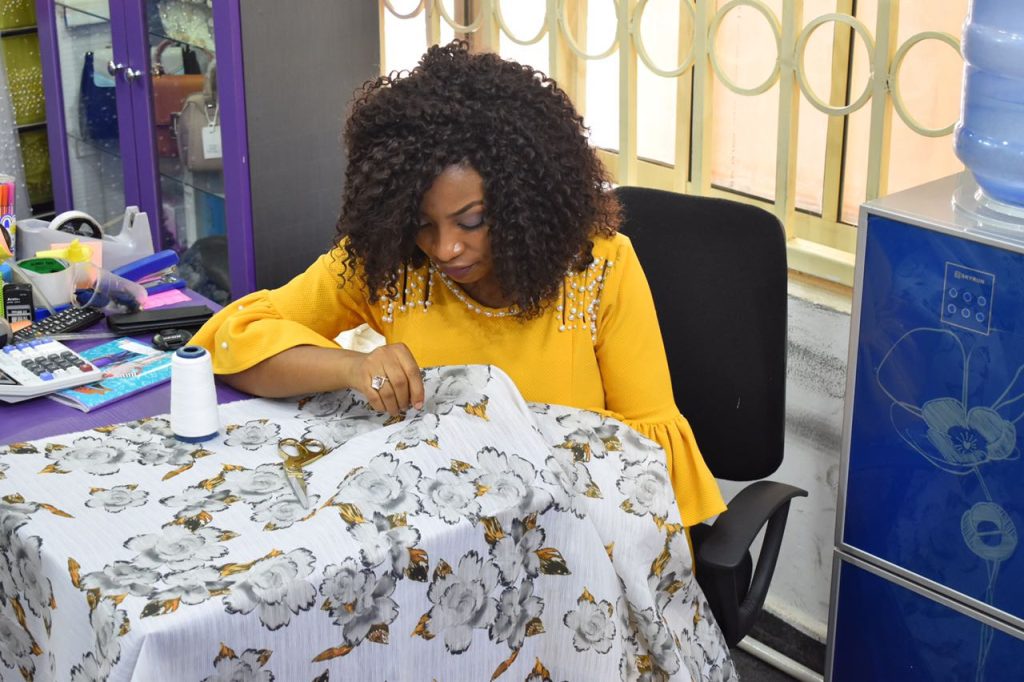
[bctt tweet=”I’ve always been driven to be the best version of myself – Veronica Otogo” username=”SheLeadsAfrica”] As #MotherlandMoguls, no matter what is thrown at us, we need to bounce back stronger. Enter entrepreneur Veronica Otogo. Ronnie as she is fondly called, has been hit by her fair share of challenges however, she is not letting up. Veronica Otogo was recently all over social media and in our prayers. With SLA contributor Ugochi Obidiegwu, she shares her entrepreneurship journey and how her business runs in her absence. What lead to the Asoebi Guru business? I have a degree in accounting however, I have always wanted more than a degree and a job. I graduated and got a job in an investment company but something wasn’t just right, I just wasn’t happy even though I had started my business. My sister and I co-founded AsoebiGuru Fabrics. We started fabric retail in 2014 because it was something we both knew about. It wasn’t easy at first, reaching our target market and finding loyal customers due to our location (we weren’t very visible). In 2015, we lost our dad. He had been our main pillar of support and had convinced us to quit our respective jobs to grow AsoebiGuru Fabrics since we loved it. Even when we felt the stress was too much, he encouraged us. When he left in January 2015, it was devastating, even now, nothing has come close to the pain we felt (and still feel). We closed down the business, but with God, we picked up again in October and from then it was all about making our dad proud. AsoebiGuru Fabrics is better than ever, we have the best customers, we get to meet new people everyday especially women and get to share in their stories and experiences. In 2016, it was all about growing the business, having a good background and a sustainable system. I am a strong believer in this -there’s nothing that can stop you from achieving YOUR greatest except you and this has pushed me. I’ve always been driven to be the best version of myself, to motivate someone to go higher than they are. Why did you choose fabric retail despite other businesses similar to yours? I’ve always wanted to be in the fashion industry, but I wanted to do something different. So we decided to make the best of the fabric business my sister started when she was in school. We don’t just offer the regular fabrics you find in a typical Nigerian fabric store, but something exceptional, something different. How did you make it in a seemingly overpopulated industry? When you have a vision of what you want to do, you cannot afford to second-guess yourself. You have everyone else to do that for you so, focus on the vision. Next, you have to find people who are already in the business to learn from. It is important to find these mentors and watch them. The importance of mentors cannot be oversold. If you are in an overpopulated industry, you cannot afford to be mediocre, strive to have the best product, the best service. Recently, you were away from your business, did business still go on in your absence? How? My business did go on in my absence but it wasn’t easy! It was like everything was paused for 10 days. Yes, we had a structure and staff who work in our store, but it wasn’t just the same. Business was really slow then (I could tell from the records). Some customers were scared of coming to the store, my sister was only concerned about my whereabouts and safety, staff input was really poor. I am a strong believer of “a happy heart produces good results” and at that time, no one was happy. In all, I am grateful for my team. They stood by us through that rough period. We came out stronger. I am not one to stay down after a fall. I am blessed to have amazing people around me so the healing process was fast and easy. Business is back to normal now, and we are looking forward to an amazing year ahead! Why are systems necessary even in a small business? When you have structure everything flows. When people working with you understand your vision and know where you want your brand to go, it automatically makes your business easier. We cannot control what happens around us but we can control how we react to it. Setting up a system not only eases your business but it prepares you for the unknown. What is the most difficult part of being an entrepreneur and how do you manage it? There are a lot of ‘difficult parts’ of being an entrepreneur but I’d say one that is tough to fight is unfavourable government policies that affect everything from travelling to sourcing for fabrics to shipping to renting shop space. We have no other choice but to push through it. When a new policy is enacted that makes business tough, we always find a way around it. God is on our side. What do you wish you knew before you started your business? The power of advertising. For about a year when we started, we struggled because we didn’t get the word out. [bctt tweet=”The secret to being a successful woman in today’s market is to walk to the beat of your own drum” via=”no”] What are your final words to young women in business and career. I’ve not had a lot of experience, but one thing I am sure of is the secret to being a successful woman in today’s market is to walk to the beat of your own drum. Always listen to your intuition. Use your stumbling blocks as stepping stones. When you feel you have greatness in your heart, go for it! The worst thing that can happen is that it wouldn’t work out, but you get a medal for trying. Always keeps moving, even if