
Regina Opondo: The Kenyan civil society sector is very exciting
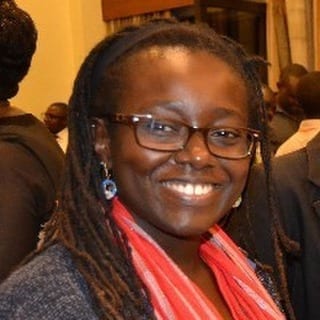
Regina Opondo wears so many hats in the Kenyan civil society sector. She is the Executive Secretary of CRECO, a consortium of 23 civil society organisations in Kenya, Co-Convener for the ‘Kura Yangu Sauti Yangu movement, a platform for political dialogue around Kenyan elections, a Deputy Convener for the Civil Society reference group in Kenya, among others. Regina believes that women work best together and dismisses the saying the women are their own worst enemies. She also says women tend to do very well in civil society as compared to other sectors. If you’ve ever considered starting a career in civil society, this one has lots of gems for you. Why civil society and not a different sector? I always knew that I wanted to help people especially on human rights issues, and for me the civil society was the only way. The civil society sector is also very exciting. There is always something new every day, and there is a feeling of family as we all work together towards specific good. Do you think are the barriers to women’s progress in the sector? I would say there is minimal barrier as women with technical expertise in the sector tend do very well as compared to other sectors like the government and the cooperates. To some extent though, there is the social barrier. I think it is sometimes quite a challenge balancing between work, family and the civil society work. The sector is quite demanding as it requires more hours at work, traveling now and then, active activism and advocacy. Most women with families in the sector have had to tone down after on active participation in their work and are not as active as they were before. They are forced to take less work and take care of other social responsibilities. Does being a woman-led organization give leverage in winning donor funds? I would say yes and no. Yes, because it makes it easier when one is dealing with women-led donor organisations. I have always believed that fundraising is about building relationships and how you relate. You see for women, there are so many things to share. We talk about challenges and how to handle them and freely give advice when needed. Hence, it is easier to pitch agendas and ideas to women for funding. With men on the other hand, it is hard to build relations as relating with some can be quite a challenge. No, because the playing field is the same and the quality of work is what matters. What are your views on the relationship between civil society organisations and the government? There is a general feeling of mistrust and open hostility that manifests itself differently in many African countries, and in Kenya to be specific. The current government has not allowed the civil society organisations (CSOs) to operate freely and there is the new bill in parliament to amend the Public Benefit Organisations Act. The PBO Act aims at protecting freedom of association and allows civil society organisations doing public benefit work to operate under one single Act. The Kenyan government though, has refused to put a commencement date on it. Has your ethnicity ever affected your advocacy work? To some extent it has, as others always believe that since one comes from a specific ethnic community, they are automatically inclined to a specific political party. Hence, they do not tend to be keen on important issues raised but judge your actions, as genuine as they are. What do you do in your free time I love art and craft, watching movies, reading fiction and swimming. I have to try keep fit you know 😉 Any advice to upcoming women leaders? I would say, look for good mentors to serve different purposes in life whether career, spiritual, family and even technical. After you succeed, remember to give back that which has been given to you. Want to see women you know featured on SLA? Tell us what amazing things women are doing in your communities here.
Emma Maame Efua Tandoh: Our business only exists because of those we serve
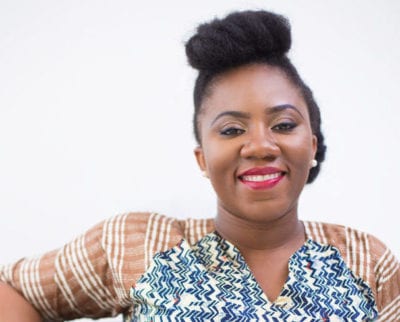
The coolest startups are those that offer services particularly targeted to other startups. Emma Maame Efua Tandoh started Outspoken Edge in 2015 to offer digital marketing services for entrepreneurs looking to scale up their businesses. It gets even better, Outspoken Edge focuses on women-led businesses. Say yes to girl power! Since it’s inception, Emma has guided Outspoken Edge to new heights which she credits to what she learned at SheHive Accra earlier this year. Outspoken Edge has also been part of the Tony Elumelu Entrepreneurship Programme. We learned about digital marketing in Ghana and what proud moments feel like when you’ve achieved a lot. What’s the digital marketing scene like in Ghana? How does Outspoken Edge fit in (or not)? The digital marketing scene has undergone a transformation in Ghana. Over the years, it’s seeing a lot of new players, including Outspoken Edge, which I founded in May 2015. What differentiates us from the others is our focus on startups and SMEs. We realized that a lot of our competitors were focused on providing services for big businesses and multi-nationals. There was an opportunity for us to make an impact because there are a growing number of burgeoning entrepreneurs who had great ideas and would need help scaling their business. As a entrepreneur myself, I had a first-hand experience of how hard it is to want to stay lean but also market and scale your business as quickly as possible. So, its always easy to understand the peculiar needs of the brands and businesses we manage. Why did you decide to focus on providing services for women-led businesses? Let’s face it, over the last year, we’re hearing a lot about women in agriculture, women in tech, women in business. Clearly, a lot more women have taken up the challenge and are ready to lead in their respective fields and charter their own courses through entrepreneurship. Over the last few years, economists and academics have trumpeted and continue to agree that women entrepreneurs are an under-tapped force that can rekindle economic expansion. So, the question is, why not women-led businesses? At Outspoken Edge, we simply saw a gap in the market and seized an opportunity to make impact. We (women) are the future of business, we’re the future of our respective economies. We believe if we can help one woman effectively scale their business online using digital tools, then that’s progress. If we can help more, that’s success. Why do you think you were chosen to be part of the Tony Elumelu Entrepreneurship Programme? The 2016 cohort of the Tony Elumelu Entrepreneurship Programme is made up of men and women from diverse backgrounds in Africa. These are entrepreneurs who are challenging the status-quo and with their exploits, products and services. They are leading a new generation of Africans who have the grit, tenacity and attitude to transform their continent. Outspoken Edge is no different from these businesses. What helps us stand tall is our passion and commitment to our work. Also, our resolve to leave a legacy and inspire others on the same journey to be great and make an impact in our communities and in the world. You mentioned that SheHive Accra helped grow your business. Tell us how SheHive Accra was really a turning point in my career, I must say. I had Outspoken Edge registered in May of 2015 but for several months, I was afraid to take the plunge into full-time entrepreneurship. I knew this was definitely what I wanted to dedicate my life to but there were questions and concerns, lots of them. In January, when I heard She Leads Africa was going to be in Accra, I quickly applied. Over a week, armed myself with so much practical and useful business development, financial and marketing knowledge. It was exhilarating. I met other women entrepreneurs from Ghana and other countries and we shared our experiences and challenges. One of my biggest takeaways was a session on marketing where we were taught how to put together a marketing research survey. We worked in groups and were asked to put our questions to the test by going out individually to speak to potential businesses and clients. This wasn’t just a great way to test the knowledge that had been imparted but also to reach out and speak to real people and with my survey questions. I was able to sign up a new client for Outspoken Edge after just 40 minutes of interviewing a shop manager in one of the malls in Accra. SheHive Accra was that jolt I need to get my business off the ground. The experience was one of my best this year and I’m most grateful for the new opportunities and partnerships. Having achieved quite a lot already, what would you say you’re most proud of when it comes to your work? Proud moments for me are when I get great feedback from clients. Our business only exists because of those we serve. So, it’s always great to receive great testimonials and feedback from the brands we work with. If you’d like to share your story with She Leads Africa, let us know more about you and your story here.
Hajer Kammoun: I’ve always been engaged in multitasking
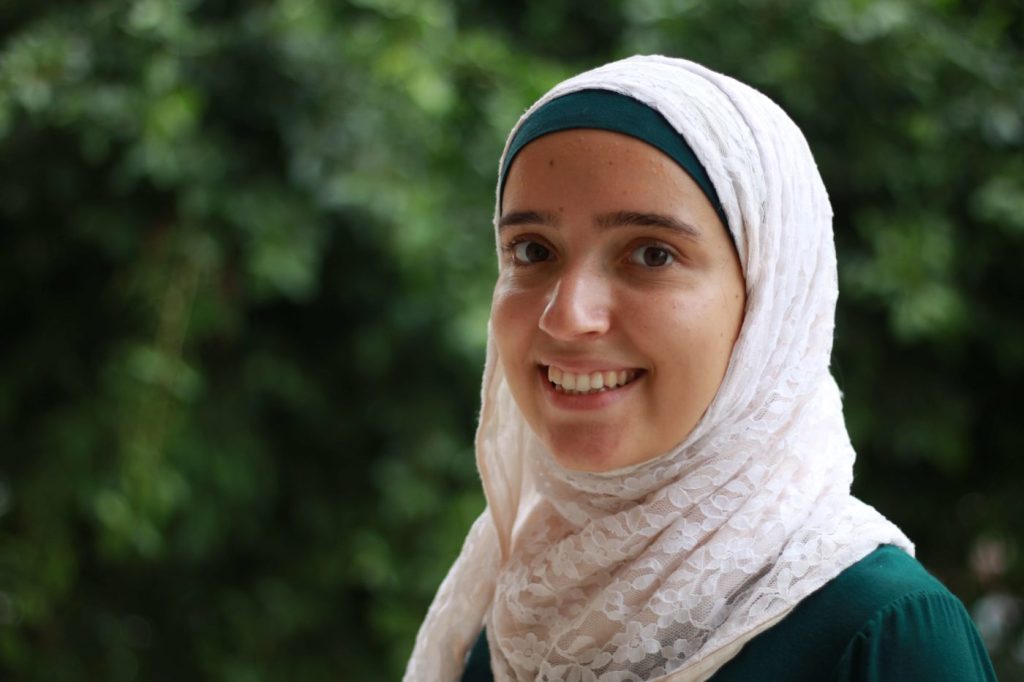
You know, sometimes you meet people that just make you want to sit down and reconsider your life’s objectives. Hajer Kammoun is one such person. She’s a medical student, a member of the International Association of Medical Students (Assiociamed), runs a school magazine, has participated in the SUSI program and is aiming at launching a social enterprise this year. It doesn’t stop there. Hajer also plays the lute and is an active member of the Junior Chamber International (JCI) with which she directs the ‘HopiClown’ project which brings clowns to hospitals to cheer up sick kids. Hajer is now trying to revolutionise the Tunisian educational system through her upcoming social enterprise. Read on to get the biggest dose of inspiration you’ll receive this week. Let’s start with the ‘Hopiclown’ project, how did you come to be the director it? I always wanted to be a member of a ‘Clowns in a Hospital’ group. Since I didn’t find one , I wanted to create my own team. I had in my mind a new approach which was to engage youth and give them an opportunity to all experience being clowns. This was to unlock their potential, challenge them, organize them as a team (for many of them, it was their first time preparing and presenting shows in public), show and present them in public and have fun. All while creating happiness and bringing hope and joy of living to patients in hospitals. I presented my idea and strategy to Junior Chamber International (JCI), a nonprofit organization of young active citizens age committed to creating impact in their communities. While some of the members approved the idea of organizing an event that targets children, the majority were against it. They thought the whole idea of us doing clown shows would be ridiculous and that it’d be better to hire professional clowns for this project. They thought it would be impossible for us to cheer up sick children because it requires experience. But, I wasn’t convinced! I was so driven by the dream of being with my clown family and drawing smiles on children’s faces that the only thing I had in mind was to find another strategy to do it. What did you do to overcome this challenge? First, I had to get permission and know more about any challenges we could facing. Then, I wrote a letter asking to the Chief of Pediatric Service. On our first round, I went with my sister, two JCI members and a friend to a hospital. We took with us some gifts and decoration bought from our own money. I also brought my lute with me. Even though we weren’t dressed as clowns, we talked to children and to their parents and made them laugh. I played my lute for them and we sang all together. This experience taught us a lot about working with sick children and their parents. We learnt things we would do again and things we’d have to avoid, the best gifts and the way we should give them… Most importantly, we saw the joy in the eyes of children and the happiness shared between parents as we performed. This proved me again how important my clowns in a hospital project would be. Still, I had to ensure that I, and anyone involved in my project, were able to deal with sick children and understand their psychology without making any unnecessary errors. To motivate and create my team, I organized an open event, a training called ‘HopiClown’ in collaboration with a pedopsychiatrist, Mrs Sarra Bousleh and a comedian actor and producer, Mr. Wissem Slimene. Did the training help with finally establishing ‘HopiClown’? People who assisted loved the first training , many of them got comfortable with the idea of being clowns or at least with being disguised as fairies, cats, etc. I was able to grow my team by many members. We then had another training with Mr. Slimene to show us how to put on a clown’s play. From that day on, we became a large team organizing full clown shows with theatre, music, dancing, storytelling, team games and more. The gift we get each time we put on a show, is the joy we see on the faces of children and their parents. We’ve one put on a show after the death of a baby and managed to change the atmosphere 180 degrees. I love how we create this huge impact while at the same time developing our skills and having a lot of fun too! I now have a large clown family who have put on great shows with their amazing skills. Moreover, they keep asking me each time we meet about the next event. People I’ve never met before have contacted me to ask for my help with putting up shows in carcinology service and the elderly home of Sousse. Why did you decide to start a magazine in your secondary school? There were three things that gave me this idea. First, wherever I am I want to leave my fingerprint. I want to make it so when I leave, I’ve made a change in the environment so it’s not the same as when I entered. So, I had it in my mind to leave something to my school. Second, one month before I started working on the magazine, a group of Belgians came to our school. I witnessed how different their perspectives of us compared to our reality as young Tunisian students. I thought that it’d have been much better to have something to show them. Like a product of our school that informs about us, our culture, our talents, our ways of living, our thoughts etc. Third is that we never had a school magazine before, so I thought it was high time we made one. This is how I got the idea to combine students’ skills to create a product that will last forever in our school, a magazine. We used the income
Laura Eboa Songue: Social media made us
Sometimes, the most compelling reason for starting a media company is also the most simple: it’s a vision you just can’t give up. Since its launch in 2007, FASHIZBLACK has gone from just being a blog to an online community for Francophone Afropolitans. That’s rarely ever easy to pull off, but Laura Eboa Songue, the company’s co-founder did it by utilizing social media to its fullest potential. If you’ve ever thought about starting your own media company, there’s lessons from looking at what’s driving FASHIZBLACK, the journey so far, and the plans for the future. How did FASHIZBLACK come about? Originally, we created our media company out of a need for more representation. The idea started off in late 2007 with a blog. Street-style was starting to get momentum in Paris and out of all the cool blogs, there was nothing representing black people. That’s how the blog was launched. We went on to launch an official website in September 2008, a print magazine in 2012 and build a solid community online. How have you used social media to grow your audience? Social media made us, to be honest. It helped us understand our readership on a daily basis, connect with them, and have consistent feedback. We truly can say that we know our audience. Also, it helped us financially, since we raised $45,000 via Kickstarter during the summer 2011. Twitter and Facebook were the main reason for the campaign’s success. It’s really our foundation and we are thankful for our followers, they are our accountability partners. What is your vision for African fashion? The industry is still in its infancy, so the posibilities are endless. The structural challenges are amazing opportunities to grow and build an industry that fits our values and identities. Do you mind sharing with us the multiple projects you work on? Sure. Right now we are re-launching our premium print magazine so we are finalizing our contents production. My daily tasks can go from brainstorming about creative input like editorials and interviews, to corrections. I also work on partnerships, from influencers to affiliates and advertisers. On a personal level, I work with states, institutions & key-players in the fashion industry in France and Africa, via the AFRICAFRANCE foundation, to continue our actions structuring the industry. From market studies to training solutions, lobbying and trade shows, we try to push projects that will serve as strong basis for a more consistent industry. I also do speaking engagements here and there, when time allows it. I think it’s important to share my experience, not only to further our brand but to help out where I can. What trends can we expect to see in African fashion in the next three years? It’s definitely about growth and saturation. As governments and institutions (very) slowly realize how vital our cultures and know-how are core to our development as economies, the fashion industry will be provided will more efficient tools. I’m looking forward to the birth of more African brands, both commercial and creatively successful locally and/or abroad. How have you managed your relationship with your co-founder(s)? That’s an awesome question. First of all, I think I am blessed with incredibly talented, but most importantly, amazing human beings as my partners. Before being highly skilled, they have great (work) ethics, and strong values. So, it’s not hard to solve any conflict that could arise. We are pretty much always willing to learn and try not to get stuck in our own ways. Now, I’m not saying that everything is always perfect, but I can say that we are always trying our best. And we have the company’s best interest at heart, always. What advice would you give young African women looking to starting a career in the media? Just do it. We need so much more voices to speak volume for us, and to us. Starting a media is a very difficult task because it’s an extremely complex product to build and to sell, but if it’s your vision, you just can’t give up. One thing I wish I took more seriously, is getting a mentor. It would have saved me so much hassle and opened so many doors. We had nobody to show us the way, and made all the possible mistakes in the book. But hey, at least I can truly say now that I am a master at what I do and I know many different areas of business, media, fashion and self-development. Also, interning and training is key. Once again, I worked in luxury and fashion but we are 100% self-taught when it comes to media. So, if you can learn on someone else’s dime, please, do! Last but not least, be extra persistent, resilient, and stick to your vision no matter what. I believe in the law of attraction, so your vision is your reality. It’s going to happen for you! Want to see women you know featured on SLA? Tell us what amazing things women are doing in your communities here.
Hilma Ndinelago Moses: I want to be known as a selfless leader

If you believe education is key to changing the world, you can count your similarities with Nelson Mandela and Hilma Ndinelago Moses. Only familiar with one name? Well, you need to know Hilma. She is the creator of Nambian Opportunities, and co-founder of the Young Woman Arise Impact Project. Through these initiatives, Hilma strives for academic excellence for Namibians. SLA contributor Itumeleng caught up with Hilma who is living up to Mandela’s words in her own way. Her hopes and dreams for her country, Namibia is for everyone to have the opportunity to better themselves and their community through education. Hilda believes African education systems should be revised and is involved in other projects aimed at growing Namibia’s representation on the global stage. Why did you choose a career in law? Law is interesting and powerful. Most people who studied law are influential. You can’t change society if you are not involved in the process that regulates the very norms of society. We need people in Africa who are academically-orientated. I value the efforts of people going far to further their education whether it’s through TVET or short courses. It’s not just about university degrees but should be about acknowledging all those who make an effort to further their studies at different levels. We have to promote other avenues of learning beyond secondary education. You must have been involved in a lot of projects on campus? Tell us about them. I was the Vice President of the Student Representative Council (SRC). I am dedicated to transforming the overall student welfare of the University of Namibia by dealing with all issues that impede the affable atmosphere of academic credibility for all students. Having had the experience of being the secretary for Academic Affairs on the University of Namibia student body. My role required me to safeguard the general welfare of all students in relation to academic matters. This position allowed me to make evident lasting transformation in the academic environment of the University of Namibia. The difference that I have made in many students lives is remarkable. My office was the custodian of all students of the University with regard to academic matters. I also represented the students interests on the Senate body of the university. I represented student interest when exam results were declared null and void. When you represent students you don’t look at their nationality but what is best for them academically. Do you still plan on furthering your education? I see myself completing my PhD and becoming Dr. Hilma Moses. I also want to contribute in compiling academic literature from a Namibian’s perspective. What’s your opinion on the state of education in Africa? Africa is concentrating on providing free education but overlooks the quality of the education. It’s good to make education accessible but with accessibility should be quality. Therefore, the education systems should be revised. One of the problems with African education is academic victimization of students. Exam papers are leaked by those who are supposed to be protecting them. We need to promote and protect the right to education through Agenda 2063 and Sustainable Development Goals. What projects have you been involved in? I am the co-founder of Young Woman Arise Impact Project which was established through the University of Namibia Legal Aid clinic. We promote the rights of young women to health and sanitation. We distribute “care packages” consisting of soap, face cloth, toothpaste, tooth brush and sanitary towels. In 2015, we donated 500 care packages. We also have an initiative called “Donate a Bra” where we urge women to donate a bra to those in need. I also have an online platform called Namibian Opportunities. This is to expose Namibian youths to national and international opportunities. Namibia is under-represented in international organizations and I would like to see more people from my country in influential positions. What would you like to be known for in your country? I want to be known as an advocate for youth and opportunities for young people. I want to be known as a selfless leader. Someone who goes out of their way to create a path for others. When you are a leader you go out of your way to serve people and that’s what I strive to do. Most importantly, I would like to be remembered as a God-fearing woman. If you had the chance to prepare lunch for Namibia’s President, what would be on the menu? I would prepare Oshiwambo traditional food because it represents where I come from. Oshiwambo traditional food usually includes traditional chicken, omahangu porridge and evada (spinach). What 3 things are in your bucket list? Sky diving. Drag racing. Live in another African country, which I have achieved. ( I’ve lived in South Africa and currently live in Ethiopia) Want to see women you know featured on SLA? Tell us what amazing things women are doing in your communities here.
Ololade Oladipupo: My mother inspired me to start Esmadelle
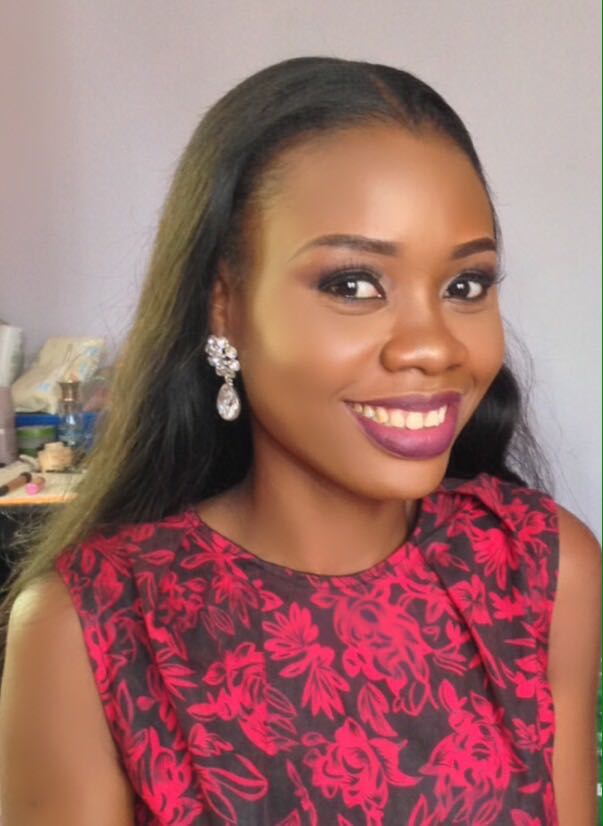
Mothers are so awesome, we don’t need to say that twice. Consider this, you’re young, creative and itching to earn your own income using your talents. Yet, you have little or no idea of what to do or how to get started. Ololade Oladipupo has been there and done that. As the creative designer of Esmadelle, Ololade was able to make strides in her Motherland Mogul journey thanks to the huge support from her mother. Recently, SLA contributor, Kofoworola Ayodeji tracked down Ololade for what turned out to be a heartwarming conversation. She shared with Kofoworola her inspiration, as well as the process of getting started with a fashion designing business and growing it into a profitable one, right from home. Not long ago, I attended a friend’s wedding in Lagos and it was real fun. Although there was more than enough to bite and chew and drink, I had to notice the wedding dress —it was simple yet very stylish and charming. Quickly, I inquired about the dress. And what I found was that the dress, which I had thought was from the “overseas” or perhaps from a big player in Africa’s fashion industry, was made by one young and aspiring fashion designer in Lagos. Tell us about yourself My name is Ololade Oladipupo. I’m the creative designer of Esmadelle, a female apparel clothing line. It’s a female apparel brand which started in 2012 and is focused on every woman of every age and way of life. How did you develop the courage and optimism to become an entrepreneur in a country where many young people have given up on their dreams because of a lack of opportunities? I am a lover of arts, and the big secret is: I might not have ended up as a fashion designer if not for my mum. She gave me the motivation. It was my mother who provided me with the first sewing machine with which I started my career, before expanding. She gave me the much needed courage to enter the fashion industry, thereby giving my dream a big lift. You’ve got quite an interesting startup story. How did it all begin? Even as a Microbiology graduate of Olabisi Onabanjo University (OOU), I started working from home as a tailor. I was mainly into casuals then. People loved my work and me, this helped with the much needed initial rise. Though Esmadelle started in 2012 as Lahdele, along the line, we had to change the brand name due to some circumstances. Now, we have expanded into making bridals too and also into training aspiring fashion designers. Your designs are stylish and charming. What inspires them? I am inspired by everything. I draw inspiration from a myriad of elements like nature, arts, and culture to create designs that are unique. Fashion is everywhere. We can’t deny that. And, I never felt I had a choice because it seemed natural to me to want to always translate my ideas into fashion. Everyone is looking for how to express themselves and show their personality. I think I am able to translate mine into fashion. Fashion designing, like all other ventures has its peculiar challenges. Tell us about your challenges so far Like many other aspiring entrepreneurs, the biggest challenge to expanding my business is finance. I hope to surmount that. What are your plans for Esmadelle? Especially in the areas of expansion and mentorship Even though my business is still evolving, my vision is global awareness for my brand. I want my creativity to stream through Africa to the rest of the world in a most unique style. We would also be moving into Esmadelle’s new workshop next month when it will be officially opened. Currently, I have two workers, and five students who are due for graduation later in September. How would you advise young women looking to being their own bosses? It doesn’t matter how small your business is in the beginning, just make sure you’re living your dreams. Let no obstacle stand in your way; chase your dreams vigorously and you will be making a difference in the world. Are you willing to share your thoughts? I’m eagerly waiting to hear from you.
Given Mnane: I started modelling to keep myself busy
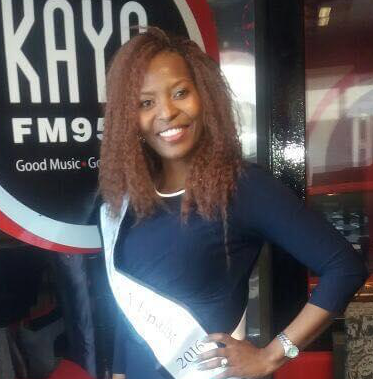
Every pageant entrant has a unique story to tell about the pursuit of taking home the crown. But what’s more interesting is the story of a married woman and mother who takes her shot at a dream. South African businesswoman Given Mnane is a mother, mentor and top 40 finalist for the Mrs. Africa Pageant. In this chat, she lets us know why she mentors girls from disadvantaged backgrounds, lets us see behind the scenes of pageantry. Given also shares why she hopes to win the Mrs. Africa title. Inspired yet? Keep reading, it gets better. Has it always been modelling for you or did it just happen? Honestly, it just happened. After my first child, I needed to keep myself busy so I entered my first Pageant, Mrs. Rustenburg in 2011 which I won and as they say, the rest is history. What did it take to make it to the semi-finals of Mrs. Africa. I had to fill in grilling questionnaires and send in my pictures. Being already involved in charity also helped me get considered as a finalist. All it took was my knowledge and love for my continent and my country. When you love someone or something it becomes easy for you to care, protect, grow, assist and to devote your time and attention to that. I’ve always loved Africa and for some weird reason, I was expecting to be in the top 100 at the very least but to my surprise, I made the top 40. Being here, for me, it means I can use this platform to bring the much needed change that the disadvantaged of my community need. I’m on a platform that allows me to change a young disadvantaged girl’s life through the Dignity Dreams Foundation —a foundation that provides girls with washable/reusable pads. Tell us about your motivational talks. First, I believe in human greatness and I always speak on issues that encourage people to find themselves and to establish who they really are. I believe everyone has a God-given purpose to fulfill and I try to assist whoever cares to listen find purpose and live life to the full. I’m very passionate about the development of women and girls and I largely speak on issues that affect or hinder women’s growth. I do corporate and private functions, MC jobs, conferences etc. Besides modelling, what do you do? I am the proud owner and director of a company called Onalekgato Consultancy Empire. This still-developing company offers a variety of services like life-coaching and image consultation. We are branching into home design & hopefully, Architecture. The aim is to give our clients a holistic and solid lifestyle – from their home to their looks. I’m also a lecturer at my local community college called Iphatlhose in Tlhabane, under the department of higher education. I teach Natural Sciences. I mentor Given’s Angels, a few young women from all walks of life. Given’s Angels is a social club aimed at assisting young ladies in becoming aware of life’s issues. We help them become exceptional and independent women. I’m a philanthropist, I do charity work around my city Rustenburg. I collect clothing and shoes then distribute them to the needy. I also do events to raise money for homes/shelters. Lately, I’m raising money to buy Dignity Dream packs for girls so they don’t miss school during their periods. How do you handle the pressure, especially as you are involved in a lot of projects? I have pastimes like seeing movies and baking. When I feel pressured, I do things for fun. This helps me get a clearer picture of what I should be doing. I believe one has to work hard but play just as hard. Soapie or drama? Nothing wrong with soapies I guess, but they are just not for me. I wasted too much time on soapies growing up, time that I can’t get back. I’m going to choose drama instead, even though I prefer documentaries. You’re also a mentor. When did you start mentoring? How do you pick your mentees? I started in 2012 with one girl and by 2014, my mentorship program had grown to 18 girls and 5 women. I always allow my mentees spread their wings. It’s easier that way to ascertain if they’ve learned anything and can stand on their own feet without me being their support. This year, I resorted to having a manageable number of 12 mentees and they are starting to flourish already. I always choose my girls based on their background. I prefer the girls from disadvantaged backgrounds, girls with low self esteem, those that feel hopeless and sidelined. What will winning Mrs. Africa mean to you? It will mean I can make my continent great by empowering African women. There’s a famous saying; ”Empower a man, you have empowered a community, empower a woman, you have empowered the entire nation.” Africa needs women who will rise up and make it great. Winning this title will break the barriers of the ‘no entry’ and ‘not adequate enough’ signs that have labeled me. I will be able to steer my continent towards the right direction. Want to see women you know featured on SLA? Tell us what amazing things women are doing in your communities here.
Double Dees: All women need to own lingerie
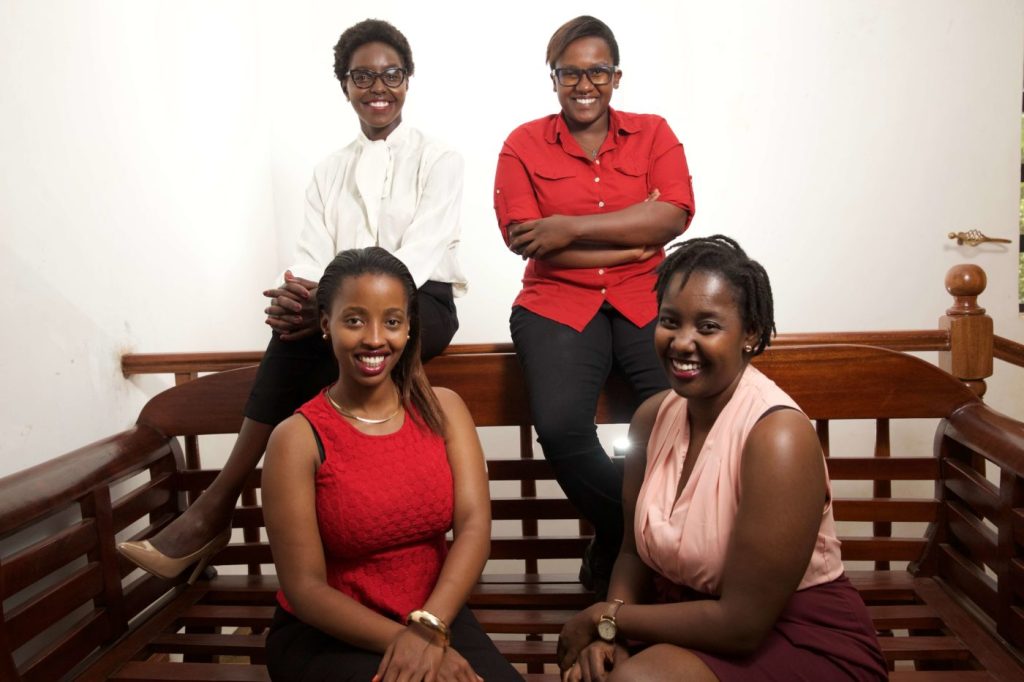
We have to admit, we’re kinda envious that Kenyan ladies get to enjoy first picks of the gorgeous lingerie from Double Dees. Double Dees is a Kenyan-based lingerie company that grew from the need to solve the problem of good underwear for busty gals. Double Dees exclusively focuses on providing high quality, alluring and affordable intimate apparel and swimwear for ladies with large busts. We’re talking DD+ cup size. The four friends behind the company; Charity Migwi, Constance Tipis, Stella Langat, and Wanjiru Njoroge are slowly changing African women’s view of underwear. Here, they debunk myths about underwear (did you know the initial reason behind thongs and G-strings?) and working with more than one co-founder. We’re now sold on why we shouldn’t be wearing mismatched underwear. We have to ask, what does the statement on your website ‘Hiyo size yako hatubebi’ or ‘Hiyo size yako hakunanga’ mean? This is Swahili for “We don’t carry that in your size”; a statement always made by bra vendors when you ask them for a bra that is DD+ cup size. What four things do African women get wrong when it comes to underwear? 1. Out of sight, out of mind! Our conservative African culture greatly influences African women’s view of underwear. At a young age, African girls are made to deprioritize underwear as just a piece of clothing that must remain concealed. Most carry this perspective into adulthood where the term “lingerie” becomes yet another abstract concept. 2. Does it work? Many African ladies wear underwear out of necessity. Their primary concern is that the panty conceals while the bra supports. This is unlike Western ladies who wear underwear as fashionable, statement pieces. 3. Classy vs. trashy war! Many African ladies are torn between the “classy vs. trashy war” when shopping for underwear. This emanated from misconceptions about specific types of underwear. For example, thongs and G-strings are regarded by most, as trashy underwear. While in essence, they were designed to help give women wearing light-fabric garments a seamless look. 4. The cost-benefit analysis! Why invest in a piece of clothing that is concealed 85% of the time? This is a universal problem. Many ladies are unable to think beyond the financial aspect when shopping for underwear. They fail to recognize the psychological benefits of wearing high-quality, alluring underwear. Let’s talk about #BraTales. Why did you start this? #BraTales is a platform we created for ladies with DD+ cup size to share their personal bra-shopping experiences. These stories capture humorous to heart-wrenching bra-shopping experiences that every busty lady can relate to. What are your favourite kinds of lingerie? What kind of lingerie should every woman have regardless of size? Do we really have to decide? We think every woman needs to own all of them. However, if we really had to choose, we would confine ourselves to these five basic styles: chemise (slip), babydoll, corset/bustier, garters, and matching bra-panty. Although, similar in appearance, chemises and babydolls differ in functionality. A chemise can be worn under regular clothing or as a nightwear whereas a babydoll serves a more sexy/flirtatious function. A corset (bustier) cinches one’s waist while garters hold up one’s thigh-high stockings. None of these competes with the regular old matching bra and panty set. We think Marylin Monroe’s popular phrase should have been, “Give a lady sexy lingerie, and she will rule the world.” A real lady knows not to leave the house wearing mismatched underwear ☺. There are four of you, how do you effectively manage your business? Any tips on working with more than one co-founder? We learnt earlier on that having and remaining true to a common goal was pertinent to managing our business effectively. We capitalize on each individual’s strengths, as these compensate for our unique weaknesses. Charity handles the company’s finances, Constance sales and marketing, Stella external affairs, while Ciru handles design and production. We have three tips; Respect is pivotal to acknowledging each person’s opinions, especially when these opinions contradict one’s own. Democracy in voting on any decision affecting the overall standing of the company. Demarcation of roles; splitting responsibilities ensures that each founder remains accountable for a specific function of the organization. Tell us about your Bra’nch. What was the process of starting that and how well was it received? We held our first Bra’nch on the 6th of August, 2016, as a way of showing appreciation to our repeat and new clients. We plan to make it a Double Dee’s tradition by hosting one every alternate month, as it was a hit with our clientele. Each Bra’nch will have a different twist, so be on the look out for us on October 1. Can you give us a sneak peek into your first exclusive collection? What can Kenyan ladies expect? “The Founder’s Collection” will feature pieces that reflect each founder’s personal style. Charity’s style embodies her work hard, play hard attitude, whereas Constance’s style reflects her flirty-adventurous persona. On the other hand, Stella’s style is playful yet elegant while Ciru’s style is more demure and functional. Want to see women you know featured on SLA? Tell us what amazing things women are doing in your communities here.
Brenda Areto Okotkotber: I wanted to prove that I wasn’t finished
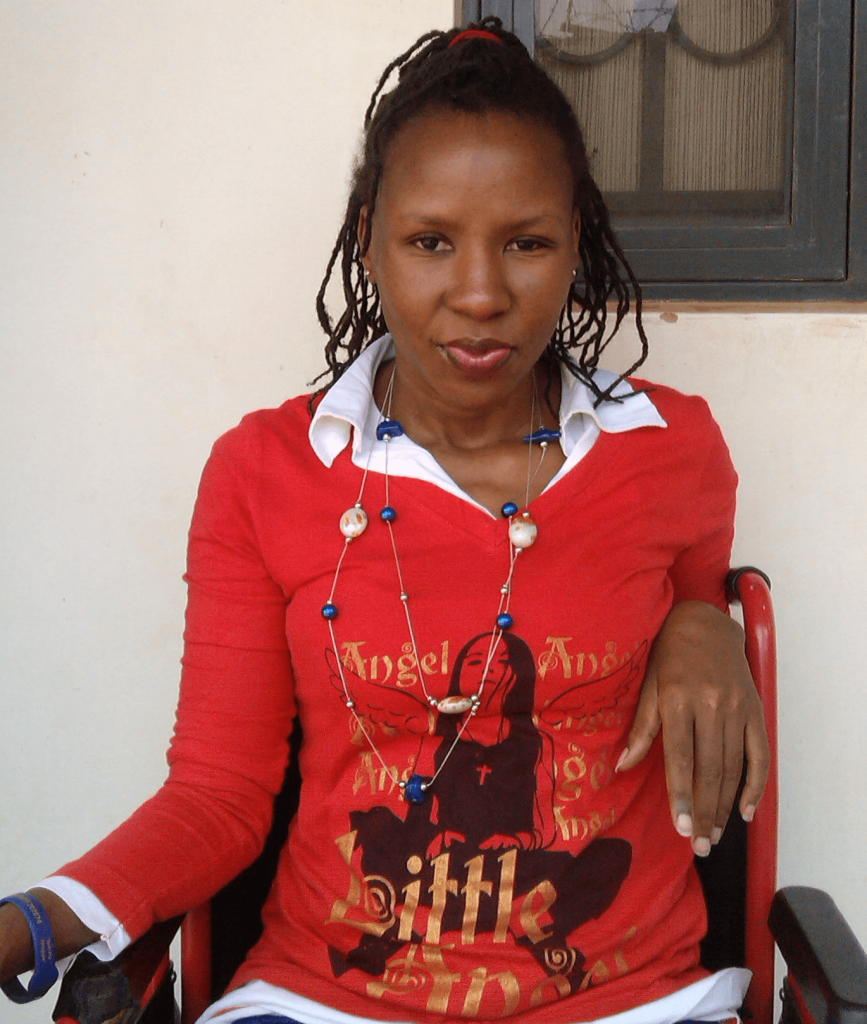
Let’s be real for a minute, we live in societies where single motherhood is seen as a almost a crime and disability, a limitation. Brenda Areto Okotkotber is a single mother and accident victim dispelling these stereotypes. In 2010, Brenda was involved in a motorcycle accident when a speeding car knocked her down from behind. She sustained blunt injuries to her ribs and majorly on her spinal cord. This brought her studies at Makerere University to a rude halt but Brenda is not one to lose a fight. Though Brenda has had to press pause on some of her dreams, she is determined to be independent even if it means having to lie on her side all day making beads. Jessica Layado, our contributor got Brenda to share her story with us, get ready to be inspired. Tell us about the things you’re passionate about Oh my, I love music! You know, that combination of MDD (long ago it used to be called Musulu Dala Dala…it means “very stupid” in Luganda. It was believed that people who do Music, Dance and Drama as a course at university were too stupid to pursue anything meaningful). I also love the arts with all my heart. I’m passionate about helping the needy. Growing up, I always knew that when I started earning money, I’d build an orphanage, pick up every child in the streets and be a mother to them. I don’t know about that anymore but right now, my desire is to help people like me. Have you always been an artistic person? As I mentioned earlier, art is a part of me. Right now, handmade craft is my passion and one that I wish to grow. I also desire to perfect my painting. Currently, though, I am more into women accessories. Interestingly, in my school days, I used to be every art teacher’s prodigy. I was always the first to do my sketches and then shadings. It wasn’t just about the assignment but how great my work was done. Only few students could beat me in the arts. I actually wanted to pursue Industrial Arts at the university but I wasn’t given that subject. I settled for IT which wasn’t my passion at all. Let’s talk about the accident. How has it affected you, both physically and mentally? As a result of this accident, my spinal cord was injured. It affected my limbs right from below my breasts. This has affected my ability to move or walk. This, in turn, has affected my productivity in most ways. It’s also affected my social life. A woman of my age should be married and looking after a family. On the bright side, though, I have my son to look after. I lost love from many people who I held so dear to my heart and this affected me greatly. I also lost my dignity as I had to live on charity. I am not one to enjoy lying on my bed and calling for help. It was such a setback and a humiliating one and to some extent, still is. However, it’s different now. I am hopeful now, productive and doing something on my own. Are you still into the arts? When I lost function of my limbs, I could not go back to school anymore. The first reason being my faculty at the college was not disability-friendly. I also had no money to finish my degree. My son and I needed to survive and so, I just didn’t see getting an education as a priority. I had dreams of singing after my degree and even approached Benon of Swangs Avenue, a very popular recording studio in Kampala. The injury affected my diaphragm and I could barely control my voice. I also dreamed of working in the tourist industry (travelling, adventure). That too, I can’t do anymore. It’s amazing that instead of self-destruction, you chose self-development. How did you do this? My first inspiration is my little boy. I grew up in poverty and didn’t have much but I promised myself that no child of mine would suffer. I therefore started building my self-worth. Like everyone, I desire the good things in life. With determination, I’m hopeful I’d be able to provide for my son and I. I also wanted to prove that I wasn’t finished. I needed to prove that I was just getting started and wasn’t going down easy. I am a fighter and survivor. I couldn’t afford the luxury of depression. That, I always say is a disease for the rich. However, in all, I can’t tell my story without mentioning the most important factor, God. He has been the ultimate, the most significant in all. He still stands by my side and says to me, “You can make it because I am with you” (Phill. 4:13). He’s been true to His word that He won’t ever leave my side (Deut 31:6). I wait upon Him whenever I feel I can’t go on. I hang on His every word (Habbakuk 2:2). I am a child of God, I learnt who I am in Christ and held onto that. He will never put me to shame (Romans 10:11). How would you encourage that person who feels down and out right now? It is not the end of the world. Put your trust in God and He sure will never let you down (Prov. 3:5). If you ever fall, get right up, dust yourself and move on. Do not allow a situation hold you down. When people see that even after a bad fall you’re still ready to fight on, they’ll be willing to lend a hand. There are people who are just naturally kind. God will place such people in your path, if you’d trust Him. I met such people and till now, they still hold my hand through my journey. That they do it with pleasure is the most amazing part of it all. Just when I thought I had lost it all —relatives, the ones who were so dear to me— God brought me such great and encouraging individuals. God will do it for you. Do not look at the situation you are
Elizabeth Bisher: I solved my problem then turned it into an opportunity
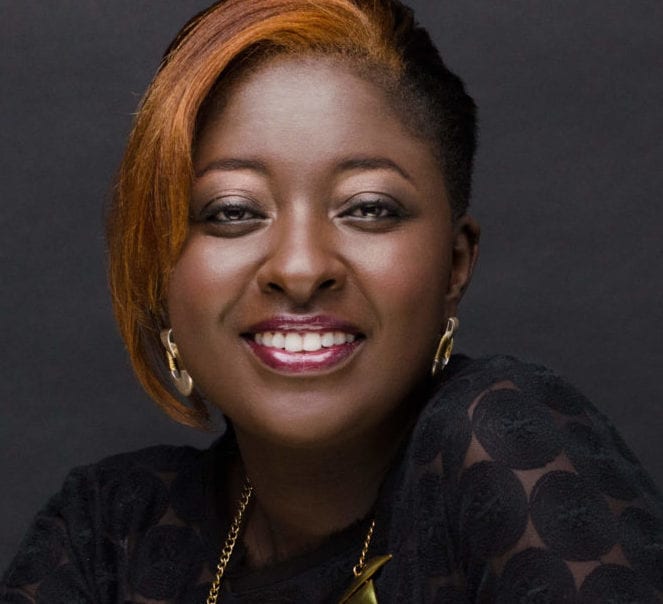
Ever had a business idea from your own experiences? We’re sure you’ve had several as a #MotherlandMogul. A good number of us leave our ideas as just that but Elizabeth Bisher took hers a step further. Concerned with losing weight after weaning her first child, Elizabeth stumbled upon electrotherapy. She went on to start Slim Therapy as a means to share her own brand of health and wellness. Slim Therapy has grown to be the first locally-owned weight loss franchise in Kenya. Through Slim Therapy, Elizabeth now helps other people reach their health goals through alternative weight loss treatments and nutrition and lifestyle coaching. Elizabeth’s vision is to provide employment through Slim therapy’s expansion- driven franchising platform. What’s the story behind Slim Therapy? Slim Therapy started with my own need to lose weight after weaning my first child. My weight spiked as he passed the eight-month mark. I began ballooning, pardon my expression! That is how I felt and became. I was naïve and knew very little about personal health and wellness. I was quite unaware that the food I was eating was affecting my body until I had gained over 12 kilos. This, I came to realize was true for a lot of women. I tried several methods to lose weight, which did not work effectively. I had a knee injury and back sensitivity, therefore I needed to be careful on experimenting with a different solutions. In my quest to lose weight and gain wellness, I discovered electrotherapy. I was hooked —it helped me build muscle mass and lose fat without doing impact exercise. It was ideal for me. My friends noticed my transformation and were curious. This is how Slim Therapy was born. I solved my problem and turned it into an opportunity. Slim Therapy has helped many individuals, especially those with reduced mobility to achieve health goals through alternative weight loss treatments and nutrition and lifestyle coaching. What did it feel like to launch something new in Kenya? It was daunting, scary, exciting and challenging, to say the least. Being an SME with little market share, I solve one challenge after the other. I had to use my resources effectively and work smart. Most importantly, I get to effectively communicate this new alternative to weight loss, and can swear that it works. After all, I was the living proof. If there was a communication gap, the information would have been filled with rumours and innuendos. We learned to counter this by always being open and honest with our clients. Fortunately, this led to more and more people willing to try it. And with the growing number of success stories, the information spread especially by word of mouth. It’s been 6 years and I do not regret a thing. Franchising of weight loss companies seems a novel idea in Kenya. How are you making it work? Aside fast food chains and clothing lines with foreign ownership, franchising has been a fairly new concept in the Kenyan market. There are no specific franchise laws in Kenya. Therefore, we relied heavily on existing commercial laws, including the Trade Marks Act (the Slim Therapy name and logo is Trade Marked) and the Copyright Act. These gave us a guideline of the legal requirements. Also, through personal research and on guidance from my mentor, we came up with a model fit for the Kenyan market. How does Slim Therapy incorporate franchising? Two years into running the first branch, the demand for our services was overwhelming in other regions within Nairobi and in towns in Kenya. I wanted to find a way to satisfy this demand, without compromising on management and quality of service. Of course, I knew it would impossible to be in all these towns at the same time. Interestingly, one of my clients came to me with a serious interest in running a similar clinic in Mombasa. And so we came up with franchising as an option. This would ensure that we gave the same quality of service despite having different managements. They rode on the credibility of the existing brand and we provided training, machinery, advertising and continuous support to them. Quite recently, we opened our third branch in Karen, Nairobi, under the same model. We are very proud. Tell us about some of the women who work with you. The women I work with are brilliant women who have overcome a lot of adversity to be where they are today. Some of my staff were from disadvantaged backgrounds but that actually served to spur their self confidence and abilities to learn and grow. Most of my employees require mentorship and confidence-building. I encourage them to keep pursuing their dreams and following their destinies by exposing them to new challenges and providing training for them. I have tried to build these traits by encouraging them to speak publicly. And to also express themselves eloquently in both written and spoken language at all times. In this vein, I encourage my employees to pursue their own business aspirations and mentor them to their full potentials. Some have natural talent and just need a boost. How can African women achieve the same success as you have? Firstly, it’s better to know that everyone’s journey is different. Do not try to be an imitation, you are unique and should strive to be. You do not have to reinvent the wheel. And even in using existing concepts, beat your own path. Secondly and very important, find a mentor. Understand that a mentor is not someone who makes the decisions for you. They are not your crutch. They are people to help you decide if your vision is compelling enough. Or send you back to the drawing board. And lastly, as much as you follow your passion, business boils down to profitability. Your business idea may be good, but if the market isn’t ready for it, be flexible. Think outside the box and be ready to adapt to changes. Tell us about receiving the Top 40 under 40 award. How did it motivate and spur you on? The morning the Top