
Dr. Ettamba Agborndip: Anyone can excel in the sciences regardless of their gender
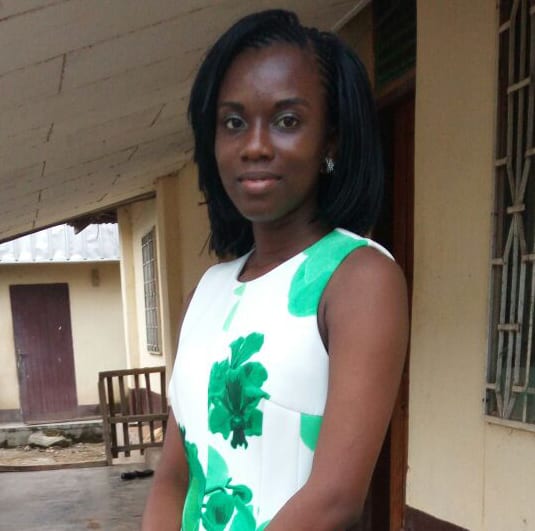
It is widely believed that science is an all “male affair”. In fact, a walk through the science departments of most colleges or universities in Cameroon could convince you that girls don’t exist. This is because girls are stereotypically considered weak in sciences. But in recent times, many young girls are challenging the myth about girls and science and doing it so well. 25-year-old Ettamba Agborndip, a medical doctor and fellow of the Moremi Initiative for Women’s Leadership in Africa, is one such lady challenging such stereotypes. Dr Ettamba has been practicing now for 14 months since her excellent results from the Medical school at Faculty of Health Sciences, University of Buea, Cameroon. She told me in a late night WhatsApp chat that, “anyone can excel in the sciences regardless of their gender”. Ettamba’s vision is to inspire women and young girls to make informed health decisions by educating them about the common pathologies affecting our communities. What is the greatest feat of being a doctor? A lot of personal time is consumed depending on the kind of patients you have in the wards. Sometimes, I end up spending 24 hours in the hospital because I have an unstable patient and I cannot be at peace at home. Did you encounter any challenge during the pursuit in becoming a doctor? The whole process of becoming a doctor is a challenge. From the long hours in class, to late hospital hours and sometimes gruesome ward rounds, to having to miss out on family events. But so far, I don’t have any regrets about being a doctor. How did it feel when you received your medical degree? It was an emotional day for me. I was happy to have conquered those 7 years, the look of pride and fulfillment on my parent’s face was priceless, and I was happy to have made my teacher’s proud. I wouldn’t be where I am without my teachers. Girls are stereotypically considered to be weak in science. How did you break that? I went to an all-girls school so I did not get to experience that stereotype. However, I do believe that anyone can excel in the sciences regardless of their gender. It’s all about passion, hard work and determination. What advice can you give to young girls on challenging the myth about science being a guys thing? I would advise young girls to believe in themselves and work hard. It always helps to get orientation about your desired field so as to better prepare yourself for the task ahead. Secondly, I’ll advise them to equally have a mentor who can hold their hands and guide them especially when it gets difficult. Did you have another career goal apart from being a doctor? I have always wanted to be a doctor. At some point engineering was tempting, but medicine has always been my passion. What do you love about your job? I love fact that we actually save people’s lives. There’s no amount of money which can replace the fulfillment you get when a patient says; “thank you doctor”. It means the world. The sad thing about being a doctor is that you can’t save them all. Some patients don’t make it and it’s a fact that we must live with. Want to see women you know featured on SLA? Tell us what amazing things women are doing in your communities here.
Sandra Lopez: Value extends far beyond money
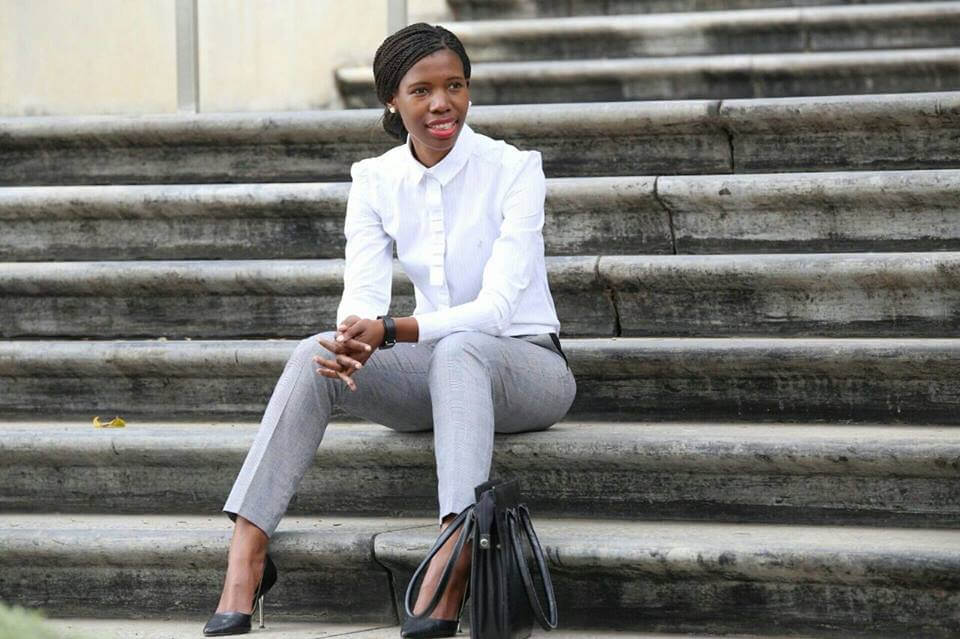
Group travel is in at the moment and X-Plaw Travel is one group-based travel company aimed at taking young South Africans outside their borders. Sandra Lopez is the Founder and Managing Director of the Pretoria-based company, A firm believer in the power of “Africa by Africans”, through X-Plaw Sandra focuses on African destinations first for tourism and travel. Although it took a while to discover her passion, when she found it Sandra would work 9 hours after her day job building X-Plaw. As Sandra grew up in an organisation for orphaned and abandoned children, she’s also passionate about giving back through her travel initiatives. Read on to find out how Sandra’s grooming a generation of travel-hungry South Africans. How do you think X-Plaw Travel will disrupt the African travel industry? By bringing great affordable quality valued tours and experiences to our customers. This is and has always been our mandate. I believe that value is something which extends far beyond the monetary. It includes but is not limited to the type of service you give to your customers, how much you engage with them, how much you allow them to feel part of what you are building and how much you allow them to connect with the people they meet on these journeys. Education is also a key factor for us, most of our travellers have not travelled outside of their home towns or outside of South Africa. For them to experience going out of the country for the first time with us, is an experience that even we get to appreciate with them. In most instances, they return from these tours richer in knowledge having learnt something totally new about a different country and its people. Why do you think young people should explore Africa more? I am a firm believer of “Africa by Africans”, we are the only ones who have the power to change how our continent is perceived by the outside world. We are the only ones who can tell our stories better. I feel that in many ways, Africa is being misrepresented by the global media. Half the time, this forces people to forget the beauty that surrounds us, sometimes even by ourselves. Travelling thus gives us an opportunity to understand ourselves better as a people, our roots, our cultures, our heritage. It also paints a picture which allows us to understand vividly that we are all connected as Africans and as a human race in some way or the other. Only when we are fully comfortable and confident with who we are, will it become much easier for us to invite other young people from other countries to experience this diversity with us. How have you combined giving back initiatives with your travel company? Giving back has always been at the fore of what we do as a company. It is actually something that is very personal to me. All our tours have give back initiatives tied to them. On a 5-6 day tour for example, one day is dedicated to enriching the lives of the less fortunate. In countries where we are not able to actively engage in these initiatives due to certain constraints, we pledge the funds to local projects in South Africa. We have also just launched the “One Traveller, One Child” initiative. Where for every traveller who tours with us, we will send a disadvantaged kid on a weekend camp educating them about nature, travelling and most importantly about themselves. Hopefully in a few years, we would be able to look back and realise that we have groomed a generation rich with an appetite for travelling. What did you have in place before you quit your engineering job to focus on X-Plaw? A lot of things actually. An idea, passion, a sketchy plan and a few Bible verses, but mostly I had will power & determination. Nothing beats the will to want to succeed and see something grow from an idea into something tangible. Every day after my 9-5 job, I would get home to read, research and work on X-Plaw for an additional 9 hours. This went on for a full year until I decided that I was ready to let go of one. In what ways has your childhood shaped your passion today? As a kid I was an all-rounder and an overachiever, which meant that with most academic subjects or activities I participated in, I excelled. This actually made it quite hard for me to discover what I truly was passionate about. I grew up in an organisation called the S.O.S Children’s in Ennerdale, south of Johannesburg. It’s an organisation for orphaned and abandoned children. As ironic as it sounds, we were raised to believe in ourselves and to always extend a helping hand to others less fortunate. We were extremely fortunate growing up at the village. After school we were kept busy with sports and extra mural activities. During school holiday we were fortunate enough to travel or go out camping. This, in many ways is how my love for travelling started. However, I only truly discovered my passion for it much later in life. In your opinion, what is needed to successfully travel in a group? An open and curious mind. Travelling with an open mind gives you perspective, you see the world through different eyes, you appreciate things more. In some instances, you get to understand how little others have. You also learn to be patient, as time almost no longer defines your schedules. You get to slow down and enjoy the moments. Stay curious, by doing so you learn to expect the unexpected. And most of all, you learn something new every day. Hey South African #MotherlandMoguls, the SheHive will be in Johannesburg from November 3-6. Find out more here.
Lona Mnguni: Motivation is like happiness, it shows on the outside
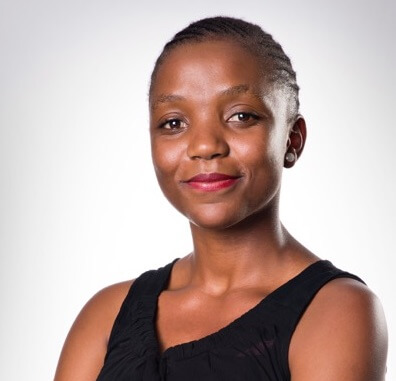
Some women look unemployment in the face without fear. When Lona Mnguni found herself unemployed after leaving her service consultancy job, she came up with Gracenet Logistics. Gracenet is a social entrepreneurship venture that aims to improve livelihoods in rural areas and townships in South Africa through logistics and distribution. When Lona shared her story with SLA, we learned that she has high strengths in empathy and motivation. Lona lets us know her tips on keeping herself and her small team motivated. She also reminded us of the importance of leading from a place of understanding. Tell us about the inspiration that led you to start Gracenet Logistics? Starting Gracenet Logistics was a case of making lemonade out of lemons while simultaneously creating an impact in rural areas. I grew up in a rural town and during school holidays, we would visit “home” in our rurals. I’ve always wanted to improve life for those who live in rural areas in one way or another. The opportunity presented itself at a time where I found myself unemployed. The only experience and qualifications I had were in banking, logistics and customer service. What better way to create the impact I wanted, create employment and also do something about my own unemployment than to create something that will combine my interests? Gracenet brings together my love for rural areas and the lack of access to resources because of a delay in logistics to them. As well as procedures and customer satisfaction measures that would ensure that timelines are in place and communicated to the end user. Why did you decide to leave your job as a service consultant? I wanted more, I had worked in my job for two years and found that in that time it was going to take me ages to move on to the next level. I wanted growth, and to develop as an individual. When I resigned, I had not resigned with the intention to start Gracenet. I resigned to join another organization in a position just above the one I was in. However, things backfired and the position was not available anymore by the time I had finished serving notice. Why do you think little attention is paid to deliveries in rural areas and townships? I would say it’s the roads. Also, the task that it is to actually deviate from a route that is on the main road to then get onto a gravel road. Most big companies have set routes and this would mean that there would be a delay in their delivery times. What was the situation that lead to resources such as school books and medication sitting for days on end in warehouses? What prevented them from being distributed? Delivering to rural areas, more so to public institutions, is not as easy as putting the address in the GPS and driving there. This is because the address might not be there or may be inaccurate. Sometimes, even when the drivers get to the area that they are delivering to, they still need to ask for directions. With school books for example, before leaving we would have to call the school to find out where they are located. All of this takes effort and I’m sure that the reason most of these resources are not distributed is because no one is willing to put in the extra time and effort to make it work. How do you effectively manage a small team? I recently did an emotional management session with my mentor. In a quiz, my two highest scoring strengths were empathy and motivation. This was comforting because it was confirmation of my ability to keep my team motivated and always lead from a place of understanding instead of being a dictator. Having scored high on motivation, can you share six ways you motivate yourself and your team? Keeping myself motivated, is the important part. Motivation is like happiness, it shows on the outside. When you are motivated, it rubs off. I keep myself motivated by; Looking after my spiritual health, Consistently practicing mental toughness Celebrating small victories and Reading and watching things things that motivate me (such as my SLA newsletters). Keeping a small team inspired can be challenging. At times, everyone will slack off or feel entitled as we all play multiple roles since the business is still at start-up phase. We have regular conversations about the current position of the staff in the business and the position of the business as a whole. I also constantly remind my staff of the company’s vision, and that we are in a growth process together. Hey South African #MotherlandMoguls, the SheHive will be landing in Johannesburg from November 3-6. Find out more here.
Pearl Lebusho: I don’t want young people to make the same mistake I did
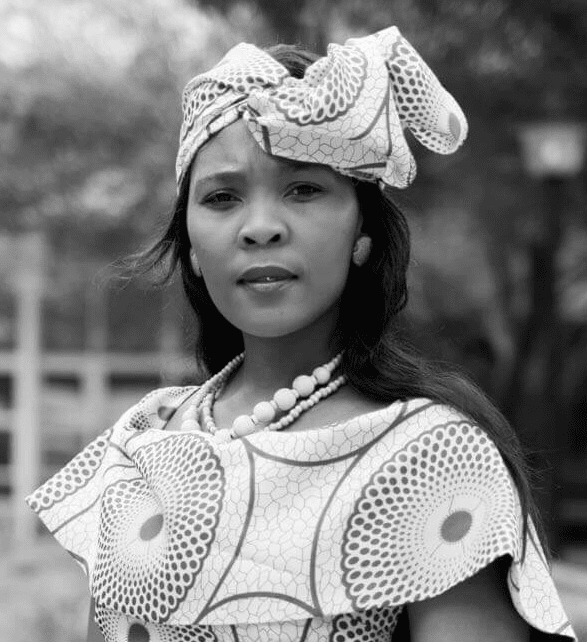
[bctt tweet=”I had only one pair of jeans to wear to college and that motivated me to work extra hard” username=”SheLeadsAfrica”] Pearl Lebusho may have left university twice yet she devotes her time to ensuring girls stay in school. Coming from a rural community, Pearl knows first hand how schools can leave girls poorly informed on what to expect at university. Driven by her passion to help young women from disadvantaged backgrounds, Pearl started the Miss Free State Schools Pageant. Miss FS Schools Pageant is a learning and social reformation programme that inspires and encourages young girls in South Africa’s Free State province through beauty pageants. This builds a community of models and supports girls who see modelling as a career. When Pearl isn’t busy with the pageant, she helps girls attend the Matric dance (aka prom night) by providing dresses. She speaks candidly about dropping out from university and growing her social ventures. You have mentioned that you don’t have a university degree but have pushed others to getting theirs. Tell us about it I dropped out of university twice. The first time was in 2003. I enrolled for a qualification in Information Technology (B. Com IT ) at the University of the Free State. I was accepted. However, I had no clue of what that course entailed as I was from a previously disadvantaged school where we did not have career guidance or development. The qualification was not what I expected. To start with, I had no background of accounting and computer from school. I failed my major course and NSFAS took their loan back. My mother could not afford my fees as she was going through a divorce then. What did you do next? I had to be enrolled to a college the next year. My granny had to pay for my studies out of her little pension money. I had only one pair of jeans to wear to college and that motivated me to work extra hard. That year, I got the best student of the year award. I further completed my certificate in web design in 2004 and NQF Level 5 system support engineer in 2007, both in IT. I was forced to work and study to make it possible. My granny encouraged me to finish the qualification even though I was no longer interested. Then bang, it was the best idea because it got me a job. But you were not happy with your 9-5, why was this so? It was not enough that I was in a job. I was not happy, not only because I did not enjoy the work but because my heart was crying for the young people who were coming from the same background as mine. I was scared that they would make the same mistake I made. In 2008, I started my school visits where I would speak to Matric students in schools and send them bursary applications. That was not enough as it was not resolving the core of the problem —why young people find themselves in wrong or unfulfilling careers. I continued to assist others with career advice but as I was not qualified to do so, I knew I had to get trained. [bctt tweet=”My heart was crying for the young people who were coming from the same background as mine” username=”SheLeadsAfrica”] Now, I am an accredited career guidance practitioner and have assisted thousands of students through my foundation, It’s Possible. I am now looking into having a Degree and PhD in Psychology and be a registered with the Council of Psychologists in SA. What has held you back from returning to university? First, time management. In 2010 for the second time, I enrolled at the University of the Free State and I was accepted in the faculty of Humanities to study a degree in Psychology. I was also a newly-wed wife and a new mother of a 1 year old boy. With little money to afford a helper and stuck in a demanding job, I dropped out again. This time because I did not calculate my risks and plan my time. I made a loan to finance my studies and all that cash was flushed in the toilet when I did not finish my studies again. However, I managed to finish and obtain the accreditation certificate in career development. Another issue is finances. I have now three children that I need to pay school fees for and three younger siblings who are at university that I am also expected to support. I am currently trusting God for my breakthrough so that next year, I can have financial assistance to fund my studies. The reason why I say I do not have a degree and do not mention my other college qualification, is because I want to see myself one day with my degree in Psychology. I want to be registered as a professional councillor so that I can fully advice young people about their careers and on the importance of choosing the right qualification. Also, I want to own a walk-in centre where kids will have access to such information. I see myself referred to as Dr. Lebusho in the near future. [bctt tweet=”The reason why I say I do not have a degree, is because I want to get my degree in Psychology one day” username=”SheLeadsAfrica”] Tell us about the Matric dance, how do you ensure the project goes smoothly? Where do you collect dresses from? The Matric dance is a project that I started in my Matric year. I had a friend who was a top performer in our class. As she was from a disadvantaged family, she could not afford to attend the Matric dance. She did not have clothes to attend the dance with so I approached her and asked if she would not mind me lending her my evening dress. She agreed and I did exactly that, we bought her a cream relaxer and her sister did her hair.
Nomthandazo Tsembeni: I was given a gift to pass unto others
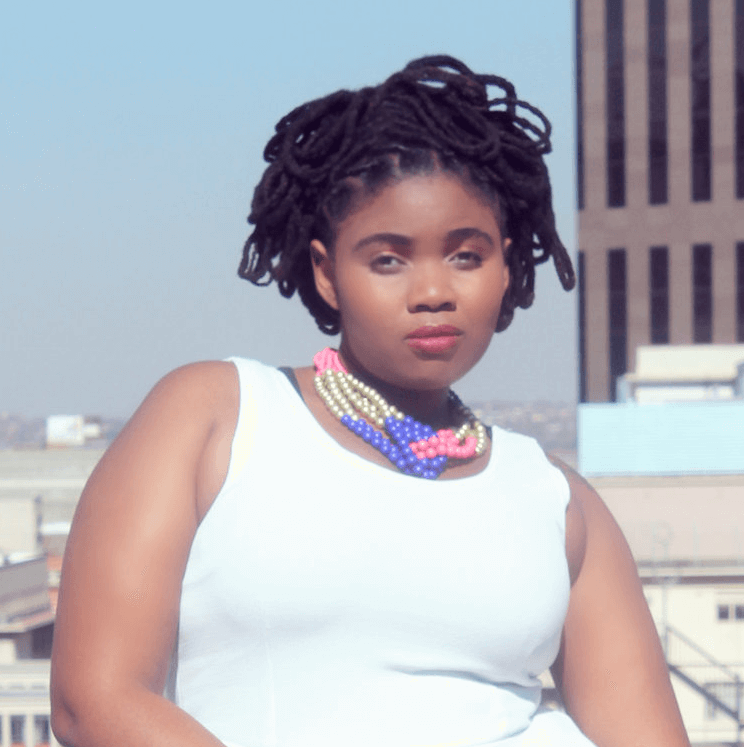
Nomthandazo Tsembeni does not call herself a musician or a poet but an artist. She does not classify herself in one basket, her talent allows her to explore each and every artistic bone in her body. She speaks very passionately of her talent and gift which allows her to be who she wants to be. Nomthandazo doesn’t have any limitations and for her, the sky is not even the limit. She wears so many hats one will start to wonder about their own journey. SLA contributor, Lerato recently got an opportunity to speak to this vibrant woman. Nomthandazo shared many gems on being a performer while working a full-time job and gave us a glimpse of her award-winning poetry. You are a performing artist and an award winning one for that matter, what is your genre of music? I have been exposed to a lot of genres. Commercial house music is what a lot of people know me for although I love music without any boundaries. I do afro-pop, afro-jazz and soul music because it connects me to my first love, poetry. You don’t have your own album as yet. Where have you been featured and how was the experience? I have been featured on DJ Nova and Tapes song called “Ndihoye”, “Heal Your Heart” by Tapes and “George” which was a remix by Rabs Vhafuwi who is known for “Count Your Blessings”. Working with different artists has helped learn to appreciate the gift of others and the learning is limitless. It is not about what you want but what needs to be given or done to produce results. I was given a gift to pass unto others, to heal and mend broken souls. It is God-given, something I had to obey and not because I want to appear in magazines and billboards but it is my calling. I never compare myself with others. Art is a spirit, you can not create art but can transform from one level to another. You seem to be an artist of many forms, do you regard yourself as a singer or poet? I regard myself as an artist, I define myself as God’s best Stanza. I can sing, write music, stories, come up with a script for a play, play drums and I am still learning how to play a guitar. If one classifies oneself according to one discipline then there are limits to what one can do. Trying to define myself in a specific form will confine me. I am not an ideal woman but a woman in reality. A woman in reality can have it all and do anything they want to and are comfortable without limits because they define their own beauty and success with no pressure to be perfect. Tell me about your awards, what were they for? I have three awards, two online international poetry awards which I received in 2012 and 2013 and one from Moduwane District Arts Festival in 2012. The first international one from AllPoetry was in 2012 from a poem I wrote for a general category called “The Hardest Part”. “The hardest part About having both feet is that We are unable to jump a certain step in life. In order to be successful, You need to work hard. For you to be wealthy, You need to have some knowledge about poverty And for you to be somewhere, You have to start somewhere…” It defines the limitations of one’s body parts through defining each part, its function and where it is limited to do certain things. Another award I won in 2012 —Moduwane District Arts Festival— was with a poem was called “Mmabotle” which speaks of the beauty of a woman. I got the first price. “Side by side, she would move her hips. On her head, she put nkgo alokga metsi. She left me drooling as she licked her back lips. That woman left me choking on my own saliva. This chick makes the traffic stand still tsi…” I was again awarded by AllPoetry in 2013 for a general category for a poem called “Reality shaded in 3D pencil”. “What if Our bodies are graves of dead emotions? What if We think we are over certain people, Yet we carry the corpses of their deceased images deep within us? What if Our faces are tombstones of pain and unhappiness And the smile we wear is just a marble stone making the whole womb luxurious?….” AllPoetry is an online platform where various poets from all over the world submit their poems and the best poem is selected. It gives global poets a stage to get to know one another and to introduce themselves in the industry. Growing up in a small town of Welkom, do you think you are getting enough exposure? I grew up in a location called Thabong and yes, I am getting enough exposure. It is not about where you come from but about the work you do and where you see yourself in the future by associating yourself with the relevant people that are in the same field of your expertise. Coming from a small town must not limit or be in a definition of who you are, it is about exposing yourself to things that will assist you to succeed in life. Yes we have limited access to resources but that is not an excuse to not try. It is about how you present yourself, the love and respect for your art or whatever that you specialize in. I have had the honor to work with the likes of Jerry Mofokeng, Tina Mnumzana, Tinah Mnumzana, Ntsiki Mazwai and Wilson B Nkosi among others. I have been featured in local newspapers like Express and have been on the finals of Welkom’s Got Talent 2014. I have performed at the State Theatre in Pretoria and the MACUFE Annual Festival in Bloemfontein and have recently been on the cover of Carob Magazine for their Woman’s month issue. I have also been
Sharon Adeleke: I may be Davido’s sister but I make my own money

While some may know her first as superstar Davido’s sister, Sharon Ademefun (nee Adeleke) is a #MotherlandMogul in her own right. She is the brains behind Rona Wigs Studio, a business that makes hairpieces and extensions. Sharon taught herself how to make wigs by watching YouTube videos. She is extremely focused on her business, busting the myth that coming from a wealthy home means a woman doesn’t have to work. Sharon shares her business and life experiences with SLA contributor Priscilla. She offered advice for anyone looking to start up something, as well as single ladies working their hustle. Sharon also lets us know why by the third year, your business should be able to stand on its feet. Let’s meet the Sharon that won’t pop up in a Google search I watch a lot of TV. I love watching TV when I am home. Secondly, you won’t find my kids on the net, I don’t put them on the net. I also love staying at home, I don’t go out much. If I do go out, it must be very important. I love to cook a lot even though I don’t have much time for it. What are your hobbies and how do they influence your business? My hobbies are wig-making (laughs) and sleeping. Truly, making wigs is my hobby and my passion. It was a prayer point for me that I do something I love and be able to feed myself with it. I would say that I am lucky, because I wake up each morning with excitement about my work, and it is great. Why and how did you get into wig-making? When I had my first child, I was on a lot of bed rest and I needed to make my hair. I found this lady on YouTube and I asked her to make my hair and it was really good. She used closures and they came out nice. When I had to go back to the States and needed to do another, she suggested I make a wig. But later on, I needed her to do more and she was not coming through so I just told myself, “What is in wig-making?” I got on YouTube and watched videos of wig-making and pretty much taught myself to make wigs. I made for myself at first, and my friends wanted me to make for them. That was how I got into making wigs. In the States, I started seriously going to wig-making workshops. The day I had my son, there was this big wig maker, Tokyo Stylez holding a training. Tokyo Stylez makes wigs for the Kardashians, and when I heard about his training, I literally got off my bed to attend it. I had to ask my aunt to handle things at home. What was it like at the beginning and which moments have defined your business? When I started, I was working from home. I had clients and they loved my wigs and its quality. I went for several trainings but even then, they don’t tell you everything. My friend who used to make wigs for me back then even gave me some tips. At a point, I had taken over my house and my husband basically said, “We have to move you out“. That was how I moved into the shop. Some of the defining moments of my business have been the times when I wanted to quit and then, I get a flood of orders. I have had other businesses. Right before I started Rona Wigs, I had just shut down one business. But with Rona Wigs, I find myself coming back when I almost want to leave. It’s God who has been making it all happen. From one person, my staff has grown to seven people. And by November/December this year, we will be two and a half years old. Another defining moment for me was a time when I had about 150 orders waiting for me and they had all paid 100%. What was nice was that they waited, considering the Nigerian instant gratification thing. How has your husband influenced your business and how do you balance both work and family? It has not been easy, especially at the beginning. Most times, I will be gone from about 8am till about 11pm or 12 midnight. Initially, he complained because of the times I was gone. Sometimes, I didn’t get to see my kids. I had to do a lot of placating, but he picked up the slack at home while I was gone then. He also did the entire work at the new studio for me as he is into interior development. My husband has always been supportive and that is important. Now, I have learnt to cut back and delegate work. After all the time spent at the beginning training my girls, now I know they can work without me looking over their shoulders. Although, with the upcoming new project, I know it might be like the beginning again. Now I think my husband knows that it is only for a while till things are on their feet. I don’t believe you should be a slave to your business. The first 1 or 2 years after take off will be tough. But if by the third year, you still have to always be there, then maybe your success model is not right. Your personal happiness matters because when you are happy, everything around you goes fine. It’s also important that you have someone who supports your dreams. Many women do not reach their full potentials because they are somewhat hindered by their husbands. So for single entrepreneurs, it is important you marry someone who is aligned with your dream and will help you achieve them. How has been an Adeleke influenced your business? It has its advantage and its disadvantage. For starters, people are curious and they want to see Davido’s sister working. So curiosity brings them in first. While that helps in a way, I don’t use that as a base. I treat all customers alike and while they might not buy something that first day, they usually return another day due to the warm
Juanita Abrahams: Set yourself apart & stay true to yourself
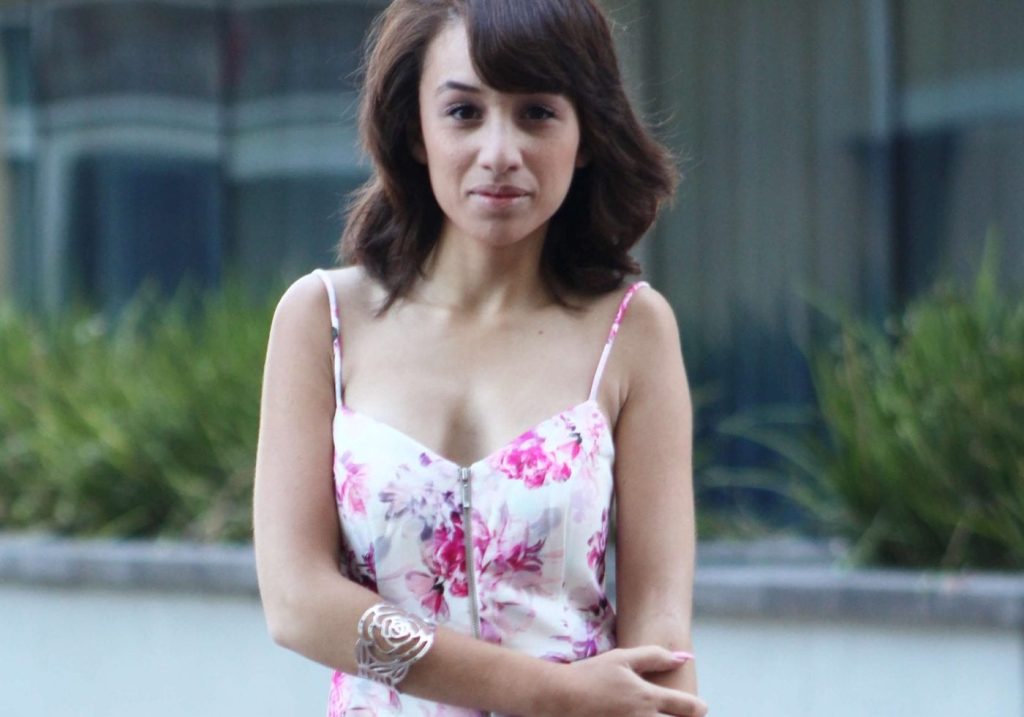
Blogging has taken the world by storm, whether it’s done as a hobby or as a job, some are creating careers out of it! When fashion bloggers first hit our screens on E! Entertainment, it gave some of us a little insight into what fashion bloggers actually do. We now know a bit of how they work with various clients and create an income through doing something they love. So, still on my quest to explore various fashion-related careers, I got chatting with Juanita Abrahams, the Creative Director of Juan Leo. Juanita is a BCom Accounting student, who is currently completing her under grad, in pursuit of the esteemed CA (SA) designation. She is also a SAICA articled clerk and trainee accountant. Please tell us a little more about yourself I am also a SAICA articled clerk and trainee accountant, currently completing my third year of articles in pursuit of the esteemed CA (SA) designation. From an early age, my hobbies included; design, art, photography and dance —and I dabbled in all of these for many years and often still do. So let’s fast-forward to 2016, where that interest in design, art and photography has fully formed into what we know as Juan Leo Lifestyle, your blog, please tell us a little more about it I’ve always loved fashion and design, and became quite involved in creative arts from an early age so the next befitting step after being exposed to so many opportunities within the industry and similar industries was to start a blog, which looked much easier at first. We started out as “Faith, Fashion & Living Fabulously” which encompassed everything I believed in and loved. But my real goal was to build a different type of fashion community —one which isn’t focused solely on looking or feeling good, but one that focuses on others as well. And naturally, the brand progressed and we underwent some rebranding of sorts and landed up as Juan Leo Lifestyle. It hasn’t lost the meaning or purpose of the brand —focusing on faith and fashion with a greater purpose. It basically refers to not competing, but offering something more to the world and distinguishing ourselves from everyone else. I must say, that’s rather unique, combining fashion and faith, so how do you marry the two? Through networking and building relationships with businesses, companies and local entrepreneurs. It’s about ensuring the cycle of giving back never stops. Although, we do focus on fashion and lifestyle aspects, we retain being a platform for a purpose and our current focus is on being a support to local designers, entrepreneurs and start-up businesses, and not just in Cape Town. We’ve identified gaps in the market and I think it’s quite obvious that many individuals have the dream and the talent, but lack knowledge in terms of social media and marketing themselves and that’s why they struggle or they become stagnant in the growth of their business. And that’s where we come in. I think that’s quite important, considering I’ve come across many companies that position themselves as ‘being there for the small businesses’ but when it comes to working with them, they shy away. How do you help small business? We’ve also recently started Pedro by Juan Leo —a menswear fashion and styling division aimed at the modern man. I have wanted to branch out for a while and we’ve finally found the perfect team for this. This allows us to reach even more start-up companies and brands, and also impact a greater audience. So on one end, you’re driving traffic to smaller brands and business, how does the other end work? How does a blogger create income through blogging? I would say I wouldn’t know because this isn’t our first priority but bloggers do charge per post, or per Instagram photograph posted and this is dependent on your followings. This is by means of sponsored posts primarily. Many bloggers with a huge influence can be seen being hired for commercials/advertising, campaigns with big retailers and the likes —there’s opportunity everywhere if done right. I’m sure bloggers get paid for every little thing under the sun that you haven’t even imagined yet —from public appearances to promoting garments at an event and online and everywhere in between and I’m not too sure how I feel about it. I believe you should stand by your brand and quality requires payment. Juan Leo’s main income would be from; Brand photography Content creation Fashion photography for other bloggers (and it’s my favourite! Passion drives everything) Would you say that blogging is a viable career choice? Career? Perhaps. Viable —I’m not sure. Blogging itself can become a full-time job if you’re prepared to make a few huge sacrifices in the beginning and are also prepared to stand your ground when it comes to payment. Your following and content quality play a huge role in securing work —real work. I’ve watched many bloggers or creatives evolve and boom straight to the top without realizing it. Once you reach a certain point, managing a full time job and a blog is quite time-consuming and if blogging is your passion, it will eventually pay the bills while you’re having fun and doing what you love. Would I do it? Yes and no. ‘Yes’, because I love it, and ‘no’, because there’s more to blogging than just looking good and showing off a lifestyle. I’ll blog and do everything else that isn’t shown online —that makes me happy. Bloggers move through ranks in my opinion (and if no one has noticed). It starts off as a blogger, and evolves into everything from a digital or fashion influencer to a brand ambassador, social media marketers and eventually lands positions on radio or TV. It’s amazing how the ripple effect just takes over. With such opportunities that can come from being a blogger, I can imagine that there would be an influx of new bloggers —and with so many, there would surely be some common traits
Laurie Frempong: Why I self-manage my modeling career
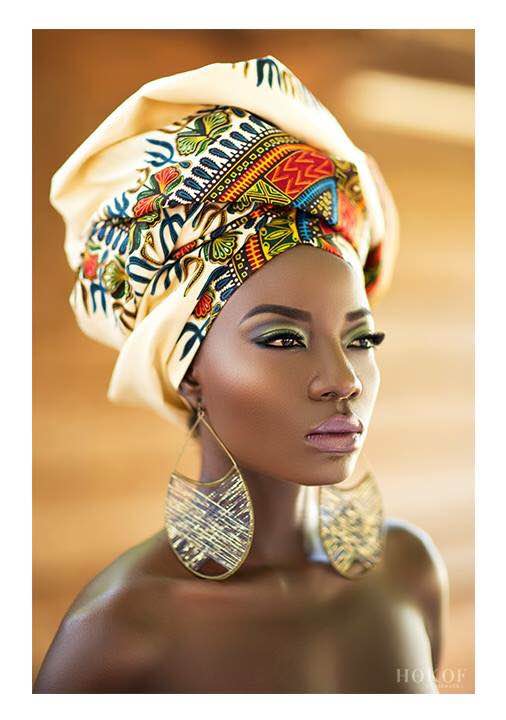
When it comes to the modelling industry, Ghanaian model and fashion blogger Laurie Frempong is her own boss. She manages her career, finds her own jobs, negotiates payments and acts as her own PR. This model has been self–managing since she was discovered at a casting for Project Walkway Ghana nearly four years ago. Over the years, Laurie has secured editorial, swimwear, print, runway and commercial modelling contracts without a manager or an agency. She would be first to admit that balancing self-management and a modelling can be very tough but with determination, one can achieve anything. What led you to self-manage your modelling career? After being discovered and gaining exposure at the Project Walkway Ghana, I went into full-time modelling but in Ghana, there are no real modelling agencies and models signed under agencies had to go out and search for jobs. There was no need having a manager who would not assist me in anyway, yet expect to be paid. So I chose to manage my own career. This was not easy especially since I had to combine management with modelling. Both jobs are full-time so there are days my management skills would be lacking and there are days my modelling skills would be lacking. This was at the very beginning though, now I have developed a skill to balance both jobs so as to not lack in both areas. As a self-managed model, how do you find work? What jobs have you done over the years? Well in order to find work, I had to build a brand and that was what I did. I am identified with my natural hair and my colourfulness. After this, I found work through recommendations; attending castings —which are very few in the country, and via social media. I take my work very seriously and always give my best on the job so people contact me for a job knowing they are getting nothing but the best. I have worked many brands and shows like Afua Biney, Kiki Clothing, Woodin, Lema Press, Ernest Chemist, Zedi & Cross Alikoto Clothing, Nallem Clothing, Papa Oppong, Steve French, Wusuwa’s Diary, RIP Runway, Legon Fashion week, Catwalk for Orphans among others. What are the challenges you face as a self-managing model in the industry? How do you overcome these challenges? When I chose this path, I knew it was not going to be easy. Given the fact that Ghanaians are still warming up to modelling as a career, I knew I would face challenges. But I was still hopeful and determined to go through with my choices no matter what. Challenges I face include; – Non-payment for jobs well done. – Getting paid less than what was negotiated. – Missing out on castings because these opportunities are communicated directly to modelling agencies. For the payment challenges, I have rectified it by using a rate card. The rate card has details of how much a model charges depending on the type of job wanted. This card takes into consideration the number of hours involved, etc. This way when I am approached by a client, they know exactly what to expect. With the issue about the castings, there is nothing I can do about it other than investing in myself, updating my portfolio and branding myself so well that I will not depend on these castings. Would you say self-management is better than having another person manage you? Well, there is nothing like being your own boss but to some extent I will say having a manager has its pros. For instance, if I had a manager, I will have more time to focus on becoming the best model since I would not have to worry about the negotiating of contracts and payments. Are there many self-managing models in the industry? What advice would you give to a self-managing model? There are as many freelance models as there those who are under management in the industry. The advice I would give to a self-managing model like me is – self-management is not easy but nothing good comes easy. So stay focused; build your brand and portfolio, set goals and work towards them and most importantly learn to use social media to market your brand. Also when starting out, many people would try to take advantage of you so build your negotiation skills and be firm at all times. What do you enjoy most about what you do? Every single thing. This career allows me to express myself in so many ways and be true to myself. I also love seeing the product of my hard work. After all the stress, when I see the final work and it looks amazing, I am happy. What’s the strangest thing you’ve ever done as a model? Recently, I had to do a runway for a fashion graduate, Steve French. The concept was to act like a mad person on the runway. It was one of the most creative shows ever. Which international brand would you like to model for and which concept would it be? Vlisco. An editorial spread and a fashion film. The fashion film will tell a story about the history of African Prints. And I would be the model styled in some iconic Vlisco designs since its inception. I also dream of being a Victoria’s Secret model. That will be a dream come true for me. Want to see women you know featured on SLA? Tell us what amazing things women are doing in your communities here.
Gabby Malope: I have a life toolbox for every challenge
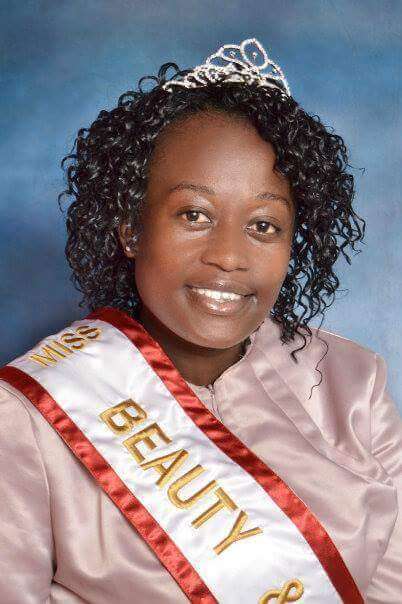
From regaining the ability to walk after an accident left her in a wheelchair to training subsistence farmers in agriculture, Gabby Malope has a lot of life and business experience under her belt. When she spoke with SLA contributor Makalela, Gabby spared no details on how she found her way to becoming a facilitator, her foray into counselling and how she believes she’s walking the footsteps of her role model. Tell us about yourself. I am very bubbly by nature, I love traveling a lot and meeting new people. As a child, I never got opportunities to express myself so growing up, I couldn’t wait to experience life’s challenges and battles. I was always protected by my twin brother. His passing away left me broken and very sensitive. In 2007, we were both involved in a car accident that took his life and left me disabled. My life took a downturn due to the accident. I was declared unfit to work or function in any corporate environment. People always told me I should stay in faith and that I will be all right. I never took them serious until in 2010 when a huge miracle happened. One night, I was sleeping and woke up to go to the bathroom. When I stepped out of bed, I fell to the ground. I was so happy, I screamed with joy because I could walk again. I shouted so loud, neighbours came running in thinking something terrible happened. That was the day I found my favour with God. Since then, I live my life like tomorrow will never come, each day is a gift for me. How did you get into being a facilitator and what has been your experience running a business? In 2006, I was working for an NGO called Siyaphila Youth Support Services. It was led by young people under the leadership of Mrs. Nondumiso Phaahla. The main focus was dealing with HIV and poverty alleviation projects. My strength was with peer education, I just loved talking to my peers because I knew the peer pressure we were facing at that time. Even after the accident, I still went to work while on a wheelchair. That was until 2012 when I was invited to come do some motivational speaking in one of the City of Tshwane Events. Someone after speaking asked me if I had ever thought of being a facilitator because he saw that in me. One day, I decided to register a company that will help me be eligible to offer my facilitation skills. Then I realized that I needed to get trained to be a better facilitator so I shopped around for companies that offer that. I found one, then I enrolled. Shortly after finishing the training, a lady called me to ask if I could speak isiZulu. She was looking for people who can train 500 people in KwaZuluNatal in isiZulu languages. The phone call changed my life for good. Ever since, I have been a training specialist in farming while managing the farm I produce crops from. As for my experience, I had to get equipped to be able to deliver quality work. So I took agriculture courses to be prepared for any challenges. I currently run a training academy of agriculture in Vastfontein in pyramid Hammanskraal. I always have to be on top of the production because if you take your eyes off, you lose a lot. The farm has to produce more and more every year and the training centre has to grow every year. So far, the journey has been quite exciting. Why did you decide to go into counselling ? It was after the ordeals that I went through. When people hear my testimony, they often ask me how I managed to pull through. Mostly, these people were ladies who were troubled by their daughters who were in my age group. They needed answers and I would always counsel them before going to my peers. That grew even more when I joined the Hatfield Christian church to study at the Life Training School (LTS). A few of the courses that I did helped me to grow in the field of couselling. This was combined with the training I got from the Foundation for Professional Development (FPD) and the Department of Health. How do you determine which products to grow on your farm? The market and consumer always guides us on what to produce more than anything. We produce cash crops because as a farm, we must produce what will be able to carry daily running costs of the farm. The farm workers also need to be able to earn a living. We produce big crops such as green peppers, cabbages, onions, chillies, beetroot and potatoes, which takes more time that spinach. The response to market makes it easy for us to farm a lot of produce. Other crops are seasonal and that makes it hard to produce them every season. We also donate some of our products to the care homes and orphanages. That’s more like our corporate social responsibility within our area. What is your greatest strength? I have a toolbox of my life for every challenge. I have a tool that fixes any specific challenge. Also, I grow from the challenges that I come across so I never run. When the beast is in my yard, I stand and carry my cross. Who would you say is your role model? My uncle Mula Peter Malope. He worked for few years then, he took his savings and bought a combie. Ever since, he has been running his business. He has even opened a shop. He never worked but made his dreams come true. To this day, he is still running the taxi business. Most of us in the family no longer have mothers and fathers. Our parents were never there so he had to care for our livelihood. My uncle stood by his words when he said we will never be
Ellen Vannessa Chironga: Look past the fact that you don’t have enough money
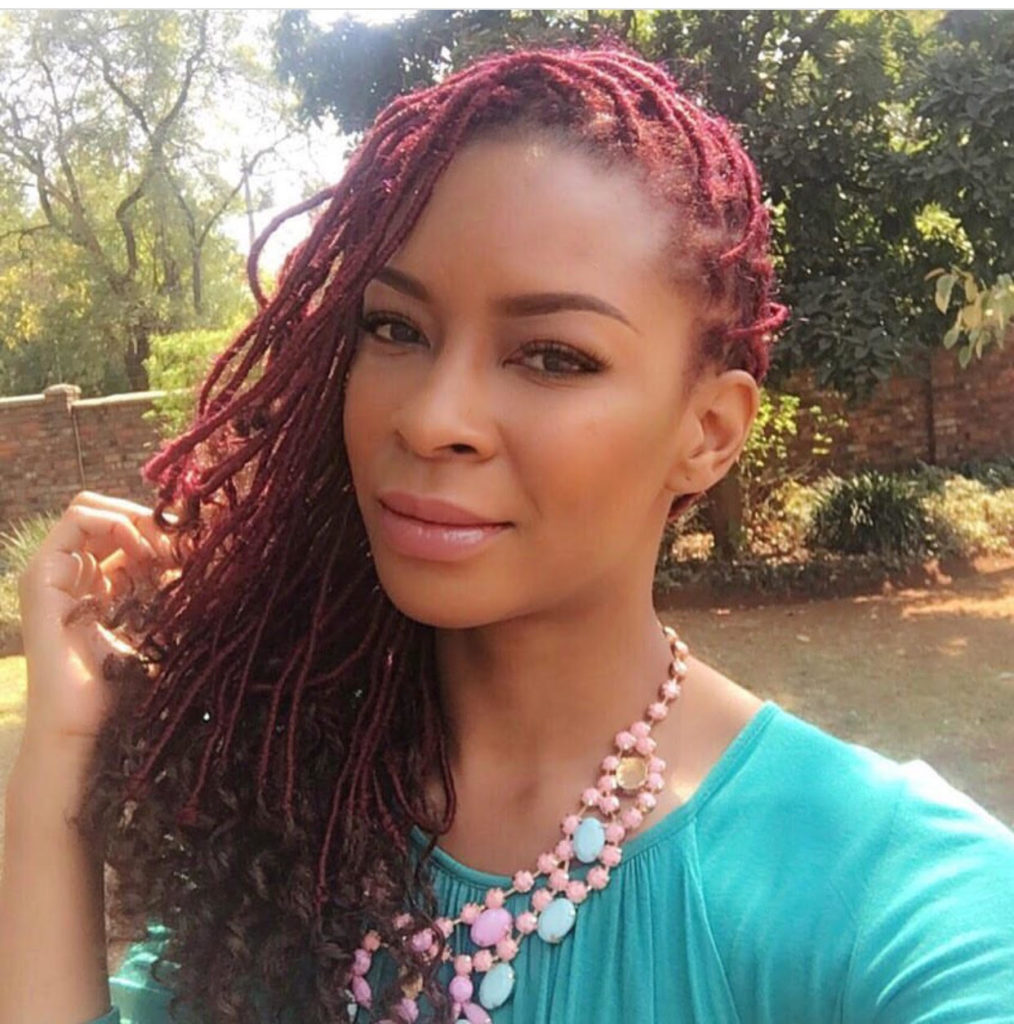
Thirty-year-old Ellen Vannessa Chironga, already has an interesting trail of business ventures. One would think with her own designer handbags (LGS bags), lingerie (Peep Collection) and a day-care center for children (Aayah’s Play Centre in Waterfalls, a suburb of Harare), Chironga has her hands full. But, the young Zimbabwean entrepreneur is also the beautiful brains behind the natural skincare product NaturElle, specifically made for people who suffer from acne. Vannessa, who refers to herself as a skin specialist, is daughter to the prominent business man, Phillip Chiyangwa. Contrary to popular belief, things were not handed to her on a silver platter and her business was not a hand me down from her father. We caught up with Vannessa in Harare to hear about NaturElle. Tell me about NaturElle NaturElle is a skincare product made from natural ingredients, which I started from my kitchen after my battle with acne. It is one of the few products that I have used which has shown results in a short time. Not only does it target acne, it targets other skin conditions like eczema and over time evens out the skin tone. I started making the product at the end of November (2015) and because it was Christmas time, we packaged it as a soap ball in wrapping paper. I started advertising my product and found out that people received it very well and so I officially started distributing in 2016. My target market is mainly teenagers, but I have other clients in their late 20’s and mid to late 30’s who also suffer from adult acne. To date, I can say I have seen 90% positive results from my clients and only 10% were not satisfied, or they were not patient enough to wait for their results. It’s heart-breaking when you have someone tell you that your product is not working. Currently, NaturElle has at least one distributor in the cities and towns of Bulawayo, Kwekwe, Gweru. Harare, the capital city, has two including myself. We have other distributors in South Africa and the UK. NaturElle is the best way to make money on the side as a distributor. What inspired you to start NaturElle? I was going through an acne phase and had resorted to using natural-based products on my face, mixing up things in my kitchen and trying to make something that worked for me. So I bumped into a locally produced ingredient (my secret ingredient) which worked really great on my skin but was too harsh. I decided to create a milder version of it by adding a little bit of aloe vera, honey, and cocoa to the special ingredient and that’s how NaturElle was born. I tried the mixture for two months and I saw a great improvement in my skins texture and appearance. It’s important to understand that we all have different skin types and results differ from one person to the other. Why did you decide to set up in Zimbabwe? I came back from the UK three years ago. I thought about the next best thing and how I can maximise on the environment I was in. So after my wedding, and having quit my job, I decided to go for it. I have always dreamt of working for myself and being successful. Working for my dad was a pivotal foundation for me. I learnt a lot from him about business and life in general. We all can’t run away from Zimbabwe, someone has to stay and make things right. I would consider leaving only for the kids, and because I want the best for them. But if and when things get better, I will definitely be the pioneer of whatever it is that is to come. What is your business day like? Well, we all know that in Zimbabwe you cannot afford to sleep, you always have to think of ways of being innovative. I am always thinking of new ways of being creative. On a typical day, I look at trends, social media and ways of diversifying my product. Especially since I also recently launched the day moisturiser. I introduced this product after noticing that a lot of my clients always asked me what they could apply after using the face wash. Is there anything in your educational background that helps you in managing your business? Definitely. I did a double Major in Drama Theory and Business Management at Bath Spa University and a Masters in Marketing and Advertising at Coventry University both in the UK. These have helped me greatly in doing my business. I believe in quality and producing something fresh. One area that we lack in Zimbabwe is advertising. It’s still very expensive, because not many people do it. One can get a ridiculous price such as $25 per second for adverts in the broadcast media. How do you keep Vannessa grounded? I have an outspoken personality and a drive like my dad, so I need my family to keep me in check. Mostly, my husband reigns me in and he is super humble. Most of all, I remember that God is my source and strength. I realise that without Him, I am nothing and would never have come up with these ideas on my own. What are the challenges of running your own company at such a young age in Zimbabwe? It’s been a long journey and a lot of hard work. People assume that the journey was easy for me because my father is Philip Chiyangwa. But not at all. As soon as I started my own family, I became a woman and had to hustle my way through. There was no backing of finances for me to start the business, I just had to think outside the box. What lessons or advice would you give to other young women wanting to start their business in a difficult economic context like Zimbabwe? Look past the fact that you do not have enough money. Not having starting capital always demotivates people and makes them