
6 South African women killing it as we celebrate #WOMENSMONTH
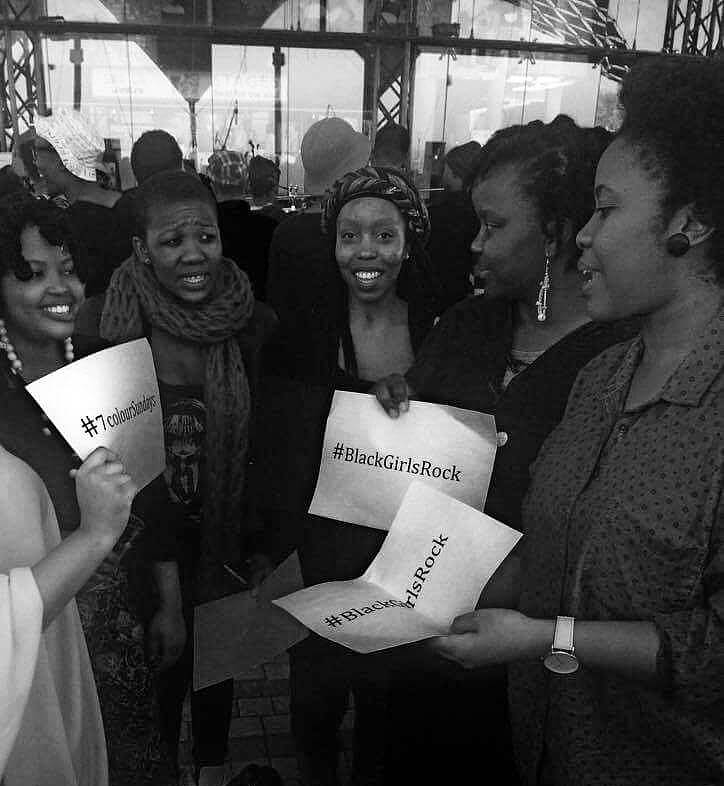
Gwa thinta abafazi, wa thinta imbokodo! This means, “You strike a woman, you strike a rock.” Currently, it’s women’s month in South Africa but I think the party shouldn’t start and end there. The month should celebrate and honour women in our entire continent, This should include women who are powerhouses and moguls, whether in communities and the business world. Let’s talk about some history. On August 9, 1956, thousands of women marched to Pretoria. It was to fight for their rights to freedom of movement without documentation, referred to as passes, along other segregation laws. In commemoration of women’s rights today, questions still remain debated over the role of women in society. This especially concerns women in positions of power. Six decades later, women continue to fight. This time, we fight a different fight. Evidently, we have MotherlandMoguls who carry a dumbbell with one hand and a mine of gold in the other. Today, we want to celebrate not just the woman in South Africa, but in Africa. She is an instinct-driven entrepreneur, who will be featured on Destiny Magazine, Forbes Africa, Forbes Woman and the likes. She is on her way to becoming the leading lady of a nation. She has a vision, creates networks and positively influences other young women. Now, let’s take a look at 6 young women killing it in South Africa: Mpho Khati Mpho Khati of Indlovukazi is a vibrant woman who celebrates herself through modelling. She invented the word ‘thick-thighing’ as a plus size model and is also an Instagram influencer. Mpho’s to watch for. Palesa Kgasane Palesa Kgasane is a young lady in her early twenties, born in cape town and raised in Bloemfontein. Amazingly, she’s the curator at Mzansimoodboard, a writer, and creative director. She also designs her own clothes. Khanya Mzongwana (aka Yulu Ishii) It is said that a woman’s place is in the kitchen and she makes it her business. Khanya, the foodie entrepreneur, is called the queen of pop-up restaurants. She’s the co-owner of Off The Wall pop-up restaurant. She is also a recipe developer and food stylist. Panashe Chigumadzi Panashe Chigumadzi is the author of Sweet Medicine. She’s also the founder and editor of Vanguard Magazine, a black feminist platform for young black women coming of age in post-apartheid South Africa. Also, Panashe is a storyteller interested in the narratives of black and African women. Tumelo Mothotoane As a television and radio broadcaster, Tumelo started locally with a woman’s programme called Sistas on Soweto TV. She moved to being a news anchor at the SABC. Now, she’s gracing the worldwide screens with being an international news anchor and correspondent for Russia today TV. Lumka Msibi Lumka Msibi is a 25-year-old qualified and international award–winning Aeronautical Engineer. She’s a global speaker and Entrepreneur from Soweto in South Africa. Regardless of the system in places that may hold women down, Lumka rises above limits. She creates the most compelling content, business industries, and communities. Commendably, this woman rises above societal pressure that dictates what a woman shouldn’t talk about. Here’s the thing A woman alone is success personified and she matters. She is not a statistic but she creates ground-breaking statistics. The stereotype that women are catty and always fight each other is old and needs to go. As women, we need to constantly remind ourselves that we’re flawless. We need to create circles of support platforms to generate a revolution of power among sisters. Now, Motherland Moguls, be your own kind of woman this month. Your career goals and strategies are valid. Start improving your business, and yourself! Kill it and make your entity your mark.
Top tips on human resources from two Sierra Leonean experts
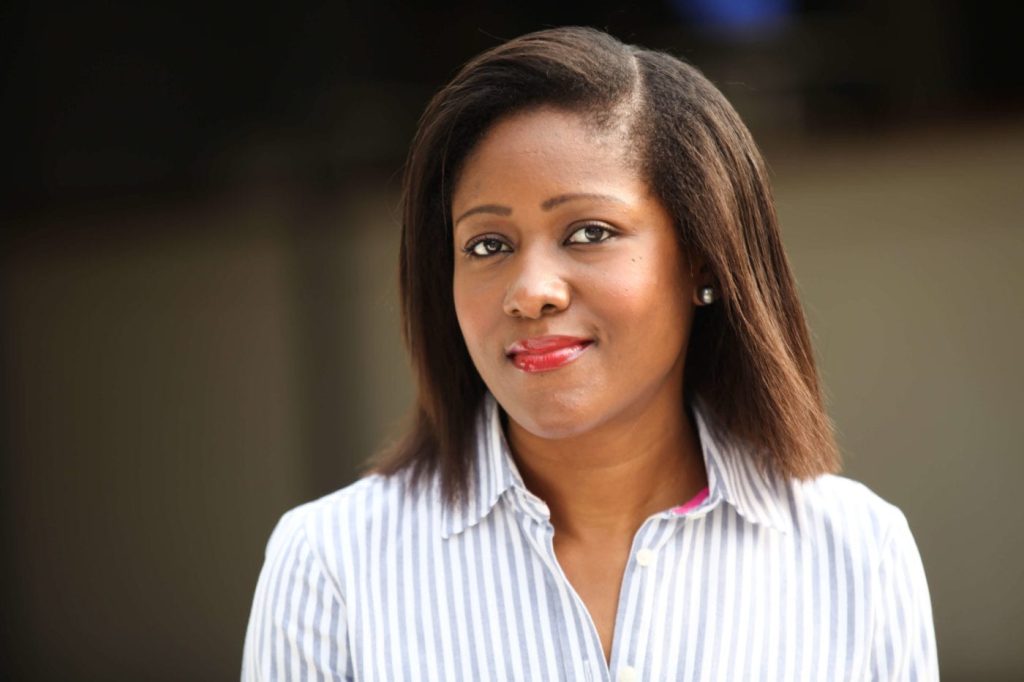
The Sierra Leonean economy is in dire need of a streamlined and engaging workforce. Edleen B. Elba and Fullah Musu Conteh are two professionals in the Human Resource field helping to develop, recruit and retain talent in various sectors for the Sierra Leonean workforce. Edleen is a Chartered Human Resources Analyst who owns JobSearch, a human resources management company while Fullah is co-founder and managing human capital consultant at human capital solutions firm TV-PG. In this article by Moiyattu Banya caught up with both ladies and got them to share some tips on building human capital for any business. It is a known but sad fact that the average job seeker in Africa is a young person. Add to this the African Development Bank’s prediction of a youth bulge on the continent. This just begs the question, how will African countries cope with the increase of young people who will far outweigh available opportunities? In post-conflict countries like Sierra Leone, that rate is even higher. According to the 2013 Status of Youth Report released in Sierra Leone, over 70 percent of young people live under a dollar a day. The country’s unemployment rate is at 60 percent and is one of the highest in West Africa. Ladies, how important is setting up an efficient team? What key attributes should young women possess for business? Edleen: Your team is critical. Hire employees with the right attitude. They may not be the most qualified or experienced but you can always train them. People with integrity and those who care about their personal development and business growth are likely to be more committed and therefore, more productive. Fullah: Be professional at all times with your team. When it comes to your team and standards, be professional. Culturally in Sierra Leone, the lines tend to blur between professional and personal relationships. This situation, if not well-handled, can diminish one’s image as a leader. Case in point, as a start-up, you may have set systems in place and your policies may be top-notch. However, consistent adherence can be a challenge when clear-cut boundaries are not set. Evaluate your leadership style, and ensure your team is in agreement with your expectations. Always check for non-compliance to policies and structures, address the culprits and help them improve on compliance. However, if they still don’t fit in, let them go, irrespective of who they are. What would you consider critical for a young woman setting up a business? Fullah : Understand your business market. Understand your competitors, know what the market needs, lacks or has in abundance – then strategically come in. To this end, you can create a niche that caters to your passion and also the market. Use that knowledge to find mentors who can help you reach your goals and potential customers/clients. Know when to take a step back and when to aggressively push with a service or product. While at it, align with international best practices and contribute to Africa’s consistent growth. It’s best to do away with the standard TIA aka “This is Africa’s way” by ensuring that you adapt to best business practices for your clients’ sake and personal prestige. The bar should be raised, always. Let’s talk about the dream team. How can one effectively manage a team without breaking it? Edleen: Share your vision! I would say, share your vision with your employees and give them responsibilities. If they are actively involved in the decision-making process, they are more likely to believe they are a vital part of the business. Also, it is important to have open communication channels. This is essential to any relationship. Be fair, give regular and effective feedback. How do we maintain personal control in the face of business expansion? Fullah: Know and understand your strengths and weakness. Once you do, find ways or people who can help close that gap. For example, I am a transformational person and monotony bores me to distraction. Owing to this, I do not consider myself a sales person as I am terrible at selling my organization’s new products and services. To address this weakness, I have a strong team consisting of a competent operations person and a passionate business development individual. I design products and services while the operations person follows through with implementation. The role of the business development individual is to get clients while I work quietly behind the scenes to make us all happy. Want to see women you know featured on SLA? Tell us what amazing things women are doing in your communities here.
Starting and sustaining an NGO in Nigeria: 3 important things to consider

You can actually set up the next big NGO, and maybe win a Nobel prize for your wonderful contribution to the society. Isn’t that amazing? But wait! Before rehearsing your Nobel prize acceptance speech, have you given enough thought to the sine qua non of setting up and sustaining an NGO? No? It’s not too late. Let’s start with the basics. A Non-Governmental Organization (NGO), according to www.ngo.org, “is any non-profit, voluntary citizens’ group which is organized on a local, national or international level.” In Nigeria, they play important roles, often filling gaps which the government is unable to while complementing existing government activities. These organizations, small or large, work in the health, civil society and other sectors of society. Individuals and groups often set up NGOs with altruistic motives, with the intention of impacting positive societal change. Having worked for an NGO for several years, I know that most people assume that starting and sustaining one is a laid-back affair. On the contrary, it is in fact as critical as starting up a for-profit business. It really does not matter if it is on a small-scale basis, or whether you have vast amounts of cash, there are key guides to consider. Here’s what you need to know. Legal requirements A lot of times, enthusiastic newbies fail to consider the legal requirements of embarking on such a venture. Someone wakes up, scribbles an interesting name for a proposed NGO, then proceeds to print branded T-shirts. That’s not bad for effort, but you need a more structured process. For proper legal status, your NGO must be registered with the relevant body; the Corporate Affairs Commission (CAC). Take ownership of the process, and as much as possible, avoid using a proxy. That way, you will be in possession of all necessary documents and minimize the chances of a disaster. Now, you’ll need to establish the following: The legal obligations it will be subject to. Your goals and objectives. The problems you intend to solve. Equally important, you’ll need a lawyer during this process. Having a lawyer at your side will keep you updated on the rights and obligations of the registered NGO you’ll soon be running. Acquiring and sustaining funds When setting up an NGO, you must be very clear on the source and availability of funds. You can’t begin with the, ‘Well, I just started’ or ‘Let’s see how it goes’ attitude. Having said that, let’s see if you can answer these questions: Do I have funds for the activities I’d like my NGO to embark on? Are there government or other organizations’ grants I can apply for? Can the NGO sustain itself on a long-term basis? Do I have an efficient structure? What are my planned activities, and who will be responsible for each activity? Run your NGO like you would run a business. Look, I get it. The society seriously needs solutions and you’re revved up for the challenge. Your idea is the best, most unique and different one and you’re in line to becoming the next Mother Theresa. Listen though, other NGOs are profit-oriented and well, only focus on making profit. If you want your NGO to be around for a long time, you’ll need to integrate these profit-making elements to your operations: Have a defined strategy for hiring, operations and other organizational processes. Have a strong financial system. Have a target audience? A robust marketing strategy will cater to them. Have a marketing budget. Decide on what strategy to apply. Person-to-person? Social media? Flyers and posters? Or a mix of different strategies? How about record-keeping? Do you have a plan? How often would you produce reports? Bi-monthly, quarterly or annually? The above requirements are essential, especially if your NGO’s activities are grant-funded (which means you’ll have to submit regular reports to your handlers). The sad reality is not everyone gets grants at the start, but proper record-keeping would prove very helpful should you decide to apply for funds in the future. #MotherlandMoguls should know that NGOs are businesses too. Your profit is in the satisfaction of helping people in profound ways.
7 African Women to watch at #Rio2016

The stakes are high this time of the year as Rio2016 kick off. Lots of hopes and dreams are riding on this year’s wins. The national pride of certain countries is at stake at the sporting event as those of us living in African countries stayed up late to watch the opening ceremonies. Btw did you know that the Olympics started in 776 B.C. in Greece where the first Olympian, Coroebus won the single event, a 192-metre foot-race? In 2016, we’re all about the African women doing us proud at the Olympics. Out of this year’s lot, lets’ focus on seven African sportswomen who we’ll be keeping an eye on as the event unfolds. Yolande Mabika This 28-year-old judoka (a person who practices or is an expert in judo) is a refugee from the Democratic Republic of Congo. She’ll be participating in this year’s Olympics under that flag. There’s no shying away from it Yolande has suffered to get to where she is now. She’s slept on the street, and worked as a sweeper and at a textile mill. In 2013, she qualified for the World Judo Championships held in Brazil. She sought asylum in Brazil and started training at the Instituto Reação, a judo school founded by a former Olympic bronze medalist. She is aiming for gold at Rio2016 under the women’s 70kg category. #MotherlandMogul lesson: Nothing should hold you back the way nothing held Yolande back. We’ll be keeping our fingers crossed that she gets the gold she’s aiming for. Vivian Cheruiyot Known as ‘pocket rocket’ due to her short stature, Vivian is a Kenyan long-distance runner who specializes in track and cross country running. She has a massive track record under her belt but her most notable moments include how she lost 17kgs after giving birth. Vivian did this in order to compete in the 2013 International Association of Athletics Federations (IAAF) World Athletics Championships 10,000m gold medal in Beijing, China. She won that by the way. These aren’t Vivian’s first Olympics. She scooped 2nd and 3rd place in the 2012 Olympics for women’s 5000m and 10,000m respectively. She has also crowned Laureus World Sports Award for Sportswoman of the Year 2012. In Rio this year, she is doubling up in the women’s 5000m and 10000m. #MotherlandMogul lesson: There’s always room to do better and improve on your best. Vivian has pushed herself to do better and succeeded. She won and we can learn from her by pushing ourselves to win too. Hortence Vanessa Mballa Atangana Another judoka on the list, Vanessa has been flying the Cameroonian flag high since 2013 when she won the African Championships where she won a bronze medal in the women’s 78kg category. She also scooped third place in the Commonwealth games of 2014. In this year’s Olympics, she is going for gold in the same category. Margret Rumat Rumat Hassan Margret’s story is touching. The 19-year-old will be one of South Sudan’s two athletes to participate in the Olympics. She is from Wau, a South Sudan city, where, as recently as 2015, this world-class athlete didn’t even have access to a gym. Against all odds, she trained her way to the 2014 Youth Olympics in Nanjing, China. There she competed in the Women’s 400m as an Independent Olympic Athlete. This was even before South Sudan was recognized. She is aiming to be first or second at Rio2016 in the women’s 200m. #MotherlandMogul lesson: Margret forged a path where there was none before. Some people spend their lives training to be athletes in world-class gyms, Margret didn’t have access to that last year. And still, she stands. Blessing Okagbare Blessing also holds many feathers in her cap. This Nigerian track and field athlete specializes in long jumping and short sprints is an Olympic and World Championships medalist in the long jump. Blessing is also a world medalist in the 200 metres. She holds the Women’s 100 metres Commonwealth Games record for the fastest time at 10.85 seconds. Her 100m best of 10.79 made her the African record holder for the event until it was eclipsed by Murielle Ahoure in 2016. She was the African 100m and long jump champion in 2010. She has also won medals at the All-Africa Games, IAAF Continental Cup and World Relays. As a sign of her prowess, she is poised to take part in four events during Rio2016: women’s long jump, women’s 100m, women’s 200m and women’s 4x100m relay. Genzebe Dibaba This Ethiopian middle- and long-distance runner is destined for great things. Genzebe is the sister of three-time Olympic champion Tirunesh Dibaba and Olympic silver medalist Ejegayehu Dibaba, and the cousin of former Olympic champion Derartu Tulu. Her veins are literally flow with the blood of a winner. However, that’s not to say her own efforts are for nothing. Genzebe was the 2012 World Indoor Champion for the 1500m, and is the reigning 2014 World Indoor Champion and World Indoor Record Holder in the 3000m. She represented Ethiopia at the 2012 Summer Olympics and has twice competed at the World Championships in Athletics (2009 and 2011). Genzebe was named Laureus Sportswoman of the Year for the 2014 year and was 2015 IAAF World Athlete of the Year. She is the current world record holder for the 1500m (both indoor and outdoor), the indoor 3000m, the indoor 5000m, the indoor mile, and the indoor two miles. She is looking to win the women’s 1500 m track and field event at Rio2016. #MotherlandMogul lesson: We know we mentioned this before but…look at Genzebe’s family! The Dibaba family, aka the “world’s fastest family” are goals for how healthy families can reach their peaks and excel. They challenge us to ask, how can we work with our families to ensure that everyone stays winning? Caster Semenya A middle-distance runner, South African Caster Semenya’s track record is bright. It all started in the 2008 World Junior Championships, where she won the gold in the 800m at the 2008 Commonwealth Youth Games. In
Carmen Attikossie: I want Cartik to contribute to a better Africa
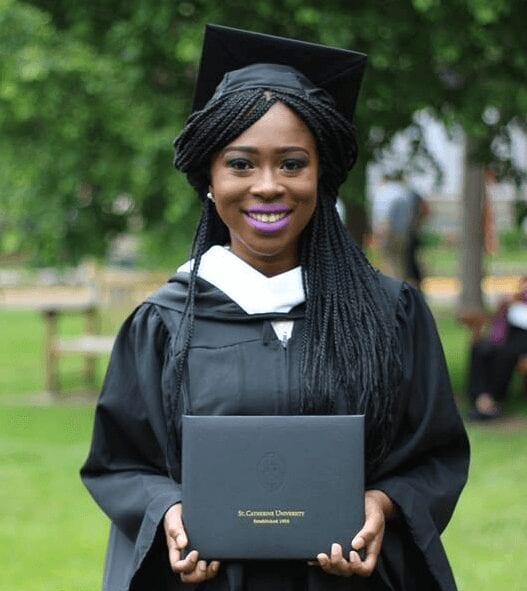
In these days of ubiquitous African wax prints, only a few businesses stand out. One of them is Cartik, a brand started by Carmen Attikossie. Carmen used her links to her homeland of Togo, along with new networks formed while studying in Ghana to start a fashion label that uses African wax print. Here, Carmen gives us insight into Cartik, explains why she plans to venture into agriculture and schools us on the Nana Benz. What sort of artisans does Cartik you work with? I work with artisans from all walks of life in Ghana and Togo. In Togo, there is an artisan village in the capital city Lomé and when I started Cartik, my aunt took me there. I met artisans who were shoemakers, leather-workers, jewelry-makers, etc. I took my time, picked the artisans I wanted to work with and went from there. In Ghana, I had the opportunity to travel to Kumasi, and I met some artisans at Bonwire, Kente village. Throughout the time I was Accra as a student, I took my time to search for individuals who were skilled in bag-making and were interested in making my designs. There was difficulty in finding these artisans and I spent weeks and months trying to find the right individuals to bring my designs to life. Most of the artisans I work with are people who have either left their countries due to conflict or lack of jobs and have settled in Ghana or Togo. They are young individuals who have graduated from university but due to lack of employment, they picked up artisan skills and are looking to have a steady income. I like working with these young individuals because I am young myself. As a university graduate, I understand the difficulty of receiving a degree and not finding work in your field or employment in general. Today, I work with a small group of artisans in Accra and in Lomé, I still work with artisans at the artisan village. What is the fashion scene in Togo like? Togo is a small country and the fashion industry is slowly gaining momentum with the likes of Grace Wallace. Grace is a Togolese-Nigerian fashion designer that is well known throughout Togo and in West Africa. Lomé, the capital city known to be a hub for African prints. Many people travel from Ghana, Cote d’Ivoire, Senegal and other countries just to buy prints at Assigame , the biggest market in Togo. Tell us about your experience studying in Ghana. I went to Ghana on a study abroad programme at my university. In Ghana, I stayed on campus at the University of Ghana and lived in the international student hostel. My experience there was phenomenal. I did not want to leave Ghana, I even asked my school if I could stay for another semester but I was not given the opportunity. Honestly, I felt comfortable in Ghana. I grew up in the USA so when I was there everyone thought I was from the USA. Many people were shocked to know that I’m from Togo. My classmates and professors were always surprised when I spoke Ewe, one of the languages spoken in Ghana and Togo. They couldn’t believe that after 15 years in the USA I can still speak Ewe so well. I made new friends, learned a little bit of Twi and experienced life as a student in an African country, something that I’ve always wanted to do. I also volunteered at Future Leaders, an organization that takes disadvantaged kids off the streets of Accra and provides them with the basic tools of education. I taught science to 5th and 6th graders in Teshie, Ghana. At Future Leaders, I helped initiate a plan for women and microfinance and got involved in many other aspects of the organization. As someone who has received scholarships, do you have any advice for other young African women looking to gain a scholarship? Google is your best friend, go to networking events if you can because you never know who might be there and what connections and networks they have. When writing scholarship essays or filling out grant applciations, start early and take your time. Also, make sure to have others look over it. Looking for a scholarship is a like looking for employment. You want to take time to research and plan how to write your scholarship essay. You mentioned that you want to venture into agriculture. Why agriculture? Once Cartik is out of its startup phase and is well established and known, I want to delve into agriculture. At the moment the only steps I’ve taken is to do more research on African agriculture. I became interested in agriculture after reading Africa Unchained by George Ayittey in college. That book taught me the importance of agriculture in Africa. The rural population in many African countries hold the wealth to Africa’s prosperity and that is agriculture. If we spend time investing and educating the rural population on better and efficient farming techniques, I believe would be on our way to alleviating some of the problems we have. From what I’ve learned in college, at times rural areas in African countries are neglected when it comes to development. If we provide rural populations with access to healthcare, education, development for women and children, the possibilities will be endless. Can you tell us a few things about Togo that other Africans don’t know? – Togo is home to the Nana Benz women. The Nana Benz are a group of women who began their journey as textile traders during the time of French colonization. These women came from nothing and rose to fame, power, and fortune because of the wax prints. They were ambitious, hardworking entrepreneurs and leaders who contributed greatly to the economic growth of Togo. The lives and stories of the Nana Benz women have been preserved in a book called Nanas Benz: Parcours de Vie. The English translation would be, “The lives of Nanas Benz”. The
Change: What businesses need to remain relevant

The story is told of the CEO who calls his CFO to authorise the travel and associated costs of an expensive training programme for some core members of his team. Aghast at the high cost for the programme, the CFO remarks, “We are spending all this money to train them. What if they leave our company even after we have spent all this money?” The CEO was calm and responded, “Ah, but what if we don’t train them and they stay?” Adaptive thinking, compelling yet versatile leadership, and the notion of a learning organisation are all concepts that are becoming critical in operating and growing a business. A business is an entity that provides a particular solution to the needs of a category of people within a society. How a business chooses to provide that solution can be what distinguishes and especially, profits the business. From the expertise and competencies of your team, to the detail of service delivery, to the form and content of leadership of a business. These should be adaptive. You need to be dynamic Businesses must be adaptive because societies are dynamic. The people that form societies, that is your clients, evolve. Thinking, wants and needs all adapt and as all of these adapt, businesses need to also adapt. Businesses need to make themselves relevant to the needs of that society. The what, why and how of your business needs to be constantly examined because of this dynamism. The biggest challenge is that whilst most businesses believe they understand this, they often fail to practice and actualise it. This is not surprising. Change is difficult and yet change is needed. To change what, how and why your business does what it does is first of all a lesson in humility. Secondly, it is a tremendous exercise in self-examination, and third it will mean an uncertain transition period. I think this is why there is so much resistance to change, it requires all of us to do things in ways that we are not familiar with. And we all know that unfamiliar territories are as daunting as they are risky. But nothing that will grow will do so without a transition period. Metamorphoses: the constant cycle of change Maybe what we need to do as businesses in seeking to apply change, is to simply view change as a growth path. Without change we run the risk of not growing. Even when we change and do not grow, it’s still important to try. We are more likely to grow if we do change because the status-quo is not giving us the result that we want. The problems of today are caused by the solutions of yesterday. And what many businesses continue to do is to provide the solutions of yesterday to today’s more advanced, stickier problems. To be relevant in business, we need to be more open to change, we need to be responsive to change, and we need to actually seek and want to change. This often requires new learning. It often requires bringing in a third party to support you in identifying and then structuring the business change that you need along your value chain. It will then require instituting new work processes, new ways and means –and ultimately it will begin a process of individual and organisational learning. Create your future It is this new learning that actually has the power and the potential to exponentially grow a business. The future is not a place we are going, it is a place we are creating. When a business takes a decision to really change and be more acutely responsive to the needs of their clients and stakeholders, that business has started a process of creating a new future. You don’t create new futures by doing the same thing the same old way. You create a new future from new learning out of an observation and real understanding of what society and our clientele needs from us. This goes further by taking a decision to work with that new learning through the development of better and more responsive products and/or services, ways of working, and systems and processes. The success of that change process is implicitly linked to the core leadership and management team understanding the need for change. Your team needs to desire and buy into change. You cannot play lip-service to change and expect to grow. This speaks to the wider notion of the ability of a leader to inspire her team to see the need for change, to want change, and to execute new change processes, thinking and doing as they daily execute their tasks. This ability to inspire, to motivate, and to support your team to see the positive externalities of the change you need is what stands you out a leader. The power to take people to a place they have not yet being, and getting them excited about arriving there.
5 Zambian women doing amazing work that Linton couldn’t be bothered to
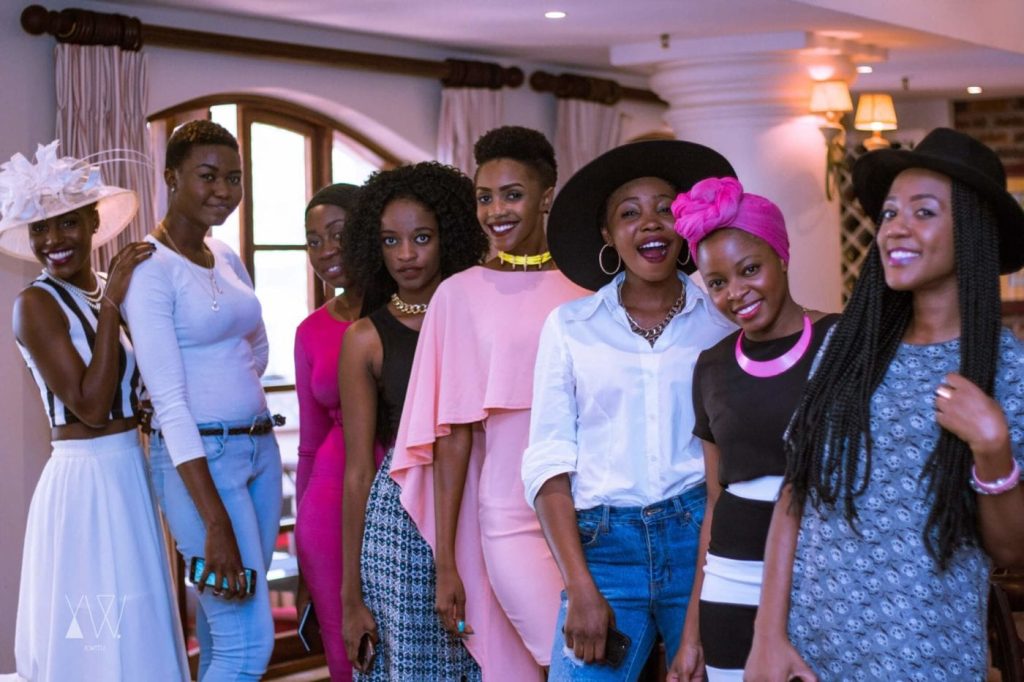
Unless you have made a vow to stay off of social media and the news, you’ve surely come across of the hashtag #LintonLies. #LintonLies trended for a few days last month after actress and producer Louise Linton wrote her “How My Dream Gap Year in Africa Turned Into a Nightmare” piece. It was a recent addition to the White Savior trope and was filled with so much inaccuracies about Zambia that African twitter had to say something. The hashtag #LintonLies was created in response and forced Linton to remove her book from Amazon. While Louise was clawing her way through the jungle and chasing off humongous spiders in her mind, she could have simply picked up her cell phone and asked Zambian women to help her tell the real story. Write it, film it, market it. The reality though is that Zambian women aren’t waiting for their stories to be told for them to be deemed worthy. They have charge and are doing a darn good job of it. Even though more can be done to improve the lives of women in Zambia ( that’s another discussion for another day) those who stand up and make a change should be applauded. Here is a list of Zambian women that are engaging in entrepreneurial bombassery that likes of Linton could learn from. Zambian women aren’t known to simply sit and let things happen, they are the women that are running businesses and changing the entrepreneurial landscape of the country. Samba Yonga Founder of communications powerhouse Kuatenga media, Samba is a media communications specialist whose work has showcased Zambia to the world on various platforms, local and international. Kuatenga’s latest work is The Tikambe Natulande TV show , a youth-led program focusing on issues of sexual and reproductive health and rights (SRHR) in Zambia. The Tikambe Natulande show focuses on educating young Zambians without losing them, showcasing stories they can relate to and answering even the most embarrassing questions. Questions like: “What would you do if your religious leader asked you to sleep with him to solve a problem?” Known for her great style and her deep laugh, Samba is passionate about unearthing authentic Zambian stories. She does not shy away from stories no matter how uncomfortable. Samba also challenges challenging harmful beliefs and narratives respectfully while delving into preserving our languages and cultures. Quite a feat! If you are ever in Lusaka and hear of a cool cultural event, Samba has probably worked tirelessly behind the scenes. Yet she may also just be the lady at the market next to you buying finkubala. Monica Musonda Queen of entrepreneurship bombassery. This woman is revolutionizing the way young Zambians eat (cue the satisfied rumble of the stomachs of university students). She is the founder of Java foods whose main goal is to provide convenient, affordable and nutritious foods made from local products. This successful commercial lawyer set up the food processing company in Zambia in 2012. Since then, Monica has been pretty transparent about what it takes to be an entrepreneur on the Zambian scene. She is also open about leadership issues and often hands out solid advice. Monica and Java foods are all about churning out nutritional foods that tackle the problem of malnutrition in countries like Zambia (by producing a nutritious porridge consisting of sorghum, millet and soya, for example). Java foods engages with small-scale farmers to provide them with grains through a self-sustainable system. Monica encourages young women entrepreneurs to not be afraid of starting their journey. Do you have an idea? Get started, and don’t be afraid to ask for help along the way. MaFashio Sekayi and Tukiya are two stylish entrepreneurs from Zambia, styling and profiling with their blog MaFashio. The sisters are very popular and are good at putting together great outfits, interestingly enough via thrifting. Instead of making style out of reach by only wearing designer things that a young Zambian girl may likely not be able to afford, MaFashio show that thrifting is a great source of pieces waiting to be handpicked. They began with simple street style, but these two have fast become the go to for styling, makeup artistry and photography. They have also being a part of great social initiatives and looked good while doing it. From styling the techie guys at Tech Hub Bongo Hive, to sitting in at Zambia Fashion week, the MaFashio brand is growing. MaFashio showcases great Zambian talent but staying true to the reality of living in Lusaka. Now, Sekayi and Tukiya are not fashion airheads who only live and breath fashion. They are young women who are working on various projects behind the scenes (like finishing uni amongst other things. Congratulations!) Cathy Phiri If you scrambled to get the newest issue of Trendsetters when you were in high school in Zambia, then you probably know who Cathy Phiri is (especially if you also wore that sky blue and navy blue skirt daily to school, you know which one, Roma stand up!). Cathy Phiri has been in the Zambian media game for a long time, starting in 1995 when she and her sisters started up a non-governmental organization in Zambia called Youth Media which led to to the development of the award-winning newspaper (later magazine), Trendsetters. After years in the business, winning awards and working as Media 365 (the company at which she is managing director) Cathy has a new show called HerStory. HerStory helps Zambians look at various issues from different angles. Media 365 is a dynamic creative and communications agency that focuses on communication strategies, audio-visual campaigns, marketing, and research services for social change and development. Cathy has focused on educating the masses on HIV/AIDS but with HerStory she is diversifying. Now she’s diving into discussing the political situation in Zambia, the Blesser/Blessee phenomenon amongst other stories. The premise is that Zambian women can and will weigh in on what is happening in their society fearlessly. Having been a part of popular shows like the
What they don’t tell you about your first job
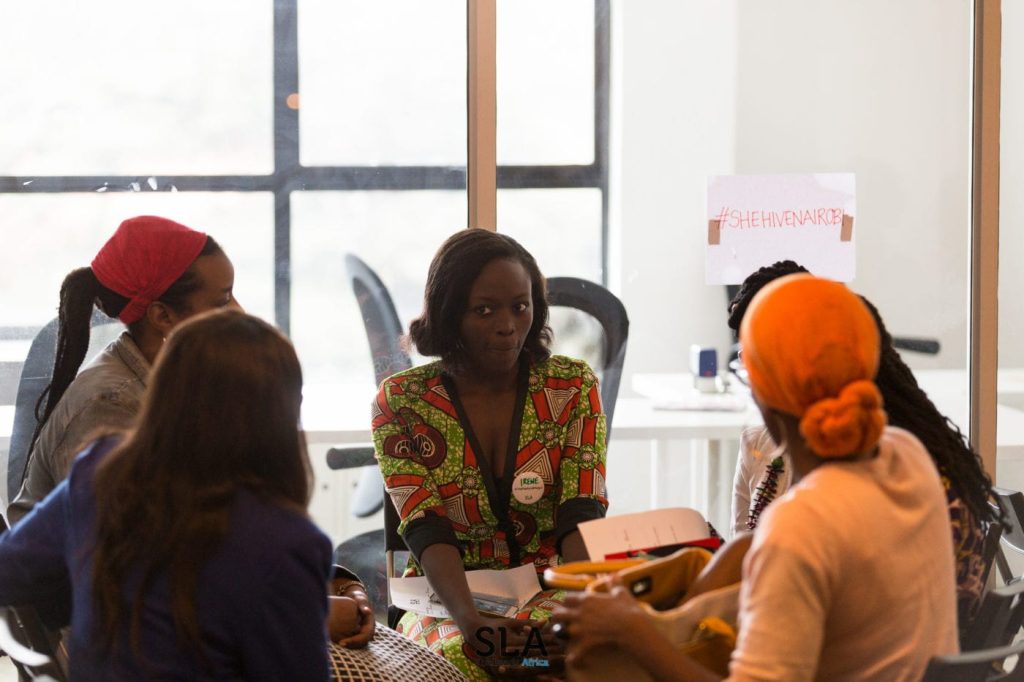
So, you’ve survived unemployment like a boss, and now you’ve landed your first job. For some, this is a positive, life-affirming experience. For the rest of us, we need a support group or at the very least a few tips on how to deal. Don’t worry girl, I’ve got you! The general reason why many people do not enjoy their first job is typically because it just wasn’t what they expected. So if you are feeling like you are failing at adulting, relax, you aren’t alone. Here are a few ideas on how to tackle seven typical first job challenges, and come out strong. 1. So…is this it? After the novelty of employment wears off, monotony can set in. You may find yourself a bit disillusioned with your job and asking yourself, is this it? The answer to this question will either prompt you to restart job hunting or help you to get your head back in the game. Either way, you can make the most of your time there. This is where you want to clarify your goals. What exactly is it that you ultimately want to do? Once you know that, decide how you can use the platform that your job provides to get closer to your goal. There are very few skills in our increasingly interconnected world that are not transferable. You aren’t there just for the job, but also for the networks, the exposure to opportunity, insight into the industry, seeing how a business is run and scaled, tapping into the experience of your co-workers (potential mentors?) and to establish your name in that space. In addition you can work to break the monotony of each day by: Volunteering to help other departments out and diversifying your experience Continually setting personal goals to excite you Using your evenings and weekends to do more than watch series. Pursue your other interests and invest in a side hustle 2. Maintain relationships The one thing many of us weren’t prepared for is just how much of succeeding in your first job revolves around your ability to work with people. It goes without saying, maintain a good attitude, don’t act like you know it all and avoid office politics. Your relationship with your boss, co-workers and clients all need to be managed as they each come with their own complexities. Have frank conversations to make sure you clearly understand the expectations that the people you work with have of you. Ensure you aren’t part of the problem by understanding your own strengths and weaknesses as a co-worker by soliciting feedback from your peers to help you uncover any blind spots. The bottom line is you will work with great people as well as the scum of the earth, be prepared for both. Even if you decide to leave, it is important not to burn any bridges. Stay professional until your very last day. 3. Speak up, take credit I totally agree with the saying, “Hard work speaks for itself” but that shouldn’t stop you from speaking for yourself too. Being consistently passed over for opportunities can create a lot of dissatisfaction in your first job. You want better client visits, you want to go to that conference, you want in on that project, that’s all great, but have you asked? Remember you are largely responsible for how much you will get out of your work experience and so take charge of it. Mindfulness Coach Jeena Cho puts it this way: “If I could encourage women to do one thing, it would be to ask for what you want. Stop overthinking every simple (and not so simple) request, and just ask! Ask without apology. Ask despite your inner critic. Ask when you fear you’ll be seen as pushy…Ask when you fear you don’t deserve it. Ask when you feel you do.” Another thing that will help all of your hard work ‘speak’ is actually being comfortable taking credit for your work. Keeping a record of your accomplishments will also help in pay negotiations and asking for promotions. 4. Skills versus titles So, you didn’t take the time to scan through the companies’ organogram before you signed the contract. Now you realise you are stuck in a dead-end job with no chance of advancement. This may not be a total waste of your time. You may not get a fancy title but you can still ensure that your CV looks attractive. Be deliberate about honing marketable skills. Each year many industries publish ‘hottest skills’ lists, take time to identify the skills that your job is helping you develop and indicate them clearly on your CV. 5. Calculate the cost of compromise Part of the anxiety you feel in your first job is when you settle in and begin to evaluate whether the job you took was worth the compromise you made. A survey done by PWC revealed that 72% of millenials made some form of compromise to get a job. Some of the compromises we make to get off of our relatives’ couches are probably harmless, like getting a job in a dodgy part of town or being hired by our second choice company. Others however, may have serious long term effects on the trajectory of your career. For example, not negotiating your pay could negatively affect long term earnings. Accepting a job you are overqualified for may be the most practical thing to do right now, but it may your impact career development. The question you want to ask is, will this have any serious long term effect on my ultimate goal? This should help you get over any petty hang-ups, or leave if necessary. 6. The diversity issue Depending on your industry, you may find yourself being the only woman or African or person of colour (or all of the above) in your workplace. This may mean you’ll need to speak up to represent a perspective your co-workers may not have thought of. Remember your delivery is just as important
Will Nigeria’s president ever be a woman?
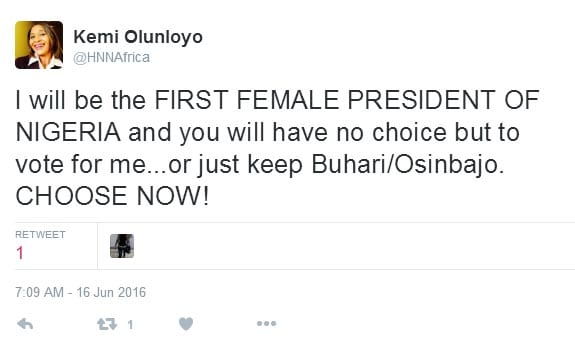
There is this palpable level of excitement all around the world as we all watch in to see if the USA will have its first woman president. This got me thinking about my country, Nigeria. What will it take for Nigeria to get to that stage? When will our president be a woman? Hold off on the evil stares will ya. Let’s take a look at four groups of people and what they say about the chances of a lady Nigerian president happening. In-laws In Africa, especially my beloved Nigeria, in-laws are not to be joked with. They can make or break your marriage so you don’t want to be too close to them but at the same time, you can’t do without them. PRO: Bragging rights. As everyone wants to be associated with success, of course they’ll support and even hound people to vote so they can do yanga. They’ll want to tell anyone and everyone that their daughter-in-law is the Commander-in-Chief of the armed forces. CON: Just because she is president doesn’t mean she should forget her culture. If she doesn’t kneel properly to greet, WAR. If the protocol officers so much as ask if the president’s husband’s cousin’s son’s wife has an appointment before seeing her, WAHALA. If they find out she no longer cooks personally for her husband, they’ll go to the village and bring their son another wife (Blame my Nollywood childhood for this imagery). Feminist Twitter If you are always on Twitter then you’ll know that this group is no joke. Women can form a strong line of defence, they’ll go to war over anything and win. PRO: There will be an astounding level of support and love towards a woman president by this group. And we all know, in the words of QueenBey, women run the the world. Stop rolling your eyes, we really run this. CON: Well, this is where it gets tricky. Chances are they’ll let the president get away with ANYTHING, even outright murder! We get that we girls need to stick together but that shouldn’t mean we don’t call out bad behaviour. Meninist Twitter The camaraderie in the above group on Twitter had men coming together to fight “battles” of their own. Yes, this group even went as far as creating a hashtag, (#Meninist), for themselves. Anyways, these MEN complain about the littlest things in women. PRO: Because they’ll want to prove to that they are not chauvinistic in the least, they may also support and welcome the idea of a lady president. This support would be crucial as they are a large part of the population. CON: They’ll complain and blame the president’s gender for every little thing that happens in the country. They’ll create hashtags like #thepresidentdoesntcook #thepresidentdoesntdolaundry. Sigh! The First Gentleman As we have the First Lady, so we have the First Gentleman. This is the official title given to the husband of the president. PRO: Being the husband of the president, he’ll enjoy benefits and opportunities like the First Lady (if not more). CON: Let’s admit it. Men love to be at the center of everything and the minute they feel like they aren’t, all hell will break loose. It’ll even be worse if his friends make it a point to make jest of his title. “So instead of you to be President, you’re First Gentleman”, “I’m sure that your wife doesn’t respect you as a man anymore”. All this will lead to another wahala when he gets home to Aso Rock. There are a number of things we need to deal with as a nation to finally arrive at a place where we can happily vote in a woman as the president of Nigeria. What I’ve listed above goes to show that we are still stuck in the “a woman’s place is in the kitchen” era. I mean look at this; @TheRoyalButler please, should a woman know how to cook good food or not before considering such for marriage? — Temilade (@Temilade) August 3, 2016 Until we evolve past this ideology, our Nigerian woman president will live only in our imaginations.
Hayat Essakkati: I believe in Africans growing their own continent
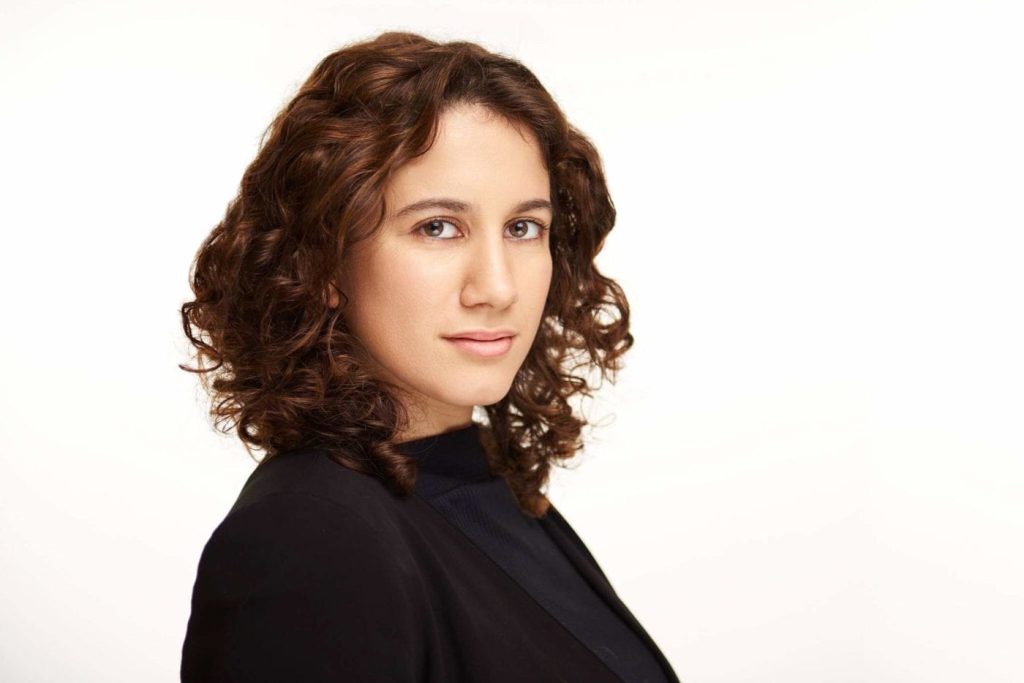
Won’t it be great to have a one-stop shop where investors can be guided through establishing their businesses in foreign countries? Good news is there’s an organisation that provides such services for Morocco, Maroc4Invest (M4I). It’s principal/director Hayat Essakkati is passionate about women and Morocco’s development. Here she shares her insight on expanding internationally and how her work experience has shaped her as entrepreneur. When lead you to start Maroc4Invest? I started Maroc4Invest (M4I) in June 2015. When I was working for the International Finance Corporation in Morocco, I realized that foreign investors were increasingly interested by the Moroccan market. The market was/is faring very well, both economically and politically in contrast to its unstable neighbouring countries. On top of that, there has been an increase in the number of companies expanding their activities in Africa and a majority of them are changing their thinking in relation to doing business in Africa. They know the Africa-to-Africa business channel is more effective than Europe-Africa or US-Africa. Morocco has become the ideal location for doing business in Africa. This has lead me to start my company as I believe in Africans growing their own continent. What kind of services do you offer? Are they aligned with your academic background? Maroc4Invest enables foreign investors to penetrate the Moroccan market using a multitude of services. Our services are aimed at taking clients through the process from company registration to ultimately running their operations in Morocco. The idea behind the company is straightforward: to navigate the business world in Morocco, you need insider’s information and access. Maroc4Invest is a one-stop shop with the objective of making foreign investors feel at home by minimizing their risks. They’re aligned with my academic interests. My Master’s thesis is titled, ‘National Use of International Norms: Morocco’s Implementation of the IFI pressures’ and on top of that I’ve written numerous papers on Morocco’s sectors. I have always been interested in the impact of foreign entities on Morocco’s economy. You have offices in three continents, can you share tips on expanding a business internationally? What challenges did you face? The most important aspect of international business, in my perspective, is running your administration correctly. You can’t be in all 3 continents at the same time so making sure your processes run smoothly without a daily administrative to-do list will prove very useful in the long term. I prepared it adequately, talking with friends and people who’ve already went through the same process before opening the offices. I’d suggest choosing countries you know very well. Holland and the USA are countries I know very well, so it makes sense. How large is your team and how do you go about selecting members for it? Our team has been growing and we expect to reach 10 in-house consultants by the end of the year. We have also developed a group of experts I can tap into on any occasion. Tell us about your experience with the World Bank Group and the African Development bank. Have these shaped you as an entrepreneur? I started my own companies to fund my college from the time I was 18 years old to be able to pay my college and expenses. I also worked in international organizations. It was more out of a sense of urgency rather than wanting to penetrate a certain market. After my studies in the US, I started working with the World Bank on topics that interested me; strengthening youth civil society and entrepreneurship in the Arab region. I could keep my entrepreneurial spirit while working as I had the right managers. The same goes for when I was working for the International Finance Corporation. The key thing is to make sure to surround yourself with good managers/colleagues that know your strengths and understand how to tap in to them. What do you think the rest of Africa should know about Morocco? Morocco is fully reliant on its human wealth. It has no natural resources, making the country’s success depend completely on its men and women. If you’d like to share your story with She Leads Africa, let us know more about you and your story here.