
3 ways to connect with your dreams as a young African

When I first talked to Khadijah Oyerinde, a 14-year-old high school student in Osun, southwestern Nigeria, I was able to see her dreams clearly. This was because of the confidence and passion with which she conveyed them to me. Within the first two minutes of our conversation, the young and inspiring Khadijah had mesmerized me. She’s got guts, no doubt! When I inquired about her greatest dream and the likely stumbling blocks, she gave me a sharp response. “I want to become a caterer that would be known all over Nigeria and Africa for excellence,” she said. “And only death can stop me. I cook well and I’m working on myself every day.” She was one of the participants at Leadnovation 2016, a flagship initiative of Hope Rising Foundation (HRF) Nigeria, a NGO I co-founded to raise responsible and innovative young leaders in Nigeria. Having been impressed by her clear vision, I quickly asked how she hopes to reach her destination. Khadijah stared at me with some discomfort, and said; “Well, I just know I’ll get there. I haven’t seen anyone on TV to look up to as far as my exact dreams are concerned. But I’ve just learnt from this leadership training that I can get help on social networks.” More often than not, I have come across many Khadijahs in Nigeria. I have met and interacted with numerous young Nigerians who are brilliant and ambitious. They are high school students, undergraduates, or even graduates eager to shape Africa with their lofty dreams. But as much as they are passionate about their dreams, connecting with them remains the big challenge. So as a young African, how can you connect with your dreams? Believe in your dreams In reality, no dream is too big to be realised as long as you have a “can-do” spirit. As a young person, it’s good to have a clear vision of what you hope to achieve, and start working towards it. You shouldn’t be discouraged by what other people say. People don’t really care about your dreams, they only care about results. Once you reach your destination, everyone will want to associate with you. So, get on the wheels and start driving into the kind of future you desire. “Don’t let the noise of others’ opinions drown out your own inner voice” These were the exact words of Steve Jobs, the legend who must have had YOU in mind when he was crafting this beautiful sentence. Take advantage of MOOCs Right now, education has moved beyond the walls of a classroom. And the effects are magical. That you don’t yet have the opportunity to receive lectures within the walls of your dream school shouldn’t deter you from working on your dreams. Start from where you are and with what you have. You can sit in your village, so far you are connected to the internet, and learn from the best professors in top universities in across the world at no cost. Yes really, at no cost! So far, I’ve taken over fifteen Massive Open Online Courses (MOOCs) from some of the world’s best universities in the last three years or so. There are a number of sites offering courses to help you get the expertise that would move you closer to realizing your big dreams. Get a laptop, tab or smartphone, connect to the internet and start learning.There are many MOOC websites available, including Future Learn and Harvard. Choose the course(s) that best fit the kind of skills you’d like to acquire. There you go! Use social networks effectively For me, social media remains the next greatest invention after the discovery of electricity in the 17th century. With the effective use of social media, you’re not only able to expand your network but also able to connect with the people that matter, as far as the realization of your dreams is concerned. Facebook, Twitter, Instagram, Skype, YouTube are fantastic social networks you can leverage to connect with your dreams. You should find role models and people who can help you believe more in your future, and then connect with them via these networks. It’s that simple. SheLeadsAfrica and a few other platforms also offer the unique opportunity to connect with mentors who can help you better navigate your life’s journey. What are you still waiting for? You can go the extra length to connect with your dreams by believing in yourself, taking advantage of MOOCs, and making effective use of the various social networks. No matter how short it is, just take a step. Keep moving! I have discussed just three of numerous useful tips. You can add one or two tips of your own in the comments section as well. I’ll be glad to hear from you.
Ready to crowdfund using social media? Read this first

Crowdfunding is no longer the buzzword it was in 2006. Social media has undeniably taken over and changed the way we interact and connect online. Gone are the days when discussion forums were the go to tool for getting numerous opinions. Crowdfunding by definition is, “the practice of funding a project or venture by raising small amounts of money from a large number of people, typically via the Internet.” This is basically asking strangers around the world to help you get your project or campaign off the ground by financing it as a collective. Not only does this mean you’ll have the necessary capital to get going, but you will also have peace of mind. Through the indirect market research crowdfunding provides, you’ll know that a community of backers believe in your service or product. The average person has 5 social media accounts, this means you have a few options on how to get your message across. Sometimes, all you need is a quick update on any platform and you will be flooded with an array of responses from your followers, catapulting your crowdfunding plans into the stratosphere. The next step is knowing how to harness the power of those platforms to bolster your crowd funding efforts. However, there are dos and don’ts when it comes to crowdfunding. You’ll need to ensure that people don’t view your suspiciously while ensuring long term success beyond the initial campaign. Build a good foundation before the launch 30% of your donations will come from people you know. With this in mind, you need a solid network of people you have already been connecting and engaging with online before launching your campaign. This could take months so make sure you are ready to put in the work. There is no shortcut to a strong social following of engaged users. Even more important is to ensure that you have the ‘right’ kind of followers. Through a great social media strategy, you can discover people who have shared interests. These are those will be more likely to support your cause. Don’t rely on one platform It’s very easily to rely on one platform. You may think your Facebook friends know you well and will support you but avoid putting all your eggs in one basket. Pick the right platform based on where your audience is, where you receive the most engagement and where you will be able to monitor things easily. Rather than using your personal profile (which could get spam-like towards your friends and family), start a separate page for your campaign and get people to like and follow it for updates. You can also have a separate page for yourself. This way people can see the woman behind the campaign, you never know, it will probably be one of many projects you undertake. Content is king You need consistent and engaging content in order to stay current and pull in the crowds. Your copy should be punchy, to the point and shareable in order for the word to spread. Use rich imagery where you can, as well as other content types such as infographics, videos, podcasts etc. Share updates and milestones in order to keep the excitement going among your backers. Keeping content consistent and frequently updating will ensure you stay on top of people’s minds. Don’t jump the gun Asking for money right away makes you seem greedy and desperate. These two words can taint your campaign. How you frame your requests also matters, no one wants to feel like you are begging them to send money your way. Refrain from, “Please give 30 dollars to my campaign.” Instead go for subtle ways of encouraging support such as, “Could you be my next backer?” Listing the amount of money you require in your update might seem daunting to someone who only has a little to give. Rather, post a link to your landing page where people can decide for themselves how much to give. At the end of the day, even if you don’t reach your required amount through crowdfunding, you will still have a great community of people who believe in your ideas. Don’t ditch them. Instead, thank everyone for their efforts and keep doing what hooked them in the first place (consistency, remember?). You never know when your next bright idea might come and you need them again. Have you run a successful crowd funding campaign? Let us know in the comments section below.
Nneka Offor: Digital publishing can transform learning in Africa

The digital revolution doesn’t start and end with social media. Some entrepreneurs are pushing the revolution into other parts of life. Take education and reading for example, 20 percent of Nigerians who go online do so to read something new. Nneka Offor is at the forefront, pushing eBooks and eLearning to change the way Africans learn. Nneka is the founder and CEO of WhiteLeaf Digital, a digital publishing company based in Enugu, Nigeria. Here she explains how the digital revolution will affect reading and learning. Is there a market for eBooks and eLearning in Nigeria? There is a huge untapped market for eBooks and eLearning in Nigeria and Africa at large. The concept of an eBook is an electronic version of a printed book that can be read on any smart device. eLearning involves utilizing electronic technologies to access educational curriculum outside of the traditional classroom. At the close of 2016’s second quarter, the number of internet users on Nigeria’s telecoms networks hit 97.21 million with 85 percent accessing the Internet via mobile devices. On exactly what these people do online, 22 percent spend their time on social media, 20 percent opt for reading, 19 percent spend their time reading and sending emails. Movies and music enjoy a 13 percent share of the Nigerians time online while shopping gets a 5 percent cut. These statistics show that Nigeria already has the enabling platform for eBooks and eLearning. The overall growth rate for self-paced eLearning in Africa is 15.2 percent. Senegal has the highest growth rate, followed by Kenya and Nigeria. Selfpaced elearning revenues in Africa reached $ 250.9 million in 2011 and will more than double by 2016. Research analysts forecast the eLearning potential will get tripled largely in South Africa and Nigeria. Why start a technologically driven business considering high data costs across Africa? eBook or eLearning does not consume data. Online readings consumes between 380KB and 1MB depending on how long you spend online. Downloading a book from an eBook server archive needs 800KB. The longer you read, the more data it consumes. After you have downloaded your eBook and have them saved on your device, subsequent readings will be done offline and does not require data. Data is only spent when you’re reading online or downloading from the server after which you will no longer require data to read. Video or audio take more data. Online video streaming can take as much as 1GB in an hour. It takes between 3MB to 160 MB to download a 17-hour video. What steps are you taking to transform African educational sector? Our first point of call is Nigeria. Presently we are in talks with Nigerian based educational publishers over integrating digital publishing. Not only is this technology driven, it is also cheaper to publish eBooks as there are no distribution or warehousing cost. We’re also working towards getting institutions and corporate organizations to have eLibraries and eLearning platforms so as to encourage students/employees to read at their own pace anytime and anywhere. The other thing which is undoubtedly the easiest way to transform the educational sector, is awareness. Publishers and book lovers need to be aware of the transformation. That is why we are currently organizing a digital publishing summit scheduled to hold by the last quarter of 2016. The details are not in the news yet but it will attract traditional and digital publishers all over Africa. We will be discussing pertinent issues on how to convert and integrate traditional prints into digital formats, especially for educational purposes. How will digital publishing revolutionize learning? Digital publishing creates interactive learning. Studies show that interactive content can boost learning retention and students prefer to learn by doing, versus seeing or reading. When they interact with videos, charts, and graphs, they retain more information. Digital publishing can help transform passive learners into active participants. Also, learning materials are more accessible and affordable, and it reduces traditional book printing and distribution cost. By producing digital versions of educational literature and publications, you can substantially cut printing costs. This leaves you with more budget for other learning and marketing activities. Distributing heavy printed text books can be very expensive, not to mention slow. Using a digital distribution channel you can get your message out to a wider audience immediately, with no postage costs. Access to eBook is also quicker, cost effective and friendlier on the environment. In many cases, content can be created once and delivered to multiple platforms and operating systems, reducing the cost of publishing while simultaneously reaching broader audiences. Have you faced any challenge in setting up a digital publishing company outside Lagos? We have not faced any technological challenge setting up our business in Enugu. The only challenge we have faced with is delay in working with the traditional publishers. Most of them are based in the west while we are in the east. On many occasions, we have to go travel to meet with publishers for meetings. This has prompted us to start making plans to setup an office in Lagos precisely so we can be closer to the publishers. How would you like to be remembered? I would like to be remembered as a transformational leader who created value and made a significant positive impact in the society I lived in. If you’d like to share your story with She Leads Africa, let us know more about you and your story here.
Why Motherland Moguls need to master the marketplace

One speaker at the recently concluded TEDxAccra 2016 spoke passionately about the ills of the entrepreneurial journey. This is an aspect of entrepreneurship that we often don’t like to talk about, or don’t want to admit. He spoke about the uncertainty that is associated with being an entrepreneur, as well as the depression that comes with that for many entrepreneurs. This speaker addressed the need for openness and honesty in the entrepreneurial narrative. Entrepreneurs need to have a supportive community of other entrepreneurs around them to engage and share lessons with. Passion is not enough As he spoke, I was reminded of one thing I often hear from and about entrepreneurs. That is the need for a deep compelling passion for what you are doing. I don’t disagree with that, I will just add that passion alone will not sustain you on the entrepreneurial journey. You need strong knowledge and understanding of the marketplace in your field of work. You also need a deep appreciation of what that marketplace needs, for you to operate successfully and efficiently in the medium to long term. To elaborate further, it’s rather like a parent saying of their newborn; “I am going to bring this child up with so much love, that s/he is going to be a gift to this world.” The child may be a gift to this world the child. But whilst a foundation of love is a vital ingredient for raising a child, it alone will not prevent the child from being bullied at school, for instance. It will not stop the child from failing at Math. That love foundation will not protect a child from the negative externalities of this world that we live in. Love may sustain, it helps in going through and coming out of many uncertain times, but it will not prevent uncertainty. Likewise the entrepreneur. The entrepreneur’s marketplace For the entrepreneur, mastering the marketplace is a continuous necessity for going the long haul in business. The marketplace is that space you operate in, that space that comprises your product, your clients, your suppliers, your team, your financing, and your intellectual property. That space is intangible for some, but for the more successful and the more resilient entrepreneur it is very tangible. This is because successful entrepreneurs make it their business to know, understand, assess, learn from and develop that marketplace. It is their passion for their service and/or product that leads them to a relentless, almost incomprehensible obsession to understand their unique marketplace. The marketplace is different for everyone. For each business, no matter how similar, there will be nuances that make you, your brand, your service and your product distinctive. However, if you have not studied or thought deeply about the marketplace, you will not know your nuance. Passion alone will not sustain you. The key is to learn Peter Senge in his decisive work, The Fifth Discipline, alluded that; “The only sustainable competitive advantage is an organization’s ability to learn faster than the competition.” And there you have the operative word, learn. Learning must become a way of life for the entrepreneur. It is not enough to create Instagram, Facebook and Twitter pages, engineer likes and exhibit your products and selfies with celebrities on social media. The viable marketplace is less trivial. The world needs a compelling reason to buy your product. It takes learning, engagement with like-minded people, conscious conversations, mentoring and a truly informed engaged network to reach the peak of entrepreneurship. What all of that does is change you, it strengthens and grooms you to be the leader you need to be for your business, your clients, and your team. Selfies with personalities and social media likes will not get you there. Senge also said, “Business and human endeavors are systems…we tend to focus on snapshots of isolated parts of the system. And wonder why our deepest problems never get solved.” By focusing on our passion alone, we focus on snapshots and in doing so may fail to really respond to the opportunity and the value of our business idea to the outside world. We need to master the marketplace. My own response to this dilemma is a master class called “Mastering the Marketplace”. This class outlines a framework for fine-tuning a business concept. It also helps with developing a responsive business strategy and roadmap that will meet the needs of your preferred clientele and your business as a whole.
How to make the most of your introversion
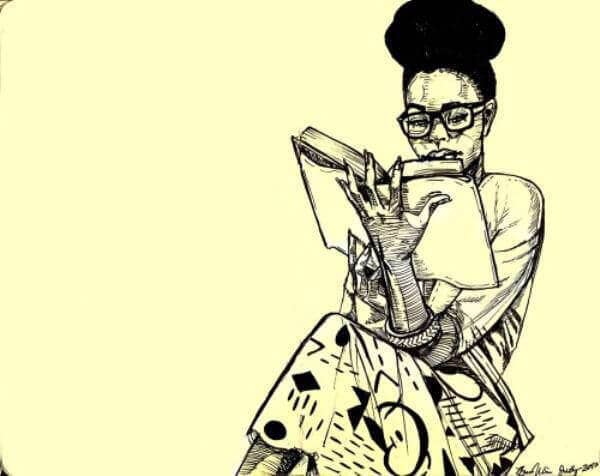
In a conversation with a group of people, I pointed out that I perceived a colleague to be an introvert. The look of indignation on her face said it all, she took my words as an accusation. Girl, if she had pearls on she would have clutched them! My colleague later explained that while she was comfortable being an introvert, she preferred that it wasn’t brought up in a work context. This was simply because of the assumptions that people make about introversion and how it affects leadership. As an introvert myself, this conservation got me thinking. One of the most crucial elements of being a #MotherlandMogul is knowing and being able to sell your best qualities. When we think of a list of ‘good qualities’ for leadership, introversion isn’t among that list. Let’s be real saying, “I love working in groups, and am outgoing”, doesn’t have the same ring to it as, “I’m an introvert who really excels at solo processing”. So, although I wouldn’t have the same reaction my colleague had, I wouldn’t shout, “I’m a introvert!” either. When I started this article, the title was originally going to be, “How To Make Your Introversion Work For You”. This sounds sort of like how to make a recession, or any other unpleasant thing work for you. Do you see the problem? Introversion isn’t usually pitched as a strength, rather it’s a condition you need to manage or work through. Whether you identify as an introvert, ambivert, or extravert (here is a short test to get a sense of where you lie), the key is to own it. I’ve identified 3 areas that introverts commonly complain about and have a few suggestions on how to shift perspective and leverage your strengths in each one. Speaking up Many introverts view their preference to listen rather than speak negatively. In fact, this is something that can distinguish them as good leaders. I used to be so caught up with trying to make regular contributions in meetings that I actually fought against what my brain naturally wanted to do; sit back and process. Laurie Helgoe states in her perspective shifting book, that introverts have an “internal power—the power to birth fully formed ideas, insights, and solutions”. Being able to sit back and notice things others may miss, gives you an advantage that is useful to any team. So, now you know it’s a good quality how do you convince everyone else? Please don’t just say, “I’m a listener” and bring shame upon the whole SheLeads family. When pitching this quality make sure you frame it as having a personality that allows you to be contemplative andsolution driven. Lisa Petrilli puts it like this: “[Introverts] thrive in the world of complex ideas. We are exceptional strategic thinkers and listeners and bring great insight to our work. All of these characteristics make us inspirational leaders — and inspiration is at the core of charisma.” Networking When it comes to networking, don’t be too quick to dismiss your ability to get it done effectively. The differences between how extroverts and introverts connect is summarised by the creators of the popular 16 Personalities test. “Where the extrovert’s strength is to know a little bit about a vast number of people, the introvert’s ability to quietly absorb a great deal of information about the people who they spend time with can prove even more valuable.” I have always been a firm believer in building a high quality over a large quantity network. This works well for introverts who would prefer not to engage in small talk with large groups. Plan and be strategic with the networking you want to do. Use your introversion super-powers to build strong and deep links that you can use later on. Branding Okay my introverted family, this is one area that we are going to have to make more of an effort. Don’t panic, it’s as much as you think! Personal branding is valuable, no one can argue against that. To put it plainly, it is just a way of letting as many people in on your hustle as possible. Seeing as introverts tend to enjoy solitude anyway, social media and networking sites are a perfect way to use up all that precious alone time. There’s no telling who you could meet, some of my best connections have been made over Twitter. I love what Forbes writer William Aruba said about personal branding, “Personal branding is not about being famous, it’s about being selectively famous.” Keeping this in mind, don’t feel pressured to join every single site imaginable, you can afford to be picky. Are there any qualities you feel introverts need to leverage more?
My Black Life Matters: Unlearning the culture of silence and ‘keeping the peace’

#BlackLivesMatter is an activist movement led by the African-American community. It began in July 2013 after the acquittal of George Zimmerman, a white man for the killing of Trayvon Martin, a young unarmed black boy. At the time of the shooting, I sympathized with the cause but it never occurred to me that it was more than an African-American issue. Going to school in Ghana, I remember sitting in class where the lesson of the day was the history of slavery. Before the lesson started, our teacher warned us to keep our emotions in check. It was an international school and I can only guess that in order to avoid racial tension, this ‘talk’ was deemed wise. At the time, I agreed. Fast-forward years later, I saw red after watching Eye in the Sky, a movie in which an innocent girl plays, blissfully unaware she has entered the zone of a planned drone attack. I was livid that somewhere far away from this girl, human beings could sit in comfortable chairs and determine the fate of her life. I was angry as while it is fictional, Eye in the Sky is true to life. Shortly after, I started thinking about #BlackLivesMatter. I realised that over the years, by trying to ensure that ‘peace in the classroom’ mentality, I had inadvertently contributed to the inequality present in the world. I wondered if the lives of black people mattered less in our global society partly because those of us, privileged with a voice, fail to get angry when we should. So I did what I could do, I started writing. Anger is a powerful tool and, although it’s reputation has been corrupted by terrorism, it serves an important purpose. When we abandon it for that culture of ‘keeping the peace’, we encourage a dangerous dip in our sense of self-entitlement. In other words, we start believing we don’t deserve better. And when you don’t believe you deserve better and are worth more, others won’t believe it either. Magnify this problem to the continental African scale and what we end up with is a group of nations that will accept the shortcomings of their governments and other governments that look down on them. Now, imagine trying to grow a successful business in an atmosphere like that? A business with the potential to improve the world, in a world that doesn’t believe you worthy. Will it truly reach its potential? Founder, Alicia Garza, summarized the philosophy of #BlackLivesMatter by saying, “When we say Black Lives Matter, we are talking about the ways in which Black people are deprived of our basic human rights and dignity.” What is more un-dignifying than growing up a third-class citizen? My poem, Things I should not say, was written to air out all those angry thoughts I had trained myself to bite down on since that day in history class. And when put on paper, I found that my anger was not only justified and fair, it was shared. We have every reason to be angry over the brutal treatment of African-Americans in their own country and to show solidarity to their struggle. After writing Things I should not say, I found that I felt a little more liberated and had grown more demanding about what I was entitled to in every aspect of my life. My Black Life Matters…just as much as yours.
Aphia Sekyerehene: I design clothes for non-conforming women

Aphia Sekyerehene is an emerging fashion designer, choreographer, singer and event decorator who discovered her passion for fashion at age 14. However, she could not fully pursue her passion until her 20s. Even now after going through design school and establishing her brand, Aphia still feels unsatisfied. She believes that starting her career later in life has deprived her of opportunities she would have had if she had started at 14. Aphia shares with SLA her experience in fashion design and developments in the industry. Why do you think you would have gained more grounds in the fashion industry if you had started at age 14? Having an early start in a career offers you ample time and opportunity to try your hands on the various aspects of the job. This means more time to delve into related options and more time for trial and error. Starting at age 14 would have given me more experience and variety to explore but now, I have to first build a brand before I can try my hands on other options. What prevented you from pursuing your passion after your discovery? I would say lack of funds. This is because fashion designing is more of a practical course than theoretical. So you need to get materials needed for the course and this was something my family could not afford at the time. In order to keep my passion alive, I came up with alternative methods like connecting with fashion designers across the world through online forums. Were there any setbacks when you finally got into the industry? Yes! Raising capital was one of my major setbacks. I am glad I have crossed that hurdle. Now, I am very excited to achieve more and more. Now that you have acquired a certificate in Fashion Designing, do have plans of furthering your education? Yes! Certainly! There is so much more to see, learn and explore. I will never limit myself to just the basics. I have to expand my knowledge. I am looking forward to acquiring a Master’s Degree in Fashion or any other course which will add value to my work. I am hoping to get into the Parsons School of Design in New York. How does your designing process work? What are you currently working on? Every project I work on has its own procedures. But usually I sketch ideas as they come and do clone drafts before the actual design. Some projects take just a day to figure out, others are time consuming. The latter requires a lot of inspiration which I get from the various colours that surround me. I am currently working on my summer collection. It is a hip, fun, free, colourful, light, stylish and original for every woman. This collection depicts the African culture in a creative way. It will be out in July. What part of your job do you find most challenging and how do you tackle it? Working with indecisive clients is very stressful. I tackled this challenge by coming up with a very detailed order sheet that allows clients to vividly explain what they want. This way, we get a win-win situation. In one word, define your work. Unique. Who is your target audience? My main target is the woman who is not afraid to stand out in her own unique self. My designs require my breaking free from the usual expectation so I target those women who stay true to their nature and are non–conformists. Having a target group also creates a niche for you, making your brand easier to handle and be identified. Which African fashion designers do you admire the most? For one there’s Christie Brown, I admire her abstract, sophisticated and classy designs. Then there’s Pistis, her beading creates exceptional masterpieces. I also admire Oswald Boateng, his eye for clean cut is evident in his designs. I would love to work with Christie Brown. She is sophisticated and transfers that attribute into her work. She has a way of blending totally different styles into an admirable design. Her designs are modern yet traditional; contemporary yet antiques. This is something I will love to learn. What developments on the horizon could positively affect future opportunities for fashion designs? For an African designer, I would say the removal of cross-country trade barrier laws could be an opportunity. Though this would introduce more competition in the fashion market, it would also provide designers with the chance to diversify and expand their market. If you were to design an outfit for an African celebrity, who would it be and what would you make? I will love to design a fitted floor length backless lace gown with long sleeves and beading for Nigerian actress Genevieve Nnaji. Genevieve has an hourglass figure and a high front neckline fitted floor length dress will compliment her figure perfectly. The backless part will give her a sexy touch and an opportunity to show her amazing skin tone.
Competition, what competition? Why collaboration might just be your strongest asset

Collaboration is a game where everyone wins. You build your network, expand your audience and strengthen your brand. As ambitious women, chasing our dreams is part of what gets us up in the morning. While it is important to protect our ideas, we have been taught to keep our distance from the competition while studying their progress. It’s easy to believe that ‘there can only be one’ and do everything humanly possible to be That One. But actually, there isn’t only room for one. There’s room for everyone who is tenacious and passionate enough to pursue their goals, and collaboration plays a huge role in that. Still not convinced? Read on to find out why collaboration might just be your strongest asset. Collaboration is a source of inspiration and support Even the smartest, most connected and experienced people in the world don’t know it all. Through collaboration, you get to bounce ideas off people who truly understand your industry. It’s a “great way to make sure that we all keep moving forward and nobody gets left behind”, fashion-travel blogger and life-stylist Fisayo Longe tells us. Building a business or high-powered career is definitely not for the fainthearted, and even the toughest of us can benefit from support from other people who get it. Collaboration strengthens your skills and expands your network Collaboration also helps build your technical skills by sharing knowledge with those in your field. My fellow writers and enterprise enthusiasts constantly share videos, articles and books aimed at improving skills from strategy to copywriting. But if you keep all your aspirations under wraps, people won’t know that you may benefit from what they have to give. Sharing educational resources creates a ‘pay it forward’ culture that leaves you better off in the end. Collaboration also brings you closer to people that it might have taken you years to meet. After all, “people who know talented people are always more useful than a single talented person with no connections,” says producer, writer and radio presenter, Phoebe Parke. In my experience, I’ve met CEOs, entrepreneurs and leading creatives through people in my industry, such as life-coach and business manager Seun Awolowo. Collaboration enhances your brand and grows your audience One key challenge that all businesses face is expanding their customer base/audience. Again, collaboration is part of the solution. It’s one thing to present your own product, but when another brand or business is doing this, you become even more legit. It “adds to your reputation as someone who knows what they’re talking about”, Phoebe says. In blogger Fisayo’s experience, her audiences have grown through friendships with fellow bloggers like Melissa Holdbrook, and “Freddie Harrel [who] invited me to be part of an event she was organising recently that made me almost a thousand pounds. My presence there pulled a bigger crowd which was also great for her”. Collaboration creates scenarios where everyone’s a winner and gets a share of success. “Think about what you have to offer, not what you have to gain and collaboration will come easily”, Phoebe advises. Even those at the top of their game collaborate. As Fisayo points out, “life coaches like Brendon Burchard and Ariana Huffington have grown their audiences significantly and made millions of dollars through collaborating with each other.” If collaboration works for them, it’s probably going to work for you too. Collaboration celebrates your uniqueness Finally, never forget that you have something unique and distinct to bring to the table. The truth is, you are your only competition and you owe it to yourself to improve with each day. No one has walked the same path as you or thinks exactly the way you do. This is a principle that Seun applies across all her areas of her career from life-coaching to the corporate world. As the saying goes, “no one is you and that is your super-power.” Have confidence in yourself, your abilities and what you have to offer. Fisayo puts it like this, “when you are proud of what you have created and you really believe in your content”, collaboration becomes second nature. How has collaboration helped your career or your business? Let us know in the comments section below.
7 steps to starting your business with a full time job
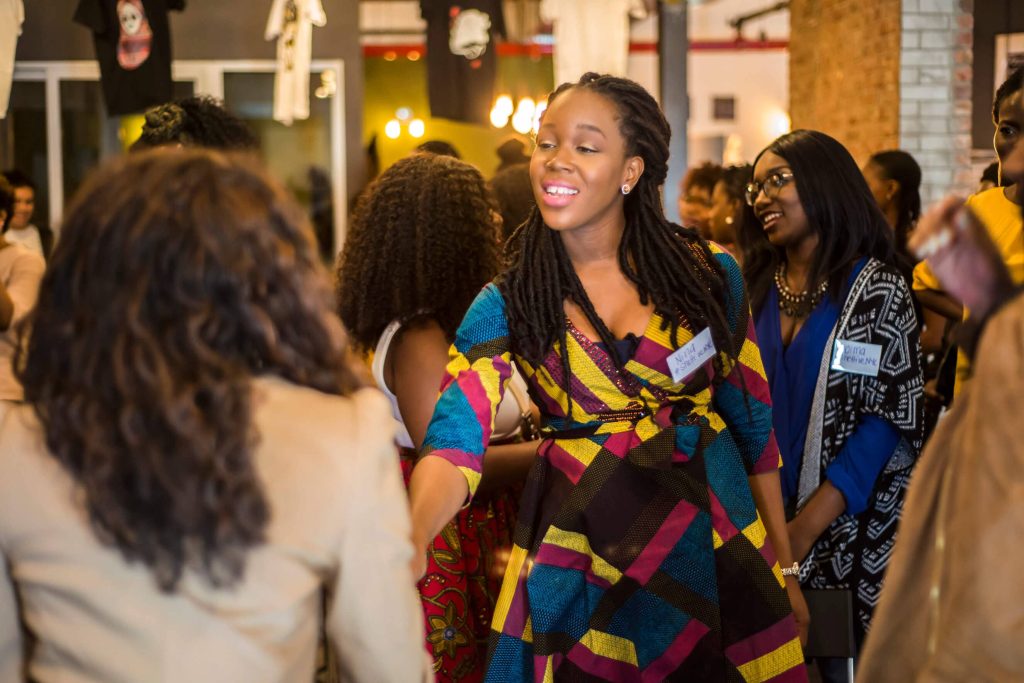
I had at least 3 failed attempts at running a business with a full time job before I got things right. I often wondered how other people managed to do it. But now I finally got it right, I can let you know how to start right. For the last 4 years, I’ve combined my 9-5 job with starting and growing my business Deluxe Childbirth Services. Today I’ll share 7 simple steps with you that have helped me effectively manage this leap of ‘craze’. Be clear on how much you really want your new business Why exactly do you want to start your business? Is it because everyone your age has one? Or is it because you don’t mind having multiple streams of income? Do you want to exit the rat race? Or do you want to provide solutions to challenges around you? There really is no right or wrong answer. The important thing here is to know your real motivation and write it down. Write down why you want to start your new business, your first year goals and what you are willing to give to see it become a success. You’ll need it to keep you going when the tough times come calling. Take a break to clear your head for action Your current job might leave you working long hours. If you add in the long commute to work and back home, it’ll leave you totally drained. This is why when you want to start any new business while working, you may need some time off to clear your head! My idea of time-off is at least three full days with no distractions. You’ll spend the first day resting to refresh your body and brain cells. Then you start thinking up your launch plans from the second day. At the end of this much-need timeout, you should have a list of the key actions to launch and sustain your business. These actions should cover the first 1 year, at least. It should answer when these actions need to be completed by, which of the actions you will complete yourself and those you will delegate to others, and who you’ll outsource to when necessary. Understand your fears and destroy them Dreaming about an idea and how it will blossom into a successful big business can be a pleasurable experience. Sometimes I wish that’s all we needed to do to make money from our hustles. Sadly, when it’s time to start, reality sets in and some people get scared. I know I did when I was about to start my current business. Most of the women I speak to also get super scared! But guess what? It’s okay to get scared. It’s even okay if the fear sounds flimsy, I was scared of my name being out there. What is not okay is letting your fears rule you. To move ahead with your new business idea, you owe it to yourself to understand why you might be afraid and conquer that fear immediately. Turn the needed actions into small tasks; pace yourself and celebrate success I know you might be tempted to take your new business launch on like you take on projects at work. You know, with that ready to bulldoze it attitude. But when it comes to your business, you might need to go a bit slowly. Remember that you’ll most likely work on your business after your regular work hours. By that time, your body and head will most likely be tired. So pace yourself, give yourself more than usual time to complete a task. And, once the task is completed be sure to give yourself a small treat. Be ready to work HARD My friend, there is no escaping this! To be a success at both your job and business, you need to work hard and be disciplined. While at work, focus on your job and deliver your agreed priorities with as much excellence as you can afford. And when you get home, focus on your business full-time. You may need to tweak your work schedule to include working on your business on Saturdays. This may mean sacrificing a lot of time, sleep and outings to work your business but you can be sure you’ll be off on a great start. Get an accountability partner/coach and have regular reviews with her An accountability partner is someone with whom you can share your dreams and plans. This person will constantly remind you on agreed deliverables. She is someone you really would not like to see upset when your regular reviews reveal that you are behind on agreed actions. Your accountability coach must be someone who is genuinely concerned about you. She is someone who wants to see living your dreams, not someone who will kill those dreams. Recognize His grace and ask for help I believe we are nothing without God’s grace. As such, I always advice acknowledging this and asking for His help because really what you are about to go into is not an easy task. Once you are clear on your business ‘goals, it’s a good idea to ask God for the strength and capacity to do more. You want an environment free of obstacles and stumbling blocks so you can close out tasks faster. Most importantly ask for opportunities at work and in your business where you can shine brightly with little effort. So there you have them! Start out today and keep me posted on how it goes. If your job is flexible and not as demanding as most jobs…count your blessings and make it work in your favour!
Top quotes from SheHive Nairobi
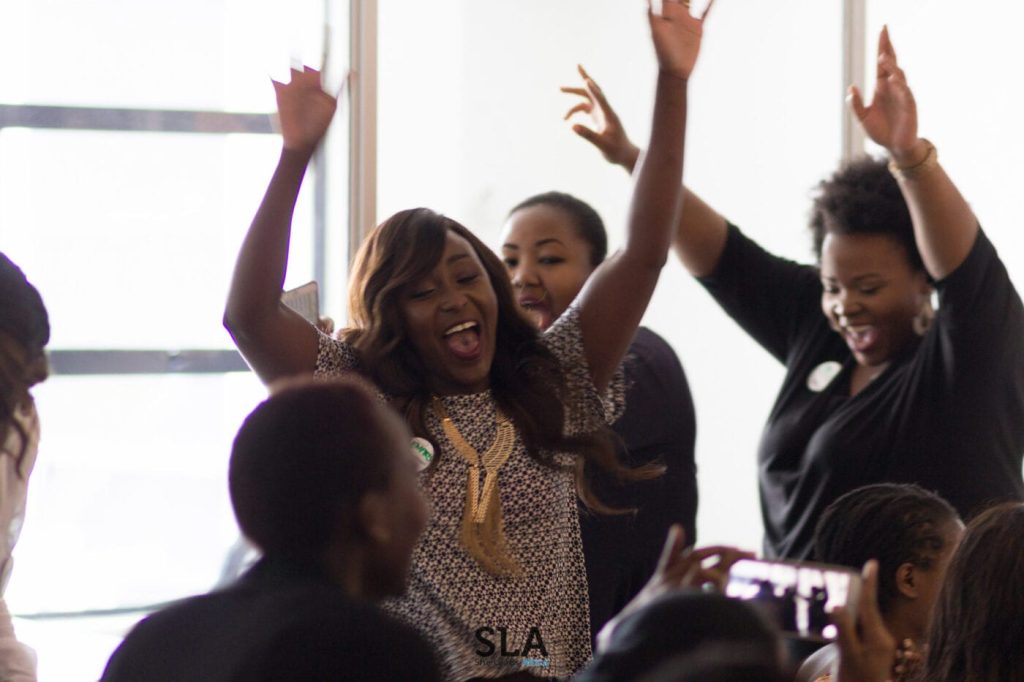
SheHive Nairobi brought together aspiring Motherland Moguls and established speakers and personalities from diverse sectors. Those who missed can only hope for next time. In the meanwhile, these choice quotes from speakers are sure to inspire and motivate. Wanjira Longaeur, Radio and Television host Wanjira is a well-known radio host with Capital FM Kenya and television host with EbonyLife TV’s Moments Kenya. On the last day of SheHive, she spoke on the business of the entertainment industry. – “Do your best you never know who is watching.” – “Mindset helps. I chose to see opportunities everywhere and in everything I do.” – “If people want to tear you down, kill them with kindness.” – “One of the worst things a director can do is to leave their audience bored.” – “Entertainment keeps moving but the camera doesn’t play.” – “Ignorance is a choice. We are in 2016 for Pete’s sake! We have the internet!” Hilda Moraa, Founder and former CEO of Weza Tele Ltd Weza Tele’s industry is tech and at SheHive Nairobi, its founder Hilda shared tips on how to get started in the tech business. – “Failure has been the key ingredient in my success.” – “If you are sitting and thinking that you are a woman in business. Then you have to be at your best to compete.” – “Don’t fear sharing your ideas, sharing could give you much needed feedback. However, protect the uniqueness of your idea, Protect your team, talent, data and execution from competition.” Dr. Helen Gichoci, Managing Director, Equity Group Foundation As an ecologist Helen dished out insights from her experience being president of the African Conservation centre and African Wildlife Foundation. – “You got to have (thick) skin in the game for anything to be of value to you.” – “Form follows function in a business. Find the problem, opportunity and the service you want to offer and the business will follow suit.” Bob Collymore, CEO Safaricom Bob heads East Africa’s fastest growing company. His talk focused specifically on gender equality and inclusion in the workplace. – “Find your purpose, and then you won’t have to work for the rest of your life.” – “What is my personal drive? Trying to make a difference and leaving a positive footprint.” Lindsay Caldwell, Founder One Acre Fund Among her achievements, Lindsay is also an operations management specialist. – “You have to co-opt other ideas for your business to work.” Winnie Mwangi, VC fund Winnie has established her career working with investment companies. At SheHive Nairobi she talked about what investors look for in a business when deciding whether or not they will invest in it, – “When pitching to investors, under promise and over deliver.” – “Gerald George Patton said, ‘If everyone is thinking alike, then someone is not thinking.’” Eunice Nyala, Executive Coach, Etiquette Xllent Company At SheHive Nairobi, Eunice used her coaching experience to teach the audience how to develop leadership styles and how women leaders behave. – “We admire people who have etiquette. If you don’t have it, work on it. Start working on your tone.” – “Women should dress the part, it’s one of the most important visuals we are judged upon.”