
Sheila Afari: Mistakes and hardships were my best teachers
Sheila Afari is a young pan-African entrepreneur who launched Sheila Afari Public Relations at the age of 26 after recognizing the opportunity to promote African brands across the globe. Sheila wants to create one of Africa’s leading boutique agencies, and with clients in Nigeria, Ghana, Zimbabwe, Botswana and South Africa, she is well on her way to pan-African domination. In this piece, she shares with SLA her entrepreneurial journey and some advice on how startups can develop a public relations strategy that turns heads. You resigned from a marketing manager position to start your own business. How were you able to make the transition from a steady job with a guaranteed paycheck to the uncertain world of entrepreneurship? Having been an entrepreneur before taking on the marketing manager position, I was aware that I was able to create something from nothing. The plan was to work to get more business skills and leave. Fortunately for me, I had no debt or people dependents, so I was fearless and able to make the transition being comfortable with my odds in the risk vs rewards scenario. I also had a degree to fall back on as well as invaluable skills to offer if things have not worked out for me. And since I had no large monthly overheads/expenditures, I was able to offer my services for free and do jobs at low paying rates to build a portfolio and show my worth. What are the branding and marketing tools that you have used to grow your company and differentiate it in the marketplace? From day one, I decided that I wanted my PR agency to take on a bespoke approach to the clients we service. With that in mind, growth came from referrals as clients were happy with the services they were receiving. Word of mouth is known to be one of the most powerful marketing tools, so I go out of my way to ensure that every client is happy. I’ve spent the past 3 and a half years very hands on in shaping the business and overseeing the work done for each client. I believe my agency stands out in the marketplace because of the below reasons: We have a continental focus and reach outside of South Africa We work with traditional and non-traditional media platforms We incorporate a social media drive to all campaigns and projects We have a bespoke approach to each client We have a strong brand development focus We operate under unconventional business hours We believe in ethical business practices; integrity, honesty, exceptional service and team work As a lot of our clients are entrepreneurs and don’t operate with an “8-5” mindset, there’s a need for an agency that can keep up with them and service their needs in “real time”, which is what we do. We are available 7 days a week and after hours for our clients. From a branding perspective, I’ve stayed behind the scenes and that has positioned the business as somewhat exclusive. People won’t often see me unless it’s business related and they’ve done their homework. The work we do is better known than me or the company’s name, so if clients haven’t come via referral then they have done their homework and sought us out. My 2016 approach to branding and marketing will change somewhat as the company has grown. I’m tackling different industries, and there will definitely be a concerted effort with B2B marketing and advertising/visibility in key industry platforms. What advice would you give to startups that are looking to develop a PR strategy but don’t necessarily have the funds to hire an agency to work with them? 1) Draft a PR Plan. Even if it is just a one pager, you should be able to answer the below: Who am I/Are We? What am I trying to achieve in the market place? Where do I want to be in the next couple of months, 1 year, 5 years, 10 years? What do I want to be known for? Who are my competitors? Who do I strive to be like? What is my unique selling point? i.e. What do I bring that is different from my competitors as well as different from who I strive to be like? How can I get my message/service/talent across authentically? Then take a blank piece of paper and understand that your PR plan is a blank canvas that you can do anything with. Don’t try copy your competitors or the people your strive to be like. Pave your own way. Come up with fresh creative ideas and map out a way to get there. 2) Get online! Make sure that you have a strong online presence. With the digital age, and Google being one of the first platforms people go to search, you need to make sure you have a presence online and can tell your story the way you want it to be told. To start off with, get on the below platforms (may vary slightly for different industries): Facebook Twitter Instagram YouTube Soundcloud LinkedIn 3) Identify 5 people or platforms you deem important/relevant to giving your brand publicity and start making your way through the list. 4) Understand that contacts aren’t necessarily secret and content is king. Pick up a magazine, call the telephone number there and ask for the contact details people relevant to your field that you need to get in touch with. Also understand that media platforms need content, so “pitch” your story with an understanding of who their target audience is and how your story will be of interest to them. 5) Don’t give up. You will need multiple interactions in order to build your brand. Every attempt you make at building your brand’s presence all adds up and you will surely see results even if they may appear barely visibly. What is the one thing you know now that you wish you knew when Sheila Afari PR launched? I wish I knew that mistakes and hardships would be my best teachers. I spent so much time “playing it safe” out of fear of not being perfect or not keeping clients happy, that it took me quite a while to learn a lot of the things that have helped my business grow exponentially. Had I allowed
7 reasons entrepreneurs should travel for leisure

Entrepreneurial travel typically consist of meetings, conferences, summits, pitch competitions and networking events. As such, entrepreneurs rarely experience the places they visit. Due to their busy schedules, they miss out on interacting with residents, immersing themselves in the local culture, and sightseeing. Last week, I returned to Chicago from my trip to Colombia. It was a rich and fruitful month of travel as I visited seven different cities. From my experience, I have compiled seven reasons entrepreneurs should travel for leisure. 1. You learn more about yourself When you visit a foreign place you are pushed out of your comfort zone. This is the best time for you to see your “true colors”. Your reaction to different cultural norms, unexpected tough situations, and interactions with fellow travellers will reveal traits you didn’t know you had. As an entrepreneur, it is critical to know yourself. This self-awareness will allow you to recognize your strengths and weaknesses, your effect on others, as well as areas that you need to improve on. 2. It opens your mind People tend to assume that they are experts in life because they have a wealth of social, academic and professional experiences. Once you are exposed to a different environment and culture, you realize how the knowledge you have is limited. Travel helps shift your perspective. It becomes clear that your way of thinking is not necessarily the only one or the best out there. As an entrepreneur you need to be open-minded. That way you will be able to collaborate effectively with your team, investors and even clients in order to fulfill your vision. 3. It boosts your emotional intelligence Travel gives you the opportunity to meet diverse individuals with incredible stories. It enables you to gain a better understanding of others and become more sensitive to happenings in the world. Being book smart is necessary, but many of us forget about the experiential importance of emotional intelligence. Entrepreneurs need that to be able to understand both their workers and clients. The knowledge from books can’t help you relate to others through compassion and empathy, for example. 4. It fosters relationships If you don’t trap yourself in a resort for the whole trip, then you will make new friends in the area you are visiting. You will be able to learn from and share knowledge with each other. Through these new friendships, you may potentially meet a future business partner, mentor or investor. 5. It spikes creativity Being stuck in the same daily routine can stifle your creativity. You may have “entrepreneur’s block.” Blocks hurt productivity which is the opposite of what an entrepreneur needs. Traveling exposes you to new aspects of life that will refresh your mind and inspire your work. 6. It increases motivation Being exposed to a different socio-economic environment is a great motivator. For example, experiencing life in a developed country shows you that the possibilities are endless. On the other hand, visiting a less developed country may motivate you to use your work for the betterment of society. 7. It is relaxing Travelling for leisure is relaxing. You get to step out of your bubble and see what’s really going on in the world. It gives you an opportunity to do what you want, when you want, and how you want to. It gives you a break from the daily grind. Detoxing your mind in this way creates room for great ideas to flourish.
How to spot a swag assist
You want to be a boss. You dream of being the type of woman who is on her grind, building an empire and taking no prisoners. Chairman by M.I, I’m a Boss by Rick Ross, and Looku Looku by The Mavins are key songs in the playlist of your life. There’s only one big problem – you think your partner might be a hater, #SwagDeflator – every #MotherlandMogul’s worst nightmare. One of the most critical factors that will impact your professional and entrepreneurial growth is your significant other. Having a partner who supports you is a godsend – their belief in your talents and dreams will have you thinking you’re Oprah 2.0 or the female Dangote-in-waiting. Having a partner who actively blocks your shine is the worst. With this in mind, we, at She Leads Africa, have come up with a few tips to help you spot a partner who will support your #MotherlandMogul swag. They’ll be your very own Swag Assist. 1. Was his mum a hustler? To start, you have to take it all the way to the beginning. Our families and childhoods have a huge influence on what we think our lives should look like when we become adults. If a guy grew up with a mum who was always on her hustle, he’s more likely to see your hustle as normal and ordinary. Additionally, if his mum is a hustler herself, she’s more likely to tell him to chill if he starts complaining too much about your work schedule. This isn’t to say that sons of stay-at-home mums will want you to do the same. But understand that it may take him some time to get used to your hustle. 2. How much gendered language does he use? Any potential partner who uses words like “men’s work” or “women’s work” should raise red flags. To be a #SwagAssist, a guy needs to have his own beliefs about gender norms not what society has told him. He needs to be comfortable sharing the work at home. For example, if you’re running late at the office, he should put the kids to bed. If you have a big meeting the next day and don’t have time to cook dinner, he needs to be fine with that. If your man sees the world in one particular way and thinks that you need to stay in your lane, he’s probably not going to be the Barack to your Michelle. 3. How hard does he try to upgrade you and your business? Beyoncé told the world she wants to upgrade her man, but you should also have someone who wants your business to reach the next level. There are plenty of guys who pay lip service to supporting their partners, but in reality they couldn’t care less. Does your partner think about how their personal and professional networks can help you grow? If they have special skills, do they use them to support you? For example, if he’s a banker has he offered to look at your numbers? A #SwagAssist will energetically try to support your professional aspirations. “Align your partner with your ambition.” –Bola Adesola, MD Standard Chartered Nigeria 4. What does he say when you complain about the hustle? We all have times when nothing seems to be working, and we just want to roll up into the fetal position and give up. Yes, we all want a partner who is occasionally going to baby us and tell us everything is going to be okay. Here’s the thing though, building a business isn’t child’s play and having a partner who is going to let you give up is not helpful if you’re really trying to be a #MotherlandMogul. You need someone who cares about you so deeply that they’ll listen to you complain, but believes in you so much that they force you to get back up. 5. How does he react to your business success? When you’ve just signed a big deal and you tell him, pay attention to his expressions and tone of his voice. Does he give you a weak smile, like kind Yetunde gave her boyfriend when he proposed with an ugly ring? Does he say congrats quickly and then get back to how bad the traffic was in Lekki? If the answer is yes, then you’ve got yourself a certified #SwagDeflator. A #SwagAssist will make it clear that you da real MVP. He will give you Azonto, Shoki and the running man all at the same time. All of his social media followers will know that you just won. He’ll be so excited people will think he won the lottery. That’s the sort of partner you need walking with you on the journey to professional success. Everyone knows that one of the easiest ways to lose a war is to start fighting on two fronts. Just ask any German commander circa early 1940s. It takes a village to raise an entrepreneur – and guess what? Your husband, your bae, your partner, your number 1 is a critical member of that village. We hope you find someone who cares about your professional happiness and success just as much as you do. If you’re married and your guy is a swag deflator, please don’t cite us in the divorce proceedings.
10 excuses to give friends when you are too broke to go out

As Motherland Moguls, we know that every kobo, pesewa, and cent counts while chasing your dreams. So while we love our friends, going out often can be a financial burden. If you’re fortunate (or unfortunate – you choose) enough to live in an isolated town where eating out requires an hour commute to the city center, then you must be doing your fair share of saving. If you live in a major city – Lagos, Johannesburg, Nairobi – that new pop up down the road that sells overpriced cereal is tempting. To add to all of this, we all have that friend who always wants to eat out. But there are days when you really know you cannot afford to go out but don’t want them to know you’re skint. Yes, we know that, cause we’ve been there and had to come up excuses like 10 below. 1. “I didn’t do my BVN so my card is not working” This applies if you live in Nigeria, or all your money is deposited in a Nigerian account. If that is the case, you have the new banking policies to thank for this excuse. 2. “Oh, I’ve been eating at *insert restaurant name” too much” This excuse could come back and bite you, as it insinuates you go out to eat often. In the same vein, you could be left with the burden of deciding what restaurant, which leaves you with two options: either suggest somewhere so awful that you know nobody would agree to venturing near, or suggest something completely different and free! 3. “I forgot my card at home” This only works if you are actually out and about with them, or in their house and you have not brought out your card at all. This also means if you are dying for a bottle of water – no can do. 4. “Sorry, I have an appointment/meeting.” Please do not Snapchat anything other than your coffee mug after making this excuse. 5. “Oh my gosh, I wish you had told me earlier, I just ate and I AM STUFFED!” This works better with people who do not know you that well. Why? Because if you love food the way I love food, then your friends know the truth and will know you’re lying. 6. “I’ve been really busy, and need to take time out to rest” I like this one because even if all you’re doing is watching show re-runs with a tub of ice-cream, it makes you sounds somewhat important and occupied with life. This is less of an excuse and more of a genuine reason. Again, stay away from Snapchat. 7. “My parents want me home” This excuse varies in effectiveness based on your age. But if you and your friends are from traditional African homes, I’m sure it would have a decent level of effectiveness. 8. “I’m not feeling too well” – ties in with number 6 I’m slightly wary about this one because it may come to pass. However, if you’re have a little headache, a little exaggeration would not hurt. 9. “Stuck in school/work/at a family event… rain check?” It’s always nice when an excuse has a reason behind it, followed by the possibility of rescheduling. This is probably the most respectful of the bunch. 10. * Phone on flight mode * “Did not get your call/message, my phone just does that.” Not a big fan of this one. I think we can all agree it’s pretty rude. But a friend suggested this and it worked. It also helps to remember all the money you are saving from ignoring those calls and messages… Business Tip: Anytime you cancel on your friends, put that money into your savings accounts. It always pays to pay yourself first, ladies.
What this year’s Forbes 30 Under 30 African women teach us about launching a career

When Forbes released its 2016 30 Under 30 list this week, we looked on with excitement and cheered on the African women change makers and innovators in this year’s class. We celebrate the 6 Motherland Moguls on the 2016 Forbes 30 Under 30 list by taking a look at their work and the insights these women have to share about launching the careers of their dreams. 1. Haben Girma, 27 – Disability Attorney Girma is disability lawyer acclaimed for her work in education, law, and civil rights. She was recently honored by President Obama as a White House Champion of Change and is the first deaf-blind Harvard law graduate. In an interview with Harvard Law Today, the Ethiopian-American advocate shares how confidence and being “undaunted” built momentum for her career: “My parents tried very hard to make sure I had access to everything, and consequently I grew up thinking I could have access to everything… I was 15 and I was traveling outside the country without family, without anyone I knew very well, really. And it was amazing. It really helped develop my confidence. If I can go build a school in West Africa, I can go to law school” (Interview, Harvard Law Today). 2. Zim Ugochukwu, 27 – Founder, Travel Noire The Nigerian-American entrepreneur of the global Black community, Travel Noire, says she began refining her career in college. She shared the following on building community and not needing permission during her interview with Black Enterprise: “I was very community-oriented in college. I majored in biology with a minor in political science and sociology at The University of North Carolina at Greensboro. As part of my political science course requirements, I had to choose an internship with the political campaign for Barack Obama or John McCain. Of course, I chose the Obama campaign. This experience opened my eyes to what it means to be a young person and be engaged. In addition to working on the Obama campaign, I traveled throughout the country, for the “Forget Tobacco” organization. I educated young people on tobacco use and tobacco industry marketing tactics. I also started Ignite Greensboro, an awareness campaign to raise awareness about the International Civil Rights Museum. This was the cornerstone of my career. I learned I didn’t need people to give me permission to do anything; I can just do it myself” (Interview, Black Enterprise). 3. Catherine Mahugu, 27 – Founder, Soko Hailing from Kenya, Mahugu is the founder of Soko, an e-commerce platform that sells artisanal jewelry. Sharing her long term passion for the IT industry in an interview with WMIA, she shared the following about starting a career in the otherwise male dominated field of IT: “Don’t be your own barrier. Get rid of the notion that you cannot do what men in IT are doing because it is a male dominated field. Turn every barrier into an opportunity, that is what I have done and enabled me to get this far in tech. Always keep pushing your goals to the next level to achieve personal growth and never limit yourself in a world that is full of numerous opportunities” (Interview, WMIA). 4. Angelica Nwandu, 25 – Founder, Shade Room Nwandu who is of Nigerian decent and grew up in foster care. She is a writer and video producer. Speaking on her story and work in a Buzzfeed interview, Nwandu shared a great deal about how her Nigerian culture influenced her early career success, including graduating from college, and then later, as she learned her way building the Shade Room. She said the following about being among the 6% of foster children who graduate from college: “Nigerians are some of the most successful immigrants in America. And so when I would go to class, people would say, ‘Oh, you’re Nigerian,’ so they would expect me to be smart. Somebody expected something from me” (Interview, Buzzfeed). 5. Heben Nigatu, 24 – Senior Editor, Buzzfeed Nigatu who is a writer and editor at Buzzfeed, and the cohost of the popular Itunes podcast, Another Round, was born in Ethiopian and lived in the country until she was 5. Speaking on the success of her podcast, Another Round, she shared the following on authenticity in her work: “Media people ask us, ‘How are you doing this?’ and we just don’t take ourselves so seriously. It’s funny that they think we have a secret sauce” (Interview, The Guardian). 6. Kelechi Anyadiegwu, 26 – Founder, Zuvaa Anyadiegwu, the Nigerian – American Founder, CEO and Creative Director of the premier African retail site Zuvaa, said the this on following her childhood passions and joy: “I’ve always had an interest in technology, since my parents bought me a computer as a small child. I naturally found myself attracted to online communities (chatrooms, The SIMS, neopets, etc.) and building things (websites, avatars, digital Barbies, etc.). These were interests that really shaped my career aspirations going into high school and entering college. I loved digital design and I loved creating content. Everything from the yearbook club to creating layouts, or putting together short media clips. I loved it all” (Interview, Madame Noire). How about that for career inspiration? Learn more about this year’s Forbes 30 under 30 class.
How I got 10,000 real and engaged followers on Instagram
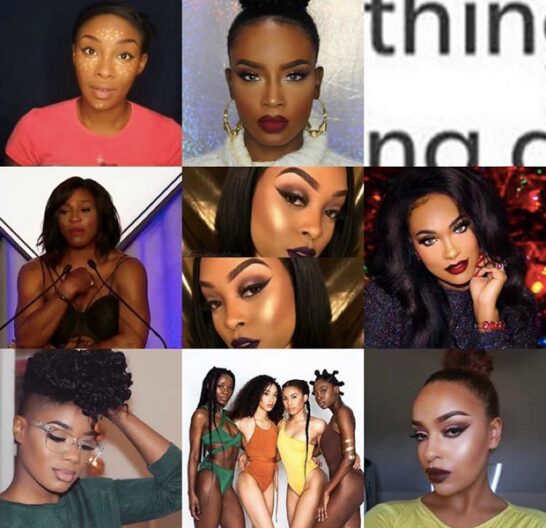
With a reported 300 million users and 70 million photos shared each day, Instagram has become a key marketing and social engagement tool for businesses. It is also a great platform for testing out new business ideas. To leverage Instagram as a marketing tool, some marketers have resorted to buying followers and using automated liking or commenting programs to increase their reach. Buying followers might make your page and product look popular. However, you will have no real insight as to who is actually interested in your brand or who will buy your products or services. What’s more, you risk getting banned by Instagram for violating its Terms of Service. In this quick guide, I’ll show you how to gain real followers by walking you through the steps I used to grow my Instagram page @MakeupforMelaninGirls to 17,000+ in just two months. Here are some tips for engaging your target audience: 1. Upload Quality Photos Instagram is a photo-sharing app after all, and people want to be inspired by the photos you share. Think of a colour scheme and/or theme for your photos. White is a popular background colour and for good reason. It helps keep focus on your image and is less distracting. If your products are in fashion or beauty, consider showcasing your products with the flat-lay style. Flat lay photo on Instagram by Beauty Blogger @thatigbochick 2. Use Web Apps that make managing your account a breeze Since Instagram is primarily an app for mobile phones, it can be tricky managing all your tasks on a small screen. Crowdfire is a social media management desktop & mobile app that grows your Instagram following by letting you copy followers of accounts in a similar niche as you. You can also see who follows or unfollows you. You can perform following and unfollowing tasks very quickly via desktop without violating Instagram’s terms of service. Crowdfire is free to use for one account but costs $9.99 per month for more than account. Another great web app is Iconosquare, which allows you manage your Instagram page on the web (comment, like photos, view feed etc). And though its popular optimization feature (shows you the best time to interact with your followers) is now a paid feature, you can see several other statistics about your page, including most commented posts. Crowdfire Homepage 3. Use hashtags relevant to your target audience Most people are already aware that using hashtags attracts more likes and interest. However, using popular hashtags that are searched by your target audience is the difference between getting engaged followers and just getting likes. For example, if your brand focuses on African fashion, use Websta (an Instagram Web Viewer) to look up related tags in order of popularity. Secondly, create a list of 30 hashtags and save it to any Notes app you use. Looking up #Africanfashion not only helped me find other popular hashtags within that niche, but it also helped me find similar accounts. Using the Crowdfire app in step 2, can also be used to follow people on those similar accounts you just found. There is no guarantee that these people will follow you back, but if you are uploading quality and interesting photos relevant to your target audience, you increase your chances of them liking in your page. When we looked up #Africanfashion, 260,000 posts is the highest number of uploads related to this niche. #Fashion also has a lot of visibility of Instagram, so adding it to your list of hashtags is a good strategy. The audience in your niche are those most likely to engage with your page. Create your list of hashtags by combining very popular hashtags with those most related to your niche. To create a list of hashtags for our #AfricanFashion example, Instagram has a limit of 30 hashtags so we can divide it into 15 popular #Africanfashion and 15 popular #fashion hashtags. 4. Post at the Right Times and Days Putting some thought into the days of the week and times of the week will also help your follower base and visibility. Iconosquare’s popular Optimization feature displays a graph of the best times for you to post is now a paid feature, but don’t despair. I’ve got you covered. Lunch time and 5 pm when people are getting off work are examples of optimal times to post. Keep in mind that these work better if your audience is in the same timezone as you. A view of the Iconosquare Optimization section 5. Engage with your audience Completing the steps above, should build a group of connected followers. Do not forget to have fun with your followers by liking and commenting on their photos, sending them messages if necessary, and answering their questions. Instagram is a social media page, so connect with your followers! They want to know that there are real people behind the brand and that you care about the same things they care about. Many people log onto Instagram to take a break or pass the time so make sure browsing your page is an enjoyable experience. Finally, below are some extra tips below did not make the cut because they cost money. However, if you have the money, they are great tools to use to grow your follower base. Host an Instagram contest or Promotion Negotiate with an Instagram Influencer or personality for a promotional shout out of your product. (Caveat: Some Influencers are known to receive products but do not promote it. Research influencers before finalizing any payments.) Pay a Popular shoutout page in your niche to promote your page (This could be risky as some of this pages buy followers. Browse their page to see if they have users that comment and engage with the page). Find a friend or hire someone with an aesthetic eye that will showcase your page in the best light
According to science, don’t make new year resolutions, do this instead!

With 2016 finally here, we see many Facebook & Whatsapp “New Year, New Me”. A new year is a fresh start, and a chance to set a new goals, which is why so many people make New Year resolutions. Still… Most people find New Year’s resolutions difficult to keep Local gyms are most crowded early January when people are most committed to their resolutions. But by February, people start dropping out that by December, they are either back to where they started before the resolution or are worse off. Psychologist, Peter Herman and his colleagues looked into the success rates of New Year resolutions, and it turns out that most people fail at sticking to their New Year’s resolutions. They found out that people underestimated the difficulty of their goals and selected tasks that were overly ambitious. They named the habit of making self-improvement goals but failing to fulfill them the “False Hope Syndrome.” Essentially, we try to do tasks that are too hard, too quickly when it comes to New Year Resolutions. Do the pre-work the goal demands Successfully sticking to resolutions that are easy to make but hard to maintain, researchers say, requires taking actionable steps to change a behavior, rather than making drastic changes. In a study that looked at the success rates of 200 people trying to stick to their resolutions, another psychologist, John Norcross, found that those who prepared for the lifestyle changes they wanted to make were successful at accomplishing their goals. For example, if losing weight is your New Year resolution this year, develop a meal plan with a trainer, participate in a bootcamp, or walk more. Do not set drastic goals, like running a marathon, and do not look for shortcuts. Liking Instagram pictures on a fitness page or buying the latest “detox tea” is not going to cut it either. Learn from failure How you react to failure along the way is another key part of being successful with your New Year’s resolutions this year. Alan Marlatt, a former Psychology Professor at University of Washington DC, found that those who do not turn setbacks into full relapses are more likely to succeed with their resolutions. Those who want to quit smoking, for example, might end up smoking a cigarette or two in their cessation journey. If they continue with their progress and do not see this moment of weakness as a complete failure, they have a better chance of quitting smoking. How to win this year Here’s a recap of steps to prevent the “false hope syndrome”. Break your big goals into smaller, attainable ones. Tackle one goal at a time. Ask for help and talk about your goals with friends. Celebrate small wins. Don’t wait another year to make goals. Nothing is stopping you from making those changes now.
Email like a boss : Ingredients to cook-up stellar professional emails

Professional emails are to a business what healthy food is to your body, vital! You eat healthy foods to get a stronger body and longevity. Similarly, professional emails are necessary to the fruition and strength of any business. The ability to communicate thoroughly with neutrally progressive language is imperative to achieving your business or career. It seems challenging and tricky, but like every healthy habit, consistency is key. Here is a checklist to cook up a healthy and effective professional piece of art with your own clear and personable touch. Subject – Perhaps the shortest but most influential part of your email The subject is what gets the reader to open your email. Too bold and it’s regarded as spam, cheap or unimportant. Too dull and it’s forgotten. Both extremes run the risk of not being read at all. Be specific and hint a reason for their urgent attention. If time sensitive, state a deadline, i.e., “Please reply by [date]”. Greeting Salutation – Greet your reader accordingly If the reader is in a different time zone, no need for day-relevant words (morning, afternoon or night). The simplest greeting is “Dear, [name].” or “Hello” If you aren’t sure who your reader is, “ To whom it may concern” is another option (though I don’t recommend it.) Introduction – Compliments and pleasantry and Introduce yourself (2 sentences) Begin the body of message reminding them of who you are. “Thank-you”s or “it was great meeting you at [name event]” are subtly pleasant ways of reminding the reader of who you are. Setting a genuine tone at the start your message goes a long way. If you are familiar with your reader, pleasantries such as “ I hope all is well with you and yours,” works wonders. When introducing yourself for the first time, keep it brief and relevant. If you and the reader are already acquainted, rely on your well crafted signature (at the end) to speak to your current endeavors. Reason for email – Purpose (1-2 sentences) This is where your purpose resides. Use the “One Thing” rule. What do you seek and how does it serve your purpose? Brainstorm ideas before you start your email. This way, you can establish why the email is relevant to the reader/recipient, and have it laid out clearly and accurately. Call of action – What are you asking for? What actions need to occur to have the mission possible? What do you need from the reader? Be accurate, clear, and reasonable. If it takes longer than two sentences to describe this portion, listing them in bullet point is the best way to go. Bullet points are easier on the eyes and more importantly easier for your reader to note them down. Remember the one thing rule, how do your call for actions affect your purpose? Closing message – Close as you started, genuinely (1-2 sentences) Every email you send should be important. If your email is time sensitive, state a time and date you would like to hear a response, so there;s a sense of urgency. If it isn’t time sensitive, say so respectfully and tactfully. One such statement is, “I hope to hear from you at your earliest convenience.” Closing Salutation and signature To keep things simple, professional closing salutations can be short, “Best”. Your signature should not exist in the body of your email. Mention your name, title, link to business address and your contact information. This way, you have a short yet effectual platform to speak of your current phones. So there you have it, a checklist of all the structure that a professional email needs. Whether you are sending this professional email to a client, co-worker or potential employer, this checklist will have you getting responses in a jiffy.
Rahama Wright: No is a pathway to yes, eventually
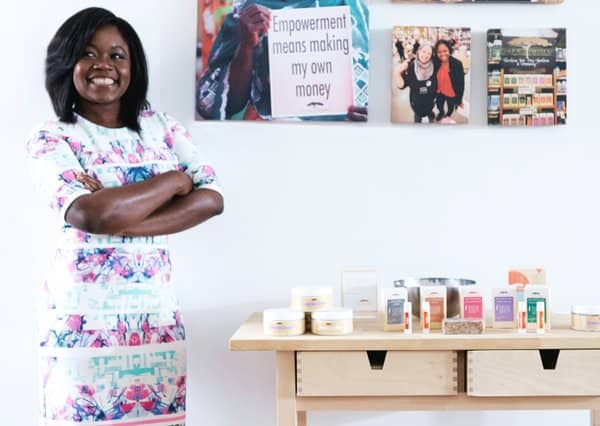
Young African entrepreneurs have turned their sights to manufacturing on the continent with new fervor. Just as the world has come to know China for its manufacturing prowess through the Made in China brand, many young Africans look to do likewise with finished products from the continent. To provide insights and effective strategies for aspiring young entrepreneurs and professionals, we’ve turned our gaze to African brands pioneering their Made in Africa products to the global market. Rahama Wright, Founder and CEO of beauty brand, Shea Yeleen, is one such mogul. Wright says what others see as ready baked success is a 10-year journey of persistence and openness to failure and learning. Wright’s work is influenced by her mother’s story and those of women in Northern Ghana and Mali where she worked and volunteered right after college. In 2005, Rahama Wright founded Shea Yeleen International, a social enterprise with a mission to provide living wages to women shea butter producers in West Africa. The enterprise’s profit arm, Shea Yeleen Health & Beauty LLC, was founded in 2012 and manufactures and distributes shea based products to international markets. Foot to the pedal and consistent hard work has brought Shea Yeleen to more than 100 Whole Foods Markets and independent stores. It is worth noting that Whole Foods is a Fortune 500 global supermarket chain. In Part 1 of this feature, Wright unveiled the secrets of her marketing sauce that has landed her coveted product placements and press features. She shared how using one’s personal brand can position you for success. Wright told her story better than anyone could and it is her openness and commitment to sharing her insight with all aspiring entrepreneurs and marketers that left a lasting impression. So to start, some questions on getting Shea Yeleen to market. How were you able to get your products into Whole Foods? This is the advice I would give to someone who is just starting out and trying to get their products into retail: Be persistent! I pitched 3 times before I was able to get my items into Whole Foods. One thing I have learned is that NO can be a pathway to YES, eventually. Of course, you should get feedback and understand why you are getting the NOs; don’t write it off as a rejection but as a way to improve for the next pitch. The primary reasons I was rejected 3 times was because I was talking to the wrong buyer and I needed better packaging. I upgraded my packaging including putting the soaps in boxes instead of sleeves, and used the space on the packaging to share our community development story and the benefits of our ingredients. I also created packaging that would pop off shelves by comparing my packaging to brands that were already on the shelf. This helped me better position my products. In short, if you want to get into retail, first pitch, adjust your pitch and product based on feedback and keep pitching until you get a yes! Also, if you are not getting traction in one area, move to another area to get in front of the right buyer. I wasn’t getting traction in one Whole Foods region and moved to another region. Getting in front of the right buyer required identifying someone who was looking for and thinking about products that Shea Yeleen was offering. The [final] thing is start small. For some retailers, you have to pay thousands of dollars to get your products in and if you don’t do well, they kick you out, which will cost you more money. Understanding the differences between big box retailers is really important. In terms of strategy, did you employ different methods getting into the local retailers like the mom and pop shops than you did the larger retailers like Whole Foods? They are almost the same but Whole Foods is a bit more corporate than the independent stores. A mom and pop shop is more accessible, because you can schedule a meeting with the owner or buyer and say, ‘would you give me a chance and bring my products in?’ and that’s literally what I did. I’ve learned about working with sales brokers, and there is a whole industry around sales brokers and distributors that’s a part of retail, and I made the mistake of relying too much on sales brokers who just did not deliver. Early on in your business you are the sales person. I wasted thousands of dollars on the wrong sales brokers. Even though it is hard and takes a lot of time to go door to door, you need to build your business initially until you get to the point where you can attract the right talent to manage that business. The region that is our best region, I opened all of those stores; I literally went door to door and was able to cultivate a really great relationship with the regional buyer. We also brought two of the shea producers from Tamale, Ghana here to the U.S. and they toured the stores with me, which was an incredible experience for the customers and the shea producers, who could now see where their shea butter ends up. This is an important part of the Shea Yeleen mission. It is not just about getting an African product and selling it. It is really about opening the doors for women producers of that product to understand the global supply chain and what they are a part of. Although the women come from rural communities, they can still be global leaders in the marketplace. What about other distribution channels? I know that you were recently in the subscription beauty box, Curlbox. Do you plan on doing more subscription boxes? We’ve done 2 subscription boxes and the verdict is still out. I believe that these subscription boxes are geared towards brands that are more well-known than smaller companies. My advice is don’t do a subscription box if it is just
Don’t vex: 10 must do’s for using social media for business

There is so much hype on using social media for business. Yet, many brands are not using it at all or many of those who are, are not getting it right. We’ve complied the basic must dos for all of us to revisit once more. Thousands of businesses have taken to platforms such as Instagram, Facebook, Twitter, Pinterest and Google Plus to build a brand that’s accessible, lovable, and profitable. Instagram has proved to be an especially viable means of building a customer base for fashion brands. Think Orange Culture, Eve and Tribe, Shop Zuvaa, Iconola, Tzar Studios, and so on. Social media gives you access to an enormous audience that could be converted to loyal customers if you play your cards right. Below are 10 steps that will help you dominate social media and harness its potential. 1. Know your why Explore why your business is on social media and why you are on each specific platform. While social media allows you to build a relationship your audience, the nature of the relationship you have with your consumers is completely up to you. Are you on social media to share relevant information to your industry, showcase your business products, establish yourself/business as an expert or some mix of them all? Whatever it is, knowing your ‘why’ is an imperative first step. 2. Decide the best platforms for your business Use your why to inform the social media platforms you choose for your business. There are over 400 social media platforms currently active and it is impossible to be them all. What platforms do you think would be more beneficial for your business? Let’s dive into the benefits of a few: Instagram and Pinterest allow you to connect with audience on a visual and emotional level. Google Plus helps with search engine rankings. LinkedIn is great for publicizing your company profile page or business resume. Ryze is a social network for businesses, may especially helpful for business to business (B2B) companies. Twitter, Facebook, Talkbizniw, Affluence, and Quora; the list is exhaustive. Take time to study the benefits of each of these platforms then pick at most 3 of the those platforms for your business. 3. Develop a strategy Wondering why 100 fashion bloggers are talking about the same shirt from a particular fashion brand at the same time? Well, it’s no coincidence. Welcome to the world of strategy – the ultimate key that unlocks opportunities for businesses. To start, your key strategies must align with your company’s mission. While all of the elements listed below are part and parcel of doing the strategic work, it is important to understand that setting time aside to write our your overall social media strategy is a vital actionable step that stands alone. Having a good social media strategy is essential for growth. Your strategy should include all of the elements listed below as well as data and feedback metrics. With a clear metrics for examining progress and growth, this work will be for naught. 4. Get the timing right Preparation + opportunity = success. Opportunity is a function of time, and posting the right content at the right time makes a difference. On Facebook, post from 1 p.m. – 4 p.m any day for the highest average click through rate; 3 p.m. on Wednesdays is the peak time. For Twitter, post from 1 p.m. – 3 p.m. from Monday to Thursday. The peak times for LinkedIn, Pinterest and Google Plus are 5 p.m. daily, 3 p.m. on Fridays, and 9 a.m. on Wednesdays respectively. 5. Be human Think of developing a well rounded person as you develop your brand on social media. You must clearly articulate your mission and choose consistent brand colors, style, and tone for all of your social media accounts. Remember to show empathy in your branding, after all, there is a person on the end of the screen. 6. Know what your audience wants and give it to them As you begin to build your followers and audience, take the time to listen to them. Study the kind of posts they react to; which posts get the most comments? Which ones get the most likes? Which of your social media pages does your audience constantly engage on? Are they creating content and visuals related to your product that you can repost. Social listening and data collection is crucial: once you provide your audience with what they want, they’ll stick around and tell others about you. 7. Use hashtags As distracting as they appear to you, hashtags go a long way on social media. People are constantly searching for things, and correctly hashtag-ing your posts on Facebook, Instagram, Twitter, will put you on the radar and increase your visibility on search engines. Use hashtags reasonably and strategically, and soon enough you’ll see the benefits. 8. Offer promotions, contests and discounts Everyone likes freebies in every shape and form. Giveaways, special offers, and discounts will get people to notice your brand. Be clear on how every giveaway you host improves your business, helps you grow, or increases audience interaction and participation. In order to create a win-win situation, everything you do must also be beneficial to your brand. 9. Link back to your website Many people forget this step: don’t forget that social media is there to help improve your business and as such, people must know where to find you off social media. Connect everything to your website so that your followers can actually make the purchase after you’ve done the work of building the relationship and converting them to loyal fans. Don’t just add your website link to your social media profiles; share that link with your audience intermittently as reminder. 10. Stick to the plan Finally, it is so easy to fall off on social media as a tool to grow your business if you are not consistent with steps 1-9. But there only way to win in the long run is to be consistent. As famous