
Kajsa Hallberg Adu: Why social media is revolutionary and you should take online friends offline

[bctt tweet=”Kajsa Hallberg Adu believes everyone who wants to get somewhere should get on social media” username=”SheLeadsAfrica”] When it comes to the benefits of social media, Kajsa Hallberg Adu will know all about it. She and her co-founder started Ghana’s biggest network for social media enthusiasts BloggingGhana using social media. As a blogger of 10 years and a lecturer of Communication and Politics at Ghana’s only liberal arts college Ashesi University, Kajsa knows the importance of the various mediums of communication. She also knows that we should take advantage of the technological world we live in to reach our ultimate goal. Kajsa Hallberg Adu believes social media is revolutionary and everyone who wants to get somewhere should get on this fast speeding train. As an advocate for taking online friendships offline, Kajsa tells us the reasons why and the processes we need to undergo to benefit from these friendships. How has social media impacted your life and work? Where do I start? Social media has shaped my life and made it so much richer and more interesting. Initially, I was very tech-suspicious, I was the last to have a cell phone among my friends. I held on to analogue writing and reading when many others loved the screens. Back in the day, I read blogs and loved the medium, but had a hard time finding my voice and my topics. All of that was resolved when I moved abroad (from Sweden to France) because suddenly I had stories to tell and impressions to share. Around this time, a blogger I read to prepare for moving, “Petite Anglaise”, invited her readers to a meet-up in Paris. Meeting people that only had that we liked to read one particular blog in common was an enormous aha-moment for me. Some of the people present felt like friends from the first moment. One worked at the same organization as myself, we had just never talked! A year later when I moved to Ghana, I brought the idea with me, that it is doable, and much fun to take online conversations offline. Why do you think social media is revolutionary? Social media gives you a voice. If you are a blogger, it gives you, the individual, the possibility to publish. It is huge! Before blogging, you could not publish anything at all unless you asked for permission from an editor, another person with power or printed all copies and distributed them yourself. Now I can several times a day hit “publish” and send my ideas, beliefs, thoughts, and opinions to THE WHOLE WORLD. Even more important is that we all can respond. What used to be a one-way-communication is now an enormous conversation. If that is not a revolution, then I don’t know what that is! Surely, not everybody is on-board in this conversation. Ghana has a large majority of people who are not connected and do not have a voice. Still, social media is already affecting them in that traditional media listens to the social media and amplifies it. If a village only has one person who advocates for it and reports from it on social media, chances are much bigger that the rest of us will know what happens there, good and bad. My hope is that that will soon lead to everybody having a voice, facilitated by internet access. [bctt tweet=”Kajsa Hallberg Adu: BloggingGhana is all about friendship and technology.” username=”SheLeadsAfrica”] What steps should one take to keep up with this revolution? One would have to create as much as you consume online and respond as much as you listen. Communication is a two-way thing and you cannot always take without giving back in return. If you want to benefit from this revolution, you have to give to others what you know and take from others what they know. It is a give and take affair. Why and how can online conversations and friendships be taken offline? I am a huge advocate for taking online conversations offline. When human beings convene together it has some magic powers to it. Meeting is like charging the words, the conversation and the relationship you had online. When we go back online after having met, we can do more. BloggingGhana is all about this —our two pillars are friendship and technology. We might meet offline to discuss a new technology such as podcasting, but what comes out of that conversation is likely more than knowledge transfer. I can’t explain why this is, but I see people every month hugging after having found out the handle of the person in front of them. Who knows where they go from there? What and when should you consider taking online friendships offline? I think it does not have to be complicated. When my friend Sandra and I started BloggingGhana in 2008, we emailed the eight bloggers in Ghana we could find at the time and we met in a bar. We repeated the meet-up monthly, every time in a different place to also get to know the city. Some of the people who came to the meetings in those first years are some of my best friends today. The first meeting happened in March because I was new in Ghana and I needed friends. I think one could probably be much more deliberate —do I want to take this Facebook interest group offline to gain momentum? Do I want to invite all the people that used my hashtag to a thank you tea party? What group should I take offline if I want to talk to like-minded people? I also think groups that are more specific might be more efficient. For instance the Facebook group I created for Swedes in Ghana “GhanaSvenskar” shares very specific information online and only meets offline once a year for Swedish Christmas in the tropical heat. [bctt tweet=”Kajsa Hallberg Adu: When human beings convene together it has some magic to it” username=”SheLeadsAfrica”] Are there any particular processes one should undertake when taking online
Aida Bamba: The gourmet in the city
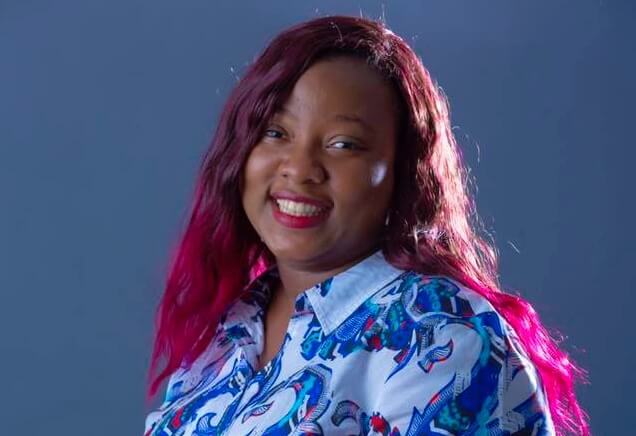
[bctt tweet=”What makes Serial Foodie unique is me and my pen – Aida Bamba” username=”SheLeadsAfrica”] Ever heard of the saying that the period after a break up is your most creative? Aida Bamba started blogging in July 2015 after breaking up with her then boyfriend. Aida had put a pause to her passion for writing for her ex but then after the break-up decided not to put the desires of others ahead of hers. Firm in her resolve not to stop herself anymore, Aida Bamba eventually started blogging at Serial Foodie. Serial Foodie explores and reviews restaurants in Abidjan, Ivory Coast. As a foodie with a flair for cooking and an Agro-Food engineer, Aida brings her unique background to food blogging. This lady can tell if you haven’t put enough mint in a mojito. Why did you decide to start Serial Foodie? I decided to launch Serial Foodie in December 2015. I started my blog on advice from Orphelie Thalmas one of the best bloggers in Ivory Coast. She informed me that several people had loved an article I’d written reviewing a restaurant and suggested that I might have to specialise. I had already made a tour of many restaurants at that time. Not to mention, I have a talent for cooking and I’m an Agro-Food engineer by training, therefore have an understanding on a number of processes. I decided it was a good idea to specialise in food blogging and that I was going to follow Orphelie’s advice. Together, we chose the name of the blog, Serial Foodie and the slogan, “A gourmet in the city”. And that’s how Serial Foodie was born. You started blogging after a break up, can you tell us about that? I have always had complex emotional relationships. I have too many things to think about, there are many things in mind that I would like to achieve. This often disconnects me from reality. When you’re in a relationship, it is not obvious. In that relationship, I wanted to give the maximum and that lead to sacrificing myself. I put my passion for writing on hold. Unfortunately, my sacrifices did not lead to anything and we parted ways. What do you think makes Serial Foodie unique? What makes Serial Foodie unique is me and my pen. My way of transcribing the experiences lived in restaurants is my own. For me, to describe an experience in a restaurant is not limited to just saying; “I went here, I tasted these dishes, I liked it or not, the price ranges are, the place is located here and the number is…” For me, what counts is reception. How did I get to this restaurant? Do I like its decoration and ambience? What of the hygienic aspect? Then, my special feature is to focus on the dish. To give information on the components that I perceive; the recipes, the good flavours, the bad flavours. I will know for example if a cocktail lacks an ingredient or if a step has been missed. This is what I propose to those who read my blog; a unique experience that until now has only been offered by me. Abidjan has the reputation of being very cosmopolitan, what’s the foodie scene like there? Since the end of the crisis, the city of Abidjan has seen an increase in the number of restaurants. These restaurants cover all edges and are diverse. From Asian specialities to local cuisines, the foodie scene is moving and well. What do you do outside blogging? Apart from being a blogger, I’m an assistant at Instant2Vie, a photo studio. I’m also a social media manager. I manage brand image, from person to enterprise. I am freelance and work from my home; it’s not easy but I love this! I entered into the world of freelancing through my blog but I’m also an Agro-Food engineer as I mentioned above. [bctt tweet=”I will know if a cocktail lacks an ingredient or if a step has been missed – Aida Bamba” username=”SheLeadsAfrica”] You’re also a writer with a published novel, can you tell us more about this? I wrote my first non-fiction book in 2005. The title is, “Les Revers de la Vie” or “The Reversal of Life”. To be honest, the publishing house has never paid me my rights even though the book is still on sale. I decided to overcome this disappointment on my own and come out anew after the loss of my father last April. “The Reversal of Life” is available on Amazon Kindle. #love #instagood #follow #followme #foodie #picoftheday #abidjan #food #france #blog #blogger #foodblog #foodblogger #serialfoodie #follow4follow #followforfollow #followback A photo posted by Bamba Aida (@serialfoodie) on Oct 24, 2016 at 3:11pm PDT Breakfast, brunch, lunch and dinner in Abidjan, where would you recommend people reading this go? My suggestions for Abidjan are: Breakfast: Pause Café, Nougatine, Comptoir des Artisans, Bao Café, Couleur Café, Flow. Brunch: Flow, Nougatine, Norima, Pause Café, Radisson Blu Lunch: Le Kallisté, le Rallye, Salad and Sun, La Maison des Combattants, Norima, Le Bao, Le Comptoir des Artisans, Dinner: Wasabi, Oishi, Kanpai, Kallisté, Don Antonio, Hippopothamus, Norima, Mondial, Saakan, Chez Jay’s. If I were to choose one restaurant, it’ll be Norima Restaurant Vallon. My menu options are; mini cowboy burger and buffalo chicken wings for starters. The Mongolian beef rice bowl for main and kiwi mojito or pina colada for drinks! If you’d like to share your story with She Leads Africa, let us know more about you and your story here.
Aminata Dumbuya: When preparation meets opportunity, success happens
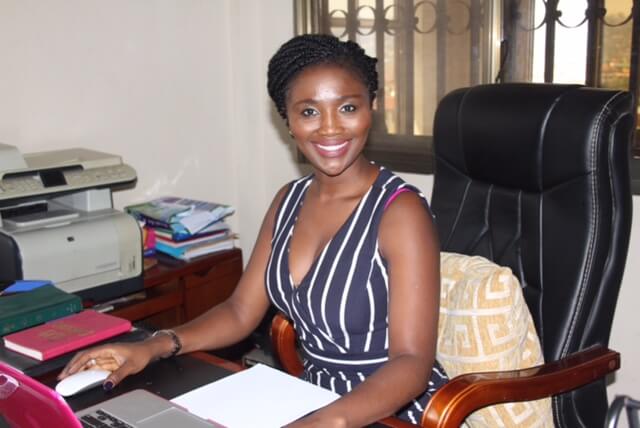
[bctt tweet=”Aminata Dumbuya: Opportunities abound in energy access. There are over 600 million Africans living without energy” username=”SheLeadsAfrica”] Aminata Dumbuya was living a privileged and comfortable job in California, USA. She had a cushy corporate job and was steadily climbing the corporate ladder. Yet, she was restless and hungry to do more. This hunger is what prompted her to return to her homeland, Sierra Leone. 12 years later, Aminata is deeply involved in the renewable energy sector. She runs the Sierra Leone Power for All campaign, which works with the support of the Ministry of Energy. When she’s not doing her part to ensure that sustainable energy is available to all, Aminata Dumbuya works with Masada Waste Management Company. Remember our list of unsexy business ideas that could make you money? Yeah, well with Masada, Aminata oversees the collection, management and conversion of waste to energy in Freetown, Sierra Leone. On top of that, Aminata owns Pinnacle Marketing Consultancy Group which supports businesses in specialised marketing. Tell us about running a campaign for an international organisation. Those are notoriously hard to get, any advice on other women interested in this field? Power for All is a global campaign that advocates for decentralised renewable energy as the fastest and most affordable way to energy access. It is steered by and has a partner coalition of civil society organisations and private companies that see energy access as imperative to ending energy poverty. I have been privileged and fortunate to be a part of this global team! I drive and run the Sierra Leone campaign by working with and supporting the government through the Ministry of Energy to enact policy. The private sector companies build the market; civil society organisations include energy access in their sustainable livelihood work. We are pushing awareness and behaviour change on the sector. [bctt tweet=”Aminata Dumbuya: Moving back home to me is to be part of the economical transformation happening on the continent” username=”SheLeadsAfrica”] With my previous work in the energy sector and dealings with both the government and private sector in the country, I was well-positioned to take advantage of this opportunity when it came up. Since I was prepared early on from my previous work, when the opportunity came, it was a match. My advice to women interested in the field is to look at the opportunities that abound in energy access. There are over 1.2 billion people globally without energy access, and of this 600 million live in sub-Saharan Africa. So with these appalling statistics, there are opportunities in this field to make real impactful change. My advice is, to engage early on with the relevant stakeholders, be it government and or civil society groups. Do necessary research in your locality on how energy access issues are handled, and then where there are opportunities for you, get involved. Also, having formal education and relevant work in the field will help as well. You currently run/are involved in many projects, can you tell us about them? Yes, I am. In addition to running the Power for All Campaign, I am also a partner and Project Manager for Masada Waste Management Company, SL, LTD. Masada entered into a contract with the Government of Sierra Leone in 2013, to collect, manage and convert waste to energy/electricity for the Municipality of Freetown. The company has over 300 employees and continues to grow. Masada represents and embodies my reason and purpose for moving back home; which is to be a part of the social and economical transformation happening on the continent. I also own and give strategic guidance and direction to Pinnacle Marketing Consultancy Group, (PMCG) a marketing firm that I started in 2008 with the focus of supporting businesses in specialised marketing and sales to build their brand and expanding their client base. And also, I own Business Services International (BSI), which is a serviced and virtual office outfit that provides office solutions to its clients. Are you ever worried about any conflict of interest in working with several businesses? If not, why? No. Since I was a teenager at the age of 16, I started off working 2-3 jobs while I was still schooling. Though part time, I still was able to diversify and work on several jobs then. Over the years, I have learned the art of delegation and managing effectively, and strategic partnerships. That has been the key for me in having several businesses and projects. Especially with the economical fluctuations as well as the myriad of opportunities that are in Africa, one must be agile and nimble to take advantage of them, if possible. I never believed in putting your eggs in one basket. Having a diversified revenue stream is very important as well. [bctt tweet=”Aminata Dumbuya: With the economical fluctuations, one must be agile & nimble to take advantage of opportunities” username=”SheLeadsAfrica”] What drove your decision to repatriate to Sierra Leone? Has much changed in the years you’ve been back? The single-most entity that was responsible for my move back home was and is the passion and conviction I attach to being a part of the transformation happening back home. I believed I was essential to that process, and that I can contribute in meaningful ways. I was opportune, privileged and comfortable back in California; with a cushy corporate job with high prospects of climbing the corporate ladder. Yet, I was restless, I was torn, I was hungry and wanted more. It was a spiritual calling, I needed to be living on purpose! That meant I had to be back home, in Sierra Leone. Has a lot changed over the 12 years I repatriated? Well, there is an adage that says, “the more things change, the more the stay the same” and that just about sums up my response to that question. There is still a whole lot to be done, the needle has yet to move in drastic ways that translate to an elevated social conscience. I still have hope that change
Ariana Oluwole: The idea for Narnia Daycare came after I gave birth to my son
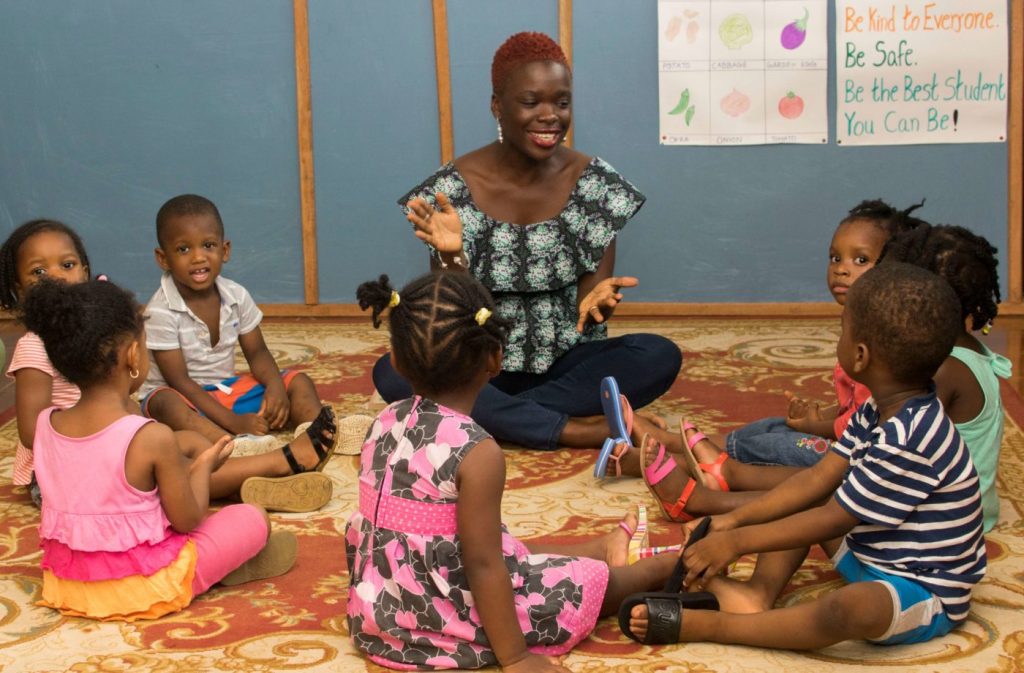
[bctt tweet=”Ariana Oluwole – Narnia Daycare was born out of a desire to cater to the needs of children” username=”SheLeadsAfrica”] When Ariana Oluwole shared tips on what you need to get into the caregiving business, she was speaking from experience. Ariana runs her own early-learning centre, Narnia Daycare in Freetown, Sierra Leone. When she became a mother, Ariana faced difficulties finding a daycare that would provide her son the spiritual, physical and intellectual care he needed. She also had to deal with balancing work with motherhood. Ariana turned her problem into a solution by starting Narnia Daycare regardless of her academic background in Biological Sciences. To make Narnia the answer for working families in Freetown, Ariana went on to acquire a diploma in early learning. Ariana Oluwole is making real her passion for making children holistically happy through Narnia. Why did you decide to start Narnia? How do you plan to ensure that Narnia’s standards remain consistent? Narnia Daycare was born out of a desire to cater to the needs of children; before birth, at birth; babyhood and toddler stages with a holistic approach. The idea for Narnia Daycare came to life after I gave birth to my son. As we all know, there are so many challenges a career woman faces after giving birth. Maternity leave is very short. Adapting to the routine and pressures of the workplace coupled with the endless thought about your child’s welfare when you are away…I saw the problem hundreds of working mothers and parents faced every day. I knew the values of social interactions in children and wanted my child to have a great start. So, I searched Freetown, looking for a beautiful place to enrol my child in. I wanted a place that would not only care about the physical but that would also be a place where spiritual and intellectual needs are met. Unfortunately, I couldn’t find anything that matched my expectations. Narnia was the most needed answer for working families. At Narnia, we have documented every process in our daily routine. We have a supervisor that ensures that everyone works within their roles. CCTV Surveillance not only helps in securing our space but helps track our work. We review the camera frequently to ascertain procedures are been followed at each point. Added to that, we have a proper reporting structure to maintain communication and follow up right through. We pay attention to details and review our standards to match the current needs of our clients. When you have a blue print for all of your processes, and clear expectations laid out for staff and customers, you are guaranteed a consistent output always. Your background is in the sciences. How did you bridge the gap between working in a field that is different from your academic background? WOW! I wish I had a straight answer to that myself. I always liked being around children, caring for them and making them happy even as a child myself. Therefore transitioning into the care-giving and educational field was not very difficult. In fact, I found great similarities between my field of study (Biological Sciences) as it covered the study of living things including man and its processes. This helped me with the knowledge of how cells, organs and systems function in the human body. [bctt tweet=”Ariana Oluwole found great similarities between her science degree and running a daycare centre ” username=”SheLeadsAfrica”] Combined with other vital modules, this added a deeper insight to my daily routine with the kids at the centre. I can tell if a child was undernourished by the bodily signs he/she exhibited. I can detect minor issues in development and growth, and bring this to the attention of the parent to refer for specialized help. Overall, a background in sciences provides you with the thirst for research, exploring systems and finding solutions. This has given Narnia an edge over its competitors in terms of been open to adapting to a changing environment and the learning needs of children. Besides, I have moved on in advancing a career in early learning having acquired a diploma in early learning with NTC educational program. As a writer, where do you find time to write with all your hustles? Writing is my hobby; it brings me so much joy and helps me relax. It’s like a soothing therapy. Interestingly, as long as I can open my eyes there is always some information that I record in my little notebook. During the weekends my most precious moments are spent writing. [bctt tweet=”Ariana Oluwole – In a fully rebuilt Sierra Leone, every child would be loved” username=”SheLeadsAfrica”] What do you imagine a fully rebuilt Sierra Leone will look like? A fully rebuilt Sierra Leone will be a society where the right questions are asked. It will be where the desire to solve problems is commonplace and the now high dependency on aid becomes one of independence and growth. There, an educated/well-informed farmer will have better alternatives to control pests and improve yield. An educated carpenter/well-informed carpenter would create furniture matching world class standards, the list of better opportunities would be endless. In that Sierra Leone, every child would be loved, they would have access to food, water, shelter and education. What life-changing principles do you believe all #MotherlandMoguls must have? All Motherland Moguls must have integrity. They must be open, honest and fair to oneself and to others. Make use of the golden rule too; do unto others the same that you want them to do unto you. Be open to CRITICISM, it helps you grow and be better. It helps you turn your weaknesses into strength and power. Also important is persistence, be ready for obstacles. Reach out for your highest dreams and if you FAIL; rise again and do it over. [bctt tweet=”Ariana Oluwole – Reach out for your highest dreams and if you FAIL; rise again and do it over” username=”SheLeadsAfrica”] What sort of motivational values should all young women be mindful of?
Ola Morin-Muhammed: I make it my duty to understand my client’s needs

[bctt tweet=” Ola Morin-Muhammed: The ultimate goal is to tell a story and expression of love through design ” username=”SheLeadsAfrica”] Luxury is a lifestyle and Nigerians know how to appreciate luxury. Ola Morin-Muhammed brings luxury to her unique event invitations. Think about it, at any event, the invitation goes out first. They are really the most important mode of communication for a grand day. People are slowly understanding the importance of the first mode of communication for their grand day. The invitation goes out first, and Ola’s invitations are some of the most gorgeous you’ll ever see. Ola Morin-Muhammed started IJORERE in 2008 and has designed invites for A-list celebrities of the sports and entertainment industry. Her background in architecture greatly influences her designs and has given her an unconventional approach. From next year, IJORERE will be designing weddings and events too. What do you think of the invitation design industry in Nigeria? Why the need for luxury in this industry? The invitation design industry in Nigeria is on the rise. People are slowly understanding the importance of the first mode of communication for their grand day. The invitation goes out first, it sets the tone for what to expect. It builds anticipation. The need for stationery in Nigeria, particularly the Nigerian wedding industry has been secondary for some time. And when you have a guest list of at least 1000 to accommodate, a 2-day wedding affair, and the need to make sure there’s surplus of everything, it’s no wonder why the first impression (invitation), doesn’t come first. I do however, see a shift, and Nigerians residing in Nigeria are beginning to understand the necessity of an invitation. Nigerians are known to be overachievers, and when we achieve abundance of wealth, we like to show it off proudly. I think that’s why Nigerians do appreciate luxury. Not because we are conceited or arrogant, but because we like to show off the hard works of our labour. Weddings in Nigeria are flamboyant and all about showing the world; that we have educated overachieving children, and will proudly spend flamboyantly, invite everyone we know and don’t know. This is just so our children know how important they are to us and their wedding is talk of the town. It’s a grand milestone the Nigerian society celebrates. What’s the process that goes on behind your designs? I make it my duty to understand my client’s needs, their personality, and take that knowledge to the drawing board. Sometimes, my client(s) knows exactly what design direction they’d like me to take. Other times, my team and I have to interpret what the client(s) desires are. The ultimate goal is to tell their story and expression of love through design. [bctt tweet=”Ola Morin-Muhammed: Nigerians are known to be overachievers, we like to show wealth off proudly” username=”SheLeadsAfrica”] How does your experience as an architect influence your work with Ijorere? Architecture greatly influence’s my design approach. I’m always designing not just for aesthetics, but functionality and sustainability. I want my designs to be keepsakes and to be used for other purposes outside of just being an invitation. Being able to apply principles of architecture to my design process also influences the way my clients experience their invitation. Now, they realize because of the principle of function, their special day can now and forever be a part of the lives of their loved ones. Some of the invitations became picture frames, boxes to keep special memories or treasures. How do you choose materials/fabrics for your designs? I always choose materials based on the client’s style and most importantly their budget. I also consider their story in the selection process. Identifying what fabrics will share their story and expression of love is a partnership with my clients. At the end, we want their guests to feel like they are really about to experience a uniquely grand day. Has it been difficult (or easy) to find clients to patronise IJORERE? IJORERE has been around since 2008, Over the years, I’ve garnered accolades in the media, including from the likes of Entrepreneur Magazine, INSIDE Weddings, BellaNaija, Munaluchi Bridal, and more. I’ve also been blessed to have designed for A-list celebrities of the sports and entertainment industry. A few I am able to mention are Louis Carr of BET, David Tutera of My Fair Weddings, and the weddings of NFL players; Nicholas Perry, and Michael Daniels. At this point IJORERE is branded, so it’s no longer difficult to receive cool and interesting projects. We let our work do the marketing. [bctt tweet=”Ola Morin-Muhammed: I want my designs to be keepsakes and to be used for other purposes ” username=”SheLeadsAfrica”] Do you usually attend the events you create invitations for? No, not usually, most of my clientèle are out of state or out of the country. Unless, my clients happen to be close friends or family, I don’t typically attend, although a few of my clients have invited me to their wedding or event. I enjoy being a part of it all with the designs we create. We get to be part of the big day and days beyond that with our keepsakes. What’s the last thing on your mind before you go to bed at night? Just 3 things; Prayer, IJORERE, Sleep. Where do you see IJORERE in 2017? Do you have any big plans in store? IJORERE is always evolving and staying abreast of trends. My focus will strictly be on invitation and event design in 2017. Weddings and event design is something new and came by demands, based on continuous requests from my clients. Now, I’m designing not only invitations, but also weddings and events. It’s fun and I find that I’m doing a 360 degree right back to my first love, architecture. If you’d like to share your story with She Leads Africa, let us know more about you and your story here.
Seipati Masango: Passion that transcends into business
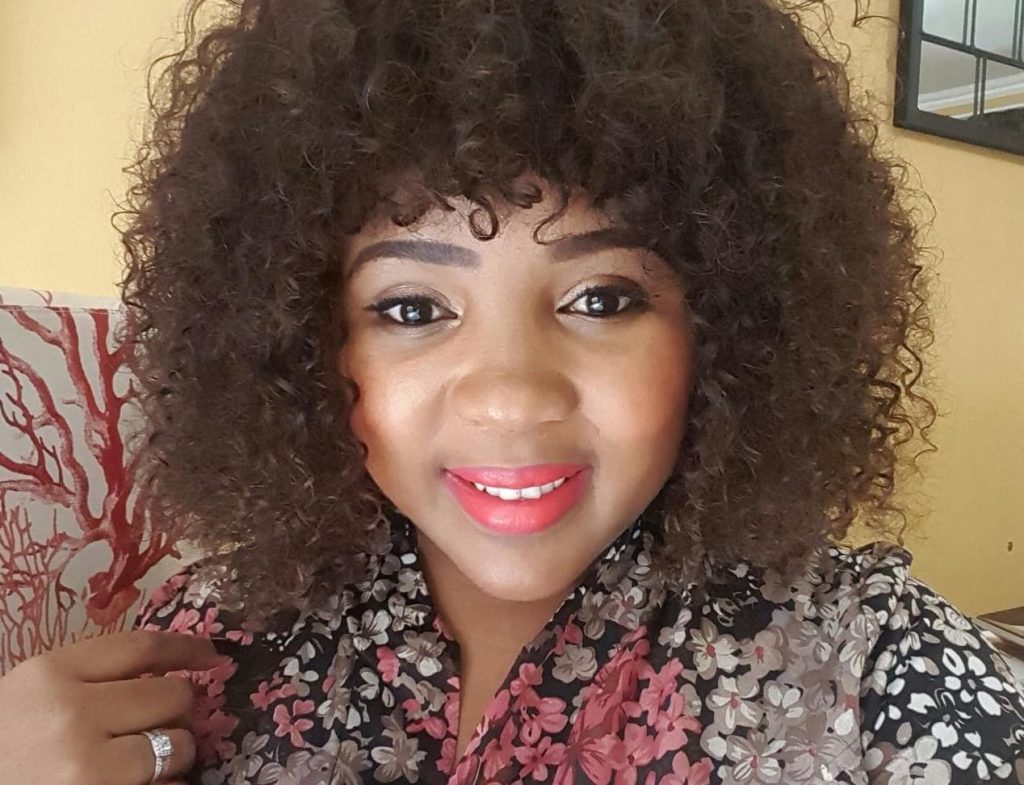
[bctt tweet=”@seipatimasango a.k.a Miss Gates shares her passion and beauty secrets here” username=”SheLeadsAfrica”] Seipati Masango is a 29 year old lady from South Africa currently working in the construction industry. Seipati also owns and manages a beauty product line company called Organic Touch by Miss Gates. Informally known as Miss Gates, Seipati Masango is very loud, crazy “in a good way”, enthusiastic and optimistic. Her passions are not limited to business as she is also politically active and passionate about social development through her work as an African National Congress (ANC) volunteer. What are you most passionate about? I am passionate about people and what they have to offer. Also, I am passionate about beauty and how we as a nation are different and from different cultures. I think that we do not focus on how rich in inner and outer beauty we are as a country. We tend to shy away and do not appreciate the features we have as people, because we care about the ones we are complimented on. What inspired you to start your skin care brand Organic Touch By Miss Gates? This is so funny because, growing up I have always been very inquisitive about everything. Years later, I started using different products especially when seasons changed, because my skin texture would change too. I tried different methods in order to get it soft and smooth again, (using Colgate toothpaste for pimples, egg yolk for texture etc). I used to mix different products to make my own hair mousse to repair my hairline, and loved to use coconut oil on my face as a moisturiser and body. In August, I decided to post on social media the difference these methods made to my skin. I ended up receiving a great response and messages in my inbox for orders. [bctt tweet=”@seipatimasango registered a company before finally finding her passion in making beauty products” username=”SheLeadsAfrica”] Then two lady friends of mine Nonkululeko and Mzikazi asked why I was sitting on a gold mine and doing nothing about it. They both know I am passionate about beauty. From that point, I started researching about organic homemade beauty products because I did not want to use any chemically affiliated products. And the rest is history. I must say, it was draining and time consuming at first. I was cash strapped too ,but it all turned out well. Months prior, I had registered a company not knowing what to do, but I finally found my passion. Tell me about your work as a clothing brand ambassador for plus size women? I never thought I would be a plus size model. I had actually never heard of big women being models, but the world changes. We see an evolution where plus size clothing ranges find space in the fashion industry. [bctt tweet=”I never thought I would be a plus size model – Seipati Masango” username=”SheLeadsAfrica”] I was approached by Pinky Mokgoasane owner of Street Chic, who asked me if I would be interested in being a model for her plus size range. She told me that I would look ravishing in “vintage-inspired wear”, so I gave it a try. Street Chic’s Pinky Clothing Range has attracted so many plus size women who love dressing up. Street Chic’s clients always say to the owner, “if Seipati can rock it so can we”. I don’t regret making the decision to model for Pinky. It has changed me, many woman send me messages telling me how I have inspired them to appreciate their weight. I always say that dressing up for your body type and size will make you feel good and confident. What is the main thing you think women should celebrate about themselves? Mainly, it’s their inner beauty as it is one of the most attractive characters in a woman. Being confident about yourself and loving the person that you are, will easily show on the outside. I have always been a big girl. Growing up, people would tell me how fat I was compared to the last time they saw me, and that would really hurt. I had to grow tough skin towards cyber bullies and negative people. I used to try these yoyo diets and go to the gym just to go back to the woman I was, it never worked. [bctt tweet=”Women across the world should adore their curves, love and squeeze them. Yaaas @seipatimasango!” username=”SheLeadsAfrica”] This year, I had a health hazard that required that I make healthier choices because my cholesterol was too high. I made the decision to eat healthier and lose a few kilos, not because of a bully but for a conscious decision I made for my life. I lost 15 kg and now I wear size 40 and happily love my curves, and body. Women across the world should adore their curves, love and squeeze them. They should look in the mirror and just say, “I am beautiful”! They should wear that swimsuit without fear. Stretch marks and cellulite are there but they do not define who you are, or what you have become. Just be you and love yourself. Do you think that there is immense pressure for women in South Africa to look and behave in a certain way? How can we change the social pressures on women? A South Africa “radio personality” recently bashed Noma Khumalo, winner of SA Idols 2016, saying Noma is not idol material because of her weight and that the entertainment industry will not accept her. I was furious —and still am, that we live in such a hypocritical society that refuses to accept how different we are. South Africa is a country rich in heritage and history, and we need to become ourselves. We do not need to conform to mainstream norms and social perceptions of how one should behave or look. We should appreciate what everyone brings to society. Also, we need to understand that women are nurturers and caregivers and they should
Christine Sesay: Africa’s Moneypreneur
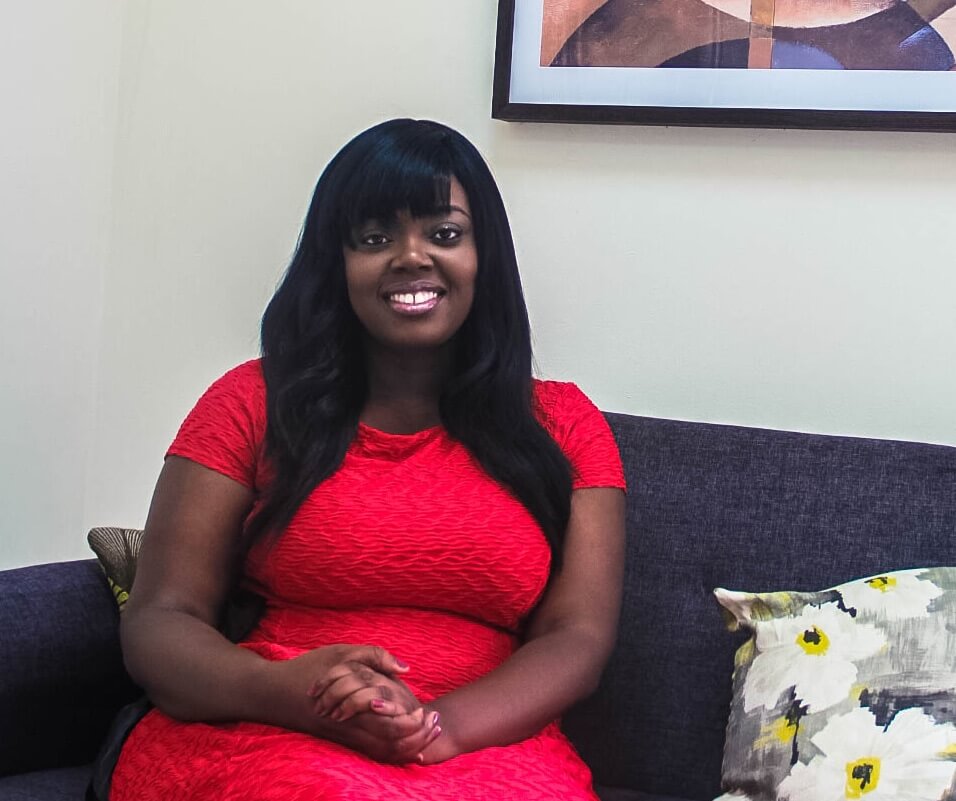
[bctt tweet=”Christine Sesay: Most Sierra Leonean entrepreneurs are struggling to survive, this lead to the idea of Africa’s Moneypreneur” username=”SheLeadsAfrica”] She won’t say money is her hobby but Christine Sesay enjoys advising people on finances. Christine is the founder and CEO of Africa’s Moneyprenuer, a financial education platform created to help make discussing money and finances easy and fun. With a background in accounting, Christine Sesay has always done some accounting —even when she wasn’t working in the field. Her professional interests have taken her across the African continent, Christine has lived in Niger among other countries. However, her career isn’t limited to finances, Christine also works with Sierra Leone’s Ministry of Health and Sanitation, an opportunity that arose during the Ebola epidemic in 2014. Why did you decide to study accounting? Like most high school graduates, there is the insecurity of being unsure of what one wants to do. I started taking an accounting course and enjoyed the different aspects of the course. From that point, I continued to pursue accounting and financial courses in school. I still work in the accounting field, I am in charge of operations in the organization I work and I am responsible for the finance department. Do you feel your careers have always been linked to your degree in accounting? Yes, in my current job I am responsible for all monthly financial accounts as well as final yearly accounts. In past jobs where I was not responsible for day-to-day running of the finance department, I have had budgets that I was expected to manage. Let’s talk about your time in Niamey, Niger. How was life for you as an African living in another African country? What sort of cultural barriers did you have to navigate? I enjoyed my time in Niamey. I have lived in other African countries while growing up and therefore it was no strange idea to move to Niger. So, I am used to living in different places and I adjust quickly to my environment. I found the environment quiet which suited my personality. It was a place ideal for doing my other hobbies such as arts and craft. Niamey had a few spots to hang out and most of the time we had curfews, so I had to find a form of entertainment that was workable. Niamey provided a lot of time I needed to quickly concentrate on communicating better in French but also to grow in my career. What was your main motivation to study French? I have a grandparent who is of Senegalese origin so it somewhere in my lineage. But also, I had a parent that worked in an environment that required the language. Therefore it was an easy motivation for me. How did you come to start working with the Ministry of Health and Sanitation? During the Ebola outbreak, a lot of foreign agencies came to help Sierra Leone and they all had different ways of doing things. The Ministry of Health was unable to determine the best course of action for the country. In the midst of other job offers outside Sierra Leone, I chose the job that avails me the opportunity to work with Ministry and assist with system thus strengthening it. [bctt tweet=”Christine Sesay: With the Ebola epidemic, I was determined to help in whatever way I could” username=”SheLeadsAfrica”] Why was it not an option for you to leave Sierra Leone when Ebola struck? Sierra Leone is my home. I was devastated to see how things had become within a short period of time with the disease infiltrating the country. Leaving the country at this time, would have been the easy way out. But then, what would I say to my children in the future? I was not in Sierra Leone for the war, and was much younger to make a decision to help. With the Ebola, I was determined to help in whatever way I could. [bctt tweet=”Christine Sesay: In the midst of other job offers outside Sierra Leone, I chose to work with the Ministry of Health” username=”SheLeadsAfrica”] Why did you start Africa’s Moneypreneur? In what ways can discussing money and finances be fun? While working in private sector, I would talk to small groups of women about their finances and advice on taxation issues. However, due to the demands of my job at the time, I could not continue. In 2015, I watched a lot of families leave Sierra Leone. This was mostly the middle class who could afford to leave Sierra Leone due to Ebola. Therefore, we have a very broken economy once again. Most entrepreneurs are struggling to survive, seeing this, the idea of Africa’s Moneypreneur was born. It is platform that teaches others how to implement effective financial strategies that support the lifestyle they aspire and deserve. For this reason, I am keen to talk to people on their money and finances. Would you say money is your hobby? Advising on finances is one of my hobbies. I also enjoy doing arts and crafts, especially making greeting cards. Want to see women you know featured on SLA? Tell us what amazing things women are doing in your communities here.
Ruth Mwanzia: I grew up in a region that faced many challenges with water
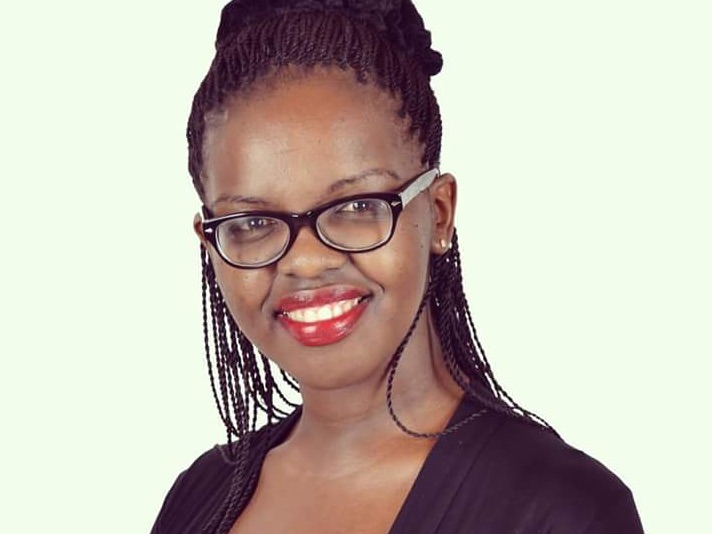
[bctt tweet=”Ruth Mwanzia started @KoolaWaters to address water challenges” username=”SheLeadsAfrica”] Ruth Mwanzia is making it rain…well not literally. She grew up in Kitui, a semi-arid region in Kenya that often faces water scarcity and drought. Being a #MotherlandMogul in the making, Ruth decided to start her own water bottling company, Koola waters. Koola waters manufactures, distributes, treats and packages water. As a child of her community, Ruth is also involved in several corporate social responsibility (CSR) ventures in Kitui, as well as other parts of Kenya. Read on to learn what it takes to enter the water manufacturing business. Why did you decide to enter a business in manufacturing, distribution, treatment and packaging of drinking water? I wanted to make a difference in my community. Having grown up in Kitui, a region in Kenya that experiences semi-arid type of climate, we faced many challenges to do with water; water scarcity, drought and water shortages. After I graduated from campus, I asked myself what I could do to address this situation. Thus, Koola waters was born. Koola is a company that specializes in manufacturing, distribution, treatment and packaging of pure drinking water. Through Koola waters, we supply water to eight regions in Kenya including Kitui. What do you think of the water manufacturing industry in Kenya? What makes Koola waters stand out from the rest? It’s a competitive field and it’s a fast-growing industry. Why we stand out, first all our water is very sweet because its UV treated and well micro-filtered. Koola water goes through seven stages of filtration. Second, we care about the community and we are involved in many CSR activities. Third is our unique packaging, the customer and the community are always at our heart. How are you making impact in the community? We are making an impact in the community by engaging in various community activities to give back. We do lots of tree planting activities in Kitui, mentorship activities across different universities in Kenya, work with several Kenyan charities and we also support a local football team in Kenya. What particular challenges have you found offering employment to other young people? Lack of experience, but through regular training they are able to gain the experience for the job. Lack of stability: Many of the young employees have no clear vision of their careers. They join a company and once they find another good opportunity they will switch. This is always a huge loss to the organization. Discipline issues: Not all, but most of them, are unaware of work culture environment. They do not turn up on time, they do not strictly follow the HR rules. Many of young employees try to take leaves more than they are provided with. This is a question of discipline. Yet above all this, I love working with young people. Through mentorship, education and training, they are able to gain the skills required for the job What different marketing strategies have you used to promote Koola waters? Koola waters employ different marketing strategies; We work with main stream media, where we do features so people are able to know what we do We also do digital marketing, we are very active in social media Finally, we engage in content marketing and brand publishing [bctt tweet=”Ruth Mwanzia – The water manufacturing industry in Kenya is competitive and fast-growing” username=”SheLeadsAfrica”] Are there any challenges unique to your industry that you’ve discovered? Small-scale bottled water companies are often confronted with price wars that erode profit margins and at times even lead to losses. There is also the effect from regulatory-related constraints. For example, increases in the import duty of plastic pellets and the ongoing hot topic of the regulation on the management of water resources. Cost structure, which is dominated by the cost of plastic packaging and distribution costs. This has made our industry quite sensitive to fluctuations in the exchange rate. The industry is heavily reliant on imported plastic, raw materials and gasoline. Competition from well established brands in the market. If you’d like to share your story with She Leads Africa, let us know more about you and your story here.
Monalisa Molefe: Buy into a business that you can connect your passion to
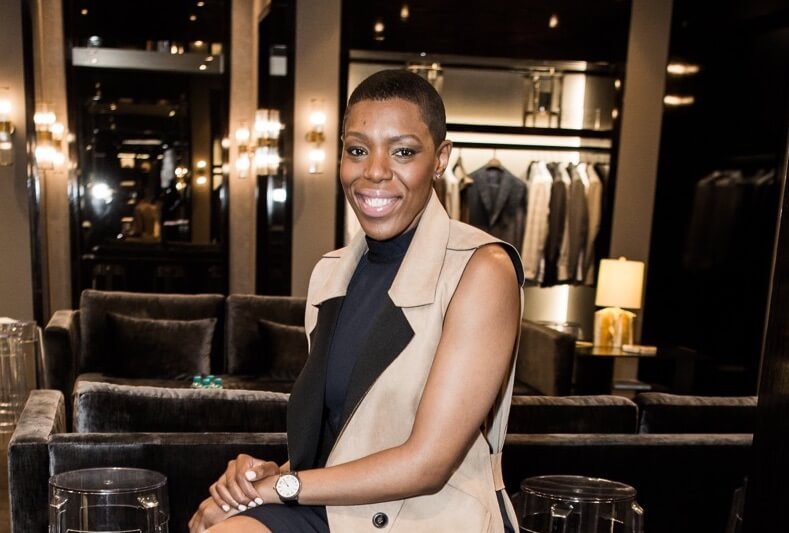
[bctt tweet=”@Lisa_Molefe bought a 17 year old business rather than start her own from scratch” username=”SheLeadsAfrica”] In an era where the media has ramped up the encouragement directed towards the young entrepreneurs, one millennial, Monalisa Molefe, found herself in largely uncharted territory when she made the decision to buy a business. In September 2016, Monalisa took the plunge and assumed ownership of an already existing business, Art Form Factory. At 26, she is now the youngest, black, female owner of a framing business in South Africa. Having previously worked in the luxury branding space, Monalisa had no prior knowledge on the complexities of the art framing world. What she did have was the foresight to spot and seize a good opportunity when it presented itself. Monalisa Molefe had a passion for luxury branding which she envisioned bringing to the art framing world. She had a zeal and dedication, rare for many women her age. Lucky for her, Monalisa also has the support of a mother who has always encouraged her to dream big. Monalisa’s mother taught her to realize that once she decides to take a chance on something, she had better be prepared to go all in and not consider failure an option. To find out exactly what drives this phenomenal young woman, SLA contributor, Uloma Ogba, caught up with Monalisa on a Sunday. This interview took place while Monalisa was present at her factory and in between business strategy sessions. Prior to buying the Artform Factory you had a successful career in Marketing and had worked for some top luxury brands in SA. What motivated you to trade in your cushy, secure job to buy a business and take over its operations? I’ve always known I would be an entrepreneur. As I took on my career path I realized I had a lot to learn. So, instead of graduating and rushing into opening my own business, I took the route of gaining knowledge of the business world and the operations of large firms by working for them. The knowledge one picks up from that is something that a textbook cannot teach. At the time I was introduced to Artform Factory in early 2016, I was working for a luxury brand. My move wasn’t so much because I was frustrated at work, it was more about the fact that I believe that opportunities are timed It’s not everyday that you hear a story of someone like myself who was offered the chance to buy a business. The framing factory has been running for the past 17 years and it was previously owned by a Polish lady who started in the interior industry helping people frame for their houses and offices. [bctt tweet=”Monalisa Molefe had no prior knowledge on the complexities of the framing world” username=”SheLeadsAfrica”] The previous owner and my mother had a mutual friend who brought the opportunity to my mother’s attention. My mother, who already had a lot on her plate at the time, then introduced me to company. For the Polish lady, selling her business wasn’t just about a monetary transaction. She wanted to make sure that the new owner would be the right fit for the business. She wanted someone who would take the business to greater heights. What she told me was that there is a gap in the market and no one was really owning it. If I came in and commanded the space, I would have plenty of opportunities. This was because a lot of corporates were looking to work with business that met certain criteria in terms ownership and service offering. After my initial meeting with her, I did my homework to ascertain the viability of the business. I wanted to some clarity on what to do with the business if I had to take over. Luckily, the business has had an impressive track record. This included owning exclusive rights to sell limited edition, official Brazil 2014 world cup soccer match balls in South Africa,. The previous owner also introduced the concept of the Mandela memorabilia which has been a major attraction for South Africans and people from all over the world. I have a background in brand building and management and I’ve spent the last couple of years submerging myself in the luxury industry. My plan is to take the business to the next level and to turn something as simple as framing into a luxury business. At the factory, we frame under two categories. One is wall décor such as mirrors and art pieces. We also frame sports memorabilia to basically preserve “the greatest moments in sports”. The way I see it, you could just go to the supermarket and buy ready-made frames or you could come to the Artform Factory and get a custom-made frame tailored to your specific style and preferences. That in itself is the essence of luxury to me. [bctt tweet=”Monalisa Molefe took the route of gaining knowledge of the business world by working for them ” username=”SheLeadsAfrica”] What would be your advice to other women thinking of embarking on the same venture. Is there something you wish you had known before going in? The experience has definitely met, and even exceeded my expectations. First of all, I was very fortunate because I come from a family of entrepreneurs. My mother has had many businesses. Growing up, I had watched her open up and close down several businesses. So when it came to my current venture, I’ve used her as a guide in terms of what to do and what not to do. I am lucky to have had my mother who is a seasoned professional and entrepreneur to guide me. She has helped me ensure that the processes and the transaction were done professionally. My mother also advised me regarding any laws dealing with change of ownership in the business. She, as well as my mentors, have drilled into me the importance of business accounts. Business accounts are a good indicator of the success
Anelisa Kasper: I’m responsible for my own growth in my field
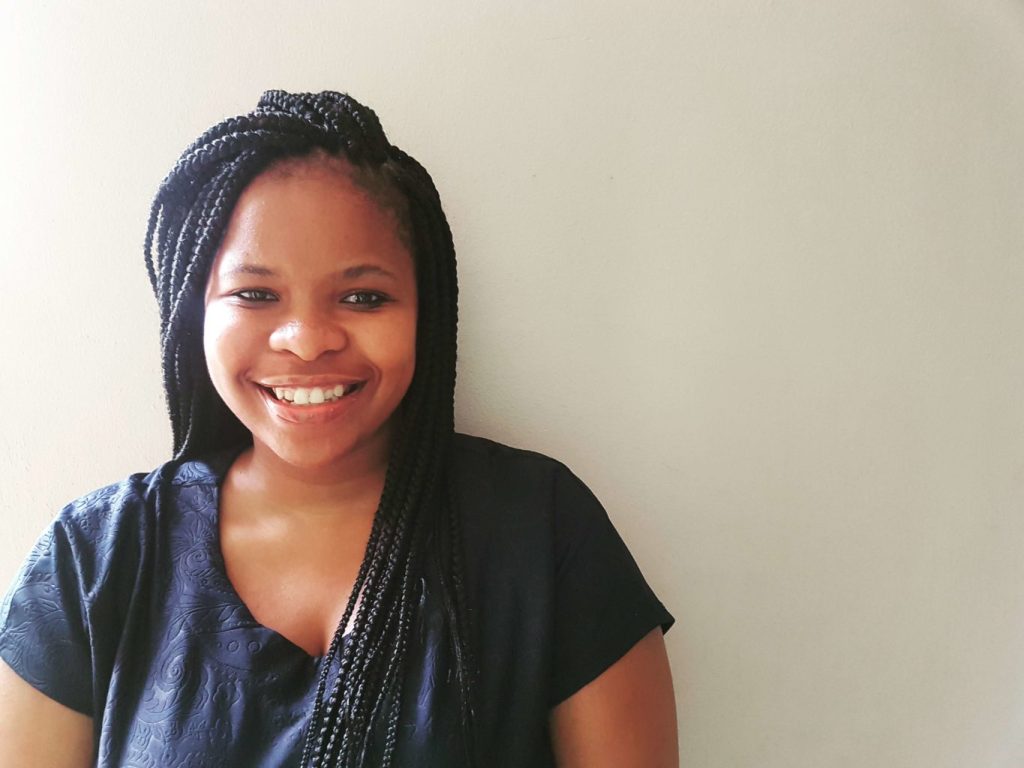
[bctt tweet=”@lisakaspero is a business analyst & passionate about growing start-ups as well as herself” username=”SheLeadsAfrica”] It’s time for you to meet one of the people that make the SLA website run smoothly. We’re talking about our contributors who selflessly share their writing with us. Anelisa Kasper is an IT consultant but she’s taught us about mentorship, handling conflict in start-ups and mastering the art of public speaking. Her area of expertise is business analysis and her focus is growth. Anelisa Kasper has dipped her toes in both the corporate and start-up worlds, and she aims to inspire young people in both worlds. Would you say you chose to be a business analyst or that the profession chose you? I was lucky enough to choose to become a business analyst. After I finished my honours degree, and having had extensive exposure to Information Systems, I was unsure which career path I wanted to pursue. When I graduated, there wasn’t as much information about the profession as there is now, so I wasn’t sure what the business analyst profession entailed. When I joined the company I currently work for, I made sure to express that I wanted to pursue business analysis as my career. Because I had just come out of university, the company was very supportive with my decision even though it was not in the technical part of IT. How do you plan to grow in your field? For me, growth will come from more experience. Over the years, I’ve seen how broad the business analysis profession is and have come to realise that you can’t get all that experience in one year (unless you’re exposed to different projects at a short space of time!) Since I started as a BA, I’ve wanted some sort of guideline on how to grow. I understood that the progression was from junior level, to intermediate, to senior, then principle level. All those levels have underlying skills that I need to work towards for my role. I do research on what skills one needs to have for all levels, and I usually set goals to achieve certain things according to that information each year. [bctt tweet=”For me, growth will come from more experience – Anelisa Kasper ” username=”SheLeadsAfrica”] When I started as a junior almost 3 years ago, I can safely say I didn’t know much about my role. Fortunately, I was part of a major project and that gave me great exposure to what it means to be a business analyst in the field. After 2 years and a promotion later, I evaluated what I needed to improve on with my skills. I spoke to my line manager about getting more process analysis experience, a month later I was in a process analysis project. In the end, I’m responsible for my own growth in the BA field. It’s important to know your areas of growth, and what will make you more marketable if you want to stay in that field, or even move to a new one. I’ve been lucky enough to have seen gaps, spoken up, and received opportunities for immediate experience. Of course, I’ve also had cases where my company couldn’t accommodate the growth I needed at the time. In those cases, I’ve made a way for my own growth by looking for those experiences myself outside of my company. What advice will you give other women looking to be business analysts? Do your research and make sure that it’s what you want to do, as with any career. Because this field is part of the ICT industry, we need more women in the business analysis field. Most people study a degree in the IT space and become business analysts after graduating. I have also come across many people in the field who do not have an ICT background. So if you want to be a BA, do your research. Join forums that bring many people together to discuss everything business analysis. This opens up a world of information; engage in those forums and ask questions. How do you think being involved in other industries will grow your expertise? Which industries are you interested in? Why? It grows your experience. As a business analyst, you want to be able to get into any industry and work towards providing a solution that will make the business more sustainable. The BA field has its underlying principles that you can use in any industry, but within an industry, most companies face similar challenges. Working across industries and companies means I’ve been exposed to both structured and unstructured environments. The broad work experience has allowed me to gain experience in the telecommunications, electrical and canopy cleaning and banking industries and all those work differently, which makes the work fun. Some industries are more challenging than others, and it also depends on the scale of the company you’re doing BA work for. I choose consulting because I enjoy being on different projects. For example, 6 months consulting for one of SA’s top banks, then leaving to help a family business in the electrical and canopy cleaning industry. This allows me to be exposed to completely different people, processes and technologies/products. [bctt tweet=”It’s important to know your areas of growth, find where you’re lacking and speak up @lisakaspero” username=”SheLeadsAfrica”] What advice will you give to a start-up looking to develop long-term solutions? For start-ups looking to develop long-term solutions, it’s important to constantly be aware of trending technologies; as well as understanding them and how they will benefit your start-up. We live in a digitized world, where technology has taken over how we do things. For instance, at the tech incubator and accelerator I was part of, our entrepreneurs were able to use cutting edge technologies to assist them in the long-term. We helped them do research on these technologies so that they could better utilise them and in some instances, build start-ups around them. Tell us about your personal project portfolio. How have you