
Nonku Jijita: I make anything and everything with my hands and dolls was one of them
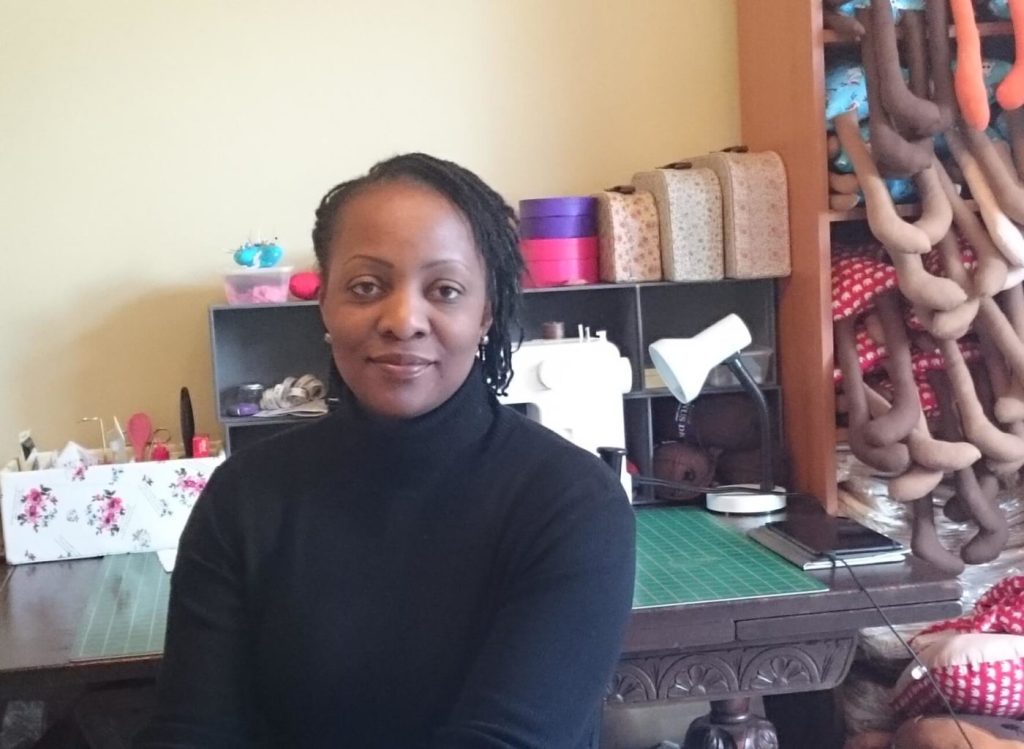
[bctt tweet=”Nonku Jijita: I have always been very crafty since I was little ” username=”SheLeadsAfrica”] Move over Barbie, Love Nonku dolls are here to stay. Each doll in the Love Nonku collection is hand-crafted by Nonku Jijita. Raised in Zimbabwe but now based in the UK, Nonku chose to make dolls in order to share her love for craft with the world. Loving the satisfaction of sewing is one thing but making a business out of it is another. Watching cartoons with her kids lead Nonku to realise that comical cartoon characters are more beloved by children. Nonku Jijita currently plans on establishing a workshop in Zimbabwe that will distribute her dolls across Africa. Why did you decide to make a business selling dolls? I have always been very crafty since I was little. I make anything and everything with my hands and dolls was one of them. I wanted to chose one of my craft activities to share with the world, so I decided to share the dolls. What ideas went to developing this doll that is “not your typical Barbie-style doll”? I wanted to create a design that is simplistic enough to let a child use their own imagination as to what they want that doll to be. I’ve spent years watching cartoons with my kids and noticed that the comical simple cartoon characters are what made my kids laugh and be happy. This is as opposed to characters that where created to look a certain way. Children are a blank canvas when they come into this world. They should be given a chance to use their own imagination without being bombarded with certain imagery they feel obliged to conform to. What’s a typical day like for you? A typical day for me goes like this Take my kids to school, Come back home, make a coffee Get sewing in my home studio I have until 3:30 to collect the kids from school. When they are back home, I tend to them Sometimes, I go back to sewing in the evening. [bctt tweet=”Nonku Jijita: Each Love Nonku doll is made individually to ensure quality” username=”SheLeadsAfrica”] In which countries do you operate and do you have plans to expand? I am currently delivering to UK, USA and Europe. My dream is to expand into Africa, particularly in Zimbabwe, so I am still looking for opportunities to do so. There are some very talented and gifted people in Zimbabwe who do not have access to opportunities. I want to empower and inspire them so they know that there is no limit if they wish to use their gifts and talents. Once my workshop is set up in Zimbabwe, I would like to use it as a base to later connect with toy stores and boutiques throughout Africa. I get a lot of requests for my dolls all over Africa and it would logistically make sense to have a distribution hub in Africa. The dolls would be easily accessible if they are in boutiques across different African countries. Before expanding, I will also need to start connecting and networking. I want to establish relationships with boutique owners, as well as look at marketing strategies that cover the whole of Africa. What processes have you put in place to ensure that your business is effectively run? Attention to detail is key. From the fabric used, to the quality of the thread and paying attention not to waste precious fabric. Each doll is made individually to ensure quality. There is a lot fine cutting as some pieces can be quite small. A steady hand and a good eye is required and definitely lots of light needs to be accessible. The eyes, lips and hair of my dolls are all done by hand and getting the correct measurements is crucial to achieve a uniform look. If you’d like to share your story with She Leads Africa, let us know more about you and your story here.
Hilda Mavhunga: I had no idea that one could become a food technologist
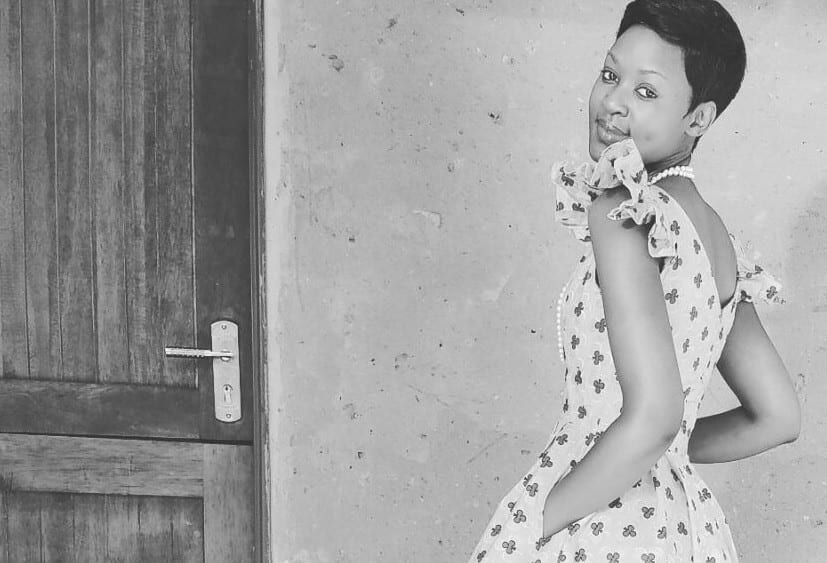
[bctt tweet=”@didi_mamushka is a food technologist making a career out of her love for food” username=”SheLeadsAfrica”] For Hilda Mavhunga, “food is passion, food is love.” But Hilda lives her passion for food in a way that is different from what you’d expect. She is a food technologist. Say what now? Yep, food technologist! It’s one of those professions that few know but that are well integrated into our everyday lives. “Food is my life, food was my choice, food is my career, food is my love,” says Hilda Mavhunga. And you know that the food industry is the largest in the world, we all need to eat. Yet Hilda doesn’t limit herself to her job as a food technologist. She’s also a model and founder of Vision 30 and Soweto Award for Economic Development. The Soweto Award for Economic Development was started to change the fact that Sowetans feel neglected in South Africa. Why did you decide to study food technology I must admit, I had no idea that one could become a food technologist. Some people don’t realise what a major role in the development of food products we play in the global market. The plethora of disciplines in food industry is vast and fascinating. Common products that you purchase each day have been researched, designed and modified by a team of food industry professionals. As food technologists, we make sure that what you purchase is consistent in quality and most importantly, safe to eat. It draws from many disciplines in an attempt to better understand food processes and ultimately improve food products for general public. It applies food science principles for the selection, preservation, processing, packaging and use of safe food. Food technology disciplines include food chemistry, food process engineering, food microbiology, food preservation, food packaging, food safety, food technology, new product development and sensory analysis. I love using science and engineering skills to research and develop food products and to ensure the safety of food supply. Therefore, food technology was an option to quench the thirst of this kind of love. I decided to be a food technologist because there is nothing more amazing than the chemistry of food and its technology. Can you tell us a bit about your work and its contribution towards developing countries. The food industry is one of the largest on the planet. People will always have to eat. The primary objective of food science and technology is to provide crowded populations with the kind and quality of food they demand at all times of the year. Food processing techniques developed by food scientists ensure that the resources required to produce raw food materials, and ingredients for food manufacturing are used efficiently. [bctt tweet=”Hilda Mavhunga: I love using science and engineering skills to research and develop food products” username=”SheLeadsAfrica”] What is your favourite dish ? My favourite dish pap and mogodu. What do you think is special about the food science industry compared with other scientific industries? When working in the food industry, you aren’t limited to lab work or a desk job. There is something for everyone, whether it be in quality, Research & Development , sales, e-marketing, manufacturing, teaching or in government. The food science degree is inherently multidisciplinary, which opens up a myriad of opportunities.We use principles of chemistry, engineering, microbiology and other sciences to ensure food safety and agricultural productivity. We discover new food sources, analyses nutrition content and finds different ways to process, package and preserve food in an attempt to improve the quality of the food that we eat everyday. What do you do in your spare time? In my spare time, I do modelling sometimes. I also run two projects; Vision 30 and the Soweto Award for Economic Development. [bctt tweet=”Hilda Mavhunga: We Sowetans often we feel neglected & our aim is to change that” username=”SheLeadsAfrica”] Tell us about Soweto Award for Economic Development We Sowetans often we feel neglected and our aim as an organisation is to change that. How so? By recognising talent/challenges, good/bad service delivery around our location. We figure out ways we can empower and be catalysts to turn and improve our locations into a better place where everyone wants to be. We also want to improve our education system, decrease unemployment rate and have better health services. That’s our mission as Soweto Award for Economic Development. What kind of sickness have you lied about so you wouldn’t go to work? I’m so passionate and live my work that I don’t want to miss a second of it. I never lied about any sickness to miss work. Want to see women you know featured on SLA? Tell us what amazing things women are doing in your communities here.
The Ts’ita twins: Phenomenal dynamites from the mountain kingdom of Lesotho
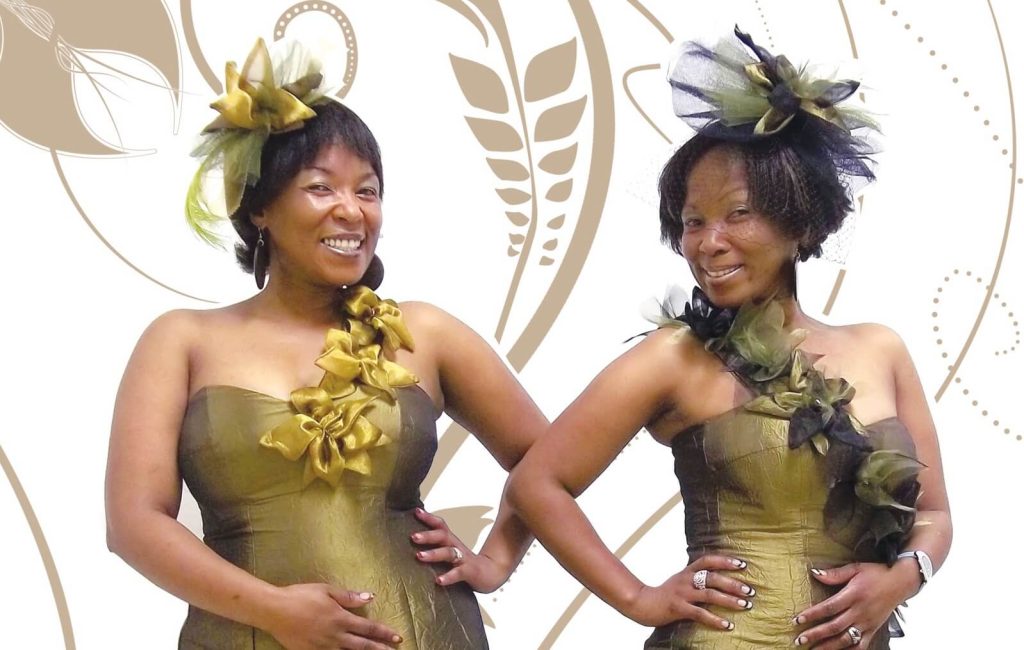
[bctt tweet=”Ts’ita twins: One company was not enough to feed our passion to provide the service” username=”SheLeadsAfrica”] They are double trouble, double threat and authors of the twin book; “Distinguish or Extinguish Yourself”. They are well known as the Ts’ita twins in Lesotho and around Southern Africa as the two powerhouses serial entrepreneurs. The Ts’ita twins have a knack for success in developing and creating multiple enterprises that solve Lesotho’s high unemployment rate. The twins, Nts’epeng and Ts’epang Ts’ita have managed to consistently build one business after another. The Ts’ita twins empower Basotho women through the Finite women awards and build patriotism among the Basotho nation. For their many efforts the twins have received numerous awards. Among them are the Mantsopa award (2010), the Commonwealth Leadership award (2014), as well as the Gender Links awards. The Twin Talk brand is said to be the brainchild behind the many companies that both you two own? What birthed it? We began creating our brand from an early age due to being twins. We always loved to entertain people, whether it be guests at home, students at morning prayer parade, and fellow school mates at scripture union service. This grew to performing with celebrities at local concerts and ultimately we refined it to a more structured collective of ‘Twin Talk’. It was largely inspired by great and renowned world speakers. Of course, BAM group was centred around this. We have always had a dream to own businesses. This was nurtured from an early age as our father was a renowned businessman. He always encouraged us to visualise our lives as independent women who would not get into a relationship for financial security, but for real love. [bctt tweet=”Ts’ita twins: Our father was a renowned businessman who always encouraged us to be independent ” username=”SheLeadsAfrica”] As serial entrepreneurs whose main enterprises are socially driven, how has this shaped the business ventures you pursue? We began our first business in 2005 called BAM Consultancy, it helped us grasp the basics of business and harness our skill into perfecting our craft. However as the entrepreneurs that we truly are, one company was not enough to feed our passion to provide the service. There was so much needed out there, with so little needed to address the needs of the customers. We decided to venture into other industries such as media, later on arts and culture promotion, and eventually general promotions. Today we are still opening doors to more entrepreneurial opportunities. This is exciting for us as we get to explore new opportunities and not necessarily focus on one stream of income. What role does social entrepreneurship play in your business endeavours? All the business ventures we have embarked on to date at their core try to address our societies’ most pressing social problems. We are intent on ensuring that we engage with individuals and communities at large, while also creating platforms for sharing with people and experts in various fields. This is formalized in our corporate training ventures through BAM Consultancy. We train on business skills such as financial management, use of new technologies, recruitment services and project management. We also provide training on softer skills designed to help build leadership, management and self-mastery for those needing to excel. [bctt tweet=”All the business ventures the Ts’ita twins have embarked on try to address social problems ” username=”SheLeadsAfrica”] Our promotions services recognize individuals and help them and their impact to be felt socially within their circles of influence. Finally, our various publications focus on women, youth and the general public, as well as entrepreneurs. They also address social issues at a familial level. We also provide mentorship services on group and one-on-one levels. We know that social evolution is centred around inspiring individuals to be brave enough to take on challenges at a scale that makes a signification impact for themselves and their environments. What birthed the concept of the Finite Women awards? What does it mean to be a ‘finite woman’? Do you think that after four years running, the awards have achieved their ultimate aim? We’ve always loved creating opportunities that put women in the forefront, that is one of the reasons Finite Magazine itself was born. It was something for Basotho women to be proud of. Being finite for us was the essence of completeness, of attaining a certain level of achievement. A finite person is someone whose story does not need to be refined any further because they appreciate who they are and are proud of what has made them be. It is about being a ray of hope to others, and sharing experiences to help others know that they are not alone. In 2016, the awards are in their 5th year of existence. This milestone was marked with the introduction of the Male Appreciation Awards. The awards are growing stronger and broader each year. Their impact is felt by those nominating and nominated, they are more vigilant about what is happening in the women empowerment space. [bctt tweet=”Ts’ita twins: Being finite for us is being the essence of completeness” username=”SheLeadsAfrica”] What challenges have you come across as one of the few female business moguls in Lesotho? How did you overcome them? When we started out in business, the challenge was mainly on age and not being taken seriously because we were women. We entered an industry dominated by males, and were new entrants. Obviously some people did not believe we could do it. Some did not trust us, others did not like us and some made it their business to chase us out of business. Perseverance, the love of what we were doing, our belief in what we could achieve, our daily practice and implementation of our EQ and our faith in God made us push beyond all these negativities. Being women with a strong sense of independence, one would think that we dominate our families, and particularly our husbands. This is not the case at all and we try by
Tsholofelo Dikobe: I grew up knowing I had a special relationship with clothes
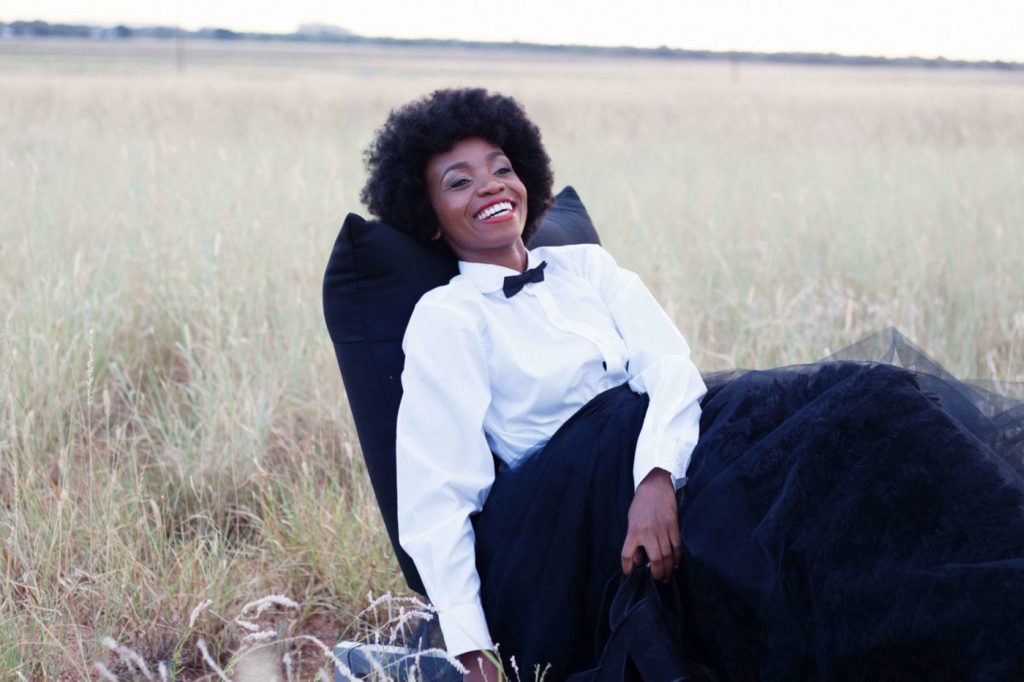
[bctt tweet=”@thekhoi_fro does any and everything pertaining fashion, the world of fashion is her oyster” username=”SheLeadsAfrica”] In SLA contributor Kendi Sapepa’s last article the stylist profession was explored. What would be better than to follow up with an actual stylist? Botswana’s Tsholo Dikobe has put her country on the map through her artistic and creative nature. Tsholo has recently been nominated for the Abryanz Style and Fashion Award, in the ‘Best Dressed Celebrity’ category. Kendi recently had a chat with the renowned stylist, award-winning fashion writer, and curator Hello, Tsholo, please tell our readers a little more about yourself? I’m from Botswana and on the Voice On Fashion column in The Voice Newspaper, I give an overall forecast of the world of fashion. Furthermore, together with my partner, Gaone Mothibi, we feature established and upcoming local talent from in and around Botswana, and also around Africa and the world. How did you get into styling? Growing up, when words failed me, I spoke fluent volumes with my clothes. I grew up knowing that I had a special relationship with clothes because I wore them quite differently and uniquely all the time. When it was civic day at school, I was always the centre of attention! Fast forward to my early university days, I started dancing and working with some of Botswana’s top musicians and artists. My love for dancing required great costumes on stage, and looking the part. I was always invested in how we’d execute our looks on stage and how the final presentation will be received by the masses. This is how my styling career started. You call yourself a Fashion Artist, please tell us a little more about that title. I do any and everything pertaining fashion. I believe the world of fashion is my oyster. Also, I document and report about the world of fashion for the biggest and followed fashion column in Botswana, The Voice On Fashion. I blog about my fashion experiences and life at The Khoi-fro. In addition, I style renowned musicians and public figures in Botswana. I direct shoots for advertorials and more! Hence the term fashion artist. It’s a million fashion things in one. Please explain to us what your job entails? How does it works? What are the day to day activities etc? The world of fashion is an exciting yet disrupting pursuit. It’s exciting in the sense that no day is the same. You get to experience networking with great people and icons in the field and learn so much. Moreover, styling people is a great joy. From being responsible for how a person looks at themselves after you have styled them —the feeling is always great. The visible inner dialogue change that you get to experience with a client is a fulfilling feeling. From a technical aspect, I organise photos shoots, co-ordinate shoot outfits and develop a creative communication. Moreover, I develop a fashion trend report or fashion calendar for upcoming fashion seasons. You get to be responsible for deciding the creative influence and direction of a trend/product. There’s also supervising the work of photographers, models, clients, for a high end fashion editorial. Would you say that your field is fairly easy to get into? It is, but what you need far beyond anything else is passion and dedication. [bctt tweet=”Tsholofelo Dikobe: The world of fashion is an exciting, no day is the same. ” username=”SheLeadsAfrica”] Are there other avenues someone could take with your experience? The world of fashion has many fields. There is the business side of fashion which involves fashion entrepreneurship and management. For the business-minded people, one can get into retailing, buying or merchandising. You have to know your area of interest and act accordingly. Often, some companies will encourage lesser known people and newcomers to work for free, however offer experience and exposure, what is your take on this? I believe there is an entry level to any career or profession. But the entry level should come with a monetary incentive. An entry level does not mean exposure. Exposure in my books just means it is unpaid work, which is daylight robbery. What would your advice be to people who are looking to get into styling? Learn and know the history of your craft. Identify a gap and creatively close it. Where can people see your work? You can follow me and my work on Instagram, and with my partner Gaone Mothibi. I’m also on Twitter and Facebook. Want to see women you know featured on SLA? Tell us what amazing things women are doing in your communities here.
Catherine Nyagah: The inventor behind South Africa’s cheap water absorption sachets
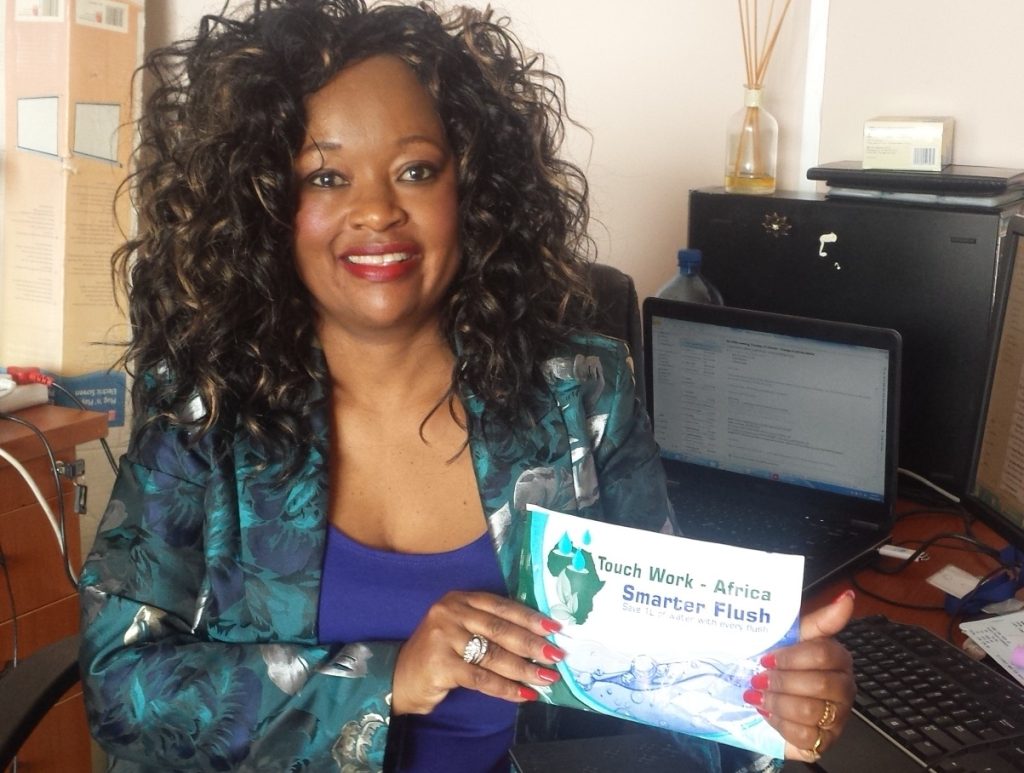
[bctt tweet=”Catherine Nyagah – My aim is straight forward —South Africa must flush and save water wisely” username=”SheLeadsAfrica”] Get ready, we’re going to be talking about toilets here. Kenyan-born scientist Catherine Nyagah, 56, is a consultant for the Pretoria chapter of the United Nations Environment Program (UNEP). Catherine has led food spice-quality testing teams for brands like KFC and DiMaggio in Nigeria, SA, and Kenya. Now from her own pockets, she has invented, “Smarter Flush Africa” —biodegradable small bags designed to “absorb” toilet water. Catherine has plans to scale her efforts across Africa. SLA contributing writer, Ray Mwayera met Catherine Nyagah over a lunch of Thai noodles and mango juice to find out just how much water Africans are wasting in their homes and establishments. We know, the UN is an exciting place but what is Smarter Flush Africa? Smarter Flush Africa is a brand that products sachets which are designed to “absorb” toilet water in hotels, offices and urban households. These sachets are biodegradable and are certified by the Council for Scientific and Industrial Research (CSIR). How on earth do they work? We are science drop outs. One Smarter Flush sachet displaces 2 litres of water. This is how it works. First, you drop in the sachets into the normal 9 litre chamber that lines up the normal South African home or hotel. One sachet goes under the bulb of the water, while the other goes near the water inlet valve. After six to seven hours, the satchet takes in water and holds it! This is important. Unlike sponges, Smarter Flush is unique a very special way. If, the taps are switched off, the sachet will not release the water it took in. It will hold in water till the municipality’s water return to bathroom taps again. This way they conserve water. When I say the bags are biodegradable, I mean the materials used to build the sachet will disintegrate, dissolve and merge in with the natural soil once you throw away the sachet. I designed it this way to help communities. [bctt tweet=”Catherine Nyagah – The average South African visits a toilet 5times a day. We want to manage this” username=”SheLeadsAfrica”] Gosh, this is important! Tell us more about your initiatives to help communities. Helping communities is critical. We also mop off deadly plastics from dumps which are a menace in South Africa. I consider this to be a life saver because 12.5 % of all illnesses in South Africa are water-related diseases. What motivation sparked this invention? It came from my frequent travels to South Africa. I noticed that too many hotels and houses spend the biggest chunk of their water on bathroom activities. The average South African visits a toilet 5 times a day. We want to manage this better. Can Smarter Flush conquer bad habits? Is it economically-viable? My aim is straight forward —South Africa must flush and save water wisely. Smarter Flush Africa should be seen as a gift by policy makers. We don’t want to save hotels bathroom water while avoiding toilet re-plumbing as that could be too expensive. Hotels are more agreeable to technology like Smarter Flush Africa. We have made a lot of progress with hotels. They recognize that wasted water is wasted money. Smarter Flush Africa can easily be rolled out to two million urban households. One sachet costs only R100 and works for three years. We prefer that users pay the R100 in R20 monthly instalments over five months as a bundle with their water and energy bills. [bctt tweet=”Catherine Nyagah is innovative about saving water because water is not replaceable” username=”SheLeadsAfrica”] Has there been any scientific testing of your invention? We used the South Africa Census database statistics from 2011 to estimate that this technology will cut water expenditure by 27% if adopted. The data tells us that we need 2 million sachets assuming every hotel and house in Johannesburg has on average one toilet. If we save 2 litres per day, you get 6 litres of water saved. In a day, it could be over 6 billion metric tons of water saved! Are you ever angry with slow bureaucracy? I interacted with the South Africa minister for the environment in August. The appetite for Smarter Flush from ordinary mothers was overwhelming and the minister instructed her aides to engage with this innovation. The World Economic Forum has ranked vanishing water as a top security risk in the world so saving water should be of concern to everyone. We have highway billboards that call for water saving, are they helpful? Even if billboards say; sprinkle borehole water on your flowers, it’s still water, and water is not replaceable! Want to see women you know featured on SLA? Tell us what amazing things women are doing in your communities here.
Brigite Faustin: The future for women agripreneurs is blossoming
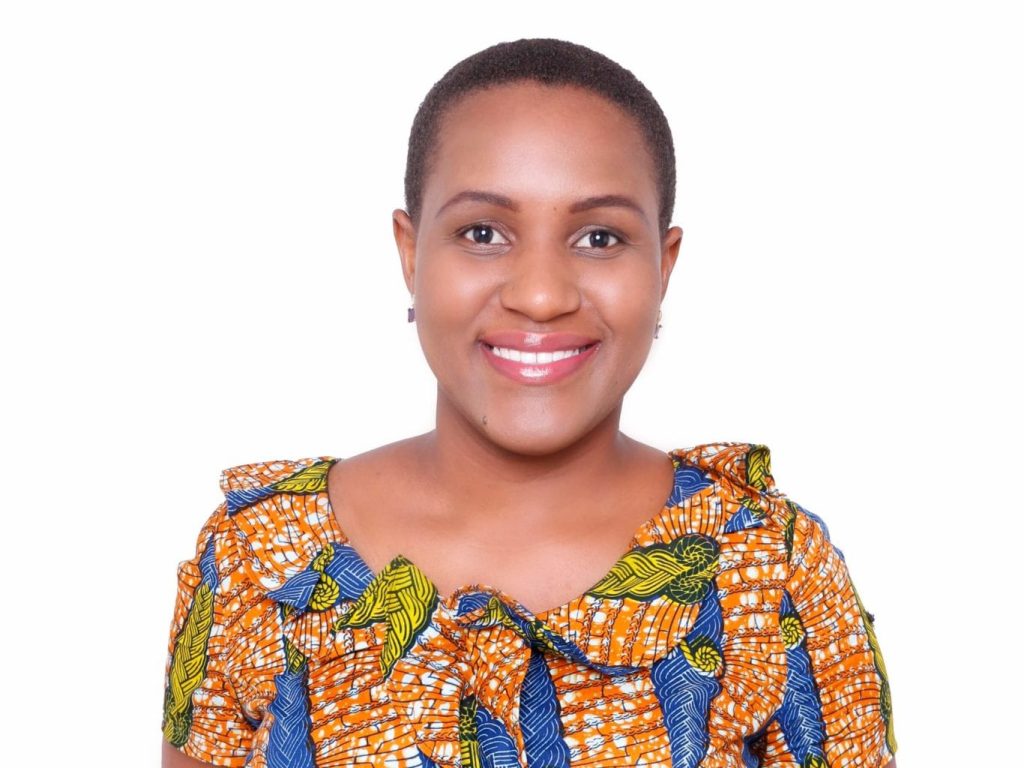
[bctt tweet=”@BrigiteF founder of OBRI is seeing an increase in ambitious agripreneurs across Africa” username=”SheLeadsAfrica”] When Brigite Faustin says the future for women agripreneurs is blossoming, we believe her. The Tanzanian #MotherlandMogul is Founder and Managing Director of OBRI (T) Company. Brigite’s company makes edible oil under the OBRI brand. From raw materials to manufacturing, everything is done in Tanzania. Brigite is a self-taught entrepreneur who has made agribusiness and human development her business. She runs OBRI company as a co-operative social enterprise, ensuring that farmers and communities are supported. Brigite wants to see more women in her industry and has suggestions on how to make this happen. Tell us about the concept of co-operative social enterprise your business is modelled after. Our business model lies behind the concept of co-operative social enterprise. This model promotes economic opportunities for cooperatives organizations, farmers associations and communities through the innovative application of sound business practice. The model supports smallholder farmers to adopt sustainable agricultural practices, improve land use, increase the quality and quantity of their crops, and promote safe and efficient working practices. The model is a win-win to both farmers and the company, as it guarantees a sustainable market channel of agricultural produce to the local farmers while offering quality raw materials to the company without stressing on price fluctuation. How many years have you been in the industry you currently work in? How do you believe your business model will improve this industry? I researched this industry for three years and formalized our company October, last year. I believe our business model will improve this industry because most edible oils in Tanzania are imported and sold at high price. Majority of local companies fail to meet the required quality. Our business model emphasises quality control and value for money. We only source our raw materials from co-operative unions who are dedicated to quality. [bctt tweet=”Brigite Faustin: I researched this industry for 3 years before formalizing my company” username=”SheLeadsAfrica”] Was there a point where you didn’t take your journey seriously? What happened to change that? Yes. Running a business is like riding on a roller coaster. Although it is fun and exciting, there will be times when you’ll be scared and feel powerless. The first three months after I started my company, I wasn’t 100% sure that my brand will stand out in the market and survive the competition. I had limited perception of what my business is capable of! I chose to shed my illusions, understood the core value proposition in my business model and demystified the workings of the business world. Finally, I found myself achieving more than what I have ever dreamed was possible. What are your experiences as a woman in Tanzania’s agriculture and manufacturing sector? My experience has been both challenging and exciting. Like in many parts of Africa, running a food manufacturing company in Tanzania is not easy. There are lots of challenges from the policy point of view to market acquisition. The biggest challenge so far is brand awareness. Being that I am building a proudly African brand, it takes a lot of work to penetrate the market and get people in the know. I have a global plan for my brand. Weak policy implementation and a lack of small business support is another challenge. The government and other key stakeholders have to work on this to encourage more women and young entrepreneurs to invest in the sector. What has been the biggest highlight of your career so far? Seeing my products competing with both local and international brands is the biggest highlight for me. Some of these brands have over 10-20 years in the market! [bctt tweet=”Brigite Faustin: Our business model emphasises quality control and value for money.” username=”SheLeadsAfrica”] What keeps you going every day? I always believe each new day brings an opportunity to get it right. I’m driven to become and remain successful. My goal is to grow and sustain my company. As my business grows, so does my responsibilities. I see my company in the next three years growing across Eastern and Southern Africa, employing young minds and contributing to the society. This keeps me going and pushes me to get it right every day. Interest in agriculture is slowly growing across the continent, what do you think needs to be done to encourage more women to go into this sector? I see an increase in ambitious, devoted and motivated agripreneurs daily across the continent. It is inspiring! Women are no longer waiting for someone to dish them riches on a platter of gold. They are ready to work for it and I am confident that the hard work will pay off soon. Even with the success stories, a few has to be done to encourage more and more women into this sector. [bctt tweet=”Brigite Faustin: I always believe each new day brings an opportunity to get it right.” username=”SheLeadsAfrica”] 1. Mentorship, coaching and role models. I wish when I first began my business that I had a coach. Someone to learn to and take me through the journey. I would not have made so many careless and uninformed mistakes. This would have helped me save a lot of resources (time and money) and I could probably be one or two step ahead of where I am today. Again, the more coaching and women role models there are, the more women will think, ‘maybe I could actually do this’. So hopefully, as we start to get more role models in the agriculture industry coming through, more women will think seriously about their ideas. 2. Support As agriculture has become more commercially-orientated, the glass ceilings which held restrictions have been lifted. There are now far more opportunities within agriculture businesses for women to actively participate. Governments have a key role to play in this relation. They should support access to land, provide financial opportunities and design friendly policies that will encourage more women to take agriculture seriously. The future for women
Susan Granger: My biggest passion and purpose is to empower African women
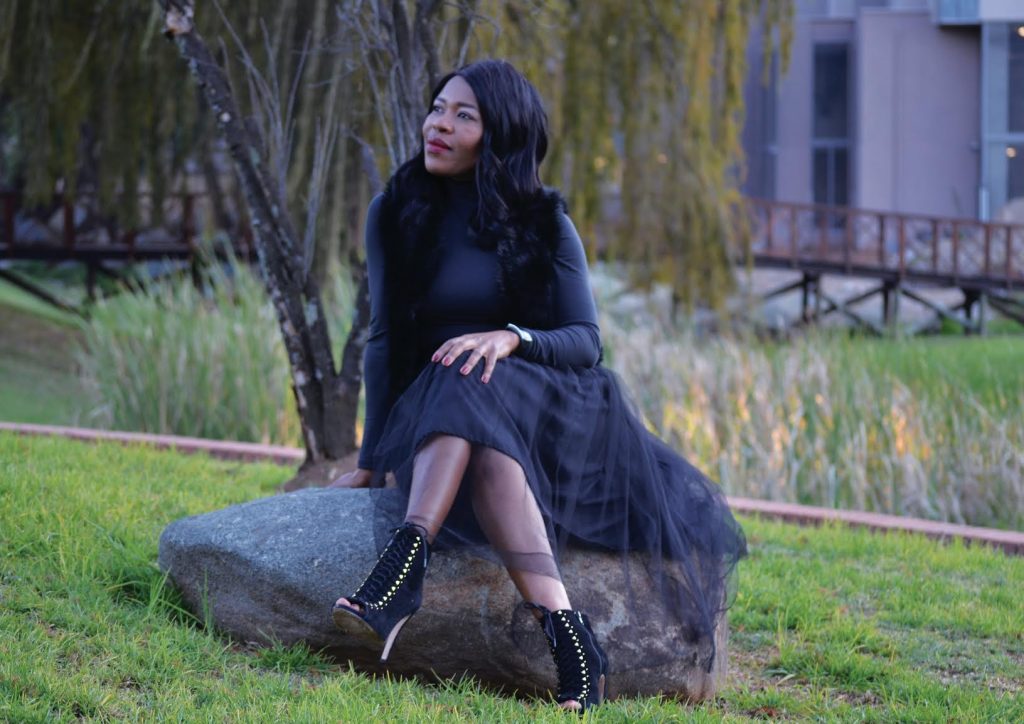
[bctt tweet=”Susan Granger: @nubianon101 has been inspired by my lavish taste for art and style” username=”SheLeadsAfrica”] Nubian Queen on 101 is a niche, quality and exclusive online boutique store, specialising in genuine leather handbags and accessories, all designed and made from the heart of Johannesburg, Gauteng in South Africa. The brand offers a range of contemporary genuine leather bags that bridges the gap between high street and luxury brands. The carefully selected crafted pieces are designed and created by founder and managing director Susan Granger. What is the story behind the name Nubian Queen on 101? Nubian Queen on 101 has been inspired by my lavish taste for art and style and the compelling desire to bring quality bags to everyone despite their social or economic status. Our brand designs are stylish, affordable, versatile and timeless and are not dictated by trends. Besides your frustration at not finding an affordable leather bag, what else informed your decision to create Nubian Queen on 101? I always wanted to make a difference in the community I live in and running a successful business has become my doorway to achieving this. One day, I would like to provide help and tangible assistance that will inspire other start-ups. I know how it feels to look for help, especially when it seems like no one is interested. What were the biggest teething problems you experienced starting out and what are some of the pressing issues you encounter presently? The truth is I am so grateful that I did not struggle at all when I started because I had done my research and planning before I launched the company. I recall on launch day a friend of mine asked me, “Is there anything you didn’t think about before today?” My answer was simply nope, because I had planned everything leading to the day. My pressing issues at the moment is securing funds for expansion. I have self-funded up to this point, but for me to get to the next stage of growth I need to buy my own factory equipment. [bctt tweet=”Susan Granger: Running a successful business has become my doorway to make a difference” username=”SheLeadsAfrica”] 80% of your workforce who make the bags are women. Was this an intentional decision on your part or a purely coincidental one? Before I started NQ, I always wanted to empower other women through jobs. So during one of my several visits to the factories I met a woman who fully understood my vision. When she mentioned 80% of the work staff were women —many of whom were breadwinners— I knew I found the place to call home until I could afford to own my own equipment. In an interview, you mentioned you didn’t have a team save for the outsourced factory staff. How have you been able to manage Nubian Queen on 101 without one? My family members have been my support centre. Most evenings are set aside to do admin work and then during the day I make sure orders were processed. My daughter, Nicola has been my greatest source of support. She is studying law, and during her free time, she covers for me. I’m very grateful to her and the help she’s given me. [bctt tweet=”Susan Granger didn’t struggle when she started @nubianon101 because she had done her research” username=”SheLeadsAfrica”] How have you been able to ensure the craftsmanship remains consistent since quality control is a major struggle facing many entrepreneurs on the continent? This is the amazing thing about an exclusive brand that is locally made. Everything is very contained. Our quality control and craftsmanship are consistent because we do not make hundreds of bags at a time. That is our niche. Aside from setting up retail outlets across Africa, what else does the future hold for Nubian on 101? The long-term goal for Nubian Queen on 101 is to collaborate and extend into other branches of fashion, like shoes and clothing while establishing our boutique stores globally. My biggest passion and purpose is to empower African women through job creation. If you’d like to share your story with She Leads Africa, let us know more about you and your story here.
Hanani Dube: Running a business is one of the most difficult things I’ve had to do
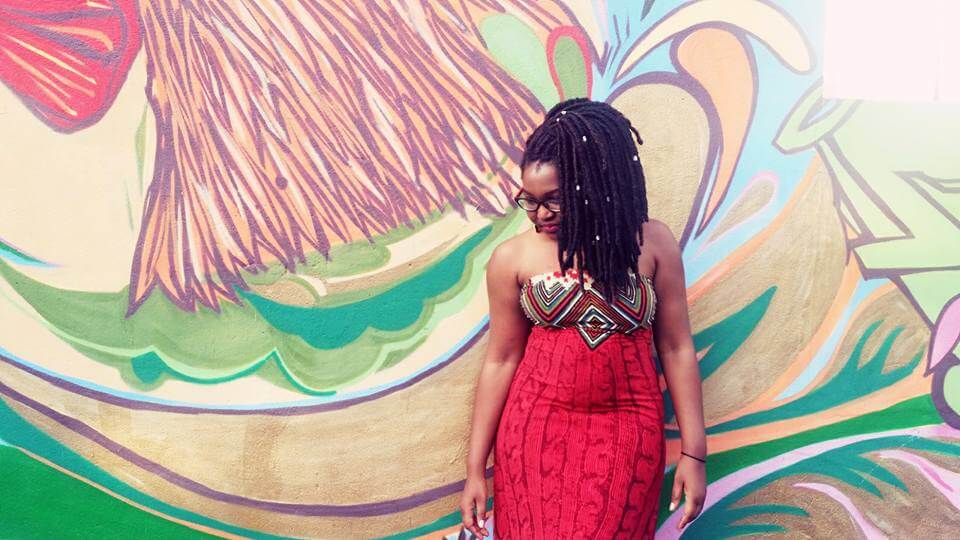
[bctt tweet=”Hanani Dube is a fusion of many things but all her experience has lead her to @FroSisterHanani” username=”SheLeadsAfrica”] Some may say that the natural hair and skincare market has been inundated but Hanani Dube would disagree. Hanani is fusing her degrees in food chemistry and business in her brand FroSister. You can easily tell by her range of hair butters in a variety of “flavours” such as vanilla ice-cream, avocado and sweet almond. In this interview with SLA contributor Dalphine, Hanani Dube shares what makes her FroSister stand out from the competition. Hanani please tell us briefly about who you are, I am sure people would love to know more about Frosister. It is quite difficult to describe myself as I am a fusion of so many things. I am an academic. I studied food chemistry for my first degree and business and HR for my second but I’m also a creative at heart. I managed to fuse together my love for business, food chemistry and natural hair by creating FroSister natural hair and skincare products. When I created the product range, natural hair products were difficult to find in stores and online . Any challenges you have encountered in ensuring your products’ success? There are so many, running a business is one of the most difficult things I have had to do. One of the main challenges is the actual start. People always have great ideas and a vision but when it comes to the action part, lots of people procrastinate and fear sets in. Overcoming fear is a challenge to most. Once you start, you will find that a way is always paved. How do you manage competing with established hair care brands and ensuring brand loyalty amongst your customers? I don’t think its competition, I believe that what I bring to the table is fresh. FroSister is targeted to a completely new target audience. My customers love their natural hair and want a higher quality product which works. Which countries and fashion retail stores have stocked up your brand? Our products can be found in the UK, Zimbabwe and the US. They can be found in independent retailers, wholesalers, as well as hair salons. 2017 will start with our launch in South Africa and Ghana. We also will be launching our FroSister Ambassador Program. [bctt tweet=”Hanani Dube is bringing something fresh to the table with her natural hair and skincare products” username=”SheLeadsAfrica”] Growing up, did you once imagine that you would take over the hair care industry and have your own brand retailing world over? It was something that I aspired to do. I remember when I was 10, I saw an advert of a skincare brand and it just clicked. I immediately told my mum that when I grow up, I want to own a company like this. However as I grew up, I totally forgot about the dream and went on to do food chemistry and nutritional science followed by my Masters in Business. Little did I know that all this would lead to the start of the brand FroSister. So you have to speak it into your life. Aspiring #MotherlandMoguls (like me) out there are dying to know how you balance your family and business life It is such a difficult task. You need to be highly organized with everything, planning a month and even a year ahead for the larger projects. You also need to have a supportive family who understand your goals. Also, don’t be afraid to ask for help. So who, or rather what motivates Hanani? My children motivate me. I want to show them that anyone can make their dreams a reality with hard work, preparation and dedication regardless of their gender age or where they come from. [bctt tweet=”Hanani Dube: You have to speak it into your life. You are more powerful that you know” username=”SheLeadsAfrica”] Any words of encouragement? If you have a dream, don’t allow anyone to tell you that you can’t. You are more powerful that you know. Faith, focus, determination, preparation and hard work are the ingredients. You also have to love what you do and believe in yourself. Always remember you are beautiful just the way you are. Want to see women you know featured on SLA? Tell us what amazing things women are doing in your communities here.
Refilwe Mochoari: I never lost focus regardless of all the struggles I faced
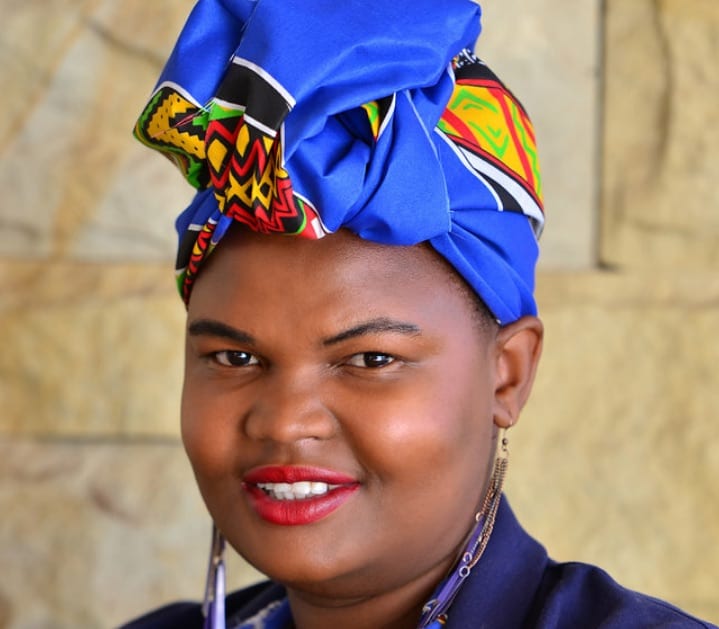
[bctt tweet=”Failure is not the end. @RefilweMochoari dusted herself up and tried again with her business ventures. ” username=”SheLeadsAfrica”] My name is Refilwe Mochoari. I am a journalist and an entrepreneur from Bloemfontein, South Africa. I am the owner of Bo-Esi Media which publishes Contagious magazine, a corporate lifestyle magazine in Bloemfontein focusing on business, entrepreneurship, finance and real life stories with the aim to educate, inform and inspire. The road to Bo-Esi wasn’t easy as its success if built on the back of a failed business venture. I started out as a children’s party planner In June 2011, I was 24 years old and had just started business as a children’s party planner. I thought this was the best decision ever. At the back of my mind, I always knew that I was destined for greatness and the party planning business was only a starting point for me. When I started with this business, I was also employed so I did not feel the pressure of the start-up. I had a guaranteed monthly salary to rely on and I could still live the life that I wanted to live. Being a qualified journalist, I had experience working for different media companies. For a long time, I continued to be a full-time journalist and a party planner but everything changed in 2014 when I experienced bullying in the workplace. When I was diagnosed with depression because of the workplace bully, I had no choice but to resign. [bctt tweet=”Refilwe Mochoari – I had to start working extremely hard to make money, but it was not enough” username=”SheLeadsAfrica”] This resignation was never planned I did not know that I would resign May 2014, it just happened on the spot with no proper thinking. When I left my job, I continued to run the party planning business but it was difficult because there was no longer a monthly salary to rely on. As a result, I was unable to maintain my lifestyle. During this time, I was running by business at a loss because competition was increasing. I was struggling to buy more equipment for the business but my resources were limited in an industry that was forever getting new trends. On top of that, I had just given birth to my second child who was in ICU for 5 weeks. I had some outstanding private hospital bills to take care of, so the struggle was real. I had to start working extremely hard to make money, but it was not enough. Eventually, I had to move out of my own home and back into my mother’s house. I also had to sell all my furniture, which was worth over R100,000 when I bought, it for less than R20,000. Regardless of all the struggles I faced, I never lost focus. I knew what I wanted so I continued to equip my knowledge on business through various entrepreneurship trainings. I continued to plan on how I would expand my business. Also, I wanted to make my student dream of starting a media company a reality. [bctt tweet=”Refilwe Mochoari’s failed venture made her more clever and knowledgeable on how to run a business” username=”SheLeadsAfrica”] Launching Bo-Esi and losing my party planning business I had always wanted to contribute positively to the media industry, especially in my province where I saw a niche for a powerful black-owned media company that will contribute positively to the community. However, I could not start my own media company when I was employed by one because that would be a conflict of interest. When I resigned and things were going wrong with my party planning business, I put to action my dream of starting a media company, Bo-Esi Media. At the beginning of 2015, I I started with Contagious Magazine as Bo-Esi’s first publication. Starting Contagious was very exciting and strenuous at the same time because I had no start-up funding whatsoever. I was rejected at all the doors that I knocked on for a business loan. But now more than ever, I was determined to start so I funded Bo-Esi with the money from my party planning business. After launch, the media business took up all my focus, money and time. This certainly led to the failure/closure of my party business. Eventually, I sold all the equipment I’d bought to improve that business. In the first year of running Bo-Esi Media, I managed to secure two large clients on the spot. Now, I was more clever and knowledgeable on how to run a business. So with only two clients, I was able to publish Contagious, pay salaries and promote my brand to potential new clients. It was thrilling to see how far I had come from with entrepreneurship and I continued to work hard regardless of all the challenges that come with running a magazine. [bctt tweet=”Refilwe Mochoari – 2016 is the year of breakthrough for Contagious magazine, it is now starting to grow” username=”SheLeadsAfrica”] I was more skilful than before I prayed, I believed and I worked. In addition to that, I ensured that I used each and every skill that I obtained from all my previous employers to make Bo-Esi Media a success. I worked on Contagious magazine for one full year before I could secure more clients. The first year of a magazine is the time where the brand had to prove itself, as many advertisers would simply say the magazine is still new for them to advertise in. 2016 is certainly the year of breakthrough for Contagious magazine. I finally started seeing the results of my perseverance. I went from having two clients to a database of over 20 regular clients. For the first time, the business is able to maintain itself and I know that 2017 is coming with even more prosperity. Contagious magazine is now starting to grow and I believe that this is the right time to allow the rest of the province to benefit from a magazine that aims
Humbulani Ravhura: I would love to make yoga more accessible to black people
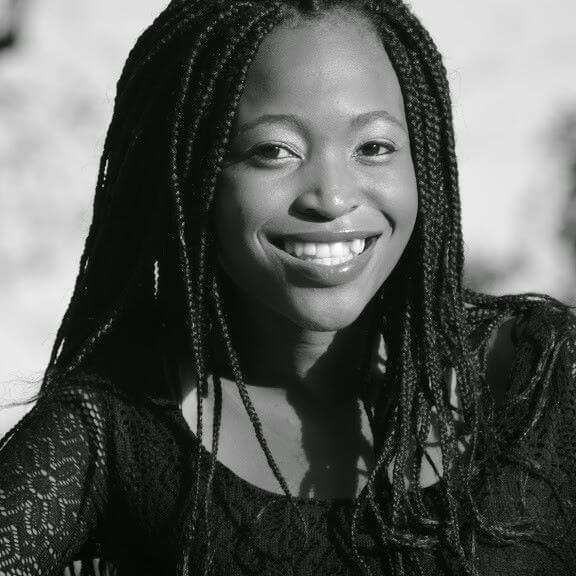
[bctt tweet=”Humbulani Ravhura: The African dream will not happen if our bodies are dying” username=”SheLeadsAfrica”] Some of us are very familiar with the struggle between keeping fit and registering at an expensive gym. Humbulani Ravhura learned yoga from a DVD and enjoyed it so much she went on to train as a yoga teacher. Now Humbulani is the founder of PeachBerry Wellness, a yoga-focused initiative that aims to bring yoga to black South Africans in Pretoria. Read on to find out why Humulani believes wellness is integral to the growth of the African continent. How did you find yourself where you are now? I have always been interested in exercise but I could not find a form of exercise that I enjoyed. Yoga and pilates were in some way at the back of my mind, but gym rates were too high. So, I would run once a week and workout at home on some days. After I got a yoga DVD from a friend and a yoga mat for my birthday in 2015, I decided to follow the DVD as my instructor every morning for two weeks. After that period, the results were amazing. My body felt really light, the bloating I had grown to expect was no longer an issue, my body started to tone, I was sleeping better, more flexible and I began to lose weight. That gave me the motivation to practice regularly. I got to know a different side of my body, I was more aware of everything that happened in it and began to appreciate it even more. I fell in love with the practice of yoga. So I decided to register for a yoga teacher training course in February 2016. How do you combine wellness with development of the African continent at PeachBerry? Africa is now the fastest growing continent in the world. The growth of the continent is attributed to the works of people across all fields of expertise from science, economics, health sciences, humanities, the entertainment industry and others. But I do not see how any of the things we do or aspire to do can be sustainable if our bodies are not taken care of. Our bodies are very precious possessions and without them we can’t be. The African dream and narrative that we are working towards every day will not happen if our bodies are dying. We need sharp physical and mental health to be effective. I would like to contribute to that by introducing yoga, general physical activities and healthy eating habits. To grow PeachBerry wellness, what do you think is more important; mentorship or funding? To grow PeachBerry wellness, both mentorship and funding are equally important. It is essential to have mentorship and learn from people that are more experienced and have been entrepreneurs for years. I believe that you do not only learn from your own experiences, but can also learn from other people’s experiences. It is also very important to get opinions from people that think differently from you, to get challenged by different mindsets and to get support in all possible ways from mentors. But most important, I need to remain rooted in the vision I have for my entrepreneurial path because nobody knows it as well as I do. Funding would help PeachBerry reach both its short term and long term goals, which are studio space and an integrated wellness centre, respectively. [bctt tweet=”Humbulani Ravhura: I could not find a form of exercise that I enjoyed” username=”SheLeadsAfrica”] What will a “wellness conscious” African continent look like? A wellness-conscious African continent would be a continent of people that prioritize physical activity, eating well and hydrating well. It would have people that treat their bodies as the precious temples that they are. We can’t be a growing continent with decaying bodies. How does one turn wellness- in this case yoga, into a profitable business? Firstly, just like any other business, you have to create your own opportunities. You have to identify gaps and obstacles that people encounter when they are trying to live healthy lives and try to figure out how you can ease their journey. Try to come up with ideas that will help you meet your potential clients’ needs. Like making yoga easily accessible and teaching yoga sequences that compliment your potential clients’ everyday jobs. If you have athletes as potential clients, learn about their careers and training methods to see how you can help them reach their goals in a more holistic way. Blend other health and wellness modalities such as massage therapy and aromatherapy because they are complimentary tools. Potential clients may find this to be more interesting. [bctt tweet=”Humbulani Ravhura: Our bodies are very precious possessions and without them we can’t be” username=”SheLeadsAfrica”] What would you like to achieve in the next three years? How do you plan to achieve it? In the next three years, I would like to have my own yoga studio. Also, I’d like to be a mobile yogi offering corporate yoga at work places, schools, and every corner of Pretoria. I would love to make yoga more accessible to black people. I have realized that most yoga studios are in regions that are not easily accessible to them. This makes it harder for most black people to practice yoga. To reach my goals, knocking on as many doors as possible and exhausting every avenue will be key. Practising every day to perfect my skills so that I can deliver the best yoga sessions will also contribute greatly. What is your favourite yoga position? Do you think it says anything about you/your personality? My favourite yoga position is called Pincha Mayurasana, which is a forearm stand. I do not think it says much about my personality, however, it helps me realize the limitless capabilities that lie within me. For example, the first time I saw this pose in a picture, I thought I would never ever be able to do it because it looked so difficult.