
Lanji Ouko: I believe in second chances

[bctt tweet=”Our objective is to build strong, independent, empowered and self-driven women” username=”SheLeadsAfrica”] Crevit Mulier is derived from a Greek word ‘Creverit Mulier’ which means grown woman. Here at SLA, we take pride in celebrating grown women being the best version of themselves and Lanji Ouko is a perfect example of just that. A published author, legal consultant and entrepreneur, her company Crevit Mulier, is just one of the very many achievements she has under her belt at the tender age of 25. SLA contributor Diana had a quick chat with Lanji about the come up of her networking society. What is the inspiration behind Crevit Mulier? A rough patch in my life inspired it actually. I dropped out of law school in 2012 after failing a series of modules. After failing contract law again, during my re-sit, my degree was downgraded to a BA in Legal Studies. Being the go-getter I am, I quickly acknowledged my mistakes in the past and dropping out was the only way to continue the story about my journey as a lawyer. Between the period I dropped out and graduated from a totally different institution, a harsh reality hit me. Friends stopped talking to me, there were a lot of whispers within my family and generally a lot of voices in my head causing a lot of personal conflict. By not having a strong group of women surrounding me, to uplift me, root for me, I felt lost and lacked motivation. The idea came about exactly two months after graduation. I thought I should try a one-off event in Nairobi and see what would come out of women below the age of 25 coming together to root for each other. Upon it being a success and noticing a few pitfalls here and there, I decided to make it a members-only club, in order to ensure women involved are on the same wavelength and are equally thirsty for success and to better themselves and their community. How has it contributed to young women’s lives in Kenya? Crevit Mulier has positioned itself as the only ladies club that provides a safe haven for women to brainstorm, think critically and nurture healthy female relationships, which tends to be quite difficult the older we get. The members have become more confident, more powerful, more ambitious. It is a safe haven where people openly discuss rape, bad relationships, financial issues and much more. The goal-friend aspect in the membership has encouraged women to start a number of projects they were procrastinating on. Women have started charities and businesses thanks to the message within the open sessions we have. What sort of activities do you get up to within the group? We pride ourselves in giving women a vibrant and friendly atmosphere. Here, they meet ladies of all ages and from all walks of life, for formal or informal talks on day to day life issues. We recently introduced a co-working space at very affordable rates. This is for young ladies who cannot afford the expensive market rates of hiring meeting rooms or having monthly office space. In addition, we offer a diverse programme of events which has helped established a valuable means of access to top institutions, museums, colleges, corporations and well known retailers. The ladies enjoy spa treats, hair and beauty services from our very own door to door spa company. We also provide wine and cheese tasting, flower arrangement parties, cooking classes, financial classes, mentorship from investors among many more. The club-owned owns an academy, The William Hobsons Academy: School Of Etiquette, Social Protocol and Culture. The academy aims at empowering both boys and girls and training them on African culture and language too. Crevit Mulier believes in empowering the boy child too. This is to have a generation of men who can co-exist with the empowered woman, without feeling threatened. What do you want to ultimately achieve with Crevit? Our objective is to build strong, independent, empowered and self-driven women. We enable ladies to identify, address and resolve certain issues in their day to day lives. We want to position a new example of women for generations to come. This club will soon expand across the continent to work towards giving second chances to women of different tribes and backgrounds. I believe there are more important things in life than just being a beautiful woman. We therefore want to recreate and redefine the renaissance woman. In the future, I hope to establish a second-chances institution in partnership with various safe houses. This is in order for women fleeing from gender-based abuse to have a place to start over. I am what I am today because my family and society gave me a second chance. Inspire us with your story! Let us know how you’ve bounced back and done amazing things here.
Vera Adu Amani: How I found creative ways to build my brand
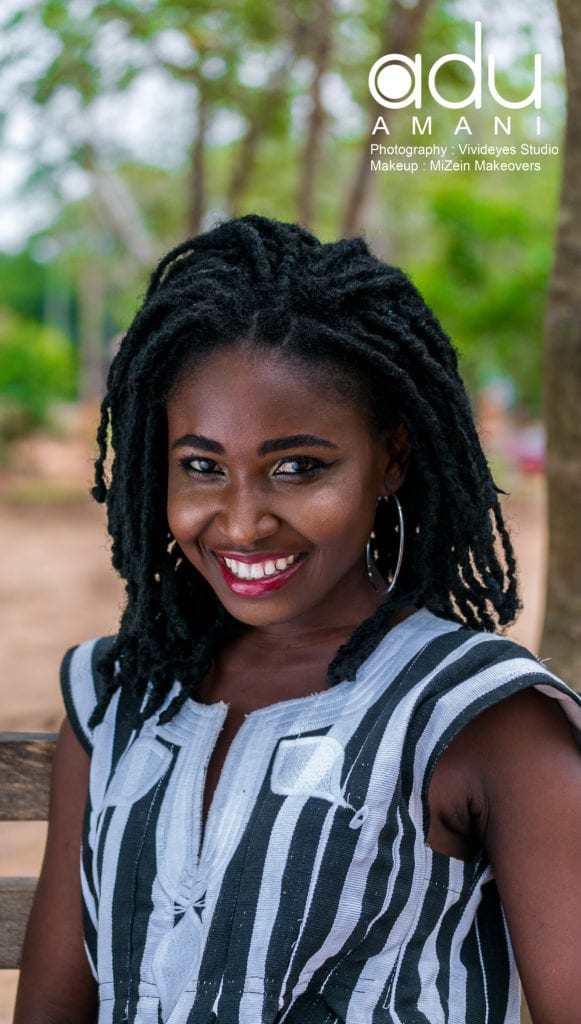
Vera Adu Amani started her fashion company with no capital, no showroom and no PR services. All she had was a vision, talent and a voice which she used as a strong marketing tool on social media to build her brand. As the face of Adu Amani Klodin, she used her hairstyle (popularly described as Adomi bridge) to promote her brand at the 2015 Chalewote Arts Festival. This hairstyle went viral and led many clients to her company. After this great exposure, Vera’s brand story has been used as a case study in Professor Ato Quayson’s book “Globalization of Oxford Street”. She also won the 2015 urban designer of the year at the West African Fashion Awards; has gained recognition as influential designer in Africa and is currently a mentor/judge at the Ghana Coalition entrepreneurship leadership challenge. How did you discover social media as a great marketing tool? When I started the company, I had nothing! I had no money, no showroom, no team of marketers working for me. All I had was a vision, talent and a voice so I started sharing my work online just to showcase what I could do. As I connected with many people who reacted positively to my work, I became more active on the social media platforms. That was when I realized that social media is easy and a cheaper way to reach more people. After this realization, I equipped myself by reading and researching on digital marketing strategy and other social media materials to brand my company online. I then created my own style, my own platform to inspire, educate my followers and promote other brands. After your discovery, what steps did you take to use social media to build your brand? The only way your work speaks for itself is if someone is listening. When it comes to business you need to make some noise to get your message across so I started making so much noise about my work to get the attention needed. The steps I used to build my brand are as per below; I chose a memorable brand name which is easy to remember, pronounce and spell. I used the name on all of my social media networks. This makes it easy for followers to search and find my company. I repositioned myself, developed my voice and built my social media presence. I focused on one network (Facebook) which worked for my brand from the beginning since I didn’t have a team working for me. I adapted a social media marketing strategy plan. Thus a monthly calendar list where I created features like Facebook trade. I used visual marketing like videos and photos to promote my work. I engaged storytelling which has always been my number one key. It is one thing describing a product and another selling a product. I shared and commented on interesting articles, works by other people and trending issues. I asked questions; read and learnt from others especially brands/people I look up to. This was to help me distinguish myself from the others. I also engaged my followers, answered their questions, expressed my gratitude to them and sorted their opinions on things. I used their opinions to create content which they shared with their friends. I learnt to communicate with my followers effectively. For instance; I can’t use the same language and tone [contents] I use on Facebook /Instagram for Linkedin followers. What you say on social media will go a long way to affect you so I learnt to let certain comments roll off my back. You should know when to shut up. Which marketing tool skyrocketed your brand? I will say my hairstyle to the 2015 Chalewote Arts festival popularly described as Adomi bridge skyrocketed my brand. The plan was to look different, unique, to stand out, and have fun. As the face of my brand, I take every opportunity to promote my brand so the Chalewote Arts festival was a great place to showcase my work. I did not think the hairstyle will get such attention but it did and since then, my brand has been on the lips of many people. How has social media affected your company’s growth? Everything that I am now and have now was gained through social media. Through social media, my brand has gained exposure, income, clients, jobs and followers. Social media boosted my brand visibility, and boosted my self-esteem personally. My brand was unknown but now I don’t have to introduce myself anymore, there is this phrase I usually use; ‘Google my name’. Social media has connected me to people that I wouldn’t have been able to meet in real in life. Now that your brand has gained the exposure you wanted, what is next? Well, my brand has gained digital exposure but not physical exposure so my team and I are working on traditional marketing and building relationships outside the internet. I also want to develop, expand and own a successful fashion design business. Not just a onetime wonder but a sustainable, profitable fashion design company. I am hoping to rewrite the African story. When a person thinks of Africa, it shouldn’t be a story of slaves, monkeys, ugliness or violence, it should be positive. Beautiful kente shoes/bags by Adu Amani should come in mind. So I will say I am working on making the brand a vehicle to communicate the beauty of Africa to the world through fashion. I want to leave positive digital footprints. What is the most outrageous marketing tool you had to use to get your followers attention? I have used many funny strategies but the funniest was the one that skyrocketed my brand. This is the Adomi bridge hairstyle. I knew I would get some attention but did not expect the photos going viral. The hairstyle attracted both positive and negative reactions. I was made fun of when the photos went viral. Some comments were very mean and hurtful but I joined in
Sandra Lopez: Value extends far beyond money
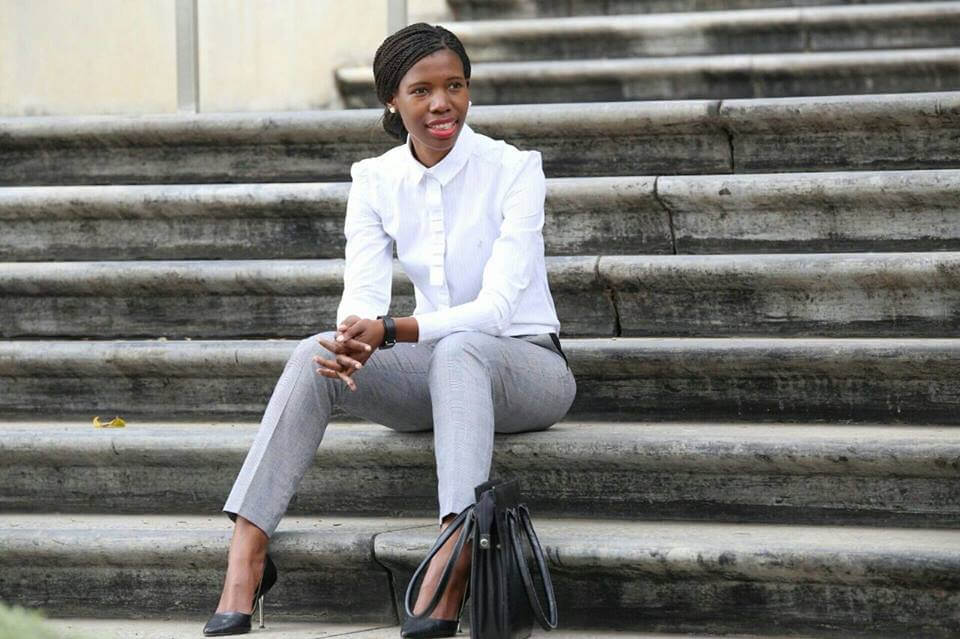
Group travel is in at the moment and X-Plaw Travel is one group-based travel company aimed at taking young South Africans outside their borders. Sandra Lopez is the Founder and Managing Director of the Pretoria-based company, A firm believer in the power of “Africa by Africans”, through X-Plaw Sandra focuses on African destinations first for tourism and travel. Although it took a while to discover her passion, when she found it Sandra would work 9 hours after her day job building X-Plaw. As Sandra grew up in an organisation for orphaned and abandoned children, she’s also passionate about giving back through her travel initiatives. Read on to find out how Sandra’s grooming a generation of travel-hungry South Africans. How do you think X-Plaw Travel will disrupt the African travel industry? By bringing great affordable quality valued tours and experiences to our customers. This is and has always been our mandate. I believe that value is something which extends far beyond the monetary. It includes but is not limited to the type of service you give to your customers, how much you engage with them, how much you allow them to feel part of what you are building and how much you allow them to connect with the people they meet on these journeys. Education is also a key factor for us, most of our travellers have not travelled outside of their home towns or outside of South Africa. For them to experience going out of the country for the first time with us, is an experience that even we get to appreciate with them. In most instances, they return from these tours richer in knowledge having learnt something totally new about a different country and its people. Why do you think young people should explore Africa more? I am a firm believer of “Africa by Africans”, we are the only ones who have the power to change how our continent is perceived by the outside world. We are the only ones who can tell our stories better. I feel that in many ways, Africa is being misrepresented by the global media. Half the time, this forces people to forget the beauty that surrounds us, sometimes even by ourselves. Travelling thus gives us an opportunity to understand ourselves better as a people, our roots, our cultures, our heritage. It also paints a picture which allows us to understand vividly that we are all connected as Africans and as a human race in some way or the other. Only when we are fully comfortable and confident with who we are, will it become much easier for us to invite other young people from other countries to experience this diversity with us. How have you combined giving back initiatives with your travel company? Giving back has always been at the fore of what we do as a company. It is actually something that is very personal to me. All our tours have give back initiatives tied to them. On a 5-6 day tour for example, one day is dedicated to enriching the lives of the less fortunate. In countries where we are not able to actively engage in these initiatives due to certain constraints, we pledge the funds to local projects in South Africa. We have also just launched the “One Traveller, One Child” initiative. Where for every traveller who tours with us, we will send a disadvantaged kid on a weekend camp educating them about nature, travelling and most importantly about themselves. Hopefully in a few years, we would be able to look back and realise that we have groomed a generation rich with an appetite for travelling. What did you have in place before you quit your engineering job to focus on X-Plaw? A lot of things actually. An idea, passion, a sketchy plan and a few Bible verses, but mostly I had will power & determination. Nothing beats the will to want to succeed and see something grow from an idea into something tangible. Every day after my 9-5 job, I would get home to read, research and work on X-Plaw for an additional 9 hours. This went on for a full year until I decided that I was ready to let go of one. In what ways has your childhood shaped your passion today? As a kid I was an all-rounder and an overachiever, which meant that with most academic subjects or activities I participated in, I excelled. This actually made it quite hard for me to discover what I truly was passionate about. I grew up in an organisation called the S.O.S Children’s in Ennerdale, south of Johannesburg. It’s an organisation for orphaned and abandoned children. As ironic as it sounds, we were raised to believe in ourselves and to always extend a helping hand to others less fortunate. We were extremely fortunate growing up at the village. After school we were kept busy with sports and extra mural activities. During school holiday we were fortunate enough to travel or go out camping. This, in many ways is how my love for travelling started. However, I only truly discovered my passion for it much later in life. In your opinion, what is needed to successfully travel in a group? An open and curious mind. Travelling with an open mind gives you perspective, you see the world through different eyes, you appreciate things more. In some instances, you get to understand how little others have. You also learn to be patient, as time almost no longer defines your schedules. You get to slow down and enjoy the moments. Stay curious, by doing so you learn to expect the unexpected. And most of all, you learn something new every day. Hey South African #MotherlandMoguls, the SheHive will be in Johannesburg from November 3-6. Find out more here.
Fundi Zwane: It’s critical for artists to be exposed to business
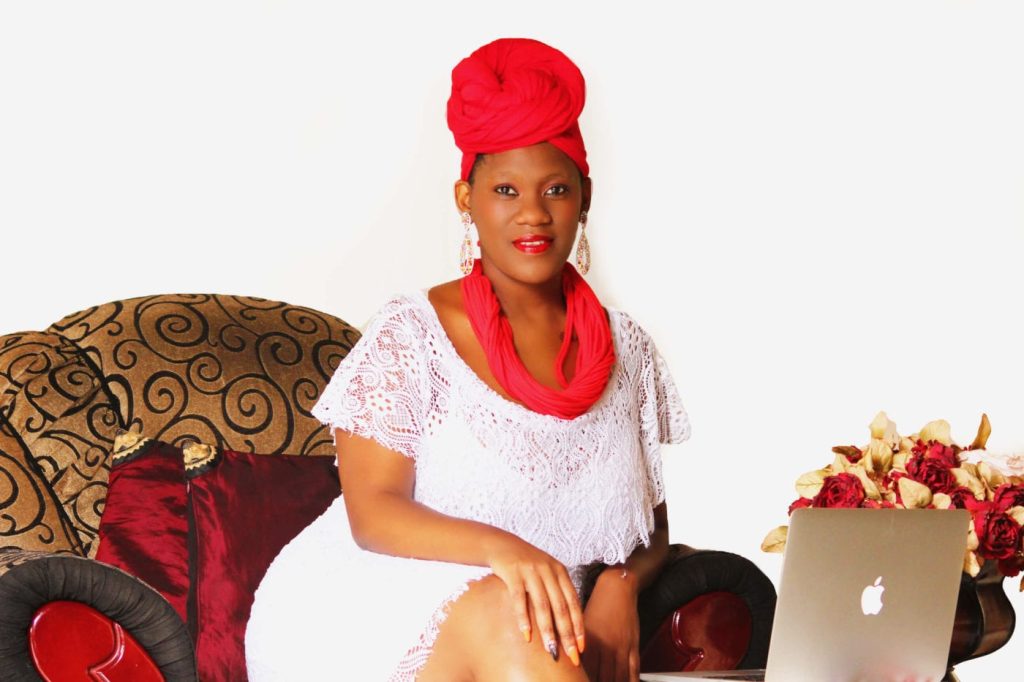
Who says you have to choose between being creative and working in the corporate world? Fundi Zwane believes you can have both. As a Motherland Mogul, Fundi manages to successfully combine two unusual passions; art and the corporate world. Through her Industrial Theatre, Phezulu-Phambili, Fundi translates boring policies into informative theatrical shows. When she’s not running her creative/artistic company, Fundi acts and has appeared on soapies such as Generations. Find out why people in the performing arts should be exposed to business and the one important skill all artists need below. Why do you think people in the performing arts should be exposed to business? I think it is critical for artists to be exposed to business as it helps them navigate spaces beyond the creative world. It is a great arsenal in their “toolbox” when negotiating things like contracts and issues of strategically placing themselves as brands. It also adds enormous value to their package as an artist. Another way it comes in handy is that sometimes, as artists, we go through what we call “dry seasons” when there is not a lot of acting work available. So having a background in business can really assist in coming up with ways to sustain yourself during this period as it encourages thinking out-of-the-box and beyond your comfort zone. How does your Industrial Theatre, Phezulu-Phambili Collective merge both passions seamlessly? Phezulu-Phambili merges the corporate and creative worlds by taking something like a policy or a piece of legislation and presenting it in manner that is “out-of-the-box”. Another component that becomes critical is understanding the audience that you present that piece of Industrial Theatre to. Usually, it is a non-theatre going audience and most times, it’s their first contact with the creative world. So it becomes incumbent on my company to make the experience unforgettable and memorable. Phezulu-Phambili takes what is usually mundane, black and white, full of jargon and brings it to life! That is how we marry the worlds of corporate and creative seamlessly. How have you successfully combined your passions for art and the corporate world? What I mark as success is when Phezulu-Phambili did contracts for BROLL (one of the biggest property realtors in SA) and recently Transnet (one of the biggest parastatals in SA). The way we were able to interpret and communicate their health and safety policies through theatre was, for me, magical. I deem a project a success based on the response we get during and after a performance -and obviously the request for more business. It is always a gratifying feeling and makes all the hours spent combing through a policy and interpreting it through the creative process of writing and rehearsals worth it. I also consider it a success when Phezulu-Phambili manages to go into the corporate space and get people to engage with a policy in a way that is fun and interactive because of the way we present it to them. What keeps you going as a young black South African woman? What keeps me going as a young South African woman in business is an insatiable desire to succeed and leave a legacy. Not only for my daughter but for other young women who have dared to go into business in a country where the economic scales are still so imbalanced. Transformation, especially in the corporate space, is non-existent. I want to be part of the pulse changing the narrative of African woman, a pulse celebrating our glory and showcasing us as the amazing, determined success we are. What also keeps me going is my 3-year-old daughter, Bella-Rose. I’ve always wanted to be a mother that models black excellence to my daughter. Being a single mother in business has NOT been easy. There are times when you feel overwhelmed and want to throwing in the towel for something “easier” seems like the the “better” option. But keeping focused on the goal of leaving a legacy for my daughter and all other women who look up to me keeps me going. My motto is, ” I don’t stop because it gets hard, I stop when the work is finished”. What is one seemingly insurmountable challenge you’ve faced and how did you overcome it? One challenge that is forever present is the issue of capital. Be it to start a big project or to expand as the demand for work grows. This can be a very stressful and sometimes, a seemingly insurmountable challenge. The art of business, I believe, is the relationships you nurture and foster over the years. So in times where money needs to show up for operational purposes and the business coffers are running dry, there are strategic business synergies I have formed with people who are willing to assist. Creating a culture of taking care of each other financially is important. This obviously comes with one having to practice absolute financial integrity. Once our coffers are replenished, we give back what was borrowed to in times of need. You spent 4 years on the soapie Generations, what advice would you give on maintaining business relationships for the long run? I believe maintaining business relationships is absolutely crucial as I’ve mentioned above. Acting on a soapie like Generations really did teach me that. I always advise on maintaining a good working relationship, especially with people you enjoy working with, people who inspire you to do more and people who believe in your vision for success. What business skills do you think an actress must definitely have? As an actress, you MUST have the business skill of negotiating. This, I believe, is really important and makes people take you seriously. Be it negotiating a contract, or negotiating with producers/ writers about a storyline for the character you are playing, it is an important skill. I once witnessed actress Nambitha do this on the set of Generations and I gained such a profound respect for her. Nambitha knew her character in and out and there was a line in the
Josiane Faubert: The world needs African stock photos
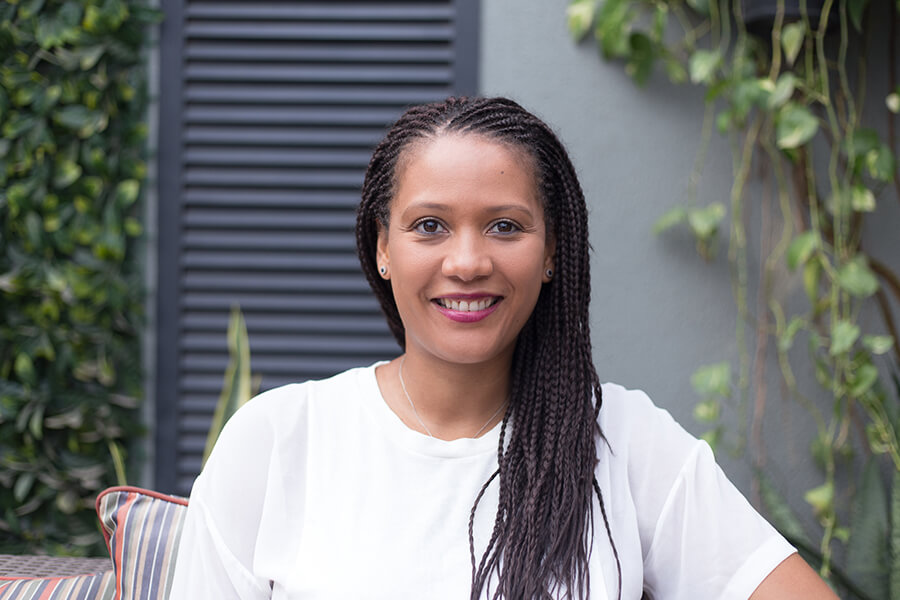
[bctt tweet=”@JosianeFaubert believes stock photography is necessary for the African continent” username=”SheLeadsAfrica”] Stock photography should make our list of unusual business ideas, it’s not what will come first to the minds of most budding Motherland Moguls. For Josiane Faubert though, stock photography is necessary for the African continent. Josiane is the photographer who recently launched PICHA which provides a curated library of high-quality royalty-free African stock images. On one hand, PICHA provides a global audience with unlimited access to original content. PICHA also provides a platform for African photographers to make money from royalty fees on images sold while retaining their copyright. Stock photography is an unusual business idea, tell us how you came about it I have been a photographer for many years, so I was already familiar with the stock photography industry. As a photographer, I was regularly solicited by friends and relatives working in web/graphic design for photos of Africans doing everyday things. Then, I helped them find some photos from Africa from my own database. However, it is when I was working as a social media manager that the idea of PICHA started to conceptualized a little more clearly as a business idea. I had a hard time buying contemporary photos of Africa/African people. Why do you think it was necessary to create a stock photography site that specializes in Africa? In the US and in Europe, the stock industry has been around for very long. As we are consuming more and more internet and technology in Africa, there is a growing need to find images for communication and marketing needs especially. If you have ever looked for a photo on a huge stock image platform you’ll see that the selection for Africa is very limited. With the continent being as diverse it is, I wanted that diversity to be represented on PICHA too. PICHA is still very young but our goal is to have photographers from very corner in Africa who submit their photos on the website. [bctt tweet=”I had a hard time buying contemporary photos of Africa/African people – @JosianeFaubert” username=”SheLeadsAfrica”] As a photographer yourself, what do you see PICHA adding to the global imagery of Africa and Africans? PICHA is a marketplace that allows photographers to sell their photos and that allow creatives to have access to these photos. Our goal is also to allow photographers to get money from their photos. Our catalogue is fresh and contemporary, it reflects a dynamic and diverse Africa. With this diversity, we will challenge the image of Africa and Africans. [bctt tweet=”PICHA reflects a dynamic and diverse Africa and challenges the images of Africa & Africans” username=”SheLeadsAfrica”] Are there any challenges unique to this business that you did not expect? PICHA is a user-generated content platform so we need to constantly educate our community on the benefit of being a contributor. We also need to educate them on various points ranging from legal to quality. Many photographers never request a release form when photographing someone. In our industry it is problematic! Where do you see PICHA in the future? How do you plan to take PICHA there? PICHA is growing and in 5 years I see it being a necessary tool for creatives in Africa. We’d also like to have presence in West, East and South Africa. To achieve this, we are reaching out to photographers across Africa. In your opinion, what’s the best photo you’ve taken so far? That is a tough one. A few year ago, I used a few taxi-moto in Lome and there was this taxi-moto driver who would only dress in a suit. He had such an amazing personality. If you’d like to share your story with She Leads Africa, let us know more about you and your story here.
Victoria Mbabazi: I’ve learnt that age is no guarantee of maturity
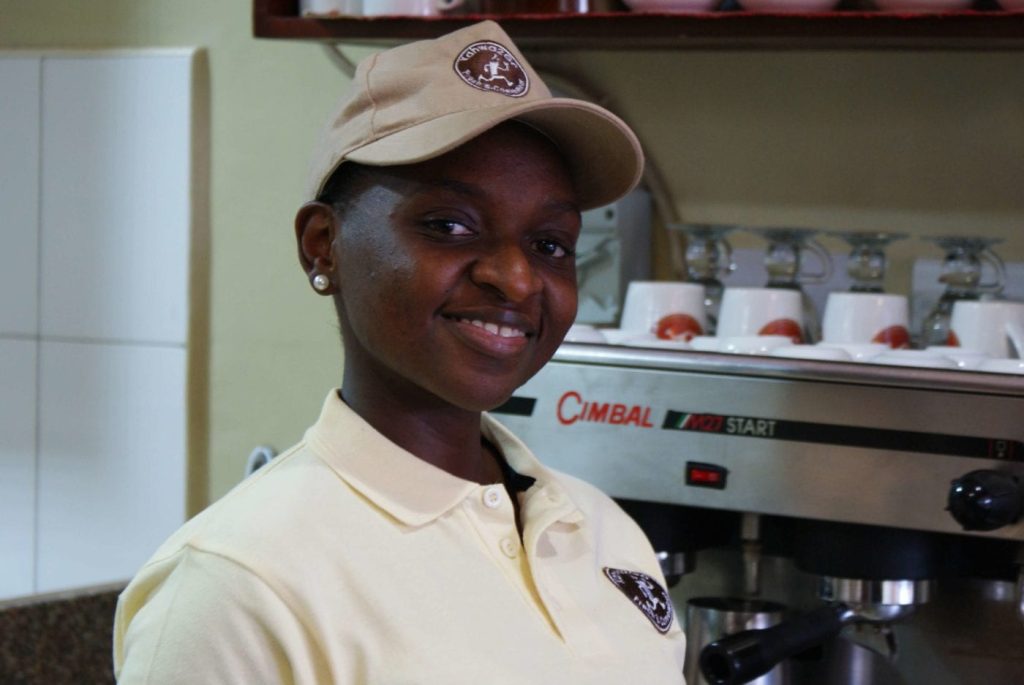
Take a minute to consider that what you watch on TV could determine your future business. Growing up, Victoria Mbabazi spent a lot of time watching the Food Channel. She experimented with different recipes and wanted to study food production at university but was instead advised to study Software Engineering. It all turned out great because now, Victoria’s three passions are culinary art, technology and agriculture. In 2013, she started Kahwa2Go, a cafe and restaurant with her business partner and mentor. She also works with technology innovation, encouraging women in the tech. Victoria was part of the 1,000 African entrepreneurs selected by the Tony Elumelu Entrepreneurship Program (TEEP) in 2015. Read on to learn about Victoria’s the 40/60 approach to working, her four skills for running a cafe/restaurant and being judged by others as a young #MotherlandMogul. What launched your interest in the culinary industry? Once upon a time there was a little girl who loved nothing more than school and play time. As life would have it, play time slowly dwindled away as is the norm for many when all the elder brothers and sisters head out to boarding school. As luck would have it, I spent most of my lazy days watching the Food Network channel and experimenting with different recipes as my mum made lunches and dinners. I paid no mind to it; it was something fun to do, period. The first call to fate was when I was joining university in 2012, my gut feeling was I should pursue a food production and hospitality course. However, I was advised that this was not yet a lucrative industry in Uganda thus the Software Engineering course I opted for. I worked in the technology eco-system all through my four-year course and along the way I met my now business partner who is very passionate about entrepreneurship. He mentored me into both the technology and entrepreneurship industries and before we knew it, we had merged our two passions —culinary art and entrepreneurship. We have been at it since 2013. Tell us about Kahwa2Go. What do you seek to fulfill with the products/services you provide? The birth of Kahwa2Go was quite immaculate, my business partner and I first spoke of the concept on the eve of Christmas in 2013. Kahwa2Go is a Ugandan trademarked business of The 2Go Guys Limited providing a quick service, convenient food place for the middle class, commuters, urban dwellers, families or colleagues that are looking for an opportune meeting and co-working point in Ntinda. Our food menu is a blend of modern fine dining whole meals with a touch of delicious fresh homemade snacks. We also offer a variety of coffee beverages, juices, milkshakes and teas, all with an option of takeaway or dine-in. Kahwa2Go is already signed up on Uganda’s most visited online food ordering platform, Jumia Food. We also have a steady growth of both new customers from social media and repeat customers. Kahwa2Go is competing in a market size of 1 million middle class potential customers in Kampala. This market is shared by less than 50 upscale (white collar) restaurants. It’s this fact here that provides an opportunity for us to venture into the food industry. How did you go about setting it up? The initial concept of Kahwa2Go was to establish coffee carts along the streets of Kampala. This did not come to pass due to regulations by the city authority. In mid-2014, we got some space in an innovation hub, set up one espresso machine and served an average of ten people per day. We embraced our share of lessons and in June 2015, we launched as the first coffee shop to partner with Vivo Energy Uganda at one of their fuel stations in the city center. Our menu was simple but creative comprising of different hot and cold beverages as well as snacks and casual meals that our customers would enjoy in our fifteen-seater space. This year (2016), we set out to maximize KahwaGo’s potential, closed operations with Vivo Energy and opened an ambient, fully-fledged restaurant and café seating an average of fifty people situated in Ntinda; the heart of one of Kampala’s suburbs. Our core principles of execution were minimalism, leverage, negotiation and user-centered design. We understood our limits and combatted them head-on by equipping ourselves with adequate knowledge and exposure about the culinary industry as well as entrepreneurship through programs like the Tony Elumelu Entrepreneurship Program (TEEP) and the CURAD Agribusiness incubator program. Also, we have a 40/60 rule when it comes to getting work done. We spend 40% of our time planning and ensuring that we have the right people, organizational and operational structures, equipment and most importantly the knowledge to execute our business road map. What four skills have you found necessary to run a restaurant and cafe? Why are they necessary? The fundamental areas of competence are; having the basics of accounting, great passion about customer service, creative marketing and a firm grip on management. From inception, it is paramount to understand your work; your product and systems. This will holistically inform what kind of marketing strategy to implement. Once you know your customers, you then dive into discovering what kind of experience they expect considering the fact that you want to create a loop of loyal clientele. Accounting is a core because you need to understand how money and other resources get in and out, the menu pricing models and be able to interpret the sales and expenses of the business at the bare minimum. Lastly, great management is the adhesive component that will ensure the employees continually work as a team to understand the all-round needs of the business in peak and off peak seasons. What were the unexpected challenges you encountered while starting out? We knew right from the beginning that starting a business would not be a walk in the park. Being a relatively young entrepreneur at 25 years old, the most astonishing challenge faced thus far is being judged
Vivian Onano: Where you come from does not determine your power
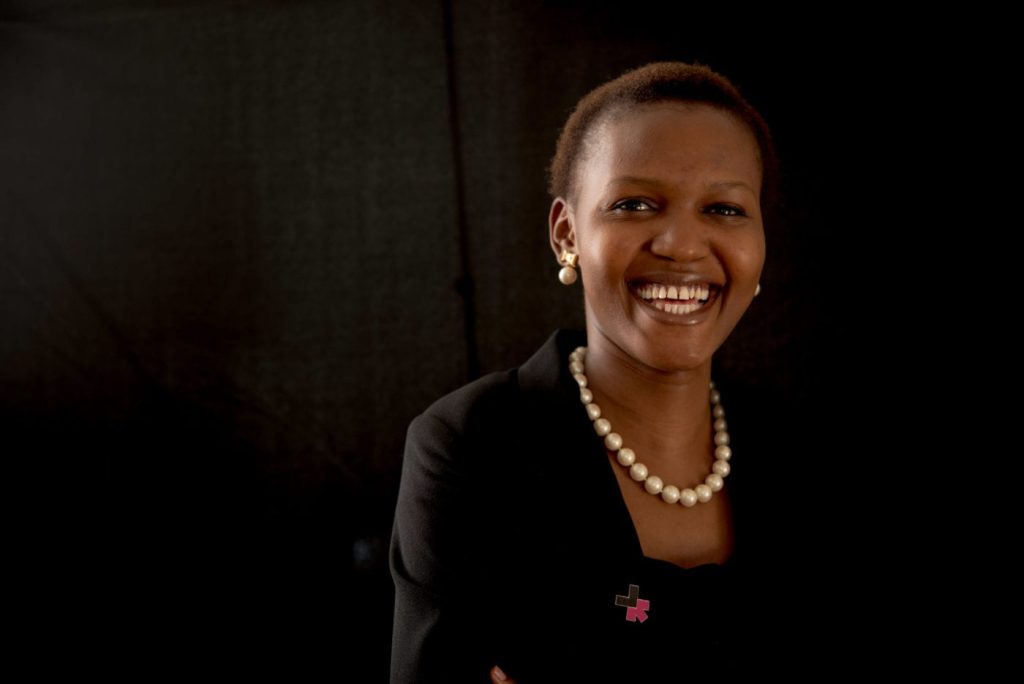
One year ago, in front of the entire UN General Assembly, the then 24-year-old Vivian Onano gave her first keynote speech. Not many 24 year olds can claim such an achievement, neither can they say they dined with FLOTUS, hung out with Bill Clinton or met all living American presidents, Jimmy Carter excluded. Coming from a small village in Nyanza province, Kenya, Vivian has grown into one of Africa’s most passionate youth advocates with credentials that have earned her a seat at the table with the greats of the world. Diana Odero, our SLA contributor, had a candid chat with the young powerhouse about how her life has changed significantly since then and why she will not stop fighting for the rights the youth deserve. Tell us, who is Vivian really? Minus all the accolades, jet setting and changing the world, tell us about the girl -Vivian Onano? Well, Vivian the girl is a very shy person believe it or not. I’m very shy and I think it’s my demeanor that makes people think I’m not. I consider myself an introvert because as much as I’m out there doing all these things, I always feel drained after an event or two. I always need some space and time to myself just to re-energize for the next day or the next thing I need to do. I’m very down to earth and that’s something else that is also wrongly perceived by those on the outside looking in. I love dancing and being around happy people who are also very focused. I keep my circle very small, around people who give me the positive energy I need to get things done. It’s really helpful to have such focused and enthusiastic people around you. That aside, I’d like to add that I’m very approachable guys! There’s been incidences when some journalists have been scared to approach me just based on the straight-faced look I usually have —please don’t judge me by my face, I’m always willing and happy to talk to people. How did you get started on this activism journey? My mum and my grandmother raised me, and my grandmother is a woman with a very giving heart. I grew up on so little but even with the little we had she would call all the neighbours and their kids to share with them when they didn’t have much. So, it all started from my family who taught me the importance of giving despite having so little. I remember I used to help my classmates with homework back in primary school and I was always that kid who would stand up for others, particularly my fellow girls. I’ve been a student leader from kindergarten all the way to college and I think that’s where all the self-confidence came from as well. It’s part and parcel of my DNA. The field you are in currently must bring lots of challenges and difficult tasks to take on. How do you handle such situations? How do you deal with conflict? It’s true that my field is a very difficult space to be in and I think it’s even more difficult being as young as I am. I always find myself in spaces with people of the older generation and mostly just men. It’s great exposure and it’s helped me build great networks but I always have to rise up to the challenge of knowing I’m still a young person who has to be an adult at the same time. I’m representing the voices of African youth and I want to be taken seriously but the kid in me still wants to be a kid. Juggling both worlds is quite the task. Whenever I go to conferences, people are always like ‘When I read your bio I thought you would be much older…’ Others expect to see a 40 year old woman so it forces me to rise up to the maturity level of a 40 year old woman while giving a presentation/talk yet I’m only 25. I still keep it very authentic and stay true to myself but I always hope my presentation matches what they are expecting to see. Whenever I’m speaking on a panel for example, I never want my age to be used as an excuse for the type of contribution I give to the topic at hand. I always want to deliver it the same way an accomplished older person would as well and attain the same respect, that way making room for future young people like me to get the same opportunity. As for dealing with conflicts, it’s always best to be diplomatic i.e. be very honest but also very respectful at the same time. I’ve come to realize that people think some spaces should only be for the older generation. Being mindful of that, I try and remain as authentic as I can be but respectful of where they’re coming from so as to avoid anything escalating out of proportion. You are a self-proclaimed feminist. What does the word feminist mean to you and why do you think it is still frowned upon today? Being a feminist in my opinion is giving everybody an equal opportunity to maximize on his or her God-given human abilities. The reason why it’s still frowned upon is because it’s seen as a sort of label for angry women. As a feminist, I don’t look at it that way. I engage with men just the same way I engage with women when it comes to feminism, gender equality, women’s empowerment etc. I actually think I’m much tougher on men as I try to make them understand the importance of gender equality, the importance of everyone having equal rights and opportunities and maximize on their talents. You have sat in the same room with some of the most prominent people in the world including President Obama and first lady Michelle. If you were to have dinner with anyone in the world, who would it
Lona Mnguni: Motivation is like happiness, it shows on the outside
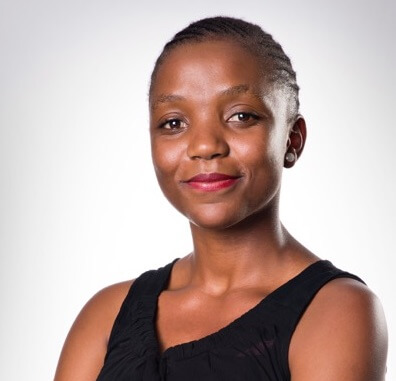
Some women look unemployment in the face without fear. When Lona Mnguni found herself unemployed after leaving her service consultancy job, she came up with Gracenet Logistics. Gracenet is a social entrepreneurship venture that aims to improve livelihoods in rural areas and townships in South Africa through logistics and distribution. When Lona shared her story with SLA, we learned that she has high strengths in empathy and motivation. Lona lets us know her tips on keeping herself and her small team motivated. She also reminded us of the importance of leading from a place of understanding. Tell us about the inspiration that led you to start Gracenet Logistics? Starting Gracenet Logistics was a case of making lemonade out of lemons while simultaneously creating an impact in rural areas. I grew up in a rural town and during school holidays, we would visit “home” in our rurals. I’ve always wanted to improve life for those who live in rural areas in one way or another. The opportunity presented itself at a time where I found myself unemployed. The only experience and qualifications I had were in banking, logistics and customer service. What better way to create the impact I wanted, create employment and also do something about my own unemployment than to create something that will combine my interests? Gracenet brings together my love for rural areas and the lack of access to resources because of a delay in logistics to them. As well as procedures and customer satisfaction measures that would ensure that timelines are in place and communicated to the end user. Why did you decide to leave your job as a service consultant? I wanted more, I had worked in my job for two years and found that in that time it was going to take me ages to move on to the next level. I wanted growth, and to develop as an individual. When I resigned, I had not resigned with the intention to start Gracenet. I resigned to join another organization in a position just above the one I was in. However, things backfired and the position was not available anymore by the time I had finished serving notice. Why do you think little attention is paid to deliveries in rural areas and townships? I would say it’s the roads. Also, the task that it is to actually deviate from a route that is on the main road to then get onto a gravel road. Most big companies have set routes and this would mean that there would be a delay in their delivery times. What was the situation that lead to resources such as school books and medication sitting for days on end in warehouses? What prevented them from being distributed? Delivering to rural areas, more so to public institutions, is not as easy as putting the address in the GPS and driving there. This is because the address might not be there or may be inaccurate. Sometimes, even when the drivers get to the area that they are delivering to, they still need to ask for directions. With school books for example, before leaving we would have to call the school to find out where they are located. All of this takes effort and I’m sure that the reason most of these resources are not distributed is because no one is willing to put in the extra time and effort to make it work. How do you effectively manage a small team? I recently did an emotional management session with my mentor. In a quiz, my two highest scoring strengths were empathy and motivation. This was comforting because it was confirmation of my ability to keep my team motivated and always lead from a place of understanding instead of being a dictator. Having scored high on motivation, can you share six ways you motivate yourself and your team? Keeping myself motivated, is the important part. Motivation is like happiness, it shows on the outside. When you are motivated, it rubs off. I keep myself motivated by; Looking after my spiritual health, Consistently practicing mental toughness Celebrating small victories and Reading and watching things things that motivate me (such as my SLA newsletters). Keeping a small team inspired can be challenging. At times, everyone will slack off or feel entitled as we all play multiple roles since the business is still at start-up phase. We have regular conversations about the current position of the staff in the business and the position of the business as a whole. I also constantly remind my staff of the company’s vision, and that we are in a growth process together. Hey South African #MotherlandMoguls, the SheHive will be landing in Johannesburg from November 3-6. Find out more here.
Carol Nyazika: It doesn’t matter if others don’t believe in your dreams
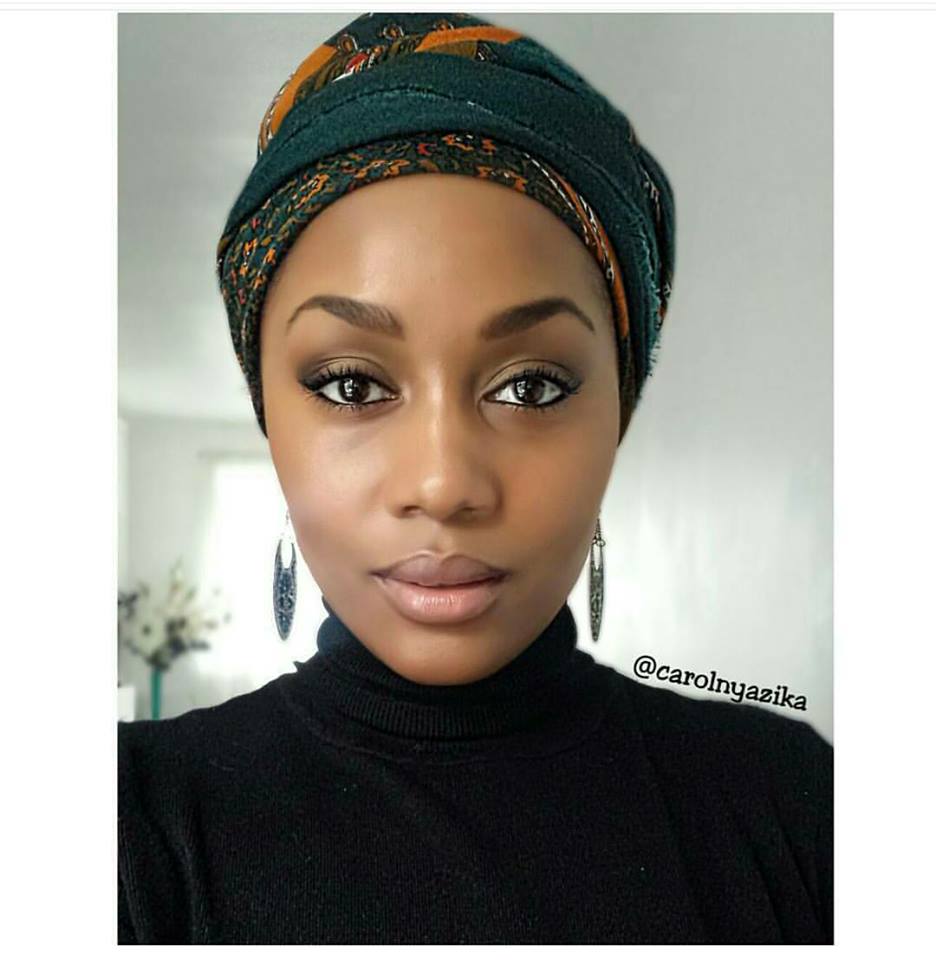
Moving back home was a strategic decision for Carol Nyazika, founder of African Women Awards (AWA) and the founder of Ndanaka. SLA contributor Glenda Makumbe met up with 27-year-old Carol Nyazika just a day before she travelled to South Africa. Carol has been based in the UK for the past 10 years but just recently moved back to Zimbabwe. She studied social work at Sunderland University, is a trained organic skin care formulator and is very passionate about women in business. Carol credits her passion to her very ambitious female family members. In this chat with Glenda, Carol shared the reason behind giving her blog a Shona name and how she founded her own version of Black Girls Rock, the African Women Awards. Let’s talk about Ndanaka. What is it and how did it come about? I started Ndanaka in 2011 when people were not really talking about natural products. Ndanaka started as a lifestyle blog that promotes natural skin and hair care. I was suffering from dry skin and my mother was also going through a phase where her skin was breaking out and all the products she was using were not working for her. I started mixing up a few things for her that she could try. I am actually a trained formulator. So, creating was just me putting what I learnt to practice. I gave my brand a Shona name because there are so many products out there with either French or foreign names. We can hardly pronounce them but we learn to. So, I knew that there was no harm in giving my brand a Shona name and to be authentic about it. The word Ndanaka has several translations and can mean “I am beautiful” or in slang, “I’m good“. What challenges have you faced as a black African woman living abroad? I relocated to Zimbabwe in April this year. That was a very strategic move for me, to grow Ndanaka and be fully present to grow AWA. As a black African woman living in Newcastle, I realized at the time that there were not many black people. Therefore, it was not easy to get access to things like makeup or good salons that met the needs of the black woman. Many people had to go to Leeds or London to access such things. Tell me about African Women Awards (AWA). How and when did it start? Ndanaka came before AWA and the plans for Ndanaka led to AWA. After looking at Black Girls Rock and the BET awards, I realized that we could not narrate our own stories as Africans and we did not celebrate each other on a continental level. The only other awards ceremony, within Africa, that successfully do this are the MAMA’s.I decided we needed something for the African continent that would recognise all the brands, names and phenomenal work being done. Zimbabwe is the pilot for AWA and the awards are in their second year. Next year, we will be moving to a different country. Therefore, each country has an opportunity to host the African Women Awards. What setbacks have you faced, especially with AWA? People thinking I was a bit too ambitious because they just could not see my vision. I had someone tell me that I was better off having a TV show where I just interview the women. Lisa Chiriseri understood my vision and joined me on this journey that we are now on. A lot of people were not confident in AWA as it was something new but now, the confidence that people have in the initiative is amazing, We have moved from the venue that we hosted in last year to a much bigger venue this year. We had embassies present that represented the women who were nominated from their country and accepted the award on behalf of the winner who wasn’t in attendance. The minister of women and gender was also present. Is there anything in your educational background that helps in managing your business? I think my background in social work really gives me a head start on how to read people. I can pick up on body language and that is something thats essential in business. How do you balance your time between running Ndanaka and AWA? It’s actually three things that take my time, Ndanaka, AWA and my 9-5 job (Get Cash). I have an amazing team at both Get Cash and AWA. You need people to help you execute goals and a strong team to hold you accountable. There’s also a business balance between Lisa Chiriseri and I. She is the co-founder of AWA. That has also helped tremendously. Which African woman has had the strongest influence on you? My mother, she has taught me so much about life and has helped mold me into the person that I am today. Ellen Johnson Sirleaf, only because she is the first female president. Natalie Jabangwi of Ecocash, a money transfer mobile application in Zimbabwe. Mo Abudu of Ebony Life Television and of course, most of last year’s AWA’s nominees. With so many distracting influences, how do you stay true to yourself? At times, you do not even realise that you are being influenced but I have a lot of people who keep me accountable. I find balance through that and they keep me in check. What work ethic is important to you? Discipline. You can be motivated for a while, but it’s only with discipline that you can accomplish anything. What should we look forward to from you in the next five years? Ndanaka will be recognised across the continent. AWA will be a household name and internationally recognised. Married with little Carols, maybe. Lastly, three words to live by? I will use a phrase instead, “It’s not over until you are dead.” It’s never too late for a lot of things. Just don’t stop Want to see women you know featured on SLA? Tell us what amazing things women are doing in your communities here.
Pearl Lebusho: I don’t want young people to make the same mistake I did
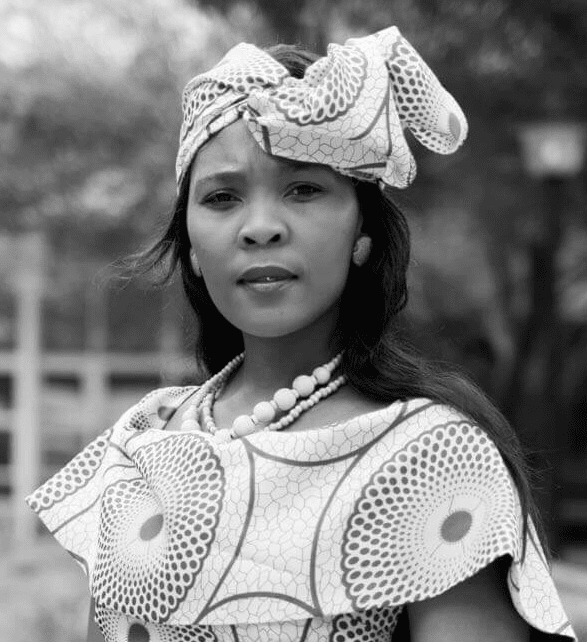
[bctt tweet=”I had only one pair of jeans to wear to college and that motivated me to work extra hard” username=”SheLeadsAfrica”] Pearl Lebusho may have left university twice yet she devotes her time to ensuring girls stay in school. Coming from a rural community, Pearl knows first hand how schools can leave girls poorly informed on what to expect at university. Driven by her passion to help young women from disadvantaged backgrounds, Pearl started the Miss Free State Schools Pageant. Miss FS Schools Pageant is a learning and social reformation programme that inspires and encourages young girls in South Africa’s Free State province through beauty pageants. This builds a community of models and supports girls who see modelling as a career. When Pearl isn’t busy with the pageant, she helps girls attend the Matric dance (aka prom night) by providing dresses. She speaks candidly about dropping out from university and growing her social ventures. You have mentioned that you don’t have a university degree but have pushed others to getting theirs. Tell us about it I dropped out of university twice. The first time was in 2003. I enrolled for a qualification in Information Technology (B. Com IT ) at the University of the Free State. I was accepted. However, I had no clue of what that course entailed as I was from a previously disadvantaged school where we did not have career guidance or development. The qualification was not what I expected. To start with, I had no background of accounting and computer from school. I failed my major course and NSFAS took their loan back. My mother could not afford my fees as she was going through a divorce then. What did you do next? I had to be enrolled to a college the next year. My granny had to pay for my studies out of her little pension money. I had only one pair of jeans to wear to college and that motivated me to work extra hard. That year, I got the best student of the year award. I further completed my certificate in web design in 2004 and NQF Level 5 system support engineer in 2007, both in IT. I was forced to work and study to make it possible. My granny encouraged me to finish the qualification even though I was no longer interested. Then bang, it was the best idea because it got me a job. But you were not happy with your 9-5, why was this so? It was not enough that I was in a job. I was not happy, not only because I did not enjoy the work but because my heart was crying for the young people who were coming from the same background as mine. I was scared that they would make the same mistake I made. In 2008, I started my school visits where I would speak to Matric students in schools and send them bursary applications. That was not enough as it was not resolving the core of the problem —why young people find themselves in wrong or unfulfilling careers. I continued to assist others with career advice but as I was not qualified to do so, I knew I had to get trained. [bctt tweet=”My heart was crying for the young people who were coming from the same background as mine” username=”SheLeadsAfrica”] Now, I am an accredited career guidance practitioner and have assisted thousands of students through my foundation, It’s Possible. I am now looking into having a Degree and PhD in Psychology and be a registered with the Council of Psychologists in SA. What has held you back from returning to university? First, time management. In 2010 for the second time, I enrolled at the University of the Free State and I was accepted in the faculty of Humanities to study a degree in Psychology. I was also a newly-wed wife and a new mother of a 1 year old boy. With little money to afford a helper and stuck in a demanding job, I dropped out again. This time because I did not calculate my risks and plan my time. I made a loan to finance my studies and all that cash was flushed in the toilet when I did not finish my studies again. However, I managed to finish and obtain the accreditation certificate in career development. Another issue is finances. I have now three children that I need to pay school fees for and three younger siblings who are at university that I am also expected to support. I am currently trusting God for my breakthrough so that next year, I can have financial assistance to fund my studies. The reason why I say I do not have a degree and do not mention my other college qualification, is because I want to see myself one day with my degree in Psychology. I want to be registered as a professional councillor so that I can fully advice young people about their careers and on the importance of choosing the right qualification. Also, I want to own a walk-in centre where kids will have access to such information. I see myself referred to as Dr. Lebusho in the near future. [bctt tweet=”The reason why I say I do not have a degree, is because I want to get my degree in Psychology one day” username=”SheLeadsAfrica”] Tell us about the Matric dance, how do you ensure the project goes smoothly? Where do you collect dresses from? The Matric dance is a project that I started in my Matric year. I had a friend who was a top performer in our class. As she was from a disadvantaged family, she could not afford to attend the Matric dance. She did not have clothes to attend the dance with so I approached her and asked if she would not mind me lending her my evening dress. She agreed and I did exactly that, we bought her a cream relaxer and her sister did her hair.