
Judy Goddard: I make it a point to re-frame every failure as a lesson
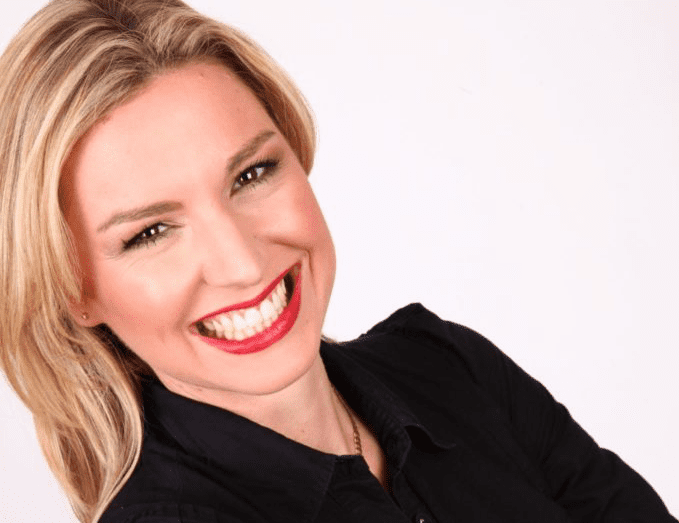
[bctt tweet=”Judy Goddard: As an entrepreneur…you never really ‘arrive’.” username=”SheLeadsAfrica”] “Trapped”. Ideally, that isn’t the word you would want to use to describe how you feel about your 9-5, but it is a word I hear all too often. It is for this reason that I love meeting women like Judy Goddard. Her boldness and single-minded dedication to creating the life she wants to live is the stuff #MotherlandMoguls are made of. The Johannesburg-based entrepreneur is the founder and director of Masiwela, co-owner, and director of On Pointe at Longpoint, and has most recently she became the director of The Rand Club. What would you say was your biggest frustration when you started out as an entrepreneur? Looking back I realise that I wanted to be at ‘the end’ before I did the work. I had established a career in hospitality before I became an entrepreneur, but the corporate world has different markers of success. I credit this uncomfortable start with helping me understand that the destination is the journey. As an entrepreneur there are always new targets to work toward, you never really ‘arrive’. Masiwela’s continued success is a testament to the fact that you do not shy away from setting audacious goals. Often people lose their momentum after they experience a few failures. How do maintain your contagious tenacity in spite of failure? The key is to make sure that you learn to trust your own judgement. Failure happens to even the most competent people; you need to learn from every failure and keep track of the lessons. It also helps that I am an optimist. I make it a point to re-frame every failure as a lesson. When I lose money in my business I refer to the loss as paying ‘school fees’, and I only ever pay it once. We dissect the failure as a team and keep track of the lessons learnt to help us make better decisions in the future. What helped me quite a bit is that I have also become intentional about creating a strong positive process. This means I surround myself with people who genuinely want me to succeed. I also spend every second of my spare time learning new things that can help me lead better. I love that you refer to yourself as an ‘Africaneer’ (African Entrepreneur), and I notice Masiwela steadily increasing its presence across the continent. As a young company, what has been your strategy for breaking into the various African markets? I am originally from Zimbabwe and at first, it was not easy to break into the South African market. In hindsight, being an outsider here was fantastic practice for my continental vision! The biggest lesson for us has been to think laterally. Invest as much into gaining trust and forging relationships as you do into the technical parts of the business. This also means not shying away from collaborating, even if it’s just to get your name out. You will be amazed at how much you can get done with the right relationships. [bctt tweet=”Don’t focus on the big wins. Consistent hard work is the key – Judy Goddard” username=”SheLeadsAfrica”] Secondly, and this is good advice in general, don’t focus on the big wins. Consistent hard work is the key. The small wins always add up and help you to create the big wins. Last year Masiwela took over management of the historic Rand Club in Johannesburg inner city. Not only is it in an older part of town, but the club itself has a complicated history. What motivated you to take on the challenge? As someone who studied and worked overseas, I understand the temptation to benchmark our cities against cities like New York and London. That said, young African entrepreneurs are in a unique position in that we must create the environment we want to operate in. We need to think long term to get this done. Personally, I have always wanted to live in New York, so I resolved to be part of creating the African version of New York in Johannesburg. [bctt tweet=”Judy Goddard: Young African entrepreneurs…must create the environment we want to operate in” username=”SheLeadsAfrica”] I took up the Rand Club because I realised how important and unique our role as young Africans is in writing Africa’s story. ‘History’ is currently being created and it is our role to help write a better history for our children to learn. The Rand Club has quite a negative colonial history, so it excites me to be able to change that narrative. What has been the biggest leadership lesson running a business has taught you? What distinguishes entrepreneurs is that they always need to be prepared to make a decision. The mistake I made early on was that I thought that this meant I had to make every single one. This slowed everyone down and I became a bottleneck for my company. [bctt tweet=”Entrepreneurs always need to be prepared to make a decision – Judy Goddard” username=”SheLeadsAfrica”] I have come to realise that as a leader of an organisation, leadership automatically involves becoming a coach, and empowering my team. When a member of my team asks me a question, I resist the urge to give them an answer. The goal is to get them to show initiative and to trust their judgement. Instead, I ask them what they think they should do to fix the problem. Only give input on how you would handle it if the team member is totally off the mark. When you do, make sure you explain the reason behind why you would go in a different direction. If you’d like to share your story with She Leads Africa, let us know more about you and your story here.
Yoli Mqoboli: I wanted to start a business that is meaningful to me and to other businesses
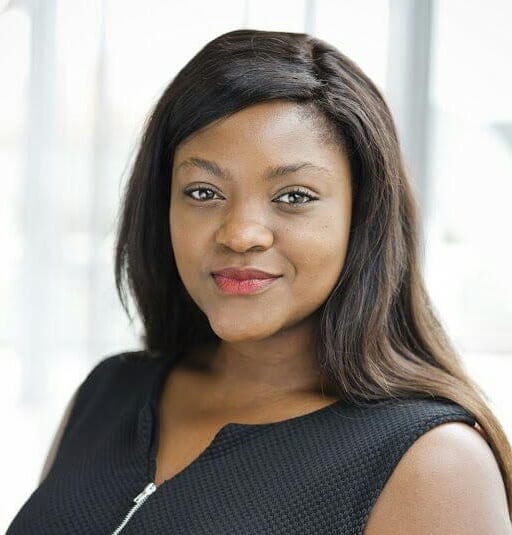
[bctt tweet=”I fell in love with Business Management during my undergrad studies – Yoli Mqoboli” username=”SheLeadsAfrica”] Yoli Mqoboli is a certified global Remuneration Specialist with extensive experience in reviewing and developing total remuneration policies, packages, and frameworks for both public and private sector organizations. Her career started off at the South African Reward Association (SARA) as an intern —gaining exposure in all aspects of total rewards such as basic remuneration, benefits, and total reward elements. She has worked for blue chip companies focusing on expatriate reward management and Africa reward. After her last stint in corporate, she started Sunguti Business Solutions, a 100% black woman owned human capital solutions consultancy specializing in tailored remuneration, reward and benefits solutions and talent acquisition solutions. Yoli then approached her former Director and pitched the idea of coming back to the organization as an independent consultant, as such giving her the independence and time to start-up and nurture Sunguti. What was the spark that led you to start Sunguti Business Solutions? Sunguti Business Solutions, before the name ever came into existence, was always a dream of mine. I fell in love with Business Management during my undergrad studies. As such, I decided for my postgrad studies to specialize in Business Management. I had in mind a Business Solutions consultancy focusing on each of the various business functions. My business model would be that of a sub-contracting arrangement as I don’t have experience in all of the business functions. This was also aimed to collaborate with other professionals and hopefully, garner more business participation. I wanted to start a business that is meaningful to me and to other businesses. What services do you offer your clients? Are they only limited to South Africa? If yes, what are your goals to grow Sunguti to rest of Africa and the world? Currently, our capacity is in Human Resource solutions, which include Remuneration and Benefits consulting and Recruitment. We focus on permanent placements, response handling, and headhunting services. Our service offering is in South Africa and we plan on expanding it to Swaziland first, and then the rest of Southern Africa. Our short-term plan is to penetrate the southern Africa region, due to the geographic reach and ease of doing business. As a 100% black women owned Human Capital solutions consultancy company, do you find it is easier for black women to start their own consulting firms, especially in your industry? If not, what are some of the challenges you’ve faced? Starting a business is hard for anyone, and as a black woman within the Reward fraternity is twice as hard. This industry has and still is owned by elite white-owned professional service providers. Women face hurdles such as access to funding, lack of access to other types of business due to non-exposure as these fields have been traditionally deemed to be male gender specific. Also the lack of a support network and lack of advisors or mentors in these areas of business. [bctt tweet=”For Yoli Mqoboli, starting a business within the Reward fraternity was twice as hard” username=”SheLeadsAfrica”] Reward management, which is a specialist function within HR, is currently a scarce skill with fewer black professionals. Yes, there has been an influx of black talent –however, the skill is not mature enough. The major challenge for us as black-owned consultancies is getting taken seriously by companies and peer competitors. You’re deemed an unknown and your credibility shaky because your brand is not yet established. Corporate South Africa prefers to reserve remuneration consulting projects for the big professional services. There is little confidence in smaller consultants who ironically have consulted for the same corporates under these big professional service providers. How can the challenge of small black-owned consultancies being overlooked be overcome and ensure that they make a mark in the consulting world? There is no perfect answer, however, in light of the new developments in BEE procurement regulations –bigger professional services providers who aren’t fully representative in black ownership and participation will be urged to partner up with smaller black consultancies. Some have already done that therefore the rest will probably follow suit. [bctt tweet=”Yoli Mqoboli: The major challenge of black-owned consultancies is being taken seriously” username=”SheLeadsAfrica”] In the meantime, it’s us smaller black consultancies who have to create the opportunities, approach potential partners and keep abreast of developments in the market. However, the same needs to be done by bigger competitors. What advice would you give to women looking to venture into the remuneration management and talent acquisition space? You need to have a flair for people, numbers and the evolution of human capital solutions. You need to love what you do, and you will never have to work a day in your life! Secondly, you need to network and keep abreast of the developments within the area of reward management, both locally and globally. What are your goals for Sunguti in 2017? How will you ensure you meet the goals? My goals for Sunguti in 2017 is to focus more on business development initiatives; this includes joint ventures and collaborative partnerships with some of the bigger corporations, and expand the service offerings to Swaziland. We also aim to register with the relevant SETA in the introduction of accredited training and development services. Lastly, we aim to strive for standards of quality and commitment to our current clients. If you’d like to share your story with She Leads Africa, let us know more about you and your story here.
Samba Yonga: Working to document African women’s history
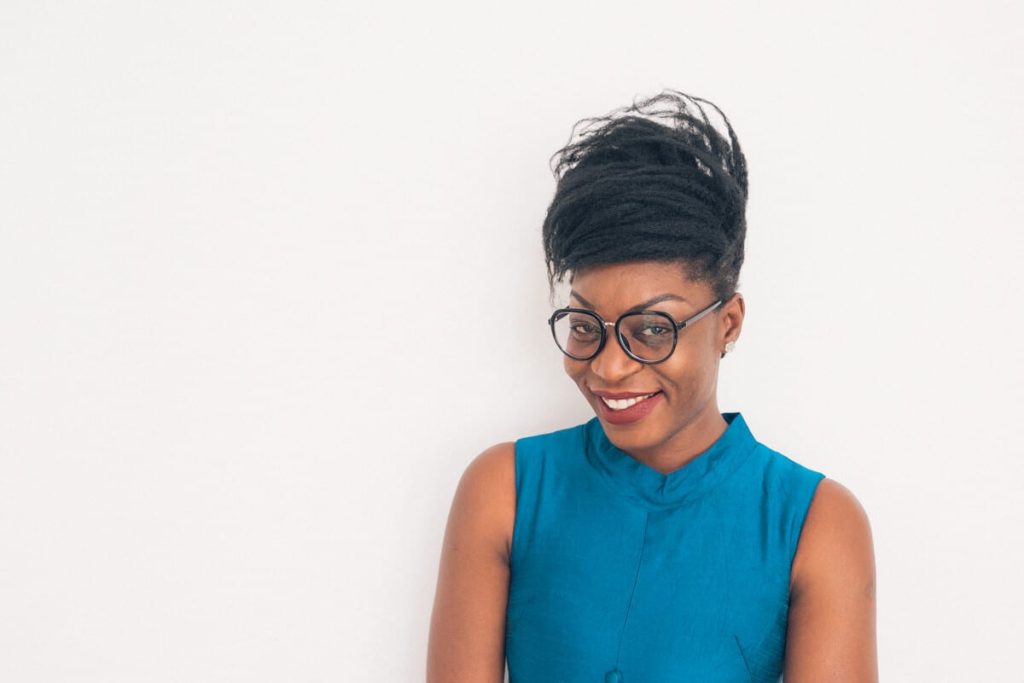
[bctt tweet=”Samba Yonga: I am now more interested in communicating real impact ” username=”SheLeadsAfrica”] Samba Yonga is a Media Communications specialist running her own firm Ku-atenga Media. A trained journalist, Samba initially worked with one of the daily papers but found the job extremely boring. She then joined a media company that worked in development communications, this opened up more opportunities in development communication role. Samba also recently co-founded the Museum of Women’s History in Zambia with Cultural Specialist Mulenga Kapwepwe and eight other women in Zambia. The Museum of Women’s History in Zambia aims to highlight women’s role in the history of the country. SLA contributor Kudakwashe Mulenga sat down with Samba Yonga to find out how she navigated her career to end up running her own businesses. You took on several roles at a fairly young age, did you face any challenges? I know the narrative of the ‘struggle of women’ is real —most people ask me how being a woman has impacted my work. I am aware that there are inequalities everywhere and work towards addressing them. In my case, I think I am very fortunate that women are encouraged to take on the work that I do. I have also been very lucky to be surrounded by people that encourage me and recognise my ability. [bctt tweet=”Samba Yonga: I think that women are encouraged to take on the work that I do” username=”SheLeadsAfrica”] We also live in an environment that is malleable, meaning you have to work around your situation. You have to create life hacks and develop market-creating skills for your business. On my end, we largely had to develop the market and I think it is the same with a lot of people in the creative/communications sector here in Zambia. You are co-founder of the Museum of Women’s History in Zambia, tell us about that. I co-founded the museum with a group of women who want to highlight the importance of women’s narrative in history. In the work I do I network with a lot of people and I took an interest in Zambian history. My work involved research to a great extent. And I would find intriguing stories about the past that I had never learnt in school even at college level. [bctt tweet=”Samba Yonga co-founded a museum to show the importance of women in Zambia’s history” username=”SheLeadsAfrica”] I then found a lot of things that were not in the mainstream narrative and that I felt should be known by all. As I researched more I found more and more interesting information. I met and listened to experienced cultural actors such as Mulenga Kapwepwe. I followed her work and also collaborated with historians such as Marja Hinfelaar, she was responsible for digitizing the National Archives of Zambia. Last year, I undertook a research in collaboration with a Swedish organization on these buried narratives. We met with communities who confirmed narratives of women having an active role in Zambia’s history but not being documented. One of my favourite ones is of the Mukuni Kingdom in which there is actually a dual leadership. Bedyango, as confirmed by Chief Mukuni was the Matriarch of the kingdom. Mukuni was a wandering ruler of the north who was strong and mighty. Bedyango realized that this was a threat to her kingdom and she offered a dual leadership instead. However, when the colonial authorities arrived they refused to recognize the woman as a leader and that is how Chief Mukuni became the more prominent leader. This information was never documented and many people don’t know about it though the dual leadership is still practiced today. This showed me how we are not using our own information to strengthen our communities. This is the concept for the museum. [bctt tweet=”Samba Yonga: We are not using our own information to strengthen our communities” username=”SheLeadsAfrica”] How has the reception been so far? The reception has been really good and we didn’t expect it. We just opened our virtual space and so many people have reached out with resources including stories and collections. A lot of history in Zambia is oral and the establishment of the museum has encouraged people to contribute. Our main goal is to get this information into the curriculum and make it part of mainstream knowledge. Who in your museum do you think every African should know? Immediately it is Bedyango the custodian and Matriarch of the Gundu kingdom, which is now Mukuni Village. She is a modern day example of a feminist. Bedyango is an example of someone who was able to stand for justice and used proven methods of leadership that progressed her kingdom. There is no other person who is a great example. Another notable one is Mumbi of the Shila people and she was responsible for the protection of the now Bemba people. Mumbi played the role of what could now be referred to as a modern-day diplomat. There are many examples and these show a very different perspective of women. Our history has obscured such figures and has limited the positions and roles that women played. We would like women and girls today to realize their own capabilities to achieve their dreams from the women of the past. [bctt tweet=”Our history has obscured such remarkable women – Samba Yonga” username=”SheLeadsAfrica”] Let us talk about your other baby Ku-atenga media, what does it do? Ku-atenga is primarily a communications consultancy. I have a background in communications both corporate and development. These unique skills allowed me to have a good understanding of what communication entails and what responses work for Africa. We combine these skills to create communications packages for Africans. Now there is huge interest from outside Zambia and Africa for African content. We design communication tools and content for different organizations at Ku-atenga. We have done work with varied local and international organizations. And more recently we are getting involved in doing more transformative communications that would effect change. I am now more
Maphano Mohapi: What doesn’t kill you, makes you stronger
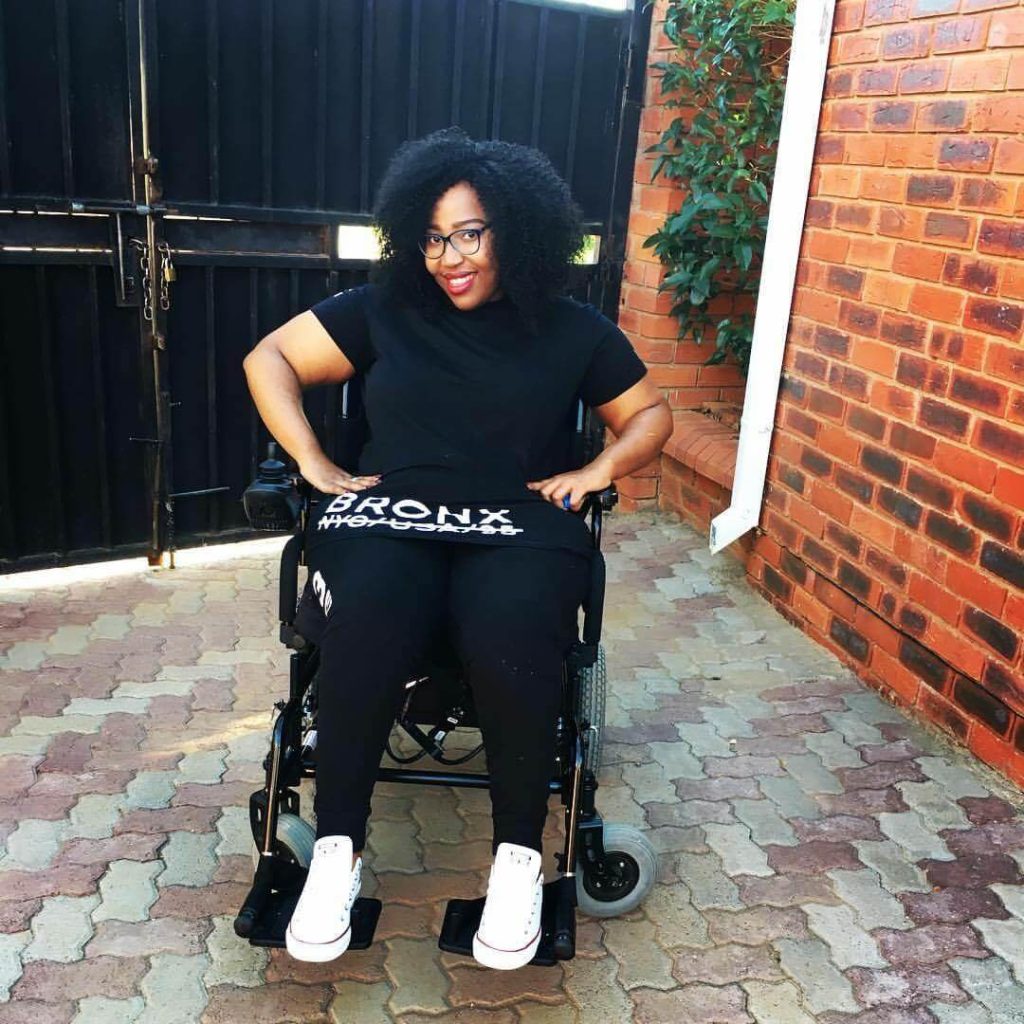
[bctt tweet=”What drives me every day is that I only have one life to live – Maphano Mohapi” username=”SheLeadsAfrica”] “Veni, vidi, vici”; I came, I saw, I conquered. Maphano Mohapi has indeed conquered all odds to be the phenomenal entrepreneur that she is today. Not only is she a social work graduate, nail technician and makeup artist with a spa business of her own; but she overcame and survived a fatal car accident in 2004 that left her unable to walk. Maphano was still in her teens at the time, but she found a way to embrace her tragedy and rise above it. Maphano describes herself as an ambitious Mosotho girl with a knack and love for people. Because of this trait, she always knew she wanted to be involved in work that engaged with other people. Maphano began hustling in her bedroom; doing people’s nails in the comfort of her home while raising enough capital to grow the business. Phano ea Bophelo Beauty Day Spa which can loosely be translated as “gift of life” was born in 2012. [bctt tweet=”Maphano Mohapi always wanted to be involved in work that engaged with other people” username=”SheLeadsAfrica”] A new lease on life For Maphano, the accident may have taken something most precious to her; her mobility— but it ended up giving her a new lease of life. It ignited a passion inside her she couldn’t resist and built resilience so strong that it helps her navigate the daily challenges she faces while running her business. [bctt tweet=”After her accident, Maphano developed a resilience that helps her navigate business challenges” username=”SheLeadsAfrica”] At first, Maphano’s challenge was the means of a start-up capital which led to her approach the Lesotho National Development Corporation for assistance. When her attempts proved futile, she had to seek other opportunities and knock on other doors. Luckily her parents had faith in her business endeavour and offered to help her with the start-up capital. “For most youth in Lesotho, embarking on a business is motivated primarily by the lack of employment. Hence it’s a survivor’s alternative to just lying around waiting for a job from God knows where. “After completing my studies at university, I could not find employment anywhere. People with a disability usually get discriminated against certain jobs because of their condition,” says Maphano. Maphano isn’t one to sit and have a pity party over how unfair life has been. Rather, she is full of joviality and zest that even able-bodied people don’t have. For Maphano, venturing into nail artistry and make-up was inevitable as she grew up loving art and has been painting since primary school. The only difference is that now she gets to do it for a living and smile all the way to the bank afterward. [bctt tweet=”For Maphano Mohapi, venturing into nail artistry and make-up was inevitable” username=”SheLeadsAfrica”] In order to perfect her skills, Maphano went to nail art school and make-up artistry school in South Africa. “Initially Phano ea Bophelo was supposed to be just a rehabilitation centre for trauma but it turned otherwise. However, the funniest part is that actually clients upon visiting the spa find both body rejuvenation and mental rehabilitation. “The social worker in me actually comes in handy because most women who come to the spa are usually laden with lots of problems and need an ear to listen. This is actually their safe haven where they can de-stress and connect with other women.” [bctt tweet=”Phano ea Bophelo is a safe haven where women can de-stress and connect” username=”SheLeadsAfrica”] At the initial stage of the business, Maphano collected clientele in her room through social work marketing. Even now, social media and word of mouth advertising have helped built up her brand and increase her clientele. Maphano’s perseverance and dedication has paid off as she was honoured and crowned victor in 2016 at the Finite Women appreciation awards under the entrepreneurship female category. Her parents have been her biggest supporters and she speaks fondly of them as her role models. They inspired her to venture into business; having travelled the road before themselves. Maphano credits their advice as instrumental in helping her navigate the various challenges that face her business. Her innermost desire is to see Maphano’s innermost desire is to see Phano ea Bophelo grow to greater heights and create more employment. Her last words are an encouragement to everyone, especially the youth to let their voice be heard and challenge stereotypes. “Never give up on your dreams and remember you only have one life to live. Getting a second chance in my life moulded me into the strong, beautiful black woman I am today. “What drives me every day is that I only have one life to live and the only thing I know how to do is to love because I don’t know what dead people do,” she ends with a chuckle.
Lebohang Monyatsi: The first South African woman in a wheelchair to be a runway model
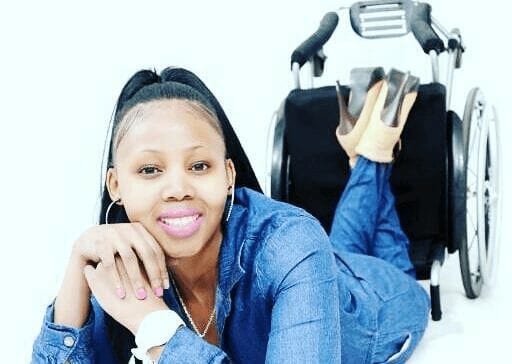
[bctt tweet=”The fashion industry ignores diversity and inclusion – Lebohang Manyatsi” username=”SheLeadsAfrica”] “The main goal is to break the stereotypes associated with people with disabilities in the fashion/entertainment industry and to pave the way for those to follow and succeed me.” Those words come from Lebohang Monyatsi, the first South African woman in a wheelchair to be a runway model. Lebohang was born and raised in North West Province, in a small town called Vryburg. She is recognized for representing her country in the field of Wheelchair Basketball. Lebohang is extremely passionate about the needs of children, disability inclusion and accessible features for all. Tell us about your journey as a model, what made you fall in love with modelling? I have always loved modeling. As a teenager, I did mostly pageants, but at some point, I gave up. This is because the fashion industry especially in South Africa, ignores diversity and inclusion. In SA, and other parts of Africa, many people have a belief that people who are differently abled are only good for office work or sport. I intend on making people see that we are capable of doing other things. We have other abilities beyond sports activities and office work. I wanted to embark on this from a young age but couldn’t because of lack of opportunities for people with disabilities in the entertainment industry. [bctt tweet=”Lebohang Manyatsi: I am work in progress and on the hunt for who I am yet to become” username=”SheLeadsAfrica”] What kept you going? “Be the change you wish to see”, that quote keeps me going. I believe that whatever change you wish to see in the world, you should be the first one to act on it, lead by example. As the first South African runway model to do so in a wheelchair, I believe my work speaks a lot of volumes. What are your goals as a model? My goals as a model are to do international modelling, to inspire/be a role model -especially to those who think “it’s not possible”. In addition to those two, I want to open doors for others to follow and surpass me. [bctt tweet=”Lebohang Manyatsi want to open doors for others with disabilities to follow and surpass her” username=”SheLeadsAfrica”] What have been your greatest accomplishments so far? So far my greatest achievement is being a finalist for Face Of The Globe and of course modelling at Soweto Fashion week which appeared on Selimathunzi. Also, modelling at Maboneng Fashion week and GeeJunction Fashion show. How do you define success? For me, success means being very happy and content with what you do. [bctt tweet=”Success means being very happy and content with what you do – Lebohang Manyatsi” username=”SheLeadsAfrica”] What do you think needs to be done to make the fashion/entertainment industry friendlier to disabled people? People want to see diversity in the fashion/entertainment industry. The industry needs to keep this in mind and actively work towards being inclusive and diverse at all time. What is your motto in life? Be happy with what you have but never give up on what you want. If you’d like to share your story with She Leads Africa, let us know more about you and your story here.
Oby Bamidele: The more you conform, the less you become
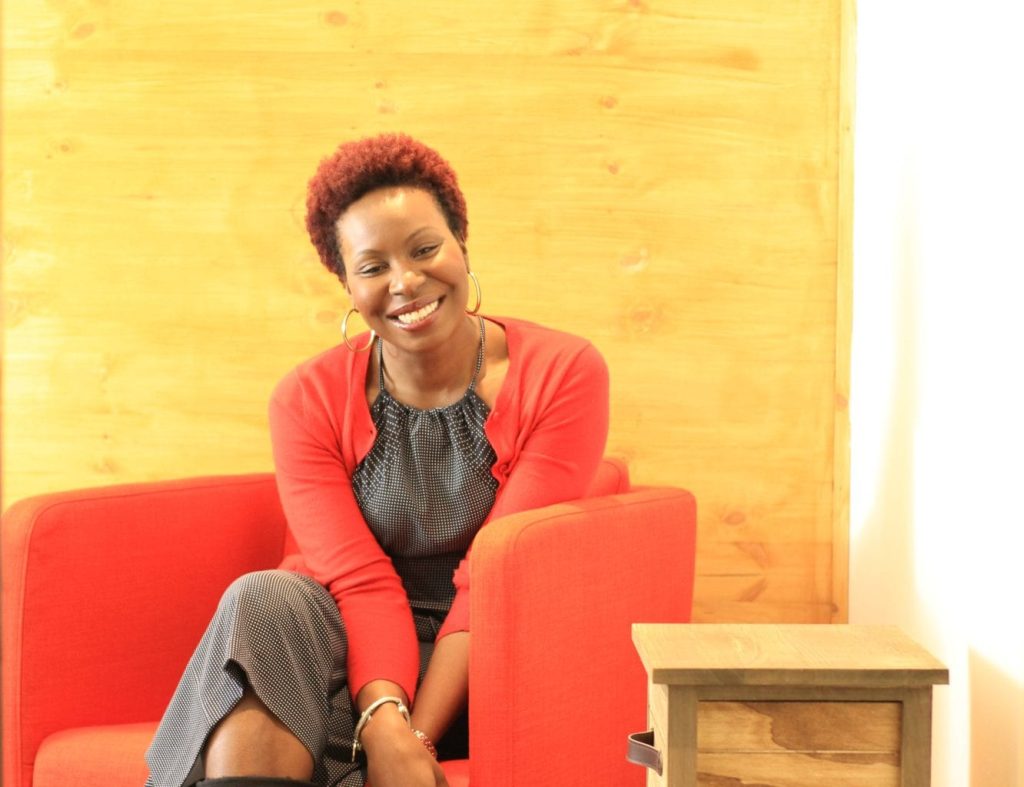
[bctt tweet=”I predominantly help women dig deep to discover their true self – Oby Bamidele” username=”SheLeadsAfrica”] Oby Bamidele is an Authenticity Coach and registered Counsellor who believes that a person can only be truly happy when he or she is being true to themselves. Oby started her career as an accountant, and in her book “Finding Purpose”, she shares candidly her challenges and triumphs in breaking out of a conformist life and uninspiring career. Her interest had always been in people and psychology, but at 18 years old, she lacked the knowledge and conviction to convince her parents that studying Psychology would be a wise career choice. After years of struggling to live the fulfilling life she craved, Oby finally took the leap and she certainly is not looking back. Her goal is to empower women around the world to be authentic, self-aware and live purposeful, nonconformist, liberated lives. Tell us a little about yourself and your job as an Authenticity Coach? Although my clients are diverse, I predominantly help women dig deep to discover their true self and the clarity and courage to make the changes that will enable them to live a deeply satisfying life. We live in a world where we strive to fit in and conform to gain approval. We do what is expected of us by our families, friends, society and the world, usually to the detriment of our own needs, dreams, and passion. In our bid to fit in, we lose the essence of who we are, or we hide away the parts of us that we feel do not fit into the ideal standard. However, doing so hinders our ability to embrace our uniqueness and individuality. When my clients come to me, they are frustrated, confused, scared and unsure. My job is to help them, understand who they are, identify the root of their problems and coach them to develop the right mindset, resilience, and resources to achieve their desired change. Before becoming an Authenticity Coach and Counsellor, you were an Accountant. What inspired the transformation? I started my career in Accounting, having studied Accounting and Finance at University. But I was unfulfilled in a career that didn’t play to my strengths, passions or interests, which for me was soul-defying. I wanted to be excited about my work and not dread Monday mornings. [bctt tweet=”Oby Bamidele wanted to be excited about her work and not dread Monday mornings” username=”SheLeadsAfrica”] I was unhappy and constantly trying to be the person that I thought I should be rather the person I truly wanted and needed to be. As a result of my unhappiness, I made poor choices in my spending, relationships and my eating habits. Things were spiralling out of control, I was engaging in excessive behaviours to numb my emotional pain. I reached a low point where I had to re-think my life; my self-discovery journey began. I started having counselling and mentoring. Through counselling, I began to know me and I liked the new person that was emerging. I learned that not knowing what I wanted was the route to a wasted and frustrated life. I have always been passionate about empowering people and the more self-aware I became, this stood out strongly as the career path for me. It took me 5 years to complete my training in counselling but I thoroughly enjoyed it. After working part time as a counsellor, I finally took a leap of faith and launched my private practice. I love my work and I am extremely passionate about it. I understand the pain of my clients because I have been there. Also, I run self-awareness masterclasses for women and teenage girls, called BARE. Doing the work I love gives me the opportunity to work with schools, organisations, to speak about Authenticity and Mental Health. [bctt tweet=”Having been there before, Oby Bamidele understands the pain of her clients” username=”SheLeadsAfrica”] I have written two books; “Finding Purpose” and my latest book is titled “Me, My hair and the Rest” -an autobiographical account of my journey to self-acceptance and authenticity, recounted through my relationship with my hair. What are some obstacles you encountered during this transformation? My main obstacles were fear in its various forms, particularly fear of losing my identity. I discovered how much my identity was attached to a job title, despite the fact it was a job title that didn’t excite me. I was still desperately trying to hold on to a status that made me feel validated by others. Why do you think many women are conforming to societal standards lately? What happens to people who conform to societal standards? I think that as human beings; we crave approval and acceptance. Often when we try to follow our own way, we fear we will be rejected, ridiculed, or looked down on. Many are desperate for approval and believe that conforming is the way to earn that validation. Culture and society model the perfect life as having financial wealth, status and possessions, looking flawless and perfect. It is all about the external things. Whilst there is absolutely nothing wrong with having material wealth, many rarely stop to question whether the cultural and societal norms are aligned with their own values. As African women, many of us have had our lives mapped out from a very young age. Before the age of 10, I knew that my life would look like this; go to university; get a good job; get married and have children. For a long time that was as far as I understood my purpose to be. [bctt tweet=”Many African women have had our lives mapped out from a very young age – Oby Bamidele” username=”SheLeadsAfrica”] But I lacked self-knowledge to question if I wanted those things and if so, why. Was it out of my own desires or because I had to tick a box? When I ask clients these questions, many don’t know the answer. Some are scared to find
Assia Sidibe: I am building a better Africa for myself and my daughters
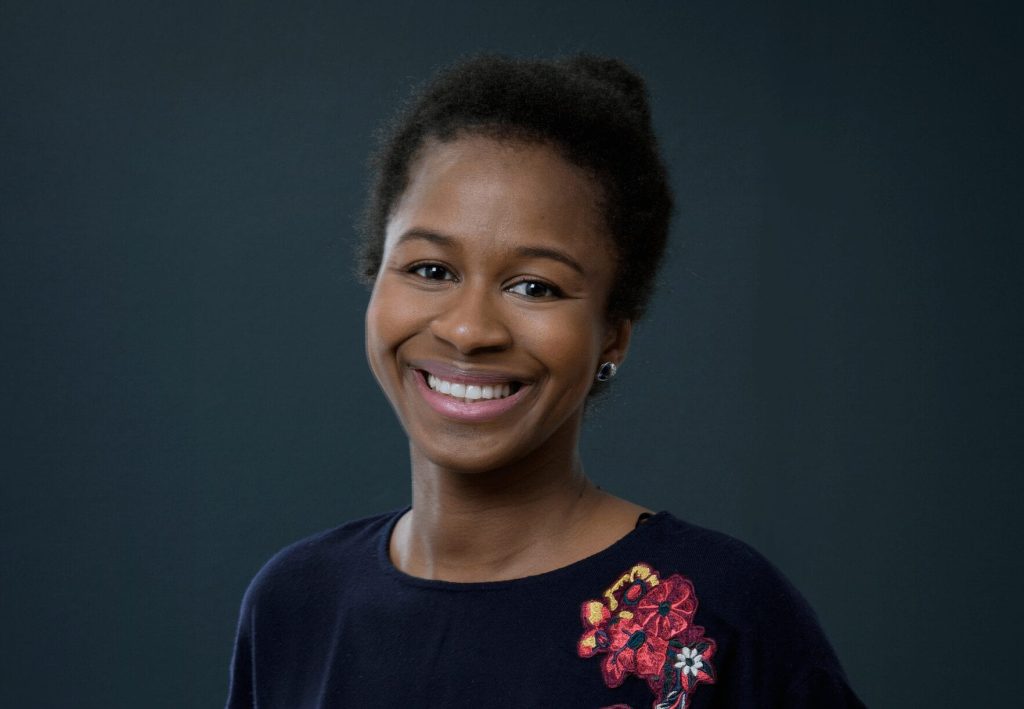
[bctt tweet=”Your first husband is your job. It is important to be independent – Assia Sidibe” username=”SheLeadsAfrica”] At only 32 years old, Assia Sidibe heads the pool of Francophone countries for the African Risk Capacity (ARC) – a specialized institution of the African Union that insures African countries against the risks of extreme weather events. Assia is from the beautiful land of Mali; she grew up in Côte d’Ivoire but had to leave this second home 16 years later, after a coup in the country, for France, where she lived for a decade. In this interview that took place on a plane, 3 hours away from a Madagascar business trip, SLA contributor Meguy Massoudi attempts to capture just what a trailblazer Assia is. Assia did a great job at answering with candor and a lot of humor. What did you want to be when you grew up? Why? I have no idea. I was not one of those people that knew what they wanted to do. All I knew is that I wanted to work in development and help people. Growing up in Côte d’Ivoire, I could sense the inequalities in society. I wanted to help people that were less fortunate than I was, just not in a charity sort of way. That idea only became concrete when I was around 18 or 19. How did you decide that finance was the route you would take for your studies and later your career? When I was supposed to decide what to study, I had no idea what to do. My parents pushed this idea that finance was the best place to start on me. They believed that it opened a career in everything. So I studied finance in high school. After my Baccalaureate, I did a PREPA (preparatory school) in Superior Classical Letters. I was curious about learning about history, languages, and philosophy. After that, I knew what I wanted to do. So I did a Master’s degree at Science PO Paris in Finance and Strategy. And from then, it opened up a career in development very easily. Have you ever done any volunteer work? If yes, how has it been important to you? If not, would you be interested in volunteer work? When I arrived in South Africa, I gave contemporary dance lessons to teenagers in the Joburg CBD. I wanted to give back to the community. I wish I could volunteer more. If I had more time I would. Have you ever faced problems in the workplace because you are a woman, how have you dealt with them? No. I have faced problems in the workplace more because I am young. Working with African governments however, it has not been as difficult. Being a woman can be challenging, but if the work relationships are based on mutual respect, that is good. [bctt tweet=”Assia Sidibe: I have faced problems in the workplace more because I am young” username=”SheLeadsAfrica”] I have been pleasantly surprised by the open-mindedness of senior government officials who are willing to work with women of every age, especially in West Africa. Africans are not as closed minded as we are often made up to believe. You have a career that allows you to surpass yourself every day, and meet the game shakers in climate change and in governments. How do you find the confidence to talk to so many high profile people and get them to align with your vision and participate in your work? I am not at all impressed by high-rank people. At the end of the day, we are all working for the continent. I don’t scare easily or get impressed easily. That doesn’t mean I don’t respect them. I also think it is important to share our different views with one another, Minister or not. You would be surprised how friendly and open-minded people on the continent are. Was there a time you messed up and felt like you failed? What did you do to recover? I wouldn’t say messed up. But last year, one of my countries didn’t get on board with ARC. I didn’t feel like I failed because I was on maternity leave. But I felt guilty. It’s a woman thing. When I had to travel after giving birth and leave a little baby, I also felt guilty. I always leave thinking to myself, did I make the right choice? But I wouldn’t be happy staying at home. I tell myself, I am building a better Africa for myself and my daughters. And If I can make that impact, then that’s good. What keeps you going in the most stressful times? The belief in the potential of our continent keeps me going. I believe in what I do. I admit to being a bit of an idealist. But the bottom line is believing in what I do. I meet exceptional civil servants who work in hard situations but they never give up. In hard times, these people inspire me and keep me going. [bctt tweet=”The belief in the potential of our continent keeps me going – Assia Sidibe” username=”SheLeadsAfrica”] When we talk about the continent, we don’t talk enough about those that do everything in their power to make Africa better. We only talk about those that are corrupted. What are your success habits? My success habit would be never giving up. But I wonder if I even really have success habits. I am just a person who never gives up. It’s in my personality. Nothing is impossible. So my success habit would be to explore a hundred ways to solve a problem before giving up, in every single thing I do. What advice do you have for women wanting to make advancements or drastic changes in their careers? I will start by addressing the point about drastic career changes. Speaking from experience, I resigned from my job in France. You have to find the courage to do it. When you want to do something, do it. For
Toyosi Ogunmekan: The warrior #MotherlandMogul
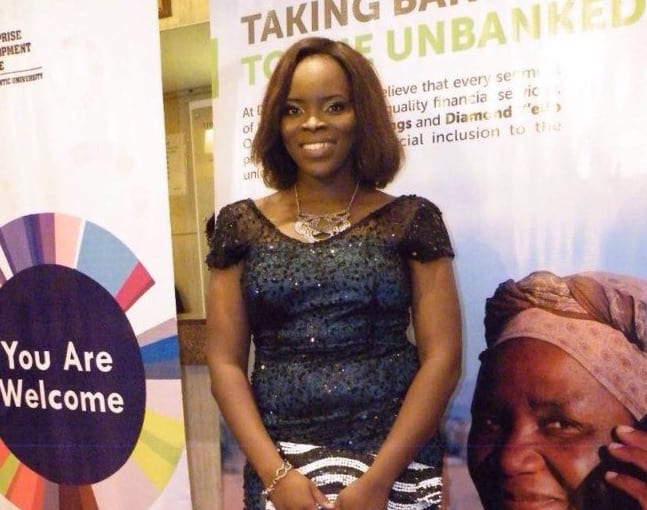
[bctt tweet=”Toyosi Ogunemeka is a Sickle Cell warrior whose start-up answers shortcomings in the healthcare system” username=”SheLeadsAfrica”] Toyosi Ogunmekan is a “warrior”! Yes, she is a Sickle Cell warrior who got involved in business because she noticed shortcomings in the healthcare system. Instead of getting beaten by the system, Toyosi decided to roll up her sleeves and make an impact. She started a business in medical technology, Toyo Medical Techs where she provides a range of healthcare products used to diagnose, monitor or treat a disease or medical condition. It includes medical devices, information technology, biotechnology, and healthcare services. SLA contributor Ugochi Obidiegwu caught up with her recently to understand her drive. What led you to start your business? After my post graduate in biomedical engineering, I fell in love with the idea of applying engineering principles to medicine. As a regular hospital visitor, being SS, I was very dissatisfied with our Nigerian healthcare system. I felt we needed to do a lot more technologically to meet up with foreign standards. Hence, the birth of Toyo Medical Techs. What has been your experience as a woman and SS in your line of business? Every business, especially at the start-up stage is very stressful and challenging. In my business, I have to do a lot of running around and drive long distances. There are days I feel overwhelmed and break down, there are also days I get comments like “I love what you do, keep it up” and that just makes my day. It’s been a bitter-sweet experience so far and I’m excited for what is to come. [bctt tweet=”Nigeria needs to do a lot more technologically to meet up with foreign standards – Toyosi Ogunmekan” username=”SheLeadsAfrica”] What is the impact of your business activities on your health? Doctors advise their sickle cell patients to avoid all forms of stress, but I don’t know. Maybe it’s an “SS-thing” we tend to be very stubborn and still act like we can do it all. Maybe we are trying to prove we’re not as weak as people think we are. Well there are days I suffer the aftermath of over stretching myself. I also thank God for family and friends who tend to “scold” me when I’m over doing it. Some 2/3 years ago I was diagnosed with avascular necrosis of the hip (it’s a common complication in sickle cell patients). My doctor recommended I do a lot of physiotherapy, avoid standing and sitting for too long, etc. But you know Lagos and all the traffic, sometimes I sit in traffic for hours! And when I get home, the pain I usually experience from that hip! OMG! It’s unexplainable. Still I’ve been able to understand my body and figure out how to balance my health and work. What’s your advice to others with your health challenge? My advice to other warriors is for them to be religious with their medications, avoid as much stress as possible, stay hydrated, understand their bodies; know when to slow down and join support groups. I run an awareness page on Instagram @thewarriorstoryng where I share tips and stories of other warriors to inspire others. I’m also a member of the Sickle Cell Aid Foundation (SCAF). From your entrepreneurship experience, what would you advice someone about to start? Be passionate about your dreams and don’t let anyone make you feel like you can’t do it. When one client says no, it doesn’t mean you should be discouraged, move on. And most importantly, pray. [bctt tweet=”A lot of people are ignorant and think sickle cell warriors don’t live long – Toyosi Ogunmekan” username=”SheLeadsAfrica”] What myths about Sickle Cell disorder annoy you? A lot of people are still ignorant about the disorder and think warriors don’t live long. There are a lot of warriors that live up to 90+ What are your plans for 2017? Hmmm… to stay healthy, get that beach body, I pray. I want to keep creating awareness on sickle cell disorder and keep pushing my business forward. Want to see women you know featured on SLA? Tell us what amazing things women are doing in your communities here.
Anyiko Owoko: It starts with you
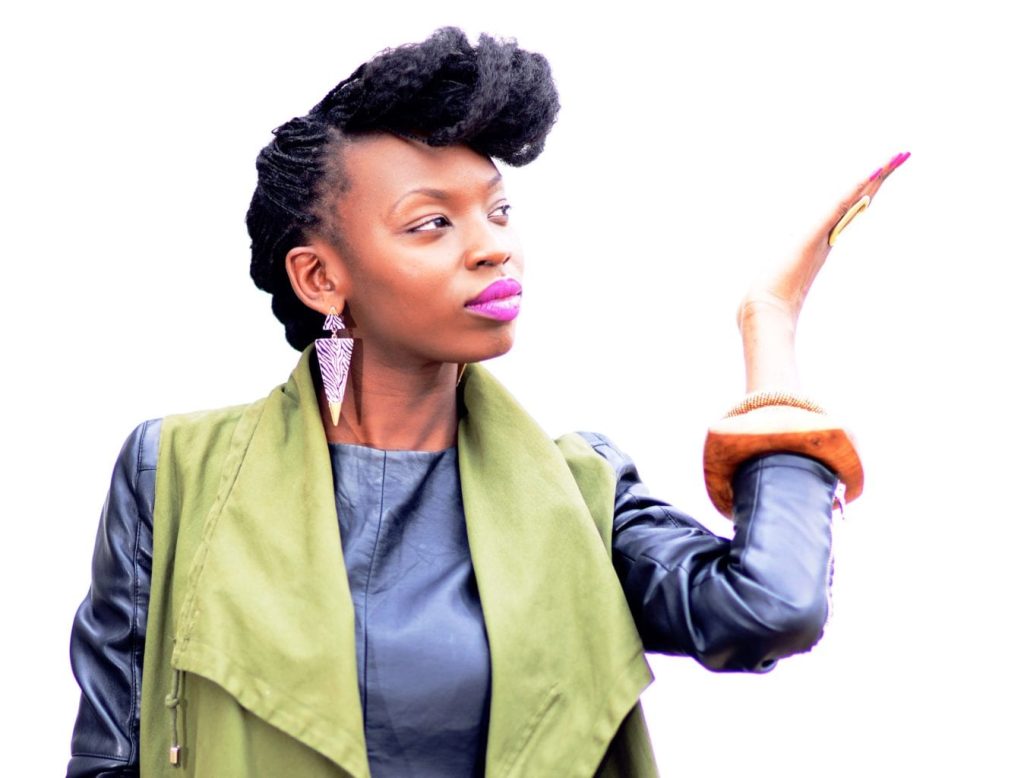
[bctt tweet=”Anyiko Owoko is a writer and PR maven who has worked with many Kenyan & African stars” username=”SheLeadsAfrica”] A celebrity publicist, a Public Relations maven, journalist, blogger and all round music and entertainment aficionado -Anyiko Owoko is the perfect definition of more than a triple threat. The young connoisseur is the publicist to award winning East African music group; Sauti Sol. Starting out as their friend and assistant, Anyiko has risen to media success thanks to her work with the boy band. Anyiko also works with many other talented artists on the continent and beyond who have seen her prowess as an influential communicator and brand strategist. Now she intends to expand her growing PR company –Anyiko PR and let SLA contributor, Diana Odero in on her journey to where she is now and why she is fuelled by creative people. You have the incredible role of being Sauti Sol’s publicist. How did this come about? I have always been their friend to begin with. I was initially friends with Chimano in particular, who I met in 2006 at Alliance Francaise where I was studying French. Funny thing is, we weren’t even in the same class so I don’t really recall how we became friends. Chimano would always tell me about his friends and him singing in high school and now that they were done, they were thinking of starting a music group. He wanted my opinion on that. So I sort of became their advisor from back in the day and I encouraged them to take on the music group idea. Chimano and I joined the choir at Alliance and we really liked it but Chimano felt that he needed his friend (from high school) to join in as well. We both convinced the choirmaster to allow his friend -Bien Baraza to join, even though non-students weren’t allowed in the choir. Later on Savara and Polycarp, Chimano’s other friends were brought in and they were a full singing group in a choir. After we completed the French program, we enrolled into University and surprisingly Chimano and I ended up in the same school, in the same course and in the same class. That’s really how it all started and as for me, I’ve always loved writing and communicating. As a friend, that was a great quality I had that was able to help them get their group off the ground. I have been their road manager, an assistant, I got them onto social media and after several years, they realized that I was the main person doing their publicity. I knew they would become big stars from way back in the day and so I did all I could to secure their brand and maintain their presence in the music industry. They of course now have a bigger team; I even have my own assistant as well, so at least we have a lot more help than we did when it was just the boys and I. Did you always want to get into the public relations field? No, I never saw myself doing this kind of work. PR kind of just found me because of the work I was doing with Sauti Sol. My plan had always been to get into writing and become a journalist. PR is part of communications so it still lies in my preferred field but I guess you can say I ended up specializing in it. [bctt tweet=”Anyiko Owoko: PR kind of found me because of the work I was doing with Sauti Sol” username=”SheLeadsAfrica”] I wanted to do broadcast journalism, which I have been doing actually; I’ve been working in TV for the past seven years. I still write though, I write for DStv, for the Daily Nation, I run my own blog and I also write for the Coke Studio website. So I’m still doing what I always wanted to do and I’m grateful to have found something else that I can do that contributes to the industry. How did you know that it was time to leave the employee life and become your own boss? I recently stopped working in TV this past September because I wanted something new and more challenging and needed a break from my broadcast career. About three years ago, I started feeling this way, I always wanted to leave but it was a bitter-sweet decision to make as that was my first official paying job. I was still in college when I got that job and for a journalism student, landing a job hosting an entertainment show in a national network was and still is quite a big deal. It was a really great show with great content that you don’t get much of nowadays in Kenya. I knew I wanted to leave when I realized I wasn’t learning anything new. People would come on the show and I would train them on hosting, reporting, scriptwriting etc. and no one was teaching me anything new. The producer of the show who discovered me had already left the network and I was now answering to his juniors even though I had more creative experience than they did. In addition, things were really changing fast in the world of media, including social media . The show was stagnant and I started interviewing the same artists all over again due to lack of content so it was getting too monotonous for me. [bctt tweet=”I knew I wanted to leave my job when I realized I wasn’t learning anything new – Anyiko Owoko” username=”SheLeadsAfrica”] Now I have my own column in Yummy Magazine where I interview all kinds of celebrities discussing food and lifestyle, which is something I never thought I would do. I started my own company and all this has been the breathe of fresh air that I really needed. As a celebrity publicist now, can you tell us which artist has been the most pleasant to work with and which interview has been the
Why your ‘I Can’ is more important than your IQ
[bctt tweet=”You can have a high IQ and EQ but still fail to create tangible results without this skill” username=”SheLeadsAfrica”] In the journey of entrepreneurship, it’s important that you walk with three necessary companions. They are your Intelligence Quotient (IQ), Emotional Intelligence Quotient (EQ), and the skill of I Can. IQ, which is a measure of intelligence, will tell you how to navigate this interesting but challenging journey. EQ, which deals with the understanding of our feelings and those of others, will make your journey less challenging. It will make your business that ‘person’ whom people are endeared to and are willing to be with no matter what. But you can have a high level of Intelligence as well as Emotional Intelligence Quotient and still find it difficult to turn your business ideas into tangible results. And this happens when you don’t have the skill of I Can. We call it a skill but I Can is a strong inner feeling that you can make anything possible. In running a successful business or building an enviable career, you can only go as far as your inner voice takes you. In fact, you can have an average level of intelligence but with the skill of I Can, you can go on to become a successful entrepreneur. How is this possible? For a very long time, many of us have been made to wrongly believe that having only business knowledge, skills and intelligence can make us become successful entrepreneurs. This article is about getting things right. Entrepreneurs don’t have two heads Entrepreneurs are often portrayed as distinctive individuals who are set apart from the rest of humanity. Not true. As long as you can employ the use of I Can to turn that good idea which you are passionate about into an enterprise, you can become a successful entrepreneur. Entrepreneurship goes hand in hand with failure and risk taking. You cannot hope to run a successful commercial enterprise without failing. In fact, the more you fail the better you become. Each time you fail, you have to pick yourself up. You need more than just intelligence to pick yourself up, you have to turn to the inner strength that you possess —and that’s your I Can. To challenge the status quo with your idea, to change the narrative of the market you’re willing to transform, you must take risk. In reality, the more risk you take as an entrepreneur, the more successful you’re likely to be. [bctt tweet=”Entrepreneurs aren’t distinctive individuals, to run a successful enterprise expect to fail” username=”SheLeadsAfrica”] Without self-confidence, you’re going nowhere When you have self-confidence, things begin to take shape. To rise each time you fail, to take risk in order to transform your dreams into tangible products and services, you have to have self-confidence. Making the choice of becoming an entrepreneur, as challenging as it is, is an opportunity of a lifetime to make a huge difference. It means you now have the chance of building a great legacy. You’re telling the world that your potential is not a waste. Each time you remind yourself of all these, your self-confidence jumps to a new level. Until you develop the skill of I Can and constantly say to yourself with a strong conviction that you can do it, your self-confidence might be just disappear. [bctt tweet=”Running on the conviction that you can succeed as an entrepreneur will take you nowhere” username=”SheLeadsAfrica”] Keep your eyes fixed on the ball To be successful at running a business or social enterprise, you have to be focused. Know what you want and where you’re going; set your eyes on the goal. No one understands your business goals more than you, so keep moving in the direction of your set goals. When you take a risk and probably fail, your self-confidence tends to wane. So you have to go back to the drawing board, dwelling on your ultimate goals, saying directly to your challenges that of course I Can. In the face of challenges, which are inevitable if you would become a successful entrepreneur anyway, your intelligence crumbles, your self-confidence is shaken to its foundation; however, holding on to the belief that you can still turn your dreams into tangible results is the only way to go. Nonetheless, having the inner strength and conviction that you can succeed as an entrepreneur will take you nowhere. Turning this conviction into a habit that is used on a daily basis will no doubt take you somewhere. And that’s what the skill of I Can is all about. Your I Can will help you break barriers The journey of entrepreneurship is a tough and long one, no doubt. But having the requisite skills, knowledge and intelligence can make it easy and short. However, having the skill of I Can will make it even easier and shorter. Downplaying the hype about entrepreneurship, building your self-confidence, and of course having focus can help you build the all important skill of I Can. And with it, you can go on to break barriers and build that business or career of your dreams.