
Vivian Onano: Where you come from does not determine your power
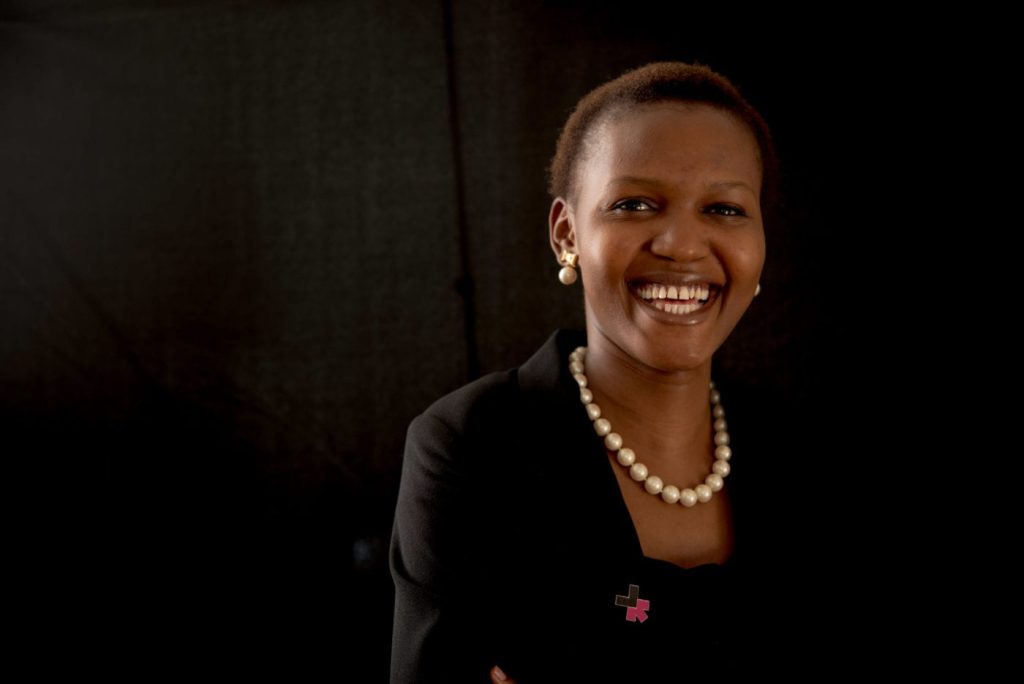
One year ago, in front of the entire UN General Assembly, the then 24-year-old Vivian Onano gave her first keynote speech. Not many 24 year olds can claim such an achievement, neither can they say they dined with FLOTUS, hung out with Bill Clinton or met all living American presidents, Jimmy Carter excluded. Coming from a small village in Nyanza province, Kenya, Vivian has grown into one of Africa’s most passionate youth advocates with credentials that have earned her a seat at the table with the greats of the world. Diana Odero, our SLA contributor, had a candid chat with the young powerhouse about how her life has changed significantly since then and why she will not stop fighting for the rights the youth deserve. Tell us, who is Vivian really? Minus all the accolades, jet setting and changing the world, tell us about the girl -Vivian Onano? Well, Vivian the girl is a very shy person believe it or not. I’m very shy and I think it’s my demeanor that makes people think I’m not. I consider myself an introvert because as much as I’m out there doing all these things, I always feel drained after an event or two. I always need some space and time to myself just to re-energize for the next day or the next thing I need to do. I’m very down to earth and that’s something else that is also wrongly perceived by those on the outside looking in. I love dancing and being around happy people who are also very focused. I keep my circle very small, around people who give me the positive energy I need to get things done. It’s really helpful to have such focused and enthusiastic people around you. That aside, I’d like to add that I’m very approachable guys! There’s been incidences when some journalists have been scared to approach me just based on the straight-faced look I usually have —please don’t judge me by my face, I’m always willing and happy to talk to people. How did you get started on this activism journey? My mum and my grandmother raised me, and my grandmother is a woman with a very giving heart. I grew up on so little but even with the little we had she would call all the neighbours and their kids to share with them when they didn’t have much. So, it all started from my family who taught me the importance of giving despite having so little. I remember I used to help my classmates with homework back in primary school and I was always that kid who would stand up for others, particularly my fellow girls. I’ve been a student leader from kindergarten all the way to college and I think that’s where all the self-confidence came from as well. It’s part and parcel of my DNA. The field you are in currently must bring lots of challenges and difficult tasks to take on. How do you handle such situations? How do you deal with conflict? It’s true that my field is a very difficult space to be in and I think it’s even more difficult being as young as I am. I always find myself in spaces with people of the older generation and mostly just men. It’s great exposure and it’s helped me build great networks but I always have to rise up to the challenge of knowing I’m still a young person who has to be an adult at the same time. I’m representing the voices of African youth and I want to be taken seriously but the kid in me still wants to be a kid. Juggling both worlds is quite the task. Whenever I go to conferences, people are always like ‘When I read your bio I thought you would be much older…’ Others expect to see a 40 year old woman so it forces me to rise up to the maturity level of a 40 year old woman while giving a presentation/talk yet I’m only 25. I still keep it very authentic and stay true to myself but I always hope my presentation matches what they are expecting to see. Whenever I’m speaking on a panel for example, I never want my age to be used as an excuse for the type of contribution I give to the topic at hand. I always want to deliver it the same way an accomplished older person would as well and attain the same respect, that way making room for future young people like me to get the same opportunity. As for dealing with conflicts, it’s always best to be diplomatic i.e. be very honest but also very respectful at the same time. I’ve come to realize that people think some spaces should only be for the older generation. Being mindful of that, I try and remain as authentic as I can be but respectful of where they’re coming from so as to avoid anything escalating out of proportion. You are a self-proclaimed feminist. What does the word feminist mean to you and why do you think it is still frowned upon today? Being a feminist in my opinion is giving everybody an equal opportunity to maximize on his or her God-given human abilities. The reason why it’s still frowned upon is because it’s seen as a sort of label for angry women. As a feminist, I don’t look at it that way. I engage with men just the same way I engage with women when it comes to feminism, gender equality, women’s empowerment etc. I actually think I’m much tougher on men as I try to make them understand the importance of gender equality, the importance of everyone having equal rights and opportunities and maximize on their talents. You have sat in the same room with some of the most prominent people in the world including President Obama and first lady Michelle. If you were to have dinner with anyone in the world, who would it
Lona Mnguni: Motivation is like happiness, it shows on the outside
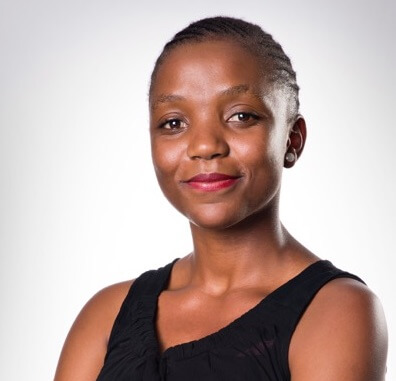
Some women look unemployment in the face without fear. When Lona Mnguni found herself unemployed after leaving her service consultancy job, she came up with Gracenet Logistics. Gracenet is a social entrepreneurship venture that aims to improve livelihoods in rural areas and townships in South Africa through logistics and distribution. When Lona shared her story with SLA, we learned that she has high strengths in empathy and motivation. Lona lets us know her tips on keeping herself and her small team motivated. She also reminded us of the importance of leading from a place of understanding. Tell us about the inspiration that led you to start Gracenet Logistics? Starting Gracenet Logistics was a case of making lemonade out of lemons while simultaneously creating an impact in rural areas. I grew up in a rural town and during school holidays, we would visit “home” in our rurals. I’ve always wanted to improve life for those who live in rural areas in one way or another. The opportunity presented itself at a time where I found myself unemployed. The only experience and qualifications I had were in banking, logistics and customer service. What better way to create the impact I wanted, create employment and also do something about my own unemployment than to create something that will combine my interests? Gracenet brings together my love for rural areas and the lack of access to resources because of a delay in logistics to them. As well as procedures and customer satisfaction measures that would ensure that timelines are in place and communicated to the end user. Why did you decide to leave your job as a service consultant? I wanted more, I had worked in my job for two years and found that in that time it was going to take me ages to move on to the next level. I wanted growth, and to develop as an individual. When I resigned, I had not resigned with the intention to start Gracenet. I resigned to join another organization in a position just above the one I was in. However, things backfired and the position was not available anymore by the time I had finished serving notice. Why do you think little attention is paid to deliveries in rural areas and townships? I would say it’s the roads. Also, the task that it is to actually deviate from a route that is on the main road to then get onto a gravel road. Most big companies have set routes and this would mean that there would be a delay in their delivery times. What was the situation that lead to resources such as school books and medication sitting for days on end in warehouses? What prevented them from being distributed? Delivering to rural areas, more so to public institutions, is not as easy as putting the address in the GPS and driving there. This is because the address might not be there or may be inaccurate. Sometimes, even when the drivers get to the area that they are delivering to, they still need to ask for directions. With school books for example, before leaving we would have to call the school to find out where they are located. All of this takes effort and I’m sure that the reason most of these resources are not distributed is because no one is willing to put in the extra time and effort to make it work. How do you effectively manage a small team? I recently did an emotional management session with my mentor. In a quiz, my two highest scoring strengths were empathy and motivation. This was comforting because it was confirmation of my ability to keep my team motivated and always lead from a place of understanding instead of being a dictator. Having scored high on motivation, can you share six ways you motivate yourself and your team? Keeping myself motivated, is the important part. Motivation is like happiness, it shows on the outside. When you are motivated, it rubs off. I keep myself motivated by; Looking after my spiritual health, Consistently practicing mental toughness Celebrating small victories and Reading and watching things things that motivate me (such as my SLA newsletters). Keeping a small team inspired can be challenging. At times, everyone will slack off or feel entitled as we all play multiple roles since the business is still at start-up phase. We have regular conversations about the current position of the staff in the business and the position of the business as a whole. I also constantly remind my staff of the company’s vision, and that we are in a growth process together. Hey South African #MotherlandMoguls, the SheHive will be landing in Johannesburg from November 3-6. Find out more here.
Carol Nyazika: It doesn’t matter if others don’t believe in your dreams
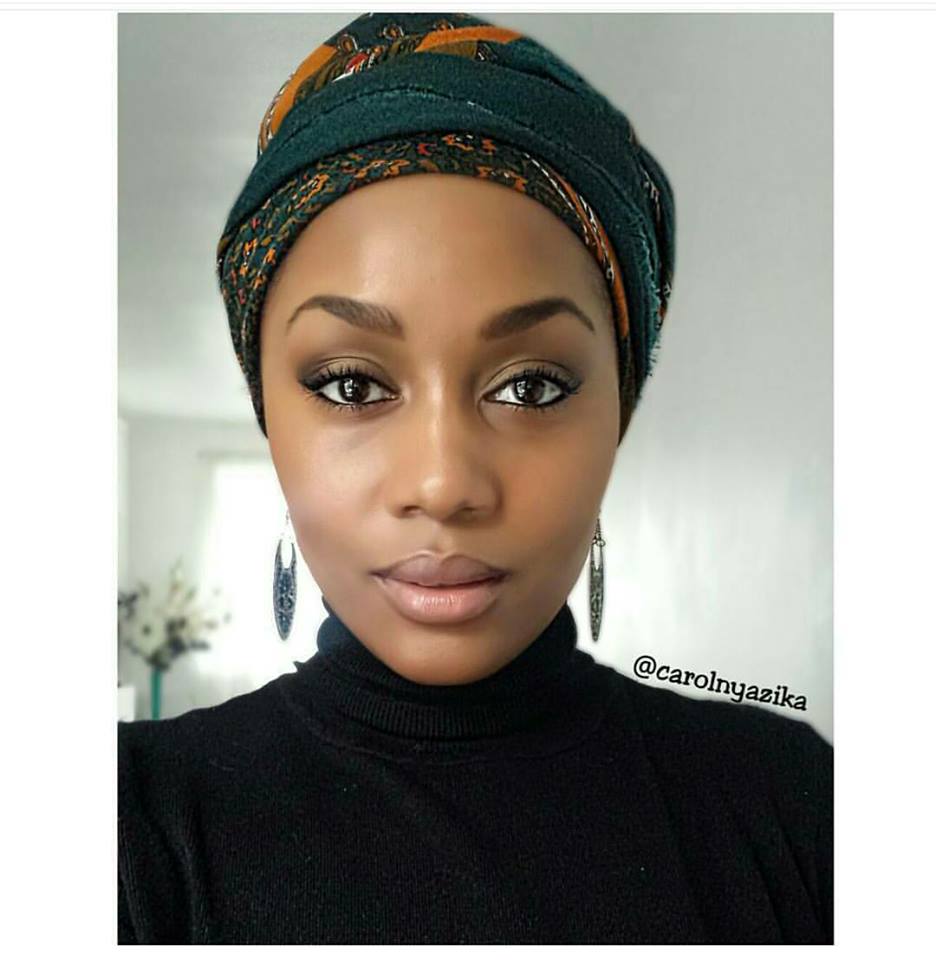
Moving back home was a strategic decision for Carol Nyazika, founder of African Women Awards (AWA) and the founder of Ndanaka. SLA contributor Glenda Makumbe met up with 27-year-old Carol Nyazika just a day before she travelled to South Africa. Carol has been based in the UK for the past 10 years but just recently moved back to Zimbabwe. She studied social work at Sunderland University, is a trained organic skin care formulator and is very passionate about women in business. Carol credits her passion to her very ambitious female family members. In this chat with Glenda, Carol shared the reason behind giving her blog a Shona name and how she founded her own version of Black Girls Rock, the African Women Awards. Let’s talk about Ndanaka. What is it and how did it come about? I started Ndanaka in 2011 when people were not really talking about natural products. Ndanaka started as a lifestyle blog that promotes natural skin and hair care. I was suffering from dry skin and my mother was also going through a phase where her skin was breaking out and all the products she was using were not working for her. I started mixing up a few things for her that she could try. I am actually a trained formulator. So, creating was just me putting what I learnt to practice. I gave my brand a Shona name because there are so many products out there with either French or foreign names. We can hardly pronounce them but we learn to. So, I knew that there was no harm in giving my brand a Shona name and to be authentic about it. The word Ndanaka has several translations and can mean “I am beautiful” or in slang, “I’m good“. What challenges have you faced as a black African woman living abroad? I relocated to Zimbabwe in April this year. That was a very strategic move for me, to grow Ndanaka and be fully present to grow AWA. As a black African woman living in Newcastle, I realized at the time that there were not many black people. Therefore, it was not easy to get access to things like makeup or good salons that met the needs of the black woman. Many people had to go to Leeds or London to access such things. Tell me about African Women Awards (AWA). How and when did it start? Ndanaka came before AWA and the plans for Ndanaka led to AWA. After looking at Black Girls Rock and the BET awards, I realized that we could not narrate our own stories as Africans and we did not celebrate each other on a continental level. The only other awards ceremony, within Africa, that successfully do this are the MAMA’s.I decided we needed something for the African continent that would recognise all the brands, names and phenomenal work being done. Zimbabwe is the pilot for AWA and the awards are in their second year. Next year, we will be moving to a different country. Therefore, each country has an opportunity to host the African Women Awards. What setbacks have you faced, especially with AWA? People thinking I was a bit too ambitious because they just could not see my vision. I had someone tell me that I was better off having a TV show where I just interview the women. Lisa Chiriseri understood my vision and joined me on this journey that we are now on. A lot of people were not confident in AWA as it was something new but now, the confidence that people have in the initiative is amazing, We have moved from the venue that we hosted in last year to a much bigger venue this year. We had embassies present that represented the women who were nominated from their country and accepted the award on behalf of the winner who wasn’t in attendance. The minister of women and gender was also present. Is there anything in your educational background that helps in managing your business? I think my background in social work really gives me a head start on how to read people. I can pick up on body language and that is something thats essential in business. How do you balance your time between running Ndanaka and AWA? It’s actually three things that take my time, Ndanaka, AWA and my 9-5 job (Get Cash). I have an amazing team at both Get Cash and AWA. You need people to help you execute goals and a strong team to hold you accountable. There’s also a business balance between Lisa Chiriseri and I. She is the co-founder of AWA. That has also helped tremendously. Which African woman has had the strongest influence on you? My mother, she has taught me so much about life and has helped mold me into the person that I am today. Ellen Johnson Sirleaf, only because she is the first female president. Natalie Jabangwi of Ecocash, a money transfer mobile application in Zimbabwe. Mo Abudu of Ebony Life Television and of course, most of last year’s AWA’s nominees. With so many distracting influences, how do you stay true to yourself? At times, you do not even realise that you are being influenced but I have a lot of people who keep me accountable. I find balance through that and they keep me in check. What work ethic is important to you? Discipline. You can be motivated for a while, but it’s only with discipline that you can accomplish anything. What should we look forward to from you in the next five years? Ndanaka will be recognised across the continent. AWA will be a household name and internationally recognised. Married with little Carols, maybe. Lastly, three words to live by? I will use a phrase instead, “It’s not over until you are dead.” It’s never too late for a lot of things. Just don’t stop Want to see women you know featured on SLA? Tell us what amazing things women are doing in your communities here.
Pearl Lebusho: I don’t want young people to make the same mistake I did
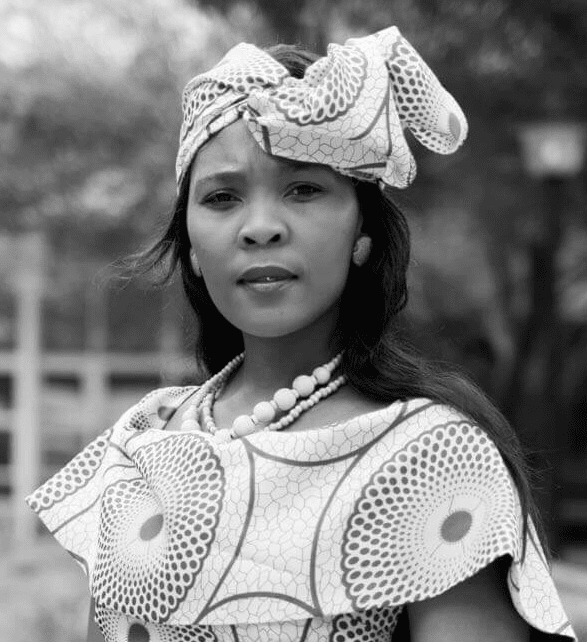
[bctt tweet=”I had only one pair of jeans to wear to college and that motivated me to work extra hard” username=”SheLeadsAfrica”] Pearl Lebusho may have left university twice yet she devotes her time to ensuring girls stay in school. Coming from a rural community, Pearl knows first hand how schools can leave girls poorly informed on what to expect at university. Driven by her passion to help young women from disadvantaged backgrounds, Pearl started the Miss Free State Schools Pageant. Miss FS Schools Pageant is a learning and social reformation programme that inspires and encourages young girls in South Africa’s Free State province through beauty pageants. This builds a community of models and supports girls who see modelling as a career. When Pearl isn’t busy with the pageant, she helps girls attend the Matric dance (aka prom night) by providing dresses. She speaks candidly about dropping out from university and growing her social ventures. You have mentioned that you don’t have a university degree but have pushed others to getting theirs. Tell us about it I dropped out of university twice. The first time was in 2003. I enrolled for a qualification in Information Technology (B. Com IT ) at the University of the Free State. I was accepted. However, I had no clue of what that course entailed as I was from a previously disadvantaged school where we did not have career guidance or development. The qualification was not what I expected. To start with, I had no background of accounting and computer from school. I failed my major course and NSFAS took their loan back. My mother could not afford my fees as she was going through a divorce then. What did you do next? I had to be enrolled to a college the next year. My granny had to pay for my studies out of her little pension money. I had only one pair of jeans to wear to college and that motivated me to work extra hard. That year, I got the best student of the year award. I further completed my certificate in web design in 2004 and NQF Level 5 system support engineer in 2007, both in IT. I was forced to work and study to make it possible. My granny encouraged me to finish the qualification even though I was no longer interested. Then bang, it was the best idea because it got me a job. But you were not happy with your 9-5, why was this so? It was not enough that I was in a job. I was not happy, not only because I did not enjoy the work but because my heart was crying for the young people who were coming from the same background as mine. I was scared that they would make the same mistake I made. In 2008, I started my school visits where I would speak to Matric students in schools and send them bursary applications. That was not enough as it was not resolving the core of the problem —why young people find themselves in wrong or unfulfilling careers. I continued to assist others with career advice but as I was not qualified to do so, I knew I had to get trained. [bctt tweet=”My heart was crying for the young people who were coming from the same background as mine” username=”SheLeadsAfrica”] Now, I am an accredited career guidance practitioner and have assisted thousands of students through my foundation, It’s Possible. I am now looking into having a Degree and PhD in Psychology and be a registered with the Council of Psychologists in SA. What has held you back from returning to university? First, time management. In 2010 for the second time, I enrolled at the University of the Free State and I was accepted in the faculty of Humanities to study a degree in Psychology. I was also a newly-wed wife and a new mother of a 1 year old boy. With little money to afford a helper and stuck in a demanding job, I dropped out again. This time because I did not calculate my risks and plan my time. I made a loan to finance my studies and all that cash was flushed in the toilet when I did not finish my studies again. However, I managed to finish and obtain the accreditation certificate in career development. Another issue is finances. I have now three children that I need to pay school fees for and three younger siblings who are at university that I am also expected to support. I am currently trusting God for my breakthrough so that next year, I can have financial assistance to fund my studies. The reason why I say I do not have a degree and do not mention my other college qualification, is because I want to see myself one day with my degree in Psychology. I want to be registered as a professional councillor so that I can fully advice young people about their careers and on the importance of choosing the right qualification. Also, I want to own a walk-in centre where kids will have access to such information. I see myself referred to as Dr. Lebusho in the near future. [bctt tweet=”The reason why I say I do not have a degree, is because I want to get my degree in Psychology one day” username=”SheLeadsAfrica”] Tell us about the Matric dance, how do you ensure the project goes smoothly? Where do you collect dresses from? The Matric dance is a project that I started in my Matric year. I had a friend who was a top performer in our class. As she was from a disadvantaged family, she could not afford to attend the Matric dance. She did not have clothes to attend the dance with so I approached her and asked if she would not mind me lending her my evening dress. She agreed and I did exactly that, we bought her a cream relaxer and her sister did her hair.
Nomthandazo Tsembeni: I was given a gift to pass unto others

Nomthandazo Tsembeni does not call herself a musician or a poet but an artist. She does not classify herself in one basket, her talent allows her to explore each and every artistic bone in her body. She speaks very passionately of her talent and gift which allows her to be who she wants to be. Nomthandazo doesn’t have any limitations and for her, the sky is not even the limit. She wears so many hats one will start to wonder about their own journey. SLA contributor, Lerato recently got an opportunity to speak to this vibrant woman. Nomthandazo shared many gems on being a performer while working a full-time job and gave us a glimpse of her award-winning poetry. You are a performing artist and an award winning one for that matter, what is your genre of music? I have been exposed to a lot of genres. Commercial house music is what a lot of people know me for although I love music without any boundaries. I do afro-pop, afro-jazz and soul music because it connects me to my first love, poetry. You don’t have your own album as yet. Where have you been featured and how was the experience? I have been featured on DJ Nova and Tapes song called “Ndihoye”, “Heal Your Heart” by Tapes and “George” which was a remix by Rabs Vhafuwi who is known for “Count Your Blessings”. Working with different artists has helped learn to appreciate the gift of others and the learning is limitless. It is not about what you want but what needs to be given or done to produce results. I was given a gift to pass unto others, to heal and mend broken souls. It is God-given, something I had to obey and not because I want to appear in magazines and billboards but it is my calling. I never compare myself with others. Art is a spirit, you can not create art but can transform from one level to another. You seem to be an artist of many forms, do you regard yourself as a singer or poet? I regard myself as an artist, I define myself as God’s best Stanza. I can sing, write music, stories, come up with a script for a play, play drums and I am still learning how to play a guitar. If one classifies oneself according to one discipline then there are limits to what one can do. Trying to define myself in a specific form will confine me. I am not an ideal woman but a woman in reality. A woman in reality can have it all and do anything they want to and are comfortable without limits because they define their own beauty and success with no pressure to be perfect. Tell me about your awards, what were they for? I have three awards, two online international poetry awards which I received in 2012 and 2013 and one from Moduwane District Arts Festival in 2012. The first international one from AllPoetry was in 2012 from a poem I wrote for a general category called “The Hardest Part”. “The hardest part About having both feet is that We are unable to jump a certain step in life. In order to be successful, You need to work hard. For you to be wealthy, You need to have some knowledge about poverty And for you to be somewhere, You have to start somewhere…” It defines the limitations of one’s body parts through defining each part, its function and where it is limited to do certain things. Another award I won in 2012 —Moduwane District Arts Festival— was with a poem was called “Mmabotle” which speaks of the beauty of a woman. I got the first price. “Side by side, she would move her hips. On her head, she put nkgo alokga metsi. She left me drooling as she licked her back lips. That woman left me choking on my own saliva. This chick makes the traffic stand still tsi…” I was again awarded by AllPoetry in 2013 for a general category for a poem called “Reality shaded in 3D pencil”. “What if Our bodies are graves of dead emotions? What if We think we are over certain people, Yet we carry the corpses of their deceased images deep within us? What if Our faces are tombstones of pain and unhappiness And the smile we wear is just a marble stone making the whole womb luxurious?….” AllPoetry is an online platform where various poets from all over the world submit their poems and the best poem is selected. It gives global poets a stage to get to know one another and to introduce themselves in the industry. Growing up in a small town of Welkom, do you think you are getting enough exposure? I grew up in a location called Thabong and yes, I am getting enough exposure. It is not about where you come from but about the work you do and where you see yourself in the future by associating yourself with the relevant people that are in the same field of your expertise. Coming from a small town must not limit or be in a definition of who you are, it is about exposing yourself to things that will assist you to succeed in life. Yes we have limited access to resources but that is not an excuse to not try. It is about how you present yourself, the love and respect for your art or whatever that you specialize in. I have had the honor to work with the likes of Jerry Mofokeng, Tina Mnumzana, Tinah Mnumzana, Ntsiki Mazwai and Wilson B Nkosi among others. I have been featured in local newspapers like Express and have been on the finals of Welkom’s Got Talent 2014. I have performed at the State Theatre in Pretoria and the MACUFE Annual Festival in Bloemfontein and have recently been on the cover of Carob Magazine for their Woman’s month issue. I have also been
Sharon Adeleke: I may be Davido’s sister but I make my own money

While some may know her first as superstar Davido’s sister, Sharon Ademefun (nee Adeleke) is a #MotherlandMogul in her own right. She is the brains behind Rona Wigs Studio, a business that makes hairpieces and extensions. Sharon taught herself how to make wigs by watching YouTube videos. She is extremely focused on her business, busting the myth that coming from a wealthy home means a woman doesn’t have to work. Sharon shares her business and life experiences with SLA contributor Priscilla. She offered advice for anyone looking to start up something, as well as single ladies working their hustle. Sharon also lets us know why by the third year, your business should be able to stand on its feet. Let’s meet the Sharon that won’t pop up in a Google search I watch a lot of TV. I love watching TV when I am home. Secondly, you won’t find my kids on the net, I don’t put them on the net. I also love staying at home, I don’t go out much. If I do go out, it must be very important. I love to cook a lot even though I don’t have much time for it. What are your hobbies and how do they influence your business? My hobbies are wig-making (laughs) and sleeping. Truly, making wigs is my hobby and my passion. It was a prayer point for me that I do something I love and be able to feed myself with it. I would say that I am lucky, because I wake up each morning with excitement about my work, and it is great. Why and how did you get into wig-making? When I had my first child, I was on a lot of bed rest and I needed to make my hair. I found this lady on YouTube and I asked her to make my hair and it was really good. She used closures and they came out nice. When I had to go back to the States and needed to do another, she suggested I make a wig. But later on, I needed her to do more and she was not coming through so I just told myself, “What is in wig-making?” I got on YouTube and watched videos of wig-making and pretty much taught myself to make wigs. I made for myself at first, and my friends wanted me to make for them. That was how I got into making wigs. In the States, I started seriously going to wig-making workshops. The day I had my son, there was this big wig maker, Tokyo Stylez holding a training. Tokyo Stylez makes wigs for the Kardashians, and when I heard about his training, I literally got off my bed to attend it. I had to ask my aunt to handle things at home. What was it like at the beginning and which moments have defined your business? When I started, I was working from home. I had clients and they loved my wigs and its quality. I went for several trainings but even then, they don’t tell you everything. My friend who used to make wigs for me back then even gave me some tips. At a point, I had taken over my house and my husband basically said, “We have to move you out“. That was how I moved into the shop. Some of the defining moments of my business have been the times when I wanted to quit and then, I get a flood of orders. I have had other businesses. Right before I started Rona Wigs, I had just shut down one business. But with Rona Wigs, I find myself coming back when I almost want to leave. It’s God who has been making it all happen. From one person, my staff has grown to seven people. And by November/December this year, we will be two and a half years old. Another defining moment for me was a time when I had about 150 orders waiting for me and they had all paid 100%. What was nice was that they waited, considering the Nigerian instant gratification thing. How has your husband influenced your business and how do you balance both work and family? It has not been easy, especially at the beginning. Most times, I will be gone from about 8am till about 11pm or 12 midnight. Initially, he complained because of the times I was gone. Sometimes, I didn’t get to see my kids. I had to do a lot of placating, but he picked up the slack at home while I was gone then. He also did the entire work at the new studio for me as he is into interior development. My husband has always been supportive and that is important. Now, I have learnt to cut back and delegate work. After all the time spent at the beginning training my girls, now I know they can work without me looking over their shoulders. Although, with the upcoming new project, I know it might be like the beginning again. Now I think my husband knows that it is only for a while till things are on their feet. I don’t believe you should be a slave to your business. The first 1 or 2 years after take off will be tough. But if by the third year, you still have to always be there, then maybe your success model is not right. Your personal happiness matters because when you are happy, everything around you goes fine. It’s also important that you have someone who supports your dreams. Many women do not reach their full potentials because they are somewhat hindered by their husbands. So for single entrepreneurs, it is important you marry someone who is aligned with your dream and will help you achieve them. How has been an Adeleke influenced your business? It has its advantage and its disadvantage. For starters, people are curious and they want to see Davido’s sister working. So curiosity brings them in first. While that helps in a way, I don’t use that as a base. I treat all customers alike and while they might not buy something that first day, they usually return another day due to the warm
A day at SheHive Lagos: #MotherlandMoguls stand up!
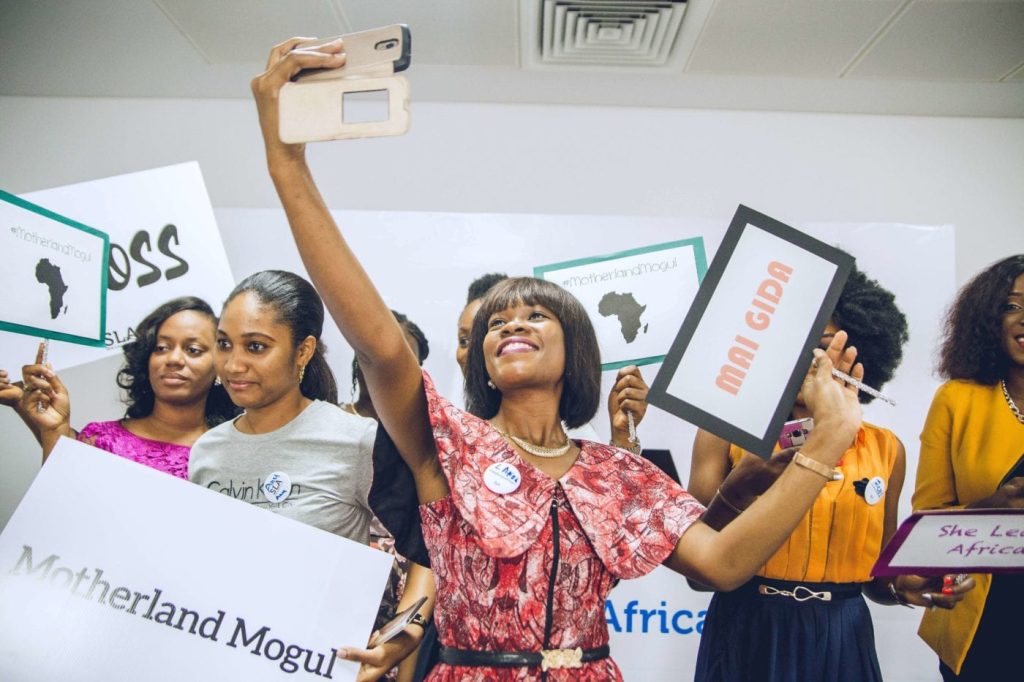
10:am: I drove into this building that made me forget I was in Naija for a minute. I knew for sure my snapchat fam were going to get back to back snaps of all corners of this beautiful building, Heritage Place. I go up to the 9th floor and get in the room to realize I wasn’t the only one eager to attend SheHive Lagos. A bunch of ladies were already seated, mingling, and taking selfies at different spots with SLA props. What are SLA props? There were name tags with SLA, #MotherlandMogul and other power slogans inscripted on them, which was super cool. Trust me, even before the event kicked off, I already got the feeling I was in bombass territory! 11.01am: The MC welcomed everyone to SheHive. Say what?? No African time ke?I actually thought she was testing out the mic but I was proved wrong. I was really impressed! Anyways back to my story, FK our MC told us to write down two things we were expecting from SheHive and then share what we wrote with the person beside us. After that, it was time for “Nigerian’s Next Group idol”! We were divided into groups and had to rap to the beat of Phyno and Olamide’s “Fada Fada” song. We came up with lyrics centered on SheHive Lagos and SLA. I thought my group came up with some decent lyrics (give it up for #TeamAwesome!) but it wasn’t until I heard other groups like Gingerbabes, Queen Bees of SheHive and Teamslay perform, that I knew the rap battle was on! Thanks to SLA, some ladies discovered their inner Nicki Minaj that morning. 11:58am: Afua, co-founder of SLA spoke to us on building winning partnerships, using the SLA experience. She paired us in groups and we had to come up with a name of a company, its signature product, and a partnership that will help the business strategy. We also had to create a pitch for our chosen partner. This was so much fun and it helped me get a better understanding of all what Afua had earlier schooled us on. I also discovered there were #Mmotherlandmoguls that came to SheHive Lagos from different parts of Nigeria. We had people in the audience from states like Benue, Ogun, Delta and Ibadan. There were even women from other countries like Cameroon, South Africa, and Ghana. Wow! So much #BlackGirlPower in one room! 1.00pm: Lunch time! As a foodie, I didn’t waste a second grabbing my pack of jollof rice and chicken. During lunch, I sat beside a Cameroonian woman and we had the debate on whose jollof rice is the best. As much as she tried to convince me Cameroon jollof rice was better, we all know Naija jollof no dey they carry last! We had a mini runway show of SLA couture right after lunch. Tuke and Ada modeled cool T-shirts branded with SLA lingo. I made sure I got one for myself, to complete my #MotherlandMogul swag! 2:05pm: For the next session, we had a panel of four Motherland Moguls discuss the act of balancing work with life. Arese Ugwu, Nibi Lawson, Nimi Akinkugbe and Foluso Gbadamosi all chipped in on how they have been able to some kind of balance between the work they do and their family/social lives. After the panel, we had a group selfie with the panelists. I’ll bet my face didn’t show up in the selfie and I’m sure I speak for other “height challenged” moguls like myself. ? 3.20pm: Idorenyen Enang told us his Lego story, illustrating his colorful career path from Guinness to Coca Cola to Fanta to Cadbury to Samsung to L’Oreal before starting his own business, Corporate Shepherds. The man is on fire! One valid point from him was that we shouldn’t dump traditional marketing tools just because of the famous Instagram. 4.50pm: We dived into the world of digital marketing with Ibukun Onitiju, Head of Sales and Online Marketing at Ringier Nigeria. Do you feel bad because you haven’t found your passion? Or you don’t seem to know what you’re passionate about? Well don’t feel bad. It’s not always love at first sight for what you do. Ibukun said he grew to love digital marketing. There was no passion, it was something he learnt, got good at, got paid to do and then he stuck with it! Now he is slaying in everything digital marketing. He taught us extensively on how to profile your customers and the different sales funnel for each type of customer. I gained so much from his presentation, he seemed to get what I was trying to achieve career-wise. Trust me, I cornered him backstage where we chatted more on sharpening a career path in digital marketing. 6.00pm: It was time for some cocktails and networking! Woohoo! Ever heard of speed networking? I certainly hadn’t until SheHive Lagos! It’s just like speed dating but without the dating of course. You get 5 minutes to chat with the person in front of you and then move on to the next person. Event planners plenty for Lagos sha! I met four event planners, two lawyers (one of the lawyers is also an event planner), a jewellery designer, and ladies in hospitality, travel, and PR. It was nice to meet so many #MotherlandMoguls from different sectors. 6.50pm: I took a couple of pictures with the SLA props and then it was time to head home. I still had a lot of #awesomeness waiting to be explored at Sunday’s event.
“You need guts and discipline”: Finding new customers with Idonrenyen Enang #SheHive Lagos
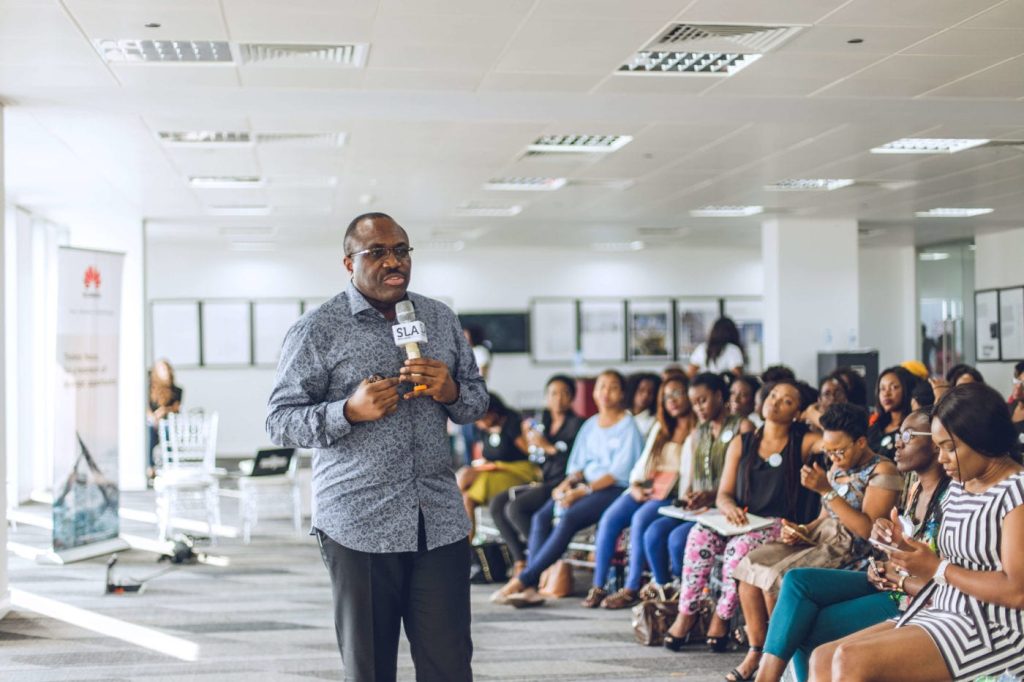
SheHive Lagos brought together the best of the bunch and of course, our speakers were just as awesome. The distinguished marketing practitioner and former Managing Director of L’Oreal West Africa and Samsung West Africa, Idonrenyen Enang was one of them. With a career spanning almost three decades in several key positions, Idonrenyen has a wealth of experience in several areas. This includes brand management, marketing management, strategic planning, organizational redesign and more. He showed us how to take the headache out of finding new customers and never lack them again. And we just couldn’t resist sharing some of these lessons with you! What marketing really is You see, marketing isn’t about sponsorship and advertising. The whole essence of this shouldn’t be lost on you. Marketing is actually about identifying a need and making money out of it. In between this, is the supply chain. Of course, you’re an entrepreneur and out to make money. But there are so many different things to do in order to get people to actually cough out money for that product or service, no matter how good. There has to be some transfer of value and that’s where profit comes in. Here’s the thing; there’s no way to handle this except by really knowing how. And even if you could, you would drive yourself crazy trying to keep up with everything, wouldn’t you? So, how do you snake around such a problem? Go to the shrine Start-ups typically have short menus at their disposal but you need to broaden your scope. Your menu should include advertising, strategy, branding, research and internet. Everyday should be research day. Why didn’t she/he come for a purchase today? Why did they not like our product/service? That’s how the mind of a marketer should work. It may feel a little overwhelming getting people to patronize your products or services in the current recession but it is the best time for creativity and innovation. In fact, this is the best time to launch a business. Understanding consumption and purchase occasions is the basis of a successful sales strategy. In addition to this, you need to determine the following. The who of marketing —discipline This is about you. You simply need to be a rebel. Lots of guts and discipline are needed to increase patronage of your brand. The what of marketing Basically, the what is about metrics —numbers. If you can’t triangulate numbers and make them speak to you, then your investments might just go down the drain. For example, the reason why you use a particular brand of toothpaste is the physical satisfaction you get from it. After this stage, comes the emotional attachment. The whole experience is where that brand gets a hold of you and that’s brand equity metrics. The why of marketing —the essence The idea is to market the essence. You need money and every stakeholder needs value and satisfaction. You’ve got to meet somewhere between the two. The how of marketing Now, you may have the best product or service there is in town but marketing doesn’t stop there. You’ll need to rightly position yourself by consistently improving on your customer experience. There’s an art and science to delivering to the end user. Positioning tells you what type of product to innovate, how to improve on it and what sponsorship to ask for. Finally, Idonrenyen shared 5 keys to tracking performance, remember them. Availability Merchandising Space/equipment Price to value Quality And there here you have it, ladies. Entrepreneurship may seem hard but knowing what to do is essential to finding new customers. When building a business, give yourself every advantage that you can. Try these ideas by Idonrenyen and we bet, business will be easier! What could possibly be better than participating in the #SheHive action? Actually attending the next one, obviously. See you in Joburg!
Juanita Abrahams: Set yourself apart & stay true to yourself

Blogging has taken the world by storm, whether it’s done as a hobby or as a job, some are creating careers out of it! When fashion bloggers first hit our screens on E! Entertainment, it gave some of us a little insight into what fashion bloggers actually do. We now know a bit of how they work with various clients and create an income through doing something they love. So, still on my quest to explore various fashion-related careers, I got chatting with Juanita Abrahams, the Creative Director of Juan Leo. Juanita is a BCom Accounting student, who is currently completing her under grad, in pursuit of the esteemed CA (SA) designation. She is also a SAICA articled clerk and trainee accountant. Please tell us a little more about yourself I am also a SAICA articled clerk and trainee accountant, currently completing my third year of articles in pursuit of the esteemed CA (SA) designation. From an early age, my hobbies included; design, art, photography and dance —and I dabbled in all of these for many years and often still do. So let’s fast-forward to 2016, where that interest in design, art and photography has fully formed into what we know as Juan Leo Lifestyle, your blog, please tell us a little more about it I’ve always loved fashion and design, and became quite involved in creative arts from an early age so the next befitting step after being exposed to so many opportunities within the industry and similar industries was to start a blog, which looked much easier at first. We started out as “Faith, Fashion & Living Fabulously” which encompassed everything I believed in and loved. But my real goal was to build a different type of fashion community —one which isn’t focused solely on looking or feeling good, but one that focuses on others as well. And naturally, the brand progressed and we underwent some rebranding of sorts and landed up as Juan Leo Lifestyle. It hasn’t lost the meaning or purpose of the brand —focusing on faith and fashion with a greater purpose. It basically refers to not competing, but offering something more to the world and distinguishing ourselves from everyone else. I must say, that’s rather unique, combining fashion and faith, so how do you marry the two? Through networking and building relationships with businesses, companies and local entrepreneurs. It’s about ensuring the cycle of giving back never stops. Although, we do focus on fashion and lifestyle aspects, we retain being a platform for a purpose and our current focus is on being a support to local designers, entrepreneurs and start-up businesses, and not just in Cape Town. We’ve identified gaps in the market and I think it’s quite obvious that many individuals have the dream and the talent, but lack knowledge in terms of social media and marketing themselves and that’s why they struggle or they become stagnant in the growth of their business. And that’s where we come in. I think that’s quite important, considering I’ve come across many companies that position themselves as ‘being there for the small businesses’ but when it comes to working with them, they shy away. How do you help small business? We’ve also recently started Pedro by Juan Leo —a menswear fashion and styling division aimed at the modern man. I have wanted to branch out for a while and we’ve finally found the perfect team for this. This allows us to reach even more start-up companies and brands, and also impact a greater audience. So on one end, you’re driving traffic to smaller brands and business, how does the other end work? How does a blogger create income through blogging? I would say I wouldn’t know because this isn’t our first priority but bloggers do charge per post, or per Instagram photograph posted and this is dependent on your followings. This is by means of sponsored posts primarily. Many bloggers with a huge influence can be seen being hired for commercials/advertising, campaigns with big retailers and the likes —there’s opportunity everywhere if done right. I’m sure bloggers get paid for every little thing under the sun that you haven’t even imagined yet —from public appearances to promoting garments at an event and online and everywhere in between and I’m not too sure how I feel about it. I believe you should stand by your brand and quality requires payment. Juan Leo’s main income would be from; Brand photography Content creation Fashion photography for other bloggers (and it’s my favourite! Passion drives everything) Would you say that blogging is a viable career choice? Career? Perhaps. Viable —I’m not sure. Blogging itself can become a full-time job if you’re prepared to make a few huge sacrifices in the beginning and are also prepared to stand your ground when it comes to payment. Your following and content quality play a huge role in securing work —real work. I’ve watched many bloggers or creatives evolve and boom straight to the top without realizing it. Once you reach a certain point, managing a full time job and a blog is quite time-consuming and if blogging is your passion, it will eventually pay the bills while you’re having fun and doing what you love. Would I do it? Yes and no. ‘Yes’, because I love it, and ‘no’, because there’s more to blogging than just looking good and showing off a lifestyle. I’ll blog and do everything else that isn’t shown online —that makes me happy. Bloggers move through ranks in my opinion (and if no one has noticed). It starts off as a blogger, and evolves into everything from a digital or fashion influencer to a brand ambassador, social media marketers and eventually lands positions on radio or TV. It’s amazing how the ripple effect just takes over. With such opportunities that can come from being a blogger, I can imagine that there would be an influx of new bloggers —and with so many, there would surely be some common traits
Advice from the Accelerator Moguls: Tailoring a foreign concept for Africa
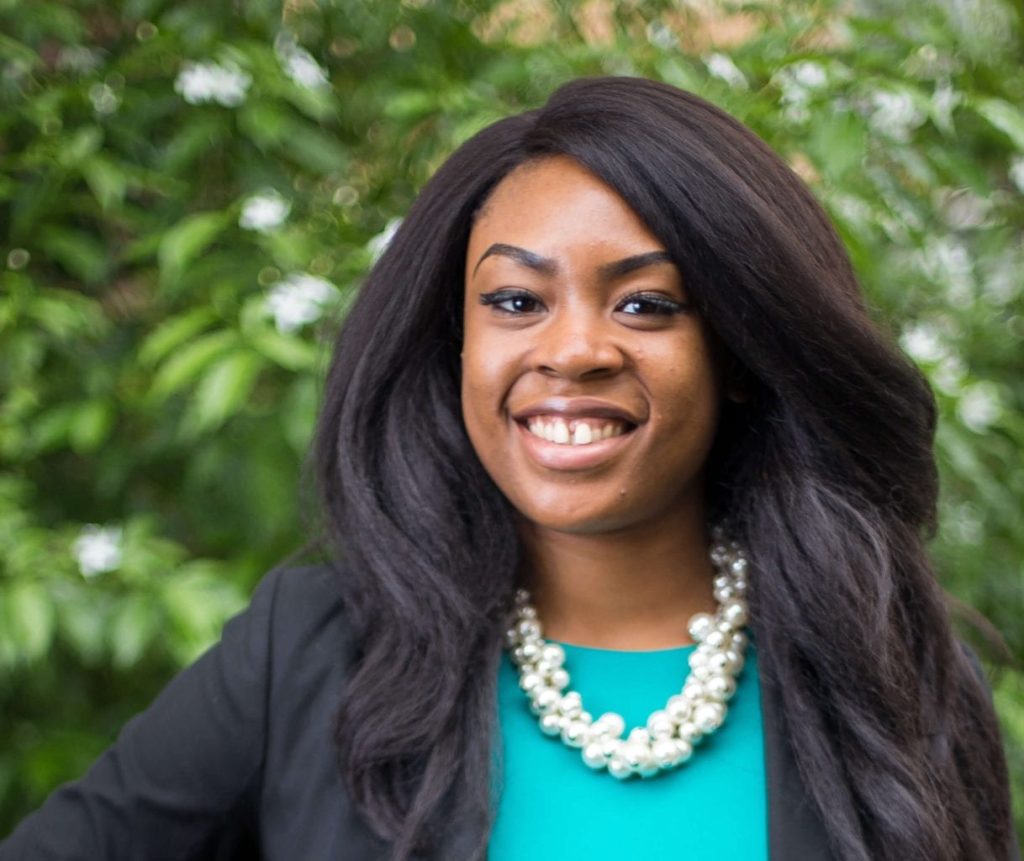
Ever had been inspired by a brilliant idea, then immediately dismissed it as impossible for the Nigerian market? We’re talking about those ideas that people deem “too foreign” for Nigerians to patronise or appreciate. These foreign concepts may actually end up being your ticket to being a Motherland Mogul. Two women who have pushed through in their attempts to introduce concepts and made profit doing so are Tokunbo Sotinwa of Bubble Tii and Crystal Ikanih of Art Splash Studio. Tokunbo and Crystal show us that it is possible to replicate something from the US and Taiwan in Nigeria. They are also both currently participating in SLA’s Accelerator program. If you’ve never heard of bubble tea before, it is flavoured tea with tapioca pearls. The idea for bubble tea was born in Taiwan and subsequently the trend spread to other Asian countries before gaining popularity across the world. Tokunbo is credited with bringing the bubble tea phenomenon to Nigeria to surprisingly good results —Bubble Tii has managed to expand locations to a second store within 12 months of launching the first. Art Splash Studio organises painting classes for grown-ups in Abuja. The idea came from when its founder Crystal Ikanih was visiting friends in the US. So what do both women say about tailoring a “foreign concept” to the Nigerian market? Creating a demand where there was none previously You can expect that this will be very challenging. For Tokunbo, people did not know anything about bubble tea in Nigeria. She overcame this challenge by first starting off by appearing at outdoor events. This helped introduce her product to her targeted demographics. Bubble Tii also appeared at pop-up events where people were offered to taste different flavoured bubble teas. While there was no specific demand for painting classes in Abuja, Crystal saw an opportunity in the demand for alternative entertainment. You’ve surely heard people complain about how Abuja can be boring. Crystal is tapping into this market with Art Splash Studio and her Paint Nite, where people paint while drinking wine. Another important way to create demand is through social media. Social media is a very effective tool to create buzz. Sharpening your marketing tools Already knowing that introducing the concept of a paint class wouldn’t be easy for the Abuja crowd, Crystal took the time to draw up a marketing plan. Be like Crystal and find ways to develop a very informative marketing plan to actually ensure that people are willing to invest their money in your idea. You may start by introducing the concept to your networks and gauging how people respond to it. Sometimes it doesn’t really matter if people don’t understand your idea, if it’s a good one, you can trust that once you launch, it’ll take a life of it’s own. Getting people on board with your idea Now people have heard about your foreign concept and are interested, what other ways can you get them on board with your idea? The most simple way to do this is through word of mouth. It’s worked wondered for both Bubble Tii and Art Splash Studio. For Tokunbo, once one person had the bubble tea experience, they were happy to tell other people. Word of mouth has also helped Crystal grow her business. She’s reached a point where now when she’s telling someone about Paint Nite, they’ve already heard about it. Imagine if your customers are so pleased with your product, they spread the word. So you want to start a café that only sells tea. Someone may caution that Nigerians don’t really do tea, who wants to drink tea when the weather is hot etc. But if you set up that café and wow your customers with different flavoured ice teas and tea-themed cakes, they’ll definitely come back and bring their friends too.