
4 lessons we can learn from DJ Cuppy and Rona Wigs

Well, everyone knows or should know Florence Ifeoluwa Otedola aka DJ Cuppy. If you also do not know Sharon Adeleke aka Rona Wigs, then you should know the Adelekes, that is Davido’s family. So what do these two women have in common? Daddy is stinking rich, yes, but that not withstanding, they work and they are really good at what they do. Now, these ladies have a couple of things to teach us about business and life in general. 1. Daddy’s money is not necessarily mine When asked why she was making wigs, Sharon replied; “Yes my daddy has his money but it is not my money. My daddy has his own money, Davido has his, I want to make mine.” It is quite accepted to see a rich kid live off trust funds and have an enormous social life. They do not necessarily have to work, I mean who has to work when the money is there, right? No. Here are two women, daughters of some of the richest men on the continent slugging it out. Well not really slugging it out, but the hustle is real baby. Sharon and Cuppy do it normal way, starting something sustaining the drive, making a name and creating a global brand. 2. Passion drives Anybody who knows Cuppy personally, knows she loves her music production. She is crazy about what she does and takes time to do it right. No half-bakes for the eclectic DJ. Sharon gushes over her wigs like they are the new definition of bae. It is evident that she enjoys what she does and she has turned it into a business. They work their passion and make money from it like no (wo)man’s business. Their businesses show the depth of their dreams. This is not just mere working to show that they can work, no, this is a dream. You see this in the hands-on way Sharon handles Rona wigs. She uses social media to advertise herself and is fully involved in the entire wig-making process. And well, it’s not like Cuppy can give out the spin table to someone else to “help” her spin. 3. Know what you do Cuppy can hold a crowd’s rapt attention with her music. She remixes almost everything and puts the “DJ Cuppy” spin on it. You see her right there on stage making new sounds out of old songs. This is not just someone who can DJ, this is a lady who can spin. Sharon said “I love making wigs and I am good at it”. Nuff said! These are not rich kids pretending to work , nah, these are Motherland Moguls who work! And there is no stopping them. 4. Playing the daddy card Well, it might not be your daddy, but if someone around you has the fame and the money, make it count. We are not all children with rich dads even though we may know some. We cannot deny the massive boost that being Otedola’s daughter has given to DJ Cuppy or how being an Adeleke has and will influence Rona wigs. Sharon openly admits to having had a privileged life. Still, both women have something that could be watered. Yes, some people will get away with daddy’s money and position. But if Sharon and DJ Cuppy use “daddy’s” card, it’s to rake up the market, connect and build their brands.
Nigeria’s President falls our hand

[bctt tweet=”In one fell swoop, President Buhari lived up to every single stereotype that exists about Nigerian men” username=”SheLeadsAfrica”] Earlier today, the BBC released an interview with Nigeria’s First Lady Aisha Buhari. In the interview, Aisha Buhari “warned President Buhari that she may not back him at the next election unless he shakes up his government. She was concerned that his government had been hijacked by only a “few people”, who were behind presidential appointments.” Whilst many may debate the merits or demerits of a President’s wife so publicly denouncing her husband’s presidency, what is simply not up for debate is the appropriateness of President Buhari’s response. For those of you who didn’t hear what he said lemme write it out for you in black and white. I’ll even centre it so it’s real clear. “I don’t know which party my wife belongs to, but she belongs to my kitchen, my living room and the other room.” And in one fell swoop, President Buhari lived up to every single stereotype that exists about northern, Muslim, Nigerian men and African men more broadly. Owa Oga.. you for try small nahh … More generally, please stop making us look crazy to the white people. The President of Africa’s second largest economy, Africa’s most populous country and, arguably, one of Africa’s most powerful countries just said on live TV that women are here to cook, lounge and have sex. I’ll let you digest that for one moment because no people … THIS IS NOT A DRILL. He really said it and we never esperrerit. What makes his remarks even more shocking is that he said them whilst with Angela Merkel, the German Chancellor and arguably one of the most powerful women (in fact people) in the world …. only 3 days after the International Day of the Girl Child which is meant to encourage families to educate their female children and allow them to live their best lives. Baba… you didn’t try for us at all. The look on Angie’s face tho … she really never esperrerit President Buhari hasn’t really been the women’s president. Under his administration the % of women in ministerial positions has gone from 31% to 16%. In fact, when we look at President Buhari’s inner circle, it seems to be seriously lacking in the estrogen department. [bctt tweet=”Nigeria’s President Buhari hasn’t really been the women’s president” username=”SheLeadsAfrica”] Given this context, the excuse that his comments were simply a “joke” is a little difficult for us to swallow…. That and the fact that he’s the President of a country, not a comedian. At She Leads Africa, one of the challenges we see a lot of female professionals and entrepreneurs facing is a lack of self-confidence. Many women simply do not have the confidence to believe that they can be leaders. And yet, how will they feel confident when their President, their leader and their Commander-in-Chief, implies that their place is in the kitchen, living room and the bedroom? At one of our SheHive workshops in Abuja, we had a young woman give a teary testimonial about how her family discouraged her entrepreneurial dreams. They made her feel like she had no place outside of the home and she struggled to balance her hunger to build a thriving business with the weight of tradition and familial pressures. I’m proud and happy to say that she left our training programs energized and ready to forge ahead with her plans to open a spa. A spa which, mind you, will create jobs in an economy struggling under the burden of high unemployment. [bctt tweet=”Nigerian women struggle between wanting to build businesses and the weight of tradition” username=”SheLeadsAfrica”] On days like this I feel happy. And then there are days like today where I realise how far we have to go. President Buhari’s remarks are a stark reminder that for us, the women of Africa, our battle to prove our competency, our relevance and our ability to meaningfully contribute to the development of this continent is only just beginning. In any case President Buhari –I can guarantee you that we are very much up to the challenge. #SheLeadsAfrica PS. We want to give a special shout out to all our male #SwagAssists who’ve come to our defence. Your tweets and social media support were the business. #SwagAssist
Ijeoma Oguegbu: The aim is to disrupt Africa’s informal learning industry
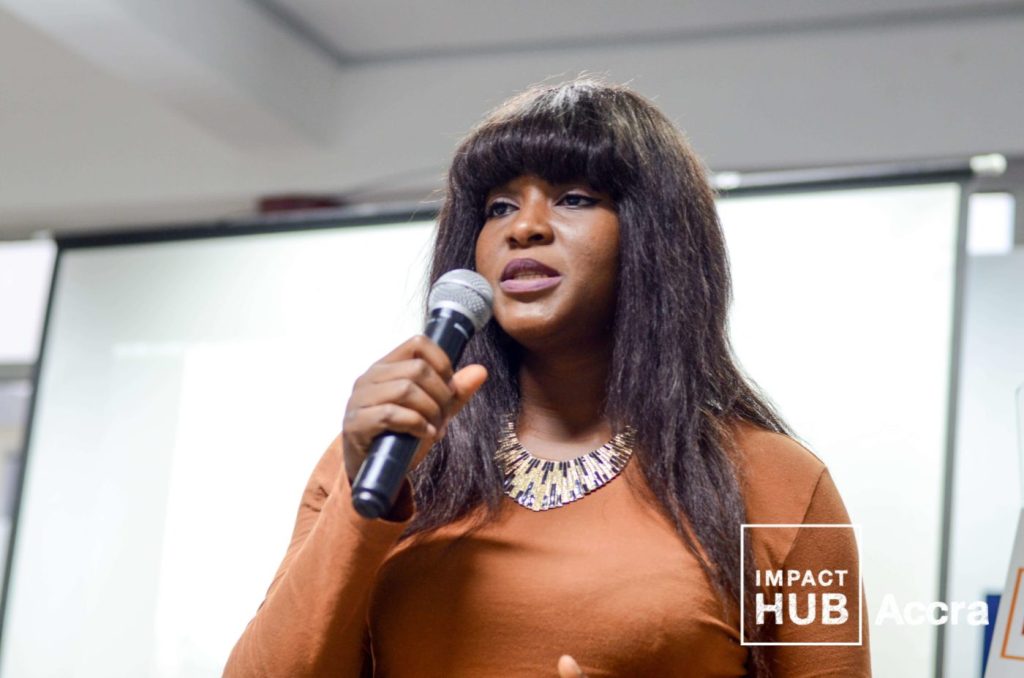
Experience is the best teacher, they say. For Ijeoma Oguegbu, not-so tasty pastries from a store lead her to think of ways to improve training and skill acquisitions in SMEs. From there, Ijeoma co-founded Beavly, an online marketplace connecting people to top professionals in their sector for knowledge-sharing. In this exclusive chat with SLA, Ijeoma shares her dream of African women tech investors and offersers her advice for other young women going into the tech sector. The keyword is patience and preparation. What gap were to trying to fill in the African market with Beavly? The idea came to me through an experience. I bought some terrible snacks from a recently opened pastry shop close to my house. Feeling deep concern and worry for the lady who had obviously made a huge investment into becoming a business owner, I pondered why she didn’t have the necessary skills or employees to make better pastries. This sparked my passion and interest. After further investigations, I discovered that despite the popularity of informal learning, people still experience pain and difficulty in discovering training offers from professionals. This is an age old tradition, yet problem is, offers are often publicized through ineffective ways such as social media, newspapers and classifieds. I got together with my co-founder and then we came up with a solution —Beavly. The aim? Disrupt the informal learning industry in Africa and facilitate skill acquisitions in small industries. How long did it take to build up and what was the process? I took us approximately 5 months to build and launch the first version of the platform. We went through a validation process, using interviews, survey and some cold calling to validate the problem hypothesized. Feedback after validation, encouraged us to go ahead and create a solution. Also, it greatly opened up huge insights into what kind of value we could create for both sides of our users —professionals and trainees. Not longer after, we were invited to take part in TheSFactory program in Chile; giving us access to $15,000 equity free grant. A startup accelerator focused on empowering female entrepreneurs; and powered by the renowned Start-up Chile. At the end of the program we launched Beavly, on February 6 in Nigeria. Beavly is an online marketplace that connects people to top professionals, to learn alongside them in their workplace. People get inspired, gain practical knowledge and hands-on experience; all through interacting physically with the professional . What challenges did you face initially? When we launched the platform, getting the first few users to sign up was tough. Our target users care about brand value, in relation to trust, satisfaction and quality of service. As we were just starting out we had to put in extra effort, to make the first few connections and build a reputation. Also, we were a team of two with a lot of tasks to handle and roles to fill. Nevertheless, we were able to scale through and maximise our capabilities. Sometimes you realize through experience that constraints often drive innovation. How receptive is the tech space in Africa to women in the sector? Through both my experiences at the MEST Africa program in Ghana and being an entrepreneur in Nigeria —I would say it has been supportive. With the recent hype to encourage women in technology, massive opportunities have opened up. It has made it easier to approach people and perhaps, shed just enough light for us to flourish. Though, I still get the typical reaction of awe when I introduce myself as a software developer. Admiration is being given to women who venture into this space. According to you, what needs changing in the tech scene in Africa?/ What can be done better? It would be great to see a rise of African female tech investors. I’m talking venture capitalists, angel investors, and huge investment funds managed by women. Raising investment for a startup is hard, but it’s even more challenging if you are a woman and from Africa. You have a lot more to prove. I love what Kathryn Finney is setting out to accomplish using Digitalundivided, after having a particularly interesting experience while raising investment. We need more people like this popping up in Africa; and a greater number of programs like the SLA Accelerator and TheSFactory for women to shine. I believe it will expand opportunities to raise funds and most importantly build relationships to share contextual knowledge particular to Africa. Also, I strongly feel there should be better support from the government to encourage tech innovation whether inform of partnerships, setting up more tech hubs or grants. Any advice for other women going into the sector? Be strong. Stay focused and undeterred towards your goals. Building a startup is hard work, most times you don’t start reaping real benefits for say 3-5 years. During this time you have to find ways to keep your passion and motivation alive; master the art of patience. Prepare for rejections and setbacks. Take a learning outlook, and utilize them to create hacks that work to improve yourself. Startup life is a rollercoaster, gender limitation or not, it depends on if you can hold on for the long haul and reap the great benefits. Want to see women you know featured on SLA? Tell us what amazing things women are doing in your communities here.
Ololade Oladipupo: My mother inspired me to start Esmadelle
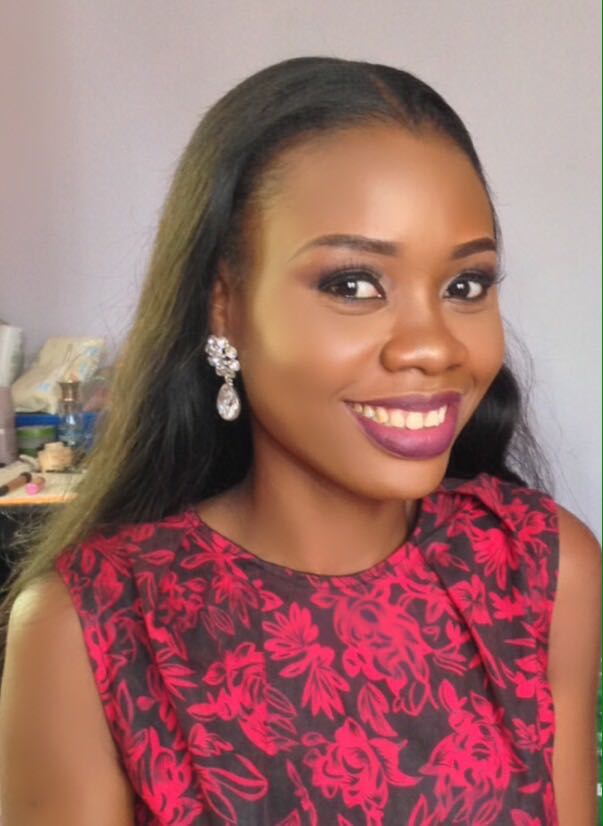
Mothers are so awesome, we don’t need to say that twice. Consider this, you’re young, creative and itching to earn your own income using your talents. Yet, you have little or no idea of what to do or how to get started. Ololade Oladipupo has been there and done that. As the creative designer of Esmadelle, Ololade was able to make strides in her Motherland Mogul journey thanks to the huge support from her mother. Recently, SLA contributor, Kofoworola Ayodeji tracked down Ololade for what turned out to be a heartwarming conversation. She shared with Kofoworola her inspiration, as well as the process of getting started with a fashion designing business and growing it into a profitable one, right from home. Not long ago, I attended a friend’s wedding in Lagos and it was real fun. Although there was more than enough to bite and chew and drink, I had to notice the wedding dress —it was simple yet very stylish and charming. Quickly, I inquired about the dress. And what I found was that the dress, which I had thought was from the “overseas” or perhaps from a big player in Africa’s fashion industry, was made by one young and aspiring fashion designer in Lagos. Tell us about yourself My name is Ololade Oladipupo. I’m the creative designer of Esmadelle, a female apparel clothing line. It’s a female apparel brand which started in 2012 and is focused on every woman of every age and way of life. How did you develop the courage and optimism to become an entrepreneur in a country where many young people have given up on their dreams because of a lack of opportunities? I am a lover of arts, and the big secret is: I might not have ended up as a fashion designer if not for my mum. She gave me the motivation. It was my mother who provided me with the first sewing machine with which I started my career, before expanding. She gave me the much needed courage to enter the fashion industry, thereby giving my dream a big lift. You’ve got quite an interesting startup story. How did it all begin? Even as a Microbiology graduate of Olabisi Onabanjo University (OOU), I started working from home as a tailor. I was mainly into casuals then. People loved my work and me, this helped with the much needed initial rise. Though Esmadelle started in 2012 as Lahdele, along the line, we had to change the brand name due to some circumstances. Now, we have expanded into making bridals too and also into training aspiring fashion designers. Your designs are stylish and charming. What inspires them? I am inspired by everything. I draw inspiration from a myriad of elements like nature, arts, and culture to create designs that are unique. Fashion is everywhere. We can’t deny that. And, I never felt I had a choice because it seemed natural to me to want to always translate my ideas into fashion. Everyone is looking for how to express themselves and show their personality. I think I am able to translate mine into fashion. Fashion designing, like all other ventures has its peculiar challenges. Tell us about your challenges so far Like many other aspiring entrepreneurs, the biggest challenge to expanding my business is finance. I hope to surmount that. What are your plans for Esmadelle? Especially in the areas of expansion and mentorship Even though my business is still evolving, my vision is global awareness for my brand. I want my creativity to stream through Africa to the rest of the world in a most unique style. We would also be moving into Esmadelle’s new workshop next month when it will be officially opened. Currently, I have two workers, and five students who are due for graduation later in September. How would you advise young women looking to being their own bosses? It doesn’t matter how small your business is in the beginning, just make sure you’re living your dreams. Let no obstacle stand in your way; chase your dreams vigorously and you will be making a difference in the world. Are you willing to share your thoughts? I’m eagerly waiting to hear from you.
Third wave feminism from a millennial’s perspective
I recently published an article in the Huffington Post about African feminists and received mixed reviews. While everyone agreed it was a good piece, many gave me the “so you are a feminist talk?” I responded in the affirmative and smiled when a friend remarked feminists were the opposite of alpha-males. In an attempt to end these conversations, I usually conclude with these words “Yes I am a feminist and I will get married.” Alas, this proclamation often leads to further discussions bordering on feminism and marriage. I insert a smiley face and reply “I fell in love with a good man”, before further explaining that marriage is a personal decision. I cite examples of married African feminists including author, Chimamanda Ngozi Adichie who is married to Ivana Esege, professor Amina Mama married to Nuruddin Farah and Bisi Fayemi married to Kayode Fayemi and the list goes on. Analyzing comments I received from my article, I came to the conclusion that there are many assumptions about what feminism is. Let me give a little education. Feminism speaks about equal opportunities for men and women in all spheres of life. It is not a gathering of men-hating and ambition-loving, unmarried women. Being a feminist doesn’t in any way mean I woke up one fine morning with ‘feminist’ imprinted on my forehead. It’s simply a result of having strong opinions on issues and tending to gravitate towards strong women characters in books, movies and real life. I truly didn’t know the word was feminism not until much later. Even as a person not inclined to appreciating labels, yet I do not mind being part of the third wave of a movement that seeks the well-being of humanity by promoting the cause of women. Third wave feminism and social media Feminism did not start with social media. It has always been and is now in its third wave. First wave feminism focused on the de-domestication of women. The second wave focused on the gender pay gap and the oppressive systems of acceptable standards of beauty. While with third wave feminism, millennials find themselves riding and focusing on the same issues as the second wave. This wave of feminism is strongly characterized by the use of communication especially social media to raise awareness on women issues. Remember #HeForShe? Being a third wave feminist, it is hilarious to see certain issues promoted by “topic inspired feminists” under the banner of feminism on social media. Honestly, not everything is a feminist topic. The Noble Igwe #WifeNotCook debacle was hilarious. When I was asked to comment on it, I was of the opinion that who gets to cook depends on what angle parties concerned view their relationship. It really is not a topic that calls for liberation from male domination. What are real third wave feminists discussing on social media? While I understand the goodwill attached to the promotion of certain matters under feminism, it is important we recognize what issues are being discussed in third wave feminism. For those who have feminist mothers, as third wave feminists, we are very much our mothers’ feminism. We still seek change and equality as found in the second wave. However, despite our similarities, our difference is borne out of our use of media, especially social media to start conversations online and offline. These conversations include discussions on equal opportunities including politically, socially and economically. We raise awareness and educate the public on sexism, calling for the inclusion of women in political spaces and sharing female success stories. Our discussions take this nature because many still see women as properties and ultimate block-heads. I once had a lecturer who openly admitted women where a burden fit for mostly house work and children. I have also come across a lot of educated men in the corporate sector; educated being they have more than a college degree, who dare their spouses to contradict them in any form. Marriage is not a partnership to them, it’s a place to flex their alpha-male egos. Marriage and the millennial I am of the opinion that marriage should be a partnership built on respect, love, and support for one another and I encourage people to see it at such. Healthy marriages lead to healthy homes filled with love and laughter. One would think with all the benefits of a partnership based marriage, educated men would embrace it. While social media is being used as a platform for discussions about women issues, conventional media is still stereotypical about women. Watching the Olympics, I noticed the commentary about women winners have been sexist, undercutting female achievements and turning the lens on their husbands. Yes, by all means, acknowledge the men but do not turn away the spotlight from the winners. I observed there was no commentary about the wives of male winners. While I respect freedom of perspective, the above category of people make me wonder. What kind of world would we live in if egoistic individuals had the power to map out destinies? The Olympics coverage, people I have met online and offline and other daily encounters are the reason why feminism is still relevant. Narratives about women need to change. The stories about women achievers should be told in its entirety as a success story without gender bias. As a millennial African feminist, I agree with Chimamanda Adichie that we should all be feminists and be proud of this label. There is totally nothing wrong in being part of something directed towards a greater good. I conclude this write up with a quote from Australian feminist scholar Dale Spencer’s book – Man Made Language; “Feminism has fought no wars. It has killed no opponents. It has set up no concentration camps, starved no enemies, practiced no cruelties. Its battles have been for education, for the vote, for better working conditions… for safety on the streets… for child care, for social welfare… for rape crisis centers, women’s refuges, reforms in the law. If someone says, “Oh, I’m not a feminist,” I ask, “Why, what’s your problem?”.
Walking away from pre-conceived notions

“You can take the boy out of the ghetto, but you can’t take the ghetto out of the boy”. That statement drives me mad and I get pleasure from proving it wrong. Why? Generalizations are not cool. I am from the Bini speaking part of Edo State, and if you’re Nigerian, you must have heard the popular saying; “Bini girls are loud, lousy, crazy, witches. They like going abroad to become commercial sex workers.” But you see, it’s not just common among Bini girls. There are pre-conceived notions associated with almost every ethnic group in Nigeria. “Ibo girls are money-hungry.” “Calabar girls are nymphos.” “Yoruba girls will do anything to keep a man”, so on and so forth. It’s even more annoying when educated people say these things. Let’s be real, this happens in Nigeria and I guess, other African countries too. I decided from an early age not to be defined by my ethnicity. Over the years, I have owned this resolve. Indie Arie’s “I am not my hair“ is my go-to song for kicking against convention and pre-concieved notions. I speak out against generalizations, whether in gender, colour, tribe, political or religious affiliations. I am not generic. I am specific, unique, and me! Unfortunately, some of us have allowed ourselves —and subsequently our families and businesses become products of these notions. Here’s a true confession: I secretly take pride in being an Aries. And the “Aries do not finish any project they start” statement is one of the biggest lies I ever heard. This belief shaped my life badly and for a long time, till I took control. I am tempted to just say “ walk baby, walk!” but it is not that simple. Here are my top suggestions to walking away from stereotypes. Define yourself Do not beat around the bush on this. I’ll be first to admit that I didn’t do this early on in life, and I wish I had. Taking self surveys and personality tests help to get a definitive self picture. A temperament analysis and if you are into it, your Zodiac sign can also help you get a clear picture. Filter In Nigeria, the statement “dem say, dem say” is used to define rumours. The prevalent view of your environment may not be normal at all. Don’t let it be. Filter what you hear and perceive. I’m not suggesting that you become oblivious. See, it’s important that you are aware of the workings of your area. Let go of dead-weights Please! This should be numero uno. Don’t go about dragging baggage and ideas that are probably as dead as the people who invented them . “Dreadlocks are evil” or “Girls should be quiet”. Ummm… no! Shed them faster than slimming teas shed fat. Re-brand As a follow-up to the previous tip, re-branding is simply psychological (let’s not talk about changing your wardrobe now). My mom calls it changing your OT (orientation). It is basically about changing your thinking process. I re-cultivated my mind on so many issues that were a part of my environment. Two major ways I did this were through books and the Bible. I read a lot about self-empowerment and growth and try to put what I read to practice. Positive re-enforcement You are so much more. Keep telling yourself that. I use sticky notes to write motivations to myself on my mirror. This way, I just can’t miss them. It’s scary thinking of how many people have followed uninformed predictions. Know that you can defy them. I don’t care what anyone says about Bini girls, that’s not me. I choose not to follow that notion and I do everything contrary to it. This is it, ladies, it doesn’t matter what people choose to believe about you, smile. Of course, we both know they know nada! So, walk away from generalizations and that “area” reputation. That’s clearly not you.
Your boo, your woe

You’ve heard it said that one of the most important career decisions you can make is the choice of a boo. Your bae could be a nightmare for your career goals, hence the need to choose wisely. Unhealthy relationships can and will affect both your career and personal growth. As a matter of fact, it is an Achilles heel for some African career women. Yes, I just went there. Get it right From my point of view, everyone starts their day from the home front. And at the end of each work day, you also need to return there. That’s why it is important to be in the right place to avoid tales of woe. We’ve all had that classmate or colleague who was such a bright star with the prospect of making the headlines someday. The person voted most likely to succeed that somehow lost track. The one that the rumour mill says stopped working because she was making more than her husband. It’s bad enough that societal pressures make the absence of a relationship seem life-threatening. However you should never be in a relationship that trivializes your dreams, goals or hustle. Love actually matters And hey, I’m not asking that you believe the narrative that love doesn’t matter. Of course, it does matter. A loving relationship is the best foundation for reaching new heights. The right boo is a great asset and we want our Motherland Moguls to ace life in all spheres. Just imagine having a “global” vision and being unduly yoked with a partner with a “local” mindset? Even the Bible says, two cannot go together except they agree. We need boo to support your hustle It’s been said that if you stand for nothing, you would fall for anything. Therefore, it’s important to understand yourself: your persona, temperament, beliefs and goals. Knowing who you are and what you want out of life will help you navigate the relationship waters. So your boo has money but belittles your dreams and talks down on you, what are you waiting for? On your entrepreneurial journey, there would be times of trials, tears, joys, victories and growth. You’ll need your ‘A team’ to be on point. A bae to encourage, motivate and cheer you on, not demean or be envious of you. See what I mean? You’ve got to hand it to the Obama’s, they give us awesome couple goals. They didn’t get here overnight but we have now seen a true picture of how a great relationship can make or mar your career. With this in mind Motherland Moguls, next time you’re on operation seize the bae remember to, as we say in Nigeria, “shine your eyes”.
Meet our Accelerator Moguls: Koko’s Kitchen
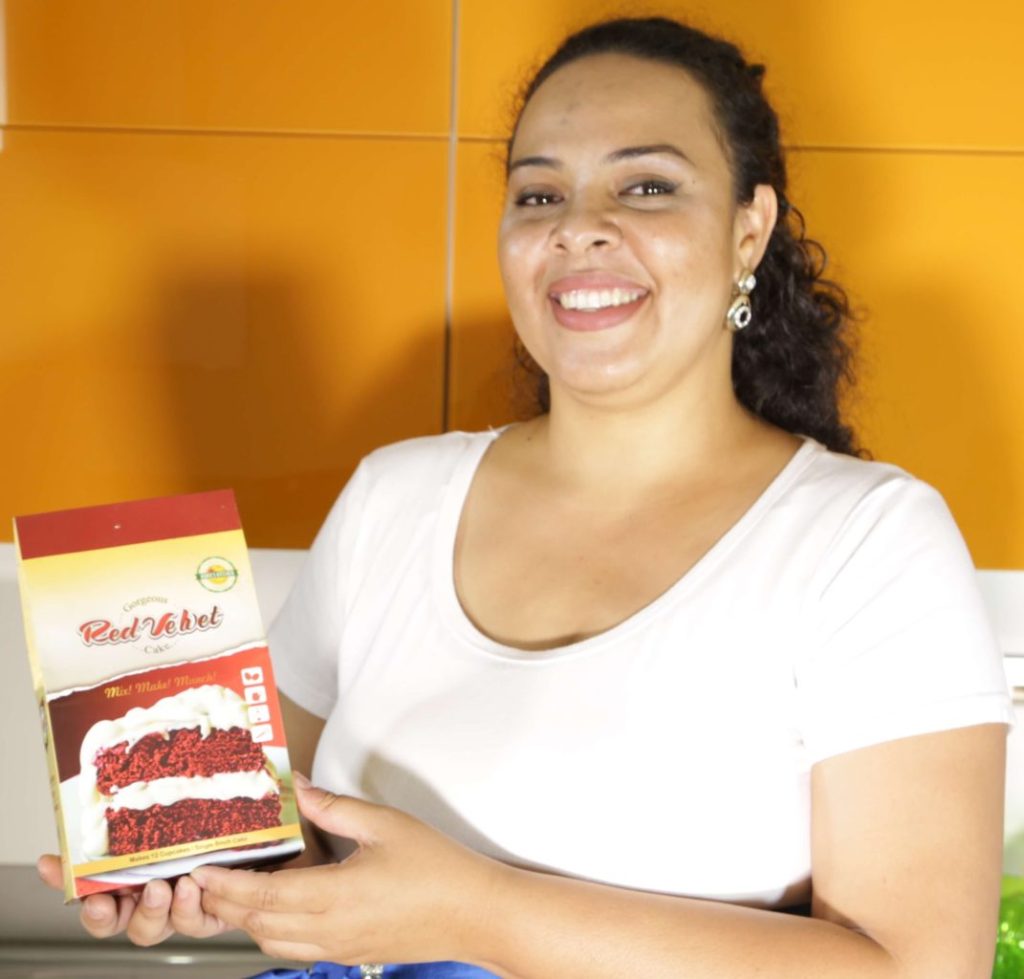
As you know the first ever She Leads Africa Accelerator Program is currently ongoing. Out of the 120 startups from across Nigeria who applied for the program, we identified 10 as the next generation of Nigeria’s brightest female entrepreneurs. These 10 selected businesses are now benefitting from our intense accelerator training. One of them is Koko’s Kitchen, a brand that makes baking easier for Nigerians. From cakes to cookies, Koko’s Kitchen answers the demand for locally made easy-to-bake mixes. Sifa Asani Gowon and Oluwatosin Olaseinde started the brand to build an indigenous brand within Nigeria. They hope the Accelerator program will help take them there. Why did you decide to apply to the SLA Accelerator program? While I, Sifa Asani, was busy fiddling with cake mix formula, trying to tweak it to perfection, Tosin was working tirelessly to build a strong foundation for the business in terms of accounting, mentoring and the like. Tosin has been tracking the She Leads Africa voraciously and when the accelerator opportunity came up, we seized the opportunity. We decided to apply for it because we know it will help us to strategise and position the company to achieve critical pace. It would also help us to network and expose Koko’s Kitchen to potential investors. What do you intend to take back home after the Accelerator program? As a preamble, let me say that I had actually attended a SheLeads program earlier this year, in April: SheHive Abuja. I really liked what I saw and was so impressed with the organization, the speakers and the overall ambience. There were women from all over the nation with one thing in common; ambitious dreams and the drive to succeed while adding to their communities and families. I liked that women were being encouraged to bring out the best in themselves as well as be considerate and help other business women when and how they could. When we applied for the Accelerator program I expected no less from SheLeads. I anticipated a learning environment especially suited to African female entrepreneurs in terms of advice, tools and mentoring. We intend to take back home a stronger company in terms of controls achieving KPIs and also a stronger network that we can leverage on. How do you intend to stand out and improve your business after the mentorship programme? Considering Koko’s Kitchen is a really young company, we have been fortunate to have reliable collaborations. This ranges from that of the co-founders to the ecosystem such as She Leads Africa, amongst others. We plan to execute all the key decisions that we have taken from to SLA accelerator programme. To glean knowledge from the outstanding entrepreneurs who have walked the road before us and have shared their stories and give us advice. We’ve been taught the value of time and of discipline. We are also accountable to our SheLeads mentors, which goes a long way in keeping us in line and focused. After this program, we intend to take all we have learned and all the contacts we have made and utilize it to our advantage. We intend to streamline and stretch our ideas to build a strong and reliable business that is here to stand the test of time.
Oby Igodan: I’m teased for all the business ideas I come up with
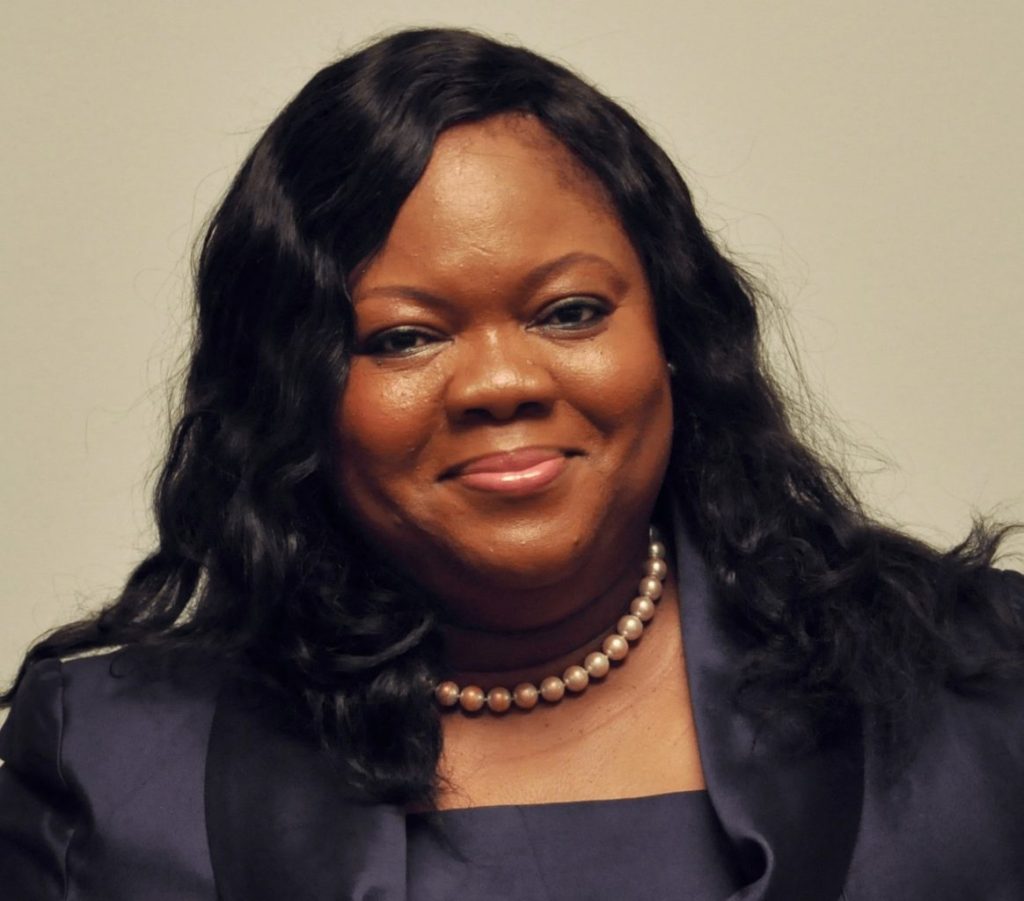
If you’re a #MotherlandMogul and a mom, you know the struggle of finding the right kind of daycare facility for your young kids while you hustle. For Oby Igodan, what disturbed her was that the facilities she came across did not feel like home. Running a daycare can be a profitable business but as a mom, your child’s development is of utmost importance. Looking to start a crèche and daycare that’s a home away from home, Oby launched Home Also Crèche & Daycare. She runs this while also working as a Managing Partner at VIL Consulting. As the children in her crèche grow, she is looking at expanding into a preschool to cater to our older kids who love it at the crèche. Oby spoke to us on the challenges, joys, and satisfaction of providing children with a secure and stimulating experience in a comfortable and relaxed setting. Why start a crèche? While raising my own children as a career woman, I realized something interesting. The facilities I took them to in their early years didn’t really provide the feel of a home environment or afford them the gradual transitioning into the academic arena. A lot of those outfits were run purely for business with little or no consideration for the unique developmental needs of each child. I set up Home Also to identify every child’s uniqueness and help foster proper development. What challenges did you face starting your business and how have you overcome them? Majorly, it took some convincing to get my family to surrender the living room space. In fact, I wanted the entire ground floor of our home to run the crèche. It sounded ludicrous. With persuasion and the knowledge that this was my dream upon retirement, they agreed to let me use the space. Secondly, finding the right staff that has been difficult. My staff has to be well-trained to offer young children —from 12 weeks to 3 years— a fun and educational experience. And of course, there was raising the required capital to start paying staff without having a single child enrolled. Then, paying for staff training while anticipating that it would translate to enrollment. I will say that God has been gracious to me and I give Him all the credit for helping me overcome these challenges. Has it been any difficult working with other people’s children? Actually, it’s been really rewarding and thrilling to have these little angels kept in our care. We feel that their parents trust us and we must guard that trust jealously. We’re grateful that they trust us enough to leave us their babies at such tender ages. Some are as young as 3 months. It’s a vote of confidence that we uphold. From your experience, what does one need to have covered to open a crèche in Nigeria? First, ensure you have the passion and the required aptitude for the business. Then, good, knowledgeable and experienced staff. A safe, secure and hygienic environment is also very important. Be sure to meet the requirements of regulatory bodies. And of course, there’s the all-important start-up capital. What keeps you inspired in hard times? My life has been dotted with ups and downs. Through it all, God has helped me. The knowledge that I have a father who loves me gives me inner strength to weather storms. His mercy and grace have brought me this far and will see me through the years ahead. When it looks like there is no way out, the voice inside will read out relevant scriptures to give me confidence and hope. That’s just it. On occasion, I’m inspired by stories of people I admire. People like Joyce Meyer, Stormie Omartian, and Oprah Winfrey. If you weren’t running a crèche, what would you be doing? If I wasn’t running a crèche, I would be working full-time running a consulting firm. This is something I am engaged in at the moment, but on a part-time basis. It’s called VIL Consulting and it’s a homegrown management consulting firm set up by a team of experienced professionals. We have the best from businesses and institutions who help to provide expert advice and assistance to clients. I participate as a managing partner, providing the required strategic direction for my partners. My daughters always tease me about all the business ideas I constantly go on about. So, if I didn’t have my hands full with two start-ups at the moment, I’d be working on starting another. You see, I need to prove to them that mummy’s not all talk! If you’d like to share your story with She Leads Africa, let us know more about you and your story here.
4 genius business tricks to steal from Genevieve Nnaji
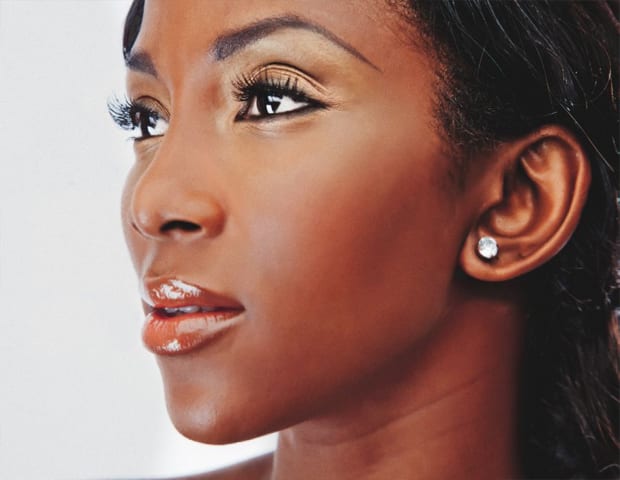
It’s obvious to every Nigerian it-girl and our African sisters that ignoring Genevieve Nnaji’s pristine and effortless beauty is a bad idea. This is regardless of whether or not you watch her movies! Luckily, there’s a lot to learn from her streamlined, hyper-organized disposition. Even if we never completely get it, as we’re mere mortals. Have fancy dinners with a view Yes, you heard right. Head to some trendy island, club or restaurant for dinner. It should have an amazing view and probably stocked with successful, inspiring, rich and maybe good-looking people too. The food might be a little pricey, but it’s the connections you’re paying for. It’s called networking, girl! Somehow, these celebrities seem immune to the business problems that the rest of us mortals are afflicted with. From me to you, there’s a shameless networking routine that they follow. Don’t head on starting that business without connecting with the people who are going to be instrumental to your success. Take it all off… the make-up I mean This is debatable, but it feels even better to take the make-up all off sometimes. This is especially useful when the Nigerian heat perpetually threatens to melt it all off anyway. Genevieve gives us the no-makeup look often enough to keep us envious and wanting for more. Being a celebrity or even the owner of that unique start-up may be a good reason to have flapping eyelashes, gold-toned smoky eyes, and perfectly done nails… you know for the optics. But how about you shake things up a bit and get us all confused by actually getting down to work? Like, if you’re not doing anything lucrative besides getting your face done, what are you even doing? Be authentic. It’s all that matters. I am really eager to know the stories behind movies with impossible titles —who decided that “Blackberry Babes” was a good name for a movie? Okay, my argument is —why spend much money scouring for classics when you can watch an affordable ‘sub-standard’ movie? Here’s the thing, as an aspiring or already established business woman, you’ve got to be authentic, otherwise, you’ll ruin your own magic in no time. You’ve got no business copying every new or trending business idea. Be real, girl! Be unique! Talk less, unless of course, you’re telling us about what you do Traumatic consequences aside, being a little secretive is a necessity . Especially, if you’re involved in ventures that don’t feature story-telling as a requirement for practical reasons (like being an OAP or writer). If your business is not one of those, the least you can do is choose to give us short, simple, or playful dozes of your life every other time, just to add a little charm to your image. Minimize that icky feeling that comes with people knowing too much, too often about your business. In summary, all you need is to devote yourself to learning/mastering your craft, tirelessly networking, being authentic and a little tight-lipped when necessary. It’s pretty simple and practical.