
Lessons from the demolition of small businesses in Lagos: Three steps to protect your small business
Last week, we woke up to the news that Nuli Juice Company, Nuts About Cakes, The Drug Store —all small businesses in the upscale Ikoyi area of Lagos— were on the verge of being demolished. The Drug Store had only opened for business a week earlier and Nuli Juice opened six weeks earlier. The owner of Nuli Juice only became aware of the demolition when the bulldozer showed up ready to reinstate her shop to what was once her imagination —she did not receive any prior notice. She was shocked, as like most savvy entrepreneurs, she had obtained all relevant permits, licenses, paid her taxes, etc. In the midst of the chaos, she found out that the demolition was as a result of the landlord’s failure to pay N40 million in permit fees. The landlord was given prior notice before her lease term commenced. Within a few hours, the only evidence of the stores was rubble. Unfortunately, Nuli Juice, Nuts About Cakes and The Drug Store represent a few of the many businesses that experience this issue on a yearly basis. Given the recent trends, it is evident that applying for a business permit, registering the business and registering with the tax authorities are not sufficient to safeguard businesses. Business owners must take additional precautionary steps to further protect their businesses from unexpected disruption or in this instance, demolition. Below are a few additional precautionary tips. 1. Dig deeper Treat your store lease like you would treat the purchase of new land. Before signing a lease, conduct a thorough search on your potential landowner, the land, and the building. Tips: Not every alleged landowner is indeed the true landowner. Ask people in the neighborhood about who owns the building. Investigate to make sure that the alleged landowner indeed owns the building. Ask about the landowner’s reputation. Has the landowner had any brushes with the law (personal or otherwise)? If the landowner has a multitude of legal cases (personal or otherwise), it may not be wise to lease from him or her as the building might become subjected to legal processes. Ask whether the property has been subjected to any extraordinary visits from government officials. Such regular visits could be a sign of disaster waiting to strike. Confirm from the landowner that all relevant permits have been obtained. Thereafter, negotiate his or her assertion into the warranty section of the lease agreement. Do the same for licenses, permit fees, etc. If the store has been recently renovated, ask the landowner to confirm, in the lease, that all renovations are in compliance with all relevant laws. Ensure that there is a valid certificate of occupancy for the building. Check with your local government officials to make sure that the neighbourhood has indeed been marked for business purposes and not strictly residential purposes. Your business will most likely be kicked out of the neighborhood if the area is strictly a residential area. 2. Negotiate Many small business owners ignore the importance of negotiating the content of their lease agreements. Despite the fact that as a small business you may not have much bargaining power, you still owe it to your business to take all necessary steps to protect your investment. So, before you sign the dotted lines, negotiate! Tips: Include a clause in the lease agreement that covers you in the event that your store is destroyed or damaged as a result of the landowner’s act or failure to act. Such provision will allow you to seek damages (i.e. seek payment for losses) from the landowner in the event that something the landowner did or failed to do caused disruption to your business. Most business owners assume that the landowner pays for repairs and often skim through the repairs provision of the lease. Please do not be one of those. Do not assume. Ask! If the lease contains a provision that requires you to pay for repairs, try to negotiate an exemption for normal wear and tear of the premises. Under such arrangement, the landowner will cover repairs for damages that are not caused by you. Also, pay close attention and negotiate who will be responsible for big-ticket items such as plumbing, roof leaks, air conditioners, etc. Review your lease agreement to make sure that it includes a clause that states that the landowner does not owe any duty to any other persons or third parties (e.g. taxes, liens, restrictions). That way, you will be protected contractually should there be any third party interference on the property. 3. Ensure your business is covered Many small business owners underestimate the importance of business insurance. Business owners should ensure that their businesses or their buildings are covered by insurance. Such coverage will minimize the impact of a disaster to the business cash-flow. Tips: Consider obtaining business insurance that covers material damage to your business premises and their contents. This should cover malicious damage, strike, riot, flood, storm, burglary, and litigation. Alternatively, consider requesting that your landowner purchase a building insurance that will cover your business in the event of a business disruption (such as a fire incident, obviously, not a fire you deliberately caused). Such insurance policy should be able to provide an alternative store location in the event that your current store is inhabitable. This process might seem daunting. However, as the saying goes, “its better to be safe than sorry.” These steps, though not exhaustive, can add an additional layer of protection from undue external business disruptions. If you would like insights on a particular topic, write to us! We are listening.
What Jhene Aiko showed us about divorce in Nigeria
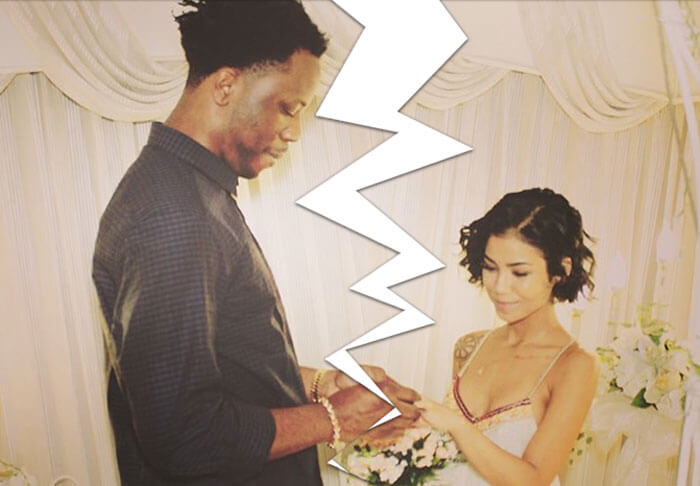
Remember the not-so-shocking end of Jhene Aiko’s marriage to her Nigerian husband, DotdaGenius? It really brought to the forefront how most Nigerians view divorce. The lessons to learn from this bitter and public divorce are numerous. Let’s look at what not to do when a relationship goes sour. Don’t ever feel the need to air your dirty laundry in public For absurd reasons like getting “support”, even if it’s from outsiders, people tend to share more than they should. Jhene Aiko sort of did this on social media after the divorce news broke. Rather than do this, how about settling the rift(s) with the other party without the prying eyes of people who may not really care? Especially as we all agree that there’s some sanctity to marriage. Your value kind of diminishes when you give third parties undue vested interests in your business. Infidelity Being in an unhappy marriage is better imagined, especially when a partner is cheating. But cheating to get back at the spouse is never the best solution to an already terrible situation. Playing the two-can-play-the-game revenge tactic is never the way to go. Rather than cheat, please girl, opt out! Fear Nigerian women have this inexplicable fear of divorce. This may have been fueled by the myth that kids from “broken homes” don’t make good homes themselves. Unfortunately, there is still a never-ending stigma associated with divorce. Nigerians have a way of labeling divorcees (especially women) as rude and not submissive. It’s always the woman’s fault. Making women feel this way because a marriage didn’t work, has made a lot of women stay in unhappy relationships “for the kids”. No one wants to be stereotyped unfairly. Starting over Marriage offers some form of validation for women in Nigeria, and maybe even other parts of Africa. It is believed that irrespective of what a woman achieves, she is nothing without a man. Owing to these beliefs, even otherwise strong women would rather stay in a loveless marriage while enduring being treated badly or even cheated on. In conclusion, Nigerian women need to realise that a divorce can never be the end of one’s life. Everyone is entitled to a new beginning and even after a divorce, there’s still hope. There you have it, ladies, it’s time to have a fresh outlook on love and relationships, and marriage.
The fault in Nigeria’s stars: The war between business & government

The fault, dear Shakespeare, is occasionally in our stars —and if you’re Nigerian, occasionally in our government. Yesterday, while all of Nigeria nursed a hangover from Mark Zuckerberg’s stealthy visit to Lagos, local government officials handed out an overdose of Advil, with complementary sunglasses, to smack us all back to reality from the ephemeral excitement. Amongst other properties on Rumens Road in Ikoyi, the Lagos branch of the Nuli Juice Company—a rising local healthy fast food company—was demolished by local government officials who claimed that warnings had been sent to the respective landlords concerning outstanding fees. A worrying trend A few months ago, the Federal Government of Nigeria, through the Nigerian Communications Commission (NCC), slammed a $5.2 billion fine on MTN for failing to disconnect unregistered users, dragging the telecoms giant’s bottom line to a headline loss for the first half of 2016. This was amidst questionable monetary policy decisions by the Central Bank that have now seen the Nigerian economy, along with the constituent businesses of the flailing economy, crumble in 2016. The tug of war between Nigerian businesses, their predominantly foreign investors and the government has never been more obvious. And Nigeria’s economic situation, more disheartening. The same business owners, investors and government officials who vivaciously graced the dance floor to the tune of the “Africa is shaped like a gun and Nigeria is the trigger” chant led by McKinsey & Company and The Economist appear to be trickling off. Standard Chartered and Atlas Mara are leading the exodus from Nigeria with United Airlines and Sun International in tow. The Garden of Eden has proven that when trouble strikes in paradise, the blaming game begins. Adam blames Eve, Eve, the serpent and we Nigerians, our government. That’s just the way the chaos crumbles. However, the Nigerian government is not alone but in good company. The Chinese government has driven Uber to a $1.3 billion loss in the first half of the year. The Tanzanian government abruptly passed a bill requiring all telcos to list on the Dar Es Salam Stock Exchange. The South African government’s proposed sugar tax has the potential to squeeze the life out of Coca Cola’s operations in the country. This chasm between the private and public sector across the globe could not be more glaring. Thankfully, in my lifetime, I’ve experienced the magic that happens when the chasm is bridged. I spent the summer of my sophomore year in college interning at Sahel Capital, a leading agriculture-focused investment firm. Sahel Capital manages the $100 million Fund for Agricultural Finance in Nigeria (FAFIN). Nigeria’s Ministry of Agriculture established the fund and now, Sahel Capital manages it. I am the daughter of my father, a brilliant agricultural economist. He spent the bulk of his career in Nigerian agribusinesses—the private sector. My late maternal grandfather spent his life in public service. In his day, he worked in the agriculture sector of Nigeria’s Western Region. Interning at Sahel Capital, the epitome of public-private partnership, my two worlds collided. And not just mine, but Nigeria’s too. Collaboration between the public and private sector is by no means beyond the bounds of possibility. Here’s blowing the whistle on our leaders for attempting to prove otherwise.
How to make money as an artist in Nigeria
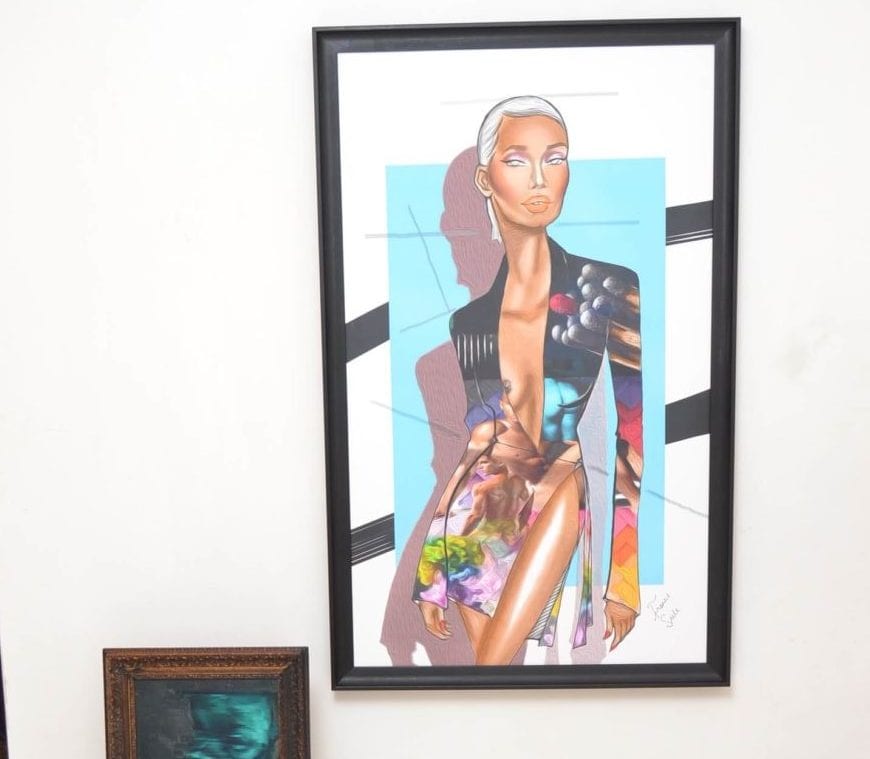
You must be familiar with the image of the starving artist in Nigeria who doesn’t get recognition until she dies. Were you discouraged from studying the arts because it was believed to be an unlucrative industry? Or maybe because you were a girl? Well, what if I told you they were wrong? You don’t agree? Here’s my argument – if you’re artistically inclined, why settle for broke when this image below could just be you? In many countries across the world, artists make their living from selling art. However in Nigeria, it is often difficult for artists to break into commercial success. If you are still not sure how this article can help, stay with me. I’ll show you how to start making that money while holding on to your creativity. Create a unique brand Your brand needs to have a selling factor that is personal to you as an artist, be it your style, your market, your subject. Check out Francis Sule for example, who uses a highly illustrative style in his work. Have a day job A lot of artists hole themselves up in their studios expecting their ‘dope’ work to speak for itself. You see girl, your work isn’t going to speak without you doing some talking. A day job that lets you meet people and maintain a flexible schedule is a good idea. I work as a graphics designer in a sports entertainment company and that helps me meet a lot of people. Another case in point is Stacey Okparevvo who works as a yoga instructor. Hire a talent manager/art agent. Most artists are not really business savvy, they’re just not very good at marketing their own work! Think about it, if they were to be left on their own, galleries would probably be making far less money. We hear of veteran artists with agents and managers taking care of business, but most new artists don’t care for such ‘luxuries’. The truth is it is not so difficult getting people do to do these things for you. David Oamen is one of the few people who does something along those lines in Nigeria. Sell affordable art There is actually nothing wrong with selling affordable art. A number of artists are creating and selling affordable stuff. For example, Art of ajet, Mode, and lawyartist are examples of artists who sell art, phone cases and so on, online. You can do phone cases, T-shirts, logos, mugs, book covers, snap backs, the possibilities are endless. Network network network Ah, yes, artists network. Are you serious about making commercial hits? Then you surely have to go out and meet people. Ayoola has a huge network across the world and is a friendly chap. AAF and ArtContemporary also artists who organise networking events for other artists. Collaborate outside your field Again this may feel a little too tasking, but you need to go outside your comfort zone to sell your art. Collaborating with fashion designers and musicians is a great way to make collaboration work for you and bring in constant work. Set up a store at Jakande Yes, I said Jakande! What were you expecting though? A lot of foreigners and Nigerians visit Jakande with the intention to buy art. And if your art is affordable and your brand amazing, you’re sure to find great customers there. If I were you, I’d get someone to handle sales, and may even sell my work myself. Contact galleries across the world Galleries worldwide are usually looking for new artists. Don’t rest on your oars girl, contact them, be at the top of your game. Art21, Omenka, and Rele are some of the galleries in Lagos. Finally, the arts business might be a tricky one. I’m not sure what the defining factors of a ‘good’ art piece are but I do know that for every work you create, you’ll need to be authentic and true to who you are. Strive to create pieces that you actually love. And make lots of money along the way.
Adedoyin Jaiyesimi: People tend to trivialise the writing process
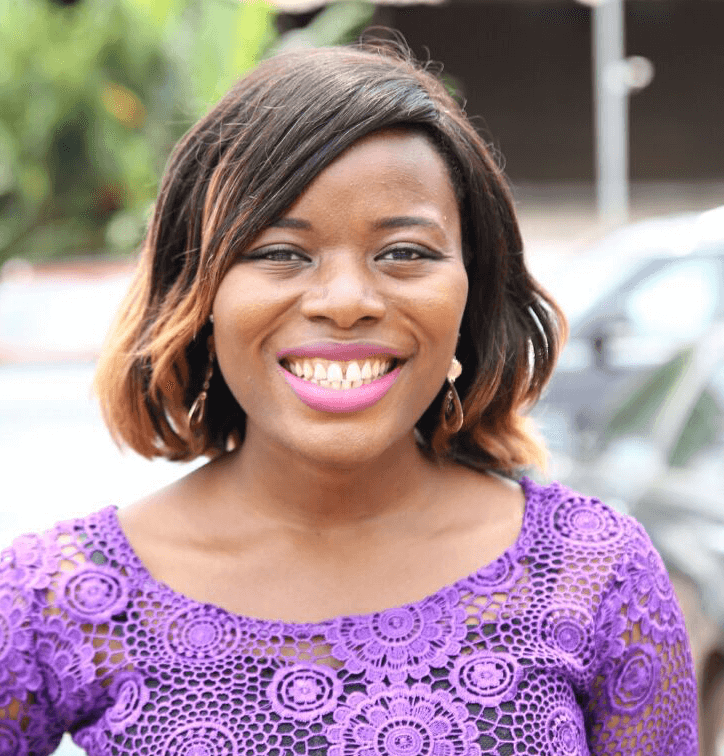
Adedoyin Jaiyesimi writes and edits books, manages blogs and creates content for websites. Through her coaching and training platform, The Sparkle Writers Hub, she is helping other writers achieve their writing dreams. So far, some of her trainees have moved on to start successful blogs while others have been able to gain access to platforms to showcase their work. Adedoyin fills SLA in on not just the excitement of writing, but what she is doing about it, for herself and other writers. How can a writer turn her craft into a profitable business? Turning your writing craft into a business starts with having a plan. What kind of writer do you want to be? What range of services do you want to offer? Do your research and find the niche you can excel in. There are people who stop at editing and proof-reading while others take it further by writing web copy and coaching other writers. Once you identify the services you are able to offer, you should talk to an intellectual property lawyer to know the steps to take to protect the content you produce. You also need to think about how you will publicize yourself and your work in order to build your client base. Build the right structure and most importantly, get people to work with you. As you get more clients you will discover that you can’t do it all by yourself, especially if you want your business to grow. What are the right principles to turn a small idea into a profitable business? I would say the number one principle is passion. You need to be passionate about what you are doing otherwise, the business will fizzle out. Then there’s the part of creating value. For any business to be profitable there has to be some value that is being added. This is essentially the ‘why’ of your business and it goes beyond money. What need is the business meeting? How does it improve the lives of people? One thing I have learnt over the years is the importance of building a brand and not just a business. You must be able to connect with your clients and deliver on your brand promise. This involves going the extra mile. It also involves making the choice to be excellent in your delivery of service and be innovative. Have you faced any challenges that are unique to your trade as a writer? How did you overcome them? Yes, I have. They are so many, to be honest. One of the challenges writers face is managing writer’s block. When I first started out, I was a lazy writer and I used to write only when I was inspired. You can’t run a profitable business as a writer if you only write when you are inspired. So I had to discipline myself and learn how to come up with creative content whether I am inspired or not. It was tough, but I’m glad I went through that process. Another challenge I faced was putting the right price to the services that I offer. Something that I used to hear a lot when I started was, “Is it not just to edit the content on my website? Why are you charging this amount?” There is a way people tend to trivialize the writing process especially when you are able to deliver quickly. I did a lot of trial and error before I could find the price that I was comfortable with charging because there is no industry standard. Now, I have set prices for every service I offer. I’ll add one more because like I said, they are many. Putting the right structures in my business was challenging. Creative people don’t like structure. We just go with the flow. This will hinder the growth of your business. So I had to take the time to put the right structures in place. I registered my business name, Content Craft, opened a business account, set up a proper accounting system and so on. It’s not perfect yet but we have a process for most of the operations we carry out. Realistically, in what ways can an African woman live off writing? There are many ways an African woman can live off writing. Like I tell the writers that I coach, you just need to be creative and be able to identify the gaps that exist. When I started out, what I knew how to do best was to write articles and edit magazines. Now my expertise has grown to creating and editing books, managing blogs, writing web/ social media copy and creating content for social media. So the possibilities are endless. If you want to live off writing, you can become an editor, you can be a content creator, you can be a copywriter, you can write voice over scripts, you can write content for training materials and so on. As you improve your skill, you can also earn money from coaching other writers and organizing training sessions for businesses and individuals. How do you help other writers achieve their dreams? Is it through mentorship or any other means? I created a platform called The Sparkle Writers Hub and our main aim is to help everyone who has a desire to write to achieve their writing dreams. We work with all kinds of writers; the ones who have a nudging in their heart and those who have started writing but want to take their work to the next level. We offer a basic training program where we teach writers the basics of writing and how to attract readers. We also offer a more intensive coaching program where we work one on one with writers to achieve their goals. Since we started, some of our trainees have moved on to start successful blogs while others have been able to gain access to platforms to showcase their work. What will be the name of your first book and what will it be about? The
Aysha Tofa: No business idea scares me
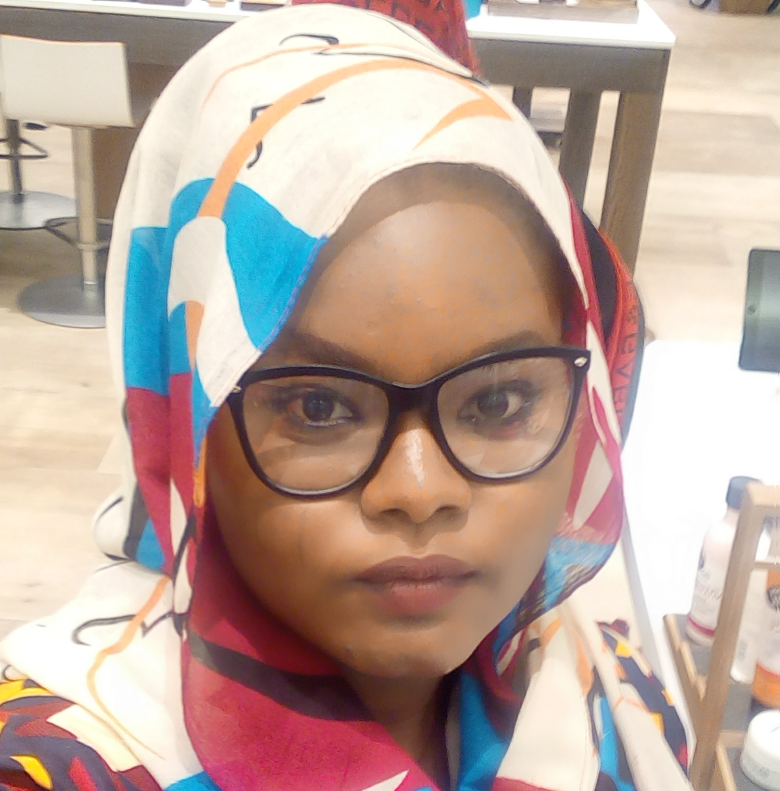
Aysha Tofa is a 24-year-old entrepreneur who is not afraid to try her hands on several, diverse business ideas. She discovered her passion for business as a young girl in college and even now, is an inspiration to many young women in Northern Nigeria, where she resides. Aysha shares with SLA her experience and the driving force behind her entrepreneurship. How did you become an entrepreneur? My first brush with the business world was in my 3rd year in college. I often bought clothes to sell to other students and my friends. However, my biggest and scariest opportunity was when a friend was getting married. I had assured her I could supply 400 pieces of fabric for family and friends even though I had no idea how. Fortunately, things panned out; I made good of my word and some good money too. That first big opportunity opened up more business doors as I invested the profit in other ventures. At the time I was done with school, I was already a known name -an entrepreneur in her own right! You are an entrepreneur involved in a lot of things. Tell us about them. Yes, I am involved in a lot of businesses. My scope covers just about everything – textiles, traditional caps, electronics, properties, food, fashion, etc. I also own an advertising company called Waves Advertising Limited. I am, in fact what they call a hustler in the Nigerian parlance. I believe that for any business idea, no matter how novel, a detailed research would tell me exactly what to do. Away from business now, we understand you had a project called Pink Waves. Tell us about it. Pink Waves was another of my many projects. Our focus was on creating awareness on the cancer scourge, starting with northern Nigeria. Twice, we were on Voice Of America’s radio show, Yau da Gobe, to discuss the project. We reached out to influential people, government agencies and organizations soliciting support and sponsorship, but that never came through. It was a good project but sadly, it had to be put on hold. How are you inspired? I have a solid support system. My parents believe in me and that alone keeps me going. I want to keep making them proud. How do you keep yourself going as an entrepreneur? I read books on both successful and failed businesses. Through them, I have learned and mastered the act of taking risks. For someone who has tried her hands on many things, I believe failure in business can be a learning curve. The entrepreneurial route can be tough, but I try to be as focused and patient as possible. What is the business climate like in Northern Nigeria where you live? Are there challenges? How are you overcoming them? Around here, people are more amenable if you are able to convince them of a product’s usefulness. But of course, a prevalent preference for quantity over quality negatively affects sales. Also, due to religious and cultural beliefs, there’s the erroneous belief that successful women tend to be arrogant and may never find husbands. Notwithstanding, I never let these things stop me from reaching my dreams. I believe an empowered woman is not only a gift to her family but the society at large. What is your driving force? Through my various ventures, I want to inspire other women to reach heights they never thought possible. The ultimate goal is to add value to my society and I am taking it, one day at a time. If you’d like to share your story with She Leads Africa, let us know more about you and your story here.
Kate Mayeye: I’m the Kenyan designer who is inspired by Nigerian fashion
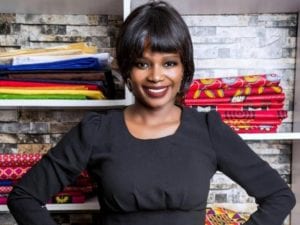
Kate Mayeye is a Kenyan fashion designer and the CEO of African Fabric & Designs Kenya Ltd. Kate is inspired by her love for unique African prints and, in particular, the Nigerian fashion industry. Recently, she had the rare chance of styling an award-winning Nigerian actress, Angela Okorie for three high profile, red carpet events. Kate shares with SLA her love for fashion, the opportunities it provides and how she is introducing a different fashion culture to Kenya. Why African Fabric & Designs Kenya Ltd? I love to stand out, and showcasing Africa’s unique culture has given me that opportunity. I am looking to place the African print on the world map. It would gladen my heart to see other people, not just Africans, embrace it. Why are you drawn to the Nigerian fashion industry and how did you come across it? I am married to a Nigerian. My husband and I love the impeccable finishing on designs made by Nigerians. I also wanted to introduce a different fashion culture in Kenya, and Nigeria has been the perfect reference as she is at the forefront of the African fashion market. Nigerians are the ‘who’ to watch for when it comes to fashion styles and trends in Africa. How did you get the chance to dress Angela Okorie? Were there any challenges? Angela Okorie was in Kenya a few months ago. The occasion was the pre-production of a dramatic comedy starring her, Mike Ezuruonye, Huddah Monroe and Mumbi Maina among others. Former Miss Kenya 2014, now actress and producer, Juliet Ochieng had approached me concerning the Nigeria-Kenya collaborated movie titled Brother Jekwe. I was the costume designer for the movie which Juliet also co-produced, my job was to provide outfits and accessories to support the narrative. The biggest challenge in dressing Angela was her busy filming schedules. Our fittings sessions were practically non-existent but I’m glad things turned out great. What would you say to a fashion designer whose dream is to dress celebrities? In dealing with celebrities, be cautious. Focus on what they want, but make suggestions on what best fits. Be sure to communicate what you can or can’t do. Simply, be honest. What do you look out for in selecting fabrics? When selecting a fabric, I look out for the uniqueness of the print, the thread count, colour-fast quality and the strength of the fabric. I don’t condone shrinkage or fading when it concerns my fabric. If you were on a deserted island and could only take one piece of clothing, what would it be? Well, let’s see. I would definitely take a Dera. It’s multipurpose. What challenges have you encountered in your business? Perfecting customer order has always been a challenge, especially when you have to depend on hired hands. But we learn and grow daily with every experience. The biggest challenge remains power blackouts. Traffic, courier clearance bottlenecks, and of course unforeseen circumstances are also issues we’ve had to deal with. What advice will you give to young African women looking to start a business? Every business owner requires a huge passion, commitment, and a strong support system. Be your own motivator, some days are going to be tougher than others but you can do it. With God on your side, it can only get better. 2 year plan? Tell us about it I’m working on business expansion, opening up more outlets to showcase our amazing designs. These designs would feature locally produced prints and materials that represent the different African cultures. What other projects are you involved with besides African Fabric and designs limited? I am a partner with an events and social media management company, DiMaye Media and also a one-third partner in a supplies and Maintenance firm- Tatu Dallas Supplies and Maintenance Ltd. Which celebrity did you love designing for? Every client is a star in my eyes. They are my celebrities. If you’d like to share your story with She Leads Africa, let us know more about you and your story here.
7 African Women to watch at #Rio2016

The stakes are high this time of the year as Rio2016 kick off. Lots of hopes and dreams are riding on this year’s wins. The national pride of certain countries is at stake at the sporting event as those of us living in African countries stayed up late to watch the opening ceremonies. Btw did you know that the Olympics started in 776 B.C. in Greece where the first Olympian, Coroebus won the single event, a 192-metre foot-race? In 2016, we’re all about the African women doing us proud at the Olympics. Out of this year’s lot, lets’ focus on seven African sportswomen who we’ll be keeping an eye on as the event unfolds. Yolande Mabika This 28-year-old judoka (a person who practices or is an expert in judo) is a refugee from the Democratic Republic of Congo. She’ll be participating in this year’s Olympics under that flag. There’s no shying away from it Yolande has suffered to get to where she is now. She’s slept on the street, and worked as a sweeper and at a textile mill. In 2013, she qualified for the World Judo Championships held in Brazil. She sought asylum in Brazil and started training at the Instituto Reação, a judo school founded by a former Olympic bronze medalist. She is aiming for gold at Rio2016 under the women’s 70kg category. #MotherlandMogul lesson: Nothing should hold you back the way nothing held Yolande back. We’ll be keeping our fingers crossed that she gets the gold she’s aiming for. Vivian Cheruiyot Known as ‘pocket rocket’ due to her short stature, Vivian is a Kenyan long-distance runner who specializes in track and cross country running. She has a massive track record under her belt but her most notable moments include how she lost 17kgs after giving birth. Vivian did this in order to compete in the 2013 International Association of Athletics Federations (IAAF) World Athletics Championships 10,000m gold medal in Beijing, China. She won that by the way. These aren’t Vivian’s first Olympics. She scooped 2nd and 3rd place in the 2012 Olympics for women’s 5000m and 10,000m respectively. She has also crowned Laureus World Sports Award for Sportswoman of the Year 2012. In Rio this year, she is doubling up in the women’s 5000m and 10000m. #MotherlandMogul lesson: There’s always room to do better and improve on your best. Vivian has pushed herself to do better and succeeded. She won and we can learn from her by pushing ourselves to win too. Hortence Vanessa Mballa Atangana Another judoka on the list, Vanessa has been flying the Cameroonian flag high since 2013 when she won the African Championships where she won a bronze medal in the women’s 78kg category. She also scooped third place in the Commonwealth games of 2014. In this year’s Olympics, she is going for gold in the same category. Margret Rumat Rumat Hassan Margret’s story is touching. The 19-year-old will be one of South Sudan’s two athletes to participate in the Olympics. She is from Wau, a South Sudan city, where, as recently as 2015, this world-class athlete didn’t even have access to a gym. Against all odds, she trained her way to the 2014 Youth Olympics in Nanjing, China. There she competed in the Women’s 400m as an Independent Olympic Athlete. This was even before South Sudan was recognized. She is aiming to be first or second at Rio2016 in the women’s 200m. #MotherlandMogul lesson: Margret forged a path where there was none before. Some people spend their lives training to be athletes in world-class gyms, Margret didn’t have access to that last year. And still, she stands. Blessing Okagbare Blessing also holds many feathers in her cap. This Nigerian track and field athlete specializes in long jumping and short sprints is an Olympic and World Championships medalist in the long jump. Blessing is also a world medalist in the 200 metres. She holds the Women’s 100 metres Commonwealth Games record for the fastest time at 10.85 seconds. Her 100m best of 10.79 made her the African record holder for the event until it was eclipsed by Murielle Ahoure in 2016. She was the African 100m and long jump champion in 2010. She has also won medals at the All-Africa Games, IAAF Continental Cup and World Relays. As a sign of her prowess, she is poised to take part in four events during Rio2016: women’s long jump, women’s 100m, women’s 200m and women’s 4x100m relay. Genzebe Dibaba This Ethiopian middle- and long-distance runner is destined for great things. Genzebe is the sister of three-time Olympic champion Tirunesh Dibaba and Olympic silver medalist Ejegayehu Dibaba, and the cousin of former Olympic champion Derartu Tulu. Her veins are literally flow with the blood of a winner. However, that’s not to say her own efforts are for nothing. Genzebe was the 2012 World Indoor Champion for the 1500m, and is the reigning 2014 World Indoor Champion and World Indoor Record Holder in the 3000m. She represented Ethiopia at the 2012 Summer Olympics and has twice competed at the World Championships in Athletics (2009 and 2011). Genzebe was named Laureus Sportswoman of the Year for the 2014 year and was 2015 IAAF World Athlete of the Year. She is the current world record holder for the 1500m (both indoor and outdoor), the indoor 3000m, the indoor 5000m, the indoor mile, and the indoor two miles. She is looking to win the women’s 1500 m track and field event at Rio2016. #MotherlandMogul lesson: We know we mentioned this before but…look at Genzebe’s family! The Dibaba family, aka the “world’s fastest family” are goals for how healthy families can reach their peaks and excel. They challenge us to ask, how can we work with our families to ensure that everyone stays winning? Caster Semenya A middle-distance runner, South African Caster Semenya’s track record is bright. It all started in the 2008 World Junior Championships, where she won the gold in the 800m at the 2008 Commonwealth Youth Games. In
Will Nigeria’s president ever be a woman?
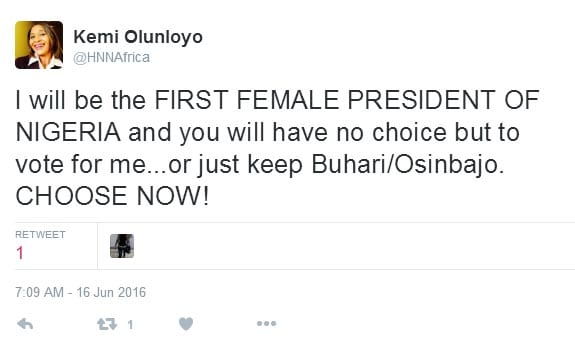
There is this palpable level of excitement all around the world as we all watch in to see if the USA will have its first woman president. This got me thinking about my country, Nigeria. What will it take for Nigeria to get to that stage? When will our president be a woman? Hold off on the evil stares will ya. Let’s take a look at four groups of people and what they say about the chances of a lady Nigerian president happening. In-laws In Africa, especially my beloved Nigeria, in-laws are not to be joked with. They can make or break your marriage so you don’t want to be too close to them but at the same time, you can’t do without them. PRO: Bragging rights. As everyone wants to be associated with success, of course they’ll support and even hound people to vote so they can do yanga. They’ll want to tell anyone and everyone that their daughter-in-law is the Commander-in-Chief of the armed forces. CON: Just because she is president doesn’t mean she should forget her culture. If she doesn’t kneel properly to greet, WAR. If the protocol officers so much as ask if the president’s husband’s cousin’s son’s wife has an appointment before seeing her, WAHALA. If they find out she no longer cooks personally for her husband, they’ll go to the village and bring their son another wife (Blame my Nollywood childhood for this imagery). Feminist Twitter If you are always on Twitter then you’ll know that this group is no joke. Women can form a strong line of defence, they’ll go to war over anything and win. PRO: There will be an astounding level of support and love towards a woman president by this group. And we all know, in the words of QueenBey, women run the the world. Stop rolling your eyes, we really run this. CON: Well, this is where it gets tricky. Chances are they’ll let the president get away with ANYTHING, even outright murder! We get that we girls need to stick together but that shouldn’t mean we don’t call out bad behaviour. Meninist Twitter The camaraderie in the above group on Twitter had men coming together to fight “battles” of their own. Yes, this group even went as far as creating a hashtag, (#Meninist), for themselves. Anyways, these MEN complain about the littlest things in women. PRO: Because they’ll want to prove to that they are not chauvinistic in the least, they may also support and welcome the idea of a lady president. This support would be crucial as they are a large part of the population. CON: They’ll complain and blame the president’s gender for every little thing that happens in the country. They’ll create hashtags like #thepresidentdoesntcook #thepresidentdoesntdolaundry. Sigh! The First Gentleman As we have the First Lady, so we have the First Gentleman. This is the official title given to the husband of the president. PRO: Being the husband of the president, he’ll enjoy benefits and opportunities like the First Lady (if not more). CON: Let’s admit it. Men love to be at the center of everything and the minute they feel like they aren’t, all hell will break loose. It’ll even be worse if his friends make it a point to make jest of his title. “So instead of you to be President, you’re First Gentleman”, “I’m sure that your wife doesn’t respect you as a man anymore”. All this will lead to another wahala when he gets home to Aso Rock. There are a number of things we need to deal with as a nation to finally arrive at a place where we can happily vote in a woman as the president of Nigeria. What I’ve listed above goes to show that we are still stuck in the “a woman’s place is in the kitchen” era. I mean look at this; @TheRoyalButler please, should a woman know how to cook good food or not before considering such for marriage? — Temilade (@Temilade) August 3, 2016 Until we evolve past this ideology, our Nigerian woman president will live only in our imaginations.
3 ways to connect with your dreams as a young African
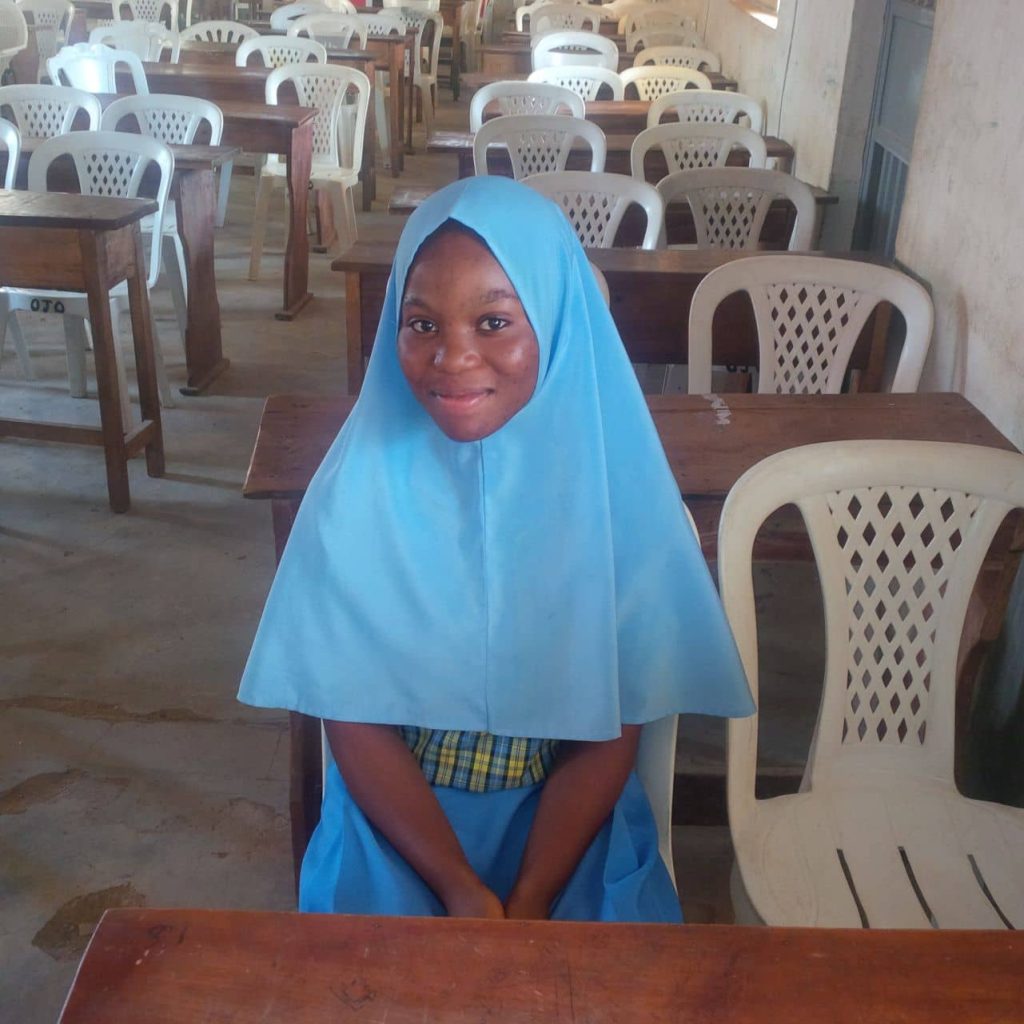
When I first talked to Khadijah Oyerinde, a 14-year-old high school student in Osun, southwestern Nigeria, I was able to see her dreams clearly. This was because of the confidence and passion with which she conveyed them to me. Within the first two minutes of our conversation, the young and inspiring Khadijah had mesmerized me. She’s got guts, no doubt! When I inquired about her greatest dream and the likely stumbling blocks, she gave me a sharp response. “I want to become a caterer that would be known all over Nigeria and Africa for excellence,” she said. “And only death can stop me. I cook well and I’m working on myself every day.” She was one of the participants at Leadnovation 2016, a flagship initiative of Hope Rising Foundation (HRF) Nigeria, a NGO I co-founded to raise responsible and innovative young leaders in Nigeria. Having been impressed by her clear vision, I quickly asked how she hopes to reach her destination. Khadijah stared at me with some discomfort, and said; “Well, I just know I’ll get there. I haven’t seen anyone on TV to look up to as far as my exact dreams are concerned. But I’ve just learnt from this leadership training that I can get help on social networks.” More often than not, I have come across many Khadijahs in Nigeria. I have met and interacted with numerous young Nigerians who are brilliant and ambitious. They are high school students, undergraduates, or even graduates eager to shape Africa with their lofty dreams. But as much as they are passionate about their dreams, connecting with them remains the big challenge. So as a young African, how can you connect with your dreams? Believe in your dreams In reality, no dream is too big to be realised as long as you have a “can-do” spirit. As a young person, it’s good to have a clear vision of what you hope to achieve, and start working towards it. You shouldn’t be discouraged by what other people say. People don’t really care about your dreams, they only care about results. Once you reach your destination, everyone will want to associate with you. So, get on the wheels and start driving into the kind of future you desire. “Don’t let the noise of others’ opinions drown out your own inner voice” These were the exact words of Steve Jobs, the legend who must have had YOU in mind when he was crafting this beautiful sentence. Take advantage of MOOCs Right now, education has moved beyond the walls of a classroom. And the effects are magical. That you don’t yet have the opportunity to receive lectures within the walls of your dream school shouldn’t deter you from working on your dreams. Start from where you are and with what you have. You can sit in your village, so far you are connected to the internet, and learn from the best professors in top universities in across the world at no cost. Yes really, at no cost! So far, I’ve taken over fifteen Massive Open Online Courses (MOOCs) from some of the world’s best universities in the last three years or so. There are a number of sites offering courses to help you get the expertise that would move you closer to realizing your big dreams. Get a laptop, tab or smartphone, connect to the internet and start learning.There are many MOOC websites available, including Future Learn and Harvard. Choose the course(s) that best fit the kind of skills you’d like to acquire. There you go! Use social networks effectively For me, social media remains the next greatest invention after the discovery of electricity in the 17th century. With the effective use of social media, you’re not only able to expand your network but also able to connect with the people that matter, as far as the realization of your dreams is concerned. Facebook, Twitter, Instagram, Skype, YouTube are fantastic social networks you can leverage to connect with your dreams. You should find role models and people who can help you believe more in your future, and then connect with them via these networks. It’s that simple. SheLeadsAfrica and a few other platforms also offer the unique opportunity to connect with mentors who can help you better navigate your life’s journey. What are you still waiting for? You can go the extra length to connect with your dreams by believing in yourself, taking advantage of MOOCs, and making effective use of the various social networks. No matter how short it is, just take a step. Keep moving! I have discussed just three of numerous useful tips. You can add one or two tips of your own in the comments section as well. I’ll be glad to hear from you.