
Kate Mayeye: I’m the Kenyan designer who is inspired by Nigerian fashion
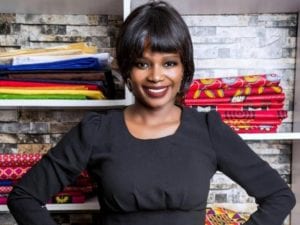
Kate Mayeye is a Kenyan fashion designer and the CEO of African Fabric & Designs Kenya Ltd. Kate is inspired by her love for unique African prints and, in particular, the Nigerian fashion industry. Recently, she had the rare chance of styling an award-winning Nigerian actress, Angela Okorie for three high profile, red carpet events. Kate shares with SLA her love for fashion, the opportunities it provides and how she is introducing a different fashion culture to Kenya. Why African Fabric & Designs Kenya Ltd? I love to stand out, and showcasing Africa’s unique culture has given me that opportunity. I am looking to place the African print on the world map. It would gladen my heart to see other people, not just Africans, embrace it. Why are you drawn to the Nigerian fashion industry and how did you come across it? I am married to a Nigerian. My husband and I love the impeccable finishing on designs made by Nigerians. I also wanted to introduce a different fashion culture in Kenya, and Nigeria has been the perfect reference as she is at the forefront of the African fashion market. Nigerians are the ‘who’ to watch for when it comes to fashion styles and trends in Africa. How did you get the chance to dress Angela Okorie? Were there any challenges? Angela Okorie was in Kenya a few months ago. The occasion was the pre-production of a dramatic comedy starring her, Mike Ezuruonye, Huddah Monroe and Mumbi Maina among others. Former Miss Kenya 2014, now actress and producer, Juliet Ochieng had approached me concerning the Nigeria-Kenya collaborated movie titled Brother Jekwe. I was the costume designer for the movie which Juliet also co-produced, my job was to provide outfits and accessories to support the narrative. The biggest challenge in dressing Angela was her busy filming schedules. Our fittings sessions were practically non-existent but I’m glad things turned out great. What would you say to a fashion designer whose dream is to dress celebrities? In dealing with celebrities, be cautious. Focus on what they want, but make suggestions on what best fits. Be sure to communicate what you can or can’t do. Simply, be honest. What do you look out for in selecting fabrics? When selecting a fabric, I look out for the uniqueness of the print, the thread count, colour-fast quality and the strength of the fabric. I don’t condone shrinkage or fading when it concerns my fabric. If you were on a deserted island and could only take one piece of clothing, what would it be? Well, let’s see. I would definitely take a Dera. It’s multipurpose. What challenges have you encountered in your business? Perfecting customer order has always been a challenge, especially when you have to depend on hired hands. But we learn and grow daily with every experience. The biggest challenge remains power blackouts. Traffic, courier clearance bottlenecks, and of course unforeseen circumstances are also issues we’ve had to deal with. What advice will you give to young African women looking to start a business? Every business owner requires a huge passion, commitment, and a strong support system. Be your own motivator, some days are going to be tougher than others but you can do it. With God on your side, it can only get better. 2 year plan? Tell us about it I’m working on business expansion, opening up more outlets to showcase our amazing designs. These designs would feature locally produced prints and materials that represent the different African cultures. What other projects are you involved with besides African Fabric and designs limited? I am a partner with an events and social media management company, DiMaye Media and also a one-third partner in a supplies and Maintenance firm- Tatu Dallas Supplies and Maintenance Ltd. Which celebrity did you love designing for? Every client is a star in my eyes. They are my celebrities. If you’d like to share your story with She Leads Africa, let us know more about you and your story here.
7 African Women to watch at #Rio2016
The stakes are high this time of the year as Rio2016 kick off. Lots of hopes and dreams are riding on this year’s wins. The national pride of certain countries is at stake at the sporting event as those of us living in African countries stayed up late to watch the opening ceremonies. Btw did you know that the Olympics started in 776 B.C. in Greece where the first Olympian, Coroebus won the single event, a 192-metre foot-race? In 2016, we’re all about the African women doing us proud at the Olympics. Out of this year’s lot, lets’ focus on seven African sportswomen who we’ll be keeping an eye on as the event unfolds. Yolande Mabika This 28-year-old judoka (a person who practices or is an expert in judo) is a refugee from the Democratic Republic of Congo. She’ll be participating in this year’s Olympics under that flag. There’s no shying away from it Yolande has suffered to get to where she is now. She’s slept on the street, and worked as a sweeper and at a textile mill. In 2013, she qualified for the World Judo Championships held in Brazil. She sought asylum in Brazil and started training at the Instituto Reação, a judo school founded by a former Olympic bronze medalist. She is aiming for gold at Rio2016 under the women’s 70kg category. #MotherlandMogul lesson: Nothing should hold you back the way nothing held Yolande back. We’ll be keeping our fingers crossed that she gets the gold she’s aiming for. Vivian Cheruiyot Known as ‘pocket rocket’ due to her short stature, Vivian is a Kenyan long-distance runner who specializes in track and cross country running. She has a massive track record under her belt but her most notable moments include how she lost 17kgs after giving birth. Vivian did this in order to compete in the 2013 International Association of Athletics Federations (IAAF) World Athletics Championships 10,000m gold medal in Beijing, China. She won that by the way. These aren’t Vivian’s first Olympics. She scooped 2nd and 3rd place in the 2012 Olympics for women’s 5000m and 10,000m respectively. She has also crowned Laureus World Sports Award for Sportswoman of the Year 2012. In Rio this year, she is doubling up in the women’s 5000m and 10000m. #MotherlandMogul lesson: There’s always room to do better and improve on your best. Vivian has pushed herself to do better and succeeded. She won and we can learn from her by pushing ourselves to win too. Hortence Vanessa Mballa Atangana Another judoka on the list, Vanessa has been flying the Cameroonian flag high since 2013 when she won the African Championships where she won a bronze medal in the women’s 78kg category. She also scooped third place in the Commonwealth games of 2014. In this year’s Olympics, she is going for gold in the same category. Margret Rumat Rumat Hassan Margret’s story is touching. The 19-year-old will be one of South Sudan’s two athletes to participate in the Olympics. She is from Wau, a South Sudan city, where, as recently as 2015, this world-class athlete didn’t even have access to a gym. Against all odds, she trained her way to the 2014 Youth Olympics in Nanjing, China. There she competed in the Women’s 400m as an Independent Olympic Athlete. This was even before South Sudan was recognized. She is aiming to be first or second at Rio2016 in the women’s 200m. #MotherlandMogul lesson: Margret forged a path where there was none before. Some people spend their lives training to be athletes in world-class gyms, Margret didn’t have access to that last year. And still, she stands. Blessing Okagbare Blessing also holds many feathers in her cap. This Nigerian track and field athlete specializes in long jumping and short sprints is an Olympic and World Championships medalist in the long jump. Blessing is also a world medalist in the 200 metres. She holds the Women’s 100 metres Commonwealth Games record for the fastest time at 10.85 seconds. Her 100m best of 10.79 made her the African record holder for the event until it was eclipsed by Murielle Ahoure in 2016. She was the African 100m and long jump champion in 2010. She has also won medals at the All-Africa Games, IAAF Continental Cup and World Relays. As a sign of her prowess, she is poised to take part in four events during Rio2016: women’s long jump, women’s 100m, women’s 200m and women’s 4x100m relay. Genzebe Dibaba This Ethiopian middle- and long-distance runner is destined for great things. Genzebe is the sister of three-time Olympic champion Tirunesh Dibaba and Olympic silver medalist Ejegayehu Dibaba, and the cousin of former Olympic champion Derartu Tulu. Her veins are literally flow with the blood of a winner. However, that’s not to say her own efforts are for nothing. Genzebe was the 2012 World Indoor Champion for the 1500m, and is the reigning 2014 World Indoor Champion and World Indoor Record Holder in the 3000m. She represented Ethiopia at the 2012 Summer Olympics and has twice competed at the World Championships in Athletics (2009 and 2011). Genzebe was named Laureus Sportswoman of the Year for the 2014 year and was 2015 IAAF World Athlete of the Year. She is the current world record holder for the 1500m (both indoor and outdoor), the indoor 3000m, the indoor 5000m, the indoor mile, and the indoor two miles. She is looking to win the women’s 1500 m track and field event at Rio2016. #MotherlandMogul lesson: We know we mentioned this before but…look at Genzebe’s family! The Dibaba family, aka the “world’s fastest family” are goals for how healthy families can reach their peaks and excel. They challenge us to ask, how can we work with our families to ensure that everyone stays winning? Caster Semenya A middle-distance runner, South African Caster Semenya’s track record is bright. It all started in the 2008 World Junior Championships, where she won the gold in the 800m at the 2008 Commonwealth Youth Games. In
Will Nigeria’s president ever be a woman?
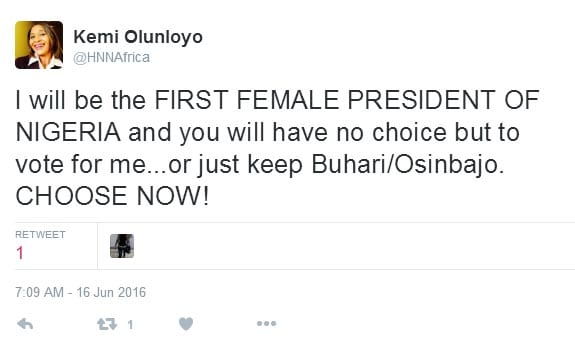
There is this palpable level of excitement all around the world as we all watch in to see if the USA will have its first woman president. This got me thinking about my country, Nigeria. What will it take for Nigeria to get to that stage? When will our president be a woman? Hold off on the evil stares will ya. Let’s take a look at four groups of people and what they say about the chances of a lady Nigerian president happening. In-laws In Africa, especially my beloved Nigeria, in-laws are not to be joked with. They can make or break your marriage so you don’t want to be too close to them but at the same time, you can’t do without them. PRO: Bragging rights. As everyone wants to be associated with success, of course they’ll support and even hound people to vote so they can do yanga. They’ll want to tell anyone and everyone that their daughter-in-law is the Commander-in-Chief of the armed forces. CON: Just because she is president doesn’t mean she should forget her culture. If she doesn’t kneel properly to greet, WAR. If the protocol officers so much as ask if the president’s husband’s cousin’s son’s wife has an appointment before seeing her, WAHALA. If they find out she no longer cooks personally for her husband, they’ll go to the village and bring their son another wife (Blame my Nollywood childhood for this imagery). Feminist Twitter If you are always on Twitter then you’ll know that this group is no joke. Women can form a strong line of defence, they’ll go to war over anything and win. PRO: There will be an astounding level of support and love towards a woman president by this group. And we all know, in the words of QueenBey, women run the the world. Stop rolling your eyes, we really run this. CON: Well, this is where it gets tricky. Chances are they’ll let the president get away with ANYTHING, even outright murder! We get that we girls need to stick together but that shouldn’t mean we don’t call out bad behaviour. Meninist Twitter The camaraderie in the above group on Twitter had men coming together to fight “battles” of their own. Yes, this group even went as far as creating a hashtag, (#Meninist), for themselves. Anyways, these MEN complain about the littlest things in women. PRO: Because they’ll want to prove to that they are not chauvinistic in the least, they may also support and welcome the idea of a lady president. This support would be crucial as they are a large part of the population. CON: They’ll complain and blame the president’s gender for every little thing that happens in the country. They’ll create hashtags like #thepresidentdoesntcook #thepresidentdoesntdolaundry. Sigh! The First Gentleman As we have the First Lady, so we have the First Gentleman. This is the official title given to the husband of the president. PRO: Being the husband of the president, he’ll enjoy benefits and opportunities like the First Lady (if not more). CON: Let’s admit it. Men love to be at the center of everything and the minute they feel like they aren’t, all hell will break loose. It’ll even be worse if his friends make it a point to make jest of his title. “So instead of you to be President, you’re First Gentleman”, “I’m sure that your wife doesn’t respect you as a man anymore”. All this will lead to another wahala when he gets home to Aso Rock. There are a number of things we need to deal with as a nation to finally arrive at a place where we can happily vote in a woman as the president of Nigeria. What I’ve listed above goes to show that we are still stuck in the “a woman’s place is in the kitchen” era. I mean look at this; @TheRoyalButler please, should a woman know how to cook good food or not before considering such for marriage? — Temilade (@Temilade) August 3, 2016 Until we evolve past this ideology, our Nigerian woman president will live only in our imaginations.
3 ways to connect with your dreams as a young African
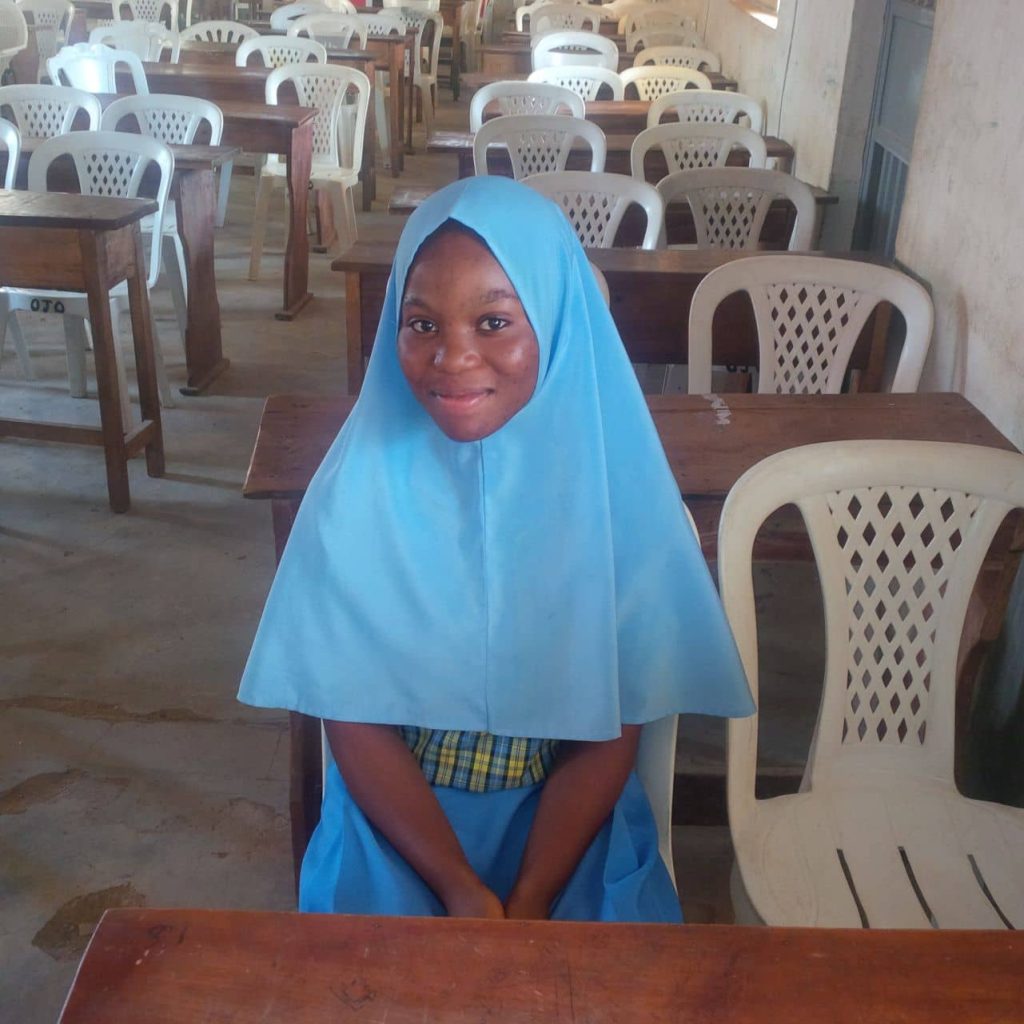
When I first talked to Khadijah Oyerinde, a 14-year-old high school student in Osun, southwestern Nigeria, I was able to see her dreams clearly. This was because of the confidence and passion with which she conveyed them to me. Within the first two minutes of our conversation, the young and inspiring Khadijah had mesmerized me. She’s got guts, no doubt! When I inquired about her greatest dream and the likely stumbling blocks, she gave me a sharp response. “I want to become a caterer that would be known all over Nigeria and Africa for excellence,” she said. “And only death can stop me. I cook well and I’m working on myself every day.” She was one of the participants at Leadnovation 2016, a flagship initiative of Hope Rising Foundation (HRF) Nigeria, a NGO I co-founded to raise responsible and innovative young leaders in Nigeria. Having been impressed by her clear vision, I quickly asked how she hopes to reach her destination. Khadijah stared at me with some discomfort, and said; “Well, I just know I’ll get there. I haven’t seen anyone on TV to look up to as far as my exact dreams are concerned. But I’ve just learnt from this leadership training that I can get help on social networks.” More often than not, I have come across many Khadijahs in Nigeria. I have met and interacted with numerous young Nigerians who are brilliant and ambitious. They are high school students, undergraduates, or even graduates eager to shape Africa with their lofty dreams. But as much as they are passionate about their dreams, connecting with them remains the big challenge. So as a young African, how can you connect with your dreams? Believe in your dreams In reality, no dream is too big to be realised as long as you have a “can-do” spirit. As a young person, it’s good to have a clear vision of what you hope to achieve, and start working towards it. You shouldn’t be discouraged by what other people say. People don’t really care about your dreams, they only care about results. Once you reach your destination, everyone will want to associate with you. So, get on the wheels and start driving into the kind of future you desire. “Don’t let the noise of others’ opinions drown out your own inner voice” These were the exact words of Steve Jobs, the legend who must have had YOU in mind when he was crafting this beautiful sentence. Take advantage of MOOCs Right now, education has moved beyond the walls of a classroom. And the effects are magical. That you don’t yet have the opportunity to receive lectures within the walls of your dream school shouldn’t deter you from working on your dreams. Start from where you are and with what you have. You can sit in your village, so far you are connected to the internet, and learn from the best professors in top universities in across the world at no cost. Yes really, at no cost! So far, I’ve taken over fifteen Massive Open Online Courses (MOOCs) from some of the world’s best universities in the last three years or so. There are a number of sites offering courses to help you get the expertise that would move you closer to realizing your big dreams. Get a laptop, tab or smartphone, connect to the internet and start learning.There are many MOOC websites available, including Future Learn and Harvard. Choose the course(s) that best fit the kind of skills you’d like to acquire. There you go! Use social networks effectively For me, social media remains the next greatest invention after the discovery of electricity in the 17th century. With the effective use of social media, you’re not only able to expand your network but also able to connect with the people that matter, as far as the realization of your dreams is concerned. Facebook, Twitter, Instagram, Skype, YouTube are fantastic social networks you can leverage to connect with your dreams. You should find role models and people who can help you believe more in your future, and then connect with them via these networks. It’s that simple. SheLeadsAfrica and a few other platforms also offer the unique opportunity to connect with mentors who can help you better navigate your life’s journey. What are you still waiting for? You can go the extra length to connect with your dreams by believing in yourself, taking advantage of MOOCs, and making effective use of the various social networks. No matter how short it is, just take a step. Keep moving! I have discussed just three of numerous useful tips. You can add one or two tips of your own in the comments section as well. I’ll be glad to hear from you.
Verbal assault on Senator Oluremi Tinubu reminds us that Nigerian politics is not a safe space for women
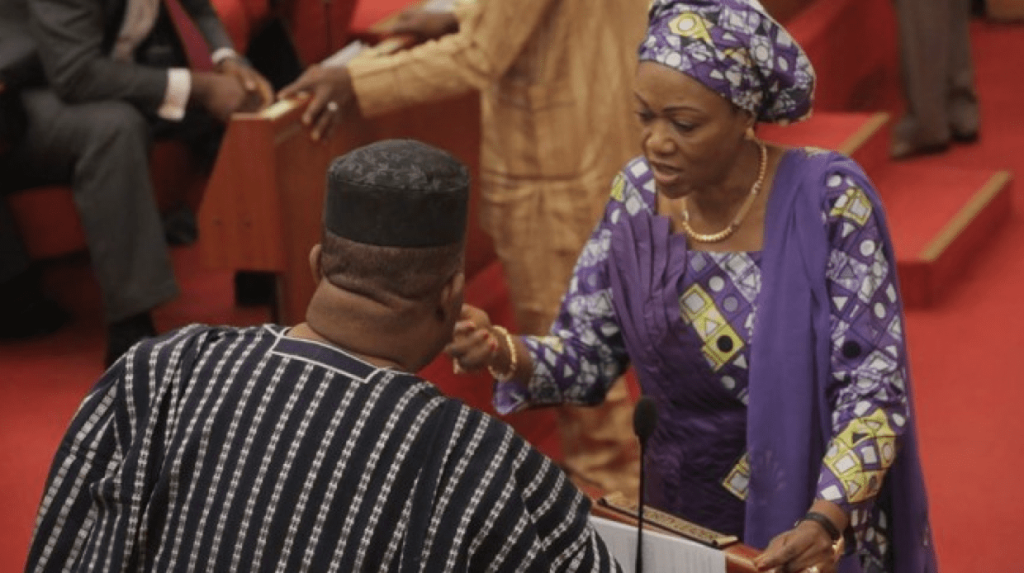
“I will beat you on this floor, rape and impregnate you and nothing will happen”. It’s totally understandable if you need a break after reading that. We were shocked and shaken, and understand that others may be triggered. That these words were spoken by a Nigerian politician, in the chambers of the Senate, towards a fellow senator just makes things even more disturbing. This isn’t the first time Senator Dino Melaye has been embroiled in scandals, usually around him being horrible towards women. His first wife, Tokunbo Melaye reported that he had physically assaulted her and posted bloody photos online to back her words. Similarly his second marriage to Alero Melaye was marred by allegations of abuse and was short-lived. And it doesn’t end there, in a bizarre move earlier this year Melaye criticised Governor Adams Oshiomhole for marrying a Cape Verdean woman rather an a Nigerian one. The situation in the Senate It’s clear that Melaye is not the greatest fan of women. Knowing his penchant for unruly behaviour, we have to ask how he has maintained his influential position in politics. Given his background, perhaps it’s not surprising that he verbally assaulted and threatened Senator Oluremi Tinubu while she addressed the senate a few days ago. Here’s what senator Tinubu said; “I think [Melaye] needs to know that every senator here represents their constituencies. And that there is no need to threaten anyone. We are seeking and working towards reconciliation, yet you are busy issuing threats.” In the Senate, senators usually address their peers, this is standard and is usually accepted calmly. Yet Melaye grew so infuriated with senator Tinubu’s comments that he charged towards her and had to be held back by other senators. To us, it looks like he reacted this way because a woman called him out. Both senators belong to the same political party and work together in the same space yet it’s clear that Melaye has zero respect for his colleague. The lackluster media reaction While this story has been shared all over the media, a number of newspapers are calmly overlooking Melaye’s threat of rape thus reducing the sexualised nature of his threats. Not surprisingly, Melaye has denied his comments and has claimed that he was provoked. Then again, the news reports we’ve followed showed that the media are either showing Melaye’s excuses or senator Tinubu’s husband’s words of support. We would like to know senator Tinubu’s side of the story. We are frequently reminded that Nigerian politics is not a safe space for women. Even outside the halls of power, women politicians are often described as obnoxious or rude by the general public. Some people just aren’t comfortable with women in this field. Clearly, this needs to be remedied but Melaye’s outburst just shows that we still have a long way to go. Some may be quick to point out the uncouth nature of Nigerian politics when discussing this matter. But what stands out to us is this; no matter how accomplished a woman is, she will still have to deal with blatant sexual harassment. Also pertinent is how nothing concrete is being done to deal with it.
Zeze Oriaikhi-Sao: Following my life long dream makes the best use of my time
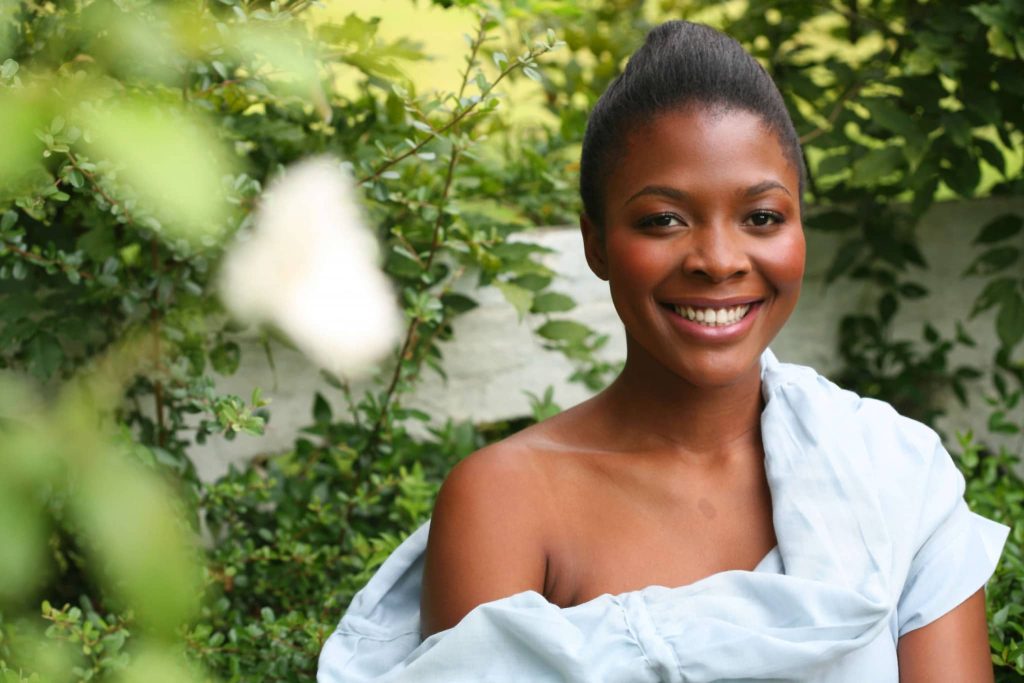
According to Zeze Oriaikhi-Sao the qualities necessary for a successful beauty entrepreneur are determination, passion, instinct, financial savvy and strong communication skills. Just having a good idea isn’t enough. Zeze is the founder of Malée, a range of luxury fragrance and body care products that draws inspiration from the traditional beauty secrets found across Africa. African beauty and healing secrets don’t get their due and with Malée, Zeze updates them with modern science and technology. The name Malée itself comes from her great grandmother and is a term for a strong-willed woman in Bini language. What pushed you to start Malée? In 2009, I moved countries from UK to South Africa. It was the height of the recession and finding a job wasn’t easy. After halted interview processes, I decided that following a life long dream would be a good way to make the best use of my time while having a larger social and economic impact along the way. In a few words, circumstances of the recession forced me to believe that I had something to offer to not only to consumers but to the African economy. Your brand seems to draw heavily from African traditions, is there any particular reason why you’re inspired by tradition? I believe there are hidden gems in tradition. Unlocking those with the scientific knowledge we have now and giving a voice to cultures and traditions that otherwise don’t have one in the global market place is a passion. Africa is full of beauty and I deeply motivated to share that. Malée is present in both South Africa and the UK, what challenges have you faced expanding your brand to other countries? Each market brings with it a lot of learning. The most important thing I have learnt is that regardless of the country, establishing a brand takes patience, consistency in the quality of your product and service, belief in your brand/business and building a great team to help turn the vision into reality. We have launched in the UK with 6 of our best selling products. On a stand alone basis they do what we say they should. They work! Do you have any plans to continue expanding within Africa? Yes, the rest of Africa is definitely on the cards for Malée. I am excited about the next 5 years. How do you unwind after a long day? Taking time out for me some ‘me time’. My favourite routine is my at home spa, light some candles, have music playing through my bluetooth headphones then I scrub before settling into the bath, usually while reading something. What’s one thing in your fridge you always use as a homemade skin treatment? Lemons; they are just so versatile and harness a lot of natural benefit for the skin. My favourite remedies are my DIY facemask which can be made by mixing baking soda, honey and lemon juice. You can also use lemon to make a detox toner with some green tea and water. How do you source ingredients for your products? Ingredient sourcing process begins with understanding what makes up on traditional beauty remedies. I dissect these to understand what ingredients actually have long term skin care or aromatherapy benefits. We take these away and plug them into our formulations and then look for the best local suppliers who have food grade ingredients. If it is good enough to eat, it is good enough for your skin. If you’d like to share your story with She Leads Africa, let us know more about you and your story here.
African traditions: Helpful or harmful?
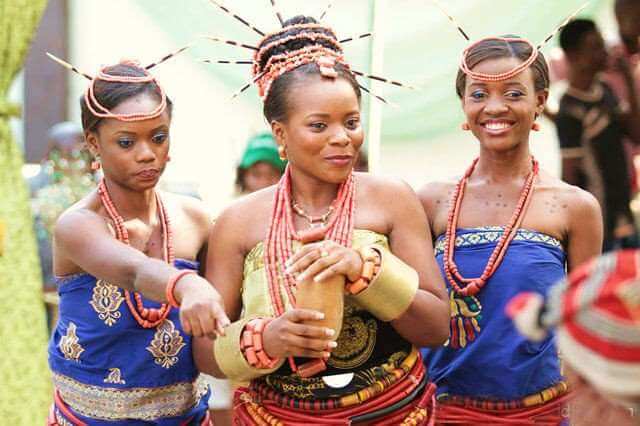
In 2014, Nigeria’s Supreme Court annulled the Igbo custom that bans a daughter from inheriting her father’s estate. This marked a decisive victory in women’s rights in Igbo culture. It also serves as a reminder to the rest of the country and the Motherland that African women should be treated as equals. Harmful traditions need to be done away with. President Barack Obama, on his state visit to Kenya which coincided with the ruling, also discussed the need to reconcile traditions with evolving societies. In one of his addresses to the country, Obama stated, “Treating women as second‐class citizens is a bad tradition. It holds you back…These traditions may date back centuries; they have no place in the 21st century.” It’s a complex situation Changes in a society don’t mean we need to abandon traditions all together. Each culture has its values, and some of those values should remain untouched. Forbidding daughters from inheriting their father’s’ estate was a custom that perpetuated inequality. But, traditional Igbo culture as a whole is not one that seeks to subjugate women. We have to be able to distinguish between healthy practices and unhealthy ones. Equality is actually part of Africa’s traditions Historically, Igbos are democratic people. Laws were made and disagreements were settled by popular vote. Before the colonial era, Igbo women played an active role in politics. They took part in village meetings with men. They had their own markets and business networks, their own community meetings to discuss issues affecting women. They also had the right to strike against and boycott anything that threatened women’s interests. Women’s meetings were called mikiri and it was during these meetings that women shared their experiences as businesswomen, mothers, and wives. Mikiri was not only a support system, but also a forum to maintain women’s markets and enforce market rules (which also applied to men). If a man was found guilty of breaking market rules or abusing his wife, the women would gather around his property. They would dance, sing, bang on his doors, and throw mud at his house to express their objection. They could even beat him up a little. This was Igbo women’s most effective form of protest and it was called “sitting on a man”. British rule lead to the end of female institutions like mikiri in Nigeria. Back then British culture did not recognize women in its own political institutions. So, its colonial administration failed to recognize the culture of women’s participation in politics in Igboland. They wrote it off as another “savage African practice”. Igbo traditions and values like democracy and mikiri that promote equality. These values should have stood the test of time, rather than the laws that prohibit a woman from claiming what is rightfully hers. So what can we do? There’s clearly a need to decide which customs hold us back and which ones benefit our communities as a whole. Maybe we should follow the example of the recent Nigerian supreme court ruling. We should compare our traditions to our constitutions. If a cultural practice encourages inclusivity, it should stay. If it violates the rights of a particular group, it should go. Women should be part of Africa’s growth story. Sustainable development is only possible when everyone gets a seat at the table. We should all be active participants in socio‐economic and political initiatives.
Ogechi Okelu: Making traditional Nigerian snacks sexy
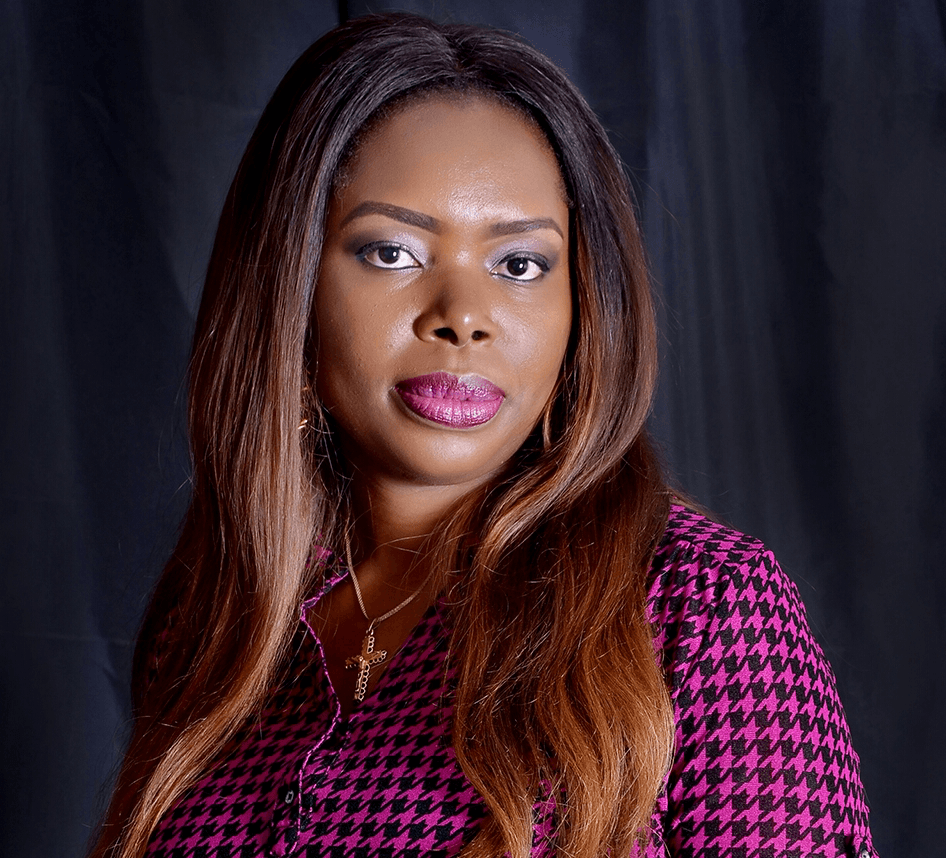
Ogechi Okelu’s love for food creativity led her from a career as a pharmacist to a desire to recreate indigenous Nigerian snacks. Many Nigerians grew up eating snacks which were only largely available in rural areas but Ogechi is repackaging local snacks in healthy and hygienic ways through her small scale food factory to help reach more people. She shared her thoughts with SLA on where traditional foods fit in with weight loss and on her journey so far. Why start a business with indigenous snacks? Nigeria has a wide variety of healthy and creative snacks and meals. These have been lost over time and are not in high demand among the urban and elite groups. This is mainly because of the preparation process and packaging but also due to Westernisation. I’m working on recreating some of these snacks in a healthier and more appealing way for the world to enjoy. Tell us a bit about Kozee My brand has been registered as a trademark and it’s called Kozee. My first product is my brand of kulikuli. Kulikuli is an indigenous snack made from groundnut paste that is quite popular in the northern part of Nigeria. I grew up eating this lovely snack. It is really versatile and can be eaten alone or in combination with other meals. Typically, people eat it broken into soaked garri but modern foodies use kulikuli as salad or parfait toppings, blended into smoothies and also to spice roasted beef or chicken. I am currently at the last stage of registration with NAFDAC, the Nigerian body that is responsible for the registration and quality control of food, drugs and cosmetics in Nigeria. They ensure that standard quality is maintained at all times and that standard operating procedures are adhered to by carrying out site inspections at factories and also running quality control tests on products at their labs. Where do indigenous and traditional foods fit in weight loss and healthy living? The main challenge with weight loss is portion control. We have a wide variety of traditional foods that are rich in fibre and minerals and are not over processed. A lot of our local foods however, have not been scientifically analysed, so we can’t be certain as to how many calories they contain or their nutritional value. This drives a lot of people who are particular about weight loss and healthy living to buy the imported products that have clear nutritional facts written on them. Researching on and repackaging our traditional foods will encourage more people to patronise Nigerian products and therefore boost the economy. How has your background as a pharmacist helped your hustle? As a pharmacist, I have learnt a lot about the importance of quality control and microbial contamination and this has helped me set high standards for myself, my factory and my product. Kulikuli has been made for centuries in the rural areas by hard working women who use a lot of manual processes from start to finish. This makes it difficult to produce large quantities of kulikuli in a healthy and hygienic way. I have been able to substitute a large part of the manual process using food grade machinery. I am also a pharmaceutical sales person, this has taught me a lot about sales, marketing and running a business. Where do you see Kozee in the next year? I currently deliver only in Abuja but am in talks to supply other major cities in Nigeria. I want my products to be available for purchase across Nigeria and hopefully abroad in the nearest future. What is your passion and how do you sustain it? I am a foodie who is also very passionate about healthy living. My passion for healthy food keeps me focused on coming up with creative ideas that I believe can help redefine our traditional and indigenous foods. If you’d like to share your story with She Leads Africa, let us know more about you and your story here.
4 things you can learn about branding from Yemi Alade
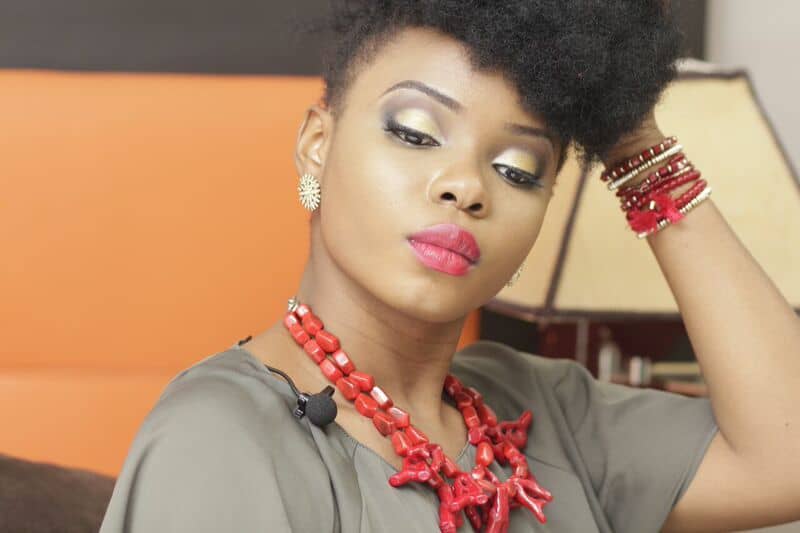
Yemi Alade does not need any introduction. Raise your hand if you start singing the words to “Johnny” anytime you meet someone called John. For some of us, it is difficult to remember how Yemi Alade was before the Johnny era. The mere mention of her name conjures up a certain image. That is her brand. Since rebranding herself, Yemi Alade has reached new heights of stardom with fans across Africa and beyond. She has a lot to teach us about branding. 1. Find a style that is yours… A successful brand is a brand that is unique. When you’re building your brand, first things first is discovering what you are doing that others in your industry aren’t. What makes you special and different from everyone else? You may need to add some colour and give your brand a personality that everyone will remember. Yemi Alade’s edgy sense of fashion just stands out. She has emerged with unique and quirky styles that immediately jump at you. Yemi Alade has described herself as a fashion chameleon, her style is at once easy, simple and edgy. When it comes to fashion, no one else in the Nigerian entertainment industry is doing what Yemi Alade and so effortlessly too. 2…then stick to it Let’s talk about hair. When you think of Yemi Alade what hairstyle is she rocking? The “pineapple” hair-do has become Yemi Alade’s signature. She has worn it in different colours and added little variations to it along the way. Others might consider sticking to one hairstyle boring yet, a branding essential is consistency. You have to be consistent in what you do and/or offer. Consistency reinforces the value of your brand. Yemi Alade has been consistent with her pineapple hairstyle and it links back to her style as being part of her overall brand. 3. Show off your best work When building a successful brand ladies, you’ll have to pay attention to positioning. Once you have put a message out there you must avoid changing it easily. Otherwise you risk confusing your customers. Pay a visit to Yemi Alade’s Twitter page and right there you will see #Johnny. This is a very important branding strategy. “Johnny” is Yemi Alade’s most successful hit yet and by putting it on her page, she is ensuring that anyone who is a fan of the song will associate it with her. In this way, “Johnny” is now part of her brand, more so than other songs she has released. Using your best work is a great strategy for branding. 4. Don’t be afraid to venture into unknown territory In finding out what makes your brand unique, you may need to push yourself. Think outside the box, be innovative and bold, be daring and most importantly make sure you are standing for something you believe in. For me, one more things comes to mind when I think of Yemi Alade; multilingual. She sang a French remix of “Johnny” and brought on a popular French zouk artist for a remix of “Kissing”. Going further she released a Swahili version of “Na Gode”. Yemi Alade has taken her brand to entirely new levels by speaking to audiences in their own languages. Her brand communicates with fans across borders, something that the only most successful brands accomplish. What else do you think aspiring #MotherlandMoguls can learn from Yemi Alade? Kindly let us know in the comments section below.
Nengi Omuku: They are surprised I’m a small girl showing large canvases
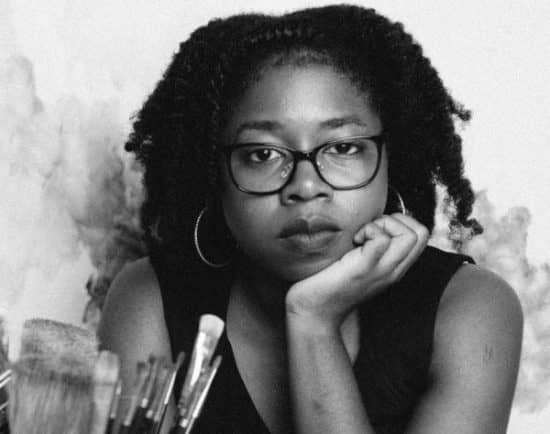
Nengi Omuku is an emerging Nigerian artist making her mark in the contemporary art world. After attending the Slade School of Fine Art, University College London, she’s gone on to showcase her work in exhibitions across the globe including the prestigious annual Armory Show in New York as part of the 7th edition of the 2016 Armory Focus: African Perspectives, an invitational section on Pier 94. She has received multiple awards for her work including the British Council CHOGM Art Award, which was presented to her by Her Majesty Queen Elizabeth II in 2003. Nengi shares with us her favorite artists, proudest moment in her career and her hopes for the future of African art. Who are some of the artists you admire most? Who did you look up to when studying art in school? Ben Enwonwu was an inspiration for me at art school. He was a role model and an alumnus of the Slade School of Fine Art, which inspired my decision to also study at the Slade. I admire Wangechi Mutu’s work, which highlights themes related to women. Yinka Shonibare has an incredible body of work, which flawlessly captures his sense of humour. Then there’s Chris Ofili; there’s a simplicity and sensuality about his recent paintings that I relate to. When do you feel like you create your best work? What setting is it? Are you at home or in a studio? Painting at home has never really worked for me, because a lot of my paintings are quite large. I work best in a dedicated studio space, surrounded by paint and pigments. Alternatively, a garden would work just fine. When it comes to a geographical location, I could be dropped anywhere in the world and I will be inspired to make. All the work that I make comes directly from experiences that I have had and every space offers new experiences. How is it being a woman in the art world, would you say that there’s some gender inequality or are there some challenges that you would say only female artists face or is it not as bad as other industries? A gentleman came to the first solo show I had in Nigeria and was genuinely surprised that I was a ‘small girl’ showing large canvases. He expected to meet a man! There are lots of articles being written about gender inequality in the global art world about how female makers aren’t as recognized as their male counterparts. There’s no doubt that men have dominated the art scene in Nigeria and elsewhere, but at the same time I don’t find that daunting. We are all just players in the same game. So I’ve thrown myself into the pond like everyone else, because our limits are only imagined. What has been your proudest moment in your career? Winning an art competition and getting to meet the Queen of England was an amazing experience. She encouraged me to continue with art and as a young person, that’s just something you don’t forget. The other awards that I have received as a result of my work have also been very encouraging. There’s no better feeling than being rewarded when you push for more from something that you’re passionate about. What are your hopes for the future of African art? I look forward to increased visibility for artists that live on the continent alongside the proliferation of art spaces. Another hope is that the concept of ‘African Art’ grows and expands to reflect the dynamic and diverse work of artists who live and create on the continent and its diaspora. You can follow Nengi on Instagram @nengiomuku to learn more about her work and travels through the art world.