
Mbali Peaceful Kgomo: Never a victim always a fighter
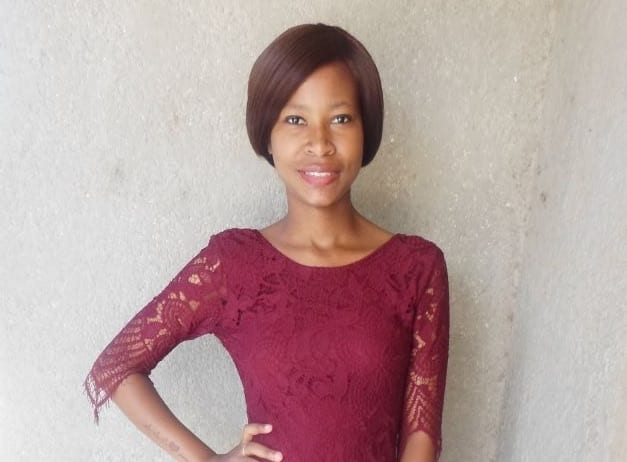
[bctt tweet=”For Mbali Peaceful Kgomo, being HIV positive won’t stop her from succeeding” username=”SheLeadsAfrica”] It can be said that HIV is highly stigmatised in black communities in South Africa. People living with the virus choose not to disclose their status to others because of the prejudices they know they will have to face. However, this does not apply to 21-year-old Mbali Peaceful Kgomo who lives by the slogan, “Never a victim always a fighter“. A blogger, journalist, youth ambassador and the founder of WADA16 Campaign (World Aids day awareness), Mbali was born and bred in the roads of Ekangala. She says being HIV positive will not stop her from succeeding. Tell us about WADA16 When I found out about my status, I was miserable. I had so many questions to a point where I even questioned the point of living. I wished I could give God a call and give Him a piece of my mind, I didn’t understand and kept asking myself, “why me?”. Back then, I thought I had lost value and was nothing but useless. WADA brings awareness to our communities because as people we are ignorant about the virus and we’re often stigmatized. WADA is trying to bring positive change about what people think and how they look at those people who are infected with the HIV virus. You are currently involved in the second coming of Uthingo Mail, which means you will be playing a huge role in what media and information are shared with the young people of Siyabuswa. How do you plan to use this platform? A goal without a plan is just a wish. Firstly, I need to find people who are willing to be part of my team and who won’t give up along the way, people who are not lazy and who are willing to learn. I want to give young people the platform to experience new things and to recognise what they really want to do; I’m actually targeting high school learners. Before we can even go to print I’ll post their stories on our Facebook page first until I’m satisfied with their writing. I also need to find sponsors for the newspaper there’s actually a lot that needs to be done. You’ve been characterized as brave. Tell us how difficult it was for you to finally open up? Well at first it was really difficult to share my story until I had a mini argument with my cousin. She said to me, “You’re too young to be HIV positive, you should go fetch your pills.” This really hurt me so bad I felt useless at that moment and my reply to her was, “At least I know my status what about you (uhambe uyotesta) go test.” If I can recall then I decided to cut ties with her. I figured that I need to tell people about this, they need to be taught about HIV/AIDS because most people think when you’re positive you’re automatically on treatment and it’s not like that. There’s a certain stage you have to reach before taking medication and I must say I’m healthy and my CD4 count is above 500 so I’m not on treatment yet. [bctt tweet=”People need to be taught about HIV/AIDS – Mbali Peaceful Kgomo” username=”SheLeadsAfrica”] I found out about my status on May 25, 2015, I was very angry, confused, disappointed and I felt so dirty at that moment. I couldn’t believe it was really me, I sat there and cried but then I had to pull myself together. When I went out that room, I felt so horrible deep inside. I even thought it was the end of my life but then it was only the beginning of great things. After finding out about my status I decided to get a tattoo on my back that’s written, “Never a victim always a fighter”. How has your life changed since you found out about your status? In the last two years, my life has changed dramatically. I was really an outgoing person and there were so many people in my life which I called “friends” who were really not true friends. I was a lost soul until I decide to cut them out of my life and associate myself with positive minded people. Look at me today, I’m a person I never thought I would be. Some people even look up to me, I’m just glad that I’m a different person than I was before. It is difficult to breathe in a black society when you are HIV, how do you overcome all the negativity? I will maintain the positive attitude I have always had and I won’t let anything stop me from doing what I do best. I will walk tall like nothing is happening even though there will be people who will look at me differently and talk bad about me. [bctt tweet=”Mbali Peaceful Kgomo: I won’t let anything stop me from doing what I do best” username=”SheLeadsAfrica”] At the end of the day, I’m planning to change that as I will be spreading factual information about HIV. People need to understand that just because you’re positive it doesn’t mean you are sick, it’s just a virus living inside your blood. What was required to finally say, “Yes I am HIV and I am not ashamed”? It was three things, bravery, strength, and courage. You once said, “Tattoos are my medicine”, how so? Lol! I’ve got eight tattoos in total and they all have different meanings. The tattoo on my wrist is in memory of my late mother. When I got it, I was still grieving and it was so hard for me to accept her passing. But after getting the tattoo the pain I was feeling inside slowly faded away. I have another tattoo on the right side of my wrist, I got that one after being betrayed. It was actually a way of me forgiving that person but not forgetting what happened. I was
Nkem Offonabo: I visualize the woman I want to become

[bctt tweet=”Creating beautiful & functional spaces come easy for Nkem Offonabo founder of HomeWorth Interiors” username=”SheLeadsAfrica”] Nkem Offonabo is a seasoned banker, youth empowerment advocate, humanitarian, content manager and ultimately an entrepreneur who believes that passion can thrive into a great business. She is passionate about décor, personal development and wealth creation. With an innate love for aesthetics, creating beautiful and functional spaces comes so easy for Nkem. This was the drive for starting her company HomeWorth Interiors, a business she gradually is turning to an empire. She hopes to have a home gallery filled with all things luxury living, fashion accessories and collection of arts. Nkem Offonabo is making the world more beautiful one room at a time. Please tell us about your company and how it all began HomeWorth Interiors Concept Limited is a registered company that specializes in Interior Design, Furniture and Furnishing. Our unique product assortment ranges from custom-made furniture, upholstery, window and floor treatment, lighting, soft furnishings to exquisite bedding ensemble. We also offer bespoke home improvement advisory services to meet the needs of our clients. It was born out of an innate passion to create beautiful and functional spaces that reflect individual taste and style. Over the years, this passion has thrived into a business and was later incorporated in 2016. We recently launched HomeWorth Cleaners to the already existing business line, commercial cleaning services for both residential and corporate organizations. [bctt tweet=”Nkem Offonabo: I believe that one’s home or office space is a reflection of their personality & lifestyle” username=”SheLeadsAfrica”] How do you ensure you deliver excellent service to customers? I relate with my customers on a personal ground. I believe that one’s home or office space is a reflection of their personality and lifestyle. For us, design or business consultation starts with a preliminary meeting with the client, to understand their design preferences, through the life of each project. They’re carried along to ensure that our collective ideas are translated into the final outcome. What’s your source of inspiration for your designs? It most times feels innate but I get inspiration from places and spaces, colors and patterns. A pattern in a fabric shop could spark an inspiration for a design. I am constantly saving images online and in magazines for color and design inspiration. For most minimalist projects, the client and I come up with an idea from personal choices which will be developed to a final outcome. [bctt tweet=”HomeWorth Interiors aims to work on job and wealth creation for Nigerians and African beyond” username=”SheLeadsAfrica”] You run a multi-service company, what other services are you likely to add on in the nearest future? We want to be a full-fledged home services provider. We plan in addition to home decor and cleaning services, to include home moving services where we help people moving houses to carefully transport their items or belongings to their new homes or offices. Our long-term strategy is to establish a factory, where home furnishing accessories and related products (like bedding, mattresses, etc) will be manufactured locally in Nigeria. This is working in line with the Federal Government local content mandate which will help in job and wealth creation for Nigerians and Africa beyond. What is your golden rule in business? You win. I win. We all win. Can you tell us more about your CSR initiative, Energizing Lives Foundation? Energizing Lives Foundation for the less privileged is a non-profit organization focused on youth between the ages of 12 to 25 years old. It empowers youth with the mission of raising global influencers through an academic, capacity building and community based projects. Our three major platforms are: Project Decorate, Project Save2School, Project Acquire. In June, 2016, we partnered with Heritage Home Orphanage, Ikota, Lagos for our flagship project tagged “Project Decorate”. We decorated the living room of the orphanage home, to create a conducive ambience for recreation and learning. We intend to replicate this project in more orphanage homes and schools as part of our community-based projects. Our next project is centered on academic empowerment of the young adults. We intend to partner with another orphanage home(s) to sponsor some orphaned youths through school (from secondary to tertiary institution), provide them with job opportunities or skill acquisition, and monitor their progress until they are well able to contribute and positively impact the society. We are looking to partner with The Living Fountain orphanage, Oniru, Lagos on this project. It is a combination of two of our platforms, Project Save2School and Project Acquire. We have more details on this on our Facebook page. How will a typical day with Nkem be like? I start each day with some quiet time with God, a review of my daily to-do’s and a lot of multitasking between my day job and my hustles; engaging clients, organizing the vendors to ensure delivery of design projects and writing on my blog crownmusings. What is your favorite piece of house furniture? My all-time favorite piece of home furniture would be a mirror. Besides being a tool of admiration, a mirror acts as a reflective tool to question and evaluate oneself. In my mirror, I see the reflection of a woman crafted in the image of God, beautiful in His eyes and visualize the woman I want to become. If you’d like to share your story with She Leads Africa, let us know more about you and your story here.
Kiba Bam: I am fulfilling my passion of empowering young people to unleash their potential
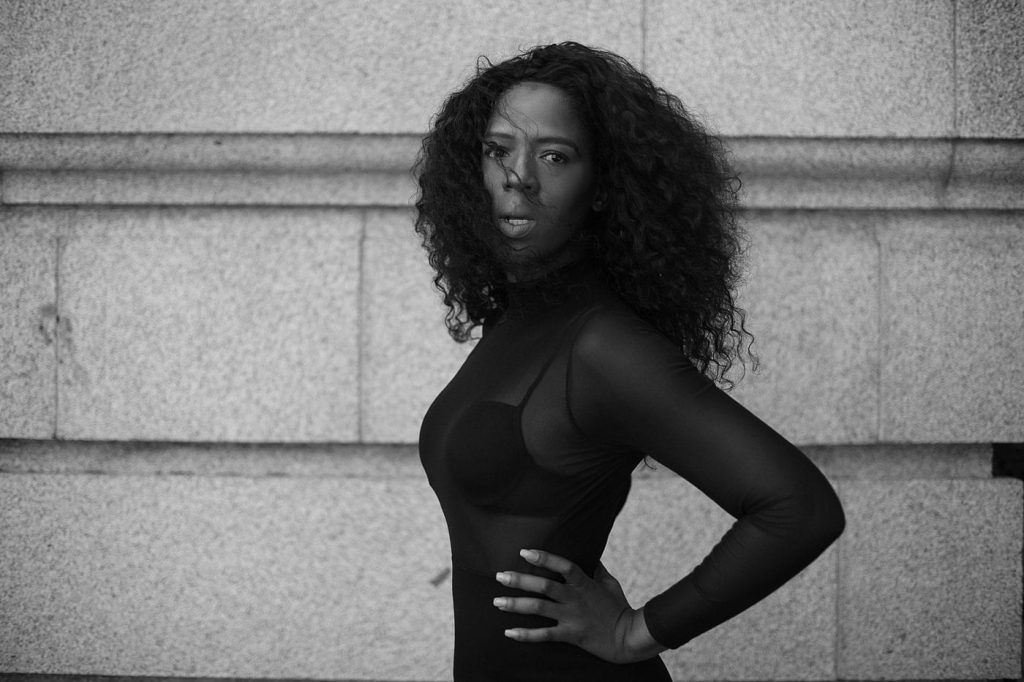
[bctt tweet=”Kiba Bam: When l started l had limited technology and resources but l was a woman on a mission.” username=”SheLeadsAfrica”] The size of Africa’s hair market is just mind- blowing. The demand for human hair is increasing by the day and from this we have seen the increase in the supply of this contemporary ‘ladies’ essential’. We have with us CEO of HAIREXPRESS Premium, Kiba Bam sharing her entrepreneurial experience. Born and bred in Cape Town, South Africa, Kiba’s heart of entrepreneurship was kindled at the age of 9 when she was working in her parent’s shop. This exposure forced her to think on her feet and be mature enough to handle the business’ finances. The young lady then moved to Johannesburg to study Clothing Management and from then she was in the retail industry for 9 years. From learning the dynamics of the industry Kiba had sparks of interest to tap into the undiscovered potential in beauty retail. This led to the birthing of her human hair distributing retailer and custom wig making company. When did you “charter” HAIREXPRESS? HAIREXPRESS premium opened for its first day of business in August 2015. I started the business by myself in my parents’ house, working from my bedroom. The business retails human hair bundles, custom makes wigs and is a distributor to salons. When I started I had very limited technology and resources but I was a woman on a mission. Results and progress is all I cared about. I started the company because this was a dream God gave to me. l believe I started at the right time because everything was just flowing and HAIREXPRESS came together. Initially, I never had funds to start the business but as I said things just worked out for good. I got pregnant and the company l was working for in Joburg started retrenching staff. I was due to give birth to my daughter and decided it would be done in Cape Town where my family is. In the midst of my maternity leave I got a call to say l was getting laid off. Funny enough there was no panic in my spirit because consciously I did not intend to go back to Johannesburg. This call then meant I would get a retrenchment package of R50k, it came and l invested part of this money into buying my first stock. The rest is history as they say. What successful ideas have you implemented to boost your business? Re-working my marketing plan was the best thing I could have done for the brand. As we know without customers there is no business. We went for a total brand revamp. Before I explain what we did, I want to share why we did it. The reason was we identified our niche target market and we also studied our competitors closely and capitalized on their weaknesses. It’s not enough to have just good hair. We created a lifestyle around the brand. We wanted our clients to desire to be identified with the brand, for it to be a personal thing for them. To love the hair and the woman behind the brand. Since we have taken this leap clients have been rolling in and we are being noticed by a few media houses for interviews which is great. So publicity tick, customers tick. [bctt tweet=”Re-working my marketing plan was the best thing I could have done for the brand” username=”SheLeadsAfrica”] Based on your experience, is it better to cut staff or use less expensive products to reduce salon costs? The best is to possibly reduce the hours of staff but not cut on staff as your people are an asset to the business. The pleasant thing about our business is that the staff rent for space from our premises so it’s a win-win situation. Bringing in labour when it’s most needed and having contractual staff instead of permanent staff. I don’t have the opportunity to use less expensive products because I sell and distribute a premium product. My brand is everything. My integrity is all I have in the industry and I can allow bad publicity over bad quality. It’s not the HAIREXPRESS premium way. How do you think your start-up story will motivate other African women out there to start their own business? It will motivate them because I honestly started something from nothing. We have a very clever God! All He requires from you is willingness. I was willing and hungry to be the CEO of my own multi-national. I’m not there yet but I started and now I’m working my plan. My strategy is in motion. I want to motivate other woman and say money should not stop you from starting because I didn’t have money. I got retrenched at my old office job. Things worked out, they always do. Endure the beginning stages. They are painful but well worth seeing the growth and change. [bctt tweet=”Money didn’t stop Kiba Bam from launching HAIREXPRESS premium @kibabam” username=”SheLeadsAfrica”] Women need to forget about the noise and focus on their purpose in life. Being the It girl, best dressed, wife to a rich guy is not an achievement. If that’s what you want then great, own it but what I know is we all have dreams given to us by God. Take a leap and just try and try everyday to move closer to the dream. Women need to understand that they are natural born leaders. We are naturally organized and think things through. We always have a plan A- Z. That already is the mind of an entrepreneur. What is the best thing about being an entrepreneur? Being able to transfer your knowledge to other young entrepreneurs and colleagues in the entrepreneurial space. This is a long road that needs focus and determination. The best thing about the journey for me is to see the strategy coming together. I started alone and now I have a very savvy smart business manager who is
Kokonut Stylist: African fashion is simply magic!
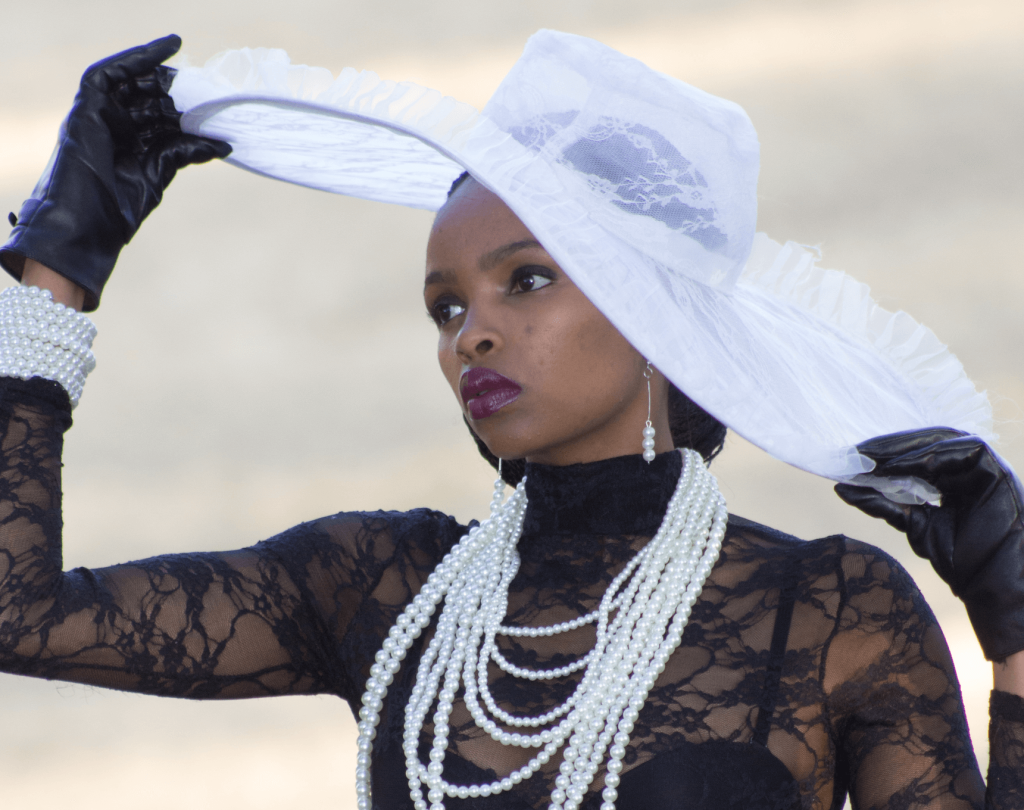
[bctt tweet=”I wanted to create something that was unique to me as a Swazi woman @KokonutStylist ” username=”SheLeadsAfrica”] Kokonut Stylist aka Nomalungelo Koko Shabangu has always been passionate about clothing. She uses Swazi traditional material and transforms it into elegant ensembles. She is a passionate and creative being with an aim of creating a lasting fashion legacy that will outlive her. Nomalungelo’s understanding of fashion came with discovering Coco Chanel, whom she thinks is the greatest fashion icon to have walked this earth. She is inspired by Chanel in her fashion journey and believes that she is the reincarnation of Coco Chanel. Why did you choose to turn Swazi traditional attire into trending fashion items that can be worn on a daily basis? The lihiya (Swazi traditional cloth) inspiration came as a result of contemporary fashion trends. As women, we are going back to our roots; rocking natural hair, wearing traditional wear as a fashion statement, etc. I remember vividly wanting to create something that was unique to me being a Swazi woman, something that had never been done before. That was how we created our Atibuye Emasisweni range of Swazi-inspired accessories that later inspired the use of lihiya in the clothing we make. Atibuye Emasisweni means what’s ours should return to us. [bctt tweet=”As women, we are going back to our roots wearing traditional wear as a fashion statement” username=”SheLeadsAfrica”] Why did you choose a career path in fashion? I think fashion chose me and it continues to choose me every day. I am a qualified IT Business Analyst, complete with a Master’s Degree in IT and I have a full-time job in IT. Fashion has been a part of my life for as long as I can remember. Starting my business was merely an organic thing, I was already blogging about fashion, styling people and organizing tailors for people long before I opened the business last year January. I was born to create beautiful fashion pieces. What is the state of fashion in Swaziland and how would you like to see it grow? Swazi fashion is exciting and we are culturally a vividly colorful nation. The exciting thing about Swazi Fashion right now is how the contemporary fashion is embracing our heritage. There’s a beautiful unorganized movement where everywhere you go, you see people beautifully dressed with hints of lihiya and this is even more overstated at weddings; it is a really beautiful thing to witness. [bctt tweet=”@KokonutStylist is a qualified IT Business Analyst with a full-time job” username=”SheLeadsAfrica”] Which designers have you collaborated with and why was it memorable? So far none because Kokonut Stylist has only been in formal business for a year this month. However, I will only be collaborating with a skilled designer from SA who does the best men’s suits now in 2017. I am excited about this collaboration because it widens Kokonut Stylist’s portfolio. We will start doing men’s apparel this year. What has been the highlight of your career thus far? It was being selected by Africa Fashion Reception to represent Swaziland in Ethiopia and Paris and having our first ever runway show at the African Union headquarters in Addis Ababa. It was so surreal and thinking about it still feels like I was perhaps dreaming. I had never walked down a runway before and I still remember how gratified I was to do that as a designer. It felt like life was affirming to me that I belonged on the runway, with models wearing my designs. [bctt tweet=”Life was affirming to me that I belonged on the runway @KokonutStylist ” username=”SheLeadsAfrica”] What advice would you like to give to young people who would like to turn their passion into a business? Be bold…VERY BOLD and empower yourself with all the skills you need to turn your passion into a profitable business. Never conform, except when it’s conforming to who you truly are as a creative person. Do you think that designers are given enough training to turn their passion into a business? I believe that as a designer, you have to find out for yourself how you can be the best in a way that best speaks to you…there is no generic solution for everyone and no one will give you training for free. Learn from only the best, teach yourself to aspire to greatness and you have to constantly want to better yourself. In terms of turning your passion into a business, we are all just winging it until we find what truly works for us and capitalize on that. Does anyone ever truly know what to do for sure? I doubt it. Art and culture form a big part of our identity as Africans, do you think it is given the value it deserves? The saddest thing about our art and culture as Africans is that it is truly given value after it’s been exploited overseas. For example, Louis Vuitton did a line on entirely African Inspired artifacts (they called it the Sahara Collection) and it has Massai Blankets, the famous Khonzekhaya bag print and it was like people were seeing for the first time. An American beauty parlor will package our clay and blog about its “ancient beauty benefits” when we have been using red clay on our faces for years! We don’t see how valuable our art and culture is until it’s sold to us and that is sad. However, even with that being the fact, it’s beautiful to observe that African creatives (fashion, contemporary, graphic designers, etc) are now largely going inwardly (back to our roots) for inspiration. [bctt tweet=”We don’t see how valuable our art & culture is until it’s sold to us @KokonutStylist ” username=”SheLeadsAfrica”] What do you think sets African fashion from the rest of the world? There is no place as beautiful, diverse and wondrous as Africa and this translates even to our fashion, Africa is, simply put, magic! If you’d like to share your story with She Leads Africa,
Diana Odero: I have had years of practice travelling on a budget
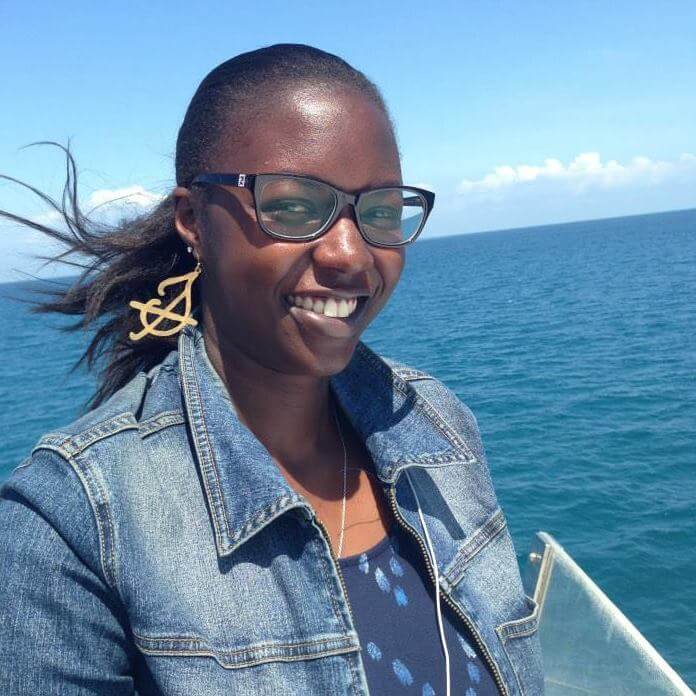
[bctt tweet=”Patience, an open mind and other skills you need to master the art of budget travel” username=”SheLeadsAfrica”] Diane Odero counts being a journalist (and contributor to SLA) among her growing list of accomplishments. She is also an avid travel lover and is able to do even though she was a student until just recently. For Diana, travel is an enriching experience and an opportunity for African women to get out there and see the world for what it actually is and not for what we think we know about the place. Travel is more than just time to re-energize, reboot, press the reset button on life, it also helps bring in some Chi back into your life. Diana has only ever travelled on her own and has found that travel can be therapeutic. Let’s talk finances, how do you find the budget to travel so widely? I save constantly! I’m just like every other young woman who likes to shop, eat out and have a pamper day once in a while but then I also love to travel. And if you know anything about travel fares, they sure don’t come cheap. So I usually compromise on most things that I would like but don’t necessarily need. I also make sure to put some money away with every income earned to keep up the saving habit. Also, I started travelling a lot while I was quite young, so I knew early on that I wanted to study abroad at some point and I was fortunate enough to do it twice for undergrad and for my Masters. I also signed up for various sky miles programs years ago, not knowing how beneficial they would be in the long run. The miles started accumulating a lot while I was in college and before I fully understood the magic of sky miles. Now those miles have come in handy in the past two years and with more flights made, more miles are earned —it’s a beautiful cycle. Lastly, I have mastered the art of finding really cheap flights. Would you believe me if I told you that my direct return flight to Italy from London only cost me £100 on British Airways? Insane. I couldn’t believe it myself, but booked it instantly before it disappeared. (Fares like those on such airlines don’t come by every day). I’ve had years of practice since my college days with my friend Fiona who would scour the web with me at wee hours of the night (best time to find flights, also best days are Tuesday & Thursday in my experience). I also realized most of the travel packages out there put out a really good deal if you research very carefully. What about visas? Have you faced any difficult travelling within or outside the continent as a Kenyan citizen? The one place I have had minor issues was in the US where the Kenyan passport isn’t as valued as others. My visa was never an issue but the way I was treated compared to other people with passports from non-African countries, was really disappointing. Nonetheless, America is still a second home to me and I know as more people of colour travel and even more Africans get out there, these unnecessary stereotypical discriminations will stop in due time. In terms of visas, the UK visa was quite the struggle to obtain particularly for school. It’s not an impossible task, they just make it ultra difficult so you need to have a lot of patience when travelling to the UK. One single step missed in the application process and you’ll be denied one as soon as your interview is done. Having applied for various visas before, I already knew what to prepare for and the dos and don’ts of the process; the lengthy process was what I had not expected at all. Within the continent, I haven’t had any problems with travel and visas so far. What five skills does every African travel lover need? Why these skills in particular? Time management skills I have never missed a flight and I’ve only ever been close to missing one once in my life. That was because I had a 7:30am flight and woke up at 5 (the time I was meant to be at the airport). I literally got there as they were closing the gate; I had to beg them to let me in because I was rushing to school to make it in time for an exam. Why I woke up late you may ask? I was up the night before until 4am —silly, I know but I really thought I would hear the alarm clock. Be very time conscious so as to never miss flights because rescheduling is such a pain and costs so much as well. Patience I’m usually a very patient person but some things can drive you insane. Traveling a lot has made me appreciate the art of being patient with people everywhere because not all places work the same as where you are familiar. You have to be patient enough to scope out the environment around you, to learn how things work instead of forcing your ways upon someone who has no idea what you mean or are doing. You need to be patient with the visa processes while going through security and customs at different ports, and you need to be patient when flights/trains get delayed over and over again. Keeping calm is much better than blowing a fuse believe me, you’ll get to your destination eventually. An open mind It’s really the only way you will enjoy anywhere you travel to including the traveling process as well. The world is a huge ball of diversity and with so many cultures living in it, no one person is the same so keep an open mind wherever you go to embrace what all these different places and people have to offer. A lot of Africans are very rigid and very
Judy Goddard: I make it a point to re-frame every failure as a lesson
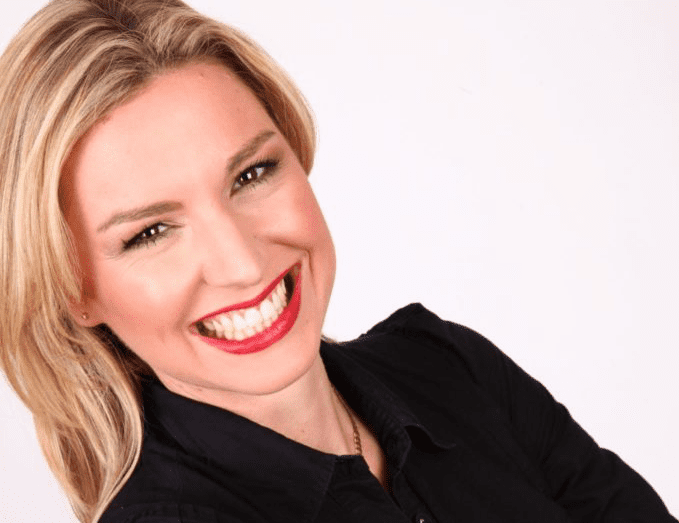
[bctt tweet=”Judy Goddard: As an entrepreneur…you never really ‘arrive’.” username=”SheLeadsAfrica”] “Trapped”. Ideally, that isn’t the word you would want to use to describe how you feel about your 9-5, but it is a word I hear all too often. It is for this reason that I love meeting women like Judy Goddard. Her boldness and single-minded dedication to creating the life she wants to live is the stuff #MotherlandMoguls are made of. The Johannesburg-based entrepreneur is the founder and director of Masiwela, co-owner, and director of On Pointe at Longpoint, and has most recently she became the director of The Rand Club. What would you say was your biggest frustration when you started out as an entrepreneur? Looking back I realise that I wanted to be at ‘the end’ before I did the work. I had established a career in hospitality before I became an entrepreneur, but the corporate world has different markers of success. I credit this uncomfortable start with helping me understand that the destination is the journey. As an entrepreneur there are always new targets to work toward, you never really ‘arrive’. Masiwela’s continued success is a testament to the fact that you do not shy away from setting audacious goals. Often people lose their momentum after they experience a few failures. How do maintain your contagious tenacity in spite of failure? The key is to make sure that you learn to trust your own judgement. Failure happens to even the most competent people; you need to learn from every failure and keep track of the lessons. It also helps that I am an optimist. I make it a point to re-frame every failure as a lesson. When I lose money in my business I refer to the loss as paying ‘school fees’, and I only ever pay it once. We dissect the failure as a team and keep track of the lessons learnt to help us make better decisions in the future. What helped me quite a bit is that I have also become intentional about creating a strong positive process. This means I surround myself with people who genuinely want me to succeed. I also spend every second of my spare time learning new things that can help me lead better. I love that you refer to yourself as an ‘Africaneer’ (African Entrepreneur), and I notice Masiwela steadily increasing its presence across the continent. As a young company, what has been your strategy for breaking into the various African markets? I am originally from Zimbabwe and at first, it was not easy to break into the South African market. In hindsight, being an outsider here was fantastic practice for my continental vision! The biggest lesson for us has been to think laterally. Invest as much into gaining trust and forging relationships as you do into the technical parts of the business. This also means not shying away from collaborating, even if it’s just to get your name out. You will be amazed at how much you can get done with the right relationships. [bctt tweet=”Don’t focus on the big wins. Consistent hard work is the key – Judy Goddard” username=”SheLeadsAfrica”] Secondly, and this is good advice in general, don’t focus on the big wins. Consistent hard work is the key. The small wins always add up and help you to create the big wins. Last year Masiwela took over management of the historic Rand Club in Johannesburg inner city. Not only is it in an older part of town, but the club itself has a complicated history. What motivated you to take on the challenge? As someone who studied and worked overseas, I understand the temptation to benchmark our cities against cities like New York and London. That said, young African entrepreneurs are in a unique position in that we must create the environment we want to operate in. We need to think long term to get this done. Personally, I have always wanted to live in New York, so I resolved to be part of creating the African version of New York in Johannesburg. [bctt tweet=”Judy Goddard: Young African entrepreneurs…must create the environment we want to operate in” username=”SheLeadsAfrica”] I took up the Rand Club because I realised how important and unique our role as young Africans is in writing Africa’s story. ‘History’ is currently being created and it is our role to help write a better history for our children to learn. The Rand Club has quite a negative colonial history, so it excites me to be able to change that narrative. What has been the biggest leadership lesson running a business has taught you? What distinguishes entrepreneurs is that they always need to be prepared to make a decision. The mistake I made early on was that I thought that this meant I had to make every single one. This slowed everyone down and I became a bottleneck for my company. [bctt tweet=”Entrepreneurs always need to be prepared to make a decision – Judy Goddard” username=”SheLeadsAfrica”] I have come to realise that as a leader of an organisation, leadership automatically involves becoming a coach, and empowering my team. When a member of my team asks me a question, I resist the urge to give them an answer. The goal is to get them to show initiative and to trust their judgement. Instead, I ask them what they think they should do to fix the problem. Only give input on how you would handle it if the team member is totally off the mark. When you do, make sure you explain the reason behind why you would go in a different direction. If you’d like to share your story with She Leads Africa, let us know more about you and your story here.
Yoli Mqoboli: I wanted to start a business that is meaningful to me and to other businesses
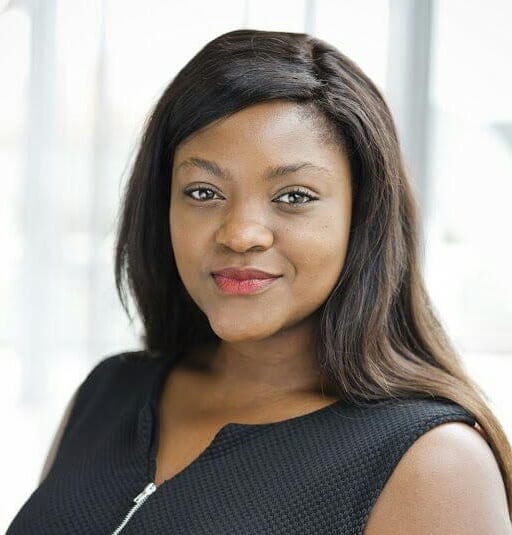
[bctt tweet=”I fell in love with Business Management during my undergrad studies – Yoli Mqoboli” username=”SheLeadsAfrica”] Yoli Mqoboli is a certified global Remuneration Specialist with extensive experience in reviewing and developing total remuneration policies, packages, and frameworks for both public and private sector organizations. Her career started off at the South African Reward Association (SARA) as an intern —gaining exposure in all aspects of total rewards such as basic remuneration, benefits, and total reward elements. She has worked for blue chip companies focusing on expatriate reward management and Africa reward. After her last stint in corporate, she started Sunguti Business Solutions, a 100% black woman owned human capital solutions consultancy specializing in tailored remuneration, reward and benefits solutions and talent acquisition solutions. Yoli then approached her former Director and pitched the idea of coming back to the organization as an independent consultant, as such giving her the independence and time to start-up and nurture Sunguti. What was the spark that led you to start Sunguti Business Solutions? Sunguti Business Solutions, before the name ever came into existence, was always a dream of mine. I fell in love with Business Management during my undergrad studies. As such, I decided for my postgrad studies to specialize in Business Management. I had in mind a Business Solutions consultancy focusing on each of the various business functions. My business model would be that of a sub-contracting arrangement as I don’t have experience in all of the business functions. This was also aimed to collaborate with other professionals and hopefully, garner more business participation. I wanted to start a business that is meaningful to me and to other businesses. What services do you offer your clients? Are they only limited to South Africa? If yes, what are your goals to grow Sunguti to rest of Africa and the world? Currently, our capacity is in Human Resource solutions, which include Remuneration and Benefits consulting and Recruitment. We focus on permanent placements, response handling, and headhunting services. Our service offering is in South Africa and we plan on expanding it to Swaziland first, and then the rest of Southern Africa. Our short-term plan is to penetrate the southern Africa region, due to the geographic reach and ease of doing business. As a 100% black women owned Human Capital solutions consultancy company, do you find it is easier for black women to start their own consulting firms, especially in your industry? If not, what are some of the challenges you’ve faced? Starting a business is hard for anyone, and as a black woman within the Reward fraternity is twice as hard. This industry has and still is owned by elite white-owned professional service providers. Women face hurdles such as access to funding, lack of access to other types of business due to non-exposure as these fields have been traditionally deemed to be male gender specific. Also the lack of a support network and lack of advisors or mentors in these areas of business. [bctt tweet=”For Yoli Mqoboli, starting a business within the Reward fraternity was twice as hard” username=”SheLeadsAfrica”] Reward management, which is a specialist function within HR, is currently a scarce skill with fewer black professionals. Yes, there has been an influx of black talent –however, the skill is not mature enough. The major challenge for us as black-owned consultancies is getting taken seriously by companies and peer competitors. You’re deemed an unknown and your credibility shaky because your brand is not yet established. Corporate South Africa prefers to reserve remuneration consulting projects for the big professional services. There is little confidence in smaller consultants who ironically have consulted for the same corporates under these big professional service providers. How can the challenge of small black-owned consultancies being overlooked be overcome and ensure that they make a mark in the consulting world? There is no perfect answer, however, in light of the new developments in BEE procurement regulations –bigger professional services providers who aren’t fully representative in black ownership and participation will be urged to partner up with smaller black consultancies. Some have already done that therefore the rest will probably follow suit. [bctt tweet=”Yoli Mqoboli: The major challenge of black-owned consultancies is being taken seriously” username=”SheLeadsAfrica”] In the meantime, it’s us smaller black consultancies who have to create the opportunities, approach potential partners and keep abreast of developments in the market. However, the same needs to be done by bigger competitors. What advice would you give to women looking to venture into the remuneration management and talent acquisition space? You need to have a flair for people, numbers and the evolution of human capital solutions. You need to love what you do, and you will never have to work a day in your life! Secondly, you need to network and keep abreast of the developments within the area of reward management, both locally and globally. What are your goals for Sunguti in 2017? How will you ensure you meet the goals? My goals for Sunguti in 2017 is to focus more on business development initiatives; this includes joint ventures and collaborative partnerships with some of the bigger corporations, and expand the service offerings to Swaziland. We also aim to register with the relevant SETA in the introduction of accredited training and development services. Lastly, we aim to strive for standards of quality and commitment to our current clients. If you’d like to share your story with She Leads Africa, let us know more about you and your story here.
Samba Yonga: Working to document African women’s history
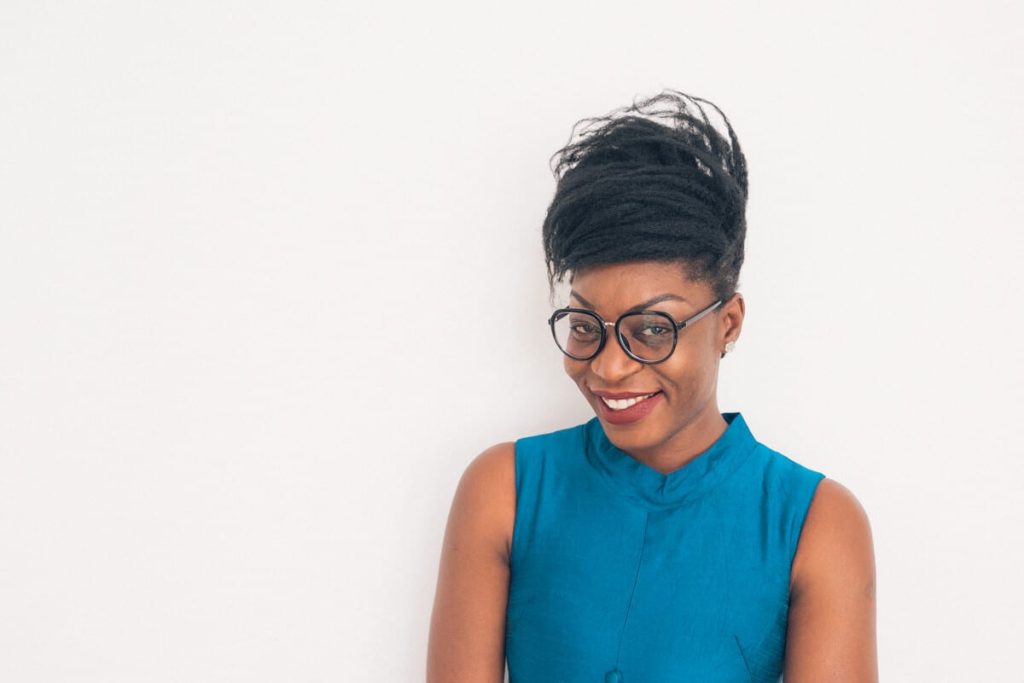
[bctt tweet=”Samba Yonga: I am now more interested in communicating real impact ” username=”SheLeadsAfrica”] Samba Yonga is a Media Communications specialist running her own firm Ku-atenga Media. A trained journalist, Samba initially worked with one of the daily papers but found the job extremely boring. She then joined a media company that worked in development communications, this opened up more opportunities in development communication role. Samba also recently co-founded the Museum of Women’s History in Zambia with Cultural Specialist Mulenga Kapwepwe and eight other women in Zambia. The Museum of Women’s History in Zambia aims to highlight women’s role in the history of the country. SLA contributor Kudakwashe Mulenga sat down with Samba Yonga to find out how she navigated her career to end up running her own businesses. You took on several roles at a fairly young age, did you face any challenges? I know the narrative of the ‘struggle of women’ is real —most people ask me how being a woman has impacted my work. I am aware that there are inequalities everywhere and work towards addressing them. In my case, I think I am very fortunate that women are encouraged to take on the work that I do. I have also been very lucky to be surrounded by people that encourage me and recognise my ability. [bctt tweet=”Samba Yonga: I think that women are encouraged to take on the work that I do” username=”SheLeadsAfrica”] We also live in an environment that is malleable, meaning you have to work around your situation. You have to create life hacks and develop market-creating skills for your business. On my end, we largely had to develop the market and I think it is the same with a lot of people in the creative/communications sector here in Zambia. You are co-founder of the Museum of Women’s History in Zambia, tell us about that. I co-founded the museum with a group of women who want to highlight the importance of women’s narrative in history. In the work I do I network with a lot of people and I took an interest in Zambian history. My work involved research to a great extent. And I would find intriguing stories about the past that I had never learnt in school even at college level. [bctt tweet=”Samba Yonga co-founded a museum to show the importance of women in Zambia’s history” username=”SheLeadsAfrica”] I then found a lot of things that were not in the mainstream narrative and that I felt should be known by all. As I researched more I found more and more interesting information. I met and listened to experienced cultural actors such as Mulenga Kapwepwe. I followed her work and also collaborated with historians such as Marja Hinfelaar, she was responsible for digitizing the National Archives of Zambia. Last year, I undertook a research in collaboration with a Swedish organization on these buried narratives. We met with communities who confirmed narratives of women having an active role in Zambia’s history but not being documented. One of my favourite ones is of the Mukuni Kingdom in which there is actually a dual leadership. Bedyango, as confirmed by Chief Mukuni was the Matriarch of the kingdom. Mukuni was a wandering ruler of the north who was strong and mighty. Bedyango realized that this was a threat to her kingdom and she offered a dual leadership instead. However, when the colonial authorities arrived they refused to recognize the woman as a leader and that is how Chief Mukuni became the more prominent leader. This information was never documented and many people don’t know about it though the dual leadership is still practiced today. This showed me how we are not using our own information to strengthen our communities. This is the concept for the museum. [bctt tweet=”Samba Yonga: We are not using our own information to strengthen our communities” username=”SheLeadsAfrica”] How has the reception been so far? The reception has been really good and we didn’t expect it. We just opened our virtual space and so many people have reached out with resources including stories and collections. A lot of history in Zambia is oral and the establishment of the museum has encouraged people to contribute. Our main goal is to get this information into the curriculum and make it part of mainstream knowledge. Who in your museum do you think every African should know? Immediately it is Bedyango the custodian and Matriarch of the Gundu kingdom, which is now Mukuni Village. She is a modern day example of a feminist. Bedyango is an example of someone who was able to stand for justice and used proven methods of leadership that progressed her kingdom. There is no other person who is a great example. Another notable one is Mumbi of the Shila people and she was responsible for the protection of the now Bemba people. Mumbi played the role of what could now be referred to as a modern-day diplomat. There are many examples and these show a very different perspective of women. Our history has obscured such figures and has limited the positions and roles that women played. We would like women and girls today to realize their own capabilities to achieve their dreams from the women of the past. [bctt tweet=”Our history has obscured such remarkable women – Samba Yonga” username=”SheLeadsAfrica”] Let us talk about your other baby Ku-atenga media, what does it do? Ku-atenga is primarily a communications consultancy. I have a background in communications both corporate and development. These unique skills allowed me to have a good understanding of what communication entails and what responses work for Africa. We combine these skills to create communications packages for Africans. Now there is huge interest from outside Zambia and Africa for African content. We design communication tools and content for different organizations at Ku-atenga. We have done work with varied local and international organizations. And more recently we are getting involved in doing more transformative communications that would effect change. I am now more
Assia Sidibe: I am building a better Africa for myself and my daughters
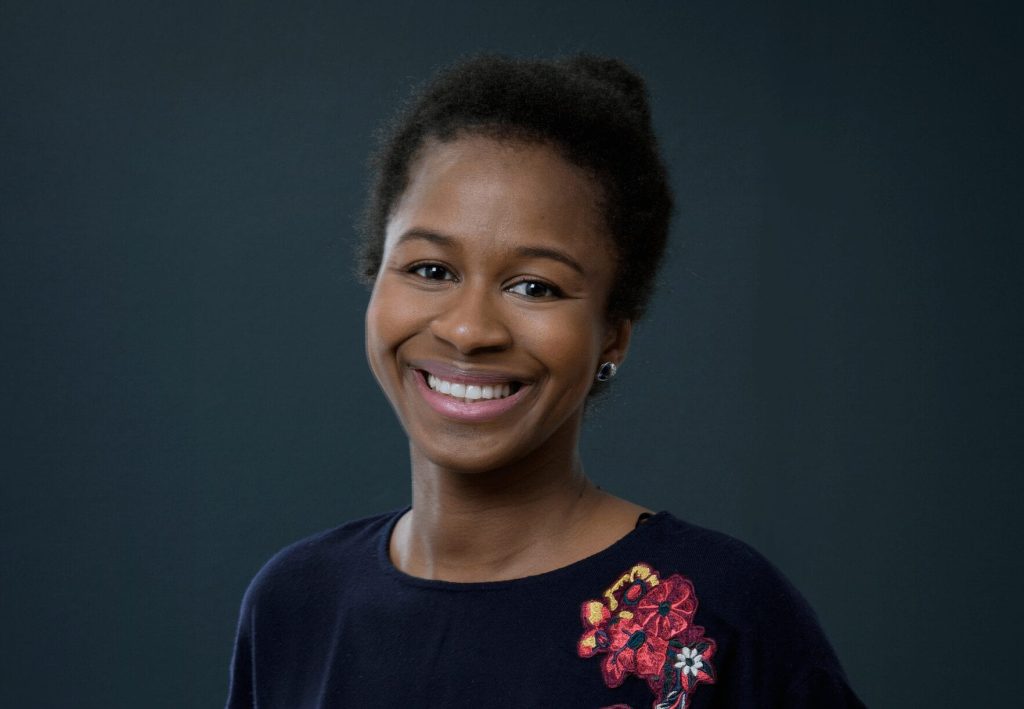
[bctt tweet=”Your first husband is your job. It is important to be independent – Assia Sidibe” username=”SheLeadsAfrica”] At only 32 years old, Assia Sidibe heads the pool of Francophone countries for the African Risk Capacity (ARC) – a specialized institution of the African Union that insures African countries against the risks of extreme weather events. Assia is from the beautiful land of Mali; she grew up in Côte d’Ivoire but had to leave this second home 16 years later, after a coup in the country, for France, where she lived for a decade. In this interview that took place on a plane, 3 hours away from a Madagascar business trip, SLA contributor Meguy Massoudi attempts to capture just what a trailblazer Assia is. Assia did a great job at answering with candor and a lot of humor. What did you want to be when you grew up? Why? I have no idea. I was not one of those people that knew what they wanted to do. All I knew is that I wanted to work in development and help people. Growing up in Côte d’Ivoire, I could sense the inequalities in society. I wanted to help people that were less fortunate than I was, just not in a charity sort of way. That idea only became concrete when I was around 18 or 19. How did you decide that finance was the route you would take for your studies and later your career? When I was supposed to decide what to study, I had no idea what to do. My parents pushed this idea that finance was the best place to start on me. They believed that it opened a career in everything. So I studied finance in high school. After my Baccalaureate, I did a PREPA (preparatory school) in Superior Classical Letters. I was curious about learning about history, languages, and philosophy. After that, I knew what I wanted to do. So I did a Master’s degree at Science PO Paris in Finance and Strategy. And from then, it opened up a career in development very easily. Have you ever done any volunteer work? If yes, how has it been important to you? If not, would you be interested in volunteer work? When I arrived in South Africa, I gave contemporary dance lessons to teenagers in the Joburg CBD. I wanted to give back to the community. I wish I could volunteer more. If I had more time I would. Have you ever faced problems in the workplace because you are a woman, how have you dealt with them? No. I have faced problems in the workplace more because I am young. Working with African governments however, it has not been as difficult. Being a woman can be challenging, but if the work relationships are based on mutual respect, that is good. [bctt tweet=”Assia Sidibe: I have faced problems in the workplace more because I am young” username=”SheLeadsAfrica”] I have been pleasantly surprised by the open-mindedness of senior government officials who are willing to work with women of every age, especially in West Africa. Africans are not as closed minded as we are often made up to believe. You have a career that allows you to surpass yourself every day, and meet the game shakers in climate change and in governments. How do you find the confidence to talk to so many high profile people and get them to align with your vision and participate in your work? I am not at all impressed by high-rank people. At the end of the day, we are all working for the continent. I don’t scare easily or get impressed easily. That doesn’t mean I don’t respect them. I also think it is important to share our different views with one another, Minister or not. You would be surprised how friendly and open-minded people on the continent are. Was there a time you messed up and felt like you failed? What did you do to recover? I wouldn’t say messed up. But last year, one of my countries didn’t get on board with ARC. I didn’t feel like I failed because I was on maternity leave. But I felt guilty. It’s a woman thing. When I had to travel after giving birth and leave a little baby, I also felt guilty. I always leave thinking to myself, did I make the right choice? But I wouldn’t be happy staying at home. I tell myself, I am building a better Africa for myself and my daughters. And If I can make that impact, then that’s good. What keeps you going in the most stressful times? The belief in the potential of our continent keeps me going. I believe in what I do. I admit to being a bit of an idealist. But the bottom line is believing in what I do. I meet exceptional civil servants who work in hard situations but they never give up. In hard times, these people inspire me and keep me going. [bctt tweet=”The belief in the potential of our continent keeps me going – Assia Sidibe” username=”SheLeadsAfrica”] When we talk about the continent, we don’t talk enough about those that do everything in their power to make Africa better. We only talk about those that are corrupted. What are your success habits? My success habit would be never giving up. But I wonder if I even really have success habits. I am just a person who never gives up. It’s in my personality. Nothing is impossible. So my success habit would be to explore a hundred ways to solve a problem before giving up, in every single thing I do. What advice do you have for women wanting to make advancements or drastic changes in their careers? I will start by addressing the point about drastic career changes. Speaking from experience, I resigned from my job in France. You have to find the courage to do it. When you want to do something, do it. For
Anyiko Owoko: It starts with you
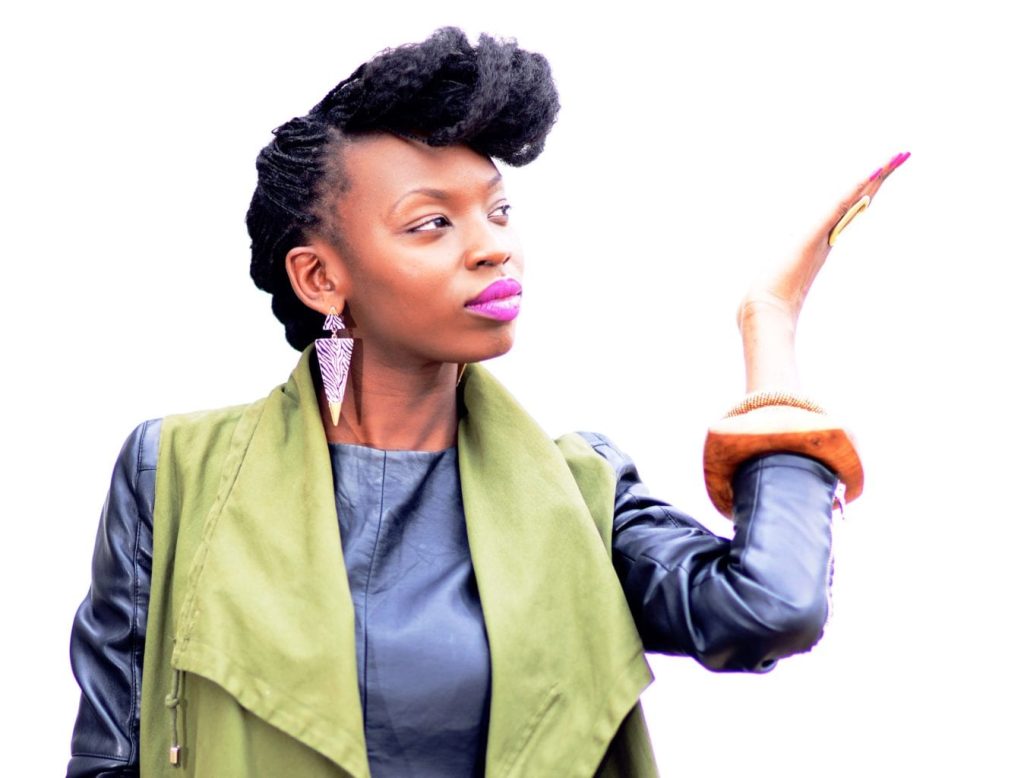
[bctt tweet=”Anyiko Owoko is a writer and PR maven who has worked with many Kenyan & African stars” username=”SheLeadsAfrica”] A celebrity publicist, a Public Relations maven, journalist, blogger and all round music and entertainment aficionado -Anyiko Owoko is the perfect definition of more than a triple threat. The young connoisseur is the publicist to award winning East African music group; Sauti Sol. Starting out as their friend and assistant, Anyiko has risen to media success thanks to her work with the boy band. Anyiko also works with many other talented artists on the continent and beyond who have seen her prowess as an influential communicator and brand strategist. Now she intends to expand her growing PR company –Anyiko PR and let SLA contributor, Diana Odero in on her journey to where she is now and why she is fuelled by creative people. You have the incredible role of being Sauti Sol’s publicist. How did this come about? I have always been their friend to begin with. I was initially friends with Chimano in particular, who I met in 2006 at Alliance Francaise where I was studying French. Funny thing is, we weren’t even in the same class so I don’t really recall how we became friends. Chimano would always tell me about his friends and him singing in high school and now that they were done, they were thinking of starting a music group. He wanted my opinion on that. So I sort of became their advisor from back in the day and I encouraged them to take on the music group idea. Chimano and I joined the choir at Alliance and we really liked it but Chimano felt that he needed his friend (from high school) to join in as well. We both convinced the choirmaster to allow his friend -Bien Baraza to join, even though non-students weren’t allowed in the choir. Later on Savara and Polycarp, Chimano’s other friends were brought in and they were a full singing group in a choir. After we completed the French program, we enrolled into University and surprisingly Chimano and I ended up in the same school, in the same course and in the same class. That’s really how it all started and as for me, I’ve always loved writing and communicating. As a friend, that was a great quality I had that was able to help them get their group off the ground. I have been their road manager, an assistant, I got them onto social media and after several years, they realized that I was the main person doing their publicity. I knew they would become big stars from way back in the day and so I did all I could to secure their brand and maintain their presence in the music industry. They of course now have a bigger team; I even have my own assistant as well, so at least we have a lot more help than we did when it was just the boys and I. Did you always want to get into the public relations field? No, I never saw myself doing this kind of work. PR kind of just found me because of the work I was doing with Sauti Sol. My plan had always been to get into writing and become a journalist. PR is part of communications so it still lies in my preferred field but I guess you can say I ended up specializing in it. [bctt tweet=”Anyiko Owoko: PR kind of found me because of the work I was doing with Sauti Sol” username=”SheLeadsAfrica”] I wanted to do broadcast journalism, which I have been doing actually; I’ve been working in TV for the past seven years. I still write though, I write for DStv, for the Daily Nation, I run my own blog and I also write for the Coke Studio website. So I’m still doing what I always wanted to do and I’m grateful to have found something else that I can do that contributes to the industry. How did you know that it was time to leave the employee life and become your own boss? I recently stopped working in TV this past September because I wanted something new and more challenging and needed a break from my broadcast career. About three years ago, I started feeling this way, I always wanted to leave but it was a bitter-sweet decision to make as that was my first official paying job. I was still in college when I got that job and for a journalism student, landing a job hosting an entertainment show in a national network was and still is quite a big deal. It was a really great show with great content that you don’t get much of nowadays in Kenya. I knew I wanted to leave when I realized I wasn’t learning anything new. People would come on the show and I would train them on hosting, reporting, scriptwriting etc. and no one was teaching me anything new. The producer of the show who discovered me had already left the network and I was now answering to his juniors even though I had more creative experience than they did. In addition, things were really changing fast in the world of media, including social media . The show was stagnant and I started interviewing the same artists all over again due to lack of content so it was getting too monotonous for me. [bctt tweet=”I knew I wanted to leave my job when I realized I wasn’t learning anything new – Anyiko Owoko” username=”SheLeadsAfrica”] Now I have my own column in Yummy Magazine where I interview all kinds of celebrities discussing food and lifestyle, which is something I never thought I would do. I started my own company and all this has been the breathe of fresh air that I really needed. As a celebrity publicist now, can you tell us which artist has been the most pleasant to work with and which interview has been the