
Nneka Offor: Digital publishing can transform learning in Africa
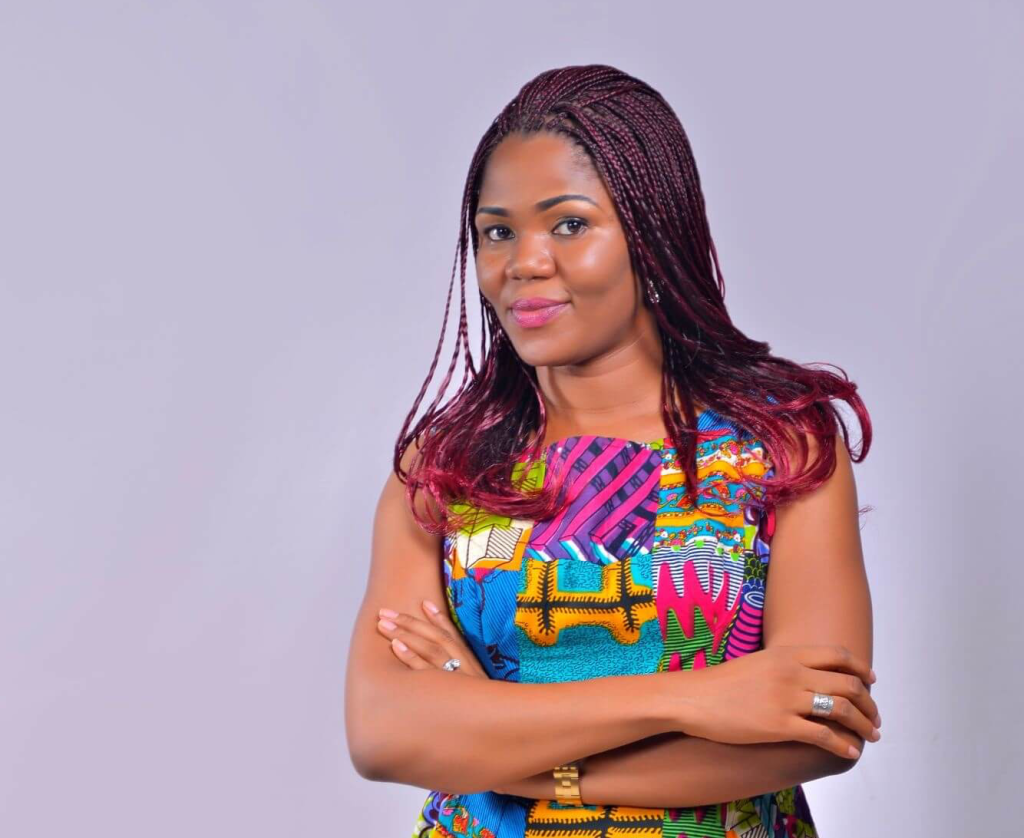
The digital revolution doesn’t start and end with social media. Some entrepreneurs are pushing the revolution into other parts of life. Take education and reading for example, 20 percent of Nigerians who go online do so to read something new. Nneka Offor is at the forefront, pushing eBooks and eLearning to change the way Africans learn. Nneka is the founder and CEO of WhiteLeaf Digital, a digital publishing company based in Enugu, Nigeria. Here she explains how the digital revolution will affect reading and learning. Is there a market for eBooks and eLearning in Nigeria? There is a huge untapped market for eBooks and eLearning in Nigeria and Africa at large. The concept of an eBook is an electronic version of a printed book that can be read on any smart device. eLearning involves utilizing electronic technologies to access educational curriculum outside of the traditional classroom. At the close of 2016’s second quarter, the number of internet users on Nigeria’s telecoms networks hit 97.21 million with 85 percent accessing the Internet via mobile devices. On exactly what these people do online, 22 percent spend their time on social media, 20 percent opt for reading, 19 percent spend their time reading and sending emails. Movies and music enjoy a 13 percent share of the Nigerians time online while shopping gets a 5 percent cut. These statistics show that Nigeria already has the enabling platform for eBooks and eLearning. The overall growth rate for self-paced eLearning in Africa is 15.2 percent. Senegal has the highest growth rate, followed by Kenya and Nigeria. Selfpaced elearning revenues in Africa reached $ 250.9 million in 2011 and will more than double by 2016. Research analysts forecast the eLearning potential will get tripled largely in South Africa and Nigeria. Why start a technologically driven business considering high data costs across Africa? eBook or eLearning does not consume data. Online readings consumes between 380KB and 1MB depending on how long you spend online. Downloading a book from an eBook server archive needs 800KB. The longer you read, the more data it consumes. After you have downloaded your eBook and have them saved on your device, subsequent readings will be done offline and does not require data. Data is only spent when you’re reading online or downloading from the server after which you will no longer require data to read. Video or audio take more data. Online video streaming can take as much as 1GB in an hour. It takes between 3MB to 160 MB to download a 17-hour video. What steps are you taking to transform African educational sector? Our first point of call is Nigeria. Presently we are in talks with Nigerian based educational publishers over integrating digital publishing. Not only is this technology driven, it is also cheaper to publish eBooks as there are no distribution or warehousing cost. We’re also working towards getting institutions and corporate organizations to have eLibraries and eLearning platforms so as to encourage students/employees to read at their own pace anytime and anywhere. The other thing which is undoubtedly the easiest way to transform the educational sector, is awareness. Publishers and book lovers need to be aware of the transformation. That is why we are currently organizing a digital publishing summit scheduled to hold by the last quarter of 2016. The details are not in the news yet but it will attract traditional and digital publishers all over Africa. We will be discussing pertinent issues on how to convert and integrate traditional prints into digital formats, especially for educational purposes. How will digital publishing revolutionize learning? Digital publishing creates interactive learning. Studies show that interactive content can boost learning retention and students prefer to learn by doing, versus seeing or reading. When they interact with videos, charts, and graphs, they retain more information. Digital publishing can help transform passive learners into active participants. Also, learning materials are more accessible and affordable, and it reduces traditional book printing and distribution cost. By producing digital versions of educational literature and publications, you can substantially cut printing costs. This leaves you with more budget for other learning and marketing activities. Distributing heavy printed text books can be very expensive, not to mention slow. Using a digital distribution channel you can get your message out to a wider audience immediately, with no postage costs. Access to eBook is also quicker, cost effective and friendlier on the environment. In many cases, content can be created once and delivered to multiple platforms and operating systems, reducing the cost of publishing while simultaneously reaching broader audiences. Have you faced any challenge in setting up a digital publishing company outside Lagos? We have not faced any technological challenge setting up our business in Enugu. The only challenge we have faced with is delay in working with the traditional publishers. Most of them are based in the west while we are in the east. On many occasions, we have to go travel to meet with publishers for meetings. This has prompted us to start making plans to setup an office in Lagos precisely so we can be closer to the publishers. How would you like to be remembered? I would like to be remembered as a transformational leader who created value and made a significant positive impact in the society I lived in. If you’d like to share your story with She Leads Africa, let us know more about you and your story here.
Aphia Sekyerehene: I design clothes for non-conforming women
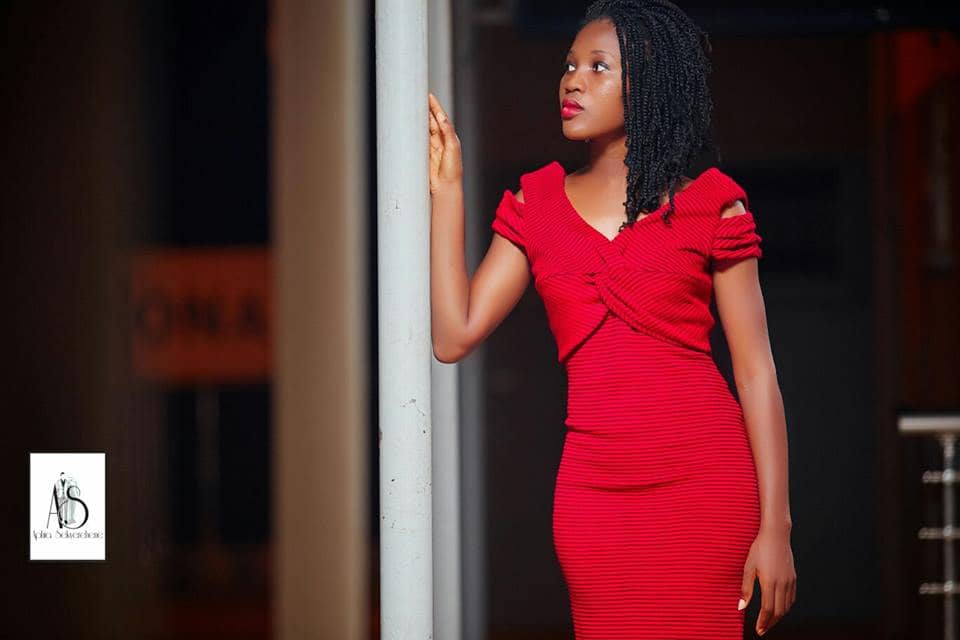
Aphia Sekyerehene is an emerging fashion designer, choreographer, singer and event decorator who discovered her passion for fashion at age 14. However, she could not fully pursue her passion until her 20s. Even now after going through design school and establishing her brand, Aphia still feels unsatisfied. She believes that starting her career later in life has deprived her of opportunities she would have had if she had started at 14. Aphia shares with SLA her experience in fashion design and developments in the industry. Why do you think you would have gained more grounds in the fashion industry if you had started at age 14? Having an early start in a career offers you ample time and opportunity to try your hands on the various aspects of the job. This means more time to delve into related options and more time for trial and error. Starting at age 14 would have given me more experience and variety to explore but now, I have to first build a brand before I can try my hands on other options. What prevented you from pursuing your passion after your discovery? I would say lack of funds. This is because fashion designing is more of a practical course than theoretical. So you need to get materials needed for the course and this was something my family could not afford at the time. In order to keep my passion alive, I came up with alternative methods like connecting with fashion designers across the world through online forums. Were there any setbacks when you finally got into the industry? Yes! Raising capital was one of my major setbacks. I am glad I have crossed that hurdle. Now, I am very excited to achieve more and more. Now that you have acquired a certificate in Fashion Designing, do have plans of furthering your education? Yes! Certainly! There is so much more to see, learn and explore. I will never limit myself to just the basics. I have to expand my knowledge. I am looking forward to acquiring a Master’s Degree in Fashion or any other course which will add value to my work. I am hoping to get into the Parsons School of Design in New York. How does your designing process work? What are you currently working on? Every project I work on has its own procedures. But usually I sketch ideas as they come and do clone drafts before the actual design. Some projects take just a day to figure out, others are time consuming. The latter requires a lot of inspiration which I get from the various colours that surround me. I am currently working on my summer collection. It is a hip, fun, free, colourful, light, stylish and original for every woman. This collection depicts the African culture in a creative way. It will be out in July. What part of your job do you find most challenging and how do you tackle it? Working with indecisive clients is very stressful. I tackled this challenge by coming up with a very detailed order sheet that allows clients to vividly explain what they want. This way, we get a win-win situation. In one word, define your work. Unique. Who is your target audience? My main target is the woman who is not afraid to stand out in her own unique self. My designs require my breaking free from the usual expectation so I target those women who stay true to their nature and are non–conformists. Having a target group also creates a niche for you, making your brand easier to handle and be identified. Which African fashion designers do you admire the most? For one there’s Christie Brown, I admire her abstract, sophisticated and classy designs. Then there’s Pistis, her beading creates exceptional masterpieces. I also admire Oswald Boateng, his eye for clean cut is evident in his designs. I would love to work with Christie Brown. She is sophisticated and transfers that attribute into her work. She has a way of blending totally different styles into an admirable design. Her designs are modern yet traditional; contemporary yet antiques. This is something I will love to learn. What developments on the horizon could positively affect future opportunities for fashion designs? For an African designer, I would say the removal of cross-country trade barrier laws could be an opportunity. Though this would introduce more competition in the fashion market, it would also provide designers with the chance to diversify and expand their market. If you were to design an outfit for an African celebrity, who would it be and what would you make? I will love to design a fitted floor length backless lace gown with long sleeves and beading for Nigerian actress Genevieve Nnaji. Genevieve has an hourglass figure and a high front neckline fitted floor length dress will compliment her figure perfectly. The backless part will give her a sexy touch and an opportunity to show her amazing skin tone.
Olebogeng Sentsho: We must be Afrocentric in our approach to mining and the economy

The mining industry may not be first choice for a young woman looking to start a profitable venture. Not for Olebogeng Sentsho. Olebogeng is a one woman force shaking things up for the better in the South African mining and waste management industry. Her company Yeabo Mining is completely owned by black women but it doesn’t stop there. Through her initiatives, Olebogeng works towards improving rural communities and empowering women. Here she shares insights into the mining industry and why it needs to be Afrocentric. Strategic waste management? What lead you to that industry? As an investment analyst, I was exposed to many proposals in many fields. One of the proposals that came across my desk was for a tailings plant on one of the mines a client was looking to invest in. The plan was flawed and subsequently abandoned by the mine owners. I then requested their permission to improve their model and approach investors for funding. They agreed. Unfortunately, the project was capital intensive and any capital that was coming my way would take months to get to me. I had to make a living so my husband suggested we go pick up steel balls on an abandoned mine and sell them for cash. We did. We made R150 000. From there we approached other mines and realised that the service was in demand. That is how we started. How did you make the switch from waste management to finance? Once Yeabo Mining was up and running, we noticed a huge demand in requests for collaboration. This was not because we were the best at what we were doing, it was because our collaborators needed the funding an operation like ours could source. We are 100% black female owned and the legislation in South Africa is such that we receive preference when we apply for funding. There are also more funding opportunities for businesses that are owned by young, black women. Once we isolated this need, we thought it prudent to investigate and set up a fund that supports junior mining operations. We currently have four clients on our books who mine silica, manganese, gold and chrome. How can waste be converted into a revenue stream? Many of the products used in the mining process and the by products of mining still have value even though they have been used. For example, steel is used in the liners that line equipment in the concentrator plant. Once they are worn out; they are discarded and replaced. Each liner weighs 2 tons and there can be 18- 34 liners per plant. We retrieve the liners from the dump and sell them to a recycler for R1900 per ton. Combine this with about 300 tons of steel balls and you have a legitimate revenue stream. Also, when a specific mineral is removed from the ore, other minerals that are equally valuable remain. Most mines ignore these other minerals if they don’t form part of their core business. Yeabo Mining exploits these minerals and processes them. These are just a few of the ways we generate income from waste. Considering the sometimes tense nature of mining in South Africa, does social responsibility feature in your business? Social responsibility is a big part of why we do. Yeabo Mining supports female owned SMME’s (Small Micro medium enterprises) by giving them preference when we do our procurement. We also mentor several young people, many of whom are trying to start businesses in the industry. Mining is treacherous and having someone who is already in the business looking out for you is an advantage. Also, Yeabo Mining collaborates with community outreach programmes that educate and empower young people in the fields of maths and science. We are a proud patron of the Mining Innovation Initiative of South Africa (MIISA). You mentioned that you are engaged in other initiatives, tell us about them. MIISA is a holder of rights for several initiatives. There is “Let your light shine”, a renewable energy initiative that teaches women how to build solar lamps and sell them for cash. We also have Innovo Health Systems, which provides mobile hospital facilities for rural communities and the MIISA school for Mathematical Excellence and Science Innovation which are a series of pop up schools in the Sekhukhune area of Limpopo that facilitate maths and science clinics for secondary school learners. The primary goal of these endeavours is to create an industry where South Africa can beneficial its own minerals. We want to ensure that mining builds sustainable, well serviced communities in the area where the specific mines are based. Mines have to be catalysts for change and improved living conditions. It cannot be that Africa provides the world with wealth yet that wealth fails to translate into improved living conditions and lives of the Africans who live and work in these communities. We must strive to be Afro-centric in our approach to mining and the economy. All efforts must be made to ensure that wealth is not in the hands of a few. No one makes it if we all don’t make it. An inclusive mining economy that focuses its resources on social upliftment and education is a catalyst for an Africa that produces leaders and productive contributors to the country’s GDP. What advice would you give other young African women looking to make a change in their communities? As young women in Africa, our mandate is clear. It is incumbent upon us to provide skills and leadership for the improvement of our communities. We can’t sit and wait for opportunities to participate; we have to innovate, pioneer solutions for ourselves so that we can lead the agenda of a transformed and progressive African economy. These dreams cannot be achieved by a continent with hungry people. We must focus on the immediate needs of our people and find our own rhythm for the advancement of our continent. We must take responsibility for our future. This has been really insightful. Lastly, what was
Ifedolapo Olayemi-Okewole: A woman should be happy on her wedding day
Here comes the bride! She may be looking kind of stressed but it’s her big day. Preparing for a wedding can be hectic but thanks to the Internet, brides can ease the burden a bit. Hadassah Bridals is a growing brand that delivers wedding gowns to brides through its website. Its founder Ifedolapo Olayemi-Okewole recently completed a World Bank-sponsored course at the Enterprise Development Centre at Lagos Business School. Here she shares tips on running an online business in Nigeria and how to make the most out of your wedding day. Who is the person behind Hadassah Bridals? My name is Ifedolapo Olayemi-Okewole. I’m the woman behind Hadassah Bridals, a business that came to being in December, 2012. The idea for this business was birthed in Manchester, UK in 2012, a year after I got married. I recall that it was my experience as a bride that was at the heart of this business idea. I had a very tight schedule during preparations for my wedding. When I was doing my wedding shopping, I didn’t have the luxury of time and resources to visit a lot of stores for wedding gown trials and the likes. I did most of my shopping online and I received all my packages in good condition, including my wedding gown. Our business idea then was to make wedding dresses of different varieties available to brides online and at reasonable prices. So we decided to offer bridal gowns of very good quality and designs to target this class of brides. We stock our gowns from other designers; we also have options for custom-made wedding gowns. Custom-made wedding gowns are made based on the specifications of the bride. This gives the bride the opportunity to add a lot of details to her dream wedding gown. We take such requests and forward to our designers. Why the name Hadassah? The name ‘Hadassah’ is from the Bible. Its one of Esther’s names (Esther 2:7) and it means Compassion. Tell us a bit about your experience with the World Bank sponsored program. The program is a Certificate in Entrepreneurship Management sponsored by the World Bank. I won the Women X scholarship last year. I took that step because I needed hone my entrepreneurial skills. I was not sure I was doing everything according to the books. A friend sent me the application details online and I applied. An interview was conducted and about 50 women were selected for my class, which was Cohort 4 in the Women X scholarship program. The 6 months in-class training changed my perspective totally on business and living a fulfilling life. I met women who were in different stages in business and this made me realise that I am not alone in the entrepreneurship drive. The school faculty was and is still highly supportive because they provide us platforms for business growth. As a Nigerian company based online, how do you make effective sales? Our idea is to understand our market sector and develop strategies online to reach them. Because we started online, we use a lot of the social media platforms for sales. This is complimented with an open cart-enabled website. We also use eCommerce stores like Konga and Kaymu to drive sales. What online platforms do you use to cater to your clientele? Have you had any challenges with them? Over the years, we have built a robust BBM channel. This has our largest followership and has become a critical platform for our business outreach. Customers place orders via our BBM channel or Whatsapp Social chat platform. We also use Facebook, Instagram, Twitter, Google+, and Pinterest for our social media campaigns. We have a physical store in Ifako, Gbagada, where we also attend to customers. Most online Nigerian businesses focus on Abuja or Lagos, how do you reach clients in other/smaller cities and towns? We can confidently say today that we have a clientele that is widely spread from Maiduguri in Northern Nigeria to Bayelsa in the South-South region and from Cuba to cities in Europe and South Africa. This has been made possible through our online platform and partnership with a leading courier company like Courier Plus. They handle our door step deliveries to all the states in Nigeria, and also our international shipments. How can a woman make the most of her wedding day? A woman should be happy on her wedding day. She is the center of attraction and she dictates the mood of the event. A vibrant bride makes for an enjoyable ceremony. One of the things I tell my brides is to ensure that they have light breakfasts on their wedding day. The wedding day is filled with a lot of activities and the bride often forgets that part. What old wives tale should all brides listen to at all costs? One old wives tale is, “don’t look at the mirror when dressing up on your wedding day”. Uh, how easy is this? A bride wants to know what magic the makeup artist is performing on her face but I think she’s better off being told that she is beautiful so she doesn’t get too conscious of her face on her wedding day. If you’d like to share your story with She Leads Africa, let us know more about you and your story here.
Ruramiso Mashumba: More young women should consider farming
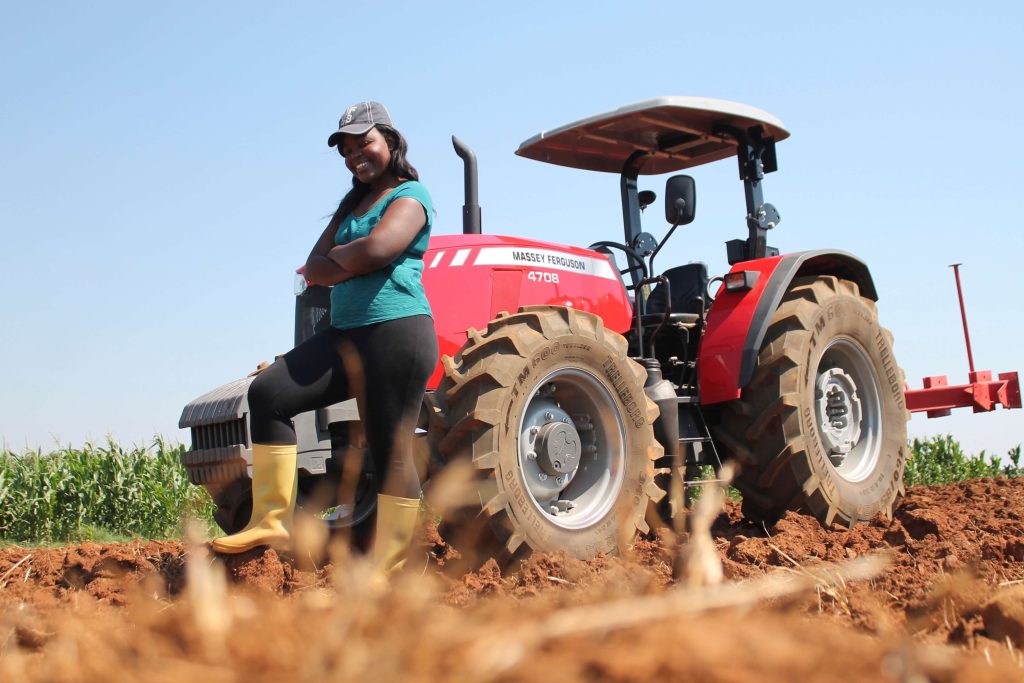
How many young women farmers do you know? None? Say hi to Ruramiso Mashumba. Ruramiso runs a horticulture farm in Marondera, Zimbabwe where she grows crops for export to the European Union and other African countries. Her passion for farming started as a child and though Ruramiso has worked abroad she returned to Zimbabwe to work on her farm. What’s it like to be a young woman and a farmer? Traditionally farmers have been known to look a certain way, mainly male and above 60 years. So, being known as a young woman farmer is exciting because it changes the status quo and lets people know that, ” Yes you can do it in spite of your current situation”. My father bought a farm when I was in form 2. He used to keep cattle. I went to Watershed college, a school which was next to our farm. Learning at Watershed school exposed me to the possibilities of agriculture. At my school agriculture was quite attractive because you would see the farmers children driving tractors and all so there was some prestige to it. Still, it wasn’t easy. I remember I used to cry a lot because of the struggle, especially the bullying from the boys but I was determined. After school, I got an amazing opportunity to work at a British company for two years then returned back to Zimbabwe to farm. What is the most amazing thing you’ve done as a farmer? To date my most amazing experience was being selected by AGCO Corporation to speak at their Africa summit in Berlin on the upscaling of small scale holders. After my presentation the CEO & President of AGCO gave me an award for influencing and leading women towards mechanised farming in Africa. I have since been able to mechanise my farm with their support. You mentioned your big business idea is to train women in the value of agriculture. Tell us more about that. Last year I held a farmer training at my farm where I invited the local community and stakeholders. I hope to be able to set up a centre where young people and women can learn the basics about agriculture. I believe the future of agriculture lays in the hands of those that are given custody of the land and are responsible to treat it in a way that future generations will benefit from. For example, climate smart agriculture is something that more people should know about. Climate smart agriculture is farming in a sustainable way that makes use of efficient irrigation system and disturbs soil structure only minimally. I’d like to share my ideas with others and encourage knowledge transfer. I am also passionate about indigenous organic grains. One of the crops I grow is a rice variety called Oryza glaberrima. This rice is native to Zimbabwe but is at risk of becoming extinct. Why should more young women be interested in agriculture? More women should start tapping into the vast opportunities in agriculture. Currently in Africa, 70 percent of women are players in agriculture but at primary level. Very few women actually own land and are running successful agribusiness projects. Agriculture is rewarding and it’s not just primary productions. It has many facets to it. In Zimbabwe, there is a lot of opportunity to develop the agriculture sector. We have a lot of underutilised land. Currently we are importing a lot of agricultural produce which we could be growing ourselves. This to me shows enormous potential. If you’d like to share your story with She Leads Africa, let us know more about you and your story here.
Zeze Oriaikhi-Sao: Following my life long dream makes the best use of my time
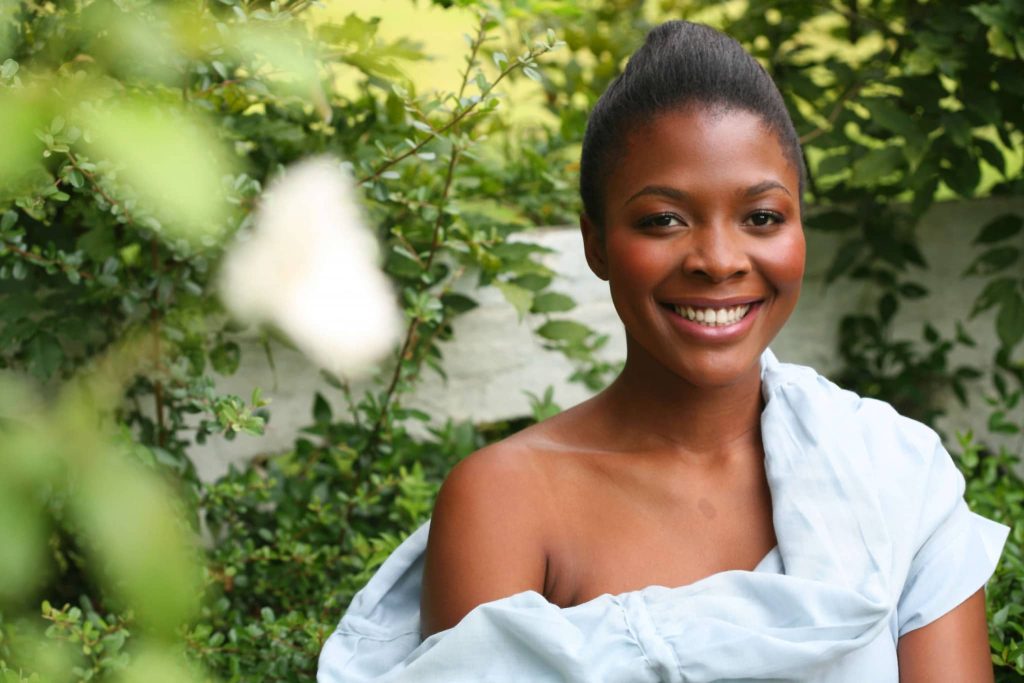
According to Zeze Oriaikhi-Sao the qualities necessary for a successful beauty entrepreneur are determination, passion, instinct, financial savvy and strong communication skills. Just having a good idea isn’t enough. Zeze is the founder of Malée, a range of luxury fragrance and body care products that draws inspiration from the traditional beauty secrets found across Africa. African beauty and healing secrets don’t get their due and with Malée, Zeze updates them with modern science and technology. The name Malée itself comes from her great grandmother and is a term for a strong-willed woman in Bini language. What pushed you to start Malée? In 2009, I moved countries from UK to South Africa. It was the height of the recession and finding a job wasn’t easy. After halted interview processes, I decided that following a life long dream would be a good way to make the best use of my time while having a larger social and economic impact along the way. In a few words, circumstances of the recession forced me to believe that I had something to offer to not only to consumers but to the African economy. Your brand seems to draw heavily from African traditions, is there any particular reason why you’re inspired by tradition? I believe there are hidden gems in tradition. Unlocking those with the scientific knowledge we have now and giving a voice to cultures and traditions that otherwise don’t have one in the global market place is a passion. Africa is full of beauty and I deeply motivated to share that. Malée is present in both South Africa and the UK, what challenges have you faced expanding your brand to other countries? Each market brings with it a lot of learning. The most important thing I have learnt is that regardless of the country, establishing a brand takes patience, consistency in the quality of your product and service, belief in your brand/business and building a great team to help turn the vision into reality. We have launched in the UK with 6 of our best selling products. On a stand alone basis they do what we say they should. They work! Do you have any plans to continue expanding within Africa? Yes, the rest of Africa is definitely on the cards for Malée. I am excited about the next 5 years. How do you unwind after a long day? Taking time out for me some ‘me time’. My favourite routine is my at home spa, light some candles, have music playing through my bluetooth headphones then I scrub before settling into the bath, usually while reading something. What’s one thing in your fridge you always use as a homemade skin treatment? Lemons; they are just so versatile and harness a lot of natural benefit for the skin. My favourite remedies are my DIY facemask which can be made by mixing baking soda, honey and lemon juice. You can also use lemon to make a detox toner with some green tea and water. How do you source ingredients for your products? Ingredient sourcing process begins with understanding what makes up on traditional beauty remedies. I dissect these to understand what ingredients actually have long term skin care or aromatherapy benefits. We take these away and plug them into our formulations and then look for the best local suppliers who have food grade ingredients. If it is good enough to eat, it is good enough for your skin. If you’d like to share your story with She Leads Africa, let us know more about you and your story here.
Nisha Maharaj: Women in tech are admired, go and make things happen!
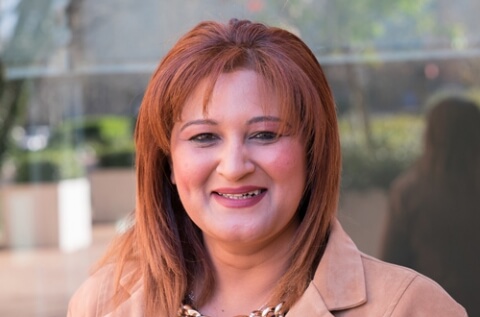
Technology innovation is a buzz word across the continent. More investors are rewarding ideas that are disruptive and can be used to make meaningful change in people’s lives. Yet looking through lists of top African tech companies, you may need help finding the women. Enter Nisha Maharaj, the founder of Niche Integrated Solutions which sets up strategic partnerships and innovation platforms in South Africa. Nisha readily dishes info on the South African tech scene and what it takes to succeed as a woman in tech. What is the tech scene like in your country? Are there many women in it? South Africa is advancing in the tech arena, but we can still learn from the tech leaders out there in the rest of the world. My context is to lead some of the best technologies in the world to Africa and vice versa. I also want to lead some of the best of South African technologies to the rest of the world. Women in technology is always a subject of debate, yes there are many women on the forefront of the tech scene but I still find myself walking into a boardroom of 20 men and 1 woman. That one woman being myself. We need to make a serious effort to change this status quo! Did you face any obstacles when you started your company? How did you overcome them? Funding is always a challenge when you start off, new markets , new clients –always stressful. It takes perseverance to get through it and determination coupled with a good business plan is what sets you out from everyone else. In a way, an entrepreneur learns best the hard way. You simply never give up –that should always be the motto. I was lucky, I have friends amongst the global leading technology partners in the world and this has helped us close a few multi-million dollar deals in a very short space of time. Your company is 100% women owned, is there any particular reason for this? We are 100% black owned, 100% debt free, we have made 100% turnover as compared from one year to the next. The reason we are 100% women owned is simply because we are trying to show the world that women can be leaders in the technology arena as well ! What does it take to establish a successful technology business in Africa? You need to make a thorough assessment of the technology innovation, critical studies and research on application. Then you need to be sure about your market. Having the best technologies in the world is pointless if you don’t have the right marketing strategy. The take to market and entry point is a critical success factor and if you can get this part right, success is inevitable. If you could make a 30 second speech to young African women, what would it say? I would say that Africa is an oyster of opportunity –technology is the one thing in life that will never remain constant. There will always be a demand for it. Women should be more courageous to take on this context of technology. Whether you are a sister, child, mother, grandmother, you don’t need to be a genius to own a technology company. You simply need to have the business acumen to do well at it in order to thrive. Women in technology are admired, go out there and make it happen! If you’d like to share your story with She Leads Africa, let us know more about you and your story here.
Thokozile Mangwiro: Africa is producing the most beautiful, natural and organic skin and hair care products
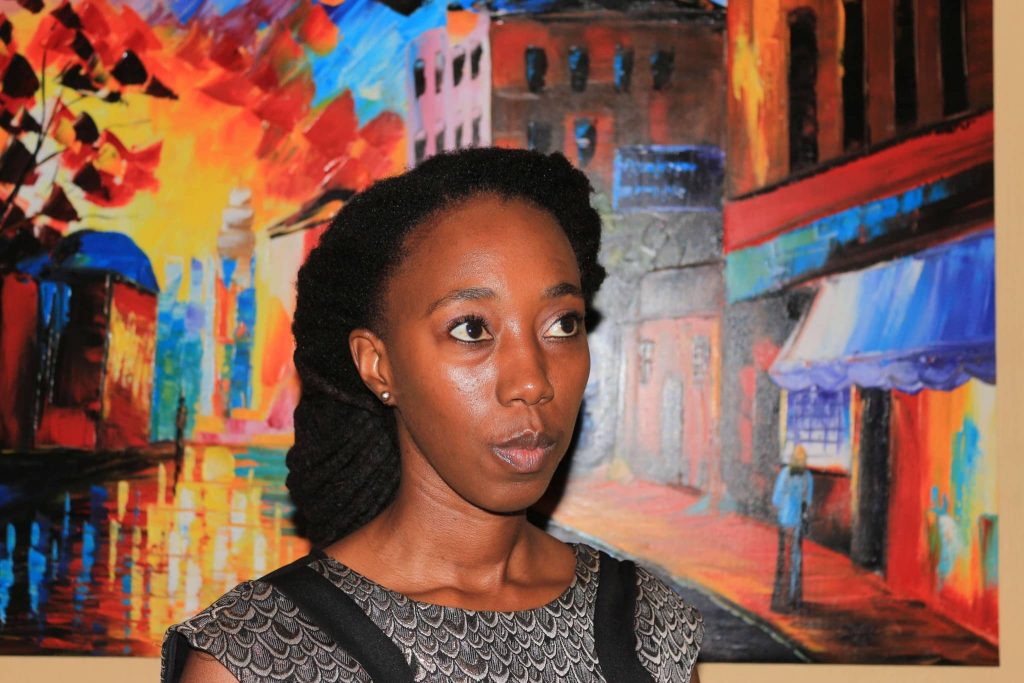
Global black hair care is on the rise. In South Africa, the black hair care industry was estimated to be valued at R9.7 billion a year in 2015. Budding entrepreneur Thokozile Mangwiro believes that Africa is producing the most beautiful, natural and organic skin and hair care products. Her brand, Nyla is reaching for a share in that billion rand market by creating products using marula oil, an indigenous oil to southern Africa. What is the natural hair scene like in Johannesburg? What sort of events do you have? The natural hair movement in Johannesburg is absolutely inspiring. There is a lot of consciousness and awareness about the movement from chemically laden products towards greener natural hair care. We are currently in the midst of the South African winter which can be very harsh to the skin and hair. Protective styling is the order of the day. Hair-line friendly plaits and wigs are definitely in. Naturals here also have “Hair stokvels”, where we get together to share and educate each other about caring for and growing our natural hair. Hair stokvels also have natural hair care product stalls and guest speakers. There are other events like the “For Black Girls Only” event, which does not set out to exclude other races, brings together all African women from all walks of like to celebrate just who we are. Why does your brand focus on marula oil? We believe that marula oil the secret to timeless hair and skin nourishment. This magical oil is obtained from the core of the marula fruit. Marula oil is indigenous to Southern Africa, yet clientele have never heard of it and it’s rich properties. The Tsonga women of South Africa and Mozambique have used this oil as a moisturiser and a massage oil on babies for years. Marula oil has protected the African skin and hair against harsh and dry, hot and humid weather conditions. It’s multi-purpose, used for personal care and is safe for both babies and adults. Marula oil contains properties that create a high performing cosmetic oil that mimics the skin’s outer layer, regenerates the skin cells, thus promoting a youthful looking, well-nourished healthy skin. It’s a light weight oil, meaning it quickly absorbs into the skin and hair, while leaving a non-greasy silky smooth feeling. It is gentle enough to use alone or with any lotions and facial skin creams. Do you only create hair care products? We focus solely on natural hair with Nilotiqa Hair Care which is formulated for dry and damaged hair. Nyla Marula Beauty is our luxury natural and organic brand that caters for all types of skin and hair care. Our Marula Evolution Collection showcases pure Marula oil, fused it with various natural botanical and organic ingredients to create the most luxurious products to nourish skin and hair. Because the products are organic and natural, they are suitable for all skin types. Our product line consists of a deep replenishing co-washing conditioner, deep moisturizing butter, detangling cream and nourishing scalp and hair oil. Our natural products are formulated with high-quality nourishing ingredients such as shea butter, coconut oil, castor oil and avocado oil. We avoid artificial sourcing of ingredients and our products do not contain petroleum, lanolin, parabens, phthalates, or artificial colors. What tools do you use to grow your business? Firstly, our business is incubated. This has given the business organizational, financial and operational structure. Secondly, we ensure that we collaborate with cosmetic organisations that have high standards for compliance. This forces us to look into how compliant we are and ensure we distribute high quality products locally and internationally. Lastly, we purposely use social media to reach out to clients that are not only local, but also international. What is your favourite style for a bad hair day? Bad hair days for me means seriously dry hair. I first try to get moisture back in my hair using my Nilotiqua Deep Moisture Butter. I am lucky enough to have long dreadlocks and so after adding the butter, I can just tie my hair up into a bun. I am also huge fan of head wraps, known as doek in South Africa. Those can get you by for a week. If you’d like to share your story with She Leads Africa, let us know more about you and your story here.
Tshepy Matloga: Recognition is the best motivator
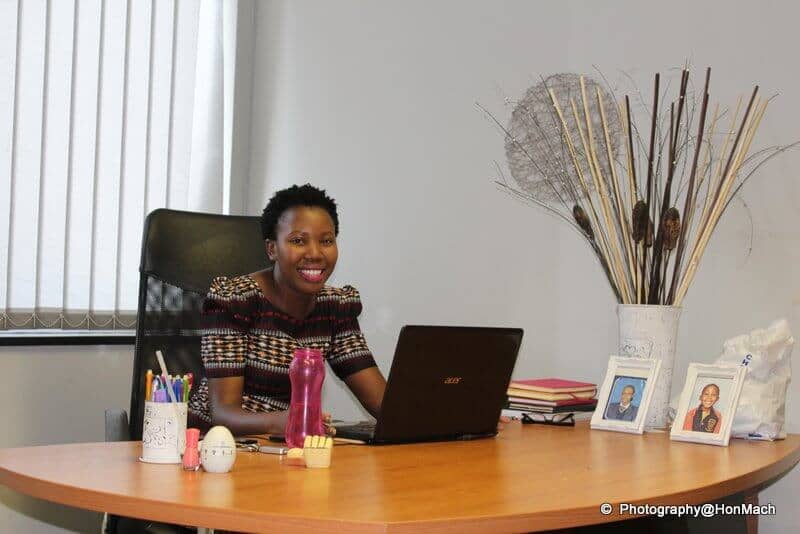
South African journalist Tshepy Matloga started making frequent visits to Malawi in 2014 when she noticed the lack of business magazines with Malawian content. Tshepy jumped at the chance to address this gap by launching Inde, a business and lifestyle magazine aimed at Malawian women. Here, Tshepy shares tips on setting up shop in another African country and speaks on being voted a top South African inspirational youth. You’re South African, why did you decide to start a publication in Malawi? More than a year ago I became a frequent visitor in Malawi. I was charmed by how serene and peaceful the country is compared to the hustle and bustle of South Africa. As a journalist by profession myself, some of the things I collect are magazines and it baffled me that I could not find a single publication that was about women and the business landscape in Malawi. Yes, there are so many publications in Malawian shops but they are all South African publications coming here packaged with South African content. I also met my partner here who happened to be in the media too. When I ran the idea past him, we both decided to bring to life Inde magazine in March 2016. “Inde” is a Chewa word meaning “yes”, Inde Magazine is Malawi’s only business and lifestyle magazine. What is the business climate/culture like in Malawi and how is it different compared to South Africa? The business landscape in Malawi is extremely different than the one in South Africa. I am used to a fast paced business environment and I have found Malawians to be very relaxed, there’s no hurry here whereas in South Africa time is money. With that said, I think my biggest challenge was having to slow down my normal work pace so that I didn’t become too overwhelming. I however like the Malawian walk-in policy, you can just rock up at a company with no appointment and request for a meeting and if the person is available they will make time to hear you out. That part has made things easier for me because I came here with no business contacts. What tools do you use to extend the reach of Inde magazine? Social media has been very helpful in this regard. Then, Malawians are generally friendly people and it being a small community, word of mouth also goes a long way. I have also been trying to partner with local events so that the brand is exposed even more What other projects do you engage in outside Inde? My public relations firm, Chronicles Media Group is present in both South Africa and Malawi. Outside Inde, Chronicles Media group also offers PR services such as corporate communications, social media management, brand management and events. Besides PR and the magazine, I blog for a South African organization called Leadership2020 where I write about my life journey, from growing up in the village of Botlokwa in the northern part of South Africa to running my own company. You recently made Youth Village’s list of the top most inspirational youth in South Africa, how does that feel? Recognition is the best motivator. To be young and know that in the few years that you have been on this earth you have impacted lives is a sign that you are going into the right direction. Everyone who knows me well knows that I have struggled to get to where I am today. From Botlokwa, packing my bags and going to university even though I knew very well my mother could not afford the fee; to struggling to find employment, and when I eventually did find one I did not like it; to starting my business with a few thousands I have saved from freelancing jobs. I have to admit it was a curvy road. So with that said, it is things like such recognition that remind me that the journey was and is worth it. What advice will you give to young African women looking to start a business in another African country? I’d say the beauty of venturing into another country is that you are new there so it makes it easier for you to identify gaps and thus fill them up. Africans are generally friendly people therefore making it easier for a new person to just get lost into the communities and be part of them. But, I have to say markets are not the same. In another country you might find yourself having to adjust your prices and make them lower to make your services/products affordable to the locals. If you’d like to share your story with She Leads Africa, let us know more about you and your story here.
Ogechi Okelu: Making traditional Nigerian snacks sexy
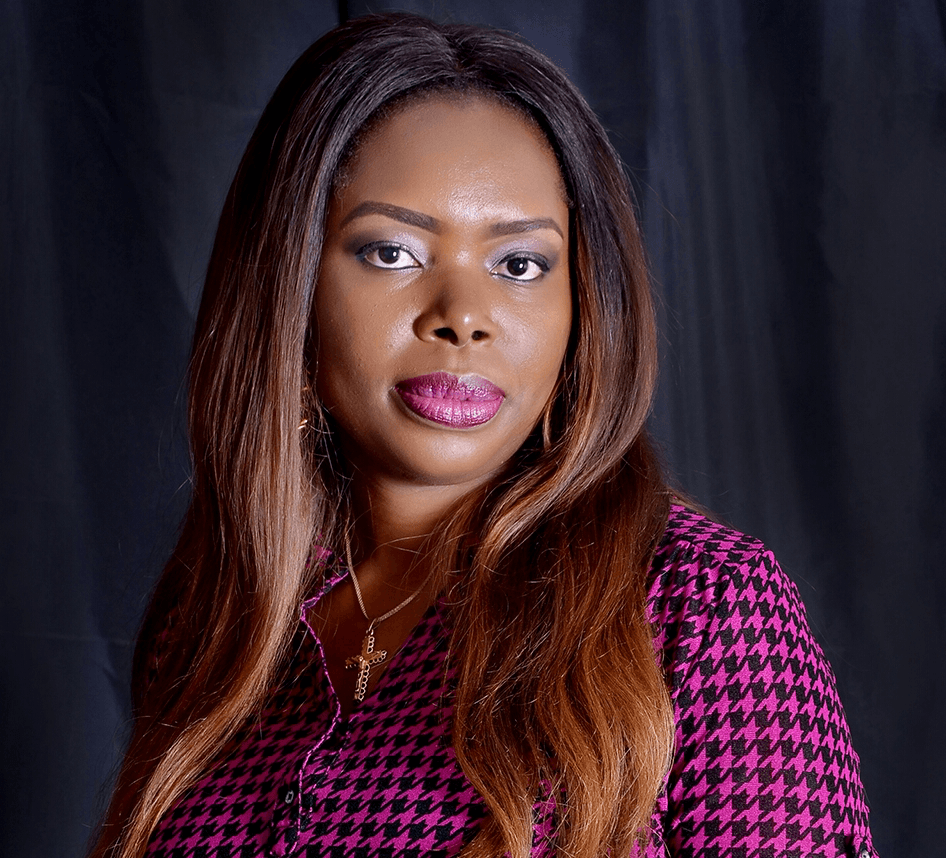
Ogechi Okelu’s love for food creativity led her from a career as a pharmacist to a desire to recreate indigenous Nigerian snacks. Many Nigerians grew up eating snacks which were only largely available in rural areas but Ogechi is repackaging local snacks in healthy and hygienic ways through her small scale food factory to help reach more people. She shared her thoughts with SLA on where traditional foods fit in with weight loss and on her journey so far. Why start a business with indigenous snacks? Nigeria has a wide variety of healthy and creative snacks and meals. These have been lost over time and are not in high demand among the urban and elite groups. This is mainly because of the preparation process and packaging but also due to Westernisation. I’m working on recreating some of these snacks in a healthier and more appealing way for the world to enjoy. Tell us a bit about Kozee My brand has been registered as a trademark and it’s called Kozee. My first product is my brand of kulikuli. Kulikuli is an indigenous snack made from groundnut paste that is quite popular in the northern part of Nigeria. I grew up eating this lovely snack. It is really versatile and can be eaten alone or in combination with other meals. Typically, people eat it broken into soaked garri but modern foodies use kulikuli as salad or parfait toppings, blended into smoothies and also to spice roasted beef or chicken. I am currently at the last stage of registration with NAFDAC, the Nigerian body that is responsible for the registration and quality control of food, drugs and cosmetics in Nigeria. They ensure that standard quality is maintained at all times and that standard operating procedures are adhered to by carrying out site inspections at factories and also running quality control tests on products at their labs. Where do indigenous and traditional foods fit in weight loss and healthy living? The main challenge with weight loss is portion control. We have a wide variety of traditional foods that are rich in fibre and minerals and are not over processed. A lot of our local foods however, have not been scientifically analysed, so we can’t be certain as to how many calories they contain or their nutritional value. This drives a lot of people who are particular about weight loss and healthy living to buy the imported products that have clear nutritional facts written on them. Researching on and repackaging our traditional foods will encourage more people to patronise Nigerian products and therefore boost the economy. How has your background as a pharmacist helped your hustle? As a pharmacist, I have learnt a lot about the importance of quality control and microbial contamination and this has helped me set high standards for myself, my factory and my product. Kulikuli has been made for centuries in the rural areas by hard working women who use a lot of manual processes from start to finish. This makes it difficult to produce large quantities of kulikuli in a healthy and hygienic way. I have been able to substitute a large part of the manual process using food grade machinery. I am also a pharmaceutical sales person, this has taught me a lot about sales, marketing and running a business. Where do you see Kozee in the next year? I currently deliver only in Abuja but am in talks to supply other major cities in Nigeria. I want my products to be available for purchase across Nigeria and hopefully abroad in the nearest future. What is your passion and how do you sustain it? I am a foodie who is also very passionate about healthy living. My passion for healthy food keeps me focused on coming up with creative ideas that I believe can help redefine our traditional and indigenous foods. If you’d like to share your story with She Leads Africa, let us know more about you and your story here.