
5 unsexy business ideas to get you started

Quirky title, hey? You see, when many of us ladies venture into business, we often look for the cleanest, neatest and safest sort of ideas. However, on the flip side, the dirty, messy, riskier ventures have a tale of profit to tell. Consider some of the ones below. Farming Many young people are dropping suits and ties for muddy boots. Guess what, turns out farming is feeding the nation while raking in returns. You can consider mass farming of basic food like onions, tomatoes, fruits. You can also venture into unique vegetables especially with the current eating-healthy movement. If those options don’t rock your boat, consider growing fruit and flowers to export to Europe. A business that provides basic needs, that is food, shelter, clothing has a higher retention rate in the market. You can lease land next to a good source of water, hire a few hands to help and get a truck to take the produce to the market. Better still, you can make friends with a broker who would charge reasonable rates. Just as with all businesses, ensure the market is ready for you. Do your homework and talk to a few farmers to get a sense of the industry. Interesting enough, ventures such as pig farming, snail farming, and even maggot rearing have found their place. Definitely not an idea you probably had but for the record, it’s working. Here’s more proof that farming is the new cool. Running a school This is another brilliant idea that works due to the rising population. There’s already a gap, just bridge it. It could be in extra curriculum activities or mode of delivery. You could start off with a day care or kindergarten program and keep working on the next grades/classes as you go along. Most schools started off like this. Worth noting though, is that the running expenses of a school are high, especially once it grows full-blown. Whether with the little ones in nursery school, pre-teens or teens, some chaos is bound to happen. Also, be ready to deal with the parents. Still, the returns are good and with consistency, it’s worth a try. Recycling/waste management Most countries in Africa seem to have a garbage collection problem. Of course, except Rwanda (we’ve got a national cleaning day, so don’t crucify me yet!), Johannesburg and Mauritius. Generally, waste isn’t managed properly and the rising population in major cities can attest to this. This thought lends itself as a business opportunity for an entrepreneur thinking of a practical and profitable solution. When it comes to business, other than maximizing profit, solving a need creates further sustainability and passion for the business. If you are sick of all the littering and dirty neighbourhoods, then piece that plan together. Plus, you don’t need to roll out in the city only. Consider smaller towns with bustling activity. You may need to talk to local authorities such as city or town councils, negotiate landfill rates and invest in trucks, rolling carts, incinerators and casual labour. One word of caution though, a research on existing cartels involved in this job is advisable. This will give you an edge and help you avoid being maliciously ousted from the business. Manufacturing or importing human hair wigs and extensions Everyone I know who ventured into this business with a passion is smiling at the profits. You just need to identify the source of the hair, which could be India or China. For the record, Brazilian or Peruvian hair is just branded as such but most of it is from China. Read more about this here. There are several varieties but once you find a reliable source, especially a manufacturer with ready-made hair, all you’ll need is some branding. You can actually do this locally and place your product in the market. Engage in some rigorous advertising online, in beauty shops or salons and there goes another (hairy) business idea! Running a funeral home I’m not going to risk sounding morbid, so this point is going to be brief. This may not need much explanation. With life, comes the inevitable end. You’ll definitely need to be tough to do this as you’ll have to deal with emotional families and friends still coming to terms with the death of a loved one. Undoubtedly, you’ll need ample space to accommodate an embalming room disconnected from the main home. You’ll also need a storage room for client files, a meeting room and possibly a room displaying options of caskets. You’ll need qualified professionals, dressing tables and materials and recommended chemicals, powders, and creams to preserve the body. It is estimated that one can break even in two years in this kind of business.
Oby Igodan: I’m teased for all the business ideas I come up with
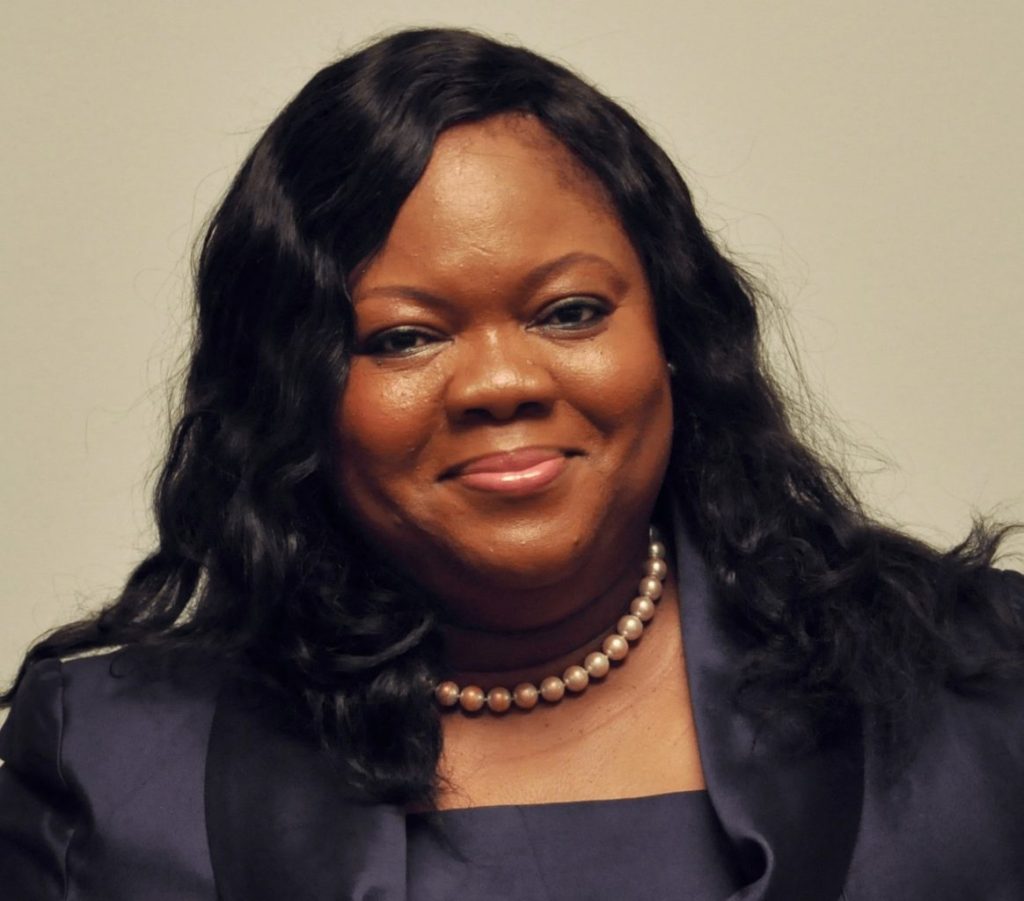
If you’re a #MotherlandMogul and a mom, you know the struggle of finding the right kind of daycare facility for your young kids while you hustle. For Oby Igodan, what disturbed her was that the facilities she came across did not feel like home. Running a daycare can be a profitable business but as a mom, your child’s development is of utmost importance. Looking to start a crèche and daycare that’s a home away from home, Oby launched Home Also Crèche & Daycare. She runs this while also working as a Managing Partner at VIL Consulting. As the children in her crèche grow, she is looking at expanding into a preschool to cater to our older kids who love it at the crèche. Oby spoke to us on the challenges, joys, and satisfaction of providing children with a secure and stimulating experience in a comfortable and relaxed setting. Why start a crèche? While raising my own children as a career woman, I realized something interesting. The facilities I took them to in their early years didn’t really provide the feel of a home environment or afford them the gradual transitioning into the academic arena. A lot of those outfits were run purely for business with little or no consideration for the unique developmental needs of each child. I set up Home Also to identify every child’s uniqueness and help foster proper development. What challenges did you face starting your business and how have you overcome them? Majorly, it took some convincing to get my family to surrender the living room space. In fact, I wanted the entire ground floor of our home to run the crèche. It sounded ludicrous. With persuasion and the knowledge that this was my dream upon retirement, they agreed to let me use the space. Secondly, finding the right staff that has been difficult. My staff has to be well-trained to offer young children —from 12 weeks to 3 years— a fun and educational experience. And of course, there was raising the required capital to start paying staff without having a single child enrolled. Then, paying for staff training while anticipating that it would translate to enrollment. I will say that God has been gracious to me and I give Him all the credit for helping me overcome these challenges. Has it been any difficult working with other people’s children? Actually, it’s been really rewarding and thrilling to have these little angels kept in our care. We feel that their parents trust us and we must guard that trust jealously. We’re grateful that they trust us enough to leave us their babies at such tender ages. Some are as young as 3 months. It’s a vote of confidence that we uphold. From your experience, what does one need to have covered to open a crèche in Nigeria? First, ensure you have the passion and the required aptitude for the business. Then, good, knowledgeable and experienced staff. A safe, secure and hygienic environment is also very important. Be sure to meet the requirements of regulatory bodies. And of course, there’s the all-important start-up capital. What keeps you inspired in hard times? My life has been dotted with ups and downs. Through it all, God has helped me. The knowledge that I have a father who loves me gives me inner strength to weather storms. His mercy and grace have brought me this far and will see me through the years ahead. When it looks like there is no way out, the voice inside will read out relevant scriptures to give me confidence and hope. That’s just it. On occasion, I’m inspired by stories of people I admire. People like Joyce Meyer, Stormie Omartian, and Oprah Winfrey. If you weren’t running a crèche, what would you be doing? If I wasn’t running a crèche, I would be working full-time running a consulting firm. This is something I am engaged in at the moment, but on a part-time basis. It’s called VIL Consulting and it’s a homegrown management consulting firm set up by a team of experienced professionals. We have the best from businesses and institutions who help to provide expert advice and assistance to clients. I participate as a managing partner, providing the required strategic direction for my partners. My daughters always tease me about all the business ideas I constantly go on about. So, if I didn’t have my hands full with two start-ups at the moment, I’d be working on starting another. You see, I need to prove to them that mummy’s not all talk! If you’d like to share your story with She Leads Africa, let us know more about you and your story here.
5 business lessons we can learn from Gabrielle Godwin
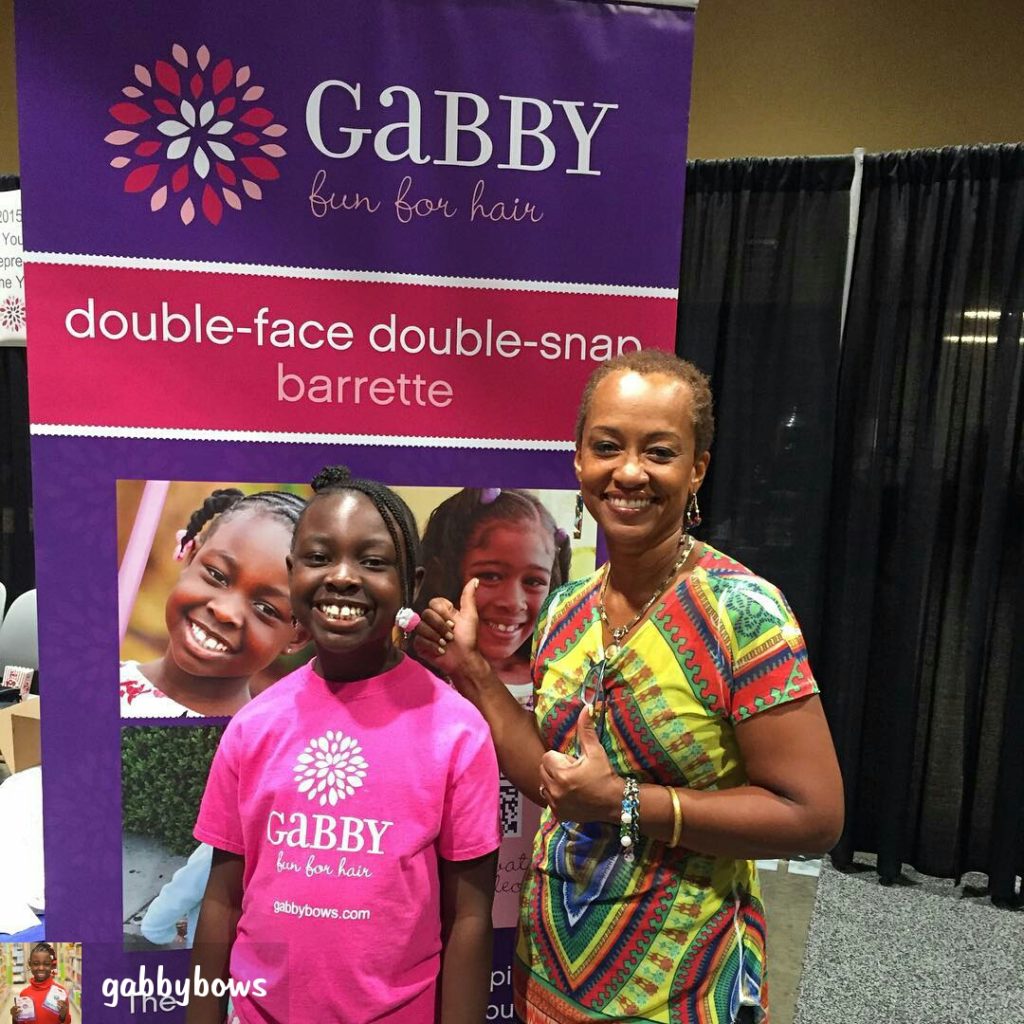
Gabrielle Godwin is the 9 year old CEO and president of Gabby Bows. She also hosts “Gabby Play Dates” for young girls in shelters where she teaches them about entrepreneurship. Imagine that! I know most of us weren’t thinking about entrepreneurship when we were in primary school. Gabrielle is in the fourth grade and recently raised $28,000 to fund her accessories business. I say she has quite a few things to teach us, like… 1. Age is only a number Gabrielle started the hair accessories business at the tender age of 7 with her mother. Having always had trouble finding hair accessories that would work for natural hair, she came up with the idea of “Gabby’s double-face double-snap barrette”. Most entrepreneurs use age as an excuse, claiming that it hinders them from making the necessary moves. Think of Gabrielle next time you think you’re too old or too young to get started in business. You’re not. 2. Crowd funding The need for better designed barrettes with wide colour ranges, as well as more products to meet rising demands, prompted Gabrielle to use crowd funding. The young business woman received support from numerous backers and raised $28,000 using Kickstarter. Her business idea raised a lot of interested backers who were ready to fund the project, not just based on her age but also on the viability of the business. 3. Identify a need Gabrielle’s own personal experience with the inadequacy of the available accessories for natural hair led her to think up a design the will solve the problem. Statistics show the the feedback on the product —which provides services in over 48 states in the U.S. and 8 countries worldwide— are encouraging. Gabrielle tapped into this gap and made some serious business out of it. With the rising awareness of natural hair, more families are on the look out for products designed specifically to suit our hair. 4. The importance of support Gabrielle constantly gushes over the support she receives from her family and others. This has enabled her to grow her business. She has indicated that the fact that her family believe in her business going to the next level has been very encouraging. The need for a strong support team cannot be overemphasised in business. Family members, friends and peers make for a good support. 5. Giving back Heard of writing personal thank you notes to clients? This helps to keep the clients happy and make them feel special. It’s also one way of giving back to the people who have helped your business. Gabby gives back to the community by teaching young girls in shelters about entrepreneurship. She encourages them on starting easy by using herself as an example. Since launching her business, Gabrielle has had the opportunity to speak at business events and was awarded the South Carolina Young Entrepreneur award in 2015. It is really never too early to start!
Nse Ikpe-Etime: 5 things to learn from the actress’ beauty startup

Last month, award-winning Nollywood actress, Nse Ikpe-Etim started her own beauty line, Eden’s Theory. She liaised with a UK-based company to launch a homemade beauty product line and founded it with Victoria Thomas, an award-winning filmmaker. Nse is following the footsteps of several other famous actresses and singers who’ve made the move into the beauty industry, including Queen Bey herself. Now, you may be asking, why is Nse or all other enterprising celebrities taking this leap? Here are a few things to learn from her wise business venture. Play on your strengths Being an actress, Nse is automatically in the beauty industry. Her celebrity status thrusts her with responsibility and women on the continent look up to her. Photo shoots, films, award ceremonies, you name it, she’s probably been to dozens of these and for each event, she has to step out looking her best. The beauty industry was a shoo-in for her in this sense. She’s already probably used several products to maintain her glamorous appearance and therefore understands what works and what doesn’t. In an interview, she said: “People always ask about my skin and hair. Many of them assume that I use very expensive products, but I have actually always used natural oils and butters. With Eden’s Theory, you get to retain the best bits of African butters while oozing some of your personality into a product of your choice.” She already knew she had a ready market waiting and so she took the bull by the horn. It’s best to venture into areas where we have some experience. Sure, challenging yourself is fine, but, especially in business, it’s best to get into an area where you have experience and passion. Don’t be a one-trick pony By venturing into this business, Nse is distinguishing herself as a #MotherlandMogul who can do more than just act. This is a bonus as it sets her a bar above her current occupation. In this century, career and occupation are not set in stone. What Nse is showing us is that you can follow several passions —all at once. She also has a family, so #MotherlandMoguls that’s clearly not a reason for us not to pursue our dreams anymore. Business is for everyone I think most of us grew up with the notion that certain people were made for certain things. Not being ‘good in math’ is hogwash. Business is something that everyone can succeed in, as long as you venture into an area you have a passion for. As an actress, Nse did not limit herself to the entertainment world. In fact, she leveraged her popularity to get press coverage for the launch and to advertise her products. Beauty and brains are virtues we can all have. They are not mutually exclusive concepts. And in the business world, what will ensure your success is not whether or not you remember what logarithm is. It’s whether you are willing to put in the effort, blood and sweat to see your venture grow. Your past builds you Before becoming an actress, Nse was in the broadcasting, banking and retailing industries. She took some time to find her niche as an actress. Evidently, this has proven to be an advantage for her. Her experience in broadcasting has given her some needed PR knowledge to showcase her product to her audience in the best way possible. Her stint in retailing gave her some business know-how on business. I guess that’s not something she learnt as a Theatre Arts student at the University of Calabar. Whatever your side hustle or full-time job, as you climb the ladder to self-discovery, never dismiss the process. It may very well be what defines you in the future. Your friends are your greatest strength Nse co-founded her beauty line with a friend, Victoria Thomas, a successful filmmaker in her own right. These ties were probably made in their mutual stake holdings in the film industry. This goes to show that as #MotherlandMoguls, we really ought to pull each other up. Partnering in business is a very good way of doing. Different personalities tend to bring in different strengths into the overall success of a business. As you contemplate that business idea and start work on your business plan, keep these lessons from Nse in mind. They might give you more ideas on how to become that big shot CEO of a business empire.
It’s time to stop comparing, ladies
She has so many likes on Facebook/Instagram… We started this job together but she has left me behind… O my God, did you see her wardrobe… Everyone likes her, she is the life of the party… She had a BellaNaija wedding, how will mine be… The boss just praised her work again… The cute guy I like has eyes for only her… Just wait a second! Why don’t you stop comparing, you have no idea of the back story. Comparison may be human nature but we have to decide on whether it’s to be positive or negative. Positive comparison motivates us as well as our object of comparison to do well. Negative comparison, on the other hand, tries to hinge our happiness or progress on the object of our comparison. This is absolutely dangerous and could affect our performance in everyday life. Did you know people only show what they want you to see? No one uploads selfies that don’t flatter them. Why should you then get depressed because Bola is on vacation in Dubai? Why should you lose your appetite because Sefi got 500 likes and 30 shares on Facebook? Why should you feel like a loser because Joyce started a business and you are tied up in a job you hate? Why should you compare your behind-the-scenes with someone else’s highlights? Thomas J. DeLong, a professor at Harvard Business School, noted a disturbing trend among his students and colleagues —a “comparison obsession.” He writes, “more so than ever before…business executives, Wall Street analysts, lawyers, doctors, and other professionals are obsessed with comparing their own achievements against those of others…This is bad for individuals and bad for companies. When you define success based on external rather than internal criteria, you diminish your satisfaction and commitment.” So what can we do to stop this ugly trend? Change the object of comparison Start comparing yourself to yourself. Oh yes! Measure your today against your yesterday and your plan for your tomorrow. Did I just lose you? Hopefully not. After measuring, if you do not like what you see then you know you need to get to work. One step at a time. However, if you do like what you see, keep on your grind as you are well on your way to greatness. Understand we have different callings Your calling might be teaching and another person, acting. It is highly unfair to compare your teaching experiences and perks with that attached to acting. Doing this would only steal your joy and halt your progress. Come on, we don’t want you unnecessarily depressed. Instead, use your time to engage in rewarding activities to boost your chosen career path. Celebrate your accomplishments You are unique and have a lot to offer your environment. Focus on that and celebrate how far you’ve come. Be genuinely happy for others and appreciate your own milestones. Gratitude for where you are on your journey would take you further. Dear Motherland Moguls, instead of unhealthy competitions, let’s begin to empower one another. Starting today, redirect your thoughts and keep your eyes only on your path.
4 genius business tricks to steal from Genevieve Nnaji

It’s obvious to every Nigerian it-girl and our African sisters that ignoring Genevieve Nnaji’s pristine and effortless beauty is a bad idea. This is regardless of whether or not you watch her movies! Luckily, there’s a lot to learn from her streamlined, hyper-organized disposition. Even if we never completely get it, as we’re mere mortals. Have fancy dinners with a view Yes, you heard right. Head to some trendy island, club or restaurant for dinner. It should have an amazing view and probably stocked with successful, inspiring, rich and maybe good-looking people too. The food might be a little pricey, but it’s the connections you’re paying for. It’s called networking, girl! Somehow, these celebrities seem immune to the business problems that the rest of us mortals are afflicted with. From me to you, there’s a shameless networking routine that they follow. Don’t head on starting that business without connecting with the people who are going to be instrumental to your success. Take it all off… the make-up I mean This is debatable, but it feels even better to take the make-up all off sometimes. This is especially useful when the Nigerian heat perpetually threatens to melt it all off anyway. Genevieve gives us the no-makeup look often enough to keep us envious and wanting for more. Being a celebrity or even the owner of that unique start-up may be a good reason to have flapping eyelashes, gold-toned smoky eyes, and perfectly done nails… you know for the optics. But how about you shake things up a bit and get us all confused by actually getting down to work? Like, if you’re not doing anything lucrative besides getting your face done, what are you even doing? Be authentic. It’s all that matters. I am really eager to know the stories behind movies with impossible titles —who decided that “Blackberry Babes” was a good name for a movie? Okay, my argument is —why spend much money scouring for classics when you can watch an affordable ‘sub-standard’ movie? Here’s the thing, as an aspiring or already established business woman, you’ve got to be authentic, otherwise, you’ll ruin your own magic in no time. You’ve got no business copying every new or trending business idea. Be real, girl! Be unique! Talk less, unless of course, you’re telling us about what you do Traumatic consequences aside, being a little secretive is a necessity . Especially, if you’re involved in ventures that don’t feature story-telling as a requirement for practical reasons (like being an OAP or writer). If your business is not one of those, the least you can do is choose to give us short, simple, or playful dozes of your life every other time, just to add a little charm to your image. Minimize that icky feeling that comes with people knowing too much, too often about your business. In summary, all you need is to devote yourself to learning/mastering your craft, tirelessly networking, being authentic and a little tight-lipped when necessary. It’s pretty simple and practical.
Lessons from the demolition of small businesses in Lagos: Three steps to protect your small business

Last week, we woke up to the news that Nuli Juice Company, Nuts About Cakes, The Drug Store —all small businesses in the upscale Ikoyi area of Lagos— were on the verge of being demolished. The Drug Store had only opened for business a week earlier and Nuli Juice opened six weeks earlier. The owner of Nuli Juice only became aware of the demolition when the bulldozer showed up ready to reinstate her shop to what was once her imagination —she did not receive any prior notice. She was shocked, as like most savvy entrepreneurs, she had obtained all relevant permits, licenses, paid her taxes, etc. In the midst of the chaos, she found out that the demolition was as a result of the landlord’s failure to pay N40 million in permit fees. The landlord was given prior notice before her lease term commenced. Within a few hours, the only evidence of the stores was rubble. Unfortunately, Nuli Juice, Nuts About Cakes and The Drug Store represent a few of the many businesses that experience this issue on a yearly basis. Given the recent trends, it is evident that applying for a business permit, registering the business and registering with the tax authorities are not sufficient to safeguard businesses. Business owners must take additional precautionary steps to further protect their businesses from unexpected disruption or in this instance, demolition. Below are a few additional precautionary tips. 1. Dig deeper Treat your store lease like you would treat the purchase of new land. Before signing a lease, conduct a thorough search on your potential landowner, the land, and the building. Tips: Not every alleged landowner is indeed the true landowner. Ask people in the neighborhood about who owns the building. Investigate to make sure that the alleged landowner indeed owns the building. Ask about the landowner’s reputation. Has the landowner had any brushes with the law (personal or otherwise)? If the landowner has a multitude of legal cases (personal or otherwise), it may not be wise to lease from him or her as the building might become subjected to legal processes. Ask whether the property has been subjected to any extraordinary visits from government officials. Such regular visits could be a sign of disaster waiting to strike. Confirm from the landowner that all relevant permits have been obtained. Thereafter, negotiate his or her assertion into the warranty section of the lease agreement. Do the same for licenses, permit fees, etc. If the store has been recently renovated, ask the landowner to confirm, in the lease, that all renovations are in compliance with all relevant laws. Ensure that there is a valid certificate of occupancy for the building. Check with your local government officials to make sure that the neighbourhood has indeed been marked for business purposes and not strictly residential purposes. Your business will most likely be kicked out of the neighborhood if the area is strictly a residential area. 2. Negotiate Many small business owners ignore the importance of negotiating the content of their lease agreements. Despite the fact that as a small business you may not have much bargaining power, you still owe it to your business to take all necessary steps to protect your investment. So, before you sign the dotted lines, negotiate! Tips: Include a clause in the lease agreement that covers you in the event that your store is destroyed or damaged as a result of the landowner’s act or failure to act. Such provision will allow you to seek damages (i.e. seek payment for losses) from the landowner in the event that something the landowner did or failed to do caused disruption to your business. Most business owners assume that the landowner pays for repairs and often skim through the repairs provision of the lease. Please do not be one of those. Do not assume. Ask! If the lease contains a provision that requires you to pay for repairs, try to negotiate an exemption for normal wear and tear of the premises. Under such arrangement, the landowner will cover repairs for damages that are not caused by you. Also, pay close attention and negotiate who will be responsible for big-ticket items such as plumbing, roof leaks, air conditioners, etc. Review your lease agreement to make sure that it includes a clause that states that the landowner does not owe any duty to any other persons or third parties (e.g. taxes, liens, restrictions). That way, you will be protected contractually should there be any third party interference on the property. 3. Ensure your business is covered Many small business owners underestimate the importance of business insurance. Business owners should ensure that their businesses or their buildings are covered by insurance. Such coverage will minimize the impact of a disaster to the business cash-flow. Tips: Consider obtaining business insurance that covers material damage to your business premises and their contents. This should cover malicious damage, strike, riot, flood, storm, burglary, and litigation. Alternatively, consider requesting that your landowner purchase a building insurance that will cover your business in the event of a business disruption (such as a fire incident, obviously, not a fire you deliberately caused). Such insurance policy should be able to provide an alternative store location in the event that your current store is inhabitable. This process might seem daunting. However, as the saying goes, “its better to be safe than sorry.” These steps, though not exhaustive, can add an additional layer of protection from undue external business disruptions. If you would like insights on a particular topic, write to us! We are listening.
What Jhene Aiko showed us about divorce in Nigeria

Remember the not-so-shocking end of Jhene Aiko’s marriage to her Nigerian husband, DotdaGenius? It really brought to the forefront how most Nigerians view divorce. The lessons to learn from this bitter and public divorce are numerous. Let’s look at what not to do when a relationship goes sour. Don’t ever feel the need to air your dirty laundry in public For absurd reasons like getting “support”, even if it’s from outsiders, people tend to share more than they should. Jhene Aiko sort of did this on social media after the divorce news broke. Rather than do this, how about settling the rift(s) with the other party without the prying eyes of people who may not really care? Especially as we all agree that there’s some sanctity to marriage. Your value kind of diminishes when you give third parties undue vested interests in your business. Infidelity Being in an unhappy marriage is better imagined, especially when a partner is cheating. But cheating to get back at the spouse is never the best solution to an already terrible situation. Playing the two-can-play-the-game revenge tactic is never the way to go. Rather than cheat, please girl, opt out! Fear Nigerian women have this inexplicable fear of divorce. This may have been fueled by the myth that kids from “broken homes” don’t make good homes themselves. Unfortunately, there is still a never-ending stigma associated with divorce. Nigerians have a way of labeling divorcees (especially women) as rude and not submissive. It’s always the woman’s fault. Making women feel this way because a marriage didn’t work, has made a lot of women stay in unhappy relationships “for the kids”. No one wants to be stereotyped unfairly. Starting over Marriage offers some form of validation for women in Nigeria, and maybe even other parts of Africa. It is believed that irrespective of what a woman achieves, she is nothing without a man. Owing to these beliefs, even otherwise strong women would rather stay in a loveless marriage while enduring being treated badly or even cheated on. In conclusion, Nigerian women need to realise that a divorce can never be the end of one’s life. Everyone is entitled to a new beginning and even after a divorce, there’s still hope. There you have it, ladies, it’s time to have a fresh outlook on love and relationships, and marriage.
The Empretec program is in Kenya. Here’s what you need to know

By now, it is no secret that the prestigious program, Empretec is now in Kenya. This came about after an intense week of the United Nations Conference on Trade and Development (UNCTAD) in Nairobi last month. After the formalities, it was announced that the Kenyan National Chamber of Commerce and Industry would be partnering with UNCTAD on this program. Mary Muthoni is the chairperson of the Women In Business committee at the Kenya National Chamber of Commerce. Empretec will mean a lot to Kenyan women as they get to benefit from the perks that come with being a part of the program. Some of these benefits are already being enjoyed by women in other African countries, like Zimbabwe. This will bring many benefits too Kenyan Motherland Moguls and we share some of them below. Capacity building Empretec offers a rich training program with a pool of 64 international trainers and 160 trained local trainers. These trainers are all about impacting personal development and business skills to participants who include women from the formal, informal and the employment sectors. Their curriculum is also tailored to international standards. Creating of life bonds amongst Empretec trainees Once a part of Empretec, you’re in it for life. The program follows up on its participants even after training as part of a lifelong relationship. Empretec sponsors follow up to see how the lessons learnt impacts the businesses of participants. It gets even better because you can always find a shoulder to lean on in the Empretec family. Networking and mentorship Ladies love conversations and it’s never a dull moment you can open up and create bonds. Empretec takes in women of all ages and orientation. So hanging out with other women in the program will always mean something new will be learnt. Also, Empretec has trained a large pool of women over the years since its establishment in 1988. Empretec’s presence in 37 countries means that when you join this community, you get to build a network with women from not only your home country. You’re part of a network of women from the rest of the thirty-six countries including Ethiopia, Ghana, Jordan, Botswana, Argentina, and Algeria. Smart girls know that their network is their net worth. Here you’ll need to be ready to establish contact with people from all walks of life. Be it the Motherland Moguls who have already established their businesses and are looking to offer seed funding for great business ideas or intelligent young women with brilliant ideas and that are looking for persons with expertise to partner with. Empretec is a well that keeps giving but never runs dry. Here, you get everything you need and all that’s required of you is to make it work. You’ll get to see that women from various developing countries face the same difficulties as you. And that the only way to emancipation is in finding long-term solutions for entrepreneurs. Locally certified trainers The availability of local trainers certified by the UN body means that members have access to the very best. With Empretec, you can have access to trainers with the know-how to get you through business challenges. This will help you confidently experiment with new ways of doing business . Obviously, the business field can be tricky, filled with uncertainties and other stress. You will need to have your hand held by the right people to navigate through these scenes and come out successful. Identifies and enhances personal opportunities Empretec’s training is personalized and depends on what stage you’re at in the business world. There will be people looking to venture into business for the first time and those with great business ideas needing guidance on breaking even. In addition, there are others already in the business scene and seeking to expand their visibility. Empretec will be a great space for Kenyan women to get answers and to learn how they can use their talent to make money . Eradication of poverty and social problems. Empretec encourages women to be social entrepreneurs. This means establishing businesses that seek to solve social, cultural and environmental problems. The purpose of these businesses is not just to make money but to also leave a positive mark on the society. Empretec encourages entrepreneurs to work towards achieving sustainable development goals even as they make their money. Awards and recognition Empretec honors her alumni at the Women in Business Awards. A Vietnamese lady, Tran Thi Viet won gold at this year’s awards for her company, Viet Trang Handicraft. Her company makes basket-woven goods from banana leaves, water hyacinth, corn leaves and bamboo. The company had a humble beginning but now exports goods worth $1000 million to the European Union. Viet Trang Handicraft went on to create employment for 250 weavers. This is the spirit of Empretec, to solve societal problems in our countries and at the same time make money for the entrepreneur. In summary, Empretec is the place to be for any woman seeking to make it in the business arena. The opportunities here are immense and ladies up for first dibs will definitely have more than enough to carry home. With all this said, it’s time for Motherland Moguls in Kenya to grab this opportunity!
Andrena Sawyer: Flexibility is key to increasing your business lifespan

Start-ups sometimes need miracles to survive. Luckily there are superheroes who rise up to the challenge. Take Andrena Sawyer for example, she runs P.E.R.K. consulting an advisory firm that provides quality and affordable services for small to mid-sized nonprofits and businesses. Andrena is so effective at ensuring SMEs survive that in 2015, P.E.R.K. consulting, placed 1st in the AccelerateUp Business Growth Competition presented by the Maryland Small Business Development Center and Capital One Bank. This basically means that P.E.R.K consulting can serve as great model to new startups. When Andrena offered to share her story with SLA, we jumped at the opportunity. Get ready for actionable advice on overcoming funding challenges, lengthening your organisation’s lifespan and increasing revenue. Firstly how can SMEs overcome the juggernaut that is funding? Importantly, SMEs need to create effective business models that include strategies for cash flow management if they’re to navigate funding challenges. Cash flow challenges are inevitable for most start-ups, and many wait until a seeming crisis to develop a management plan. Creating a strategy before the need arises is essential for survival. In addition, it is important that SMEs have a compelling value proposition. As a Small Business Consultant, I meet passionate entrepreneurs with brilliant ideas, but the value ends at their passion. To survive the initial start-up years, the problem that a business solves should be clear to customers, investors, and partners. I firmly believe that the more informed stakeholders are, the more engaged they will be. How can organizations lengthen their lifespan? Simply, flexibility and innovation are the keys to organizations lengthening their lifespan. With the advent and increased use of social media, industries and consumers are rapidly changing. It has become more important now that founders remain flexible and informed of how their customers’ needs are changing. The focus should be on creating a culture where change is encouraged. Doing this can take an organization from a reactive to a proactive stance in marketing, capacity building, and revenue generation. How did you manage to increase P.E.R.K.’s revenue by 72.3% in one year? Primarily, the reason for the increase in revenue is that we identified our niche. When P.E.R.K. launched in 2013, I envisioned being all things to all clients. I desperately wanted my passion for community development to translate quickly to meet the needs of anyone that was interested. The challenge was that our customers were confused about our expertise, experience, and scope of work. Also, in our second year of operations, we started to refine our offerings to three key services. They include entity formation, business development, and capacity building support. This created a more targeted marketing approach, which allowed us to focus our efforts and ultimately bolster our credibility. Understanding our market also allowed us to conduct more accurate research. This helped to set competitive rates and create strategic partnerships with other key players in our industry. What advice will you give other startups looking to use P.E.R.K. as a model? There are two things I would say to startups looking to use us as a model: Be persistent. As cliché as it sounds, do not give up. Entrepreneurship can be extremely stressful, and founders may find that they initially encounter a lot of rejection. My advice is to do your due diligence by ensuring the idea is viable. Get the support of trusted mentors and advisors, and push through the challenges. Be creative. I once read that the average millionaire has about seven streams of income. There is a lesson to be learned there. If those who are thriving financially are always looking for ways to earn more, I believe that businesses can thrive in much the same way. For example, P.E.R.K. primarily provides consulting services. However, there are several other ways that we generate revenue including trainings and seminars, publications, and referrals through partnerships. As long as it is consistent with the business’ value proposition, there is no limit to how creative founders can get in generating revenue or reaching their audience. As a Sierra Leonean, are you engaged in any initiatives back home? Interestingly, even though I am not directly engaged in any initiatives in Sierra Leone, P.E.R.K. maintains a partnership with several organizations. These organizations help to mobilize young Sierra Leonean professionals in the United States and within the diaspora. In 2013, we helped launch the Sierra Leonean Empowerment Network. The network has since grown to include thousands of young professionals, many of whom are now working in Sierra Leone. Who will you say is the greatest African woman to have ever lived? Fortunately, there have been many great African women who have impacted the continent and the world. Women like Nana Yaa Asantewaa, Winnie Mandela, and Miriam Makeba immediately come to mind. However, I have been personally impacted by Leymah Gbowee’s story. As someone whose life was altered by the Liberian/Sierra Leone civil war, her story narrated in the documentary Pray the Devil Back to Hell reignited my passion for community work. Studying her work as a peacemaker who mobilized thousands of people in Liberia to put an end to the war compelled me to launch P.E.R.K. Consulting as a platform to support other change agents. Surprisingly, women like her are often thought of as just extraordinary. But her story challenged me to believe that any woman with a conviction and commitment can inspire a community to effect change. If you’d like to share your story with She Leads Africa, let us know more about you and your story here.