
Black women and the MBA: What to consider
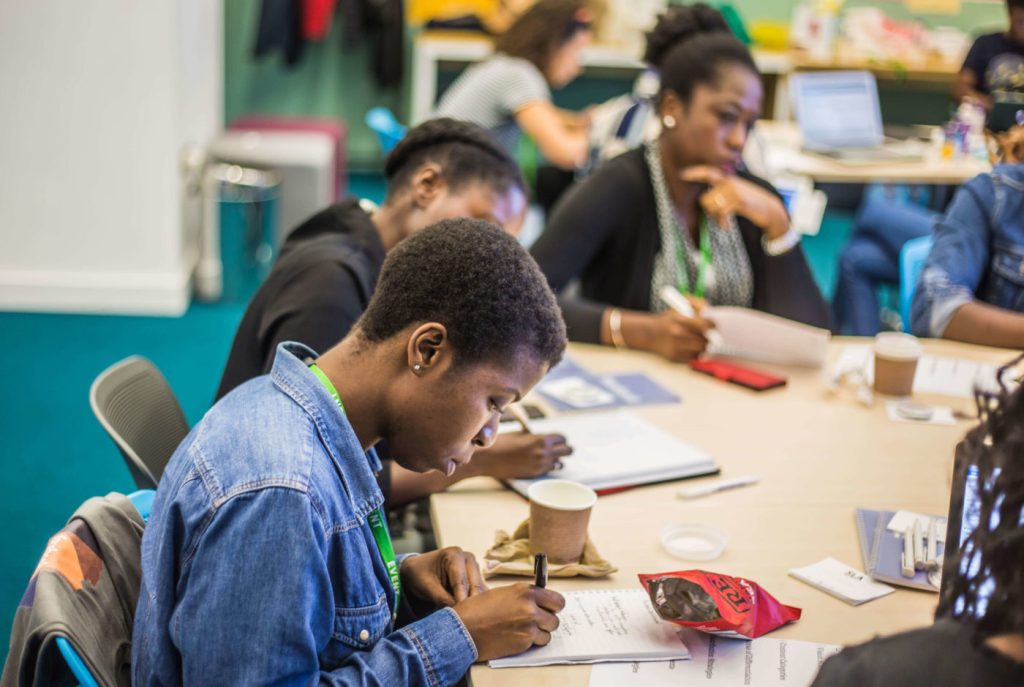
Despite the fact that rising tuition costs have led some to question the true value of an advanced business degree, the MBA remains a popular course of study. It’s certainly expensive. And the first few years out of school can be difficult as graduates look to balance budding careers with paying off student debt. But there’s little doubt that in most cases, the MBA can also help the same graduates to obtain better jobs with more satisfying career paths. Unfortunately, however, there are still some disadvantages for women and people of colour when it comes to MBAs. Back in 2013 Lillian Lincoln Lambert, the first woman to earn an MBA at Harvard in Massachusetts, gave a speech in which she suggested that when she was in business school (in the late-’60s) people didn’t feel that black people or women should be there. In the late-’60s, this was a simple result of racism and sexism. In today’s environment those ways of thinking are less prevalent. But there is a lingering impression among many that business school is meant for white men. And of course, this doesn’t need to be the case. And despite questions about MBA value these days as well as continued disadvantages for women and people of colour, a business degree may be more worthwhile than ever for a black woman to pursue. Women and the MBA The most obvious reason for women in particular to consider the MBA is that more companies are striving to facilitate equality in the workplace. And thus, women are, in some cases, in high demand. However, that merely covers the value of the degree. There’s also tremendous value in the education and experience of business school, arguably more for women more than for men. One article a few years ago, listed reasons for women to pursue MBAs and essentially pointed out that business school offers an invaluable preview of a world typically dominated by competitive alpha males. By growing accustomed to asserting themselves in this kind of environment, women can be better prepared for a life in business. Diversity and the MBA Just as more companies are aiming to narrow the equality gap between how women and men are represented, many are also starting to address diversity in the workplace. Places of business are increasingly encouraged to go public with reports on diversity. And so, the need to hire candidates of different races and ethnicities has intensified. However, a report from the US citing surveys conducted by Bloomberg indicated a problem. Diversity in the corporate world is rooted in the lack of black MBA candidates. Indeed, the same report said that in 2014 only 6% of full-time MBA candidates polled identified as black. That means that black students, in addition to women, are “in demand,” so to speak, where business education is concerned. However, going for an MBA isn’t all about opportunism in the workplace. It’s also about pursuing a genuine jumpstart for one’s career. A few years ago an article discussed the benefits of the MBA for nine successful black women across a range of industries. The ultimate impression was that each of them benefited greatly from higher education. The MBA may be more accessible than ever for a black woman —but more importantly, it’s also legitimately helpful. Crafting a successful application The fact that some business schools are more focused on admitting women and people of colour does not negate the fact that applicants still need to be qualified. And, just as importantly, be able to showcase that qualification. Applying for business school is a major task. There’s an art to creating a successful application that goes beyond listing strong test scores or accomplishments. For the MBA and, really, post-graduate education in general, a lot of it comes down to personal expression. One program online provides a comprehensive coaching program for MBA applicants and emphasises the importance of personal expression. That particular program helps with all aspects of applications, the testimonials. And examples regarding essay writing should help you to get a feel for how personal the process is. Applicants need to show their passion for business, indicate their career ambitions, demonstrate their strengths, and honestly express a few weaknesses. Above all else, they need to do so in a way that stands out in a heap of similar applications! It’s a tricky endeavour, and even improving conditions for minority applicants don’t change that. Is it worth it? The tuition is high, the application process is difficult. Women and people of colour pursuing MBAs are knowingly walking into environments where they’re underrepresented. Yet, things are getting better in that regard. So is it really worth it to consider an MBA in 2016? Frankly, this depends almost entirely on one’s own situation and ambitions. Finances, job prospects, and career goals all factor in, and they’re different for everybody. What is clear, however, is that being black and a woman is no reason to avoid business school.
7 entrepreneurial myths standing between you and your empire
The non-profit and even the for-profit scenes are booming across different industries. They are helping to strengthen communities in rural and urban areas across the motherland. It is pleasing to note that some of these budding entrepreneurs are women. Sadly, a lot of companies, organisations, and partnerships never go past their formation stages. Some of these ventures go bankrupt, are debt ridden and unfortunately, wonderful dreams die. Now, how do we encourage entrepreneurs, especially women, to venture into the unknown well-armed to outgrow the incubation stage? How do we get them disciplined enough to endure the initial pains required to become giant corporations? Well for starters, let’s try eliminating the myths connected with being your own boss. 1. You will have more time on your hands Yes, more time to rest! Or not at all. Don’t be fooled, ladies. You’ll have to work ten times more than the average employee working in an established set up. Remember that this is really about your dreams and aspiration. Getting the planning stage and everything else right should be your hobby. 2. You will make more money Of course, the ultimate goal is to increase your paycheck while being the next Bill Gates. But the honest truth is, you’ll not go above your budget without proper diligence. Don’t get me wrong, I believe in your ability to make money from your venture but it takes lots of discipline. There’s just no hard and fast rule to getting rich. 3. You are passionate about what you do and that spells excellence Contrary to popular belief, this is not a recipe for success. Sometimes, the things we’re most passionate about do not bring us financial gain. Finding ways to make your passion or hobby profitable is a skill on its own! 4. Your product/service will be sought after because you are popular This is another myth that has led to disappointment, especially for people with a wide network. People will not buy from you simply because they know you. If you’ve not proven to be an authority in your field with quick solution strategies, you may need to start thinking of ways of utilizing your own product or service. 5. Good entrepreneurs never fail As with everything, it is okay to fail. In fact, countless entrepreneurs failed repeatedly before succeeding at an idea. A perfect example is Evan Williams, co-founder of Twitter who failed at a podcasting platform called Odeo. Vera Wang also failed at different professions before becoming a fashion icon. Another famous example is Jack Ma of Ali Baba, the online shop. The list goes on and on. Be open to failure and keep trying! 6. The power card is all yours Refusing to be an employee and running your own empire is great, especially if your intentions are true. But if you’re driven by the desire to ‘lord’ over others, then you’ll be disappointed. Great empires are built on teamwork, shared ideas and collective effort. Mind you, though, you’ll need to work smarter than your employees. After all, it’s your idea. 7. A large capital investment with a great team makes a great company It’s true that capital and a great team are good tools for growth. But remember, some great companies started out in warehouses and backyards. Others started with less than five employees while investing in skills for their dream companies. The way forward Apparently, the best way forward for eliminating a stress-free work environment is by designing yours. Passionate people now lean towards innovation and job creation. It is the new cool to be called an entrepreneur as you can be the boss and set the rules. It’s no secret that in the last decade, new professions have emerged and improved existence and livelihood. Due to the needs of our dynamic environment, more intriguing jobs have evolved in the field of web app developing, blogging, SEO specialization and so on. Interestingly, women are at the forefront of challenging new fields in the service industry, science and engineering. Recently, the youngest female pilot, Zambian Besa Mumba made her maiden flight and she is only nineteen! In the end, Motherland Moguls, entrepreneurial myths or not, we can do this! Let’s begin, shall we?
Kuwala: The African continent isn’t simply inspiration for Western designers
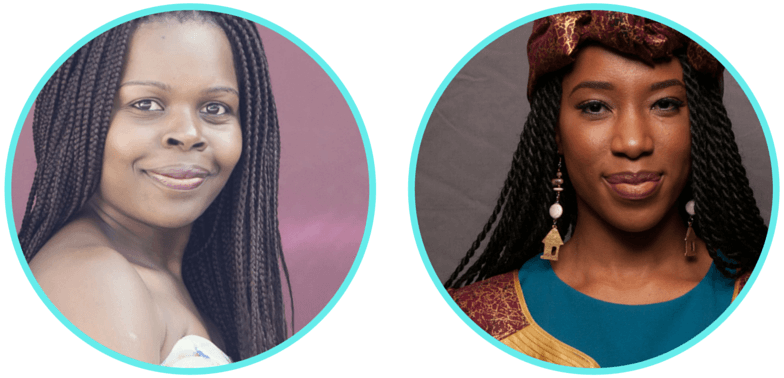
It’s never easy connecting with emerging businesses half way across the world but Malawians Freeda and Veronica, founders of Kuwala, make it look simple as cake. Both women want to share their connection with Africa through heritage and fashion. Their brand, Kuwala focuses on vibrant African prints like the chitenge and their goal is to encourage ethical production methods. Kuwala achieves this by partnering with select fashion brands and designers that have unique messages to share. We had a chat with the friends turned business partners on how they promote high-quality fashion designed in Africa and they promote high-quality fashion designed in Africa and about how Africa can be more than just an inspiration for Western designers, but a fashion hub for creativity and manufacturing. Who are Freeda and Veronica? How did you both decide to start Kuwala? We are Malawian women who share a strong connection with the African continent through our heritage and fashion. Both our families had been close friends for some years. When Veronica moved to Toronto, the same city as Freeda, we further connected as friends. Interestingly, while discussing our life and career goals, we realized we had similar goals for business, fashion and staying connected to Africa. After months of researching and planning, Kuwala was launched in January 2014 and the rest is history. How do you identify socially responsible fashion brands for Kuwala? First, before agreeing to partner with brands, we consider their online presence and the message they share on their website and social media. Today, it’s almost impossible to have a business without some sort of online presence. From there, we email people we intend establishing a partnership with and negotiate terms that are mutually beneficial. Also, when we can, we also travel to the countries where the designers are based to further connect and review their operations. We think Africa has the potential to become a fashion manufacturing hub. In summary, through Kuwala partnerships, we want to encourage and promote ethical production methods across Africa. Who is the ideal Kuwala shopper? Simply, our ideal shopper is a woman that’s interested in rocking African inspired fashion in her everyday life. She understands Kuwala’s mission and is interested in spreading the stories of the brands we work with. Typically, her wardrobe is full of vibrant colors and unique prints. She simply enjoys standing out in a crowd and not conforming to trends. Most people are familiar with the wax prints of West Africa or the Ghanaian kente cloth. Do you work with Malawian fabrics? Of course, the most commonly worn fabric in Malawi is the chitenge. This cotton cloth comes in a variety of vibrant prints and patterns. It is also known as ankara or kitenge and is most popularly worn in Southern and West African countries. Most of the clothing on kuwala.co is made from this print. How is Kuwala redefining African fashion abroad? Tell us about your new model to connect fashion designers in the Diaspora. Basically, through Kuwala, we aim to promote the idea that beautiful and high-quality fashion can be designed and made in Africa. We want to dispel the idea that the African continent is simply an inspiration for Western designers. Whether it’s in-person or on our website, we try sharing stories of the designers and brands we work with. Also, with our new model, we’re working on facilitating partnerships with designers in the Diaspora. Kuwala works in Canada, Kenya, Malawi, Ghana and the United Kingdom, how do you manage this? Have you started manufacturing on the African continent? We manage everything through technology. From social media to emails and phone calls, technology has really helped us to better manage Kuwala effectively. In the past, it’s never been this easy to connect with emerging businesses half way across the world. We manufacture in Africa through the brands we partner with that are based on the continent. Also, like with most businesses, running Kuwala has had its share of ups and downs. However, this whole process has been a learning experience and we learn from the past mistakes made. You and Freeda have visited many African countries, what is your top advice on travelling the continent? Veronica: My advice for travelling in Africa is eat everything! No matter how different or “strange” it is. Be open to tasting the many delicious dishes that are available across the continent. It’s okay to not like it, but at least you’ll be able to say you tried something your friends back home haven’t eaten. Freeda: I am not as adventurous as Veronica in the food department. I would say, be prepared to have some of your preconceived ideas and assumptions about Africa dispelled. In addition, remember to also appreciate the beauty and diversity because that narrative of Africa is often overshadowed. Interested in collaborating with Veronica & Freeda? Reach out to the dynamic duo at hello@kuwala.co. To stay up-to-date with what’s going on at Kuwala, follow them on Instagram, Facebook and Twitter. If you’d like to share your story with She Leads Africa, let us know more about you and your story here.
Mallah Tabot: Openness around sexuality is still lacking
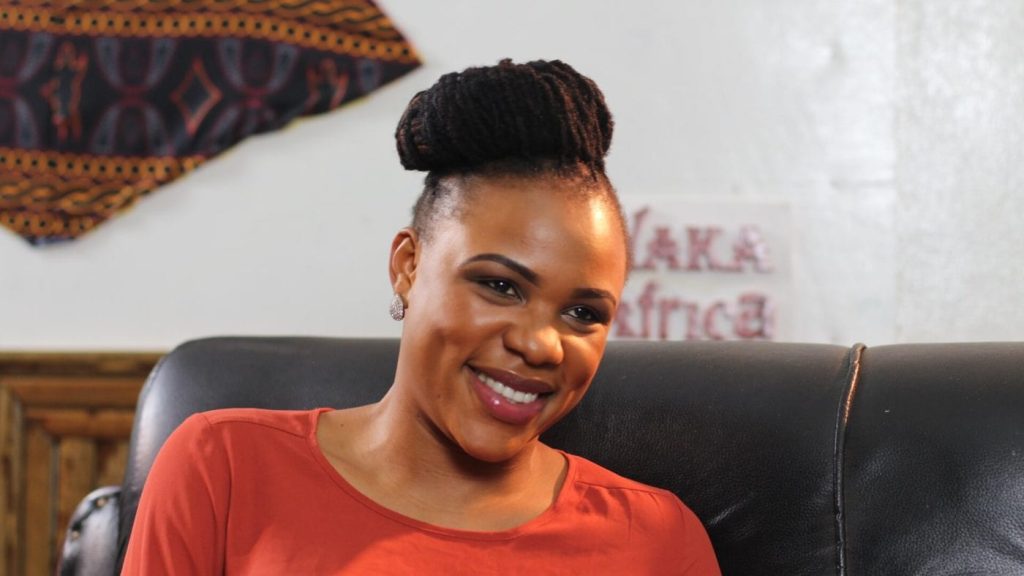
Imagine your parents talking to you about sex. Awkward right? Mallah Tabot believes the world will be a better place if parents start having open and honest conversations about sexuality with their children. We’re inclined to agree with her. Since 2012, Mallah has been working very hard to improve the lives of many young Cameroonian women, including those at risk of early and forced marriages. As a reproductive health activist and CEO of an NGO in Cameroon- United Vision, she fights against trends and tendencies that relegate women and girls to the background. SLA contributor Marriane spoke to Mallah on her recently launched sexual education app called Ndolo360, her challenges, and dream for an Africa where women, especially young girls can talk about sex without stigma. Sex is not something we talk about in Africa. Why the passion for a topic like that? I agree, sex is a sensitive topic in the African socio-cultural environment. This is as a result of a void in comprehensive sexual education in the educational curriculum. Also, most parents do not discuss sexuality with their children. Many of the kids resort to the Internet for pornography as opposed to educative sexual information. When these young ones don’t get the right information from the right sources, they tend to make wrong decisions. This has often resulted in unplanned pregnancies, STIs/HIV, unsafe abortion, and more. That is why I am interested in creating a platform where we can address this. I believe parents need to start having open and honest sexual talks with their kids. What challenges did you face while starting out? How did you overcome them? Initially, very few people believed in my idea and its potential to work. People questioned my judgement for choosing to tow this path as opposed to finding something more “stable” like a full-time job where my financial security would be guaranteed. With a clear sense of purpose, I’ve been able to deal with that. As a young woman, it was hard. You have to make the strategic calls and connections in a sub-environment dominated by men. We had to deal with not being taken seriously or being courted 9 out of 10 times. I think it was even more difficult, given that our area of expertise is sexual health. Men didn’t take us seriously but assumed we would be comfortable listening to their sexual fantasies of us and other women. Unfortunately, that’s the unfair world we live in. We’ve strategically dealt with it and we are succeeding. The pressure also continues to diminish as I gain more confidence and skills in my area of work. I now face such situations with strength as I grow older. Also, I had challenges with building personal capacity to raise funds, running our programs and convincing outsiders to have a vested interest in what we do. Every day remains a challenge, but I’m happy that with time, they feel less like challenges and more like opportunities for personal and organizational growth. You recently launched an app, Ndolo360. Tell us about it. In Cameroon, like in most of Africa, sex is a very difficult and sacred topic. Young people grow up knowing nothing about their own bodies and end up getting the wrong information from the wrong sources. This has resulted in them making uninformed decisions. Teenage pregnancy rates are up and 141 out of 1000 girls aged 15-19 in this country have been pregnant, at least once. I found this despicable and started thinking of ways to address this problem, using technology. Ndolo360 is the first ever mobile application in Cameroon to provide judgement-free education, information and services on sexual and reproductive health for teenagers, adolescents and young people. The app is available on Google Play and is free of charge. It comes with several amazing features which will transform young people’s knowledge about sexuality and sexual health. What do you plan on achieving by launching this app? A few days ago, a father emailed us to say he had asked his 16-year-old to download Ndolo360 to serve as a starting point to openly discussing sexual health. This is exactly one of the many results we aim to achieve. Teenagers are expected to guess issues concerning their sexuality and act accordingly. In fact, parents don’t even have the confidence to mention the word ‘sex’ to their kids. If this app can at least be a starting point for sex education between parents and their kids, the impact will be tremendous. Also, this would help curb the high rate of unsafe abortions and other dangerous practices. It would lower the risks of teenage pregnancy, create more awareness on safe sex and lower HIV infection rates among young people. More importantly, it would encourage a culture of openness when it comes to discussions around sexuality and sex. Young people should use the app for self-education and group discussions about the issues that affect them. What advice would you give young African women looking to make a change in their communities like you? I have learned to believe in myself and my capacity. Most importantly, to surround myself with people who love and believe in me. That’s how I’ve been able to carry on with all I’ve had to do. And trust me, it’s a lot and can be burdensome. I’m happy to have made the decision to cut off toxic people. This has helped me focus on my goals and remain positive. Want to see women you know featured on SLA? Tell us what amazing things women are doing in your communities here.
Webinar with Archel Bernard: How I raised $65,000 using crowdfunding (Sept 23)

Missed this event? Make sure you don’t miss the next one by joining our community today. Archel Bernard had a vision for a high quality manufacturing facility that could upgrade the production of her fashion company and provide sustainable jobs to women and Ebola survivors in her native Liberia. While she had experience running her business over the past couple of years and a passion for helping her community, what she didn’t have was lots of cash to invest in the brand new factory. That’s when Archel turned to crowdfunding over a two month campaign, raised $65,000 to create the Bombchel Factory. Archel is going to share the strategy she used to turn her crowdfunding campaign into a project even the Kickstarter team loved by having it on the front page of their site! She’ll share the dos and the don’ts so you can create a crowdfunding campaign that gets you closer to your business goals. Some of the topics we’ll cover: The best way to develop a story that will really sell your campaign How to build early support for your crowdfunding campaign Creative ways to get media coverage and have people pay attention How to develop prizes and rewards that won’t have you suffer after the campaign is finished Webinar Details: Date: Friday September 23, 2016 Time: 3:00pm Monrovia // 4:00pm Lagos // 6:00pm Nairobi Watch this webinar: About Archel: Archel Bernard is owner of The Bombchel Factory and Mango Rags boutique in Monrovia, Liberia. She moved to the West African country after graduating from Georgia Tech in Atlanta. She now specializes in dreaming up contemporary African womenswear, training disadvantaged women to sew her designs, and helping the women to become self-sufficient. Archel’s mission in life took a significant turn amid the deadly Ebola outbreak in Liberia. She saw the devastation in the country she loved; a country still struggling to overcome civil war. Archel decided to open a factory to help the people of her ancestral homeland to rebuild. She named it The Bombchel Factory and herself, the Head Bombchel in Charge. Bombchel Factory has been featured in The New York Times, CNN, Forbes Women Africa and other major news outlets. She is also a Richard Branson Scholar. Her designs have been worn by actresses in the online drama “An African City” and models in several international magazines. Archel’s successful Kickstarter campaign almost doubled its goal! She is a force. A visionary. A fashionista. But more than anything, Archel is a savvy and relentless business woman, determined to use her business to build lives. She’s come along way from selling dresses in her pick up truck, but there’s still so much more to do!
Pricing as a start-up: Where do you begin?

You finally registered that business or online store, and already considering setting up packaging. Or maybe your website is up and running and you’re ready to pull out all stops to get your marketing underway. But there’s just one thing missing, how much should your products or services cost? Pricing isn’t easy; there are several factors to consider. You don’t want to seem too expensive and therefore alienate your target market. But you also don’t want to price it so low that it connotes less quality or cheapness. So what’s a girl to do? We all know that end at the end of the day, you’d want to cover your production costs and still make a profit. Because we all know those red bottoms won’t buy themselves. However, pricing has to be based on the value transferred to customers for using your product or service. Consider the cost of production and make comparisons between your prices and that of competitors. A general rule of thumb is to use the 10% rule by using the customer’s derived value and adding 10% to it. Got it? Good. Let’s explore some more. Know your customers/clients The better you understand your customers’ needs, the more accurate your pricing will be. Looking to your competitors for a pricing comparison should be based on the assumption that their pricing is ideal. Your competitors may be over or even under charging. So it’s still important to do a personal cost analysis and figure out the pricing that works best for you. Is your pricing above or below theirs? Does location, staff, size of the company, quantity, and quality of the products come into play? These are all worthwhile questions you should ask when looking to your for answers. “Profit is not something to add on in the end, it’s something to plan for in the beginning” – Megan Auman Price sensitivity It is important to note that clients and customers will only pay more if they have the assurance of value. So don’t be scared to test out several different prices at the beginning. It’s the same when you walk into a boutique, see a dress and instantly know it would be far cheaper at a regular clothing store. But because it’s an exotic brand, you believe it is of better quality and therefore, worth the high price. This is where price sensitivity comes into play. Price sensitivity is the degree to which the price of a dress in this analogy, affects the customers’ willingness to buy it. I like to call it the fine line between “too good to be true” and “dirt cheap” and therefore a bargain. You do this by offering a different price, typically with a 5% difference, to individual customers for the same service or product. The general idea is that if you aren’t getting pushback from at least 20% of your customers, then you’re on the right track. Also, it is important to note that there is less price sensitivity when the product is unique and hard to find. So make sure to distinguish yourself from competitors in a big way. The price would be worth it if the boutique is making just one dress per size. The exclusivity is almost like getting a custom-made dress. “The reason it seems as though price is all your customers care about, is because you haven’t given them anything else to care about”- Seth Godin Smaller versus bigger Giving customers a choice between several tiers in pricing helps establish how well your products/services are priced. Have you ever come across the low, middle, and high price offerings? This is called ‘Goldilocks Pricing’. With this, you get to choose between the inexpensive but not ideal and the expensive but full package. You then end up with the pricing that is just the right fit, like your very own Cinderella shoe. It typically has just enough features to get you started and is often the bestseller. More often than not, it’s a few steps away from that ‘premium’ package which you can upgrade to anytime. For instance, if you sell an 80-gram tub of shea butter for R60, then a 160-gram tub would cost 10% less than buying two 80-gram tubs. Chances are, the customer will go for the bigger tub which means more money for you, provided the production cost is not higher. Similarly, a “buy 3 products and get the cheapest one free” sale in a specific high-end product range/ service market will ensure that you still get your money’s worth. Make sure that you always capitalise on these opportunities by offering any extra features that come with the package. For example, 10% to upgrade to the premium package from a 7-day free trial. In summary, if your product or service is amazing, of standard quality and worth the price, customers will come flocking. Good luck!
Unleashing the phenomenal woman in YOU!
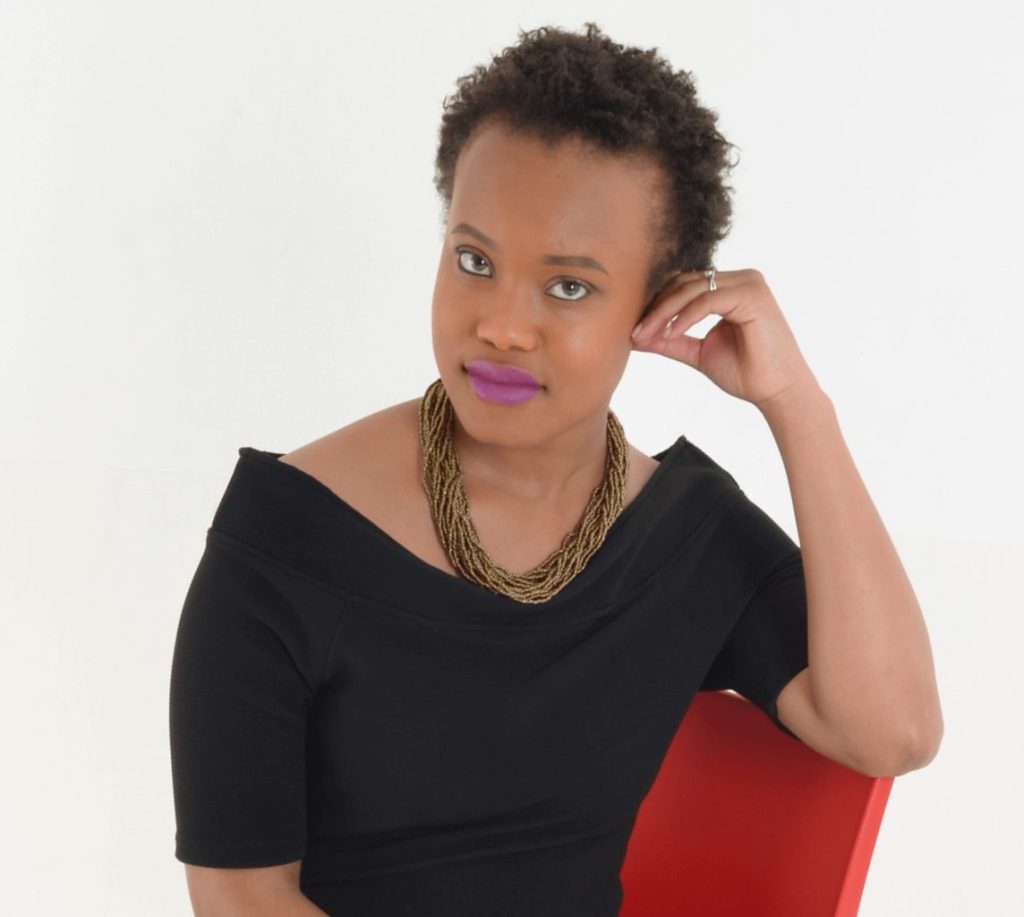
As a young girl I grew up around a family of strong, opinionated, yet very respectful women. I always saw my mother, aunts and grandmothers exhibit everything I wanted to be. They are pillars of strength in the family, they are wise and always have a comforting word. But one thing that stood out most was their resounding support for one another. This is a character trait they have passed down to all the girls in the family. It always bothered me that I could never fit in with most of the girls at school. I thought it was because I was not cool enough. I was too much of a nerd, I was too interested in sports, certainly something was wrong with me. Finding the right community That was until I started interacting with a group of “different” girls. Our conversations were never about another girl’s flaws. We were all about encouraging each other to study, helping one another with school work and constantly supporting each other. This was when I realised that what my mother always wanted for me was to be part of a group of girls who love each other and ultimately grow up to be part of a society of strong, independent women. When I started my company, Ziphora Events, I always knew it would be my platform to help women and the youth to realise and maximise their full potential. I am a strong believer in women working together to create a society of inspiring and driven individuals. For young people, I have done this by hosting a Young Leaders Dialogue in 2014 and a Game Changers Dialogue in 2016. Using Ziphora to spread my vision of community The main aim of these events was to bring ordinary young professionals in conversations with individuals who are striving in their industries. The result was idea sharing, collaborations & building a network of people who are also interested in making South Africa a better place. In July 2016, I hosted a Women in Lead High Tea in partnership with Divine Women Empowerment. The aim of the event was to bring women together in a relaxed environment, to discuss issues affecting us and contribute positively to society. Our speakers spoke about personal branding, seeking greatness, emotional de-cluttering and beauty. These are some of the things that make up a well-rounded woman. I believe that before we can even begin to influence society, we need to work on ourselves first. Soon, Ziphora Events will be launching The Phenomenal Women’s Dialogue. The theme will be “Unleashing the Phenomenal Woman in YOU.” The purpose of the Phenomenal Women’s Dialogue is to uplift and build a generation of vibrant women. These are women who know what they want in life and are able to position themselves for greatness. At each stage of life, women have a rich perspective and wealth of experience to share with one another. The Phenomenal Women’s Dialogue will give women a platform to share these experiences and perspectives. Ziphora Events is committed to the valuable leadership of women in every aspect of life. The Phenomenal Women’s Dialogue is one way in which we support that. This vision is aligned to one of the Africa 2063 Agenda aspirations, which is “an Africa whose development is people-driven, relying on the potential of African people, especially its women and youth.” What does a phenomenal woman look like to you? For me personally, a phenomenal woman is the ordinary woman we meet in our communities every day. From that working mother juggling building a career with building a loving home, to the housewife who puts her energy in taking care of her husband and kids. The local Pastor’s wife, the granny who the entire community looks to for advise, these are all phenomenal woman who play a big part in building our communities. As often as I can, I ask myself, “What am I doing to help someone realise and maximise their potential?” I am always honoured when after an event I have hosted, women come to me and tell me how attending the event turned out to be the most important thing they did on that day. It is an even greater honour when after some time, they contact me saying they are still working on themselves and have invited another lady in the journey of seeking greatness. This is indeed how we will build a society of phenomenal women and it is the legacy I want to leave behind. What will be your legacy?
Twitter Chat with Carmen Attikossie: Starting a fashion line with no money (Sept. 22nd)
Don’t miss another event! Join our community and always stay informed. Ready to plunge into entrepreneurship but you have no money? Interested in starting a fashion line but not sure where or how to start? Wondering how to build your company while completing your studies? If you answered yes to any of those questions, then you can’t miss this twitter chat. On Thursday September 22nd, we will be chatting with Togolese-American, Carmen Attikossie, founder of Cartik, an ethical fashion line. Follow She Leads Africa on twitter and use the hashtag #SLAChats to ask your questions and participate in the discussion. Topics that we’ll cover: How to take the plunge into entrepreneurship Getting your company started with little to no money Balancing your studies with a budding company What it means to have an ethical fashion line How to work with artisans, manufacturers and clients that are in various countries Twitter chat details: Date: Thursday September 22nd, 2016 Time: 1:00pm New York City// 6:00pm Lagos Location: Follow She Leads Africa on twitter and use the hashtag #SLAChats About Carmen Attikossie Carmen Attikossie recently graduated from St. Catherine’s University in St. Paul, Minnesota, USA with a degree in International Relations and French. She is the founder of Cartik, an ethical fashion/ social entrepreneurship brand that works with artisans in Ghana and her home country of Togo. Carmen has a deep passion for Africa’s economic development and is currently working on growing and expanding her company.
May the odds be in your favour, financially

Fans of the Hunger Games series will be familiar with the phrase, “May the odds be ever in your favour”. While most people may understand odds to mean luck, in truth, odds have nothing to do with luck. And not only can they be applied to a game of war, they can also be applied to real life. You see in mathematics, odds = probability and what is life but a sequence of numbers. Everything that exists is literally a number. From statistics which study behavioral patterns, population, litres, volume, distance, percentages, angles, probabilities, averages, binaries used in coding and so on. In the grand scheme of things, we’re all numbers, 1 in 5 million, 1 in 7 billion (you get the gist) and finance is the ultimate game of numbers. I’m neither a scientist or billionaire, but it’s pretty evident that those who acquire financial success aren’t necessarily the most cunning. They’re not the most brilliant or hardworking people on the planet either. Rather, they’re those who realized early the math of financial success and tilted the odds in their favor. So briefly, let us look at the basic advantages of the world’s richest: Born with great socioeconomic bearing Better looking or smarter than the average Attended good schools Charted their career according to the predicted needs Remained consistent Number 1 already rules out 90% of the world’s population. You see, according to UNICEF, only 10% of the world’s population fall into the category of being above average socioeconomically. Number 2 cancels out 75% of the world population. Only roughly about 25% or less of the world’s population are deemed to be above average intellectually and physically. Number 3 is more within your control. But it is linked to your socioeconomic bearing, intellectual abilities, and decisions made by your parents and guardians. That leaves number 4 & 5 which are actually 96% within your control. So forget what you think you’re good at (technology proves that the world is constantly changing) and what everyone is doing. Instead, look into what the future looks like. Think, what are the strongest sectors that will stand the test of time? What are the most financially sustainable sectors? And similar questions. Once you have figured what this is to you, factor in the skills that you possess. At this point, you’re probably saying “Wait! You said forget what you think you’re good at!” Yes, I meant like knowing how to make good hair or being great at drawing. Innate skills such as creativity, musical talent, numbers, patience, social skills and others are inherent and not easily learned. They are your talents. Now, with these points in mind, chart a future for yourself with timelines and remain consistent. Let’s face it, without the advantages above, the odds of you cashing out big time before 30 are a lot slimmer. So ladies, let’s manage our expectations and never give up!
Meet our Accelerator Moguls: Koko’s Kitchen
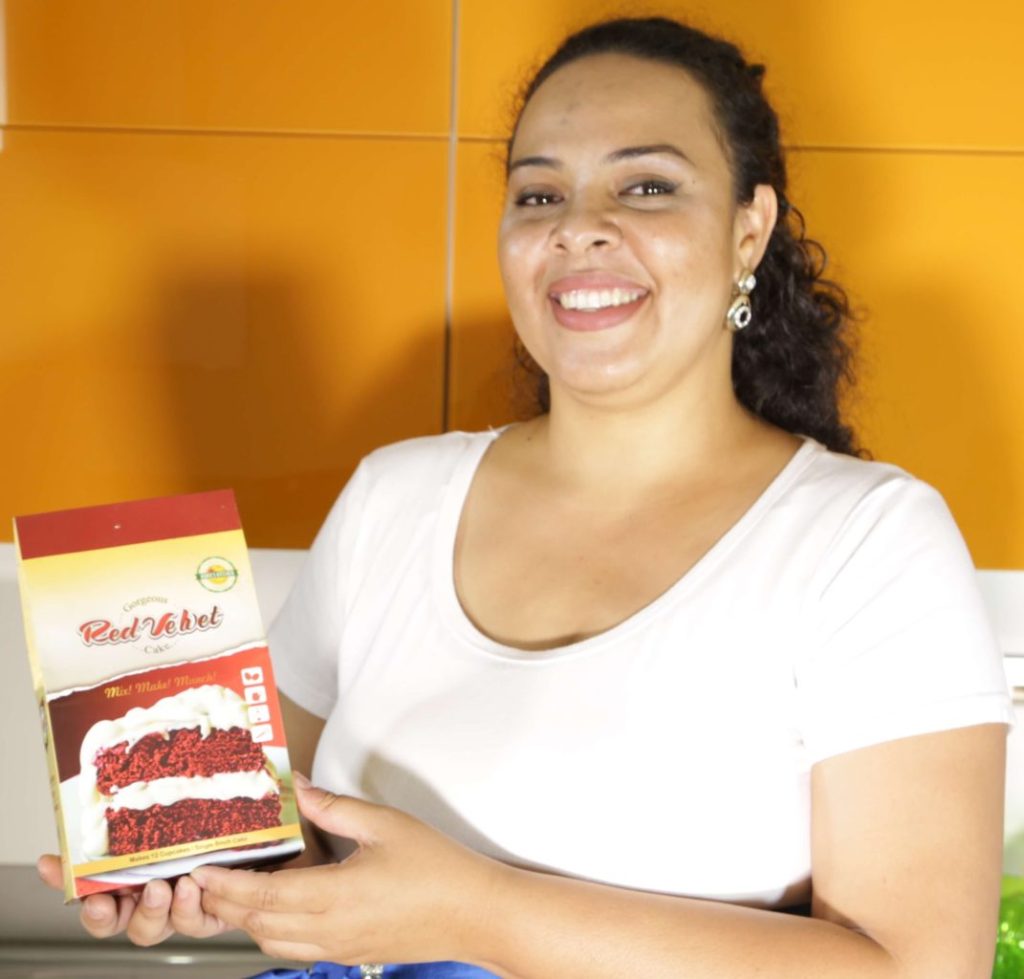
As you know the first ever She Leads Africa Accelerator Program is currently ongoing. Out of the 120 startups from across Nigeria who applied for the program, we identified 10 as the next generation of Nigeria’s brightest female entrepreneurs. These 10 selected businesses are now benefitting from our intense accelerator training. One of them is Koko’s Kitchen, a brand that makes baking easier for Nigerians. From cakes to cookies, Koko’s Kitchen answers the demand for locally made easy-to-bake mixes. Sifa Asani Gowon and Oluwatosin Olaseinde started the brand to build an indigenous brand within Nigeria. They hope the Accelerator program will help take them there. Why did you decide to apply to the SLA Accelerator program? While I, Sifa Asani, was busy fiddling with cake mix formula, trying to tweak it to perfection, Tosin was working tirelessly to build a strong foundation for the business in terms of accounting, mentoring and the like. Tosin has been tracking the She Leads Africa voraciously and when the accelerator opportunity came up, we seized the opportunity. We decided to apply for it because we know it will help us to strategise and position the company to achieve critical pace. It would also help us to network and expose Koko’s Kitchen to potential investors. What do you intend to take back home after the Accelerator program? As a preamble, let me say that I had actually attended a SheLeads program earlier this year, in April: SheHive Abuja. I really liked what I saw and was so impressed with the organization, the speakers and the overall ambience. There were women from all over the nation with one thing in common; ambitious dreams and the drive to succeed while adding to their communities and families. I liked that women were being encouraged to bring out the best in themselves as well as be considerate and help other business women when and how they could. When we applied for the Accelerator program I expected no less from SheLeads. I anticipated a learning environment especially suited to African female entrepreneurs in terms of advice, tools and mentoring. We intend to take back home a stronger company in terms of controls achieving KPIs and also a stronger network that we can leverage on. How do you intend to stand out and improve your business after the mentorship programme? Considering Koko’s Kitchen is a really young company, we have been fortunate to have reliable collaborations. This ranges from that of the co-founders to the ecosystem such as She Leads Africa, amongst others. We plan to execute all the key decisions that we have taken from to SLA accelerator programme. To glean knowledge from the outstanding entrepreneurs who have walked the road before us and have shared their stories and give us advice. We’ve been taught the value of time and of discipline. We are also accountable to our SheLeads mentors, which goes a long way in keeping us in line and focused. After this program, we intend to take all we have learned and all the contacts we have made and utilize it to our advantage. We intend to streamline and stretch our ideas to build a strong and reliable business that is here to stand the test of time.