
The new African woman likes sex on the beach

Is it me or is there is a huge rise of the cosmopolitan woman in Africa? I call her, the new African woman. The new African woman meets friends for cocktails like ‘sex on the beach’, after she gets off her 9-5 corporate job. She’s the woman who talks freely about sex, and enjoys it too. This woman takes vacation days and balances career and work life. This is a stark difference from our mother’s generation. For one thing, if I told my mom I was having sex on the beach…the furthest thing on her mind will be a drink in a glass. Sooo who is this new African woman? Here are 11 ways the new African woman is breaking the mold. [adsanity align=’alignnone’ id=144658] 1. We take care of ourselves first…without any apologies We have realized that the woman who does everything for others must first take care of herself. This could mean anything from quitting a job that we hate to starting our own business. It could also mean ignoring all the haters and going back to school for a second degree. 2. We choose family…and career Remember when there was a time where women had to choose between advancing in her career versus raising children and being a great wife? Well, who said a woman can’t do both. African women are finding ingenious ways of balancing the two. We can cook a mean jollof for dinner and defend a case in court the next morning. The new African woman does all. [mailerlite_form form_id=14] 3. We are girls who code and do everything else Did you know that there was a study that showed that black women are now the most educated group in the United States? Similarly, African women are excelling in subjects that where once thought to be dominated by men. We are killing it in math, science and technology. And we look good while doing it. 4. We are literally turning lemons into lemonade The African woman is the most industrious of all the species. Our work ethic and our ability to wring every drop out of a great opportunity is unmatched. Both these qualities are seen in my current favorite #MotherlandMogul, Olajumoke Orisaguna. Who else is able to wake up one day selling bread and go to bed at the end of the day with a modeling contract? 5. The love we seek is multi-dimensional You know how our mothers will tell us that there is only one way to a man’s heart and that is his stomach? Well, there are a thousand different ways to the new African women’s heart. She wants wit, adventure and staying up late with her love watching cartoons till 3am while eating ice cream. 6. We don’t pretend to be perfect Have you ever cried at work? Or cried because you had a huge project coming up and you were so stressed out? I have (and I would love to hear your stories in the comments). Women have had to hide their emotions in the work place because of the fear of being judged as weak compared to the man. But we know we are not perfect, and neither are men. So dry your tears, listen to some Lil’ Kim and go be the most perfect imperfection ever. 7. We are breaking the glass ceiling in our careers Women are the biggest consumers of African movies. We single-handedly pump money into this industry. For a long time, men dominated in the directing and producing of African movies…but not any more. With the rise of Yvonne Nelson, Shirley Frimpong Manso and other female producers, times are a’ changing. 8. And our careers span past doctors and engineers….we are creatives Chimamanda Ngozi Adichie is my personal hero. And to see her making the world stop and listen to what she has to say as a writer and a speaker is so inspiring. It puts our parents’, “only be a doctor, engineer or lawyer” talk to shame. While those careers are great, creative careers in the arts are also important. We need more African photographers, writers, artists, graphic designers, the list goes on. 9. We wear made in Africa Any fans of ‘African City’? How many times have you watched an episode and wanted to buy everything the girls wore. From the jewelry to the shoes and the clothes themselves. I had to stop watching because my retail lust was getting out of control…and get this? Everything is made in Africa! We are showing the world what African career wear, girls night out outfits and bathing suits can look like. 10. We are leading the front lines on African issues Everyone in Africa knows the inconsistent power struggles that we all suffer through. In Ghana, we call it dumsor meaning “light off, light on”. Well, guess who led the movement to tell the Ghanaian government enough is enough? Actress and producer, Yvonne Nelson. She led the cause and soon, others joined in droves. African women are no longer waiting to be told to speak, we are leading the force on issues that affect all of us. 11. We are intentional about changing Africa This point is captured perfectly by this quote by Elizabeth Blackwell; “For what is done or learned by one class of women becomes, by virtue of their common womanhood, the property of all women.” African women everywhere are doing their part for the next generation of women. From organizations like our very own SLA to movie producers writing more complex roles for women, or business owners who create scholarships for girls. We are all more aware of the role we play in changing Africa and the stories that are told about African women.
Josiane Faubert: The world needs African stock photos
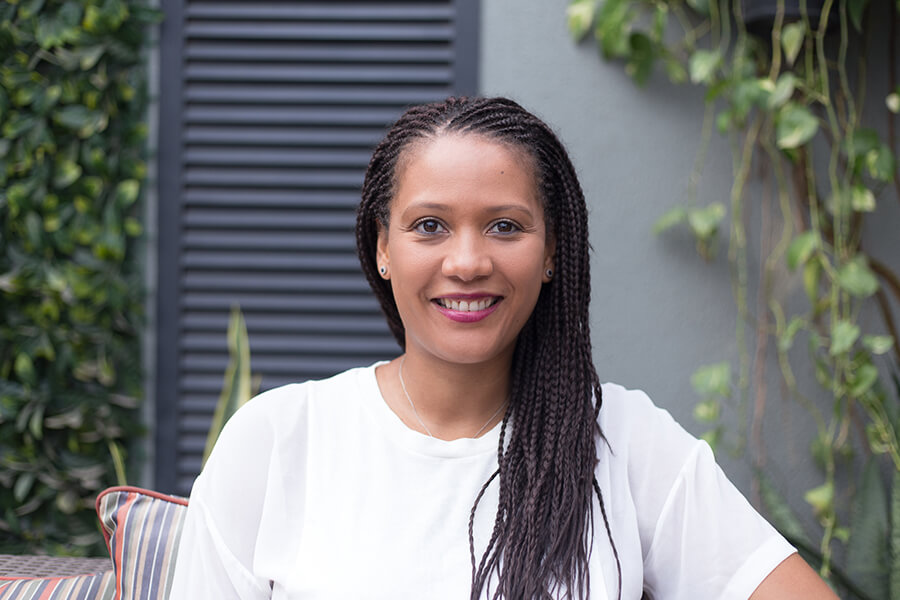
[bctt tweet=”@JosianeFaubert believes stock photography is necessary for the African continent” username=”SheLeadsAfrica”] Stock photography should make our list of unusual business ideas, it’s not what will come first to the minds of most budding Motherland Moguls. For Josiane Faubert though, stock photography is necessary for the African continent. Josiane is the photographer who recently launched PICHA which provides a curated library of high-quality royalty-free African stock images. On one hand, PICHA provides a global audience with unlimited access to original content. PICHA also provides a platform for African photographers to make money from royalty fees on images sold while retaining their copyright. Stock photography is an unusual business idea, tell us how you came about it I have been a photographer for many years, so I was already familiar with the stock photography industry. As a photographer, I was regularly solicited by friends and relatives working in web/graphic design for photos of Africans doing everyday things. Then, I helped them find some photos from Africa from my own database. However, it is when I was working as a social media manager that the idea of PICHA started to conceptualized a little more clearly as a business idea. I had a hard time buying contemporary photos of Africa/African people. Why do you think it was necessary to create a stock photography site that specializes in Africa? In the US and in Europe, the stock industry has been around for very long. As we are consuming more and more internet and technology in Africa, there is a growing need to find images for communication and marketing needs especially. If you have ever looked for a photo on a huge stock image platform you’ll see that the selection for Africa is very limited. With the continent being as diverse it is, I wanted that diversity to be represented on PICHA too. PICHA is still very young but our goal is to have photographers from very corner in Africa who submit their photos on the website. [bctt tweet=”I had a hard time buying contemporary photos of Africa/African people – @JosianeFaubert” username=”SheLeadsAfrica”] As a photographer yourself, what do you see PICHA adding to the global imagery of Africa and Africans? PICHA is a marketplace that allows photographers to sell their photos and that allow creatives to have access to these photos. Our goal is also to allow photographers to get money from their photos. Our catalogue is fresh and contemporary, it reflects a dynamic and diverse Africa. With this diversity, we will challenge the image of Africa and Africans. [bctt tweet=”PICHA reflects a dynamic and diverse Africa and challenges the images of Africa & Africans” username=”SheLeadsAfrica”] Are there any challenges unique to this business that you did not expect? PICHA is a user-generated content platform so we need to constantly educate our community on the benefit of being a contributor. We also need to educate them on various points ranging from legal to quality. Many photographers never request a release form when photographing someone. In our industry it is problematic! Where do you see PICHA in the future? How do you plan to take PICHA there? PICHA is growing and in 5 years I see it being a necessary tool for creatives in Africa. We’d also like to have presence in West, East and South Africa. To achieve this, we are reaching out to photographers across Africa. In your opinion, what’s the best photo you’ve taken so far? That is a tough one. A few year ago, I used a few taxi-moto in Lome and there was this taxi-moto driver who would only dress in a suit. He had such an amazing personality. If you’d like to share your story with She Leads Africa, let us know more about you and your story here.
10 reasons you should be your own #MotherlandMogul before and after marriage

I remember the day it dawned on me that my husband would have his own income. After a long day on campus, I got home tired and needing a long hot shower but feeling so fulfilled. It was in this long shower that I suddenly had this thought, “Somewhere across the world my husband is coming home from a long day of grinding too”. This was the first time that I realized that I could one day enjoy the fruits of my husband’s labor. I have thought of how tall I want him to be, how I want him to be chocolate like Idris Elba and intellectual like Nate Parker but I had never thought of the kind of money he would make. I guess I have never really felt like I was entitled to his labor. I have always thought; I can’t change my own tire or kill a roach on my own but darn it I can make my own money. Too many of our African movies depict the man leaving for work while the woman stays at home wearing her perfectly ironed dress (because we all wake up excited to wear a head wrap and make breakfast). It’s either that or my personal favorite, the scene where the girl’s best friend —or better yet her mother— tells her she is stupid for not liking the rich business man who likes her. Because God forbid we love a man for other things besides his money. I think we can do better. Here are my 10 reasons why you should want to be a #MotherlandMogul before and after marriage. Because Beyoncé said so Nuff’ said. So that you can treat your man When you can say to your man, “Babe lets go out, my treat”…The only words sweeter to a man’s ear is “the jollof is ready”. So that you can treat yourself Retail therapy is a real thing. No one would argue with you for buying 4 pairs of designer shoes in one shopping trip if you used your own money. Because you don’t want to be stuck like Melania Trump Hopefully the whole world would not be stuck with Trump as the President of the United States. Because men are great…but they are not everything. *Musters up the courage to repeat Rihanna’s words to every aunt who asks when I am getting married.* Because we have every right to dream bigger and aim higher than men. Auntie Chimamanda summed it up nicely. You shouldn’t hold back for fear that you’ll threaten a man. All women should dream bigger and aim higher. So that you can leave when you want to (or need to) Aren’t we all tired of the narrative where a wife stays with an abusive husband because he is her bread and butter and she has no other option? Motherland Moguls can leave when they need to. Because a #MotherlandMogul is her own rich man. Studies have shown that parents will give their children more freedom to be single if their child is financially stable on their own. Ok that study is my own personal wishful thinking. Also if your parent is African, it doesn’t work. Because feeling your self feels better on your own dime I bet you Beyoncé and Nicki did not have that much fun on set because Jay Z and Meek Mill are rich. It’s because they know they will be completely fine without their men. Because a #MotherlandMogul’s best position is CEO *Makes mental note to say this to every guy who asks what my favorite position is*
Starting a business while in school
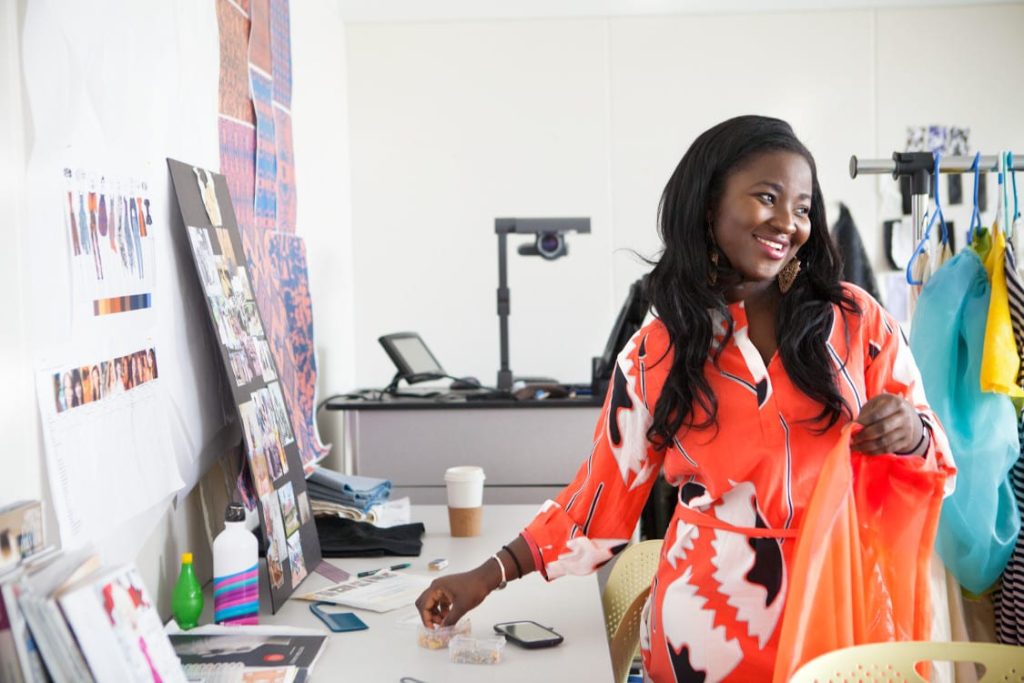
So, you’re in school and you want to go into entrepreneurship? Cool! I like playing dangerous too. Gone are the days of waiting after graduation and getting a job. Gone are the days of “business is for uneducated people”. Come on, you and I know better and frankly, starting a business when you are in school is probably one of the best ideas. It gives you time to prepare for “post-school” days. Starting a business is never easy, but here are a few tips to help you get started and stay on the hustle. Eureka! First, get the idea! You can either be innovative by starting something new or redefining something old. Usually, most student campuses are filled up with people peddling the same wares in the same manner. If your idea is based on an already existing idea, then you should be one step ahead of those already in the business by having a modification. New ideas are always fresh. Analyze the demand rate for your product (goods or services). This can be done either by studying the existing market for an already existing idea or carrying out a mini survey for a new idea. You should be sure of your target market, which should mostly be students. But also consider, do you provide services for the non-student members of the community? Make sure your idea has no legal implications. Evaluate yourself How much technical know-how is needed in the business? How much do you know or can you provide? Do you have what it takes? Should you first acquire certain knowledge and skills? Do you have the time to see it through? These are some of questions you need to ask yourself when self-evaluating. Research the competition No, this is not spying or “copy-catting”. This is purely a form of business survey. Some of the important things to research include, who your competitors are, any similarities in business (yours and theirs) and how long they have been in business. How do they relate with their customers? What is their price range? et investigating and uncover these facts about the competition. Plan You remember this… (s)he who fails to plan, plans to fail? You might think you’re an expert in the field you plan on venturing into, but if you do not make concrete plans, you are just an over experienced failure waiting to happen. I want to debunk the notion most student entrepreneurs have about starting a business in school and ending it after school. Except you are only into business as a means to pay the bills and not interested in expanding what will become your brand, then you shouldn’t think of a business that will stop after graduation. Most successful #MotherlandMoguls started in school and grew it from there. So, your business plan should have room for growing the brand outside and after school. Partners? Is this a one woman venture or a partnership? Your partner can either be someone who has been there from the word go and is willing to invest time and money, or someone who started with you but wants to only invest money. She can also be someone you pair up with later on. Is it necessary to have a business partner? The nature of the business will determine that. If it is a service providing business like home cleaning services, then the answer is yes. You will need a partner, if not at the beginning, then later on. Let’s talk money I know this is a the one that will probably interest you the most. Where do you get money for your business? Well, this should also be in your business plan. Here are some sources you can raise money from: Personal savings- You should have savings, everybody should. Donations from family and friends Loans- check to see the types of loans available to you as a student and the general ones you’re eligible for. Thrift collections- These are local saving schemes that afford members the opportunity to take loans based on the arrangement. Ajo/esusu is a popular type of thrift collection in Nigeria. Crowdfunding. On your marks… Ready? Before you start, check to see if you have most of what you need, and if you do, start. Do not wait to be 100% ready, just do it. Advertise and network Well, what are friends for? Get your friends to use word of mouth, social media and even school related platform to blow your horns. Use colourful fliers (duh) to drag attention. Oh and hashtags are another way to go. Network among your peers and locate your customers. Goodluck You are in business, yay! Keep and eye on your profit margin. Don’t be too keen on the profit at first, just make sure your service or production cost are being covered. Breaking even at the beginning is a really good thing. But watch your monthly returns and weigh them against your expenses. You should notice a slight growth. Always take reviews. Do an audit after the first 3 or 4 months and see the places you need to improved. Good luck dear student Motherland Mogul!
Victoria Mbabazi: I’ve learnt that age is no guarantee of maturity
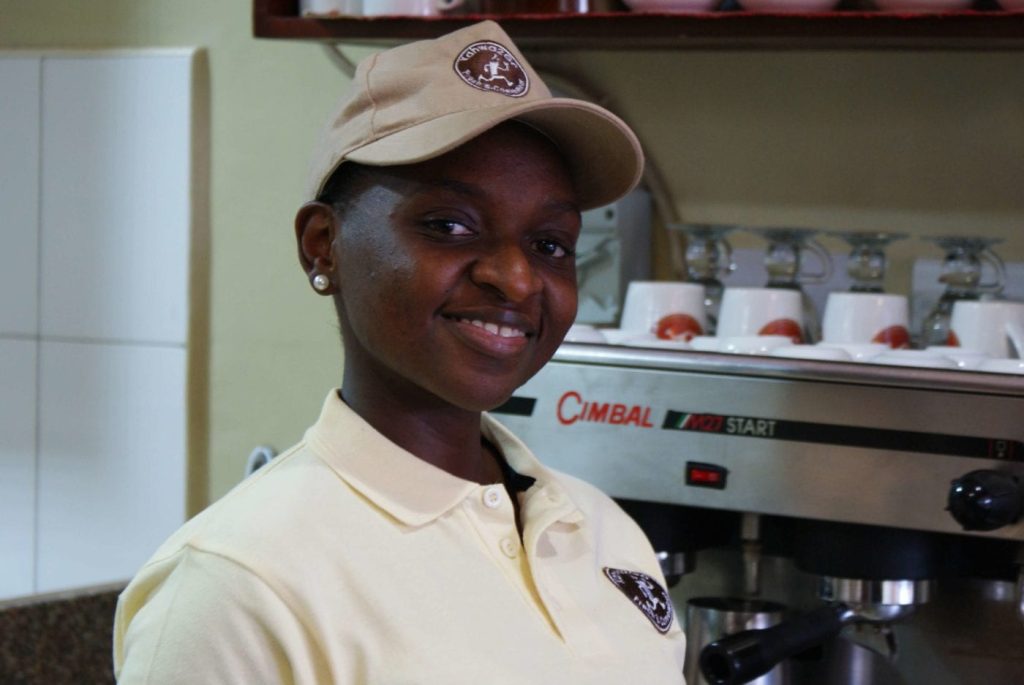
Take a minute to consider that what you watch on TV could determine your future business. Growing up, Victoria Mbabazi spent a lot of time watching the Food Channel. She experimented with different recipes and wanted to study food production at university but was instead advised to study Software Engineering. It all turned out great because now, Victoria’s three passions are culinary art, technology and agriculture. In 2013, she started Kahwa2Go, a cafe and restaurant with her business partner and mentor. She also works with technology innovation, encouraging women in the tech. Victoria was part of the 1,000 African entrepreneurs selected by the Tony Elumelu Entrepreneurship Program (TEEP) in 2015. Read on to learn about Victoria’s the 40/60 approach to working, her four skills for running a cafe/restaurant and being judged by others as a young #MotherlandMogul. What launched your interest in the culinary industry? Once upon a time there was a little girl who loved nothing more than school and play time. As life would have it, play time slowly dwindled away as is the norm for many when all the elder brothers and sisters head out to boarding school. As luck would have it, I spent most of my lazy days watching the Food Network channel and experimenting with different recipes as my mum made lunches and dinners. I paid no mind to it; it was something fun to do, period. The first call to fate was when I was joining university in 2012, my gut feeling was I should pursue a food production and hospitality course. However, I was advised that this was not yet a lucrative industry in Uganda thus the Software Engineering course I opted for. I worked in the technology eco-system all through my four-year course and along the way I met my now business partner who is very passionate about entrepreneurship. He mentored me into both the technology and entrepreneurship industries and before we knew it, we had merged our two passions —culinary art and entrepreneurship. We have been at it since 2013. Tell us about Kahwa2Go. What do you seek to fulfill with the products/services you provide? The birth of Kahwa2Go was quite immaculate, my business partner and I first spoke of the concept on the eve of Christmas in 2013. Kahwa2Go is a Ugandan trademarked business of The 2Go Guys Limited providing a quick service, convenient food place for the middle class, commuters, urban dwellers, families or colleagues that are looking for an opportune meeting and co-working point in Ntinda. Our food menu is a blend of modern fine dining whole meals with a touch of delicious fresh homemade snacks. We also offer a variety of coffee beverages, juices, milkshakes and teas, all with an option of takeaway or dine-in. Kahwa2Go is already signed up on Uganda’s most visited online food ordering platform, Jumia Food. We also have a steady growth of both new customers from social media and repeat customers. Kahwa2Go is competing in a market size of 1 million middle class potential customers in Kampala. This market is shared by less than 50 upscale (white collar) restaurants. It’s this fact here that provides an opportunity for us to venture into the food industry. How did you go about setting it up? The initial concept of Kahwa2Go was to establish coffee carts along the streets of Kampala. This did not come to pass due to regulations by the city authority. In mid-2014, we got some space in an innovation hub, set up one espresso machine and served an average of ten people per day. We embraced our share of lessons and in June 2015, we launched as the first coffee shop to partner with Vivo Energy Uganda at one of their fuel stations in the city center. Our menu was simple but creative comprising of different hot and cold beverages as well as snacks and casual meals that our customers would enjoy in our fifteen-seater space. This year (2016), we set out to maximize KahwaGo’s potential, closed operations with Vivo Energy and opened an ambient, fully-fledged restaurant and café seating an average of fifty people situated in Ntinda; the heart of one of Kampala’s suburbs. Our core principles of execution were minimalism, leverage, negotiation and user-centered design. We understood our limits and combatted them head-on by equipping ourselves with adequate knowledge and exposure about the culinary industry as well as entrepreneurship through programs like the Tony Elumelu Entrepreneurship Program (TEEP) and the CURAD Agribusiness incubator program. Also, we have a 40/60 rule when it comes to getting work done. We spend 40% of our time planning and ensuring that we have the right people, organizational and operational structures, equipment and most importantly the knowledge to execute our business road map. What four skills have you found necessary to run a restaurant and cafe? Why are they necessary? The fundamental areas of competence are; having the basics of accounting, great passion about customer service, creative marketing and a firm grip on management. From inception, it is paramount to understand your work; your product and systems. This will holistically inform what kind of marketing strategy to implement. Once you know your customers, you then dive into discovering what kind of experience they expect considering the fact that you want to create a loop of loyal clientele. Accounting is a core because you need to understand how money and other resources get in and out, the menu pricing models and be able to interpret the sales and expenses of the business at the bare minimum. Lastly, great management is the adhesive component that will ensure the employees continually work as a team to understand the all-round needs of the business in peak and off peak seasons. What were the unexpected challenges you encountered while starting out? We knew right from the beginning that starting a business would not be a walk in the park. Being a relatively young entrepreneur at 25 years old, the most astonishing challenge faced thus far is being judged
Vivian Onano: Where you come from does not determine your power
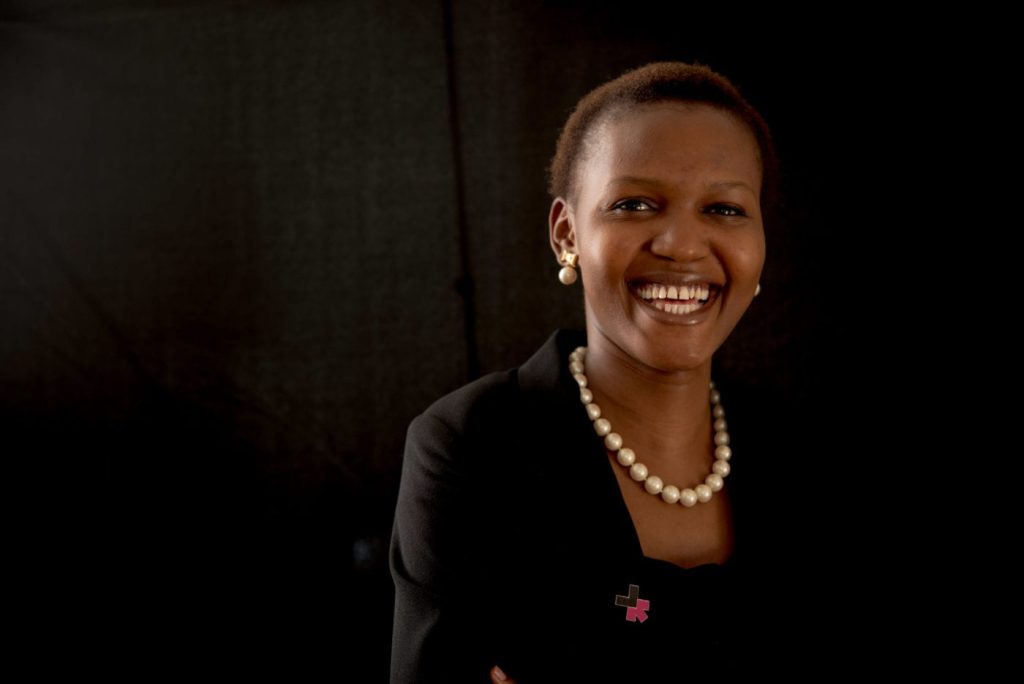
One year ago, in front of the entire UN General Assembly, the then 24-year-old Vivian Onano gave her first keynote speech. Not many 24 year olds can claim such an achievement, neither can they say they dined with FLOTUS, hung out with Bill Clinton or met all living American presidents, Jimmy Carter excluded. Coming from a small village in Nyanza province, Kenya, Vivian has grown into one of Africa’s most passionate youth advocates with credentials that have earned her a seat at the table with the greats of the world. Diana Odero, our SLA contributor, had a candid chat with the young powerhouse about how her life has changed significantly since then and why she will not stop fighting for the rights the youth deserve. Tell us, who is Vivian really? Minus all the accolades, jet setting and changing the world, tell us about the girl -Vivian Onano? Well, Vivian the girl is a very shy person believe it or not. I’m very shy and I think it’s my demeanor that makes people think I’m not. I consider myself an introvert because as much as I’m out there doing all these things, I always feel drained after an event or two. I always need some space and time to myself just to re-energize for the next day or the next thing I need to do. I’m very down to earth and that’s something else that is also wrongly perceived by those on the outside looking in. I love dancing and being around happy people who are also very focused. I keep my circle very small, around people who give me the positive energy I need to get things done. It’s really helpful to have such focused and enthusiastic people around you. That aside, I’d like to add that I’m very approachable guys! There’s been incidences when some journalists have been scared to approach me just based on the straight-faced look I usually have —please don’t judge me by my face, I’m always willing and happy to talk to people. How did you get started on this activism journey? My mum and my grandmother raised me, and my grandmother is a woman with a very giving heart. I grew up on so little but even with the little we had she would call all the neighbours and their kids to share with them when they didn’t have much. So, it all started from my family who taught me the importance of giving despite having so little. I remember I used to help my classmates with homework back in primary school and I was always that kid who would stand up for others, particularly my fellow girls. I’ve been a student leader from kindergarten all the way to college and I think that’s where all the self-confidence came from as well. It’s part and parcel of my DNA. The field you are in currently must bring lots of challenges and difficult tasks to take on. How do you handle such situations? How do you deal with conflict? It’s true that my field is a very difficult space to be in and I think it’s even more difficult being as young as I am. I always find myself in spaces with people of the older generation and mostly just men. It’s great exposure and it’s helped me build great networks but I always have to rise up to the challenge of knowing I’m still a young person who has to be an adult at the same time. I’m representing the voices of African youth and I want to be taken seriously but the kid in me still wants to be a kid. Juggling both worlds is quite the task. Whenever I go to conferences, people are always like ‘When I read your bio I thought you would be much older…’ Others expect to see a 40 year old woman so it forces me to rise up to the maturity level of a 40 year old woman while giving a presentation/talk yet I’m only 25. I still keep it very authentic and stay true to myself but I always hope my presentation matches what they are expecting to see. Whenever I’m speaking on a panel for example, I never want my age to be used as an excuse for the type of contribution I give to the topic at hand. I always want to deliver it the same way an accomplished older person would as well and attain the same respect, that way making room for future young people like me to get the same opportunity. As for dealing with conflicts, it’s always best to be diplomatic i.e. be very honest but also very respectful at the same time. I’ve come to realize that people think some spaces should only be for the older generation. Being mindful of that, I try and remain as authentic as I can be but respectful of where they’re coming from so as to avoid anything escalating out of proportion. You are a self-proclaimed feminist. What does the word feminist mean to you and why do you think it is still frowned upon today? Being a feminist in my opinion is giving everybody an equal opportunity to maximize on his or her God-given human abilities. The reason why it’s still frowned upon is because it’s seen as a sort of label for angry women. As a feminist, I don’t look at it that way. I engage with men just the same way I engage with women when it comes to feminism, gender equality, women’s empowerment etc. I actually think I’m much tougher on men as I try to make them understand the importance of gender equality, the importance of everyone having equal rights and opportunities and maximize on their talents. You have sat in the same room with some of the most prominent people in the world including President Obama and first lady Michelle. If you were to have dinner with anyone in the world, who would it
Discover your passion with these 6 commandments
For some, identifying their passion is a walk in the park. They don’t need the help of a guardian counsellor to point them to the rainbow’s end because they already know where it is. This category of people know what drives them —an awareness they discovered in the womb or accidentally stumbled upon early on in life. Either way, they’ve been spared the trouble of having to find where their heart lies. The rest of us, however, are stuck with hours of self-reflection, countless meetings with a career coach and general cluelessness. The very question; ‘what are you passionate about?’ elicits the same level of dread as having one’s tooth pulled without anaesthesia, because society expects us to know what it is. If you fall in the latter category, fear not, kiddo, for these six commandments have got you covered. 1. Thou shall quit your job Staying on a job you hate and griping about how much you hate isn’t going to lead to a light bulb moment. Trust me, it won’t. But quitting will. Transitioning from employed to unemployed will likely make finding your passion more urgent… and, yes, uncomfortable considering the scary economy and unemployment statistics. But with the new extra time, you can channel your energy into discovering the gritty stuff you’re made of by following the next commandment. 2. Thou shall experiment Breaking out of a routine is one way to find your passion. Grab at new opportunities wherever you find them. This could mean helping a colleague complete a task at work, volunteering in the accounting department in your local church, or watching a play, even if it’s not your thing. You’d be surprised at what tickles your interest, and in return your passion could be unlocked. 3. Thou shall ask questions Self-reflection and asking questions offer illuminating insight. What would you be doing with your time if you were filthy rich with no worries in the world? If failure wasn’t an option, what would you do? Or, if you didn’t give a damn about social approval? What are willing to suffer for or readily do for free for the next six months with a smile on your face? Be truthful with your answers (even those you think might cause your friends and family to give you the stink eye), then write them all down, evaluating each candidly. Pay attention to what you enjoy talking about, your favourite novels, songs and movies. How do you spend your days off? A common theme should connect them all. If so, find a way of incorporating it into your current job or converting it into a business. For example, if you love travelling (both physically and through art), you could start a culture blog featuring photography, book reviews and travel articles —and possibly make money from it. 4. Thou shall consult other human beings No (wo)man is born an island, and that’s why you need to reach out to those living out their passion for help. Search the web for articles about how others found their passion. Read memoirs of successful business people and those you admire for inspiration. Ask your family, co-workers or friends who are likely to support you to highlight your best qualities or talents, and use the information to clue you in on what makes you tick. 5. Thou shall take a trip down memory lane As a kid, what were the things you did for hours on end that never grew tiring or boring? What classes were a delight before mum and dad forced you to become a doctor, lawyer or an engineer? Your passion may lie in those lousy poems you wrote in junior secondary that no one read, the games you enjoyed playing, or in that book with dog-eared pages and a cracked spine. Making a list of all the things that brought you joy at age 7 would help resurrect forgotten passions to life. And if all fails… 6. Thou shall write an obit That’s right, an obituary. No, I’m not wishing death upon you. If you humour yourself and write what you would like it to read, not only would you be amazed at the things you come up with, the exercise will take you a step closer to the things you’re enthusiastic about.
Pretoria Girls High School: 5 lessons I learned from African girls fighting for their Afros
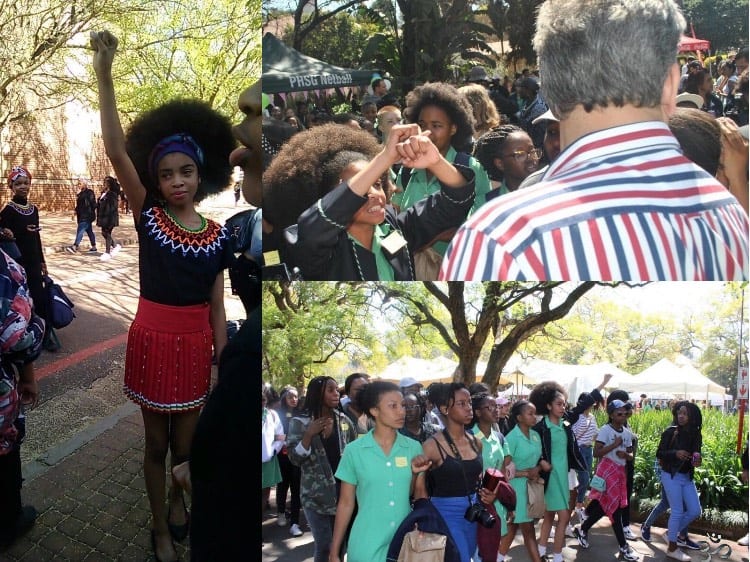
If you have not been living under a rock, you must have heard about the news that ruled the headlines last month. A group of girls in South Africa —who we would all like to adopt into our #SquadGoals— protested against their school for the subliminal and direct ways that they were being racist towards them. The subject in question was their natural hair. As an African living in the US, this trending topic about how unprofessional and untamed natural hair is, is not new to me. Growing up in Ghana, I had heard all the “hair is distracting” arguments. This is why most African girls rocked bald cuts for most of our childhood. What was news to me however, was someone telling African children that their natural hair was unnatural. There is a difference between distracting and unnatural. It’s like going to a school in London and telling the school children that their natural British accents were unnatural. From rocking a bald cut, to having permed strands to now growing kinky curls, I have experienced all the angles on the subject of ‘African Hair’. These are the 5 thoughts I had as I marvelled at the girls from Pretoria Girls High School. Stop telling us what to do with OUR hair Whether permed or kinky, whether braided or dreaded…African women know what they want to do to their hair. And we don’t need your two cents. If African women have to defend their hair everywhere else, should Africa be one of those places? When I heard this story in the news, the first question I had was “Where can we stand?” African features have been under attack since long before we can all remember. From our broader nose to our bigger lips. And now our hair. The fact that African features was being attacked in Africa of all places was unbelievable to me. I felt insulted, that this fight had found its way into our backyard. Are Africans not supposed to find a safe haven in their home? Representation matters I immediately thought of Sarafina when I saw Zulaikha Patel fighting with her fist up for what she believed in. African Americans and other minorities in America, fight every day to be represented respectfully in film, culture and the arts….so should African children not be represented in Africa where they belong home? We should not be denied the freedom of seeing people who look just like us and with hair just like ours. It warms my heart to know that almost thirty years after the movie Sarafina came out, these girls in Pretoria where able to draw the same kind of strength to stand up for what they believed in. Don’t tell us how to fight the issues that only affect us Don’t you love it when the people who are least affected by an issue tell the people most affected by the issue how to cope. (Looking at you, #AllLivesMatter). The problem with telling young girls to ignore the racial issues going on in their schools is that we neglect the fact that they will have to still deal with these same issue when their future employers are telling them their Afro is unprofessional. Problem #2 with the statement in the image above: How do you expect black girls to excel academically if they have to deal with the mental chains of society telling them that their blackness is unnatural? We are strong but we are tired of defending ourselves We are tired of defending our darker skin. Tired of explaining why saying “You are pretty for a dark skin girl” is not a compliment. Tired of hearing the snide comments about how our hair would be more manageable if it was straighter. Tired of hearing how the traits that are most natural to us are somehow unnatural. Teach girls to fight The future of Africa lies in the people who dare to fight for it….and the girls in Pretoria Girls High School fighting for their Afros are all kinds of #goals. These girls came together to raise their voices and change the dialogue in the culture. These girls stood up and peacefully protested. They got made the world listen. They captured the attention of world leaders, all because they decided to be girls who fight. Girls need to be taught that they too have the power to fight for a good cause. Fighting to change the world is not just an exclusive club for Nelson Mandela and other men. African girls can change the world if they will only fight.
Lona Mnguni: Motivation is like happiness, it shows on the outside
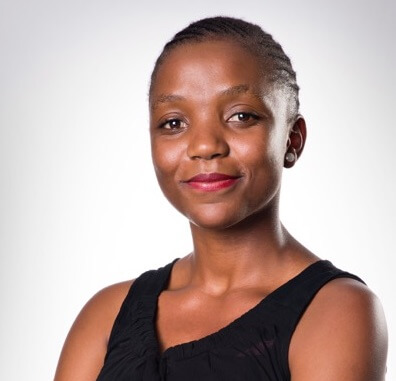
Some women look unemployment in the face without fear. When Lona Mnguni found herself unemployed after leaving her service consultancy job, she came up with Gracenet Logistics. Gracenet is a social entrepreneurship venture that aims to improve livelihoods in rural areas and townships in South Africa through logistics and distribution. When Lona shared her story with SLA, we learned that she has high strengths in empathy and motivation. Lona lets us know her tips on keeping herself and her small team motivated. She also reminded us of the importance of leading from a place of understanding. Tell us about the inspiration that led you to start Gracenet Logistics? Starting Gracenet Logistics was a case of making lemonade out of lemons while simultaneously creating an impact in rural areas. I grew up in a rural town and during school holidays, we would visit “home” in our rurals. I’ve always wanted to improve life for those who live in rural areas in one way or another. The opportunity presented itself at a time where I found myself unemployed. The only experience and qualifications I had were in banking, logistics and customer service. What better way to create the impact I wanted, create employment and also do something about my own unemployment than to create something that will combine my interests? Gracenet brings together my love for rural areas and the lack of access to resources because of a delay in logistics to them. As well as procedures and customer satisfaction measures that would ensure that timelines are in place and communicated to the end user. Why did you decide to leave your job as a service consultant? I wanted more, I had worked in my job for two years and found that in that time it was going to take me ages to move on to the next level. I wanted growth, and to develop as an individual. When I resigned, I had not resigned with the intention to start Gracenet. I resigned to join another organization in a position just above the one I was in. However, things backfired and the position was not available anymore by the time I had finished serving notice. Why do you think little attention is paid to deliveries in rural areas and townships? I would say it’s the roads. Also, the task that it is to actually deviate from a route that is on the main road to then get onto a gravel road. Most big companies have set routes and this would mean that there would be a delay in their delivery times. What was the situation that lead to resources such as school books and medication sitting for days on end in warehouses? What prevented them from being distributed? Delivering to rural areas, more so to public institutions, is not as easy as putting the address in the GPS and driving there. This is because the address might not be there or may be inaccurate. Sometimes, even when the drivers get to the area that they are delivering to, they still need to ask for directions. With school books for example, before leaving we would have to call the school to find out where they are located. All of this takes effort and I’m sure that the reason most of these resources are not distributed is because no one is willing to put in the extra time and effort to make it work. How do you effectively manage a small team? I recently did an emotional management session with my mentor. In a quiz, my two highest scoring strengths were empathy and motivation. This was comforting because it was confirmation of my ability to keep my team motivated and always lead from a place of understanding instead of being a dictator. Having scored high on motivation, can you share six ways you motivate yourself and your team? Keeping myself motivated, is the important part. Motivation is like happiness, it shows on the outside. When you are motivated, it rubs off. I keep myself motivated by; Looking after my spiritual health, Consistently practicing mental toughness Celebrating small victories and Reading and watching things things that motivate me (such as my SLA newsletters). Keeping a small team inspired can be challenging. At times, everyone will slack off or feel entitled as we all play multiple roles since the business is still at start-up phase. We have regular conversations about the current position of the staff in the business and the position of the business as a whole. I also constantly remind my staff of the company’s vision, and that we are in a growth process together. Hey South African #MotherlandMoguls, the SheHive will be landing in Johannesburg from November 3-6. Find out more here.
Carol Nyazika: It doesn’t matter if others don’t believe in your dreams
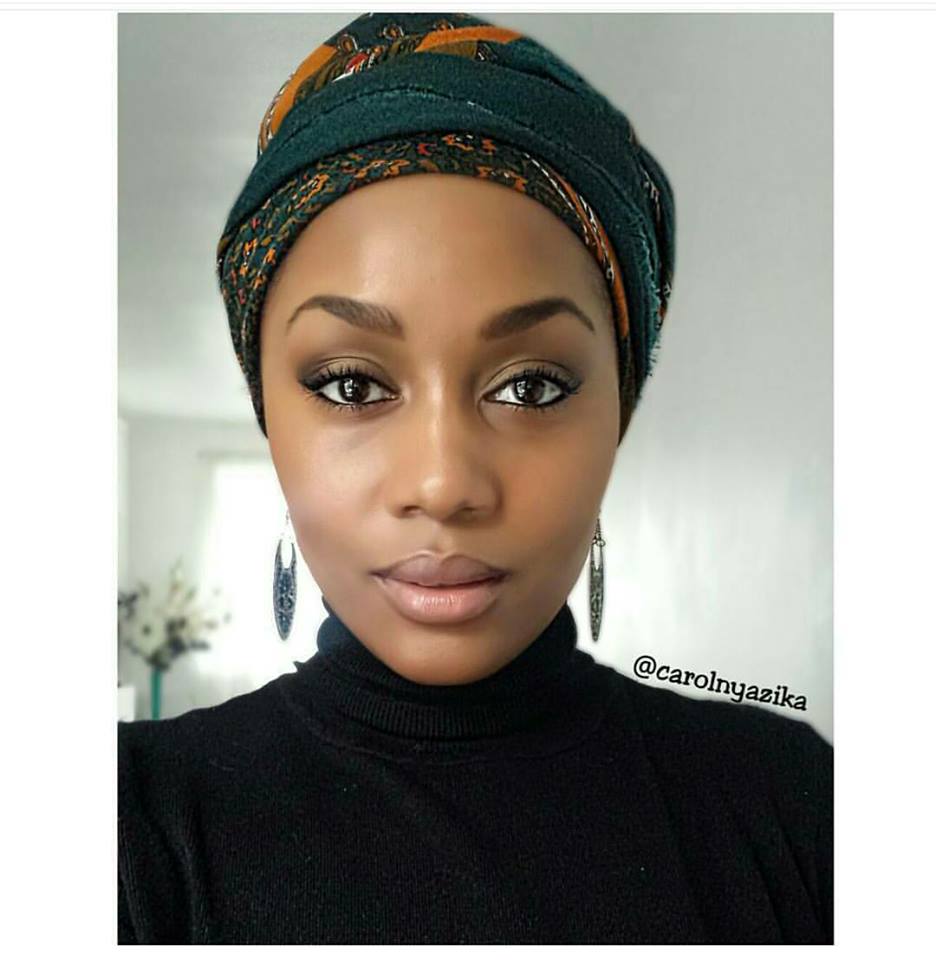
Moving back home was a strategic decision for Carol Nyazika, founder of African Women Awards (AWA) and the founder of Ndanaka. SLA contributor Glenda Makumbe met up with 27-year-old Carol Nyazika just a day before she travelled to South Africa. Carol has been based in the UK for the past 10 years but just recently moved back to Zimbabwe. She studied social work at Sunderland University, is a trained organic skin care formulator and is very passionate about women in business. Carol credits her passion to her very ambitious female family members. In this chat with Glenda, Carol shared the reason behind giving her blog a Shona name and how she founded her own version of Black Girls Rock, the African Women Awards. Let’s talk about Ndanaka. What is it and how did it come about? I started Ndanaka in 2011 when people were not really talking about natural products. Ndanaka started as a lifestyle blog that promotes natural skin and hair care. I was suffering from dry skin and my mother was also going through a phase where her skin was breaking out and all the products she was using were not working for her. I started mixing up a few things for her that she could try. I am actually a trained formulator. So, creating was just me putting what I learnt to practice. I gave my brand a Shona name because there are so many products out there with either French or foreign names. We can hardly pronounce them but we learn to. So, I knew that there was no harm in giving my brand a Shona name and to be authentic about it. The word Ndanaka has several translations and can mean “I am beautiful” or in slang, “I’m good“. What challenges have you faced as a black African woman living abroad? I relocated to Zimbabwe in April this year. That was a very strategic move for me, to grow Ndanaka and be fully present to grow AWA. As a black African woman living in Newcastle, I realized at the time that there were not many black people. Therefore, it was not easy to get access to things like makeup or good salons that met the needs of the black woman. Many people had to go to Leeds or London to access such things. Tell me about African Women Awards (AWA). How and when did it start? Ndanaka came before AWA and the plans for Ndanaka led to AWA. After looking at Black Girls Rock and the BET awards, I realized that we could not narrate our own stories as Africans and we did not celebrate each other on a continental level. The only other awards ceremony, within Africa, that successfully do this are the MAMA’s.I decided we needed something for the African continent that would recognise all the brands, names and phenomenal work being done. Zimbabwe is the pilot for AWA and the awards are in their second year. Next year, we will be moving to a different country. Therefore, each country has an opportunity to host the African Women Awards. What setbacks have you faced, especially with AWA? People thinking I was a bit too ambitious because they just could not see my vision. I had someone tell me that I was better off having a TV show where I just interview the women. Lisa Chiriseri understood my vision and joined me on this journey that we are now on. A lot of people were not confident in AWA as it was something new but now, the confidence that people have in the initiative is amazing, We have moved from the venue that we hosted in last year to a much bigger venue this year. We had embassies present that represented the women who were nominated from their country and accepted the award on behalf of the winner who wasn’t in attendance. The minister of women and gender was also present. Is there anything in your educational background that helps in managing your business? I think my background in social work really gives me a head start on how to read people. I can pick up on body language and that is something thats essential in business. How do you balance your time between running Ndanaka and AWA? It’s actually three things that take my time, Ndanaka, AWA and my 9-5 job (Get Cash). I have an amazing team at both Get Cash and AWA. You need people to help you execute goals and a strong team to hold you accountable. There’s also a business balance between Lisa Chiriseri and I. She is the co-founder of AWA. That has also helped tremendously. Which African woman has had the strongest influence on you? My mother, she has taught me so much about life and has helped mold me into the person that I am today. Ellen Johnson Sirleaf, only because she is the first female president. Natalie Jabangwi of Ecocash, a money transfer mobile application in Zimbabwe. Mo Abudu of Ebony Life Television and of course, most of last year’s AWA’s nominees. With so many distracting influences, how do you stay true to yourself? At times, you do not even realise that you are being influenced but I have a lot of people who keep me accountable. I find balance through that and they keep me in check. What work ethic is important to you? Discipline. You can be motivated for a while, but it’s only with discipline that you can accomplish anything. What should we look forward to from you in the next five years? Ndanaka will be recognised across the continent. AWA will be a household name and internationally recognised. Married with little Carols, maybe. Lastly, three words to live by? I will use a phrase instead, “It’s not over until you are dead.” It’s never too late for a lot of things. Just don’t stop Want to see women you know featured on SLA? Tell us what amazing things women are doing in your communities here.