
10 more TED talks by African women that will inspire you

In January, we shared 10 TED talks that will inspire you this year. As we’re already midway through the year, we figure inspiration levels may need a reboost. So, here are even more TED talks by African women running things that will remind you how awesome we all are at winning. 1. Siyanda Mohutsiwa Siyanda Mohutsiwa is a 22 year old blogger and writer from Botswana using the Internet to pursue her pan-African dreams. She is the person behind the #IfAfricaWasABar hashtag that went viral gaining over 60,000 tweets in July last year. Siyanda’s TED talk is a funny look into how young Africans are using the Internet, particularly through Twitter to get to know each other better. 2 Kechi Okwuchi Kechi Okwuchi is has achieved a whole lot in her lifetime. She survived the Sosoliso plane crash in 2005 that took the lives of 60 of her schoolmates who were flying home for the holidays. Kechi used her second chance at life to uncover her passions and went on to graduate magna cum laude from university. Her story inspires us to know ourselves and our vision. To remember that scars that don’t define us and that our passions can make our dreams a reality. 3. Achenyo Idachaba Achenyo Idachaba’s idea turned a plant associated with death and destruction to a source of lifelihood. In 2009, Achenyo left the United States to relocate to Nigeria where she put to life her concern for sustainable development in the country. She took the water hyacinth, a plant that clogs many Nigerian waterways and found a way to dry and weave its stems, transforming the plant into ropes that make pens, purses, tableware and much more. 4. Kakenya Ntaiya As a young Maasai woman, Kakenya Ntaiya already did things that no one else in her community had. She bucked gender expectations, negotiating with her father to stay in school, getting the male elders to support her to go to university in the United States and returning to set a girls’ school in her community. Kakenya’s story reminds us that when there’s a will, there will always be a way. 5. Juliana Rotich Juliana Rotich is the co-founder of Ushahidi and iHub. Ushahidi is a Kenyan open-source software used globally that collects and maps out information while the iHub is a collective tech space in Nairobi. In her TED talk, Juliana shares how she and her friends developed BRCK, a service that offers stronger Internet connectivity specifically designed for African needs such as power outages. 6. Ory Okolloh Ory Okolloh is an activist who regularly reports on the going-ons of the Kenyan parliament. She started the blog Mzalendo that shined a light into the goings-on in the parliament, bringing citizens closer to their government at a time when what went on in the Kenyan parliament was secretive. Here she gives insight into her heroic work as an activist. 7. Kah Walla Kah Walla is a Cameroonian entrepreneur, activist and political leader. She is also the first woman to run for president in Cameroon. Kah has worked in developing solutions to encourage economic growth and democracy in her country. It doesn’t get more inspiring than listening to the words of a pioneer. 8. Panashe Chigumadzi Panashe Chigumadzi is a writer and storyteller from Zimbabwe. Her debut novel, “Sweet Medicine” is highly acclaimed and she has produced a documentary, “Africa’s Upstarts”. Here, Panashe reminds us that stereotypes can shape the way even we view ourselves. While this makes them hard to shake off, technology can change that by more equally distributing power that Africans can use to their advantage. 9. Jepchumba A digital artist and founder of the African Digital Art Network, Jepchumba is a role model for working where your passions lie. At TEDxEuston, Jepchumba says her entire life is based online and reveals that Africa’s digital potential is hidden submerged under the surface just waiting to rise. 10. Lindiwe Mazibuko Lindiwe Mazibuko was the youngest parliamentary leader and the first black woman to be the Leader of the Opposition in South Africa. In her talk, Lindiwe gives her reasons why young Africans in the Diaspora should return to work in civil service in their respective countries. Lindiwe reminds young people not to run away from politics and find ways to give back to our countries for the better.
Nisha Maharaj: Women in tech are admired, go and make things happen!
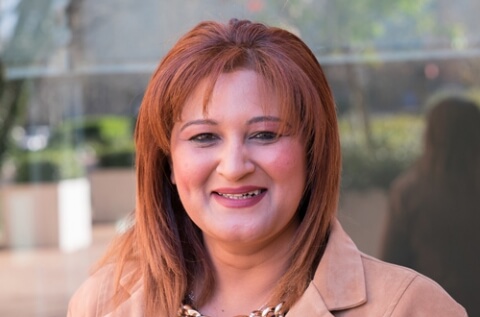
Technology innovation is a buzz word across the continent. More investors are rewarding ideas that are disruptive and can be used to make meaningful change in people’s lives. Yet looking through lists of top African tech companies, you may need help finding the women. Enter Nisha Maharaj, the founder of Niche Integrated Solutions which sets up strategic partnerships and innovation platforms in South Africa. Nisha readily dishes info on the South African tech scene and what it takes to succeed as a woman in tech. What is the tech scene like in your country? Are there many women in it? South Africa is advancing in the tech arena, but we can still learn from the tech leaders out there in the rest of the world. My context is to lead some of the best technologies in the world to Africa and vice versa. I also want to lead some of the best of South African technologies to the rest of the world. Women in technology is always a subject of debate, yes there are many women on the forefront of the tech scene but I still find myself walking into a boardroom of 20 men and 1 woman. That one woman being myself. We need to make a serious effort to change this status quo! Did you face any obstacles when you started your company? How did you overcome them? Funding is always a challenge when you start off, new markets , new clients –always stressful. It takes perseverance to get through it and determination coupled with a good business plan is what sets you out from everyone else. In a way, an entrepreneur learns best the hard way. You simply never give up –that should always be the motto. I was lucky, I have friends amongst the global leading technology partners in the world and this has helped us close a few multi-million dollar deals in a very short space of time. Your company is 100% women owned, is there any particular reason for this? We are 100% black owned, 100% debt free, we have made 100% turnover as compared from one year to the next. The reason we are 100% women owned is simply because we are trying to show the world that women can be leaders in the technology arena as well ! What does it take to establish a successful technology business in Africa? You need to make a thorough assessment of the technology innovation, critical studies and research on application. Then you need to be sure about your market. Having the best technologies in the world is pointless if you don’t have the right marketing strategy. The take to market and entry point is a critical success factor and if you can get this part right, success is inevitable. If you could make a 30 second speech to young African women, what would it say? I would say that Africa is an oyster of opportunity –technology is the one thing in life that will never remain constant. There will always be a demand for it. Women should be more courageous to take on this context of technology. Whether you are a sister, child, mother, grandmother, you don’t need to be a genius to own a technology company. You simply need to have the business acumen to do well at it in order to thrive. Women in technology are admired, go out there and make it happen! If you’d like to share your story with She Leads Africa, let us know more about you and your story here.
Thokozile Mangwiro: Africa is producing the most beautiful, natural and organic skin and hair care products
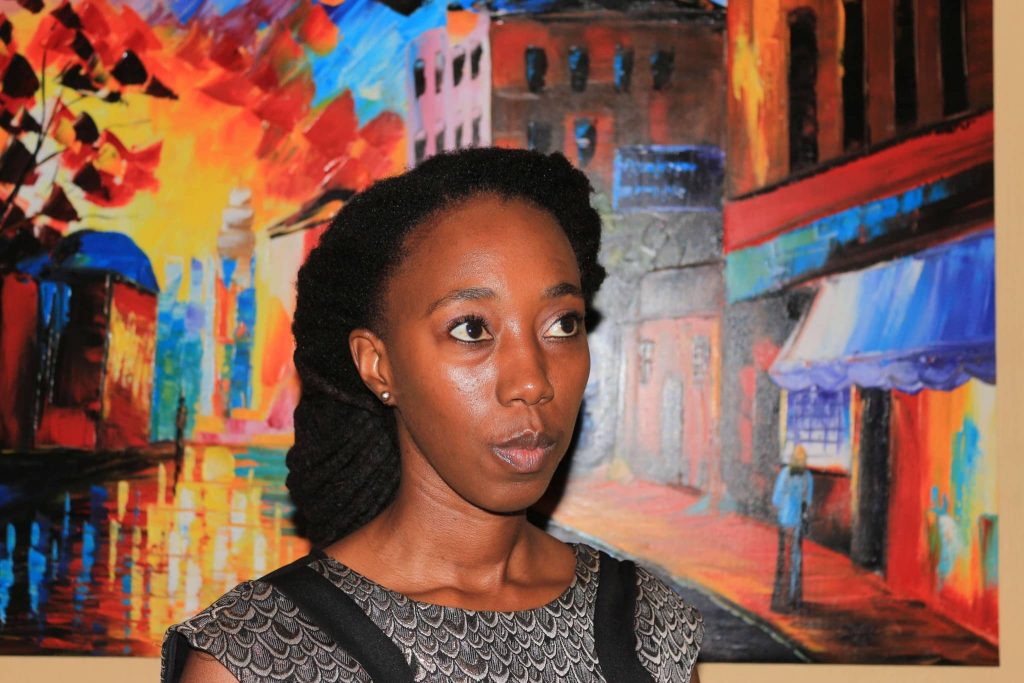
Global black hair care is on the rise. In South Africa, the black hair care industry was estimated to be valued at R9.7 billion a year in 2015. Budding entrepreneur Thokozile Mangwiro believes that Africa is producing the most beautiful, natural and organic skin and hair care products. Her brand, Nyla is reaching for a share in that billion rand market by creating products using marula oil, an indigenous oil to southern Africa. What is the natural hair scene like in Johannesburg? What sort of events do you have? The natural hair movement in Johannesburg is absolutely inspiring. There is a lot of consciousness and awareness about the movement from chemically laden products towards greener natural hair care. We are currently in the midst of the South African winter which can be very harsh to the skin and hair. Protective styling is the order of the day. Hair-line friendly plaits and wigs are definitely in. Naturals here also have “Hair stokvels”, where we get together to share and educate each other about caring for and growing our natural hair. Hair stokvels also have natural hair care product stalls and guest speakers. There are other events like the “For Black Girls Only” event, which does not set out to exclude other races, brings together all African women from all walks of like to celebrate just who we are. Why does your brand focus on marula oil? We believe that marula oil the secret to timeless hair and skin nourishment. This magical oil is obtained from the core of the marula fruit. Marula oil is indigenous to Southern Africa, yet clientele have never heard of it and it’s rich properties. The Tsonga women of South Africa and Mozambique have used this oil as a moisturiser and a massage oil on babies for years. Marula oil has protected the African skin and hair against harsh and dry, hot and humid weather conditions. It’s multi-purpose, used for personal care and is safe for both babies and adults. Marula oil contains properties that create a high performing cosmetic oil that mimics the skin’s outer layer, regenerates the skin cells, thus promoting a youthful looking, well-nourished healthy skin. It’s a light weight oil, meaning it quickly absorbs into the skin and hair, while leaving a non-greasy silky smooth feeling. It is gentle enough to use alone or with any lotions and facial skin creams. Do you only create hair care products? We focus solely on natural hair with Nilotiqa Hair Care which is formulated for dry and damaged hair. Nyla Marula Beauty is our luxury natural and organic brand that caters for all types of skin and hair care. Our Marula Evolution Collection showcases pure Marula oil, fused it with various natural botanical and organic ingredients to create the most luxurious products to nourish skin and hair. Because the products are organic and natural, they are suitable for all skin types. Our product line consists of a deep replenishing co-washing conditioner, deep moisturizing butter, detangling cream and nourishing scalp and hair oil. Our natural products are formulated with high-quality nourishing ingredients such as shea butter, coconut oil, castor oil and avocado oil. We avoid artificial sourcing of ingredients and our products do not contain petroleum, lanolin, parabens, phthalates, or artificial colors. What tools do you use to grow your business? Firstly, our business is incubated. This has given the business organizational, financial and operational structure. Secondly, we ensure that we collaborate with cosmetic organisations that have high standards for compliance. This forces us to look into how compliant we are and ensure we distribute high quality products locally and internationally. Lastly, we purposely use social media to reach out to clients that are not only local, but also international. What is your favourite style for a bad hair day? Bad hair days for me means seriously dry hair. I first try to get moisture back in my hair using my Nilotiqua Deep Moisture Butter. I am lucky enough to have long dreadlocks and so after adding the butter, I can just tie my hair up into a bun. I am also huge fan of head wraps, known as doek in South Africa. Those can get you by for a week. If you’d like to share your story with She Leads Africa, let us know more about you and your story here.
How to start a media company with no money and no clients

If you’re ready to take the leap and start your own media and communications company, there’s no reason not to! Sometimes life requires you to take just jump and make your idea a reality. There must be some method to the madness though especially when you’re on a budget and have no clients upfront. We got some insider tips from Anne Mazimhaka, co-founder and creative director of Illume Creative Studio, a communications agency based in Kigali, Rwanda. Launch online There’s no need to launch your company with a cocktail party, bottles of champagne and a fancy guest list filled with big names that likely won’t show up. Go the easy way and start with a simple but good looking website. Like with Squarespace which offers solutions for easy websites that will be eye-catching enough to your future clients. Your website should clearly list the services you offer. Remember to keep things clear and direct, let people know what you’re offering from the word go. As a communications agency, you can start out offering services such as content development, creative consultancy, editorial roles and social media strategies which you can offer from the comfort of your home. Your contact details should also be well displayed for when people need to reach you. Make full use of your network This is something that you should start on before you take that leap. Build a network through attending events and rubbing shoulders with the change-makers in the industry. Save their business cards and contact details for when you’re ready to launch your company. As your launch date approaches send a newsletter announcing it through a service like MailChimp. The key is the leverage the power of your network, and when contacting them do so strategically. Emails easily get deleted but people do not mind receiving an email announcing a company if they can see what’s in it for them. This is why you should include an offer in your initial newsletter, such as 20% off for first-time clients. This is a great opportunity to attract clients. Invest wisely You’ll want to ensure any little money you have is spent wisely. Get business cards and postcard sized pamphlets printed out. These should again advertise your brand and the services you offer. Once your business cards and pamphlets are ready, you should reach out to people who you would target as clients and leave those behind with them. This way you’re doing your advertising yourself. By the time you snag your first couple clients you’ve set the ball rolling. When people see the value in what you have to offer, they will come flooding in.
How to succeed as an event planner

So, you’ve set up your events planning company but have hit a few snags along the way. You thought everything was in order and progressing well and aren’t sure why you’re not as successful as you projected. Don’t panic yet. Shit happens, don’t let that stop you from achieving your dreams though we’ve got your back. Here are some tips that’ll help you towards becoming the badass events planner you’ve always wanted to be. Be good at managing The first step in managing starts with you. It’s very easy to feel like you have wasted a whole day doing nothing when you haven’t properly managed your time. Once you’ve mastered the ability to coordinate yourself and work efficiently, you’ll find that you’re achieving more. Next, look at your team. How are you coordinating them? Are roles clearly defined? Are deliverables clearly set so your team is doing what they are supposed to? If not, time to step up your game. You’re the leader here, guide your team and lead them to success. Be resourceful Resourceful here means being creative when facing any problems. As an events planner you will undoubtedly face random problems that can emerge during events. If the electricity doesn’t trip up, there’s a toddler throwing a tantrum while someone is trying to give a speech. You need to sit yourself down for a one-to-one. How effective are you at thinking on your feet and using your gifts to problem-solve? To win you must be able to remain calm while the world burns around you. When something doesn’t go your way, think quick and sort things out resourcefully. Be good at communicating This is linked to teamwork as your team is integral to your success. Make sure your team is clear on your ideas and your vision. When communicating with your team, be respectful to everyone regardless of their role. Speak the same way to your decorators as you will to the catering team. When anyone on your team offers suggestion, listen. Accept criticism when necessary and be open to their ideas. Your team should run like a well-oiled machine. Every single person has their part to play in running an event smoothly. Be best friends with your vendors As an events planner, the most important relationships you’ll have outside your team is with your vendors. Vendors come in different flavours, they are the ones that make your events run without a hitch. The caterers, the rental companies, the hotels, the music band…maintain a good relationship with them. Study your vendors, learn about them by conducting interviews (formal or informal). When you have an established relationship with them, you stand a better chance at getting the discounts you ask for. Once your vendors become your bffs you’ll be able to reap rewards. They may even refer clients to you. Be mindful of your clients There is no set formula to ensure that all your clients are happy and content. The first step to growing your niche of customers who will always use your services and refer you to others is to do right in whatever you do. Listen to what your clients want and uncover their hidden needs. Then when you are creating their events, add that unique touch that only you can bring. This will make you stand out and is another step to achieving the success you deserve. Be passionate Remember the passion that you had when you started out as an events planner? Don’t lose it. Keep that passion burning. It should be the fire that never goes out. Passion for what you do will get you through any rough patches that you may encounter. Passion will also make it easier to run your business day-to-day. When you need to crack your whip to get things done, it’s your passion that’ll drive you.
Minding your own business: the strategic and leadership responsibility

Minding your own business is very important as a leader or CEO. Leaders of any kind have three fundamental responsibilities – crafting a vision, building followers, and championing execution. Whether you are a celebrated musician, entertainer, actor, politician or business person, you become a leader the day your vision starts to gain a following and people start paying real attention to what it is that you are doing. This is where the responsibility of leadership actually begins – in continuing to gain the wilful interest and attention of followers (clients, business partners, staff) through the art of your work and business. Even as you champion execution in original and remarkable ways. Minding your own business That process is what I call minding your own business. Minding your own business here means paying deep attention to the way that you operate, direct and lead your business. All this so that the end game can be a masterpiece. Fanciful? Not so. The most successful businesses are led by CEOs who are usually atypical in the way that they think and do. That is what gains them recognition, that is why the world begins to pay attention. These CEOs think deeply about their business service and or product. They think laterally about the potential outputs and products of their work. And they do different through their thought leadership. Many years ago I was in a two-day strategic planning workshop in Nairobi, Kenya. There we had been tasked to imagine a new future, to see who our clients would be in 5, 10 and 15 years time. We were tasked to think about how we would engage with those clients in subtle yet strong ways. We also had to complete the same exercise for our staff. What competencies, skills or disciplinary expertise would we want and need in our future staff? What would it mean for the operations and administration of our firm today? The implications for today were important because we want to create a future, not to arrive at a future that we had not made ourselves. Creating your future I remember being completely mind-boggled by the exercise. The projected requirements some members of our team were coming up with seemed improbable and fantastic. Yet they were inspiring. From renewable and clean energy consultants, to sustainable agriculture experts, to corporate responsibility consultants. These may seem obvious now, but 15 years ago it was not. Back then consulting involved business process re-engineering, financial management, human resource management and the likes. No one was really thinking of consulting in these ‘new age’ disciplines. But therein lies the responsibility of minding your own business. The amazing thing was that even though the process started slowly, some ten minutes into the exercise a new electrifying energy filled the room. As one person dared to imagine, we all started to imagine. Even as we imagined what the business might look like in years to come, we all got excited about the part that we individually would play in that new future. I think that was what really stirred the energy. Suddenly everyone’s work and contribution became meaningful. Our leader had started the process of championing execution. Imagine and create new possibilities Eight years ago in Lagos, Nigeria, my team sat in consultation to the then Governor of Lagos State, Babatunde Raji Fashola, advising him and his commissioners on their respective medium term sector strategies. We imagined a Lagos where priority was placed on adherence to the rule of law and on a culture of proactive service delivery. We imagined a Lagos exemplified by physical, artistic and cultural attractions with international appeal. A clean environment of aesthetic beauty and serenity. A Lagos where there is security of life and of property. Where was this Lagos? It was in the mind of our future. Effective business leaders set aside time to imagine and examine new possibilities, even though they may not immediately know the ‘how to’. It is the process of imagining and being committed to new possibilities that is actually the most critical part of being strategic as a leader. We don’t reject an idea just because we are not sure of ‘the how’. The best of business leaders are risk takers, doers, and the makers of things. It is time to start minding your business.
Sitting still is the new move: On meditation

Almost everyone I know is either busy or tired. In this age of hyperconnectivity, we’re always “on.” In the race to stay on top of work, news, and friendships, it’s difficult to find time for self-care. By creating the space to embrace the present, meditation gives us the time to tune out the noise and listen to our inner voices I first learned the importance of meditation at my Quaker high school. Silence is a unique features of a Quaker worship service. Through silence, Quakers believe they can listen, reflect, and deepen their connection with God, their community, and themselves. For forty-five minutes once a week, teachers and students met in a sunlit room to sit in silence. In such a competitive, Type A environment, the fact that we came together weekly to affirm the time to reflect and to dream is extraordinary. Taking the time for mindfulness helped me listen to my inner self rather than follow the crowd. As a teenager trying to figure out life, that space was essential. But as a young woman in the digital age, I find the need for silent reflection even more essential. It was easy to meditate in high school when the time was carved out for me—it’s harder to accomplish now as an adult with a hectic schedule. But according to experts, meditation one of the best ways to focus and be present rather than in “react” mode. Ready to start meditating? Here are a few tips for incorporating it into your life: Start small Sit for just five minutes a few days a week, and gradually build upwards. Check in with yourself How do you feel—tired, anxious, energized? Focus on your state of being and you’ll learn more about yourself. Don’t worry about doing it right For some people, meditation is about clearing the mind or avoiding all thought. While that can happen during meditation, that’s not the point. It’s normal to have thoughts, and meditation can help you better focus the direction of your attention. Create a space When you’re meditating for short periods of time, your location might not matter as much, but as you increase your time spent meditating, you should be comfortable. What does your soothing environment look like? Do you need a pillow? Do you prefer sitting in the sunlight or an evening session with candles? Design a calming space that helps you clear your mind. Make it part of your daily routine Set a reminder to meditate each morning to help get your day off to the right start. Switch off your phone and find a quiet space. Can’t take the time before the morning commute? Try carving out a little bit of your lunch break or use meditation as a strategy to unwind before bed. Join a community There are Meditation Meetups in thousands of cities worldwide. If you can’t find a group that suits you, create one with family, friends or colleagues. Depending on where you are, you can look into your company benefits—many employers now provide meditation training to promote wellness and productivity. Try an app Some crowd favorites include Headspace, Buddhify, and Mind. Every morning, I take half an hour to meditate. The silence helps me cope with the deluge of information I receive everyday in my full-time job as a Communications Manager at a multi-stakeholder industry association and my night-owl assignments as a freelance writer and editor. In the words of Buddha, “All that we are is the result of what we have thought. The mind is everything. What we think, we become.”
Tshepy Matloga: Recognition is the best motivator
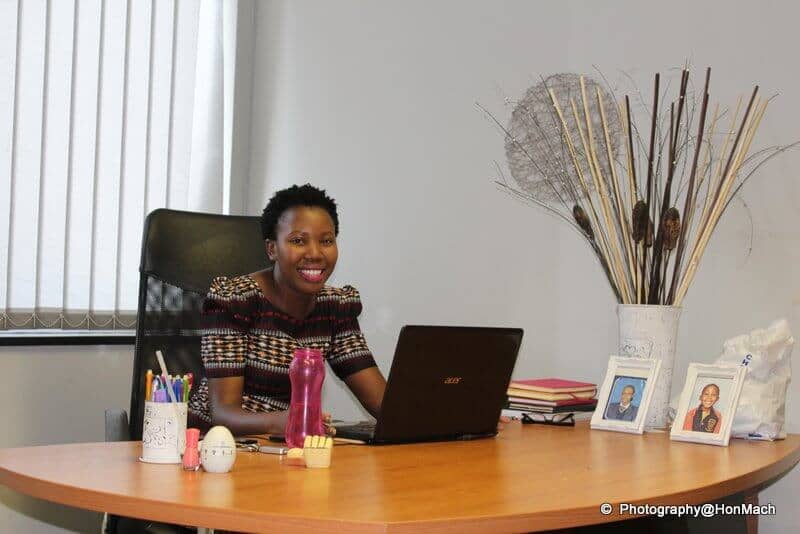
South African journalist Tshepy Matloga started making frequent visits to Malawi in 2014 when she noticed the lack of business magazines with Malawian content. Tshepy jumped at the chance to address this gap by launching Inde, a business and lifestyle magazine aimed at Malawian women. Here, Tshepy shares tips on setting up shop in another African country and speaks on being voted a top South African inspirational youth. You’re South African, why did you decide to start a publication in Malawi? More than a year ago I became a frequent visitor in Malawi. I was charmed by how serene and peaceful the country is compared to the hustle and bustle of South Africa. As a journalist by profession myself, some of the things I collect are magazines and it baffled me that I could not find a single publication that was about women and the business landscape in Malawi. Yes, there are so many publications in Malawian shops but they are all South African publications coming here packaged with South African content. I also met my partner here who happened to be in the media too. When I ran the idea past him, we both decided to bring to life Inde magazine in March 2016. “Inde” is a Chewa word meaning “yes”, Inde Magazine is Malawi’s only business and lifestyle magazine. What is the business climate/culture like in Malawi and how is it different compared to South Africa? The business landscape in Malawi is extremely different than the one in South Africa. I am used to a fast paced business environment and I have found Malawians to be very relaxed, there’s no hurry here whereas in South Africa time is money. With that said, I think my biggest challenge was having to slow down my normal work pace so that I didn’t become too overwhelming. I however like the Malawian walk-in policy, you can just rock up at a company with no appointment and request for a meeting and if the person is available they will make time to hear you out. That part has made things easier for me because I came here with no business contacts. What tools do you use to extend the reach of Inde magazine? Social media has been very helpful in this regard. Then, Malawians are generally friendly people and it being a small community, word of mouth also goes a long way. I have also been trying to partner with local events so that the brand is exposed even more What other projects do you engage in outside Inde? My public relations firm, Chronicles Media Group is present in both South Africa and Malawi. Outside Inde, Chronicles Media group also offers PR services such as corporate communications, social media management, brand management and events. Besides PR and the magazine, I blog for a South African organization called Leadership2020 where I write about my life journey, from growing up in the village of Botlokwa in the northern part of South Africa to running my own company. You recently made Youth Village’s list of the top most inspirational youth in South Africa, how does that feel? Recognition is the best motivator. To be young and know that in the few years that you have been on this earth you have impacted lives is a sign that you are going into the right direction. Everyone who knows me well knows that I have struggled to get to where I am today. From Botlokwa, packing my bags and going to university even though I knew very well my mother could not afford the fee; to struggling to find employment, and when I eventually did find one I did not like it; to starting my business with a few thousands I have saved from freelancing jobs. I have to admit it was a curvy road. So with that said, it is things like such recognition that remind me that the journey was and is worth it. What advice will you give to young African women looking to start a business in another African country? I’d say the beauty of venturing into another country is that you are new there so it makes it easier for you to identify gaps and thus fill them up. Africans are generally friendly people therefore making it easier for a new person to just get lost into the communities and be part of them. But, I have to say markets are not the same. In another country you might find yourself having to adjust your prices and make them lower to make your services/products affordable to the locals. If you’d like to share your story with She Leads Africa, let us know more about you and your story here.
Business Alchemy: Creating the extraordinary from the ordinary

In its simplest form, alchemy is the process of taking something ordinary and turning it into something extraordinary -sometimes in a way that cannot be explained. Alchemy is seen in the way an artist can, quite magically, transform a heap of scrap metal into a breathtaking piece of art. I believe that in the business world, we are all trying to create alchemy. We want to take something ordinary and turn it into the extraordinary. Whether you are social entrepreneur Patrick Awuah, taking tertiary education through it transforming lives so that students learn to shape their societies in remarkable, unique ways. Or whether you are Mo Abudu, CEO of Ebony Life TV, Africa’s first Global Black Entertainment and Lifestyle network, taking up the challenge of owning an African TV network where Africans can demonstrate their artistic skills and creativity in a relevant way. Lessons from Coelho’s “The Alchemist” One book that continues to have a profound effect on me is “The Alchemist”, by Paulo Coelho. A simple fable about pursuing your dreams, “The Alchemist” has enough wisdom in it to inspire and motivate you. It can push you to pursue and take charge of your business aspirations as much as any work you will find in the Harvard Business Review –the story is that good. It starts in Spain, where a shepherd boy, Santiago has a dream. He literally slept one night and had a dream that he travelled and found a treasure in Africa, Egypt to be precise. The dream was so compelling –just as your business aspiration might be– that Santiago could not let it go. He had to actualize it. Selling all his sheep, he set off across the ocean to find his treasure. Where your treasure is, there your heart will also be Much of “The Alchemist” is about the Santiago’s odyssey. His adventures, the people he came in contact with (the good, the bad and the ugly), his new learning, love, and eventually finding his treasure in the most unusual place. This reminds us that as we pursue that compelling vision, that business aspiration, we must be aware of the dynamic world we live in. We need to be flexible to succeed at alchemy. Now to connect “The Alchemist” to Patrick Awuah and Mo Abudu. It may have been on a CNN’s African Voices interview, that Patrick recalled that he was driven to leave his work and life in the US. What pushed him was his vision of starting a first class tertiary institution founded on strong leadership principles in Ghana. He was further motivated by that most famous quote from Goethe; “Whatever you can do, or dream you can, begin it. Boldness has genius, power and magic in it.” Like Santiago in “The Alchemist”, I imagine that the dream was so compelling for Patrick that he could not let it go. And similar to Santiago who sold all his sheep and set off to find his find his treasure, Mr Awuah forfeited an assured life in the States and came to Ghana to start something new and risky. And what genius and magic that boldness has delivered through Ashesi University, Patrick’s creation. The first lesson that you learn from “The Alchemist” is that business, often requires us to leave our comfort zone and take risks, but wherever your heart is, your treasure will be. For Mo, she was a succcessful HR consultant who left a fabulous international career to host a talk show. Many people asked why, let them wonder. Like Santiago, Mo was drawn to her dream and focused on her purpose. She perfected her art by raising and talking about pertinent national issues. She gave visibility to the work and lives of remarkable Nigerians and international personalities on her show Moments with Mo. Her show may have awakened Mo to the opportunity of creating something bigger than Moments and giving Africans an opportunity to display and demonstrate their own creative skills through the platform of a global entertainment and TV network. Today, EL TV is a testament to not only Mo’s hard work, resilience and vision. The network has also become a channel through which many other African creative entrepreneurs and story tellers can effect and build their own creative dreams. That is alchemy. Transforming the ordinary to extraordinary.
3 subtle ways to increase your daily productivity

Daily productivity can sometimes feel so elusive. We all the many goals we would like to achieve each day. We easily make our to-do lists and set reminders then distractions get in the way. By the end of the day, we’re left feeling like we could have achieved more, and wishing that there were more than 24 hours in a day. I’ve faced the same challenge. But with a few adjustments to my daily routine, I have been able to cope better. Here are three subtle changes that really help with increasing your daily productivity when you add them to your routine. Choose your outfits the day before If you’re going to work or attending a meeting tomorrow, you need to select everything you’re going to wear today. When I say everything, I mean everything. From your underwear to the mascara you’ll be using, to the shoes that will match your outfit and the jewelry you’ll wear. I have been a victim of casually deciding on outfits to wear…only to discover in the morning that the outfit needed a camisole, and then discovering that I could find said camisole. Everything got frantic from then on. I sent clothes flying in the air while muttering prayers and curses concurrently. Do you know how much time you would save each morning by just planning ahead? If you’re able to do this effectively, you would have some time left over to jot down your thoughts or create a to-do list for the day. Trust me, you would start the day all calm, composed and dignified. This will be a huge boost to your daily productivity. The woman rushing around in search of a missing earring while hopping on one foot as she tries to locate a second shoe only looks cute in romantic comedies. In real life, it’s just a mess and brings about unnecessary stress which you do not need. Journaling for side-hustle success You know that spare time you have at work to complain about Nigeria, your boss or whose turn it is to buy the office provisions? Or those times you waste daydreaming about a much needed exotic vacation (when you’ve actually exhausted your vacation days)? What about those other times you wished you had more time during the day to take note of your creative ideas? It’s time to start using your spare time wisely. Get creative and write in a journal. As a writer with a 9-5 job, I carry a journal with me everywhere. In it I write down random thoughts which eventually become poems, stories or essays. But journals aren’t only for writers. Everyone can benefit from a journal. It’s a place where you jot down the random ideas you have throughout the day, and which you can review when you have some down time. You’ll be surprised at the end of the day how many ideas you’ve come up with. Journaling also reveals things about your psyche. What you write down randomly could reflect your state of mind and highlight areas in your life which you might need to improve on. This will take you one step closer to achieving your desired goals. If carrying a journal can’t fit into your designer bag, use your phone to capture your thoughts. Do whatever is convenient for you, just make sure your thoughts don’t fade away. You are what you read: The social media feed conundrum This, for me, is one of the most important things towards subtly increasing your daily productivity. So, you complain about not getting enough information about your areas of interest. Yet your social media feeds are only for entertainment, gossip and videos of cats playing pianos. Can you see the problem here? Social media is a very useful tool for absorbing information in our digital age. Whether we like it or not, we need to consciously moderate our feeds to reflect our interests and aspirations. Let’s face it, I enjoy a good meme. Who doesn’t?! I spent hours on the internet last year laughing out loud to funny pictures inspired by Drake’s “Hotline Bling” video. However when I began to write, I started to follow blogs and forums which reflected my interests. I signed up to Reader’s digest, Writer’s digest, Grammarly, The Sparkle Writer’s Hub, The Reading Room, Writing Tips and of course, She Leads Africa for daily inspiration and motivation. Think about the amount of time you spend on Facebook, Twitter, Instagram and other social media daily. Is it a normal part of your day to idly scroll through your feed? You should try to make this activity as intellectually stimulating as you can. If you can’t let go of your social media pastimes, consider multitasking to increase your daily productivity. If, for instance, say you usually spend your lunch break playing Candy Crush on your phone whilst eating. You could use that time to browse the internet for topics related to your areas of interest instead. This is not an exhaustive list, but it’s definitely a starting point to increasing your productivity as a #MotherlandMogul!