
QUIZ: Are you a boss or a bitch at work?
Relax. We haven’t even gotten started yet and some of you probably read the title and already got excited about boycotting us. Let us land please. It’s hard enough out there in the corporate world having to balance office politics, sexism and your freaking workload not to mention those coworkers that can make life unbearable. But what if the unbearable one is actually you and you never knew it. It might be time to check yourself and figure out if that sassy attitude you’re bringing is actually helping or hurting you at work. We aren’t saying that you should change your personality just for your job, but knowledge is power and if you’re not getting the results you want in your career it could be because you’re not aware of how you’re coming off. Or you could be a solid team player and just need an extra boost of confidence to keep you focused on your goals. So which are you, the confident goal-getter ready to get her life or the insecure, envious one looking for underhanded ways to bring down her colleagues? Take our quiz and find out! [viralQuiz id=4]
Seapei Mafoyane: Fill yourself up with hope, belief and pure audacity
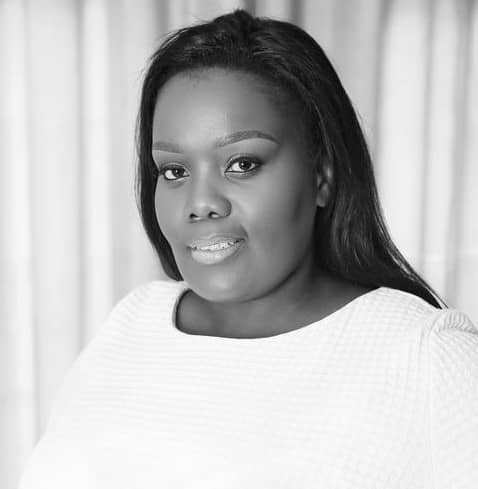
Small business is seen by many in South Africa as the saving grace in the fight against unemployment and with the track record of small business success, measured interventions to bolster this sector receive a lot of attention. One such intervention is Shanduka Black Umbrellas (SBU), a business incubation programme in South Africa that is focused on supporting small black business on its path to achieve sustainability. SBU is arguably the top business incubator in South Africa, recognised for the solid interventions it is making to corporatize black businesses. 2015 was a watershed year for the incubator, as it celebrated six years in existence and won the Randall M. Whaley Incubator of the Year Award at the National Business Incubation Association in the United States. To top it all off, they appointed Ms. Seapei Mafoyane as the new Chief Executive Officer. Seapei is a bold woman who believes that South Africa needs sustained long-term impact interventions to make notable strides in small business development. She defines this as her mission in her role as CEO. SLA contributor Asanda spoke to her to understand how she sees the small business landscape in South Africa going forward and most importantly, the role SBU will play in the years ahead. Asanda: You have spent a significant amount of your professional career in strategy and financial services, how did you make your way to small business development in the not-for-profit space? I worked in strategy and the financial services in various capacities for my entire career and this was in line with my undergraduate degree in the sciences. I came into direct contact with the small business development area during my MBA studies at Wits Business School a few years ago. My research focused on an area that was not explored at the time, the challenges facing black female entrepreneurs in South Africa. It was during this time that I realised I had to be selfish and follow my heart. So you could say my dissertation led me to Shanduka Black Umbrellas. Everyone is talking about small business development and how it can be the saving grace for the current economic climate is South Africa, why do you think it is receiving so much attention? I think we have the buzz that we have now in South Africa because of the realisation of the dire needs in this country in terms of entrepreneurial activity and the economy as a whole. Sustained security of the black person is no longer in the employ of the white person. Black people can now dare to dream. The challenge is to ensure that it is not just a buzz but that we have a coordinated approach from the various stakeholders that will ensure that we start seeing the upside to it. What role has Shanduka Black Umbrellas played in the past to grow black business? Shanduka Group has played a key role in setting the stage for the face of black business in the country. They led the pack in the establishment of a black-owned investment holding company in S.A. and it was a natural progression to have a foundation that focuses on both small business development and education. What sets SBU apart is the clear focus that says, ‘we know we cannot be everything to everyone.’ So we chose to respond to the need of 100% black-owned businesses, which also happens to be the greatest area of need in terms of entrepreneurial activity in the country. The businesses that are incubated at SBU are what we call the ‘cream of the crop’ in terms of entrepreneurial potential. We incubate businesses that will be sustainable so that they can improve the economic conditions in the country. Our focus is not on survivalist businesses, but game changers and high impact entrepreneurs that can grow into large corporations and employers. Over the last five years, SBU’s statistics have shown that out of the 100 business owners that walk through our doors, only 5% of them get to be incubated. This is because we have a clear focus on long-term sustainability and choose to support businesses, which can meet our strategic objectives which are aligned to the country’s National Development Plan (NDP). What sets your business incubator apart from other incubators in the country? We conducted extensive research on the trends in small business development and we found that 84% of small businesses fail within the first 24 months of operation and out of that, 90% are black businesses. Reducing the failure rate especially of black business is extremely important and that is why we have our mandate to respond to this group in particular. When a business is accepted into our extensive 36-month program, they need to create a minimum of four jobs during that time. Other structures in South Africa on the other hand create on average 1.2 jobs and when you look at other developing nations, the figure sits at 3.3 jobs over the same period. Our other focus is to ensure that at least 50% of the businesses that graduate from our program are sustainable. The national average of success currently stands at about 20%. SBU have maintained a statistic of 70% graduation sustainability over the last few years. What has the business incubation industry and government not done well thus far? What has not been done well is the maximising of all the available resources in the system to help execute the mandate. The value chain for small business is still very disjointed and if we are to make the progress needed, this needs to change. What are your priorities as the Chief Executive of SBU? No doubt sustained long term impact. However there are a few things that need to happen for that to be realised. We want to not only see businesses doing well but as they graduate, they need to stay a part of the alumni of successful businesses which others starting up can look to for advice, mentorship and potentially market
Girls Talk London: Rebranding what it means to be a young woman in the UK
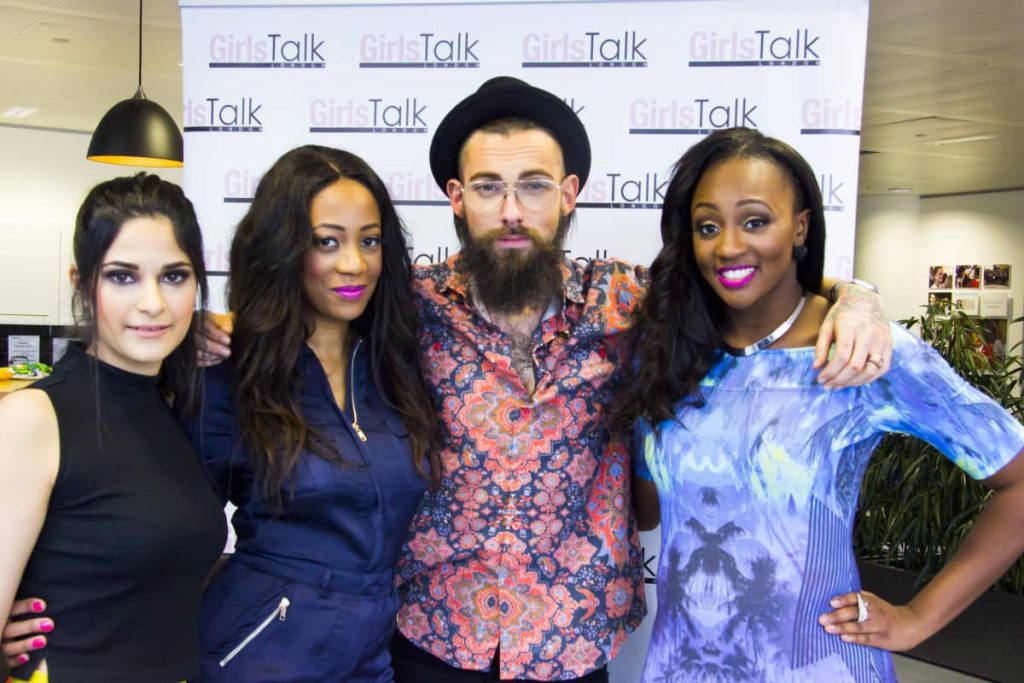
All across the world girls and young women are looking for spaces to express themselves and have their voices heard. While the issues may be different, digital media is providing the platform for young women to create what they wish they could see. Vanessa Sanyauke and Remel London, diaspora women based in London, have come together to create Girls Talk London and talk about the issues facing young women in the UK. Vanessa and Remel shared with us how they’ve gotten corporate leaders to see the value in their organisation, the networking tips they’ve used to connect with high profile guests like Adele’s stylist and the best African restaurant in London. Why is Girls Talk important to young women in the UK? Vanessa: At present in the UK there is not one single talk show that targets young women. We do not have a platform to talk about trending topics that affect us or hear from guests that are of interest to our everyday lives. Girls Talk is made for the everyday young woman in the UK and the hosts have open and honest conversation about current social media trends and have special guests and experts on fashion, beauty, work, relationships & life who give the viewer life hacks and tips to implement in their lives. This show rebrands what it means to be a girl in the UK and the hosts are non-judgemental advocates for women’s issues and rights. Remel: Young women need positive role models and I think that we showcase exceptional talented women from different walks of life and industries that they can aspire to be like. How did you build the business case for corporate partners to see the value in Girls Talk? Girls Talk London the organisation, connects FTSE 100 businesses with female talent-young girls and professional women. The business case is that a great deal of our corporate partners have less than 20% of staff who are women and even less at executive board level. We are the middle-woman and bring talent to them and help them to increase diversity. The UK government has introduced reporting measures which starting this year that requires any business with over 250 employees to report the salary and bonuses of male and female staff. This is another incentive for businesses to really address the gender pay which is currently at 19%. The fact that the government is putting pressure on businesses to treat their female staff better helps businesses see the benefit of working with us. How have you gotten high profile people to serve as guests on Girls Talk? We have built a reputation of professionalism and excellence in all that we do so most speakers can see that we are organised and they will be looked after when they speak at an event. Also, most high profile women are tired of being the only women in the roof and are actually passionate about doing all they can to get more women in their sector so selling the benefits of speaking at our events is not always that hard for us. What networking and relationship building tips can you share with our audience looking to connect with high profile people? You need to show that you are professional and organised so we’d encourage having a website or information packs which provide detail about your work and mission. For speakers and sponsors always show your gratitude for their time and be able to explain what you can do for them. Be confident and concise-high profile people always have limited time so try and avoid long emails and conversations by being clear and straight to the point. What are the hardest parts of getting Girls Talk off the ground and how are you looking to fill in the gaps? The hardest part in getting the talk show off the ground is building an audience. It takes time to grow so we are focusing on our mission, content and produce a show to the highest quality. We fill a gap in the market because we cater to all young women in the UK as our hosts come from all backgrounds including African, British and Asian as well as having a Dean as a host we are able to reach out to male viewers too. In addition, our show helps improve the lives of our viewers because interview guests who are experts in business, careers, fashion and beauty. It is not just about a group of women gossiping! If you had the choice between a powerful mentor and significant business funding, which one would you choose and why? Vanessa: Oh this is a tough one! I would say a powerful mentor because knowledge is priceless and if you have a powerful mentor the money will surely follow with their direction and support. Remel: I personally have a lot of plans and ideas of how I would like to continue to support young women and create opportunities for young people so I would choose business funding. What’s your vision for Girls Talk and what can we expect to see in the next 12-18 months? Remel: I would love to see Girls Talk go on an international tour visiting different countries to inspire girls all over the world but also interview inspirational women from all over the world. Vanessa: My vision for the show is for us to expand our audience —we want an international audience and we are looking at partnerships and sponsorships already for series 3 so watch this space! Fast Five with Vanessa Favorite Afrobeat singer? Tiwa Savage Best African restaurant in London? Wazobia on Old Kent Road Makeup must have? Blusher Favorite woman in business? Oprah Topic you’re most excited to talk about on this season of Girls Talk? I am really excited about the interview with Adele’s stylist and also our show on Kim Kardashian and Amber Rose and the sexualisation of women on social media. Fast Five with Remel Favorite Afrobeat singer? Moelogo Best African restaurant in London? Sweet Hands Makeup must have? Concealer!!! Favorite woman in business? Oprah
I come from strength: What my mother and Africa taught me about entrepreneurship
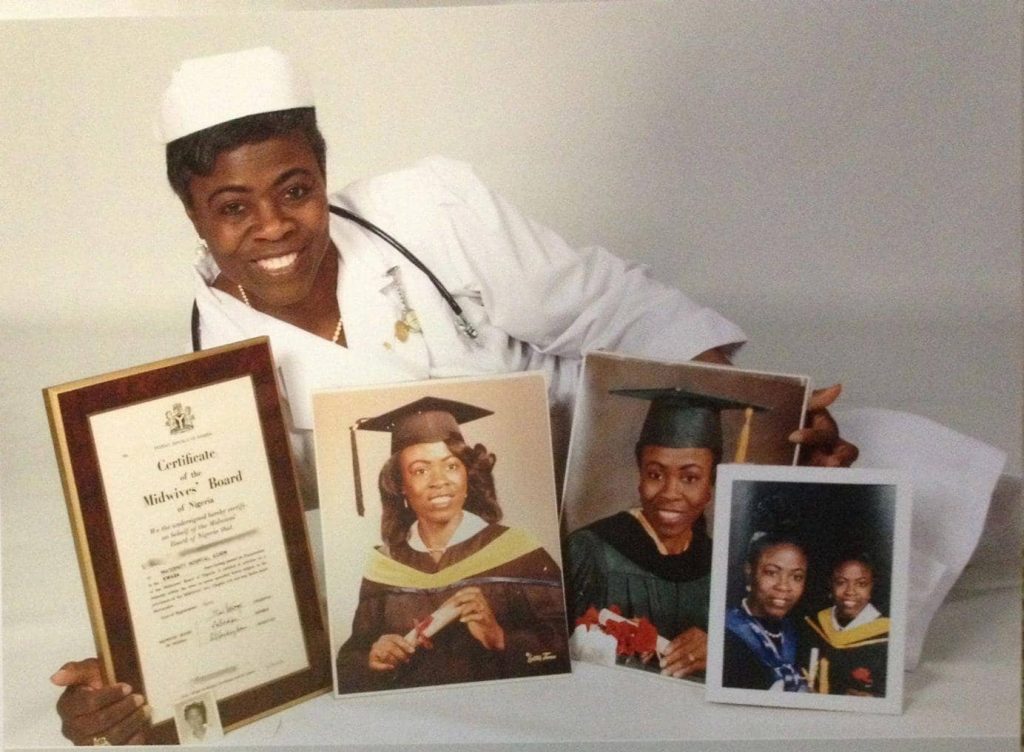
“I come from strength.” Those are words that I often utter to myself when it is late at night, I am tired, and I am still working. The reason why I remind myself of my foundation is because during those same hours I know that over 100 miles away there is an African woman who is just starting her work shift. She is my mother, a Nigerian woman. The work ethic, resilience and fortitude of African women is nothing short of amazing. When I think about the fact that my mother completed her nursing schooling in Nigeria, moved to the United States then returned to school to become a nurse (again), I am in awe. And she is just one of many African women with stories of sacrifice and determination that ultimately led to them achieving their personal and professional goals. It’s almost as if the continent breeds women who innately do what it takes to survive, adapt, and push past obstacles time and time again. Long hours and late nights are just one of the many things that come with entrepreneurship. I accept it because it is the path that I chose. And as the daughter of an African woman I know that I am built for it. So… how did I get here? How did I become this “Legally AMBITIOUS” entrepreneur? Let me share… Growing up, I was always considered the creative and outspoken one amongst my siblings therefore all roads seemed to point to me pursuing a law degree. However, I never made it to law school or pursued my interest in entertainment because when I got to college, I realized that I was strong in science and math so I decided to pursue a degree in Computer & Information Sciences. The course work was rigorous but in the end pursuing a STEM degree was the right decision. After graduation, I immediately began working in the corporate world. I worked as an application developer and systems analyst for years but I still desired a creative outlet. Eventually, I began networking and I realized that many of the women that I encountered were similar to me in that they had full-time jobs but other interests. I realized that there was a need to connect women to resources and each other so when an opportunity presented itself, I launched Signature RED. Signature RED began as a company focused on women-targeted marketing. I built an extensive portfolio of events for clients and created the “Legally AMBITIOUS” brand: a series of fun yet educational networking events for women. The purpose of the events was to equip women with different skills to help them make transitions in their careers and personal lives. Each event taught women a skill and provided an opportunity for networking, some of the events included Golf 101, Cars 101, Networking 101, Building Mobile Apps 101, and more. In 2013, I began to make a transition of my own when I attended a tech event for women and it awakened my inner geek. During the event, emphasis was put on the need for more women to pursue STEM degrees and work in the technology industry. The event was pivotal because it allowed me to realize that I could merge my computer science background, marketing skills, and my love for working with women into services for Signature RED. It hasn’t been an easy road to navigate but today I provide technology consulting to companies and reinvention marketing strategies to women. Additionally,“Legally AMBITIOUS” events have more of a focus on women interested in tech. Some of my forthcoming projects include creating resources and tools for women like TechWomenNetwork.com and TechiesWhoBrunch.com. My workday usually consists of managing tech projects during the day and working on everything else at night. Entrepreneurship with all of its ups and downs is not for the weak or lazy because it requires a good work ethic and strength in many ways. My mother is not a businesswoman therefore she didn’t teach me about business but what she did teach me is to keep going. Pivot, start over… do whatever I need to do, just keep going. I always reflect on those lessons and values. As the daughter of an African woman who walked miles to go to school at times carrying large items (on her head), I come from strength. Therefore when it comes to fatigue or handling all that comes with entrepreneurship, I will always do what it takes to move forward.
8 things they don’t tell you about having a side hustle

Folayemi Agusto is a Business Development Manager for an online media company. When she’s not identifying business opportunities, she’s busy running The Artisan’s Gift Company, a retailer of handcrafted favours. You can also find her on Eat.Drink.Lagos, where she is one half of the no holds barred restaurant review blog. Folayemi shares her 8 untold truths of having a side hustle. Depending on the nature of your side hustle, the experience is different for everyone. When I first started my business, I wasn’t working and ran it full time. THEN, I went back to work *cue dramatic music*. I thought to myself, “This shouldn’t be too hard, everyone in Africa has a side hustle…even Lupita.” Simply put, I was wrong! Here are 8 things people don’t tell you about having a side hustle! 1. Having only one to-do list is for learners. You should have three separate to-do lists. One for your day job, one for your side hustle and one for your personal life. 2. Working in the evenings can be a trap You’ll plan to do work in the evenings, but most times you won’t. It goes something like this: get home, have dinner, unwind and then midway through an episode of Blackish you look up and it’s 10 pm! To avoid this trap, you must remind yourself of the goals you’ve set. It’ll help do away with procrastination and keep you disciplined. 3. Social media planning is a major key. If you manage social media accounts for your business, you’ll need a social media schedule. This way, when your boss is on your neck over a report and your creative juices aren’t flowing, you won’t have to worry about coming up with a witty Instagram caption. 4. Streamlining saves you from excessive social media promotion Use IFTT to cross share updates across all social media platforms. 5. You’ll have to pass up on weekday events There will be some professional development programs/seminars on weekdays that you won’t be able to attend. Don’t be too disappointed; there are good programs that happen on the weekends as well. 6. You are immobile during business hours Have supplies to pick up in Lekki but you’re stuck at work in Ikeja? You don’t have to have a driver or wait till Saturday to run errands. There are tons of pick-up and delivery companies popping up in big cities across Africa and you should have ALL of them on speed dial. 7. Lunch break is everything! You will surprise yourself with how much you’re able to cram into your lunch hour. Your coworkers may think you’re a bit of a phone addict but little do they know you’re actually getting your work on. 8. Once you get it, you get it When you finally achieve the perfect side hustle/9-to-5 synergy. You’ll feel like you’re on autopilot and nobody will be able to stop you! Running a side hustle is difficult but can also be an extremely rewarding experience. Along the way, you’ll discover talents you didn’t know you possessed and develop a newfound appreciation for time-management. As a generation of risk-takers, we’re often encouraged to strike out in hopes of launching the “next big thing”. However, we mustn’t downplay the value in having a safety net while nurturing a business through its early stages. Do you have a side-hustle? Share your side hustle tips with us in the comments!
5 ways to start building your political career
Today more women are taking charge and running the show in different capacities as businesswomen, captains of industries, CEOs, academics, and professionals. Yasss! Salute to all the Motherland Moguls making it happen. For the longest time, politics all around the world has been referred to as the big boys’ game. Well, hold the door fellas because more girls wanna come in and play too. Why politics? It’s simple. There are various issues that affect us African women such as those tendered in the Nigerian Gender and Equal Opportunity Bill which failed to pass for the second reading in the Nigerian Senate. Some of these issues include access to education, divorce rights, ownership of property. To get the laws that will favour us, we need better representation in government. An article in the West Africa Insight declares that women are usually found at the bottom of the political chain; organizing, supporting, and acting as spectators as opposed to leading and initiating. Traditionally, the woman is relegated to the background and as such this practice has found its way into political participation. In the ECOWAS parliament, we have only a minute number of female parliamentarians. Nigeria has one of the lowest numbers of female senators and ECOWAS parliamentarians (6.7% of parliamentarians in Nigeria are female). Despite decades of self-governance, this country has produced only two female governors in its entire history. Does this mean that women are uninterested in politics? Of course not. While we recognize that the participation of women in politics has been an immense struggle with several factors working against us such as financial constraints and cultural inhibitions, we must rise to the occasion. We commend the efforts of countries like Rwanda, South Africa and Namibia for taking a feminist stance in political representation. However, several African countries are still lagging behind. We need to rewrite the story of women in Africa and it starts with every single one of us. Politics is not confined to running for office either. Some of us will rise to become the most influential persons in the government’s cabinet as ministers, commissioners, advisers and administrators. It’s not just about women issues. If we are qualified and passionate about good governance, then we should put ourselves out there. If you have a dream to create an impact in your constituency, by all means work towards it. Where should you begin? For those of us who would like to make our foray into politics, these are some of the steps we need to be taking: 1. Start young It’s not too early to plot your map and begin making steps towards your political future. Now is as good a time as any. Take a leaf from Lindiwe Mazibuko, former parliamentary leader for the Democratic Alliance in South Africa who made history as one of the youngest parliamentarians. She decided to veer into politics after being intrigued by her future party’s dynamics making it the focus of her final year dissertation in university. 2. Get involved with a cause You need to be known for something. This is the time to begin to carve a niche for yourself. What social issues are you most passionate about? There are several campaigns that you can get involved with depending on where your passions lie. Volunteer within the community. Propelled by crises in her own life, Joyce Banda, Former President of Malawi inspired and impacted the lives of women and children battling systemic abuse and poverty even before assuming public office. She also fought to enact bills protecting women and children when she gained a seat in parliament. 3. Align with a mentor Network with the people who can kick off your career and fund your aspirations. According to Political Parity, a platform aimed at helping women achieve their political aspirations, more women remain at the bottom tier because of lack of access to funding. Mentors who are able to relay their experience as well as provide resources and connections play an invaluable role in an aspirant’s rise to success. 4. Develop the right skills to stay relevant Hanna Tetteh became an indispensable member of her political party in Ghana after a worthy performance managing its communication strategy. She has been described as an expert negotiator and it is no surprise that this skill has helped keep her at the top of the political ladder. What skills can you start to develop that will be useful when you begin building your political career? 5. Become an expert in your chosen field As a young woman some people may already have their doubts about you so it is extremely important that you become a master in your field. Former Nigerian Minister of Finance, Ngozi Okonji-Iweala had a long career as an economist rising to one of the top positions in the World Bank before entering government. Despite controversies, she was a prized asset in President Jonathan’s government due to her level of expertise. Thulisile Madonsela became Public Protector of South Africa after receiving a 100 percent vote from parliament. She holds a BA in Law and an LLB, she was also awarded three honorary doctorates in law after an impressive record in public service. She was involved in the drafting of South Africa’s constitution amongst other notable feats. No one can deny that she knows the law and would be an effective advocate for South Africans. Begin to build a worthy resume by deciding what area you intend to become an authority in and by working diligently at it. There you have it ladies, 5 steps that can help you ascend the political ladder. What moves will you be making?
6 steps to building the confidence you need to bring your blog to the masses

Have you ever wanted to share something with the world, but you’ve hesitated? You ask yourself, ”can I really do this? Will people like what I produce?” I can relate. Putting yourself out there is daunting – the Internet can be a scary place. If anyone had told me a year ago that I’d be running my own website, www.abiola.me and sharing my thoughts on life and faith, I would have laughed in their face. Me? Faith? My experiences? It didn’t sound very glamorous and we all know it can be a touchy subject. After months of umm’ing and ahh’ing, I decided to take the plunge. Since then, I’ve found that the world of writing isn’t so big and scary after all. In fact, there’s a lot of good that can come from joining the conversation. Now I’m going to share 6 steps to help you to launch your blog with all the Naomi Campbell-level confidence you can muster. Step 1: Believe in your product and it’s purpose First of all, your product (or in the blogger’s case, content) should be something you’re passionate about and you think other people will enjoy. I didn’t start Abiola.me just cause I ‘wanted to have a blog’, that’s not enough to sustain you when the novelty wears off. From chatting to friends and strangers alike, I could sense that we were all looking for something ‘more’ in our lives, that missing piece. Personally, I had found something that had a huge impact on me, and I had a strong feeling that other people might find it useful too. In true Olivia Pope style, I decided to trust my gut. A strong belief in your product will eventually outweigh your self-doubt or fear of what people might say. Step 2: Your online voice is unique, believe in it, develop it Next, think about your tone of voice. This is one of the most important things as it helps people to buy into and believe in what you’re offering. I decided that I wanted my blog to be approachable and relatable, kind of like speaking to a wise, trusted friend. Each time I publish a blog post, I continue to ask myself, do I sound like that friend? Asking yourself these questions regularly will help bring your content to life. But I can’t write as well as some of the other people out there… I hear you say. Listen, no one becomes good at something without practice – don’t ever let that put you off. We all have to start somewhere, as long as you’ve got your spelling and grammar down, you’re good to go. If you need help, send a draft post to a friend for feedback – that’s what I did at the start and it worked like a dream. The key is to share it with people who are supportive but also comfortable with giving constructive criticism. Remember that this entire experience is a learning opportunity, and waiting until you’re ‘perfect’ is unrealistic (even the Chimamanda Adichie’s of this world have still got stuff to work on! We all do). Step 3: Take the plunge, spread the word The next thing to do is to tell people! It’s really that simple. When I first started my blog, I told no one except 4 or 5 close friends. Even worse, when I added new posts I didn’t tell anyone at all because I was too shy. This is where belief in your product and yourself becomes super helpful: I knew what I was creating was useful and I was putting in too much effort for it not to be shared. So I decided to finally put on my big girl pants and spread the word, what was the worst that could happen? Sharing wasn’t easy – the very first day I prepared my social media promo posts, I was nervous. I knew deep down that I would never feel 100% ready, I’d always find another excuse, so I just did it. Sometimes, you’ve just got to close your eyes and go for it. It’s like jumping into a pool, you’re hesitant at first but the adrenaline pushes you to do it anyway, and once you’re in you realise that it’s actually pretty fun! It also gets easier the second time, then the third time, and suddenly you’re 6 months down the line telling everyone about it. The best thing about sharing is that it’s infectious. If people like your product they will share it their friends without you even asking. I have had colleagues, old university mates and acquaintances tell me how much they enjoy reading my work. But it’s up to you to get the wheels turning; you are your first and biggest cheerleader, so never be afraid to lead the pack. Step 4: Be sponge, soak it all up Congrats, you’ve made it to Step 4 in one piece – not so bad is it? Next, absorb lessons from everyone (and everything) around you; articles, blogs, other people, celebrities – whatever. Inspiration comes from the most random places. So many things inspire the way I write, the images I use or my future plans. Also, never underestimate the power of your own story, even though learning from your peers and the gawds is important, don’t forget to get busy living. Be open to discussion, collaboration and feedback – there’s nothing like bouncing ideas around with people you respect, whether that’s friends, family, mentors, your readers or your peers in the writing game. What you choose to do with the feedback is totally your choice, but always be open to listening. Step 5: Your non-writing experience is relevant too Ever had a job or been in school, university or college? These experiences have helped you to develop the prioritisation and organisational skills you need to keep your blog alive. Developing content takes commitment, dedication and sometimes saying no to brunch (#tears) or staying awake for an extra hour. Being able to keep yourself accountable
Kalinè: You don’t need the ideal situation before you do something with your talent

Singer, pianist, composer and producer – Kalinè is an artist of many talents. The Berklee College of Music graduate inspires her fans through her genuine and unique lyrical style while navigating the Nigerian musical industry as an independent artist. After getting her start in the industry ten years ago, she has remained a self-managed artist who believes that the beauty of not being on a label or represented has given her the power to make decisions about her musical career—what she wants to do and how she wants to do it—all of which have molded her as the artist that she is today. She Leads Africa spoke with Kalinè about her journey as an artist and entrepreneur and why honesty is her favorite form of inspiration. You published a piece on your blog Self-Managed- 9 Reasons why you should be your biggest cheerleader. Why did you decide to self-manage as opposed to hiring someone to do it for you? The ideal situation would be to have a support system in a formal way, or to have a team. However, I got to a point where I was looking for people, as opposed to being found. It is a lot better to be found by a manager as opposed to looking for one or paying for one. This is because they are coming on board knowing exactly what you want to do and they have a passion for what you are doing. I’ve learned to be discerning about who I want on my team as well. I have come into my own, and embraced the challenge that a self managed artist has and I try to use that to encourage others by saying, you don’t have to have the ideal situation before you do something with your career or talent. That is how the self-mantra was formed; by embracing it and seeing the beauty in it—until the right person approaches me. We all know that building a brand is filled with everyday challenges, some big and some small and aggravating. What’s your favorite challenge that you have tackled and what did you learn from this experience? Patience is the biggest thing for me. In this industry it used to be so difficult for me to see other people making a success of their talents and passions. I’ve learned that patience is the most important thing. Everyone has their own journey, their own timelines and trajectories. There is no use being anxious or worried about what is going to happen. I strongly believe that I will get to where I want to go. I must be patient about with the recourses I do have. Since you self-manage, this must also mean that you manage your own social media sites? If so, how have you built an online community around your brand? What advice would you give to other entrepreneurs around building passionate fans and active online communities? Be true to yourself. Be authentic and genuine, whether on Instagram or Facebook or Twitter or Soundcloud. I try to give valuable advice or useful and relevant information to my followers and supporters, while constantly remembering to be myself as I do so. It is also good to have goals for each platform. Your Instagram followers are very different from your Facebook followers, likewise your LinkedIn followers. Figure out, what exactly do followers want to gain from the different platforms? It is a learning process, and a trial and error. From your social media pages, I can see that you’re inspiring your followers in everything that you do—whether it’s singing or blogging. How do other activities that you partake in, inspire your work? Photography, reading, social messages, conversations, and social issues inspire my blogging and songwriting. At Berklee School of Music I studied film and music scoring. I’ve written music for commercials, and teach piano to little kids. Being an artist is a full time job. Everyday there is something to do—from social media, to practicing for a show, to styling, and to rehearsing. What female artists do you gain inspiration and or empowerment from? Adele, her honesty inspires me. Lianne Lahava, Laura Mvula—to name a few—teach me to stay true to myself and to write from an honest place. How do you define yourself and your music, in terms of today’s climate? If you come to one of my shows, you will hear reggae, highlife, pop, R&B and classical elements. The common thread that runs through all of my songs are honesty and elements of truth and authenticity through my repertoire. I am influenced by too many things to really put myself in the box. I think that is where the world is headed—no longer really saying. Everyone is going into various genres; as the Internet and social media become more accessible around the world, we are all going to make music that we love and we know we will communicate to our followers and our fans. What tips do you have on negotiating how much you get paid, how do you determine doing a free show or not? It all depends on the type of gig, and how many minutes they want you to perform; how many songs they want and the number of instruments needed. All are determining factors and more—styling, makeup, and hair—help me to determine how much to charge. However, creativity is relative. Some people have a budget. When you get to a point where you are trying to negotiate then other things come in, such as whether it is for a good cause or if it will be really good exposure for you or performing in front of an audience that you do not get to perform in front to often; or even someone saying, I will cover your costs but not pay your labor fees. There’s also the situation where you have the opportunity to leverage off the people who ask you to perform—if they can open some doors for you, or introduce you to certain people and not pay
Covert Allies: A tale of Nigeria’s secret feminists
As a Nigerian woman, I have a lot of things on my mind. Things such as the disappointment about the Nigerian Senate recently not passing the Gender Discrimination Bill. Or the daily panic that there would be a power cut as I’m putting on my makeup and getting ready for work. My mind is full. I now have to add the pressure of saying the words ‘I am a feminist‘ into the mix. The words are easy for me to utter, but often heavy for others to accept. The reactions are often disdain from a lot of men and suspicion from a lot of women. This surprises me greatly. What’s really wrong with demanding gender equality? It is surprising because to me, it is very evident that we Nigerians are all feminists – whether obvious or covert. Take, for instance, the working mum who says that feminists are unhappy spinsters who are angry with the world because they can not keep a man. This working mum is educated up to university level. She has a career where her salary is paid into her own bank account. She can post her thoughts on social media without her husband’s permission. She is a covert feminist, reaping the fruits of trailblazing feminists before her. But please, don’t let her know about it; that would spoil the secret. Actually, there are covert feminists! We definitely mustn’t forget the special variety of feminists which are the secret male feminists. They are often belligerent and patronizing to women who declare themselves to be feminists. Don’t you dare as a woman turn down the advances of the secret male feminist; he will ask you why you’re carrying this ‘feminist-thing’ on your head. His disdain for you would be oozing out of his pores. However, watch the secret male feminist talk with pride about his mother who worked several jobs against all odds to make sure that he got an education. Watch him puff out his chest when he announces that his wife has bagged a Masters Degree with distinction. Watch him talk with concern as he worries that the secondary school where his daughter is studying isn’t up to world-class standards, and therefore not allowing her to reach her full potential. Watch him talk with frustration about what to do his sister’s boss who sexually harasses her. Watch him look horrified when you call him a feminist. Who is then a feminist? To quote author Chimamanda Ngozi Adichie, ‘a feminist is a person who believes in the social, political and economic equality of the sexes’. That’s it. Feminism is not a cult for angry women; it is a movement which simply suggests that men and women should be treated with equal respect, consideration and dignity. When this is fully understood, bills which would protect the right of a woman to inherit her husband’s property would be passed into law. When this is fully understood, secret feminists-male and female-would come out of the dark shadows cast by misconceptions, and stand tall for equality. It would be one less burden to have on my mind as a Nigerian woman.
Odunayo Eweniyi: I kept going on interviews but was never hired

Odunayo Eweniyi’s story is one that is probably familiar to most young graduates. Leave school excited for the real world. Apply for several roles and go out on interviews. Wait to hear back from the interviewers. Keep waiting. Keep waiting. Keep waiting. Give up hope and become a permanent indentation on your mother’s couch. Instead of just wasting away until a job found her, she went out and created her own job by forming PushCV. The Chapter Lead for the Nigerian chapter of Women in Tech Africa, wanted to create a platform where qualified candidates could get connected directly to job opportunities and cut through the delays. Odunayo shares with us where she thinks most young Nigerians struggle with getting a job, how she’s differentiating her company and what she believes is the most important element of a CV. Why did you start PushCV? We started PushCV right out of university. When I graduated I went on a couple of interviews and I never even heard back, despite being told that I passed the interviews. It went on like that for a bit, plenty of CV submissions and no call backs. So PushCV was borne of a personal need. I wanted to be more involved in how employment is done. We started PushCV because we thought that employment and recruitment could be done better. Every other service was going digital, so why couldn’t recruitment move with the times? Hence we launched PushCV for people – both employers and job seekers – to fully harness the power of technology in the search for the perfect candidate or the perfect job. In what areas do you think most young Nigerians struggle when it comes to finding a job? I have heard employers complain that great candidates don’t exist and I have heard job seekers talk about the lack of jobs. While there’s a degree of truth in these claims, the problem is more of a divide between the employers and job seekers. The struggle is essentially in two places. Employers struggle to find the best suited candidates for their vacancy, and the truth is that sometimes, those candidates do not exist. As a result job seekers struggle to mold themselves into the cast of the perfect candidate. But really the biggest problem is employability. Most of the graduates in the country currently lack the technical or soft skills that would satisfy prospective employers. That is why PushCV is committed to bridging that divide. We created the Elite Employee Quest for this purpose – to isolate the already built up candidates and put them in front of employers; and to work with and on the jobseekers that are lacking in some respect, and make them better. We aim to make every candidate into the perfect candidate by building all aspects of them – soft skills, innate employability, interpersonal skills etc. We do not send candidates who have not met our rigorous standards for interviews. How do you ensure Push CV stands out against all of the other job search platforms on the market? We never stop innovating because we listen to our customers. We believe that we can only move forward when we are fulfilling a pain, not just a need. We have a robust feedback system that we use to track customer preferences of employers and job seekers. What do they want? How can we make it better? Those are the questions that we answer and use those answers to develop a constantly evolving product. What can we expect to see from Push CV over the next 6 months? Over the next 6 months, I think that you can expect to see us gaining an even stronger foothold in the market. The next 6 months will see us pushing the boundaries and bringing better alternatives into the very traditional world of recruitment. Unemployment is one of the biggest problems that Nigeria is facing. As someone who is committed to education and labor and I feel privileged to run a startup that wants to solve this problem. I think that the one thing I can promise is that we will do our absolute best to bring unemployment to the barest minimum. We often employ unconventional methods, so people can expect more outside the box thinking from PushCV over the next few months, What is the most important element to a CV? Here, I should tell you that it’s your “Work Experience” or your “Education”. But really it’s just the top third of your first page. The average resume gets about six seconds of review time before it’s either retained or pitched. So, you need to make a compelling argument for yourself in those six seconds. If the top of your resume works hard and quickly makes your case, you will be retained for review consideration.