
Take charge of your finances with this budget template
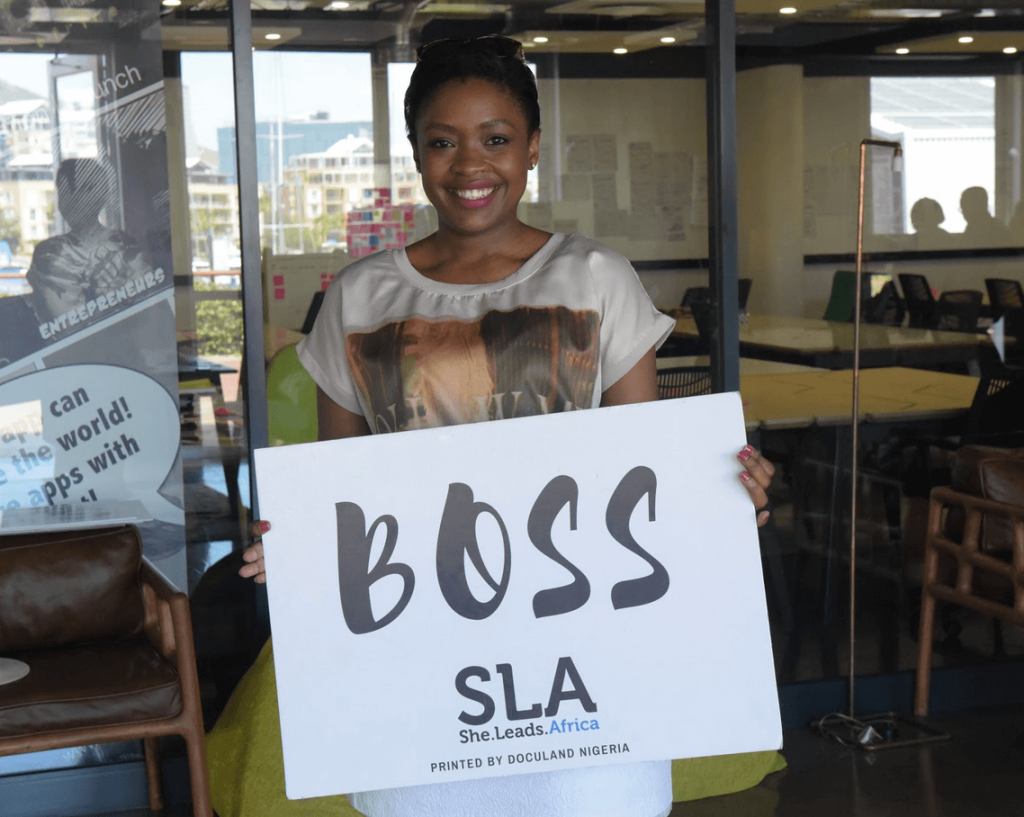
[bctt tweet=”Budgeting is not difficult, but sticking to the budget is where discipline comes in” username=”SheLeadsAfrica”] Most young women in their 20s and early 30s dream about quitting their jobs and starting their dream businesses. But if you ask them how they manage their salary, you will be met with “uuumms” and “eeers”. How will you manage your business income, expenses and plans of you can’t manage your salary? Welcome to feminancial management! As women, we need to stop being controlled by our finances and take charge of it! Let’s get started with 5 easy tips to begin taking charge of our money. 1. Budget How many sisters budget their finances? Let’s talk about Achieng. Achieng is 26 years old. She works in a bank and her career is just starting to take off. Achieng lives from hand to mouth waiting for her paycheck at the end of each month. She spends on hair (with the natural hair trending, products are not cheap hehe!), clothes, social hangouts and such like expenses. Come one week before pay day, she is already broke, with just enough cash to last her till exactly payday. Does Achieng budget her salary? No. Does she track her expenditure? No. Has she allocated some money for investments or savings? No. Her reason will be she just earns enough for her upkeep. Once she’s promoted or gets a better paying job, she will start saving. Chances are she will not. Actually, no, she won’t save. What am I saying here in short? Budget your income. Distinguish between your “wants” and “needs”. You want that designer bag, you don’t need it! Budget “Savings” as your first expense in your budget. 2. Discipline Once you budget your finances, you need the discipline to stick to the budget. Meet our other sister, Fatma. Fatma is a 24 year old entrepreneur. She does online jobs and her income is intermittent. Once she gets paid, what does she do? Remember that nice dress she saw in that shop? She buys it and spends and spends and spends till she is broke and waits for the next gig to come along. The truth is, budgeting is not difficult, but sticking to the budget is where the rubber meets the road. That’s where discipline comes in. Track and monitor your expenses on a daily or weekly basis to help you stick to the budget. Separate your finances as per your budget e.g. if it’s bills, pay them immediately your salary comes in, if it’s savings, put up a standing order to a separate Savings account Remind yourself of the target, create a board even with pictures of your goal to keep you focused. 3. Goals Have I told you about Maame? Maame is a 30 year old stay-at-home mum. She recently had her second baby and can’t wait to shed the baby weight. What’s her goal? To shed off 20 Kilograms. What is she doing about it? Nothing! What gyms or exercising videos has she researched on to start her off? None. Doesn’t that look like most of us making New Year resolutions? It’s definitely me. We make plans in our head about our financial goals but we don’t put in the work needed to reach those goals. After a few months, we’ve forgotten all about it or have a myriad of excuses on why we couldn’t attain our goals. What can we do about that? Write down your goals. Break it down into sub-goals with time frames. Lastly be realistic about your goals otherwise you will get discouraged along the way and quit. [bctt tweet=”Keeping up with the Kardashians is great but keep up with news and current trends too” username=”SheLeadsAfrica”] Knowledge Meet Bola, a 32 year old doctor. She is a high-flying woman with the world at her feet earning a six figure salary and living the life. What investments has she made since she started working 8 years ago? You guessed right! None! Why? She doesn’t know where to start in investments. Is it real estate or stocks? She has no clue which direction to take. Most young women know a lot about their field in careers but no zilch about investments. But here is a chance to start somewhere Find a field of investments that interests you, and research on it. Make Google your friend. Mentors –talk to someone older, not even necessarily in your field who can guide you and perhaps you can learn from their success and failures. Keep up to date with current trends. Keeping up with the Kardashians is great but keeping up with news and current trends and innovations will help you a huge deal. Time Say hello to Esihle. Esihle is a pretty 23 year old in her first job after university. Esihle now has the “financial independence” she has been waiting for and no longer has to ask her parents for money. So where does she spend her free time? Social media, just stalking her friend’s timelines seeing what they have been up to, posting photos on Instagram with hundreds of filters and catching up with her friends over drinks after a hectic week of work or just catching up with the latest series or movies. According to research, the average millennial spends 9 hours a day on social platforms. How many years did she spend in the university learning about let’s say Journalism? About four years. How many hours does she spend learning about something financial related? Well, not enough. If she took four years to study in University and can afford to spend 9 hours on social platforms, how much more informed can she be if she spent one hour learning about investment opportunities like stocks for example each day? The point is we become empowered when we are more knowledgeable. We become knowledgeable when read and learn. We can only read and learn when we create time to do it! *Drops mic! What are you waiting for? Get empowered! Start by
Nthabiseng Mapela: Knowing that I made it happen makes all the hard work worth it
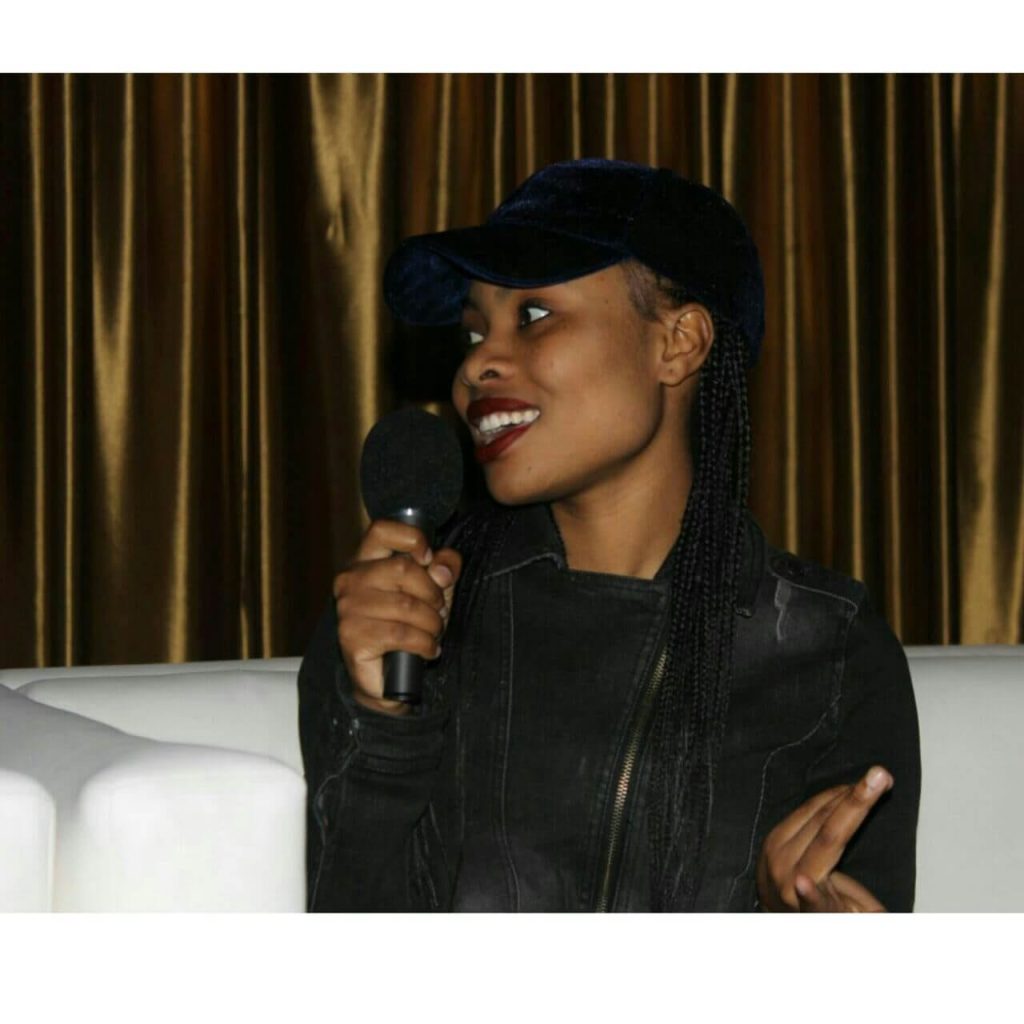
[bctt tweet=”Entrepreneurship was never something I dreamed of doing – Nthabiseng Mapela” username=”SheLeadsAfrica”] Entrepreneurship is about offering solution to problems. Nthabiseng Maphela, founder of Beyond Measure, an event company for growth is one of the few to say that money was always a motive to her. Even though it is not the primary motive. Nthabiseng certainly did not have sleepless night thinking about money but because she wanted to offer a better service for all. It is a passion for what she is doing for others that drives her. What does self employment mean to you? Self employment to me means building a legacy for the world, a legacy that will reflect who entrepreneurs are and change life of others. Self employment is a mean of giving back. What do you like most about your job? How do you stay motivated when things don’t go as planned? Despite all the stress and horrors, all the cancellations and technical difficulties, event planners wouldn’t have it any other way. What could be more rewarding than the end results? Seeing people enjoying themselves, seeing everyone connect and share an experience. Knowing that I made it happen makes all the hard work worth it and that’s why I love working in events. What are the most common/serious problems you have encountered as an event manager? We face three major problems; unexpected weather, technicaly failure and most importantly, guests not showing up The trick is to always have a backup plan. What is close to your heart? Entrepreneurship. It was never something I dreamed of doing but it’s important to the country. Entrepreneurship contribute to the economy and this made me want to be part of the team that changes the world. It is something that makes me feel very important and make me feel like i am contributing towards the economic growth. What do you enjoy more about you job ? The planning itself and putting it into action is exciting at all times. That’s because to me it is always an opportunity to explore new things, meet people and explore different environments. just love planning for my company because no matter how impossible it might look to people, I just love planning for my company because no matter how impossible it might look to people, I am going to put it into action as the owner of my company. Can you tell us about your services? Sure. Regarding our services, outside planning events, we supply promoters, hostesses, actors, brand ambassadors, dancers and extras. What is the first thing you do when you plan an event? Assemble a team. In union there is strength. What do you live by? Everything in this world began with a thought, respect your thoughts, value them and put them into action. Those thoughts comes from the world of possibilities. If you’d like to share your story with She Leads Africa, let us know more about you and your story here.
‘Why should start-ups care about the budget?’ – Top 3 budget myths debunked

[bctt tweet=”Time to bust some myths around budgets for business with @StanChart” username=”SheLeadsAfrica”] Here at SLA, budgeting is not a new concept. I am sure by now we know why we need to set up a personal budget and how to go about it. However, how many of you #MotherlandMoguls spend time budgeting for your businesses? Did you know that there is a difference between the budget and other financial accounts? During Standard Chartered Bank’s Financial Education workshops we have had small business owners give several ideas about budgeting, most of them are misconceptions that we need to debunk. Have you found yourself making one of these statements about your business budget? “As long as I have prepared the financial accounts I don’t need a budget.” “Only big businesses need to do them.” “They always turn out differently.” Read through as we debunk each of these common misconceptions 1. “As long as I have prepared the financial accounts I don’t need a budget.” Here we need to understand that the financial accounts for your business are very different from the budget. Whereas the financial accounts look backward, the budget looks forward. The two do not play the same role for your business. The budget is a financial plan for the forthcoming period while the accounts are a report for a period that has passed. In our view, the budget is more important as it is a predictor or a guiding light for your business. 2. “Only big businesses need to do them.” It might look like only big businesses need to draw up a budget because they handle such huge amounts of money or because they have much more to lose BUT the reason why you need to draw up a personal budget is the same reason why your business needs a budget. It is actually much more important for a start-up to begin the habit of budgeting so that as the business grows the process becomes easier. Start-ups and small businesses are more likely to go bankrupt in the early years and a budget is one of the important tools that can save your business. 3. “They always turn out differently.” Surprise! Surprise! Budgeting for your start-up is a tricky business; things do not always turn out the way you write them down. Your sales estimates are not always right; your expenses hit the roof sometimes. We have some good news for you though, this is absolutely normal! Your business’ budget does not have to be 100% accurate. You should review your budget ever so often to adjust and check on the variances as you get more information. Yes, budgets always turn out differently because they look to the future and we are never 100% sure what will happen in that future; and it acts as a blueprint to ensure your businesses is not groping around in the darkness. As important as it is, a budget works hand in hand with the accounts to help you measure the performance of your business, period after period. It is great to have both documents, and if you need the help of an accountant, by all means, go for it.
Nana Ama Agyemang Asante: Women journalists endure misogyny, sexism and general disrespect in their line of duty
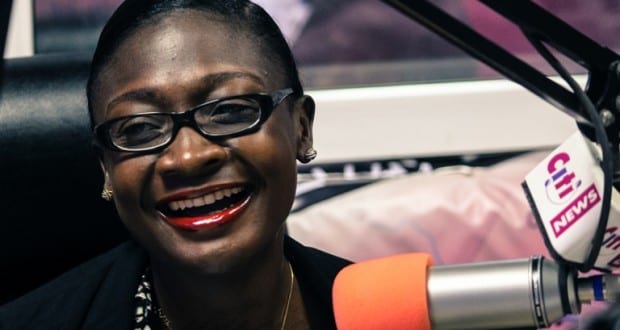
[bctt tweet=”I’ve been called ugly, angry and disrespectful because I shared my view on a national conversation” via=”no”] It’s a busy Monday morning. You are stuck in the horrid traffic on your work commute to the country’s capital, Accra, silently cursing yourself for not having left home earlier. You refuse to let the sun’s heat, drivers’ honkings, and conductor’s arrogance get to you. You know you need your daily dose of whatever seems to be happening in the nation so you tune into the one station where it all makes sense; Citi FM. As usual, there’s a lively discussion. There are three male voices and the one female voice. Her voice quite strident but just right. Her tone is firm and her take on the issue is different and outrightly expressed, occasionally warranting an interjection from the host. Yet she stands her ground. Unwavering. She’s the lone wolf. Unpopular yet resolute. Fellow SLAyers, let me introduce you to Nana Ama Agyemang Asante, Deputy Online Editor at Citi FM, one of Ghana’s top radio stations. With a solid background in human right activism and broadcast journalism, Nana Ama continuously remains a strong female voice, relentlessly advocating for the cause of women, children and the underprivileged. She shared her life story and musings with SLA contributor Emma Kwenu Smith. Growing up, have you always wanted to be a journalist and why? Not really. My aim was to become a writer and a lawyer. A lawyer because my father decided that law was where my love for reading would be useful. I didn’t really care for law, but again, my dad said writers always ended up broke so combining law and writing was the compromise. I stumbled into journalism when I started listening to Matilda Asante, who was an anchor at Joy FM. I wanted to be able to query officials without fear or favour like she did. People argue that female journalists endure more compared to their male counterparts. There are issues of misogyny, sexism and being constantly intimidated. Have you had any such experiences and how do you manage this? There is no debating this. There are men constantly hitting on you because you need an interview or information, colleagues who think they are smarter because they are men and officials who will give information to only male journalists because they are considered more serious. To be an outspoken woman journalist for me worsens it all because our Ghanaian culture requires women to be deferential at all times, to be seen but not heard. And so being on radio dispensing opinion, sometimes very harsh commentary on the powerful and privileged annoys many. The abuse is intense on social media where people can troll you for days. It’s hard to understand because I believe I must have a seat at the table, to provide a woman’s perspective on issues. I try not to let it get to me, especially the personal attacks that focus on my looks. I own a mirror, I know I’m fabulous. For some days, the intensity is unbearable especially when I think that my male colleagues do not get attacked for their looks. Sometimes I respond, other times I ignore people. I’ve noticed, nothing offends many internet trolls more than being ignored. So I am mastering indifference. You have developed a strong character on the Citi Breakfast Show as a staunch feminist. Have you always been this way, and what was the pivotal point for you? I’m not sure there has been a pivotal point, I have always been opinionated -a rebel of sorts. I suppose this is because my dad insisted on hearing our opinions on issues even if he disagreed. I haven’t always identified as feminist, though I believe I was one even when I didn’t know the language and the label. When I came across the label in Women and Development class in University, it wasn’t cool to call oneself a feminist. It was what boys called you for being stubborn, and I did care about likability so I didn’t call myself feminist for a long time. But through it all, I had my opinions and I’ll challenge sexist notions of women. I think my dad is the reason I became a feminist. He had eight daughters, it was important for him to raise us to be independent women. So he went through, sometimes extreme measures to make sure we studied, taught us the needed skills to make it with or without partners. I suspect the reason I come across on the Citi Breakfast Show as a staunch feminist (which I am) is that radio amplifies what I say. Your blog continuously explores the flaws in how the Ghanaian society (and by extension, Africa) poorly handles issues relating to women. How do you envisage an egalitarian society with regards to gender and sex? Well, again, I’m not sure an egalitarian society is possible, at least not in my lifetime but if we could make it happen, that would be a place where women are seen as equal human beings and have access to the opportunities and privileges available to men. Which means, our bodies and sexual choices would not be policed. In that society, men wouldn’t have to embody the toxic masculinity that harms them and us. If you could, what are some of the current journalism practices in Ghana that you would like to change? Journalists are overworked and underpaid, if I could, I would advocate for better working conditions and scrap the practice of paying “soli”. I really think “soli”, which is this practice where newsmakers and event organizers pay journalists who attend their events or interview them, is not good for the industry. [bctt tweet=”Stories get skewed/buried if someone’s meals depends on the benevolence of news-makers.” username=”SheLeadsAfrica”] What can women journalists do differently to enhance the cause of women empowerment in Africa? Women’s voices are often missing from news stories, even former dominant voices are being erased. I believe it is up to
Do male ideas rock and female ideas suck? 10 things women founders need to do to get funded!

[bctt tweet=”The statistics on Venture capital funding do not favour women founders” username=”SheLeadsAfrica”] You are a young woman, you are innovative, you have many ideas and you just launched a tech startup! Now, you need to get funded to take your startup where you want it to be. You have applied here and there and even made submissions and connections to venture capitalists but you are yet to make any headway and you know the survival of your startup depends on some fresh cash injection. It’s not getting any better because the statistics on Venture capital funding do not favour women founders. You see your business drifting into the number of un-funded women startups and you desperately need answers. Hi babe, are you there? If this is your experience as a female startup founder or entrepreneur, take a deep breath, you are so not alone. It’s no news that Venture Capital funding gender gap swings against women big time as male startup ideas get funded at a 16 to 1 ratio compared to those of women. According to Venture Capital database Pitchbook, Venture Capitalists invested $52.2 billion in male-run start-ups while female-run startups received only $1.46 billion in 2016. This figure paled in comparison to the other years in the last decade causing us to wonder if funding for women-run startups will ever get better. And why is this so? Do male ideas rock while female ideas suck? What do female founders need to do to get their start-ups funded in a male-dominated tech startup ecosystem which tilts towards men statups? Here are 10 things women founders can consider doing to get desperately needed cash to push their start-ups to the next level; 1. Learn as fast as male founders As a female founder, how fast do you learn? Are you comfortable with the things you know year in, year out or do you push your learning barriers to exhaustive levels? When it comes to male founders, we have seen them take drastic steps to get their startups going even if it takes pushing learning boundaries over and beyond their usual capacities. Then a Mckinsey management staffer, Eliam Medina undertook a one month crash course to learn how to code to get the first iteration for his free wills and legal service startup, Willing, up and running. And it is no surprise that more guys learn to code than girls. Data from Girls Who Code shows that computer science learning among women has reduced from 37% in 1984 to 18% presently. And when it comes to venture capital funding, one thing is clear, strong technical teams with a major bias for a technical founder is a good first step to knocking on VC doors for funding and getting their attention. Learning also traverses reading about other startup ideas like your life depends on it and using the successes and failures of other startup founders to your advantage. Who best is adopting this technique to create exciting startups than male startup founders, from 99designs to 99taxis, 99bitcoins, etc. Nikki Durkin, founder of defunct startup 99dresses has definitely seen men transform her failure into breathtaking successes which are also foundational to catching the eyes of investors. As female founders learning about one new idea a day can boost your strategy direction which gives investors the impetus to go with your call. 2. Have an idea arsenal and pick the best Consider why you started your startup in the first place. Was it out of your own need or a real need? While this may be tough to evaluate, candidly, it is best to have an idea arsenal. Your idea arsenal should be full of ideas which not only resonates with you but ones with real and researched needs with an addressable market size. Go beyond the scope of ideas for start-ups meeting only the needs of women. While this is not bad in itself, the venture world is run by men and they sometimes get lost when it comes to women specific ideas and don’t know why they should be investing. From this collection you have created, pick the best and launch it first. By the best, I mean the one with the most validation from prospects, possibly millions of people who will find this startup useful to them on probably a daily. This means that people can pay for what you have launched and the possibility of this is exciting to any venture capitalists. [bctt tweet=”The venture world is run by men & they sometimes get lost when it comes to women specific ideas” via=”no”] 3. Fail fast by launching other startup ideas Far from what most people who go into tech may think, creating a successful startup is not a Disney fantasy tale. The best startup founders did not necessarily hit it big on the first idea they launched. To put it in clearer terms, a lot of them ran with more than one idea. Stackoverflow founder, Joel Spolsky and his team had Trello and FogCreek up and running alongside. He opined that by chasing multiple ideas at once, anyone of them could succeed into the big leagues. Female startup founders need this perspective and be ready to fail fast like most of their male counterparts. This is because, no matter how lucrative an idea may seem, the time may not be right for its mainstream demand. This happened with all the devices created prior to Apple’s iPod and that should be the target of any female founder who wishes to be trolled with funding instead of actually chasing after it. 4. Spy for the extraordinary Venture funding, no matter how scarce they may be to female founders, can never shy away from the extraordinary startups run by women. Why is this? We have been ushered into a world of constructive and collaborative disruptions across industries all over the world, mostly spearheaded by technology. From Uber to Airbnb, Snapchat, Convene, and Spotify, we have seen tech ideas break the
Joy Makumbe : Engineering is all about networks
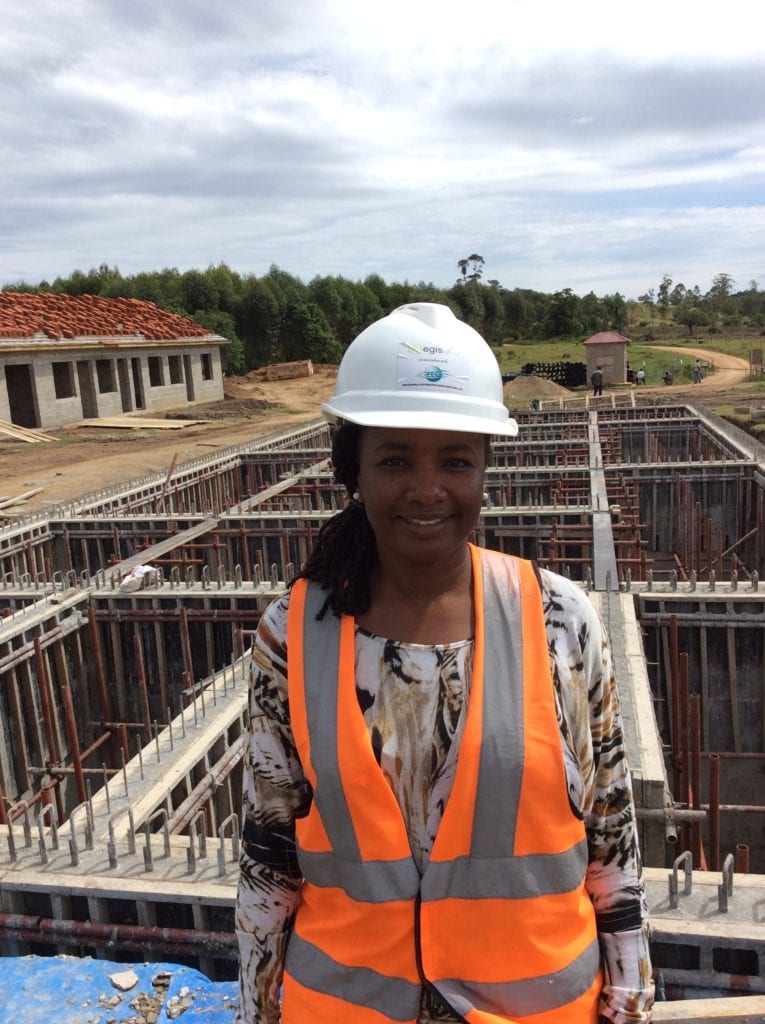
[bctt tweet=”I felt the need to test my strength & capacity to build, grow & sustain a company – Joy Makumbe” via=”no”] From an early age, Joy Makumbe, the founder of Majolic Construction and The Joy Makumbe Trust, both based in Harare, Zimbabwe, has always been passionate about turning her ideas into tangible physical reality. Knowing that these realities assists women and girls in alleviating some of the problems they face daily with regards to water and sanitation gives her satisfaction. Did you always want to be a civil engineer? No, not really. I didn’t know much about it until I was attached to engineering companies during school holidays. Most of these companies were mainly involved with mechanical engineering but that is where I realised my passion for building things. After graduation I mainly worked in consulting companies whose projects were mainly structural in nature. This was a good foundation for me as I worked with elderly white engineers who were really bent on detail, teaching, training and mentoring. From there I moved to another consulting company that exposed me to the projects management side of civil engineering. [bctt tweet=”I didn’t know much about civil engineering until I was attached to engineering companies” via=”no”] Tell us about Majorlic Construction. Majorlic Construction is a company I formed in 2008 after I felt the need to be directly involved in the communities, and to test my strength and capacity to build, grow and sustain a company. The name is a combination of letters from my first and last names. Majorlic’s focus has been water and sewer reticulation networks and structural design. We have also incorporated the use of green technology in construction with the use of solar energy to provide water heating and lighting in the houses we construct. To date we have done servicing of residential stands, house and road constructions in Harare, Zimbabwe. What challenges have you faced as a black African woman in engineering? Most of the time people assume that I am a man. The community’s awareness with regards to women in engineering is still very low. As a result my gender makes it harder to get contracts because people lack the confidence that a woman can really deliver. Contracts mainly come because of referrals from people who have worked with me and know my work. For me, there is no excuse for quality so it always comes down to proving myself more as an engineer. [bctt tweet=”Awareness of women in engineering is still very low. Most of the time people assume that I’m a man. ” via=”no”] What were the major start-up challenges? Capital and not being known in the construction circles meant fewer contracts. Not many people want to engage an engineer that they do not know. When you get that opportunity to do a project, the project just looks too big in your eyes and can be overwhelming. Looking back I have learnt that sometimes we are overwhelmed because we think we have to go at it alone but you will find that there are so many established companies who are willing to partner with you on some projects. Your company can learn from these established companies. I know TechWomen 2015 was a life changing experience for you, tell us a bit about that. You leave your country with one perspective on women, technology and science and you come back changed. I left the US with newly found relationships, sisterhoods, zeal, and a renewed form of energy. I met a lot of powerful young women from different parts of the world who are making a difference in their home countries and beyond. This challenged me and I realised that I too could bring such impact. How do you connect your experience at TechWomen with your work? During my mentorship I was attached to Sun Power – one of the major players in solar technology in the US. I realised that there was so much untapped potential in Zimbabwe for solar power on the domestic, industrial and agricultural fields. This was an area which we needed to explore more of in Zimbabwe. Since then I have been looking at ways of introducing different forms of energy in Zimbabwe through my trust, The Joy Makumbe Trust. It has been difficult in the past couple of years to rely solely on Hydropower due to seasonal changes and drought patterns. We have started exploring more on green technology and how we can use it to make our lives better. For example those in the rural areas have resources to use like Biogas, they just do not have the knowledge. We plan to bridge this knowledge gap in the communities. Overall, my experience at TechWomen has given me lifelong networks of sisters across the globe. Sisters who share opportunities and information to build our businesses and increase impact in our communities. Sisters who share achievements to encourage each other and show that it can be done. How has it been moving from being a lecturer to managing a multi-million dollar project in a foreign country? Engineering is all about networks. I got this job because an engineer colleague of mine informed me of the opportunity and I submitted my CV. The thought of relocating was overwhelming and being part of a million dollar job funded by the World Bank made it worse. So many questions ran through my head, “am I woman enough to pull it through?” But I have a very supportive family that really cheers me on. This contract came at the right time when I felt I was ready for something new. The TechWomen experience had elevated me to a level where going down again was not an option for me. I was restless. I needed to do more. I needed to make more impact. It has been challenging dealing with contractors and being in a different setting, but it has been an amazing experience.[bctt tweet=”Joy Makumbe: I was restless. I needed to do more. I needed to make more
5 non-fiction novels you should be reading

The right book can be like the big sister you never asked for who can dispense really good advice with no judgment. The books we read can definitely shape and influence us, whether you’re looking for professional tips or just reading for the giggles. Roald Dahl said it best, ‘If you’re going to get anywhere in life you have to read a lot of books‘. Here are my 5 picks for books that will leave you crying, laughing and inspired. Is Everyone Hanging Out Without Me? (And Other Concerns) by Mindy Kaling “…write your own part. It is the only way I’ve gotten anywhere. It is much harder work, but sometimes you have to take destiny into your own hands. It forces you to think about what your strengths really are, and once you find them, you can showcase them, and no one can stop you.” For the Motherland Mogul who isn’t shy to speak up, has a wicked sense of humour and does not believe in following the traditional path. Mindy Kaling is witty, entertaining and more importantly, an example of how you can be your own heroine. The experiences detailed in her book are a great way to feel motivated into taking your career path into your hands. When the mould isn’t set for you, you can say screw it and make your own path. Year of Yes by Shonda Rhimes “Dreams are lovely. But they are just dreams. Fleeting, ephemeral. Pretty. But dreams do not come true just because you dream them. It’s hard work that makes things happen. It’s hard work that creates change.” For the Motherland Mogul who needs to get out of her comfort zone. We all know Shonda Rhimes is the goddess of television, how can she not be? As the titan behind the TGIT shows (Scandal, Grey’s Anatomy, How to Get Away with Murder and the Catch), she has revolutionized television. Her shows have sparked interesting conversations and given young women bad ass female characters who inspire us in various ways. Year of Yes dares you to work hard, step out of you comfort zone and love yourself. So whether you need to ask for that raise or have been feeling like you are in a rut, you can definitely be inspired by this book to step up your game and challenge yourself to live a more fulfilling life. We Should All Be Feminists by Chimamanda Ngozi Adichie “Some people ask: ‘Why the word feminist? Why not just say you are a believer in human rights, or something like that?’ Because that would be … a way of pretending that it was not women who have, for centuries, been excluded. It would be a way of denying that the problem of gender targets women.” For the Motherland Mogul who needs a reminder of how awesome being a woman is. Now we all know a book list would not be complete without our soul sister Chimamanda. This book is based off her inspirational TED talk which also featured as part of Beyonce’s **Flawless** gaining her worldwide acclaim and attention. This book is ideal to gain an understanding of feminism from an African point of view. It may also be a great read for those who don’t truly understand what feminism is and how important it is in today’s modern society. Hidden Figures: The American Dream and the Untold Story of the Black Women Mathematicians Who Helped Win the Space Race by Margot Lee Shetterly “Their dark skin, their gender, their economic status–none of those were acceptable excuses for not giving the fullest rein to their imaginations and ambitions.” For the Motherland Mogul who needs some inspiration. If you have not watched Hidden Figures, you are doing yourself the greatest disservice ever. Reading the book? Just as necessary. The biography details the discrimination faced by the three mathematicians who worked as human computers at NASA. Dealing with racism and sexism, it highlights how intersectional oppression is an experience faced by black women in the workplace. It’s a great read for when you feel unappreciated in the workplace or when you face challenges like racism and sexism. This story can definitely motivate you to persist beyond the challenges that can suppress your talents and skills. Born a Crime: Stories From a South African Childhood by Trevor Noah “I don’t regret anything I’ve ever done in life, any choice that I’ve made. But I’m consumed with regret for the things I didn’t do, the choices I didn’t make, the things I didn’t say. We spend so much time being afraid of failure, afraid of rejection. But regret is the thing we should fear most. Failure is an answer. Rejection is an answer. Regret is an eternal question you will never have the answer to.” For the Motherland Mogul whose past is key to defining her future. Reading this book felt like reading a love letter to Trevor Noah’s mom, his respect and adoration for her are clear. The description of his upbringing as a mixed race child during the Apartheid era showed her resilience and strength that motivated him to become the man he is today. Very often we take our experiences for granted, yet they can shape our career and personal choices. Life is about pushing through the hard times, finding pride in who we are and taking that leap no matter how scary.
Mariam Sule: Social media exposes me to a lot of readers

[bctt tweet=”I want to serve as a bridge between readers & writers- Mariam Sule, founder of @TheBookDealerNG” username=”SheLeadsAfrica”] Mariam Sule is a writer and educator. Her fiction and nonfiction have appeared in the Ake Review, Brittle Paper, Ebedi Review, ITCH Creative Journal and Litro Magazine UK. She was a writer-in-resident at the Ebedi International Writers Residency. TheBookDealerNG is her tech startup that provides a platform where book lovers can access titles published by writers of color. Mariam currently lives in Ilorin, Nigeria. What inspired your decision to start selling books? I have always really loved books. I love being around them. The scent of a book makes me happy. Also, I discovered that many other readers found it difficult to find books particularly African Literature and other books by people of color. I recognized a wonderful opportunity and I was happy to invest in it. What are the three key things you consider while trying to promote your brand online? Readers, publishers, and writers. I think carefully about what the readers see when they go through my pages. I make sure what I am offering is appealing. Also, I want to make sure that writers and publishers see me as a great outlet to distribute their content and that I can serve as a bridge between writers and readers. I achieve this by starting conversations on my pages. How has social media been able to help increase your productivity? Social media exposes me to a wide range of readers. Because of social media, I can keep people engaged by talking about books and writing and also collecting orders. [bctt tweet=”I haven’t encountered fraud on social media – Mariam Sule ” username=”SheLeadsAfrica”] What was the major social media campaign/experience/incidence that put you into the limelight? The very first giveaway I hosted was in December 2016 and it was a Christmas-themed giveaway. A classic buy-one-get-one-free promotion. Free books were given out to people and TheBookDealerNG received a lot of positive publicity including a blog feature. How have you been able to cope with social media fraud? So far I haven’t encountered fraud on social media. I am careful when I interact with people and I ensure that my transactions are transparent. Apart from social media, are there any online methods you use for promotions? Not at the moment. TheBookDealerNG’s site is still under construction. What’s your perfect one-line statement for young women trying to build a brand via social media? Go girl, I’m rooting for you! If you’d like to share your story with She Leads Africa, let us know more about you and your story here.
7 things to do when you’re in a career limbo
[bctt tweet=”Here are 7 things you can do when you’re in a career limbo and are this close to giving up” username=”SheLeadsAfrica”] Too many people feel like they’re in a dead-end job or that their career is just not taking off like they expected. Feeling stuck, unfulfilled and unmotivated has to really suck. The good news is there’s always a solution to every problem out there. Here are seven things you can do when you’re in a career limbo and feel like giving up: 1. Do something out of the ordinary Try out new things and discover new interests. You need a different head space to realign yourself with your professional goals. Have these changed? Taking a breather can help you decide if you need a different strategy or simply want to try something different like switching to a new company or even a new career. 2. Improve on your skill set Perhaps, the reason why you feel like your career isn’t really moving forward is because you haven’t actually put in the effort to improve on yourself. Put in the time and effort to build your skills via online courses, training, self-study, workshops etc. Working on yourself is always an advantage. Sometime soon, someone will be sure to take notice. And if they don’t, tell them. 3. Be prepared to take risks This could mean taking a risk by changing your method of working. Perhaps, you have refused to move with the times whilst everyone else is finding advanced ways of getting their work done and moving up the corporate ladder. 4. Go to your mentor At this stage, if you already have a mentor that you reach out to from time to time, be prepared to hear some hard truths. There are certain things you should be doing to stand out which may be lacking that your mentor will point out to you. If you don’t have one, you know what to do. Look for someone you admire for their professional ethic and successful career in a field related to yours. There must be things that you can emulate from their story and apply to your own career to get you out of the rut. 5. Take on leadership responsibility One way to get a promotion is through leadership. Can colleagues look up to you for guidance and maturity in dealing with challenges? Are you one to look out for the team as a whole? Leadership is about putting yourself out there and motivating others to do their best. If you’re seen as a leader, you’ll eventually be given additional responsibility which can move you into new assignments, opportunities and promotion. [bctt tweet=”You have the power to modify your professional game” username=”SheLeadsAfrica”] 6. Re-invent yourself Social media can be a great tool to help you achieve this. You have the power to modify your professional game. Through channels like LinkedIn, Facebook and Twitter you can sell yourself by highlighting your interests and aspirations. In the workplace as well, you can re-invent yourself by getting involved in things that will expose you to new areas. 7. Express your concerns to your manager or supervisor The thought of approaching your superior about your feeling stagnant within the organization might be a bit awkward or scary. However, they could help you figure out what opportunities exist, what areas you need to put more effort in or simply tell you why things just aren’t moving at the moment. After giving some of these your best shot, something’s gotta give. Good luck in getting your career back on track. We have faith in you.
Chinero Nnamani: I want to be remembered as a conscientious person who was Black, a Woman, and Proud
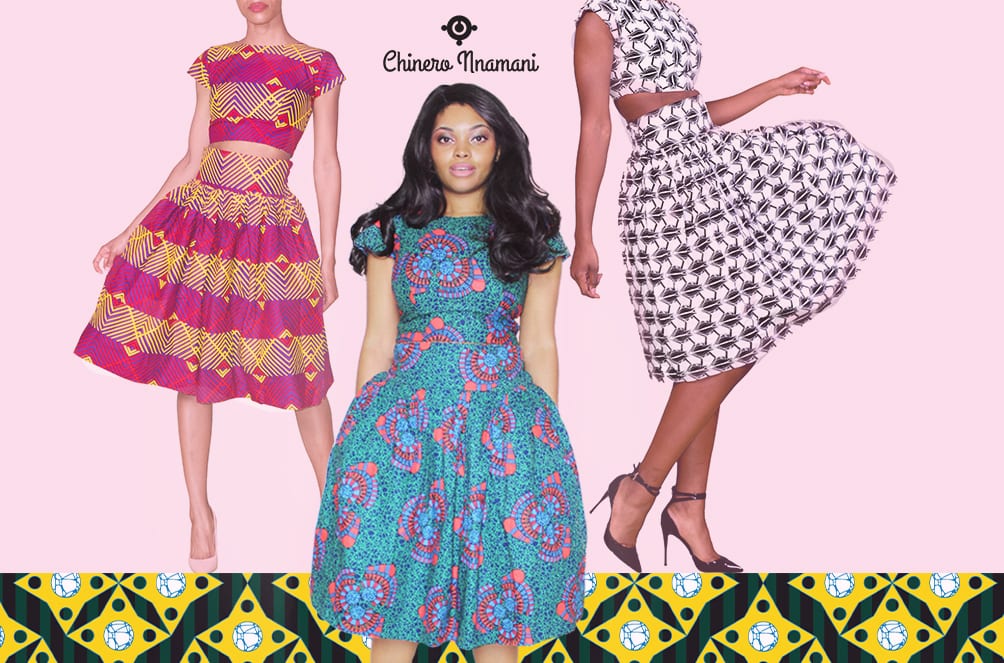
[bctt tweet=”I created @ChineroNnamani to celebrate & give well-deserved credit to Africa’s influence in our culture” via=”no”] Since childhood, Chinero Nnamani has been fascinated by the world around her. As someone with too many ideas, deciding a career wasn’t a straightforward process. Chinero wanted to be a nurse, a graphic designer, a lawyer, a social activist, an inventor, a politician, a psychologist…and the list goes on. In her search for a calling, Chinero learned about: computer science and graphic design in Sweden, creative writing and public policy in California, philosophy and psychology in London, statistics and data management in India, anthropology and human anatomy in Nigeria, and much more. With these experiences, Chinero learned how deeply embedded African influences were to the foundations of civilizations. She then created the Chinero Nnamani brand to celebrate, and give well-deserved credit, to Africa’s influence in our culture and other cultures throughout the world. How do you blend technology and art in your aesthetic? The many interconnections between technology, mathematics, and art provide a wealth of material to emphasize the fusion of African influences. My patterns tend to also celebrate math and technology with geometric influences, and the use of simple grids and linear perspective. The symbiosis of art and technology, in my opinion, allows for the most striking prints and clothing designs. You make your own original prints, how easy or difficult has it been creating them? I enjoy making prints by hand, but I can’t emphasize enough how technology has changed the game, and become integral to how I create my patterns, as it is incredibly convenient to travel with a tablet and stylus. So to answer your question, it is very easy and fun to create my prints! Can you tell us more about what you worked on before starting your brand? Before starting my brand I worked as a freelance graphic designer, illustrator and web designer. I also worked as the Practice Manager of a Mental Health clinic. These experiences have only helped consolidate my undergraduate experiences, and contribute to my personal and professional growth as a thinker, advocate, collaborator, manager, and leader. What was particularly challenging to you when you decided to create the Chinero Nnamani brand? The most challenging aspect of starting the brand was human resources, and finding and/or training reliable people to uphold my quality standards in Nigeria. You really have to firmly and consistently foster an organizational culture of efficiency and high quality in Nigeria, or the quality will suffer without proper systems in place. Fortunately, I have steadily built an amazing team of people in Nigeria that are always eager to learn and excel. [bctt tweet=”…the most valuable things I learned were how embedded African influences were to the foundations of civilizations.” via=”no”] You are present online and your flagship store is at the Jabi Lake Mall in Abuja. How did you go about opening the physical store? Opening the store in Jabi, Abuja was a beautiful experience. From our massive ornate mirrors, to our gold shelving, and blends of ornamentation and joyful visuals, I really was able to fulfill my vision for the space and have it emphasize global acuity and African pride. What’s the creative process like for you? Where do you go, and what do you do, when you need inspiration? I typically begin with a simple doodle or sketch in a moleskin notebook. I like to be out in nature or sitting by a window when I want to create. Inspiration is drawn from the fluid forms and sharp colors of nature, music, traditional food, Nigerian folk art, masked dance, ancestral drums, Igbo attires, and the shear wealth of African influences and innovations in cultures and textiles throughout the world. What is your three-year growth plan for Chinero Nnamani? My three-year growth plan for the Chinero Nnamani brand is pursuing more expansion opportunities in the U.S. with physical store locations in malls, and pop-up events. I also plan to release more lifestyle products like furniture, leather goods, and more! In one sentence, how will you like to be remembered? I want to be remembered as a conscientious person who was Black, a Woman, and Proud. This is a sponsored post.