
Dr Tlaleng Mofokeng: I envision a world where all people are at the centre of reproductive health agenda
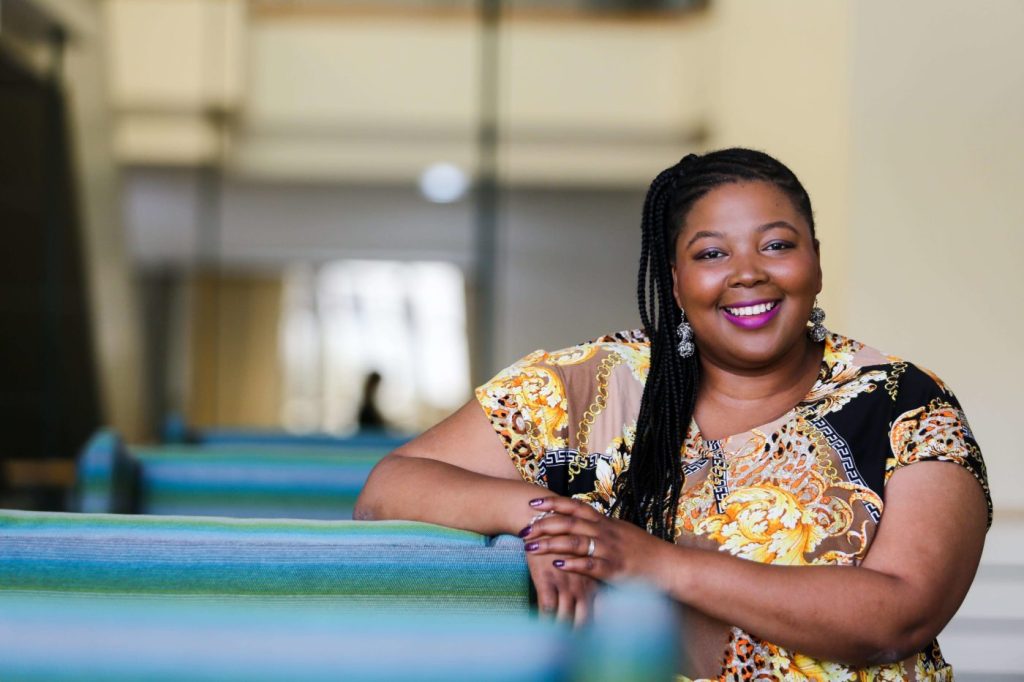
[bctt tweet=” An advocate for reproductive justice, Dr T dedicates her time to realise her vision” username=”SheLeadsAfrica”] As African women we know the struggles we face when it comes to accessing quality sexual and reproductive health services, especially if you are not privileged enough to afford private health care. Dr Tlaleng Mofokeng, also known as Dr T, is a young woman who is passionate about making such services available to all regardless of economic status –including those marginalised because of their sexual and gender identities. Dr T is a South African medical doctor, an activist, facilitator, speaker and columnist. Being a doctor has been her childhood dream. As soon as Dr Tlaleng knew what doctors did, she’s always wanted to be one. Now, Dr. T is a winner of the 2016 120 under 40: The New Generation of Family Planning Leaders and the Mail and Guardian 200 young South Africans in 2016. Who is Dr Tlaleng Mofokeng? I graduated from the University of Kwa-Zulu Natal in 2007. As a student, I set up the first youth friendly clinic in Matatiele in the Eastern Cape as part of my rural community project under Lovelife. Currently I run a Reproductive Clinic in Sandton and serves as the vice-chairperson of the Sexual and Reproductive Justice Coalition. I’m also a Medical Columnist at Sunday Times Newspaper, a Resident Doctor at Kaya FM, a facilitator and speaker. What made you choose sexual reproductive health? Sexual and reproductive health chose me. I had the first real inclination that I would work in this field during community service year; while I was working in the West Rand clinics in Johannesburg. I had many patients, often young women who consulted with me for medical issues and somehow they would end up opening up to me regarding their sexual health and relationship issues. It was very rewarding and I think the process was organic in that it is the patients who found me receptive enough to share their experiences. I remember one of the days when I had more patients waiting for me in the parking lot than inside the hospital, to talk about sex and ask questions. [bctt tweet=”Sexual and reproductive health chose me – Dr Tlaleng Mofokeng” username=”SheLeadsAfrica”] What is the Sexual and Reproductive Justice Coalition all about? The Sexual and Reproductive Justice Coalition, is a civil society organization made up individuals, academics, researchers, activists, service providers etc. We believe in, and are creating, a future informed by an intersectional sexual and reproductive justice perspective. Equality, dignity and bodily integrity to inform services, information and resources and options that are provided to all including marginalised sexual and gender identities. Tell us about your experience at the Johns Hopkins University and being in the top 120 under 40? The trip to the USA was an amazing trip. I am one of 40 winners and one of 10 invited to the USA to receive the award in person. I spent time in Baltimore, Washington and New York. The time at Johns Hopkins was really special as we attended a lecture by Professor Mosley, who is one of the top rated lecturers at Johns Hopkins. What impact would you like to make in your field? I envision a world where all people regardless of gender, orientation, geography, disability or economic status are at the centre of reproductive health agenda and service provision. As an advocate for reproductive justice, I dedicate my time and expertise to ensure that this vision becomes a reality. What are some of the day to day challenges of your job and how do you overcome them? The main thing is physical and mental exhaustion, one has to be emotionally present for all your patients. Sometimes one goes from a therapy session, to doing procedures followed by consultations. By the nature of the field, many people have really emotional stories and experiences and it can be exhausting but also rewarding, especially on a busy day. It is for this reason that debriefing and self-care is of the most importance for one’s own emotional and psychological wellbeing. [bctt tweet=” Self-care is very important for one’s emotional & psychological well being- @drtlaleng” username=”SheLeadsAfrica”] How do you stay inspired? The struggles are real and very personal. Our existence as black women is political and we can never switch off from the struggles of gender politics, racial oppression and the quest for economic freedom. The vision of a just world in which we as black women thrive and not just survive is further compromised because many women remain landless and unable to have shelter and food security. The daily experiences of not only my patients but also of my own in navigating an unjust world keeps me inspired. [bctt tweet=”We can’t switch off the struggles of gender politics & racial oppression – @drtlaleng” username=”SheLeadsAfrica”] What is the one thing you wish someone had told you about being a successful career woman? I do not think you can ever prepare for all possibilities especially in business or regarding careers and people may try but they too cannot tell you all there is to know. I have been fortunate to have a mother who was a working mother and career driven as a result of her modelling I have had no issues or inner battles about family life versus commitment to my career. Is there anything that you would change about the career choices you have made? Not a single thing. I know for sure that I am in the right field. What is your advice to the young women out there that want to follow in your footsteps? Medical school is tough. You will break but you will rise and you will realise your dream. No matter what the world tells you, you are beautiful, you are intelligent and you were born with all the power and are deserving of a good life. You can catch Dr T on Kaya FM 95.5 Gauteng and Al-Jazeera channel 406 on DSTV.
Wonderfull Abuah: Our desire is to see women acquire skills from scratch

[bctt tweet=”It’s important for fashion enthusiasts to attend a fashion school – Wonderfull Abuah ” username=”SheLeadsAfrica”] Wonderfull Abuah’s first name is a perfect ice-breaker. She is co-founder and partner of Sew Easy Workshop (S.E.W), which she runs with Folasade Dan-Oketola. S.E.W is an online school for all things fashion, providing courses that are easy to digest and super easy to implement. Wonderfull’s journey into the world of fashion design started post-NYSC (National Youth Service Corps). Depressed over the fact that no job was forthcoming, she jumped at the opportunity to acquire sewing skills at a vocational centre where she met Folasade. Prior to co-founding S.E.W, Wonderfull spent her time making & selling outfits. With S.E.W, Wonderfull Abuah is living out her lifelong dream of impacting others. Would you say it’s important for fashion enthusiasts to go to fashion school? I would say it’s important for fashion enthusiasts to attend a fashion school. It isn’t mandatory, as we have some renowned fashion designers who are self-taught. However, times have evolved. A fashion school has a comprehensive curriculum that one can benefit immensely from. It saves time, energy and effort attending a fashion school rather than spending hours searching online or reading necessary and unnecessary books. How do you teach women to make money from sewing? At S.E.W, we teach women how to make money from sewing via an intensive coaching program. In this program, we cover their products, the quality and relevance to the current season/trends. We also deal with their pricing model and online/offline sales strategy. We literally show students how to properly position themselves as a brand that would attract the right target market. For example, we always emphasize product quality to the women we coach. Tailors already have a negative brand image around so it’d be catastrophic to be branded as “one of them”. By “them”, we mean tailors who disappoint their customers with poor finishing, poor customer service etc. We believe women should first of all, work on the quality of their products, then work on the packaging and marketing strategies. Our curriculum is created for absolute beginners and women with intermediate skill set. Our desire is to see women acquire this skill from scratch and be able to trade it eventually. We ensure that whatever we put into the curriculum would be suitable for a novice with zero knowledge about dressmaking. You’re a virtual company. What would you say to someone who doesn’t believe that one can learn fashion skills without a teacher looking over their shoulder? We are aware that many women in this part of the world are used to the traditional way of learning; i.e. physically with a tutor. And so we decided that our online teaching model would be as visual as possible and super easy to understand. However, our biggest breakthrough has been the testimonials from the women who dared to sign up for our online tutoring. This has been a major factor in convincing so many other women in our online sewing community to opt in for online sewing courses. We’ve had a wide variety of women use our program; from women who have 9-5 jobs,women who have children, young ladies freshly out of university and even students. We have received tons of tear-jerker messages from women who have taken our free and paid courses. It’s hard to pick one exactly because we have touched them in different ways. There are women who have had no extra time to enroll in a school and then discovered us and suddenly their dreams can come true, finally. We have stay-at-home moms whose kids are toddlers; they have no time to leave the house but with us tutoring them, they have begun mini sewing businesses from home. There are others who live in far away countries and discovering us has been an answered prayer. The scenarios are different but the results are same. We rekindled their dreams! How did you meet founder Folasade? What do you think compliments the both of you so S.E.W runs smoothly? I met Folasade at a vocational institute in 2009 where we both acquired dressmaking skills. We became good friends and kept in touch afterwards. She went on to intern with high profile designers and then established her sewing business, even as a banker back then. Last year 2015, Folasade called me and told me about her idea of us teaching women online. We had taught several ladies physically before; we did this separately. I loved her idea and we created our online group the same night! We added our family and friends (forcefully I might add) and then they added others. And that’s how we grew. Our partnership has been of great value. Folasade is the level headed one. She thinks through each proposal we create. She’s very practical and patient. On the other hand, I’m the instantaneous one. So we compliment each other so well. Folasade helps me slow down when my adrenaline is too high and I want to make decisions rashly. I also nudge her a bit more when we seem to slowing down on our goals. It’s been awesome working with her. What are the challenges in running a fashion school that is based online? Our challenges in running a fashion school online have been eye-opening. We have had to win the trust of women who were strangers via free online tutoring. About 5 months before we launched a paid course, we offered free online tutoring. We still offer free tutoring monthly within our sewing community and we’ll always do so. Eventually, we have been able to gain their trust. We have also had to deal with being present almost at every hour, answering questions from our online sewing community. We had to set a schedule for this to avoid burnout and to remain valuable to our students. [bctt tweet=”Wonderfull Abuah used free online tutoring at S.E.W to gain the trust of women to her brand” username=”SheLeadsAfrica”] Any New Year resolutions for
Dreaming up new career goals
[bctt tweet=”Ever experienced a sudden change to your career path? This one is for you” username=”SheLeadsAfrica”] Have you ever been so confused about which career path to take —or better still be jaded by the courses on offer. In the part of the world I live, capabilities are often reduced to the ‘societal value’ of the course studied. That is why almost 90% of university hopefuls in Nigeria fight tooth and nail to get admitted into the ‘robust and lucrative’ departments. Parents want their kids to study courses that will secure their futures; not ones that are merely a “waste of time: (going with my dad’s words). Courses like Medicine, Law, Accounting, Pharmacy or Mechanical Engineering are regarded as ‘de la crème’. This inevitably puts a lot of pressure on young people and those who fail to meet up to this expected standard are often seen as the leftovers. I can be considered as one of the leftovers because I was part of those denied admission into law. My broken dreams One lesson I have learnt that is still relevant in my career journey is that dreams can change and so we can’t afford to focus on the unfulfilled ones. Soon after my graduation, I was given an opportunity to become a copywriter; I never thought writing could be a path for me. It was when I went for an interview that the two panelists convinced and opened my eyes to the uniqueness of my ability to write. At the moment I realized that the allure for law or banking was no longer there. The interviewers had planted an idea of creative writing inside of me and since then I have learnt to hone my skills. Over the years, I have come to love my new career in writing and I thrive to become better. So if you happen to stumble into a career like l did, you might find these steps useful: 1. Never stop being hungry Don’t ever be content with the basicness of the new career. Get empowered with every given opportunity. When I started as a copywriter, I quickly enrolled myself in an advertising school in Lagos where I learnt firsthand from the industry veterans. Soon after, I began to attend trainings related to my field and I still to date commit myself to multiple learning. Also don’t be afraid to spread your wings in the new field. I started with copywriting but I gradually began to explore journalistic writing. I used to send weekly opinion pieces to the Sunday editor of Punch newspaper. Those publications boosted my morale and steadied my feet later as a journalist. Explore the new field and don’t be comfortable with average,strive for excellence. As African women, we put a lot at stake if we decide to be complacent in our careers and not seize the moment. [bctt tweet=”Dreams can change and we can’t afford to hold on to the unfulfilled ones —even with your career” username=”SheLeadsAfrica”] 2. The key word is patience I know you have heard this word ‘patience’ countless times; but it remains one virtue that must be acquired for us to get to the peak of our careers. Yes, it was one interview that reset my career goals but it is patience that I have continually needed to stay calm in my career journey stay calm in my career journey. It is so easy for us to fall into the trap of comparing our career stories with others but it is not right or fair on us. I particularly am guilty of this as often times I feel behind in my career in comparison to the different success stories of my colleagues. This is what I do whenever the thought crosses my mind; I take a deep breath and remind myself how far I have come and further challenge myself on the next career decision. The secret to being patience is never giving up even when all doesn’t make sense. 3. Get mentors There are mistakes in life that we can escape from. This is what mentors are for; they’ve walked that path and they can constructively guide us through our career goals if only we ask. Career mentorship is vital and it can detect how far we can go in our careers, so get to it today and seek out those mentors now. There are lots of mentoring programs for women of African descent that are committed to building and shaping the careers of African women; give yourself the opportunity of having a voice in this patriarchal society. Recently, I realized I was getting rusty in writing (I took a break to have babies) and I decided to seek professional help from an old colleague. I periodically began to send articles to her so she could constructively critique me. It’s been months now and am eternally grateful that she took me under her wing to mentor because my skills have significantly improved and l now have better approaches than before.
Say thank you: How to fuel your career with gratitude
[bctt tweet=”Showing gratitude goes a long way to create real and lasting impact in our careers” username=”SheLeadsAfrica”] Let’s start by being thankful for the New Year (Mama, we made it!) And hopefully, it’s going to be the year for breaking new career frontiers and becoming own our #BossLady. While we’re in the pursuit of greater career success, let’s not overlook the one thing that really matters; gratitude. Understanding the importance of being thankful and showing appreciation is one major key for career success. Generally, when we show gratitude on a personal basis, we tend to attract more good things and have people want to help us out, over and again; same applies to our professional life. Being grateful in our professional lives and learning to show gratitude equally goes a long way to create real and lasting impact in our careers. So, no matter the level of your career success, be it #MotherlandMogul or aspiring #BossLady, there’s a lot more you can achieve by constantly being thankful, and here’s just a few: Advances your career When you stay grateful for how far you’ve come in your career (which may not be sooo far), you increase your positive vibes to become better. Self reflection for criticism is good once in a while. However rather than sulking yourself to stagnancy by constant complaining, be thankful for your achievements so far. Even if it’s only a degree you have just yet or you’re on your way to getting one, still be thankful. This way, you allow for increased positivity and energy which lets you plan and plan the next step to take. [bctt tweet=”Grateful people are happy people, and happy people are more productive in their career” username=”SheLeadsAfrica”] Improves your career Grateful people are happy people, and happy people are more productive, engaged and resilient in their career. Happiness always pays off in your career. It also helps you focus on your goal, stay optimistic, and continue to strive for the best despite the hurdles life may throw at you. Also, you get to improve your decision making skills, which eventually improves your self esteem and your social interaction. Improves your professional relationships Being grateful helps deepen and improve your professional relationships, while building new networks. When you’re being thankful, you attract mentors, protégés, investors and even amazing partners. People love to help out and be around grateful individuals, because gratitude always has an effect on everybody. Increases opportunities Opportunity comes, but not once. When you appreciate people more, chances are that you’ll always be readily in their mind to be referred for new career opportunities they find to be essential for you. [bctt tweet=”Forming the habit of always being thankful would be a great for your career this year” username=”SheLeadsAfrica”] Increased productivity Learn to appreciate your team, employees, colleagues, and the endless list of people you deal with. It improves their esteem which motivates them to get more work done for you and even go the extra mile when necessary. Gratitude makes people feel good about helping you out which is essential in achieving your goals and visions. There are a whole lot more benefits of gratitude beyond our career life, and forming the habit of always being thankful would be a great value for your career this year. Whatever your position, learn to be thankful, always. Get rid of any feeling of entitlement you might have and learn to give genuine gratitude. Now if you’re ready to start implementing my advice, download the SLA Gratitude List and start making things happen.
How to deal with end of year disappointment

[bctt tweet=”Many of us are nursing our failed New Years resolution from last year, let 2017 be different” username=”SheLeadsAfrica”] Happy New Year to you all. Congratulations we made it!! It’s the first month of the year, and it seems like just yesterday that we were saying “2016 is going to my year” and I truly hope it was. I hope 2016 was the year you finally went back to school, or lost the last 10 pounds of your baby weight or quit your 9-5 and started your own business. If this person is you, “you go girl!” We are all so proud of you! Keep reaching higher in this new year. But for many of us, we are nursing the wounds of our failed New Years resolution from last year. The gym membership you bought only got used in January, you never quite got the hang of sticking to the budget that was supposed to help you come out of debt and your business never made it to year two. This doesn’t mean that New Years resolutions are bad, in fact I hope you have started creating your list for this year. For many of us after the countdown to the new year and getting our kiss at midnight, comes the new year blues. January can be the hangover month where we suddenly come face to face with all the things we didn’t do last year. All the projects we started and did not finish. The relationships that was supposed to lead to the altar but failed. The friends that left us last year. It can all be very depressing. So before you get all moody for the new year or anxious to make new goals, here are some tips to help you deal with last years disappointment. Be genuinely happy for your friends, your season is coming too If you are in the right girl squad, you should constantly see your friends succeeding. You should constantly be going to store openings, weddings, baby showers, business launches and etc. You shouldn’t be bitter at the successes of your friends, actually I would encourage you to get a new circle of friends for 2017 if your current circle isn’t full of girls constantly winning. So don’t get bitter, get better. Remember that social media is just a highlight reel Okay, when did December become the “celebrate everything” month? By Christmas day, I had already counted 4 engagement announcements, 3 “Guess who is pregnant again” posts and 5 promotions and college acceptances. Don’t get me wrong, I am happy for my friends. But before I sink into a depression, thinking that I am behind all my peers, I remember that people rarely post about their negative experiences on social media. Never let social media be the measure of how badly you are doing or how much your friends are thriving. Social media can be dangerous because we have a front row seat to people’s strengths and achievements. At the same time, we are so intimately aware of our own weaknesses and failures. I have a friend who posts things like “Grad school is kicking my butt, I gained 10 pounds and I didn’t get that job I wanted, but I will keep trying”. Now that is someone who definitely went on my gifts list for Christmas. We all need people who honestly remind us that the grass is not greener where they are. [bctt tweet=”It’s okay to fail. Many of us forget that the mark of success is what we learned along the way” username=”SheLeadsAfrica”] Failure is okay —the only people who don’t fail are those who don’t try Nothing I say here matters. Because if you wont listen to Queen B, why would you listen to me? No but seriously, write a list of all the things you failed at last year. And then next to it, write all the things you learned even though you failed. Many of us need to remember that the mark of success is rarely about the destination but rather the process and the lessons learned along the way. Sure you were denied that grant that you needed to run your business, but in the process you learned how to write a killer business proposal. Not to forget, you nailed the presentation even though a year ago, public speaking terrified you. Does that sound like failure? So go on, make that list, and be pleasantly surprised at all the things you accomplished last year by “failing”. Try again, this year tomorrow Seriously! Try again! Keep trying. Keeping going until you hear a “yes”. As a Motherland Mogul the only thing you should not chase is a man…Every other thing is fair game to be chased down. If you are disappointed at the end of 2016 that is a sign that you know you are capable of more. Do you know what Africa would look like if all the girls who failed last year and those girls who succeeded this year decided to just keep trying? To keep pushing. Keep writing. Keep creating. Keep drawing. Keep building. Keep coding. Keep loving themselves. [bctt tweet=”Every single Motherland Mogul is capable of so much! Don’t be scared of failure” username=”SheLeadsAfrica”] Whether you are in the failed bucket or succeeded bucket one thing is certain, there is room for so much more…and you know it! I cant wait to see all the many successes of Motherland Moguls this year. Every single one of you are capable of so much. #SquadGoals Cheers to more winning in 2017!
Clothing etiquette 101
[bctt tweet=”Wearing something really great for the wrong occasion can totally take away your style” username=”SheLeadsAfrica”] Clothing etiquette is defined as ‘knowing what is appropriate to wear for particular occasions’. In other words, what you wear is defined by the entertainment. For example: Black is the standard colour to a funeral, as opposed to a bright yellow or pink. Lighter colours are worn to weddings, and seldom black (unless specified) —although it seems to be in trend at the moment. Bright colours and short items are not worn in court. No matter how great you look, when looked at in isolation, wearing something really great for the wrong occasion can totally take away your elegance and style. Fear not, with styling, you can dress certain items up or down to fit the entertainment or occasion. Let’s take jeans for example, as these are nearly worn by everyone, every day. So naturally, one often has to wear them appropriately as they transition through the day and various activities. Let’s look at a Saturday for example, where one may run most of their errands, have a coffee date and end the day with a fun and social evening. We’ll use boyfriend jeans in this scenario. Errands Comfort is key when you’re running errands, as one needs to move around easily. So something easy to wear and comfortable is required. These boyfriend jeans could be styled with a loose T-Shirt, hat or cap, some sneakers and perhaps a scarf and sunglasses for a bit of flair. Sneakers give the look a relaxed, practical and comfortable feel; they are for running around. A scarf and hat add some personality to the outfit. Here’s our look below: Coffee date Now for that coffee date later on, the same jeans could easily be taken from my morning errands to a meeting, by adding some sandals and styling the hair a bit. One could throw on a blazer/jacket to add a smart and sophisticated element to the look. Evening look With that coffee date/meeting done and dusted, this look could easily be translated into an evening look. This would be achieved with adding some glamorous heels, a smart top, some bold jewellery and a stylish hair-style. Here’ the look below; With that said, none of this is set in stone. You can easily run errands in any of the looks above, or go out in the morning look, if it were to a pub where you need not really dress up. One can style outfits as they wish, by playing around with clothes, colours, textures, statement pieces, as long as they fit the occasion and make one feel great. With that said, stay stylish and rock on!
Career insights from Mo Abudu

[bctt tweet=”To be an entrepreneur, know that bright ideas are great & more wisdom from Mo Abudu” username=”SheLeadsAfrica”] I believe Africa is blessed with many talented women from different industries and each has managed to carve a niche in their respected fields. Mo Abudu is one of those women who has broken the “glass ceiling” concept and risen above the perception that just because you are a woman you can’t advance higher. Mosunmola “Mo” Abudu is a 50 year old successful Entrepreneur, Media Personality, Talk Show Host, TV producer, Human Resource Consultant and founder of EbonyLife TV. She is described by Forbes as one of “Africa’s most successful women” and by CNN as the “African Oprah.” She was born in the UK and holds a Master’s degree in Human Resource Management from the University of Westminster, London. Her career started in 1987 when she worked as a Recruitment Officer. Since then she has worked with companies like Starform Group and Exxon Mobil (formerly known as Esso Exploration and Production Nigeria). In 2000, she started a privately owned HR development company called Vic Lawrence & Associates Limited (VLA). Mo Abudu is the executive producer and host of TV show Moments with Mo. She is the creator and executive producer of The Debates —a reality TV show with the aim of giving Africa a voice and is also the founder of The Inspire Africa Foundation. Mo has managed to create an image for herself in the media industry; she is known as the leader in the television industry. With all these appellations and accolades, African ladies sure have a lot to learn from her. Every lady envisions success. You grow up striving to be successful not just in your career but in your family and relationships. But success isn’t something that comes from sitting down all day doing nothing. It doesn’t come from lazing around and daydreaming either. [bctt tweet=”Execution is everything, amazing career insight from Mo Abudu” username=”SheLeadsAfrica”] Rather it’s the combined effort of hard work and determination that sets the motion for success. Shonda Rhimes said, “Dreams are lovely. But they are just dreams. Fleeting, ephemeral, pretty. But dreams do not come true because you dream them. It is hard work that makes things happen. It’s hard work that creates change.” 1. Execution “Anyone who wishes to be an entrepreneur must know that bright ideas are great, however, that is not even half of the work; execution is everything.” – Mo Abudu Mo does not joke with any one of her projects; whenever an idea comes to mind, she puts her all in order to bring it to fruition. Her advice to upcoming entrepreneurs is to be ready to do twice the work for half the usual reward. 2. Having the right information It goes without saying that “knowledge is power.” How much info do you have on your chosen career path? Do you have adequate info or are you still going around in circles? It’s necessary that you garner as much information as possible before venturing into any career. 3. Age is just a number Mo Abudu said “I’ve been a brand ambassador for Nigeria since I was age 11. Growing up in the U.K, I’ve had to defend Nigeria and when I was 40, I finally woke up and decided to do something, and that’s how the talk show came about.” We’re all familiar with the saying “age is just a number” but often times this applies to marriages. George Eliot said it is never too late to be what you might have been. With Mo Abudu age is definitely nothing but a number. At 52, she’s still letting the world know that she’s got a lot to offer Africa and that age doesn’t stand as a barrier. 4. Drive and Passion If there’s one thing that makes Mo stand out, it is her passion for giving Africa a voice. For aspiring entrepreneurs, it’s good to be passionate about your career because that will motivate you even when you don’t feel like working. In an interview with Variety Mo said, “I don’t really see my work as work…I just love what I do.” So ladies, there you have it, some of Mo’s career insights into being successful. It’s good to dream but it’s much better if you work your way into achieving them.
Tafadzwa Bete Sasa: I wanted to get more things done and be a GoalGetter
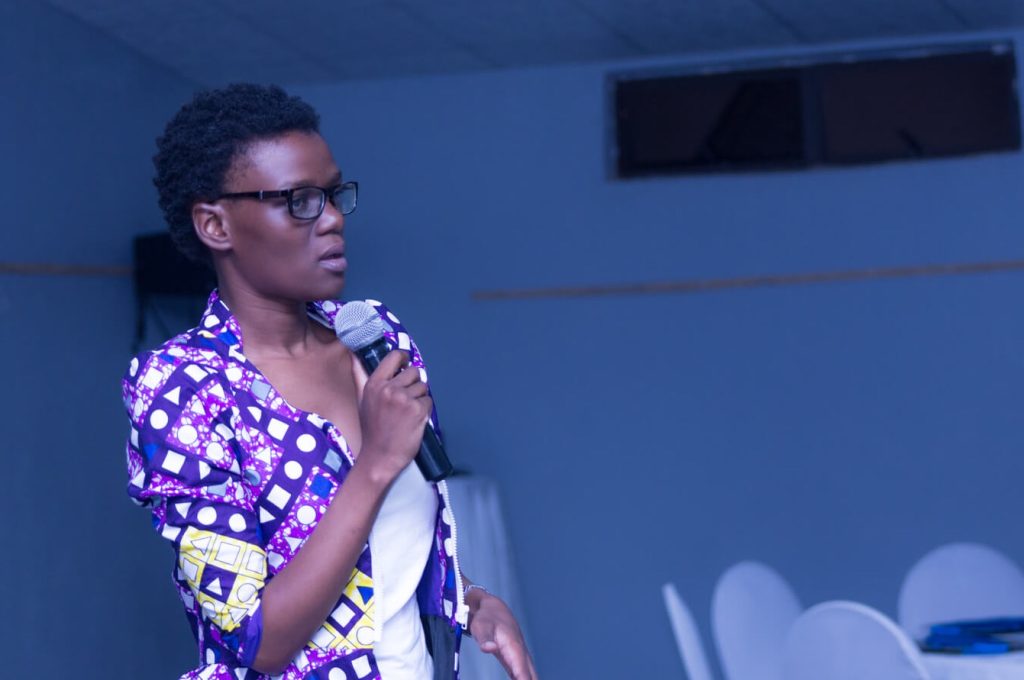
[bctt tweet=”Tafadzwa Bete Sasa wanted to be one of those people who kick butt with their goals” username=”SheLeadsAfrica”] Tafadzwa Bete Sasa is an admirable achiever who has navigated the professional world mostly as a learning and development professional. She has several accolades under her name and has also been name a Global Shaper by the Lusaka Hub —an initiative of the World Economic Forum. Tafadzwa also recently started her own line of planners called GoalGetter Planners which are customized organizers to help individuals set and track goals. SLA contributor Kudakwashe Mulenga sat down with Tafadzwa to get insight into her start-up. She discovered how Tafadzwa Bete Sasa has navigated her career to get where she is. Where did you get the inspiration to start the GoalGetter planners? The GoalGetter planner was born out of frustrations with my year, in year out recycling of New Years resolutions and being at the same place come year end. This frustration grew as I began meeting other young people who were my age. We all had the same 24 hour days but were just not getting more things done and being GoalGetters. You know the people who just hit the ground running and are already ticking off milestones and kicking butt whilst the rest of us are reeling in January blues. I got tired of being in the latter group and decided I wanted in on the Goal Getter life. As part of that process I started asking questions, observing, studying and listening to the Goal Getters to understand what helped them get things done. I noticed a common thread of behaviours and patterns. This was further confirmed by the insights some GoalGetters shared in a series of interviews I ran for my blog called The Process. It is these mindsets and habits that became what I call The GoalGetters seven winning ways to getting things done. I combined those with my favourite goal setting and goal tracking tools to create the GoalGetter Planner. What difficulties did you face producing your own planner, how did you find a client base? I first thought of designing a planner several years ago but sat on it for the longest time because I just was not sure how to go about it. I was confused about the design, content, production, branding, marketing, distribution, financing. In addition, I was convinced it would just not work out until I had a certain level of expertise, money and influence. However, I mentioned the idea to some friends and my coach who have always encouraged and nagged me to get it done already. I decided I would produce the first samples of the planner for two friends, have them use it for a year give me feedback before rolling it out to everyone else. I had my friends Moreblessing, Glen and Epi review the raw versions of the planner then paid for a professional designer and editor. By the time I submitted the final content to the printers I was a bit more confident to sell to more people. Now, when I decided to sell the planner, I dared to set a Big Hairy Ambitious Goal of selling 20 planners within the first year. On the 14th of November, I shared the planner on my Facebook page. You can only imagine my shock when within the first two weeks more than 75 people had placed orders. As the early adopter friends started sharing pictures of their purchased planners, their friends also wanted in. This way the GoalGetter planner customer base continues to grow. I get a bit overwhelmed keeping up with orders as I am running the project as a lean start-up. I produce the planners to order, receive feedback from one batch and try to improve within the next. It has been an awesome start but we are definitely still learning. I am grateful for my friends and their friends who are willing to navigate the learning curve with me. [bctt tweet=”African society has many expectations and limitations on the young woman – Tafadzwa Bete Sasa ” username=”SheLeadsAfrica”] What advice would you give to young professional women across Africa? The African society has many expectations and limitations on the young woman that contradict the reality of the global village the world has become. This places young professional African women in a great predicament; trying to balance these expectation with their own growing ambitions. We are becoming more and more exposed to what other Motherland Moguls are up to. As such, the professional African young woman has to decide what races to run and which medals they are chasing. We can’t have it all and to be honest I do not think we want it all. Sometimes, ‘all’ involves things we don’t really aspire towards but that have been prescribed by society. The disappointment of not getting what we may have wanted is compounded by the fear of society’s disapproval of us for not having it all. African young professional women must decide what they want for themselves. They must then pursue that whilst gracefully accepting whatever life may bring them; without the extra burden of fearing to disappoint. You have taken on many responsibilities career wise in recent years including becoming a Global Shaper and serving as JCI president. How did you realize your ability for greatness and what was your journey like? When I started off I would never have imagined I would be here today. But as a principle when I commit to something, I fully plug in to ensure I learn as much as I can. I always step up to a challenge or opportunity. As such in the several organizations I have been over the years, I have refined various skills which are all coming together to create different opportunities. If I were to give examples, I would start at BancABC Zimbabwe where I had my first job as an HR intern. I arrived raw as they come and left with a good understanding of
Asanda Gcoyi: Talent on its own will never be enough
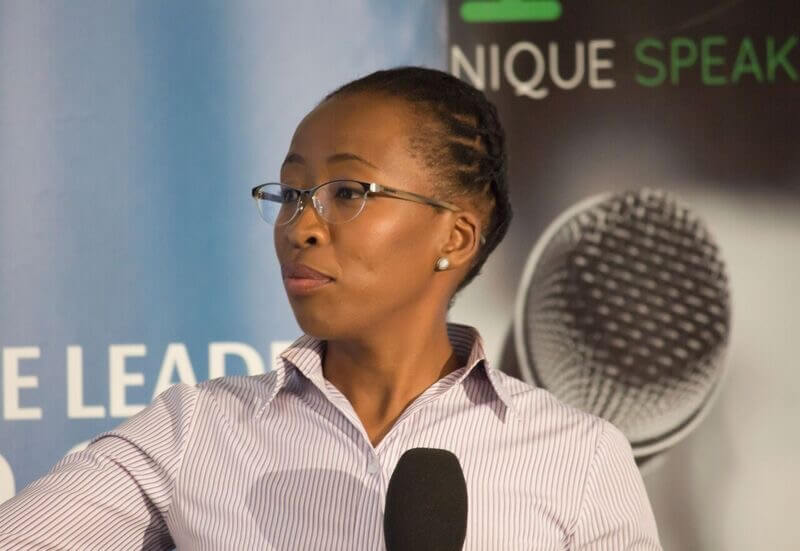
[bctt tweet=”Many people are talented in something but don’t invest time in becoming the best – Asanda Gcoyi” username=”SheLeadsAfrica”] It’s time again for you to meet one of the people that make the SLA website run smoothly. We’re talking about our contributor family who SLAY with their writing. Asanda Gcoyi is a talent hunter, she’s the CEO of CB Talent, an empowerment hub dedicated to all things talent development. Through her passion, Asanda works with entrepreneurs and highly successful people in order to help them take their success to a higher level. We’re all lucky that she shares some of this wisdom in the articles she writes for SLA. A certified master coach, Asanda Gcoyi is the boss of turning talent into something more powerful. What defines talent to you? I think it is ones’ ability to showcase what you can contribute in any given context. Talent has to be pegged to passion for it to be meaningful. Further, talent requires hard work to be of any use. Many people out there are talented in something. Quite a few take joy in just being talented in whatever they may be talented in; yet they do not invest the time required to become the best at what they are talented in. As such, talent on its own will never be enough. Think of any successful footballer and imagine their work schedules. You will find hours and hours of hard work behind that success; not only god-given talent. [bctt tweet=”You will find hours of hard work behind success; not only god-given talent @Coachasanda” username=”SheLeadsAfrica”] What goes into starting a talent development firm? It is one of those businesses that stem purely out of passion. You must understand people, and what motivates them and be able to ascertain how this all fits into the overall business imperatives. Luckily, you don’t need much in terms of start-up capital, so bootstrapping does the trick for the first six months or so. Tell us about being the Chairperson of the Ethics Portfolio Committee (EPC) at Coaches and Mentors South Africa (COMENSA). How did you find yourself in this role? When I returned from Beijing, China in December 2014, I was actively looking for ways to reintegrate myself into the South African business landscape having been away for over four years. As a qualified coach with a keen interest in understanding the professional from a South African point of view, I thought the best thing to do would be to find opportunities to get involved. Luckily for me around mid 2015, the committee had an opening, I applied and I was invited to join. Less than a year into it (around 6 months), I was asked to take over as chairperson. It was an excellent opportunity for me to develop professionally in the important area of ethics and conduct of the profession. I really enjoy working as part of the ethics portfolio and I am often challenged out of my comfort zone, which is very important for me. If it is not a challenge, I lose interest. You studied in China’s Peking University; can you share more about your experiences as an African woman in China? Peking University and Tshingua University are the top two universities in China so you can imagine the competition! I had no doubt in my ability to get admitted because they too take into account your GMAT scores for business school studies. As the only and first African woman at a Chinese top institution, it was both an honour and a testing time for me. There was still a ‘curiosity’ on Africa and Africans so in a way I was representing more than just my race and gender but the entire continent! I have never been one to be meek so my time at Peking was characterised by involvement both in academia and the social space. I was voted into the class committee a month into the studies and I was responsible for the events portfolio. That tells you a lot about my ability to be me irrespective of where I plant myself. [bctt tweet=”Asanda Gcoyi’s experiences in China gave her the background to be a multicultural specialist” username=”SheLeadsAfrica”] What four skills would you say is needed for someone to be a multicultural specialist? To be a multicultural specialist, I would say one needs; Advanced self-awareness; Exposure to diverse environments is key; Actual experience working in cross cultural environments and Areputation (track record) of successful multicultural engagements. How is your understanding of the East and West behind your “developing the leader in you, to impact business” idea? The East and the West are so different in many respects and understanding these differences is key in this day and age. Taking these two and infusing local perspectives (read African) is what I believe can set one apart in business, and professionally. For the longest time, we were concerned about the ways of the West and didn’t pay much attention to the east until China became the powerhouse it is today. I think that to really be a global citizen/leader, you can’t not understand these two within your local context. Are there any particular things you look out for in finding people to support? I look for a can-do positive attitude. What will be your New Year resolutions? I have three New Year resolutions Take CB Talent to the next phase —accelerate growth! To be kinder to self. Grow spiritually! We want to know your stories! Tell us what amazing things women are doing in your communities here.
When to ask for a raise and how to actually get it
[bctt tweet=”Everyone with your same title is ballin’ and 5 other ways to know it’s time for a raise” username=”SheLeadsAfrica”] We’ve all been there. Working a job where your hours are 9-5 but you end up putting in 9-10 to show your commitment. After several months of putting in extra hours, covering for your absent coworker, or simply realizing your value, you’ve decided your wallet deserves some growth. If you’re on the fence about asking for a salary increase, do a little self evaluation to determine if now is the right time to ask. 1. You’re in good standing with your boss A couple of weeks ago my friend told me a horror story about someone who asked for a raise. This guy showed up to work late, took excessive time off, and wasn’t even with the company a year! That is a prime example of when not to ask for a raise. However, if you and your boss are close, why not capitalize on your positive relationship? If you’ve noticed some extra pep in your boss’s step or she’s treating everyone to lunch, this might be a good time to jump on the opportunity and talk money. 2. You’ve done your research Perhaps you’ve stumbled upon an article while reading through Forbes or LinkedIn —because you stay knowledgeable on workplace trends like any smart professional. If you came across this Forbes article about the fastest growing jobs in America, then you’ve most likely already started calculating the zeroes into your paycheck. Also, Glassdoor also has a new function that allows you to determine whether you’re being paid sufficiently. So if you feel you’re being under-paid, this will do the work for you and determine how much professionals in your field are making. 3. You just took on a new project that’s above your pay grade If you’ve been going above and beyond by taking on extra work, exceeding your goals, staying late, or covering for your “sick” coworker, it’s a good time to speak to your boss. Not only will this highlight your value to the organization, but you’ll also let them know you’re no fool and you want your money. 4. The company is expanding This means that not only will positions be opening up for promotions, but your company clearly has the budget to pay you more. If your company is opening a new branch or creating a new department, this is your chance to showcase your skill set. 6. Everyone with your same title is ballin’ I’m not saying to compare yourself to others, but, if your accountant salary leads you to order malt liquor while your fellow accountants are sippin’ on Dom Perignon; it might be negotiation time. Now that you’ve decided you need that paper, here’s how to successfully ask your boss for a raise: Ask around Nothing compares to information from the source. Talk to people who have successfully been promoted within their companies. This is also a good time to reach out to a professional mentor. If you don’t have a mentor yet, don’t worry, there’s an app for that! The Grip app gives smartphone users an easy way to network. It’s like Tinder for networking. Make a list It’s important to keep track of what you’ve accomplished. After all, they need proof that you deserve to be making more! When my mom (who is a CFO for a non-profit in Los Angeles) asked for a raise at a previous job, she decided to ask after taking on an advanced project. She wrote down her accomplishments from the project and used that to back up her proposal for a raise. Your accomplishments should be specific and measurable. For example, at my current position I publish our office’s first eNewsletter. If I was proposing a raise, I would say, “I have contributed to the design and production of our office’s first online newsletter. In the first six months the newsletter was distributed to over 3,000 contacts monthly and maintained an open and click-through rate of 20% and 250% higher than our industry average.” [bctt tweet=”Before you ask your boss for a raise, make a list and write everything down!” username=”SheLeadsAfrica”] Write it down Going in to sit down with your boss can be anxiety inducing. Therefore, plan out what you’re going to say and give yourself action items so you don’t sound rehearsed and stay on track. Try saying something like; “I’ve been with this company for X amount of time and have accomplished A, B, and C. Seeing that I have reached these benchmarks I would like to discuss a salary that reflects my accomplishments with this organization.” Now go forth and get that money!