
Anelisa Kasper: I’m responsible for my own growth in my field
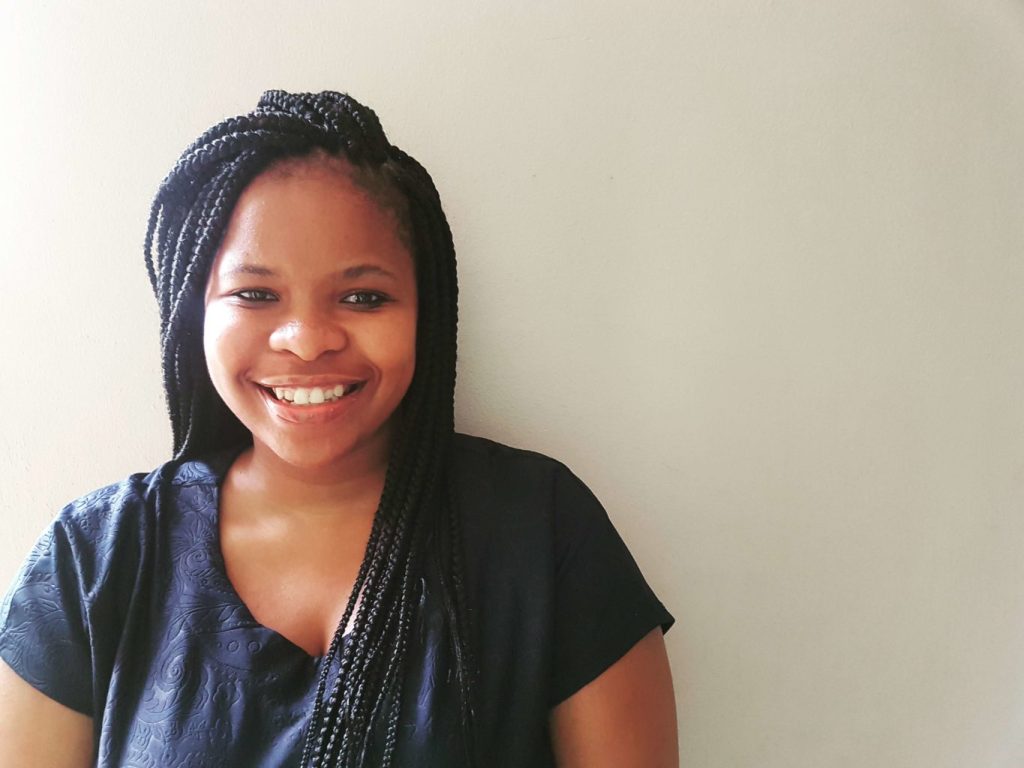
[bctt tweet=”@lisakaspero is a business analyst & passionate about growing start-ups as well as herself” username=”SheLeadsAfrica”] It’s time for you to meet one of the people that make the SLA website run smoothly. We’re talking about our contributors who selflessly share their writing with us. Anelisa Kasper is an IT consultant but she’s taught us about mentorship, handling conflict in start-ups and mastering the art of public speaking. Her area of expertise is business analysis and her focus is growth. Anelisa Kasper has dipped her toes in both the corporate and start-up worlds, and she aims to inspire young people in both worlds. Would you say you chose to be a business analyst or that the profession chose you? I was lucky enough to choose to become a business analyst. After I finished my honours degree, and having had extensive exposure to Information Systems, I was unsure which career path I wanted to pursue. When I graduated, there wasn’t as much information about the profession as there is now, so I wasn’t sure what the business analyst profession entailed. When I joined the company I currently work for, I made sure to express that I wanted to pursue business analysis as my career. Because I had just come out of university, the company was very supportive with my decision even though it was not in the technical part of IT. How do you plan to grow in your field? For me, growth will come from more experience. Over the years, I’ve seen how broad the business analysis profession is and have come to realise that you can’t get all that experience in one year (unless you’re exposed to different projects at a short space of time!) Since I started as a BA, I’ve wanted some sort of guideline on how to grow. I understood that the progression was from junior level, to intermediate, to senior, then principle level. All those levels have underlying skills that I need to work towards for my role. I do research on what skills one needs to have for all levels, and I usually set goals to achieve certain things according to that information each year. [bctt tweet=”For me, growth will come from more experience – Anelisa Kasper ” username=”SheLeadsAfrica”] When I started as a junior almost 3 years ago, I can safely say I didn’t know much about my role. Fortunately, I was part of a major project and that gave me great exposure to what it means to be a business analyst in the field. After 2 years and a promotion later, I evaluated what I needed to improve on with my skills. I spoke to my line manager about getting more process analysis experience, a month later I was in a process analysis project. In the end, I’m responsible for my own growth in the BA field. It’s important to know your areas of growth, and what will make you more marketable if you want to stay in that field, or even move to a new one. I’ve been lucky enough to have seen gaps, spoken up, and received opportunities for immediate experience. Of course, I’ve also had cases where my company couldn’t accommodate the growth I needed at the time. In those cases, I’ve made a way for my own growth by looking for those experiences myself outside of my company. What advice will you give other women looking to be business analysts? Do your research and make sure that it’s what you want to do, as with any career. Because this field is part of the ICT industry, we need more women in the business analysis field. Most people study a degree in the IT space and become business analysts after graduating. I have also come across many people in the field who do not have an ICT background. So if you want to be a BA, do your research. Join forums that bring many people together to discuss everything business analysis. This opens up a world of information; engage in those forums and ask questions. How do you think being involved in other industries will grow your expertise? Which industries are you interested in? Why? It grows your experience. As a business analyst, you want to be able to get into any industry and work towards providing a solution that will make the business more sustainable. The BA field has its underlying principles that you can use in any industry, but within an industry, most companies face similar challenges. Working across industries and companies means I’ve been exposed to both structured and unstructured environments. The broad work experience has allowed me to gain experience in the telecommunications, electrical and canopy cleaning and banking industries and all those work differently, which makes the work fun. Some industries are more challenging than others, and it also depends on the scale of the company you’re doing BA work for. I choose consulting because I enjoy being on different projects. For example, 6 months consulting for one of SA’s top banks, then leaving to help a family business in the electrical and canopy cleaning industry. This allows me to be exposed to completely different people, processes and technologies/products. [bctt tweet=”It’s important to know your areas of growth, find where you’re lacking and speak up @lisakaspero” username=”SheLeadsAfrica”] What advice will you give to a start-up looking to develop long-term solutions? For start-ups looking to develop long-term solutions, it’s important to constantly be aware of trending technologies; as well as understanding them and how they will benefit your start-up. We live in a digitized world, where technology has taken over how we do things. For instance, at the tech incubator and accelerator I was part of, our entrepreneurs were able to use cutting edge technologies to assist them in the long-term. We helped them do research on these technologies so that they could better utilise them and in some instances, build start-ups around them. Tell us about your personal project portfolio. How have you
Trish Lewis: I’ve always been obsessed with businesses that solve problems
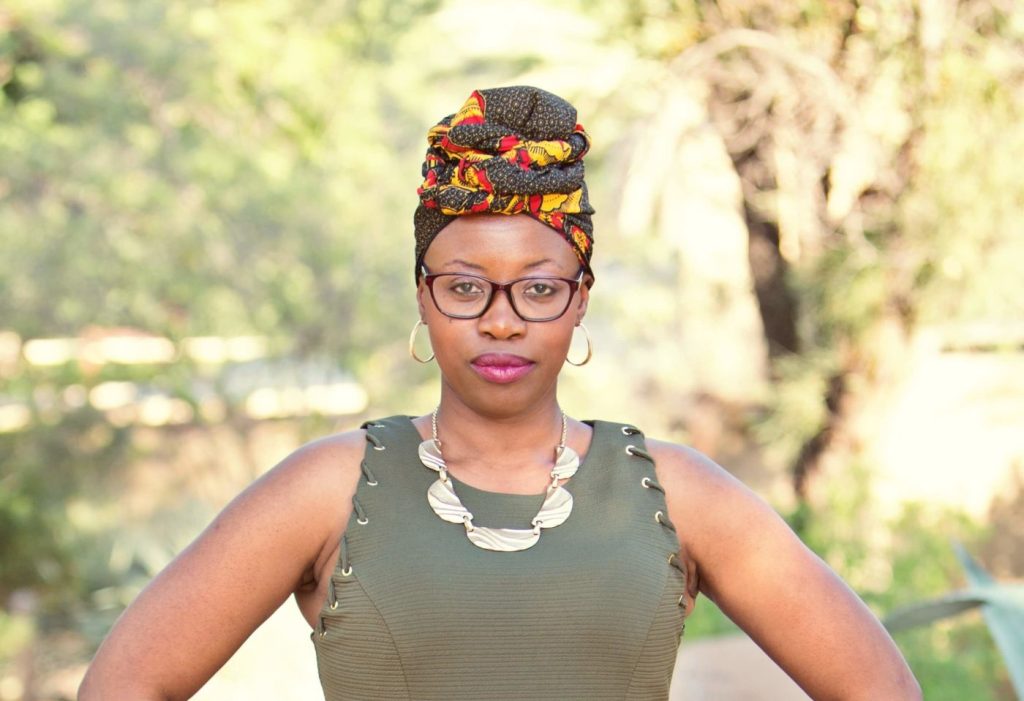
[bctt tweet=”Trish Lewis: Launching Heritage Box has been the ultimate expression of me following my dreams” username=”SheLeadsAfrica”] History doesn’t always stay in the past and for Trish “Manyoni” Lewis, heritage is a means to profit-earning. Trish Lewis is the founder of Heritage Box, a business that delivers snippets from African-American and African history to eager children each month. Her business has been featured in Essence Magazine, ABC News and BlackNews.com to name a few. Through Heritage Box, Trish is helping black parents raise children that are knowledgeable of their rich African heritage. Believe it or not, this thriving business is Trish’s first attempt. Trish is a firm believer of start first, improve later. Keep reading to find out how Trish Lewis has kept her business from failing. What was the idea that sparked Heritage Box? I have always been fascinated, no, actually obsessed with businesses that arise to solve problems. I knew I wanted to start a business that solved a problem I had, that had true impact and was in my field of passion. The idea truly fell on my lap. My then 8 year old daughter made a remark that all they had done for Black History month was colour a picture of Dr Martin Luther King. I was shocked that this was the extent of their black history education. But more importantly, I felt as a parent, it was my responsibility to share this history with her. My husband and I regularly visit my native country Zimbabwe with our children. However, teaching them more about Africa was something we were not being consistent about. Given this problem, or “exposed gap” in our home education, we knew as parents we had to be more intentional and consistent. [bctt tweet=”Trish Lewis: I felt as a parent, it was my responsibility to share black history with my daughter” username=”SheLeadsAfrica”] We examined the reasons we were not consistent and realized that the busyness of school activities, being working parents and the children’s extra-curricular activities were preventing us from devoting the time we knew was necessary to teach our children about their African heritage. We spoke to a number of other parents and realized we were not the only ones with a desire to correct this. The “how” was easy, our kids love getting mail! I had a literal light bulb moment when they received a package in their name and were so excited to open it and let everyone in the family know. I figured, why not package fun lessons and activities on African American history, African history and geography as a gift in the mail? How does one make a business while celebrating heritage? I think at its core, every business is influenced by the owner/founder’s heritage. The extent to which they show it may be different. At some point or another, I believe we all ask the question, “Who am I?” The answer to this question normally involves an analysis of one’s lineage and heritage. I think our business helps a lot of parents who are in the process of getting to the core of who they really are. These parents care about their children having the same foundational knowledge and pride. The key as a business built on celebrating heritage is to make yourself visible to those who share the same vision and to stay grounded in your purpose. [bctt tweet=”Trish Lewis: I think at its core, every business is influenced by the owner/founder’s heritage” username=”SheLeadsAfrica”] When would you say you took a chance and followed through in your dreams? I would say by far launching Heritage Box has been the ultimate expression of me following my dreams. Even at a young age, growing up in Zimbabwe, I always dreamt about owning and running my own business. My academic strengths were in Mathematics and the sciences, so societal pressures had me focus on a career in the sciences. It was more “secure”, and I felt I was “wasting” my talent by pursuing something else. I came to the United States and pursued a degree in biology and subsequently had a great career in the medical field. [bctt tweet=”Trish Lewis: I realized that my career would never offer me the one thing I defined as success” username=”SheLeadsAfrica”] However, after my husband and I started having children, I realized that my career would never offer me the one thing I defined as success; freedom of time. The life I envisioned after the career had set off was one of enjoying quality, present time with my husband and children. The freedom to visit my family in Zimbabwe frequently, and the ability to support or build an orphanage in Zimbabwe. Deep down, I knew that my childhood dream of entrepreneurship was the key to my ideal life becoming a possibility. With this conviction, I began to seriously consider starting a business. How were you able to build your business without any prior experience and escape the failure that affects many start-ups? The key for me was, this was a business I believed in with every core of my being. It was something I saw as having an impact not only to my children, but to families all across the Diaspora and to parents adopting African or African-American children. Through early surveys, I had received a resounding “Yes , we need this” and this carried me through. It fuelled me as I read voraciously on the ins and outs of starting a business. It emboldened me as I started building relationships with other entrepreneurs and learning from them. Above all it kept me going whenever self-doubt would start to kick in. I believe that clarity drives results. If you can get clear on why you would like to build that particular business, your how will naturally be a sustainable one. And naturally is adopting the mentality that failure is not an option. I didn’t even consider failure. I would say you have to commit to fighting for this dream, even to the
Uloma Ogba: Whenever I get serious about something, I get what I aim for

[bctt tweet=”@OgbaUloma has always kept herself busy observing & figuring out how to make sense of things” username=”SheLeadsAfrica”] It’s time for you to meet one of the people that make the SLA website run smoothly. We’re talking about our contributors who selflessly share their writing through us. Uloma Ogba has given us advice on landing a job at the United Nations and shared her experience with depression. Before moving to Zambia to work with the UN, Uloma has lived in several cities across three continents. Wherever she’s found herself, Uloma has started something. Whether it’s a community of like-minded black women or the Lusaka Book & Brunch club. Uloma Ogba is an ordinary girl trying to save the world, get to know her below. What do you think started your interest in hearing people’s stories? I think I’ve always been this way…more interested in listening than in speaking. Even as a child, I was dubbed the “quiet one”. I was always busy observing and figuring out how to make sense of things, and of course how to take over the world. I also come from a family where we were encouraged to reason and talk through everything. We were encouraged to read a lot, learn history, listen to stories and talk about our feelings, our dreams and our needs. So I’ve grown up listening to stories. It must have clicked in me a long time ago that to truly understand people, where they are coming from, what they need and how you can be of service to them, you have to be willing to listen. Before I ended up in the line of work that I’m in today, I toyed with the idea of going into psychology. I imagined becoming a therapist to feed my desire to know what people are really thinking so that I can know how to relate to them meaningfully. Even though I don’t get to do that for a living, it’s a skill I try to apply in everything I do. People can tell when you’re really making an effort to listen to them and everyone appreciates being heard. And its not that hard to do, so I do it. Can you tell us something about the various countries you’ve lived in? Have you had any difficulty living abroad as a Nigerian? I was born in Canada while my parents were attending school there. So I’ve always had a Canadian passport which I won’t deny has definitely made it easier to live and travel in different places. My family moved to Nigeria when I was 3 years old. We lived in Kwara, Imo, Lagos and Abia states. When I was 16, I moved to the US to join my brother and sister and there I completed my first bachelor and master’s degrees (in Physics and Medical Physics). I moved to Canada when I was 24 years old because I wanted to “try something different” as I felt after 8 years I still hadn’t adjusted to life in America. I went back to university for a second bachelor’s degree in a non-science field (European Studies) at the University of Toronto. My school had an exchange program with the University of Amsterdam and I went on a semester abroad when I was 26 again to “try something new”. However, that one semester turned into almost 6 years. I transferred to and graduated from the University of Amsterdam and subsequently enrolled in my second master’s program (Medical Informatics). Of all the places I’ve lived, Amsterdam is definitely my favourite. It is the one place I would move back to if the opportunity presented itself again. Three months ago when I joined the UN, I moved to Lusaka, Zambia and that’s where I live now. You wrote about getting into the UN based on your experience yet your educational background is in the sciences. How did you find your way to the NGO sector? My second master’s degree was in Medical Informatics. At the time, my plan was to get a job as a consultant with a focus on healthcare. However, I was not successful with any of the consulting firms I applied to. This was partly because I did not have the traditional business background or go the MBA route like most consultants do. Also, I was not yet fluent in Dutch which was a requirement for a lot of the companies. As I applied for consultancy positions as a back up, I also applied for analyst jobs. That was how I ended up working as a junior analyst for PharmAccess after I finished my Masters. My initial intention was to go in and gain some experience as an analyst to help with my consulting applications in the future. In the end, I found that I really enjoyed the work I was doing. The fact that it was in the healthcare development sector and focused on Africa was an added bonus. Having spent almost half of my life outside Nigeria and Africa, I was excited at this opportunity, albeit an unplanned one, to learn about my continent. I was part of the work being done to secure Africa’s development, in this case through improving access to quality healthcare. PharmAccess has offices in 9 countries and I was fortunate to get to work in the Kenyan and Nigerian offices for a while. That experience made me realize that as much as I’d grown accustomed to life in the West, there was a part of me that really just wanted to be where the “action was”. I wanted to live and work on the continent for a while and so when the opportunity to apply to the job at the UN came up I jumped at it because I wanted to be based in one African country full-time. Even though I have a background in Physics and Medical Informatics, I’ve managed to pick up other skills along the way. At the time I was applying to the UN, I
Anita Ottenhof: Bringing world-class luxury to Accra through Villa Monticello

[bctt tweet=”We look for the very best talent and often for us that has happened to be a woman” username=”SheLeadsAfrica”] Villa Monticello is Accra’s premier luxury boutique hotel. It’s run by a team that comprises mainly women in leadership positions. One of them is Anita Ottenhof, she’s the Deputy General Manager at VM with nearly a decade’s worth of experience in the international hospitality and travel industries. Like most other industries, hospitality and travel tend to be male-dominated. Villa Monticello stand out despite never setting out to hire only women. They’ve just found that the best talent aligned with their goal to bring a world-class luxury experience to Ghana are women. Nothing beats that! Was it a conscious decision to have women in key leadership positions at Villa Monticello? Although we have several men on our team that have worked with us since we’ve opened, most of the leadership roles happen to be held by women. The women on our team are also some of the top talent in the world! Take for example our Executive Chef, Ruby Paintsil who has over 25 years’ experience at a number of prestigious companies in the UK, such as Sanctuary Spa, BBC Television Centre and Restaurant Associates a division of Compass UK. It is rare to see a woman as a head chef and in countries such as the US, there are reports that there are less female chefs than female CEOs. We have never said, “We only want to hire women” but we look for the very best talent whose vision is aligned with our mission to be a leader in African hospitality and often for us that has happened to be a woman. Was Accra ready for a luxury business when you launched Villa Monticello? How has Villa Monticello being received since launch? The idea for VM came about through our desire to create an establishment that paralleled some of the international 5-star niche boutique hotels that we loved in cities around the world such as New York, Marrakesh, Johannesburg, and Provence where luxury and service were not mutually exclusive. This sort of hospitality experience appeals to a very unique clientèle. Accra is a very cosmopolitan city and we believed that people who live in and travel here would appreciate our vision. It was a new concept in Accra but we have been very well received by guests and recognized by international hospitality industry vanguards such as World Travel Awards, Conde Nast Johanssens and Trip Advisor. [bctt tweet=”Villa Monticello was the first to introduce the concept of intimate luxury hospitality to Accra” username=”SheLeadsAfrica”] How has Villa Monticello changed Ghana’s hospitality industry? When we first launched in 2011, we were the first to introduce the concept of an intimate luxury world class experience in hospitality. Over the past few years, the luxury landscape has really begun to develop in Accra —in real estate, hospitality, retail, and dining. It’s still at early stage but we believe we have contributed to its growth. Customer service is another concept that is still growing in Ghanaian business. Impeccable customer service is core to VM’s values. We strive to provide an unforgettable experience for our guests. We are beginning to see a more customer centred service being adopted by others in the hospitality industry and across sectors. How has your “unsaid commitment to women” (mentioned here) translated in running your business? Although we don’t discriminate based on sex in any way, we have attracted a very powerful core group of women leaders who share the same values, international outlook and passion for excellence. The way we approach our customers is the same way we work together as a team. We are constantly meeting, reviewing feedback and making necessary adjustments as a team and as a business. [bctt tweet=”We have attracted a very powerful core group of women leaders who share the same values” username=”SheLeadsAfrica”] Tell us more about The Lady initiative, why did Villa Monticello start this? We understand that it can be challenging for many young women to get the opportunity or nurturing that they might need to excel. Working in collaboration with Ghanaian businesswoman Isobel Acquah, we launched The Lady in January as an empowerment initiative for young women aged 18 to 25. Through the initiative, young women participate in practical foundational courses covering key topics such as wellness, confidence building, financial awareness, social and business etiquette, and personal grooming. The Lady, is an effort to impart to young women the ethos and values that have driven Villa Monticello to a leading position in the Ghanaian hospitality market. At the end of the program (which ended last month), we granted internships to participants and to one promising young women at the university level, a scholarship to further pursue her education. You offer a number of services including The Koncierge and Bespoke Weddings. How do you ensure that you maintain the same values and quality in everything that you do? Our ultimate goal is to deliver exceptional service and provide an experience for our guests which is second to none. This outlook is applied to all aspects of the VM brand. We are constantly striving to play a significant role in transforming the standards of the hospitality industry in Ghana and the role of women in the industry. We also want to have a positive impact on the next generation of African women business leaders. What are three hidden treasures in Accra that visitors tend to miss? Chapter One Restaurant! Even if you don’t stay at VM, experiencing a meal at our fine dining restaurant is a must. The African fusion inspired menu combines flavors from Africa, Asia, India, and Europe using locally sourced ingredients. Enjoying a traditional tea, classic brunch or an exclusive bottle of wine from our Barrels Wine Club cellar can be a highlight for any visitor’s trip to Accra. Legon Botanical Gardens. There are very few green spaces in the city and this gem provides a necessary respite. Escape the hustle of the city for a picnic
Michelle Ntalami: Entrepreneurs have a fire

[bctt tweet=”Cosmetic scientists told @MichelleNtalami that the African natural hair market isn’t quite ready” username=”SheLeadsAfrica”] Michelle Ntalami, a strategic brand and marketing expert, is the founder of Marini Naturals, Kenya’s first 100% organic, natural hair care line. With her wealth of branding and design knowledge, she has conceptualised and designed the Marini Naturals brand, from its name to its logo, colours, scents, packaging, label design, brand plan and marketing strategy. Here, Michelle discusses her fruitful journey to creating Marini Naturals. Marini is Swahili for ‘beautiful’ or ‘attractive’. What was your inspiration behind the name Marini Naturals? From the get-go, I wanted the name to mean “gorgeous” or “naturally beautiful,” just like women are intended to be! I also wanted something very African-sounding and easy on the tongue and mind. So I Googled how many other ways to say “beautiful” or “charming” in any African language. I didn’t mind the language, so long as it was African. And right there was the name “Marini” which is Swahili for the same. I instantly fell in love with it. Marini Naturals is Kenyan’s first 100% natural hair product company for natural hair. How did you find and convince the scientists and other experts who helped turn your dream into a reality? In fact, when I approached a few cosmetic scientists, most told me that the natural hair and skin market is not quite ready in Africa. They advised me to go for generic, synthetic products which “sell more and have higher margins.” But I had a set focus and vision in mind, and to me it was producing 100% natural products with no compromise on quality. However, a few formulators and one factory believed and shared in my vision, and the rest followed. We worked together to make Marini a reality. Soon after our first batch hit the markets and flew off the shelves, most of the ones who had convinced me otherwise expressed interest in working with us. How do you strike a balance between running your branding company, Brandvine Group, and Marini Naturals simultaneously? I have got a team of 10 employees who work on both Marini Naturals and Brandvine Group. Brandvine is mainly run by my partner Niyati Patel, with her team of 8 who manage it very efficiently. I do not want to spread myself too thin, therefore my focus now is more on Marini Naturals. Your team of 10 is within the same age range as you. Was this a deliberate decision on your part, and if so, what are the pros and cons of working with people within your age bracket? Yes, it was. I wanted a young, vibrant and energetic team. I knew there was going to be a lot of running around, fieldwork and logistical work. Therefore I needed employees with that same kind of energy and vibrancy to roll up their sleeves and get their hands dirty, so to speak. I led by example in the first few months. Today, they are the ones on the ground making things happen. [bctt tweet=”@MichelleNtalami wanted a young, vibrant and energetic team so hired people her age” username=”SheLeadsAfrica”] If you had the ear of your president, what would be your advice to him about financing start-ups? Great question. I would tell him to have a serious sit-down with banks to encourage them to believe in young entrepreneurs. Entrepreneurs have a fire and a passion like no one else does because they have their entire future ahead of them and the determination to make it is ten-fold. I’d tell him to them to help us realise our business ideas, rather than shut the doors on our face at the mention of supporting our start-ups. What’s the biggest hurdle currently facing Marini Naturals? We have all these plans to expand our product range but capital stifles us. Additionally, meeting the demand both from Kenya and off-shore markets is quite challenging. As much as we have systems in place to alert us on re-order levels, the fact that sales have picked up pretty well always makes it a balance of how fast we can manufacture before the next Curling Gel runs out. [bctt tweet=”@MichelleNtalami is building Marini Naturals to be one of Africa’s premier beauty products” username=”SheLeadsAfrica”] What does the future hold for Marini Naturals? The future looks bright! We just got featured on CNN, and after the show a lot of Africans reached out to us to find out how they can get our products. We have solid plans to slowly expand to the rest of Africa. Also, we’re considering exciting new products from Marini Naturals. We believe men, kids and even our dreadlocked brothers and sisters need to be taken care of too! There has been a lot of demand from these markets and we are working on something fantastic for them. We hope for this brand to slowly and steadily be one of Africa’s premier beauty products for natural hair and skin. If you’d like to share your story with She Leads Africa, let us know more about you and your story here.
Rosaline Kariuki: There will never be a better time to be an entrepreneur
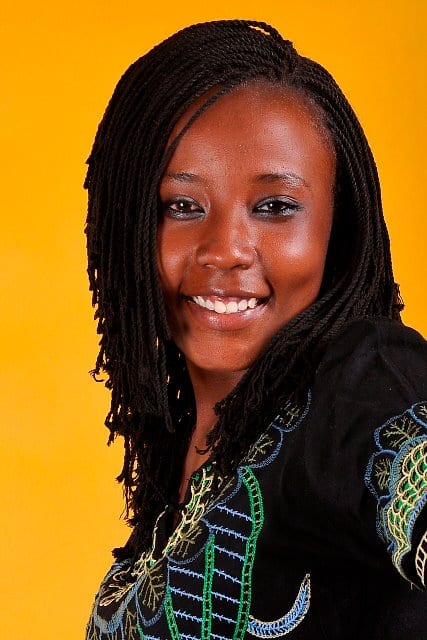
[bctt tweet=”I want to do small things for kids, but in a big way – Rosaline Kariuki” username=”SheLeadsAfrica”] I have had the pleasure of knowing Rosaline Kariuki since childhood. I’ve admired Rosaline as an amazing enterprising lady and recently imbibed some of her wisdom over froyo. Rosaline is a lawyer by profession. For a long while, her mind was fascinated by case laws, contract proceedings, ‘caveat emptors’, ‘de factos’ and ‘ipso jures’. However over time, Rosaline’s heart chose business. And as with all resilient, passionate, all-the-way-up hustlers, business chose her right back! Before we get to the crux of the business story, what was your childhood dream? Has that been the same all through or did you change some things along the way as you grew up and discovered yourself a little bit more? I always wanted to be a dancer, thanks to the influence of Channel ‘O’. Then in the usual progression of life, that evolved to a writer. However, there was no J.K. Rowling in my time who inspired me as such. After that, I moved on to the dream of owning and publishing a children’s magazine. Think of this as an enlightening kids magazine, giving them their voice where they get to write, showcase their skills, creativity and pretty much cover anyone with genuine interest in kids who would like a platform or a way to contribute. Finally, I settled on being a childrens’ lawyer. You really have a passion for children, Rosaline. Where are we now with the dream? Yes, kids! I want to do small things for them but in a big way. I figured that the ladder to a lot of ideas that I had for them would need me to climb up by sticking to the legal profession. So with my new-found energy and charm for business, I realized that I could use the proceeds to set up something for them on the line of quality medical care. The current providers are mostly overpriced, queues are long and rarely does a wonderful story spin out of these hospitals, private ones included. Don’t get me started on public hospitals. That’s brilliant! I think that good medical care has a long way to go and not just in Kenya, but in a lot of developing countries in Africa. After mulling over business ideas, what did you first settle on? I started by helping my mom set up a snack shop next to a major university in Kenya, Catholic University. I have always loved sandwiches and smoothies! If you want to take me on a date, you better get a perfect recipe for those two! [bctt tweet=”My first business was like a kindergarten teacher on day one holding me through the ABCs” username=”SheLeadsAfrica”] I was engaged there for a couple of months before getting into tenders for school suppliers. This first business taught me a lot: it was more like a kindergarten teacher on day one holding me through the ABCs. I perfected my entrepreneurial rocket launch pad, it was also a test of my courage for business and my very first baby. On to the tender business, would you share how that is coming along? So far so good, and so rewarding. My company is called Petmil General Supplies, or PMG in short. I tender to schools supplies in the range of cereals, dry food and stationery. It is bulk business and is very promising. My dad has been a major mentor especially for stationery supplies, having been involved in a similar business when I was small. My younger brother is my partner and I am looking to grow this and then strike another venture, the serial entrepreneur style. [bctt tweet=”Whatever it is that you are passionate about, stick to it long enough to make it happen” username=”SheLeadsAfrica”] Would you like to go deeper into the lessons and what other Motherland Moguls can learn from you? Oh yes! Always stick to the plan: My idea was to be a healthy snacks vendor but we found ourselves trying lunch meals. This shifted focus and by far has been my biggest lesson. Whatever it is that you are passionate about, stick to it and focus long enough to make it happen. Financial: For what you think you’ll need to start out as capital, double that. The buffer is necessary as other operating expenses or hidden expenses crop up and can be a tad overwhelming. Vision & employees: Your employees need to see your vision, understand it and buy into it. Even if not all, at least one. This keeps them on toes, gives them a direction and motivates them in times of uncertainty. Sometimes, it will be only one employee, the loyal kind. Such handle the business when you are away or have other commitments to take care of. Outsourcing: Get help or you’ll burn out. I burnt out a few months into the business because I was doing everything when I could actually outsource some help. Accounting/website design/social media…any functions that you can pay a reasonable fee to be taken care of will ease up your schedule for business development. Personal: There will never be a better time to be an entrepreneur. We are the change makers and this is the time. We are much like the American baby boomers who our kids will be talking about 20 years to come. I will die an entrepreneur. Want to see women you know featured on SLA? Tell us what amazing things women are doing in your communities here.
Josephine Forson: At Tekura, quality means everything!
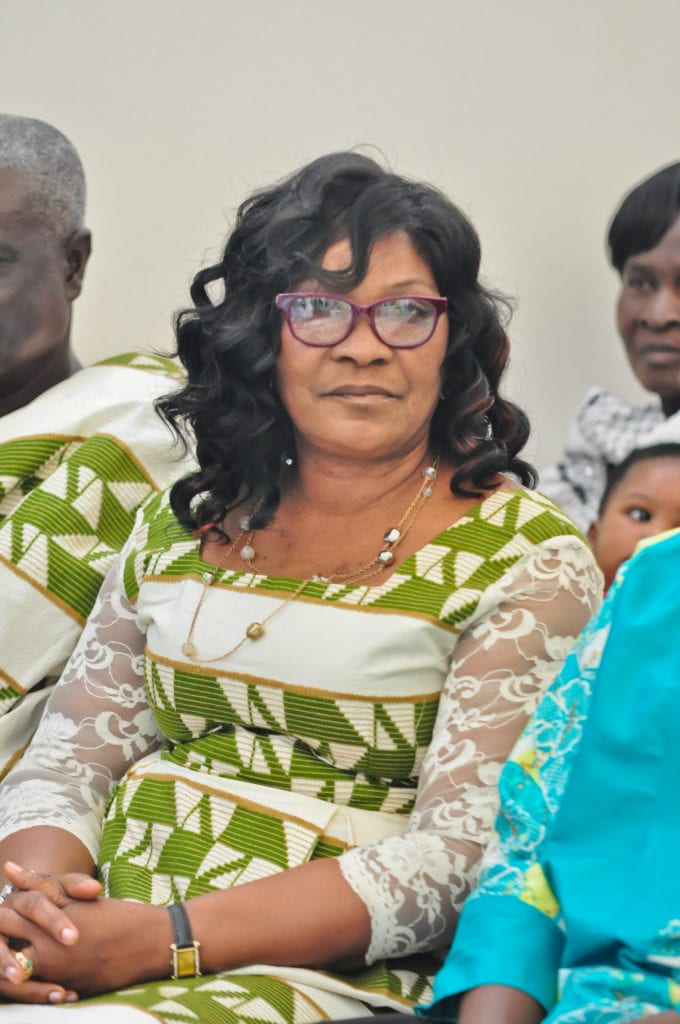
[bctt tweet=”Tekura started in 2000 with only two local artisans, crafting baskets under a mango tree” username=”SheLeadsAfrica”] Josephine Forson founded Tekura, an interior decor enterprise, in 2000 with only two local artisans, crafting baskets under a mango tree. By 2009, she was exploring other art forms made from locally sourced materials developed by artisans within the community. In partnership with Ghana’s Forest Research Institute and the Forestry Commission, Tekura sources reclaimed wood (off-cuts and dead wood) from forest plantations in Ghana for their furniture pieces. Tekura designs have been exhibited in USA and Europe, and have won the Africa Growth Institute of South Africa’s Trade Sector Award in 2008. Behind the scenes, Tekura is run by a mother, father and daughter team, and is inspired by the rich, diverse cultures of Ghana. Tekura is a family business run by a mother, father and daughter team. What do you think are the advantages and disadvantages of working closely with family? And when it comes to decision-making, whose call is it? Working closely together as a family has and continues to propel our loyalty and commitment to our brand and business. This makes pooling of resources much easier and everyone is empowered to bring along their own skills to grow the business. Like any family business that cherishes unity, we were concerned external investments would trigger a takeover. But with our well-structured succession plan, we will soon be on our way to going public. We’re grateful to God for Tekura’s success but what’s great is the opportunities and potentials for higher achievements. Our success mix is hard work, perseverance and love. The direction of policy is led by the board of Tekura. The Managing Director leads the daily consultative decision-making process. Your daughter, Audrey, is the manager of Tekura, what’s the biggest business disagreement you’ve had with her? And how are business skirmishes handled? Disagreements are essential for growth. It can be hard for us to agree on the definition of the various markets for our product lines. [bctt tweet=””Disagreements are essential for growth” – Josephine Forson, founder Tekura” username=”SheLeadsAfrica”] Something like this could be a major issue if you don’t make room for frequent team discussions and consulting with industry experts for fresher views and advice. Aside from Ashanti and Fanti cultural artistry, where else do you find inspiration for your unique pieces? Our inspiration goes beyond the cultures of Ghana. We pride ourselves in the rich cultures and heritage of Africa like the Fulani, Fang and Guoro. And since we’re in a land of beauty and natural wealth, we express all of these —who we are as African people through our furniture, handicrafts and other pieces. You mentioned in an interview how difficult it is for artists in Ghana to protect their furniture designs from forgery or reproduction, what’s your advice to aspiring furniture makers? Nobody likes copycats but we all in one way or the other have to deal with them. For us at Tekura that means staying ahead of others, focusing on innovative design and not compromising on quality. [bctt tweet=”Nobody likes copycats but we all in one way or the other have to deal with them” username=”SheLeadsAfrica”] Climate change is an issue on everyone’s lips. As a furniture company reliant on wood from reforested woodland, what role does Tekura play in sustaining the forests and in turn its business? Tekura is committed to keeping its environment safe and so we have a strict policy not to cut down trees in order to do our work. Our work involves recycling wood, and working with the Forestry Commission to collect and transform waste wood. A lot of African business struggle with quality control and consistency. How does Tekura ensure standard procedures are being followed at every stage of the design process and that every piece reaches customers in perfect condition? At Tekura, quality means everything! It’s not been easy but over the years we have engrained a kind of obligation in everyone to ensure the highest level of excellence and quality. This has been through supervision and other forms of checks and balances right from pre-production stage until the final product. What does the future hold for Tekura? The prospects for Tekura are great. Our partnerships with World Fair Trade Organization (WFTO) and the Centre for the Promotion of Imports (CBI) from developing countries has been successful as Tekura has penetrated global markets, particularly in the US and Europe. Also, Tekura’s space in the local market has grown and achieved great strides. There are so many opportunities out there with changing trends, markets and even competition, and that excites us. Tekura’s vision is to be the world’s go-to brand for hand-crafted furniture and décor. If you’d like to share your story with She Leads Africa, let us know more about you and your story here.
Leslie Ossete: Improving lives through better transportation

If your mission is improving the lives of millions, you’ll find some similarity with Leslie Ossete. She is one of four co-founders of Magic Bus Ticketing, an offline SMS based ticketing system. Magic Bus Ticketing aims to improved lives by simplifying how they interact with transportation. It’s a student start-up that lets bus commuters know when the next bus arrives and how much it is charging. It also allows payment through mobile money. Recently, Magic Bus Ticketing won $1 million dollars from the Hult Prize. Pretty amazing, right? Let’s start with the Hult Prize. Congrats on winning the $1 million! How do you plan to use the money from the prize? Thank you! After a year long process, Magic Bus Ticketing has finally won the Hult Prize, which awards $1M in seed funding to the winning start-up. My team was among the 5 finalists out of 25,000 applicants worldwide to compete in what is now the largest student competition for social good. This September 20th at the Clinton Global Initiative in New York, we pitched our innovation in front of notable judges such as Bob Collymore, CEO of Safaricom, and Akinwunmi Adesina, President of the African Development Bank Group. And, we won! The $1M prize is distributed to Magic Bus Ticketing through monthly instalments. Depending on how much is required to effectively run the business, the Hult foundation makes funds available to Magic Bus Ticketing. Magic Bus Ticketing will use the million to fully launch its operations in Kenya, and scale fast to other East African countries with similar market conditions, Tanzania and Uganda by the end of this year. You are from Congo Brazzaville and Madagascar, why set a company in Kenya? I grew up in Brazzaville, and my team-mate Wyclife is from Nairobi. Both of us as Africans had experienced similar challenges in public transportation; long wait times at the bus stop and inconsistent pricing when it comes to bus fares. We decided to focus our pilot in Kenya because first, Nairobi is one growing tech hub on the continent. Second, Nairobi has the fourth highest commuter pain point according to IBM. And third, there had already been a lot of research and initiatives done towards using technology to improve public bus transport. In fact, Nairobi is a place of innovations. Several projects to introduce cashless payments in the bus system had been led, such as Google’s BebaPay bus card. What sparked the idea to integrate urban commuting with mobile payment? The public bus system in Africa is mostly privatized and informal. The day-to-day operations are run by a crew of drivers and conductors who earn little money from their hard work. That pushes them to overcharge commuters for their own benefit. They abuse the current cash system to set higher fares based on demand and supply. For instance, in Nairobi when it rains, the bus fare triples. Commuters themselves don’t like to carry cash around. They worry about pickpockets, and not being able to get their change back in the bus. Furthermore, the police also abuses the cash system. Police officers know the bus crews carry cash 24h/24h, and do not hesitate to fine them for absurd reasons. We envision that cashless payment in the bus industry will bring more safety and order. We believe the way to implement a cashless bus system is through the use of mobile money, which is already widely used in East Africa. It is quick, accessible, and locally relevant. Prior initiatives have been using bus cards linked to banks, but most people don’t have bank accounts, banks have high transaction fees, and buses need liquid cash on a daily basis. What steps did you take to grow your company by 5000 booked tickets in less than two months? In order to acquire a customer, you must spend on marketing. We did a lot of mass-marketing through social media platforms such as Facebook, Twitter, and Whatsapp groups. We also do outreach marketing, implementing stalls at university campuses. Furthermore, we do collaborative marketing with the bus operators themselves, handling flyers to commuters, in order to build trust with potential customers. Last but not least, we also do product demos of our technology at major bus stops. As we launch in Nairobi, we will expand to advertising through radio, TV, and billboards. What does a student start-up need to thrive and be successful? A student start-up needs to be backed by a board of advisers, with a diverse background and expertise. Magic Bus Ticketing consistently asks for feedback from renowned experts in the fields of transport, technology, finance, and organizational management. Our advisers come from valued institutions such as the World Bank and MIT university. Briefly, a student start-up needs to create for itself a network of mentors who understand the goals and challenges of the organization —no, they don’t have to come from particular institutions, but they have to be right for your organization. For example, for Magic Bus Ticketing, one of our key advisor is Bernard, who has been a bus driver in Nairobi for the past 10 years. That’s real knowledge! Perseverance is key, even more for student start-ups, to succeed. I remember our humble beginnings on our campus at Earlham College. Our initial plan was to add more buses on the roads, and to provide commuters with a subscription model to access buses on-demand. Our buses were supposed to have TV screens, Wi-Fi, bike racks, online libraries, and much more. We presented this idea at the local Hult Prize at Earlham, and were not selected to attend the regionals. It was extremely upsetting because we all knew we were tackling a real challenge in public transportation. We had to iterate our business model, and re-apply online to ensure our spot at the Hult Prize Boston regionals, which we won. Without perseverance, we would not have come this far! What do you think of the industry you work in? How do you plan to remain consistent? Magic Bus operates in
Valentine Njoroge: If you have an idea, do something about it
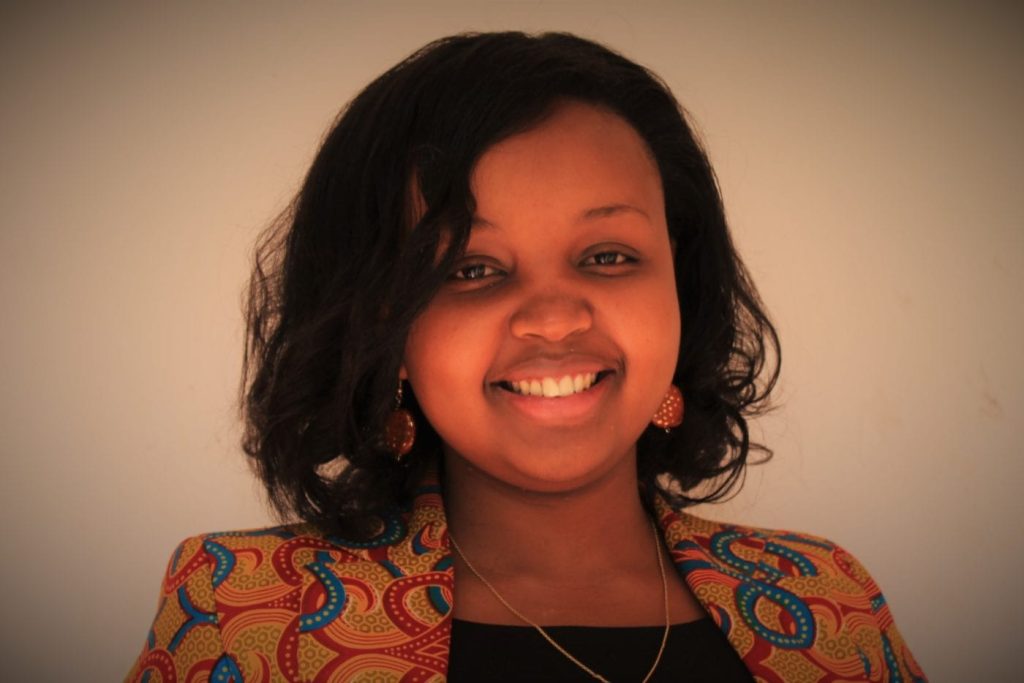
Entrepreneurs are a dime a dozen in this millennial age. Here on the African continent, the main obstacles preventing one from getting their business started is the lack of enough capital and investors ready to believe in your new, cool idea. Valentine Njoroge, a young entrepreneur from Kenya, saw this problem and decided to fix it by starting an online crowdfunding company for African businesses, Mradifund. Her passion about financial inclusions and development, entrepreneurship and impact investments, not only inspired the start of this initiative but also landed her the coveted role as projects director at East Africa’s leading investment firm, Centum Investments Ltd at the tender age of 24. SLA contributor Diana caught up with Valentine and got her to share her tricks and tips to making it in the fast paced financial world and why she is determined to help other young people get their dream off the ground and become a success. When did you first get interested in the investments industry? One of my first internships was at Kenya Women Finance Trust (KWFT), a micro-finance institution focused on funding low income women. The women who got these loans had such incredible stories of transformation. They would start very impressive businesses and see their lives changed because of these loans. This got me really interested in the investments space and I got to discover all sorts of other verticals in the industry. How did the idea of Mradifund come about? Mradifund has been a journey of sorts. One of my senior seminars while I was pursuing my undergraduate degree was all about economic development. I chose to focus my paper on alternative investments in Africa (with a bias on Kenya). While researching for this class, I came across Kickstarter, which was still fairly new at the time. They had applied crowdfunding to social/cultural works of art that the public wanted to see. I thought the same concept could be applied to businesses, so I wrote about Equity Crowdfunding. I envisioned a situation where the general public could fund ‘cool’ companies that were too small to be interesting to the traditional investor. Fast forward a few months, I was working in Private Wealth Management aiding high net worth individuals to allocate their wealth to various investment opportunities. Then, one of my clients asked if there was a way he could invest in African companies. At the time, I said I didn’t know, but kept researching. When I next visited home, I started finding out more about start ups and SME financing. I eventually connected that same client to a startup which he invested in. He later asked me how much I would charge for the connection which triggered the thought that this could be an actual business. I moved back home a few months after that and spent some time fine tuning the ideas from my paper. The experience of actually connecting a business to an investor is what inspired Mradifund today. You currently have various investors from not only Kenya but all over the world. How did you manage to get them on board with your vision for online crowdfunding? I still know all of my investors personally, so I met each of them and explained the concept to get them on board. Most of Mradifund’s investors already have an interest in funding businesses due to a variety of reasons including past experience or passion for SMEs or a certain sector. Investing with other people is valuable to them because it allows them to spread the risk of investing in SMEs over several opportunities by putting less money into each opportunity. The fact that the investment is shared among several people also means that investors can make more investments. Again, this spreads the risk which makes investors happy. (If an investor has KES. 10M, they can invest KES. 1M in 10 companies and the probability of 10 companies failing/losing money is lower than that of 1 company failing). This is what makes them stay. You are also currently the Projects Director at Centum Investments. How do you juggle running your own company, working at such a big corporate company and still get time to live life? Haha, well… I have learned how to use the resources around me to the max! My board at Mradifund, my team at Centum, my friends and family all help me achieve my goals in little ways, even if they don’t realize it sometimes. I kill two birds with one stone on very many occasions, especially in the work/friends’ quadrants. Also, I have had to learn how to be very efficient with prioritizing the urgent and important stuff. I say no to stuff that’s just interesting (but not value adding) or just feels like an obligation when it’s really not. Did you ever see yourself going the entrepreneurial route or did you just chance upon it? I have always kind of had an entrepreneurial spirit in me. I sold everything as a kid and I grew up in a very entrepreneurial family, so maybe in that sense I never had to think about it much. It became clear to me once I was already in it that it was a big passion of mine. I did spend a ton of time dreaming up my career in corporate (it was constantly changing) —wearing suits and carrying a briefcase as a teenager though. What has been the proudest moment of your career? One of the founders of the a business that Centum Foundation supported wrote me an email saying how much impact we had on his company through our mentorship program. He spoke about the knowledge and opportunities it opened up to him, as well as how much more confident it made him. As a result, he was able to partner with a major retailer which turned his business into an overnight success. It was really heartfelt and was very inspiring! As a young woman working in the male-driven field of finance, what
Stacey’s “big move”: Tips for when you’re a repatriate

[bctt tweet=”@Staceyy_Stace traded London for Kampala and was welcomed with open arms” username=”SheLeadsAfrica”] Born and raised in London, I’d never imagined living anywhere else —until I graduated from University and joined the working world! The rising cost of living, poor work-life balance and miserable weather (which I will never get used to) slowly made me lose love for my home city. Meanwhile, the ‘Africa Rising’ narrative was opening my eyes to the opportunities on the continent, including Uganda, the land of my parents. My holidays to Uganda became more frequent —and boarding my flights back to the UK became more of a battle! With my parents indicating that they would move back to Uganda within a few years, the idea of joining them became an attractive option. By early 2015, I was certain that I would try living in Uganda at some point, but I had no idea it would be this soon —even before my parents! The opportunity arose earlier than I expected and I couldn’t pass it up. Getting into Jumia Uganda I’d been applying for new jobs in London, until one day, a tweet advertising an attractive marketing role with Jumia (Africa’s biggest e-commerce platform), appeared on my timeline —and it was based in Kampala. I reached out to the Country Manager through LinkedIn expressing my interest in the role. A couple of Skype interviews later, I was offered the job and was on a flight to Kampala the next week! It all happened so fast, I didn’t have time to over think the move or discourage myself. If things didn’t work out, I could easily be on the next flight back to London —so it was worth the shot! [bctt tweet=”At times, I was made to feel like an expatriate and at others, a local” username=”SheLeadsAfrica”] Life in Kampala Generally, Kampala welcomed me with open arms. My job has been exciting; the sunny weather makes days more pleasant; the social scene is popping and although my immediate family are in London, the majority of my relatives are here, dotted in every corner of the city. I felt new to the city, but I also felt at home. At times, I was made to feel like an expatriate and at others, a local. I wasn’t quite sure what to refer to myself as, until I learned the term ‘repatriate’: one who has returned to their country of birth, citizenship or origin. I’ve met a few other repatriates which is encouraging, however I wouldn’t say there’s much of a ‘repat’ scene here just yet, unlike in places like Lagos and Accra. As of now, returnees and repatriates tend to blend in with Uganda’s local middle class and expatriates. It’s also important to mention that absolutely every one has a side hustle! There are many opportunities to make (legal) side money and it’s the way people overcome the challenge of earning a weak currency. Now that I’m in Uganda, I’ve been inspired to utilise my time better and actively seek paid opportunities beyond my job! [bctt tweet=”Us Londoners tend to speed walk, it took some time to get used to the laid back way of life” username=”SheLeadsAfrica”] Main challenges Note: Having a generator and a mifi means I do not have to complain about power cuts or lack of consistent WiFi. Money: The Ugandan Shilling is not the strongest of currencies, especially in comparison to the British Pound. Travelling abroad now requires more careful consideration than I was previously used to, due to how weak the Ugandan Shilling is when exchanged. Furthermore, a lot of business in Kampala involves dealing in US dollars, which isn’t always easy! However, although I’m earning less than I was in the UK, the cost of living in Kampala is a lot less —so my money does go a longer way in Uganda. Friends: As expected, most people in Kampala have friends whom they’ve grown up with —and having never lived here before, I did initially feel disconnected in that aspect. I had to actively try to make new friends, but I never wanted to come across as desperate! Nonetheless, with the help of cousins, colleagues and people I’d met on previous visits, I’ve networked, met and continue to meet some great people. The laid-back culture: Us Londoners tend to speed walk regardless of whether we’re running late and get frustrated if our train is delayed by any more than 2 minutes. It took some time to get used to the laid back, less time-conscious way of life in Kampala. At first, I criticised it, but later realised it probably contributes to how happy and stress-free most people seem here. The slower pace isn’t necessarily wrong, it’s just different and requires a lot of patience if you’re not used to it!