
4 lessons we can learn from DJ Cuppy and Rona Wigs

Well, everyone knows or should know Florence Ifeoluwa Otedola aka DJ Cuppy. If you also do not know Sharon Adeleke aka Rona Wigs, then you should know the Adelekes, that is Davido’s family. So what do these two women have in common? Daddy is stinking rich, yes, but that not withstanding, they work and they are really good at what they do. Now, these ladies have a couple of things to teach us about business and life in general. 1. Daddy’s money is not necessarily mine When asked why she was making wigs, Sharon replied; “Yes my daddy has his money but it is not my money. My daddy has his own money, Davido has his, I want to make mine.” It is quite accepted to see a rich kid live off trust funds and have an enormous social life. They do not necessarily have to work, I mean who has to work when the money is there, right? No. Here are two women, daughters of some of the richest men on the continent slugging it out. Well not really slugging it out, but the hustle is real baby. Sharon and Cuppy do it normal way, starting something sustaining the drive, making a name and creating a global brand. 2. Passion drives Anybody who knows Cuppy personally, knows she loves her music production. She is crazy about what she does and takes time to do it right. No half-bakes for the eclectic DJ. Sharon gushes over her wigs like they are the new definition of bae. It is evident that she enjoys what she does and she has turned it into a business. They work their passion and make money from it like no (wo)man’s business. Their businesses show the depth of their dreams. This is not just mere working to show that they can work, no, this is a dream. You see this in the hands-on way Sharon handles Rona wigs. She uses social media to advertise herself and is fully involved in the entire wig-making process. And well, it’s not like Cuppy can give out the spin table to someone else to “help” her spin. 3. Know what you do Cuppy can hold a crowd’s rapt attention with her music. She remixes almost everything and puts the “DJ Cuppy” spin on it. You see her right there on stage making new sounds out of old songs. This is not just someone who can DJ, this is a lady who can spin. Sharon said “I love making wigs and I am good at it”. Nuff said! These are not rich kids pretending to work , nah, these are Motherland Moguls who work! And there is no stopping them. 4. Playing the daddy card Well, it might not be your daddy, but if someone around you has the fame and the money, make it count. We are not all children with rich dads even though we may know some. We cannot deny the massive boost that being Otedola’s daughter has given to DJ Cuppy or how being an Adeleke has and will influence Rona wigs. Sharon openly admits to having had a privileged life. Still, both women have something that could be watered. Yes, some people will get away with daddy’s money and position. But if Sharon and DJ Cuppy use “daddy’s” card, it’s to rake up the market, connect and build their brands.
Lessons we can learn from Lynette Ntuli’s success
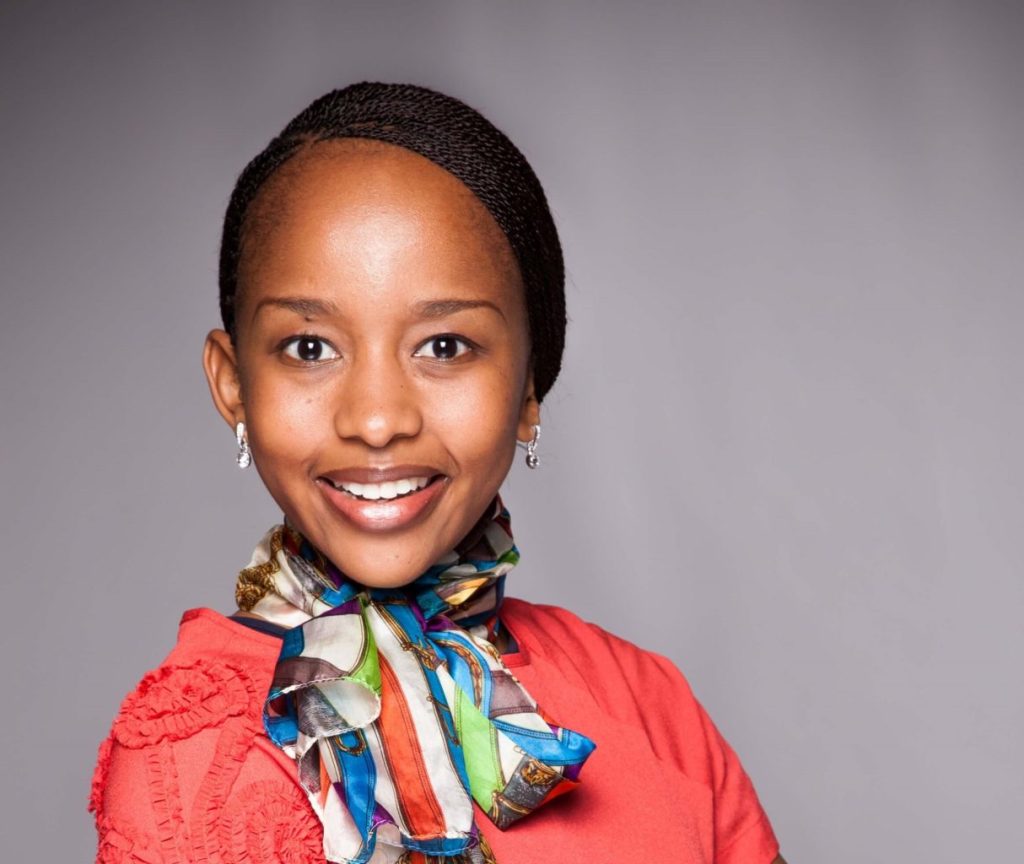
Many women in Africa and the world are making great strides in their respective industries. It’s also common that when you have someone you look up to, it’s usually someone in the field that you are in. Whether you’re in tech, construction, or engineering. We tend to overlook other women in other industries because we have that perception that our role models should be within an industry we’re familiar with. This doesn’t have to be the case. As a woman in the tech industry, my admiration for Lynette’s work ethic and passion was welcomed. I was introduced to Lynette Ntuli when I was previously at an incubator and accelerator and looking into which successful women we would approach to be a speaker at a conference. I’ve followed her journey since then. Lynette is in property, asset management and infrastructure development. She is the CEO of Innate Investment Solutions based in Durban, South Africa. She also has a passion for youth development and leadership and is also the Founding Director and Chairman of IgniteSA.com. She’s definitely a force to be reckoned with! Here are a few lessons we can learn from Lynette’s success and how she keeps making a difference: Be consistent For the past 11 years, Lynette has been a powerhouse in the making. One thing about her is that she does not stop achieving her dreams. From being the first black woman at the age of 24, to become the General Manager of one of Durban’s regional shopping centers to being the Co-Founder and CEO of a property, asset management and infrastructure solutions company. Tip: Lynette keeps consistent by focusing on not losing momentum. She believes that in anything you do, you will probably fall. Try and do things over again until you get it right. What is important is to keep your head high through all the trials. Help others grow In your pursuit of greatness and achieving your professional, personal and entrepreneurial goals, it is important to pay it forward. Some people make paying it forward their daily bread, and their passion. For others, you gain years of experience and want to share what you know. Sharing this knowledge will lead to making an impact in someone else’s life, whether the impact is big or small. At the age of 25, Lynette and 3 of her friends wanted to continue empowering others. This is where IgniteSA.com, a youth-oriented digital media and programme platform, grew. They had already grown their skills, and networks and wanted to share them with young South Africans from all sorts of backgrounds. From there onwards, they built an ecosystem in education, skills development and entrepreneurship. This initiative was to help change the future of South African youth. Work hard One may not work tirelessly, chase their goals and dreams, be successful and not have worked hard for it. Great work ethic and hard-work is what will get you where you want to be. This is evident in Lynette’s success and how she continuously pushes herself. Tip: When what you do on a day-to-day basis is your passion, it definitely is a bonus. It makes the hard work seem effortless so keep pushing #MotherlandMoguls! Stay true to yourself It’s important to also stay true to yourself when looking into grow into your career or business. This is one lesson that all women should keep in mind when on the road to success. Yes, we can look up to many people in our industries and in other industries. But staying true to who you are, and what YOU want to achieve will be key in continuing in your journey to success.
Fundi Zwane: It’s critical for artists to be exposed to business
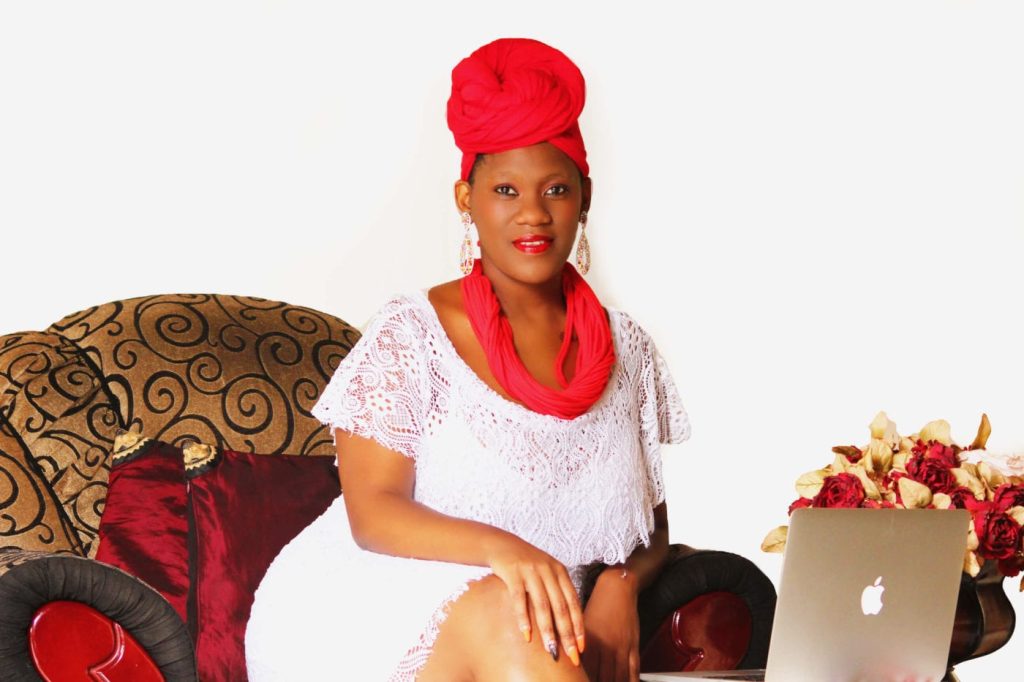
Who says you have to choose between being creative and working in the corporate world? Fundi Zwane believes you can have both. As a Motherland Mogul, Fundi manages to successfully combine two unusual passions; art and the corporate world. Through her Industrial Theatre, Phezulu-Phambili, Fundi translates boring policies into informative theatrical shows. When she’s not running her creative/artistic company, Fundi acts and has appeared on soapies such as Generations. Find out why people in the performing arts should be exposed to business and the one important skill all artists need below. Why do you think people in the performing arts should be exposed to business? I think it is critical for artists to be exposed to business as it helps them navigate spaces beyond the creative world. It is a great arsenal in their “toolbox” when negotiating things like contracts and issues of strategically placing themselves as brands. It also adds enormous value to their package as an artist. Another way it comes in handy is that sometimes, as artists, we go through what we call “dry seasons” when there is not a lot of acting work available. So having a background in business can really assist in coming up with ways to sustain yourself during this period as it encourages thinking out-of-the-box and beyond your comfort zone. How does your Industrial Theatre, Phezulu-Phambili Collective merge both passions seamlessly? Phezulu-Phambili merges the corporate and creative worlds by taking something like a policy or a piece of legislation and presenting it in manner that is “out-of-the-box”. Another component that becomes critical is understanding the audience that you present that piece of Industrial Theatre to. Usually, it is a non-theatre going audience and most times, it’s their first contact with the creative world. So it becomes incumbent on my company to make the experience unforgettable and memorable. Phezulu-Phambili takes what is usually mundane, black and white, full of jargon and brings it to life! That is how we marry the worlds of corporate and creative seamlessly. How have you successfully combined your passions for art and the corporate world? What I mark as success is when Phezulu-Phambili did contracts for BROLL (one of the biggest property realtors in SA) and recently Transnet (one of the biggest parastatals in SA). The way we were able to interpret and communicate their health and safety policies through theatre was, for me, magical. I deem a project a success based on the response we get during and after a performance -and obviously the request for more business. It is always a gratifying feeling and makes all the hours spent combing through a policy and interpreting it through the creative process of writing and rehearsals worth it. I also consider it a success when Phezulu-Phambili manages to go into the corporate space and get people to engage with a policy in a way that is fun and interactive because of the way we present it to them. What keeps you going as a young black South African woman? What keeps me going as a young South African woman in business is an insatiable desire to succeed and leave a legacy. Not only for my daughter but for other young women who have dared to go into business in a country where the economic scales are still so imbalanced. Transformation, especially in the corporate space, is non-existent. I want to be part of the pulse changing the narrative of African woman, a pulse celebrating our glory and showcasing us as the amazing, determined success we are. What also keeps me going is my 3-year-old daughter, Bella-Rose. I’ve always wanted to be a mother that models black excellence to my daughter. Being a single mother in business has NOT been easy. There are times when you feel overwhelmed and want to throwing in the towel for something “easier” seems like the the “better” option. But keeping focused on the goal of leaving a legacy for my daughter and all other women who look up to me keeps me going. My motto is, ” I don’t stop because it gets hard, I stop when the work is finished”. What is one seemingly insurmountable challenge you’ve faced and how did you overcome it? One challenge that is forever present is the issue of capital. Be it to start a big project or to expand as the demand for work grows. This can be a very stressful and sometimes, a seemingly insurmountable challenge. The art of business, I believe, is the relationships you nurture and foster over the years. So in times where money needs to show up for operational purposes and the business coffers are running dry, there are strategic business synergies I have formed with people who are willing to assist. Creating a culture of taking care of each other financially is important. This obviously comes with one having to practice absolute financial integrity. Once our coffers are replenished, we give back what was borrowed to in times of need. You spent 4 years on the soapie Generations, what advice would you give on maintaining business relationships for the long run? I believe maintaining business relationships is absolutely crucial as I’ve mentioned above. Acting on a soapie like Generations really did teach me that. I always advise on maintaining a good working relationship, especially with people you enjoy working with, people who inspire you to do more and people who believe in your vision for success. What business skills do you think an actress must definitely have? As an actress, you MUST have the business skill of negotiating. This, I believe, is really important and makes people take you seriously. Be it negotiating a contract, or negotiating with producers/ writers about a storyline for the character you are playing, it is an important skill. I once witnessed actress Nambitha do this on the set of Generations and I gained such a profound respect for her. Nambitha knew her character in and out and there was a line in the
The new African woman likes sex on the beach

Is it me or is there is a huge rise of the cosmopolitan woman in Africa? I call her, the new African woman. The new African woman meets friends for cocktails like ‘sex on the beach’, after she gets off her 9-5 corporate job. She’s the woman who talks freely about sex, and enjoys it too. This woman takes vacation days and balances career and work life. This is a stark difference from our mother’s generation. For one thing, if I told my mom I was having sex on the beach…the furthest thing on her mind will be a drink in a glass. Sooo who is this new African woman? Here are 11 ways the new African woman is breaking the mold. [adsanity align=’alignnone’ id=144658] 1. We take care of ourselves first…without any apologies We have realized that the woman who does everything for others must first take care of herself. This could mean anything from quitting a job that we hate to starting our own business. It could also mean ignoring all the haters and going back to school for a second degree. 2. We choose family…and career Remember when there was a time where women had to choose between advancing in her career versus raising children and being a great wife? Well, who said a woman can’t do both. African women are finding ingenious ways of balancing the two. We can cook a mean jollof for dinner and defend a case in court the next morning. The new African woman does all. [mailerlite_form form_id=14] 3. We are girls who code and do everything else Did you know that there was a study that showed that black women are now the most educated group in the United States? Similarly, African women are excelling in subjects that where once thought to be dominated by men. We are killing it in math, science and technology. And we look good while doing it. 4. We are literally turning lemons into lemonade The African woman is the most industrious of all the species. Our work ethic and our ability to wring every drop out of a great opportunity is unmatched. Both these qualities are seen in my current favorite #MotherlandMogul, Olajumoke Orisaguna. Who else is able to wake up one day selling bread and go to bed at the end of the day with a modeling contract? 5. The love we seek is multi-dimensional You know how our mothers will tell us that there is only one way to a man’s heart and that is his stomach? Well, there are a thousand different ways to the new African women’s heart. She wants wit, adventure and staying up late with her love watching cartoons till 3am while eating ice cream. 6. We don’t pretend to be perfect Have you ever cried at work? Or cried because you had a huge project coming up and you were so stressed out? I have (and I would love to hear your stories in the comments). Women have had to hide their emotions in the work place because of the fear of being judged as weak compared to the man. But we know we are not perfect, and neither are men. So dry your tears, listen to some Lil’ Kim and go be the most perfect imperfection ever. 7. We are breaking the glass ceiling in our careers Women are the biggest consumers of African movies. We single-handedly pump money into this industry. For a long time, men dominated in the directing and producing of African movies…but not any more. With the rise of Yvonne Nelson, Shirley Frimpong Manso and other female producers, times are a’ changing. 8. And our careers span past doctors and engineers….we are creatives Chimamanda Ngozi Adichie is my personal hero. And to see her making the world stop and listen to what she has to say as a writer and a speaker is so inspiring. It puts our parents’, “only be a doctor, engineer or lawyer” talk to shame. While those careers are great, creative careers in the arts are also important. We need more African photographers, writers, artists, graphic designers, the list goes on. 9. We wear made in Africa Any fans of ‘African City’? How many times have you watched an episode and wanted to buy everything the girls wore. From the jewelry to the shoes and the clothes themselves. I had to stop watching because my retail lust was getting out of control…and get this? Everything is made in Africa! We are showing the world what African career wear, girls night out outfits and bathing suits can look like. 10. We are leading the front lines on African issues Everyone in Africa knows the inconsistent power struggles that we all suffer through. In Ghana, we call it dumsor meaning “light off, light on”. Well, guess who led the movement to tell the Ghanaian government enough is enough? Actress and producer, Yvonne Nelson. She led the cause and soon, others joined in droves. African women are no longer waiting to be told to speak, we are leading the force on issues that affect all of us. 11. We are intentional about changing Africa This point is captured perfectly by this quote by Elizabeth Blackwell; “For what is done or learned by one class of women becomes, by virtue of their common womanhood, the property of all women.” African women everywhere are doing their part for the next generation of women. From organizations like our very own SLA to movie producers writing more complex roles for women, or business owners who create scholarships for girls. We are all more aware of the role we play in changing Africa and the stories that are told about African women.
Twitter Chat with Thokozile Mangwiro: Starting a natural hair business in Africa (Oct. 27th)
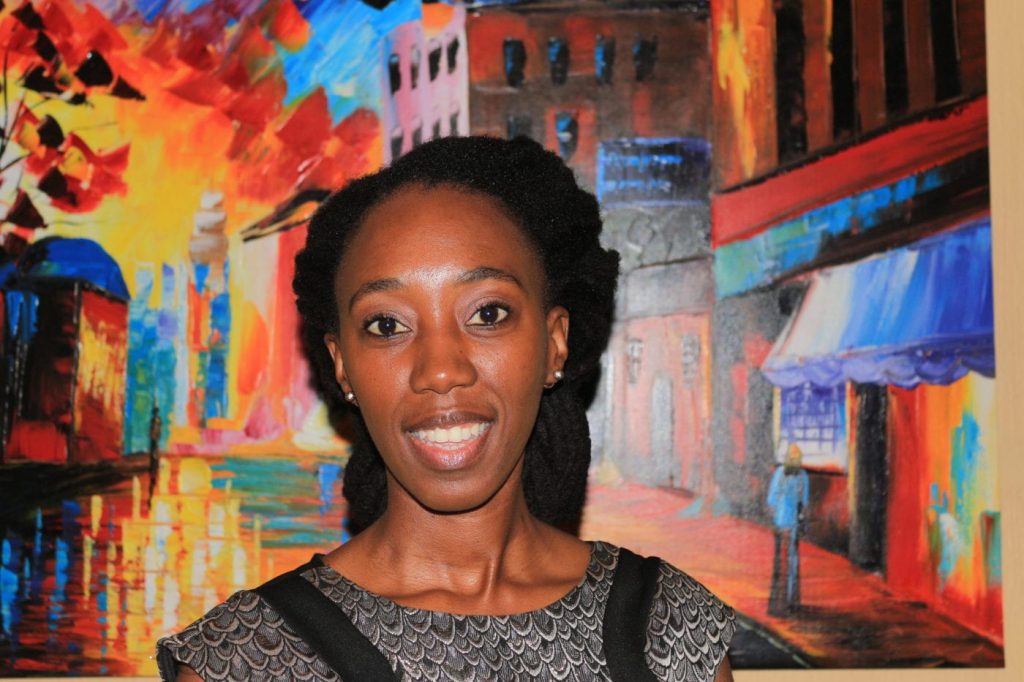
All you natural hair ladies out there know that the struggle can be too real. Between trying to find products that work for your hair, to looking for products with organic ingredients. These struggles can be further exasperated when you live on the continent and you want to buy local or you have aunties telling you to go fix your hair. Now put this all in the context of trying to start a natural hair brand and you’ve got quite a complicated recipe on your hands. It’s in these complicated situations where champions are born and Thokozile Mangwiro is one such champion. After being unable to find locally made natural hair products in her native South Africa, she decided to start her own line. Join us Thursday Oct. 27th for a Twitter Chat with Thokozile as she shares how she built her natural hair business, Nilotiqa, in South Africa and her advice for other naturals and budding entrepreneurs. Whether you’re an African natural, a natural hair product junkie or an aspiring entrepreneur in the beauty industry, you don’t want to miss this chat. Follow She Leads Africa on twitter and use the hashtag #SheHiveJoburg to ask your questions and participate in the discussion. Topics that we’ll cover: What it’s like being natural in South Africa The importance of buying localy products How to start a natural hair line, from resources to customers and more Advice for natural hair ladies and apiring entreprenuers Twitter chat details Date: Thursday Oct. 27, 2016 Time: 1pm NYC // 6pm Lagos // 7pm Joburg Location: Follow She Leads Africa on twitter and use the hashtag #SheHiveJoburg About Thokozile Mangwiro It is in growing her own natural hair for the past 15 years that Thokozile Mangwiro found her inspiration to create a natural hair care product line. After going to several salons and an endless search of locally produced products that truly work for afro natural hair, it was clear that there was a HUGE gap in the market for professionally formulated products for natural hair. Thokozile, like many other women, struggled with extremely dry hair. This and the lack of knowledge led to intense research and experimentation of natural ingredients such as Shea butter and avocado oil for skin and hair. After several years of research, formulations and product testing, Thokozile launched Nilotiqa, a line of products that are proudly made with organics, natural and naturally formed ingredients to deeply moisturize and nourish ethnic Hair. Thokozile Mangwiro is an Information Technology Masters graduate from the University of South Africa, with over 8 years’ experience in the database administration, analysis and intelligence industry. She is a wife and mother of two energetic boys, Anesu and Omari. She is born and bred in South Africa, Johannesburg. A budding entrepreneur, she is driven and passionate by empowering and inspiring other women to feel naturally beautiful through products that are made in South Africa, are of the highest quality, are beautiful and luxurious, to showcase to the world.
Josiane Faubert: The world needs African stock photos
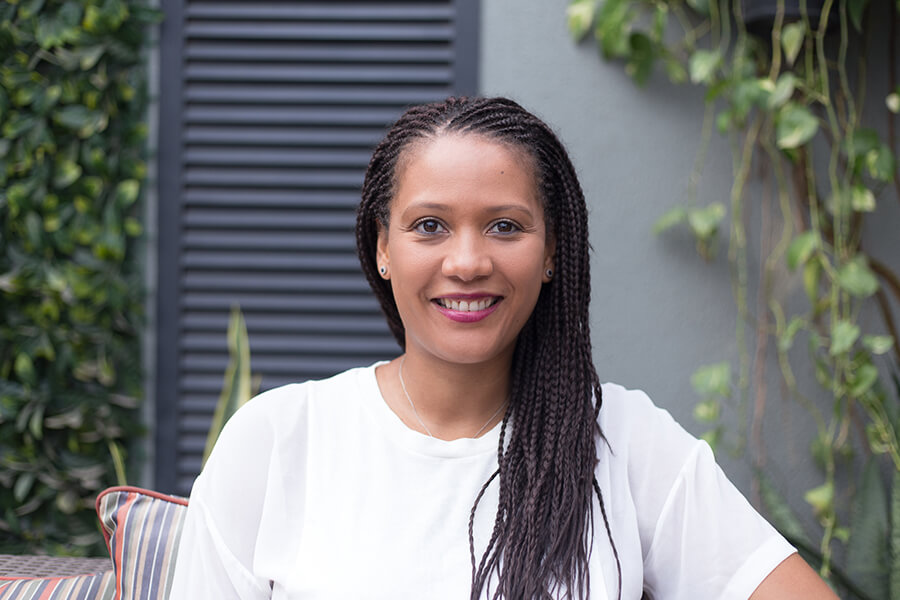
[bctt tweet=”@JosianeFaubert believes stock photography is necessary for the African continent” username=”SheLeadsAfrica”] Stock photography should make our list of unusual business ideas, it’s not what will come first to the minds of most budding Motherland Moguls. For Josiane Faubert though, stock photography is necessary for the African continent. Josiane is the photographer who recently launched PICHA which provides a curated library of high-quality royalty-free African stock images. On one hand, PICHA provides a global audience with unlimited access to original content. PICHA also provides a platform for African photographers to make money from royalty fees on images sold while retaining their copyright. Stock photography is an unusual business idea, tell us how you came about it I have been a photographer for many years, so I was already familiar with the stock photography industry. As a photographer, I was regularly solicited by friends and relatives working in web/graphic design for photos of Africans doing everyday things. Then, I helped them find some photos from Africa from my own database. However, it is when I was working as a social media manager that the idea of PICHA started to conceptualized a little more clearly as a business idea. I had a hard time buying contemporary photos of Africa/African people. Why do you think it was necessary to create a stock photography site that specializes in Africa? In the US and in Europe, the stock industry has been around for very long. As we are consuming more and more internet and technology in Africa, there is a growing need to find images for communication and marketing needs especially. If you have ever looked for a photo on a huge stock image platform you’ll see that the selection for Africa is very limited. With the continent being as diverse it is, I wanted that diversity to be represented on PICHA too. PICHA is still very young but our goal is to have photographers from very corner in Africa who submit their photos on the website. [bctt tweet=”I had a hard time buying contemporary photos of Africa/African people – @JosianeFaubert” username=”SheLeadsAfrica”] As a photographer yourself, what do you see PICHA adding to the global imagery of Africa and Africans? PICHA is a marketplace that allows photographers to sell their photos and that allow creatives to have access to these photos. Our goal is also to allow photographers to get money from their photos. Our catalogue is fresh and contemporary, it reflects a dynamic and diverse Africa. With this diversity, we will challenge the image of Africa and Africans. [bctt tweet=”PICHA reflects a dynamic and diverse Africa and challenges the images of Africa & Africans” username=”SheLeadsAfrica”] Are there any challenges unique to this business that you did not expect? PICHA is a user-generated content platform so we need to constantly educate our community on the benefit of being a contributor. We also need to educate them on various points ranging from legal to quality. Many photographers never request a release form when photographing someone. In our industry it is problematic! Where do you see PICHA in the future? How do you plan to take PICHA there? PICHA is growing and in 5 years I see it being a necessary tool for creatives in Africa. We’d also like to have presence in West, East and South Africa. To achieve this, we are reaching out to photographers across Africa. In your opinion, what’s the best photo you’ve taken so far? That is a tough one. A few year ago, I used a few taxi-moto in Lome and there was this taxi-moto driver who would only dress in a suit. He had such an amazing personality. If you’d like to share your story with She Leads Africa, let us know more about you and your story here.
10 reasons you should be your own #MotherlandMogul before and after marriage

I remember the day it dawned on me that my husband would have his own income. After a long day on campus, I got home tired and needing a long hot shower but feeling so fulfilled. It was in this long shower that I suddenly had this thought, “Somewhere across the world my husband is coming home from a long day of grinding too”. This was the first time that I realized that I could one day enjoy the fruits of my husband’s labor. I have thought of how tall I want him to be, how I want him to be chocolate like Idris Elba and intellectual like Nate Parker but I had never thought of the kind of money he would make. I guess I have never really felt like I was entitled to his labor. I have always thought; I can’t change my own tire or kill a roach on my own but darn it I can make my own money. Too many of our African movies depict the man leaving for work while the woman stays at home wearing her perfectly ironed dress (because we all wake up excited to wear a head wrap and make breakfast). It’s either that or my personal favorite, the scene where the girl’s best friend —or better yet her mother— tells her she is stupid for not liking the rich business man who likes her. Because God forbid we love a man for other things besides his money. I think we can do better. Here are my 10 reasons why you should want to be a #MotherlandMogul before and after marriage. Because Beyoncé said so Nuff’ said. So that you can treat your man When you can say to your man, “Babe lets go out, my treat”…The only words sweeter to a man’s ear is “the jollof is ready”. So that you can treat yourself Retail therapy is a real thing. No one would argue with you for buying 4 pairs of designer shoes in one shopping trip if you used your own money. Because you don’t want to be stuck like Melania Trump Hopefully the whole world would not be stuck with Trump as the President of the United States. Because men are great…but they are not everything. *Musters up the courage to repeat Rihanna’s words to every aunt who asks when I am getting married.* Because we have every right to dream bigger and aim higher than men. Auntie Chimamanda summed it up nicely. You shouldn’t hold back for fear that you’ll threaten a man. All women should dream bigger and aim higher. So that you can leave when you want to (or need to) Aren’t we all tired of the narrative where a wife stays with an abusive husband because he is her bread and butter and she has no other option? Motherland Moguls can leave when they need to. Because a #MotherlandMogul is her own rich man. Studies have shown that parents will give their children more freedom to be single if their child is financially stable on their own. Ok that study is my own personal wishful thinking. Also if your parent is African, it doesn’t work. Because feeling your self feels better on your own dime I bet you Beyoncé and Nicki did not have that much fun on set because Jay Z and Meek Mill are rich. It’s because they know they will be completely fine without their men. Because a #MotherlandMogul’s best position is CEO *Makes mental note to say this to every guy who asks what my favorite position is*
Starting a business while in school
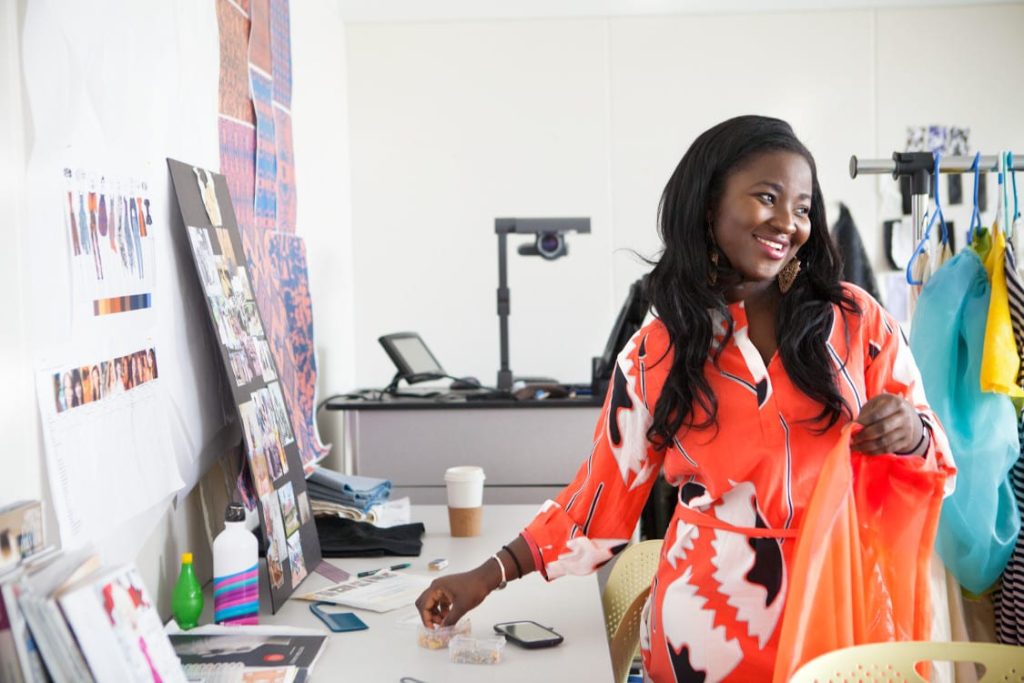
So, you’re in school and you want to go into entrepreneurship? Cool! I like playing dangerous too. Gone are the days of waiting after graduation and getting a job. Gone are the days of “business is for uneducated people”. Come on, you and I know better and frankly, starting a business when you are in school is probably one of the best ideas. It gives you time to prepare for “post-school” days. Starting a business is never easy, but here are a few tips to help you get started and stay on the hustle. Eureka! First, get the idea! You can either be innovative by starting something new or redefining something old. Usually, most student campuses are filled up with people peddling the same wares in the same manner. If your idea is based on an already existing idea, then you should be one step ahead of those already in the business by having a modification. New ideas are always fresh. Analyze the demand rate for your product (goods or services). This can be done either by studying the existing market for an already existing idea or carrying out a mini survey for a new idea. You should be sure of your target market, which should mostly be students. But also consider, do you provide services for the non-student members of the community? Make sure your idea has no legal implications. Evaluate yourself How much technical know-how is needed in the business? How much do you know or can you provide? Do you have what it takes? Should you first acquire certain knowledge and skills? Do you have the time to see it through? These are some of questions you need to ask yourself when self-evaluating. Research the competition No, this is not spying or “copy-catting”. This is purely a form of business survey. Some of the important things to research include, who your competitors are, any similarities in business (yours and theirs) and how long they have been in business. How do they relate with their customers? What is their price range? et investigating and uncover these facts about the competition. Plan You remember this… (s)he who fails to plan, plans to fail? You might think you’re an expert in the field you plan on venturing into, but if you do not make concrete plans, you are just an over experienced failure waiting to happen. I want to debunk the notion most student entrepreneurs have about starting a business in school and ending it after school. Except you are only into business as a means to pay the bills and not interested in expanding what will become your brand, then you shouldn’t think of a business that will stop after graduation. Most successful #MotherlandMoguls started in school and grew it from there. So, your business plan should have room for growing the brand outside and after school. Partners? Is this a one woman venture or a partnership? Your partner can either be someone who has been there from the word go and is willing to invest time and money, or someone who started with you but wants to only invest money. She can also be someone you pair up with later on. Is it necessary to have a business partner? The nature of the business will determine that. If it is a service providing business like home cleaning services, then the answer is yes. You will need a partner, if not at the beginning, then later on. Let’s talk money I know this is a the one that will probably interest you the most. Where do you get money for your business? Well, this should also be in your business plan. Here are some sources you can raise money from: Personal savings- You should have savings, everybody should. Donations from family and friends Loans- check to see the types of loans available to you as a student and the general ones you’re eligible for. Thrift collections- These are local saving schemes that afford members the opportunity to take loans based on the arrangement. Ajo/esusu is a popular type of thrift collection in Nigeria. Crowdfunding. On your marks… Ready? Before you start, check to see if you have most of what you need, and if you do, start. Do not wait to be 100% ready, just do it. Advertise and network Well, what are friends for? Get your friends to use word of mouth, social media and even school related platform to blow your horns. Use colourful fliers (duh) to drag attention. Oh and hashtags are another way to go. Network among your peers and locate your customers. Goodluck You are in business, yay! Keep and eye on your profit margin. Don’t be too keen on the profit at first, just make sure your service or production cost are being covered. Breaking even at the beginning is a really good thing. But watch your monthly returns and weigh them against your expenses. You should notice a slight growth. Always take reviews. Do an audit after the first 3 or 4 months and see the places you need to improved. Good luck dear student Motherland Mogul!
Victoria Mbabazi: I’ve learnt that age is no guarantee of maturity
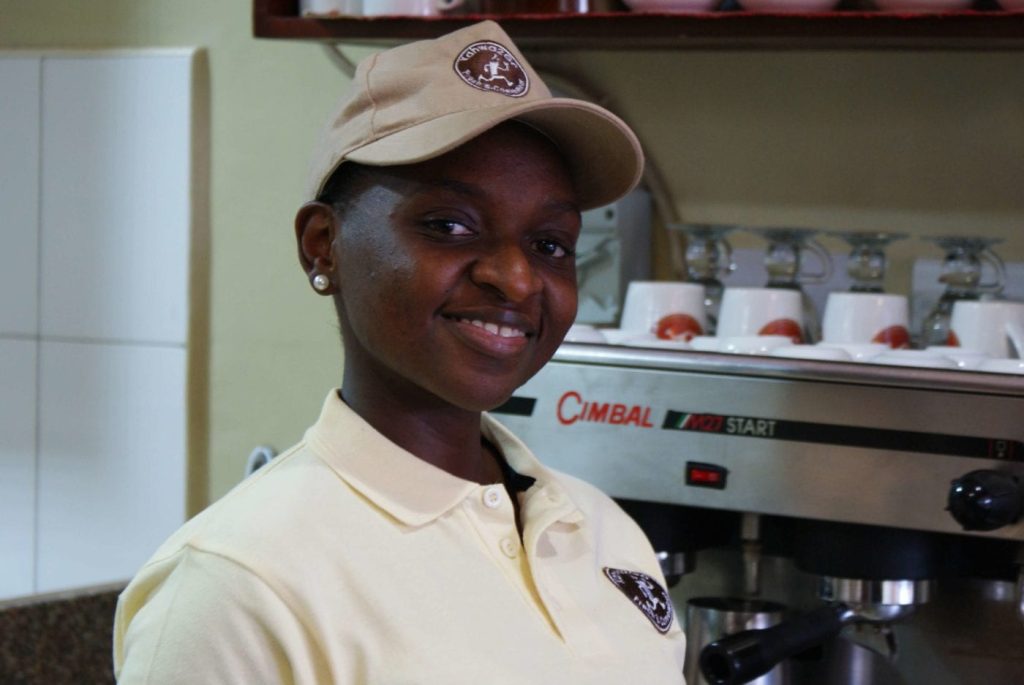
Take a minute to consider that what you watch on TV could determine your future business. Growing up, Victoria Mbabazi spent a lot of time watching the Food Channel. She experimented with different recipes and wanted to study food production at university but was instead advised to study Software Engineering. It all turned out great because now, Victoria’s three passions are culinary art, technology and agriculture. In 2013, she started Kahwa2Go, a cafe and restaurant with her business partner and mentor. She also works with technology innovation, encouraging women in the tech. Victoria was part of the 1,000 African entrepreneurs selected by the Tony Elumelu Entrepreneurship Program (TEEP) in 2015. Read on to learn about Victoria’s the 40/60 approach to working, her four skills for running a cafe/restaurant and being judged by others as a young #MotherlandMogul. What launched your interest in the culinary industry? Once upon a time there was a little girl who loved nothing more than school and play time. As life would have it, play time slowly dwindled away as is the norm for many when all the elder brothers and sisters head out to boarding school. As luck would have it, I spent most of my lazy days watching the Food Network channel and experimenting with different recipes as my mum made lunches and dinners. I paid no mind to it; it was something fun to do, period. The first call to fate was when I was joining university in 2012, my gut feeling was I should pursue a food production and hospitality course. However, I was advised that this was not yet a lucrative industry in Uganda thus the Software Engineering course I opted for. I worked in the technology eco-system all through my four-year course and along the way I met my now business partner who is very passionate about entrepreneurship. He mentored me into both the technology and entrepreneurship industries and before we knew it, we had merged our two passions —culinary art and entrepreneurship. We have been at it since 2013. Tell us about Kahwa2Go. What do you seek to fulfill with the products/services you provide? The birth of Kahwa2Go was quite immaculate, my business partner and I first spoke of the concept on the eve of Christmas in 2013. Kahwa2Go is a Ugandan trademarked business of The 2Go Guys Limited providing a quick service, convenient food place for the middle class, commuters, urban dwellers, families or colleagues that are looking for an opportune meeting and co-working point in Ntinda. Our food menu is a blend of modern fine dining whole meals with a touch of delicious fresh homemade snacks. We also offer a variety of coffee beverages, juices, milkshakes and teas, all with an option of takeaway or dine-in. Kahwa2Go is already signed up on Uganda’s most visited online food ordering platform, Jumia Food. We also have a steady growth of both new customers from social media and repeat customers. Kahwa2Go is competing in a market size of 1 million middle class potential customers in Kampala. This market is shared by less than 50 upscale (white collar) restaurants. It’s this fact here that provides an opportunity for us to venture into the food industry. How did you go about setting it up? The initial concept of Kahwa2Go was to establish coffee carts along the streets of Kampala. This did not come to pass due to regulations by the city authority. In mid-2014, we got some space in an innovation hub, set up one espresso machine and served an average of ten people per day. We embraced our share of lessons and in June 2015, we launched as the first coffee shop to partner with Vivo Energy Uganda at one of their fuel stations in the city center. Our menu was simple but creative comprising of different hot and cold beverages as well as snacks and casual meals that our customers would enjoy in our fifteen-seater space. This year (2016), we set out to maximize KahwaGo’s potential, closed operations with Vivo Energy and opened an ambient, fully-fledged restaurant and café seating an average of fifty people situated in Ntinda; the heart of one of Kampala’s suburbs. Our core principles of execution were minimalism, leverage, negotiation and user-centered design. We understood our limits and combatted them head-on by equipping ourselves with adequate knowledge and exposure about the culinary industry as well as entrepreneurship through programs like the Tony Elumelu Entrepreneurship Program (TEEP) and the CURAD Agribusiness incubator program. Also, we have a 40/60 rule when it comes to getting work done. We spend 40% of our time planning and ensuring that we have the right people, organizational and operational structures, equipment and most importantly the knowledge to execute our business road map. What four skills have you found necessary to run a restaurant and cafe? Why are they necessary? The fundamental areas of competence are; having the basics of accounting, great passion about customer service, creative marketing and a firm grip on management. From inception, it is paramount to understand your work; your product and systems. This will holistically inform what kind of marketing strategy to implement. Once you know your customers, you then dive into discovering what kind of experience they expect considering the fact that you want to create a loop of loyal clientele. Accounting is a core because you need to understand how money and other resources get in and out, the menu pricing models and be able to interpret the sales and expenses of the business at the bare minimum. Lastly, great management is the adhesive component that will ensure the employees continually work as a team to understand the all-round needs of the business in peak and off peak seasons. What were the unexpected challenges you encountered while starting out? We knew right from the beginning that starting a business would not be a walk in the park. Being a relatively young entrepreneur at 25 years old, the most astonishing challenge faced thus far is being judged
Holding on to your business, your day job and your sanity

Itching to be an entrepreneur but not ready to give up your day job? Lots of people begin their businesses as a side hustle. It definitely makes sense. When you first start your venture might not be the time to leave your full time job. Or you are still learning from and enjoying your day job. And let’s be honest, it pays the bills and entrepreneurship is a huge risk. Whatever your reason may be for doing it, juggling your day job and a business is hard. But it’s not impossible. This guide will teach you the essentials you need to hold on to both AND keep your sanity. Topics this guide will cover: Deciding if this is the right choice for you How to stay accountable to yourself and your new business How to not burn out Staying motivated through rough times Don’t let this be you: Complete with worksheets and lots of ideas for helping you manage your time and energy, this guide is a can’t miss for anyone trying to juggle it all. Getting access to this guide is easy: just fill out the form below to join our community and get access to this guide, as well as AWESOME weekly content. [ninja_form id=26]