
Vivian Onano: Where you come from does not determine your power
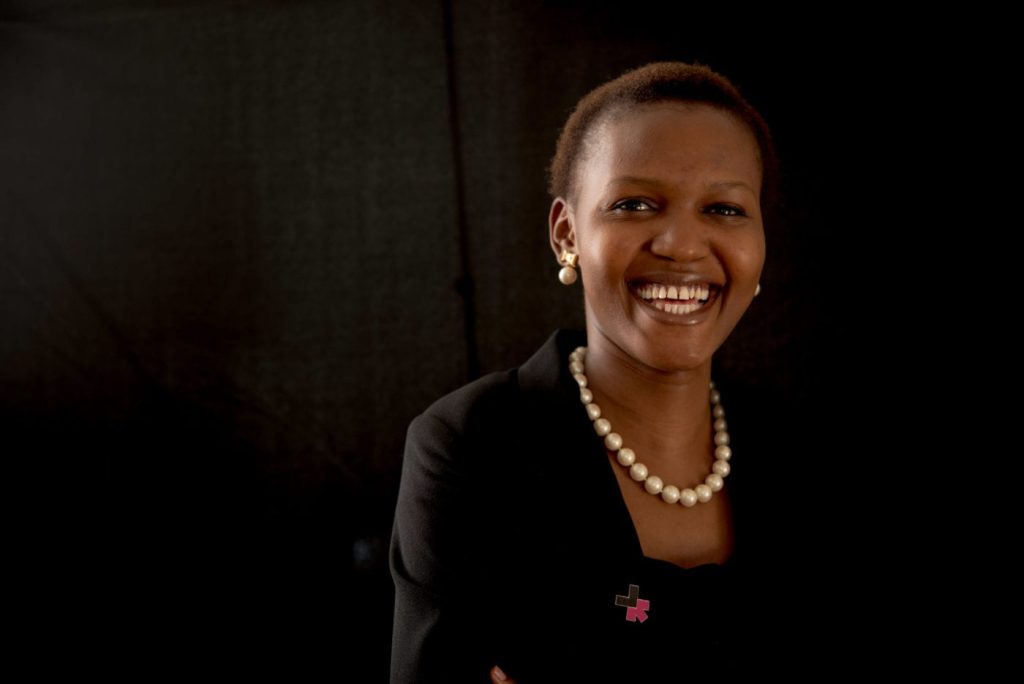
One year ago, in front of the entire UN General Assembly, the then 24-year-old Vivian Onano gave her first keynote speech. Not many 24 year olds can claim such an achievement, neither can they say they dined with FLOTUS, hung out with Bill Clinton or met all living American presidents, Jimmy Carter excluded. Coming from a small village in Nyanza province, Kenya, Vivian has grown into one of Africa’s most passionate youth advocates with credentials that have earned her a seat at the table with the greats of the world. Diana Odero, our SLA contributor, had a candid chat with the young powerhouse about how her life has changed significantly since then and why she will not stop fighting for the rights the youth deserve. Tell us, who is Vivian really? Minus all the accolades, jet setting and changing the world, tell us about the girl -Vivian Onano? Well, Vivian the girl is a very shy person believe it or not. I’m very shy and I think it’s my demeanor that makes people think I’m not. I consider myself an introvert because as much as I’m out there doing all these things, I always feel drained after an event or two. I always need some space and time to myself just to re-energize for the next day or the next thing I need to do. I’m very down to earth and that’s something else that is also wrongly perceived by those on the outside looking in. I love dancing and being around happy people who are also very focused. I keep my circle very small, around people who give me the positive energy I need to get things done. It’s really helpful to have such focused and enthusiastic people around you. That aside, I’d like to add that I’m very approachable guys! There’s been incidences when some journalists have been scared to approach me just based on the straight-faced look I usually have —please don’t judge me by my face, I’m always willing and happy to talk to people. How did you get started on this activism journey? My mum and my grandmother raised me, and my grandmother is a woman with a very giving heart. I grew up on so little but even with the little we had she would call all the neighbours and their kids to share with them when they didn’t have much. So, it all started from my family who taught me the importance of giving despite having so little. I remember I used to help my classmates with homework back in primary school and I was always that kid who would stand up for others, particularly my fellow girls. I’ve been a student leader from kindergarten all the way to college and I think that’s where all the self-confidence came from as well. It’s part and parcel of my DNA. The field you are in currently must bring lots of challenges and difficult tasks to take on. How do you handle such situations? How do you deal with conflict? It’s true that my field is a very difficult space to be in and I think it’s even more difficult being as young as I am. I always find myself in spaces with people of the older generation and mostly just men. It’s great exposure and it’s helped me build great networks but I always have to rise up to the challenge of knowing I’m still a young person who has to be an adult at the same time. I’m representing the voices of African youth and I want to be taken seriously but the kid in me still wants to be a kid. Juggling both worlds is quite the task. Whenever I go to conferences, people are always like ‘When I read your bio I thought you would be much older…’ Others expect to see a 40 year old woman so it forces me to rise up to the maturity level of a 40 year old woman while giving a presentation/talk yet I’m only 25. I still keep it very authentic and stay true to myself but I always hope my presentation matches what they are expecting to see. Whenever I’m speaking on a panel for example, I never want my age to be used as an excuse for the type of contribution I give to the topic at hand. I always want to deliver it the same way an accomplished older person would as well and attain the same respect, that way making room for future young people like me to get the same opportunity. As for dealing with conflicts, it’s always best to be diplomatic i.e. be very honest but also very respectful at the same time. I’ve come to realize that people think some spaces should only be for the older generation. Being mindful of that, I try and remain as authentic as I can be but respectful of where they’re coming from so as to avoid anything escalating out of proportion. You are a self-proclaimed feminist. What does the word feminist mean to you and why do you think it is still frowned upon today? Being a feminist in my opinion is giving everybody an equal opportunity to maximize on his or her God-given human abilities. The reason why it’s still frowned upon is because it’s seen as a sort of label for angry women. As a feminist, I don’t look at it that way. I engage with men just the same way I engage with women when it comes to feminism, gender equality, women’s empowerment etc. I actually think I’m much tougher on men as I try to make them understand the importance of gender equality, the importance of everyone having equal rights and opportunities and maximize on their talents. You have sat in the same room with some of the most prominent people in the world including President Obama and first lady Michelle. If you were to have dinner with anyone in the world, who would it
Webinar with Nene Mboweni: How to balance your business & your studies (Nov. 1)
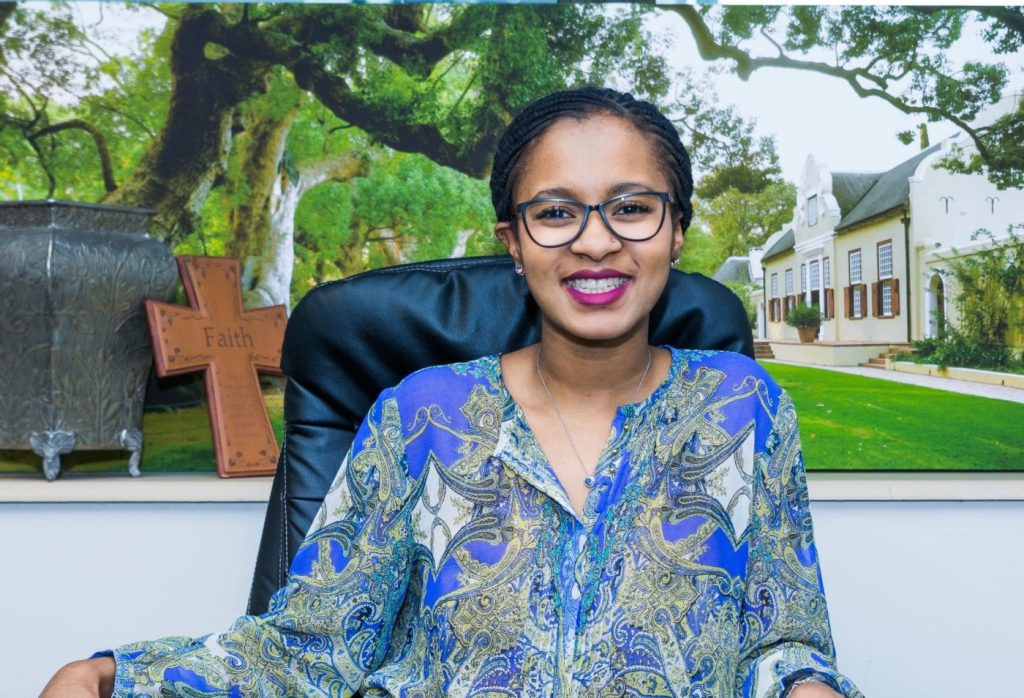
Missed this event? Make sure you don’t miss the next one by joining our community today. A lot of you Motherland Moguls out there are busy chasing that diploma, but you still have entrepreneurial dreams floating in your head between classes and exams. You’re wondering how to leverage your school network to get your business started and how you will balance it with your studies. Introducing: Nene Mboweni who has started two businesses, Mkweni Groundworks and Nnua Cakes, all while forging ahead in her biomedical science studies. On top of this, Nene volunteers her time and is actively involved on her campus and around her community. Did she clone herself? How does she juggle it all and what are her future plans for marrying all these interests? We’re about to find out. Join us for a 30-minute (don’t be late, o) webinar with Nene Mboweni on November 1st, 2016. We’ll be discussing what it takes to be a student with a side hustle and answering your burning questions about the entrepreneurship/student life. Register below to get the exclusive link to the webinar. Some of the topics we’ll cover: Turning your side hustle into a business Networking on campus and beyond & leveraging your connections Balancing your business, your studies & other responsibilities Preparing for post-grad life when your studies don’t match your business Webinar Details: Date: Tuesday November 1, 2016 Time: 8:00am NYC // 1:00pm Lagos // 2:00pm Johannesburg Watch this webinar: Don’t miss another inspiring webinar! Join our community today! Click here. About Nene Mboweni Nene Mboweni (21), matriculated in 2013 from Crawford College, in Sandton. She is currently enrolled at Wits University studying Biomedical science and to complete her final 3 years in Medicine at Wits. Nene works part-time at the Natalspruit hospital in Vosloorus on weekends and during her vacation. She is an avid baker and founder of Nnüa cakes an online virtual patisserie and decadent catering company. Not only has she done work for reputable companies such as Transnet, Vodacom and Primedia, she has collaborated with Jimmy Choo and Luminance on a luxury line of cupcakes and also worked with various high-profile clients and governmental organisations, having recently just done the 80th celebratory cakes for the late former president of South Africa, Nelson Mandela’s wife, Winnie Madikizela-Mandela She is also the co-founder of Mkweni Groundworks, a women owned construction company providing services in civil engineering, Rail and other sectors. Nene has been featured in Forbes Woman Africa, Destiny Woman, Cosmopolitan for a lot of the work she has done . She is a part time tutor in science and Mathematics at Bophelo Impilo School. Nene is extremely passionate about education and contributes all of her profits towards providing bursaries for students on campus. She has incubated several community initiatives including but not limited to the Courageous Ladies and the AfriSun Trust.
Discover your passion with these 6 commandments
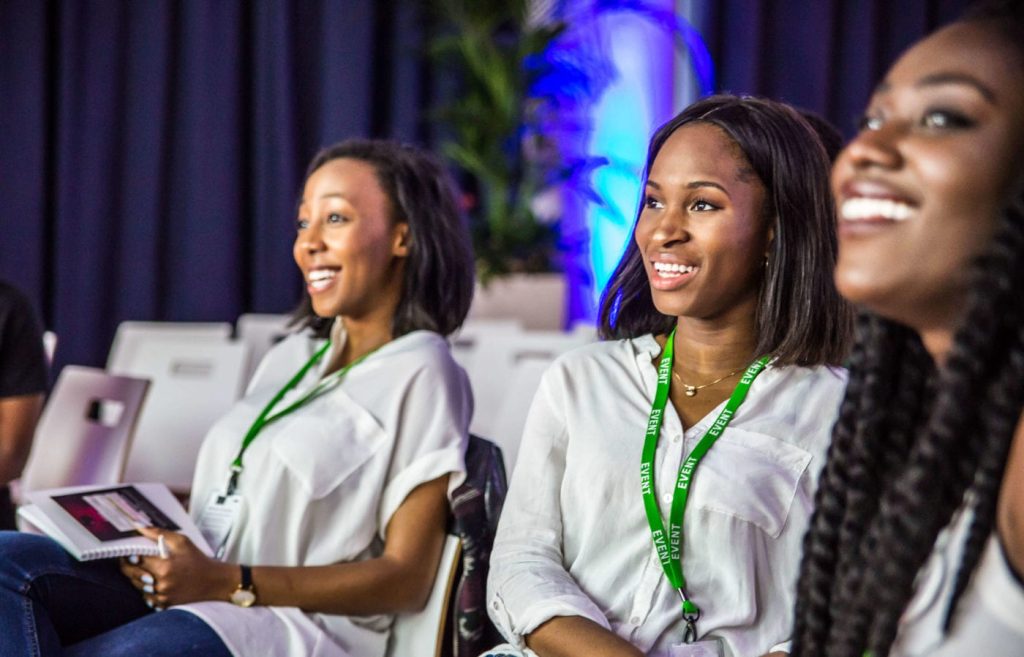
For some, identifying their passion is a walk in the park. They don’t need the help of a guardian counsellor to point them to the rainbow’s end because they already know where it is. This category of people know what drives them —an awareness they discovered in the womb or accidentally stumbled upon early on in life. Either way, they’ve been spared the trouble of having to find where their heart lies. The rest of us, however, are stuck with hours of self-reflection, countless meetings with a career coach and general cluelessness. The very question; ‘what are you passionate about?’ elicits the same level of dread as having one’s tooth pulled without anaesthesia, because society expects us to know what it is. If you fall in the latter category, fear not, kiddo, for these six commandments have got you covered. 1. Thou shall quit your job Staying on a job you hate and griping about how much you hate isn’t going to lead to a light bulb moment. Trust me, it won’t. But quitting will. Transitioning from employed to unemployed will likely make finding your passion more urgent… and, yes, uncomfortable considering the scary economy and unemployment statistics. But with the new extra time, you can channel your energy into discovering the gritty stuff you’re made of by following the next commandment. 2. Thou shall experiment Breaking out of a routine is one way to find your passion. Grab at new opportunities wherever you find them. This could mean helping a colleague complete a task at work, volunteering in the accounting department in your local church, or watching a play, even if it’s not your thing. You’d be surprised at what tickles your interest, and in return your passion could be unlocked. 3. Thou shall ask questions Self-reflection and asking questions offer illuminating insight. What would you be doing with your time if you were filthy rich with no worries in the world? If failure wasn’t an option, what would you do? Or, if you didn’t give a damn about social approval? What are willing to suffer for or readily do for free for the next six months with a smile on your face? Be truthful with your answers (even those you think might cause your friends and family to give you the stink eye), then write them all down, evaluating each candidly. Pay attention to what you enjoy talking about, your favourite novels, songs and movies. How do you spend your days off? A common theme should connect them all. If so, find a way of incorporating it into your current job or converting it into a business. For example, if you love travelling (both physically and through art), you could start a culture blog featuring photography, book reviews and travel articles —and possibly make money from it. 4. Thou shall consult other human beings No (wo)man is born an island, and that’s why you need to reach out to those living out their passion for help. Search the web for articles about how others found their passion. Read memoirs of successful business people and those you admire for inspiration. Ask your family, co-workers or friends who are likely to support you to highlight your best qualities or talents, and use the information to clue you in on what makes you tick. 5. Thou shall take a trip down memory lane As a kid, what were the things you did for hours on end that never grew tiring or boring? What classes were a delight before mum and dad forced you to become a doctor, lawyer or an engineer? Your passion may lie in those lousy poems you wrote in junior secondary that no one read, the games you enjoyed playing, or in that book with dog-eared pages and a cracked spine. Making a list of all the things that brought you joy at age 7 would help resurrect forgotten passions to life. And if all fails… 6. Thou shall write an obit That’s right, an obituary. No, I’m not wishing death upon you. If you humour yourself and write what you would like it to read, not only would you be amazed at the things you come up with, the exercise will take you a step closer to the things you’re enthusiastic about.
Pretoria Girls High School: 5 lessons I learned from African girls fighting for their Afros
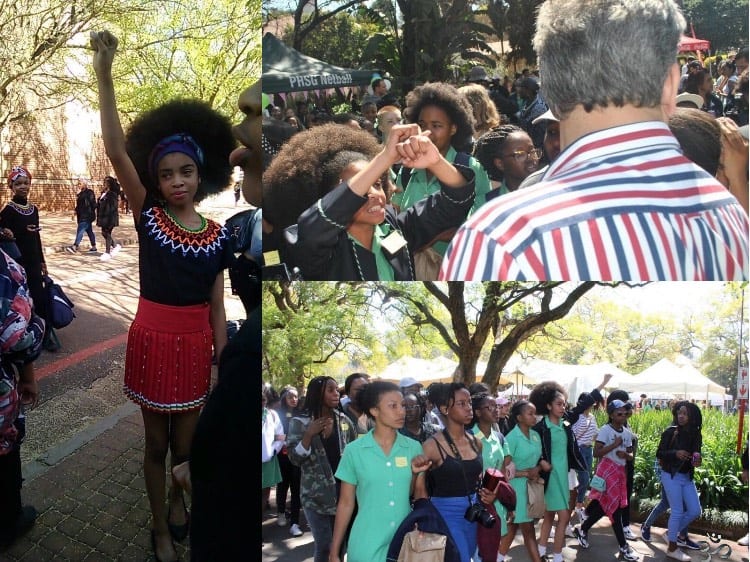
If you have not been living under a rock, you must have heard about the news that ruled the headlines last month. A group of girls in South Africa —who we would all like to adopt into our #SquadGoals— protested against their school for the subliminal and direct ways that they were being racist towards them. The subject in question was their natural hair. As an African living in the US, this trending topic about how unprofessional and untamed natural hair is, is not new to me. Growing up in Ghana, I had heard all the “hair is distracting” arguments. This is why most African girls rocked bald cuts for most of our childhood. What was news to me however, was someone telling African children that their natural hair was unnatural. There is a difference between distracting and unnatural. It’s like going to a school in London and telling the school children that their natural British accents were unnatural. From rocking a bald cut, to having permed strands to now growing kinky curls, I have experienced all the angles on the subject of ‘African Hair’. These are the 5 thoughts I had as I marvelled at the girls from Pretoria Girls High School. Stop telling us what to do with OUR hair Whether permed or kinky, whether braided or dreaded…African women know what they want to do to their hair. And we don’t need your two cents. If African women have to defend their hair everywhere else, should Africa be one of those places? When I heard this story in the news, the first question I had was “Where can we stand?” African features have been under attack since long before we can all remember. From our broader nose to our bigger lips. And now our hair. The fact that African features was being attacked in Africa of all places was unbelievable to me. I felt insulted, that this fight had found its way into our backyard. Are Africans not supposed to find a safe haven in their home? Representation matters I immediately thought of Sarafina when I saw Zulaikha Patel fighting with her fist up for what she believed in. African Americans and other minorities in America, fight every day to be represented respectfully in film, culture and the arts….so should African children not be represented in Africa where they belong home? We should not be denied the freedom of seeing people who look just like us and with hair just like ours. It warms my heart to know that almost thirty years after the movie Sarafina came out, these girls in Pretoria where able to draw the same kind of strength to stand up for what they believed in. Don’t tell us how to fight the issues that only affect us Don’t you love it when the people who are least affected by an issue tell the people most affected by the issue how to cope. (Looking at you, #AllLivesMatter). The problem with telling young girls to ignore the racial issues going on in their schools is that we neglect the fact that they will have to still deal with these same issue when their future employers are telling them their Afro is unprofessional. Problem #2 with the statement in the image above: How do you expect black girls to excel academically if they have to deal with the mental chains of society telling them that their blackness is unnatural? We are strong but we are tired of defending ourselves We are tired of defending our darker skin. Tired of explaining why saying “You are pretty for a dark skin girl” is not a compliment. Tired of hearing the snide comments about how our hair would be more manageable if it was straighter. Tired of hearing how the traits that are most natural to us are somehow unnatural. Teach girls to fight The future of Africa lies in the people who dare to fight for it….and the girls in Pretoria Girls High School fighting for their Afros are all kinds of #goals. These girls came together to raise their voices and change the dialogue in the culture. These girls stood up and peacefully protested. They got made the world listen. They captured the attention of world leaders, all because they decided to be girls who fight. Girls need to be taught that they too have the power to fight for a good cause. Fighting to change the world is not just an exclusive club for Nelson Mandela and other men. African girls can change the world if they will only fight.
Lona Mnguni: Motivation is like happiness, it shows on the outside
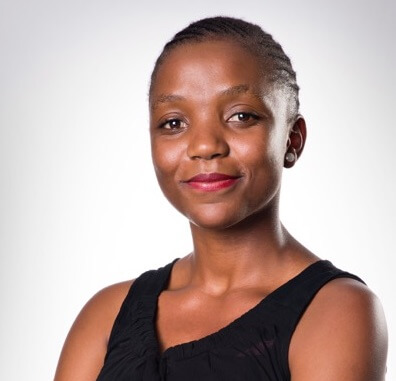
Some women look unemployment in the face without fear. When Lona Mnguni found herself unemployed after leaving her service consultancy job, she came up with Gracenet Logistics. Gracenet is a social entrepreneurship venture that aims to improve livelihoods in rural areas and townships in South Africa through logistics and distribution. When Lona shared her story with SLA, we learned that she has high strengths in empathy and motivation. Lona lets us know her tips on keeping herself and her small team motivated. She also reminded us of the importance of leading from a place of understanding. Tell us about the inspiration that led you to start Gracenet Logistics? Starting Gracenet Logistics was a case of making lemonade out of lemons while simultaneously creating an impact in rural areas. I grew up in a rural town and during school holidays, we would visit “home” in our rurals. I’ve always wanted to improve life for those who live in rural areas in one way or another. The opportunity presented itself at a time where I found myself unemployed. The only experience and qualifications I had were in banking, logistics and customer service. What better way to create the impact I wanted, create employment and also do something about my own unemployment than to create something that will combine my interests? Gracenet brings together my love for rural areas and the lack of access to resources because of a delay in logistics to them. As well as procedures and customer satisfaction measures that would ensure that timelines are in place and communicated to the end user. Why did you decide to leave your job as a service consultant? I wanted more, I had worked in my job for two years and found that in that time it was going to take me ages to move on to the next level. I wanted growth, and to develop as an individual. When I resigned, I had not resigned with the intention to start Gracenet. I resigned to join another organization in a position just above the one I was in. However, things backfired and the position was not available anymore by the time I had finished serving notice. Why do you think little attention is paid to deliveries in rural areas and townships? I would say it’s the roads. Also, the task that it is to actually deviate from a route that is on the main road to then get onto a gravel road. Most big companies have set routes and this would mean that there would be a delay in their delivery times. What was the situation that lead to resources such as school books and medication sitting for days on end in warehouses? What prevented them from being distributed? Delivering to rural areas, more so to public institutions, is not as easy as putting the address in the GPS and driving there. This is because the address might not be there or may be inaccurate. Sometimes, even when the drivers get to the area that they are delivering to, they still need to ask for directions. With school books for example, before leaving we would have to call the school to find out where they are located. All of this takes effort and I’m sure that the reason most of these resources are not distributed is because no one is willing to put in the extra time and effort to make it work. How do you effectively manage a small team? I recently did an emotional management session with my mentor. In a quiz, my two highest scoring strengths were empathy and motivation. This was comforting because it was confirmation of my ability to keep my team motivated and always lead from a place of understanding instead of being a dictator. Having scored high on motivation, can you share six ways you motivate yourself and your team? Keeping myself motivated, is the important part. Motivation is like happiness, it shows on the outside. When you are motivated, it rubs off. I keep myself motivated by; Looking after my spiritual health, Consistently practicing mental toughness Celebrating small victories and Reading and watching things things that motivate me (such as my SLA newsletters). Keeping a small team inspired can be challenging. At times, everyone will slack off or feel entitled as we all play multiple roles since the business is still at start-up phase. We have regular conversations about the current position of the staff in the business and the position of the business as a whole. I also constantly remind my staff of the company’s vision, and that we are in a growth process together. Hey South African #MotherlandMoguls, the SheHive will be landing in Johannesburg from November 3-6. Find out more here.
Carol Nyazika: It doesn’t matter if others don’t believe in your dreams
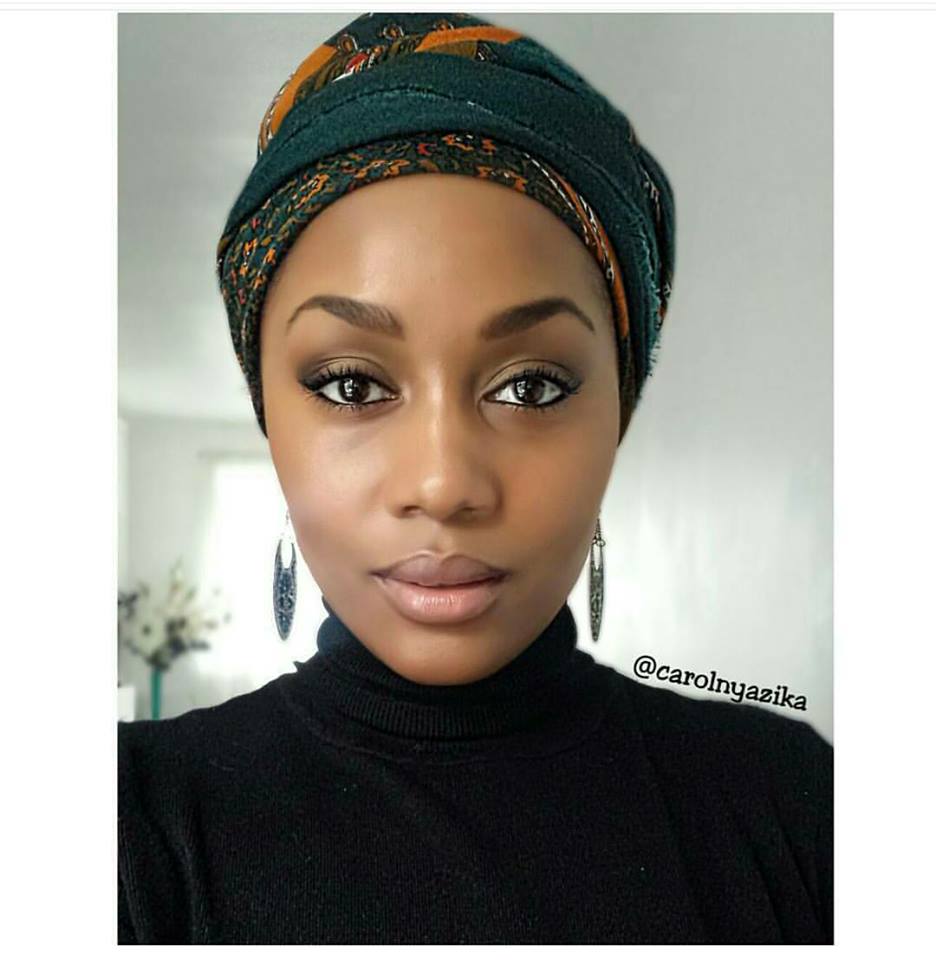
Moving back home was a strategic decision for Carol Nyazika, founder of African Women Awards (AWA) and the founder of Ndanaka. SLA contributor Glenda Makumbe met up with 27-year-old Carol Nyazika just a day before she travelled to South Africa. Carol has been based in the UK for the past 10 years but just recently moved back to Zimbabwe. She studied social work at Sunderland University, is a trained organic skin care formulator and is very passionate about women in business. Carol credits her passion to her very ambitious female family members. In this chat with Glenda, Carol shared the reason behind giving her blog a Shona name and how she founded her own version of Black Girls Rock, the African Women Awards. Let’s talk about Ndanaka. What is it and how did it come about? I started Ndanaka in 2011 when people were not really talking about natural products. Ndanaka started as a lifestyle blog that promotes natural skin and hair care. I was suffering from dry skin and my mother was also going through a phase where her skin was breaking out and all the products she was using were not working for her. I started mixing up a few things for her that she could try. I am actually a trained formulator. So, creating was just me putting what I learnt to practice. I gave my brand a Shona name because there are so many products out there with either French or foreign names. We can hardly pronounce them but we learn to. So, I knew that there was no harm in giving my brand a Shona name and to be authentic about it. The word Ndanaka has several translations and can mean “I am beautiful” or in slang, “I’m good“. What challenges have you faced as a black African woman living abroad? I relocated to Zimbabwe in April this year. That was a very strategic move for me, to grow Ndanaka and be fully present to grow AWA. As a black African woman living in Newcastle, I realized at the time that there were not many black people. Therefore, it was not easy to get access to things like makeup or good salons that met the needs of the black woman. Many people had to go to Leeds or London to access such things. Tell me about African Women Awards (AWA). How and when did it start? Ndanaka came before AWA and the plans for Ndanaka led to AWA. After looking at Black Girls Rock and the BET awards, I realized that we could not narrate our own stories as Africans and we did not celebrate each other on a continental level. The only other awards ceremony, within Africa, that successfully do this are the MAMA’s.I decided we needed something for the African continent that would recognise all the brands, names and phenomenal work being done. Zimbabwe is the pilot for AWA and the awards are in their second year. Next year, we will be moving to a different country. Therefore, each country has an opportunity to host the African Women Awards. What setbacks have you faced, especially with AWA? People thinking I was a bit too ambitious because they just could not see my vision. I had someone tell me that I was better off having a TV show where I just interview the women. Lisa Chiriseri understood my vision and joined me on this journey that we are now on. A lot of people were not confident in AWA as it was something new but now, the confidence that people have in the initiative is amazing, We have moved from the venue that we hosted in last year to a much bigger venue this year. We had embassies present that represented the women who were nominated from their country and accepted the award on behalf of the winner who wasn’t in attendance. The minister of women and gender was also present. Is there anything in your educational background that helps in managing your business? I think my background in social work really gives me a head start on how to read people. I can pick up on body language and that is something thats essential in business. How do you balance your time between running Ndanaka and AWA? It’s actually three things that take my time, Ndanaka, AWA and my 9-5 job (Get Cash). I have an amazing team at both Get Cash and AWA. You need people to help you execute goals and a strong team to hold you accountable. There’s also a business balance between Lisa Chiriseri and I. She is the co-founder of AWA. That has also helped tremendously. Which African woman has had the strongest influence on you? My mother, she has taught me so much about life and has helped mold me into the person that I am today. Ellen Johnson Sirleaf, only because she is the first female president. Natalie Jabangwi of Ecocash, a money transfer mobile application in Zimbabwe. Mo Abudu of Ebony Life Television and of course, most of last year’s AWA’s nominees. With so many distracting influences, how do you stay true to yourself? At times, you do not even realise that you are being influenced but I have a lot of people who keep me accountable. I find balance through that and they keep me in check. What work ethic is important to you? Discipline. You can be motivated for a while, but it’s only with discipline that you can accomplish anything. What should we look forward to from you in the next five years? Ndanaka will be recognised across the continent. AWA will be a household name and internationally recognised. Married with little Carols, maybe. Lastly, three words to live by? I will use a phrase instead, “It’s not over until you are dead.” It’s never too late for a lot of things. Just don’t stop Want to see women you know featured on SLA? Tell us what amazing things women are doing in your communities here.
Twitter Chat with Olebogeng Sentsho: The importance of women owned businesses in male-dominated industries (Oct. 20)
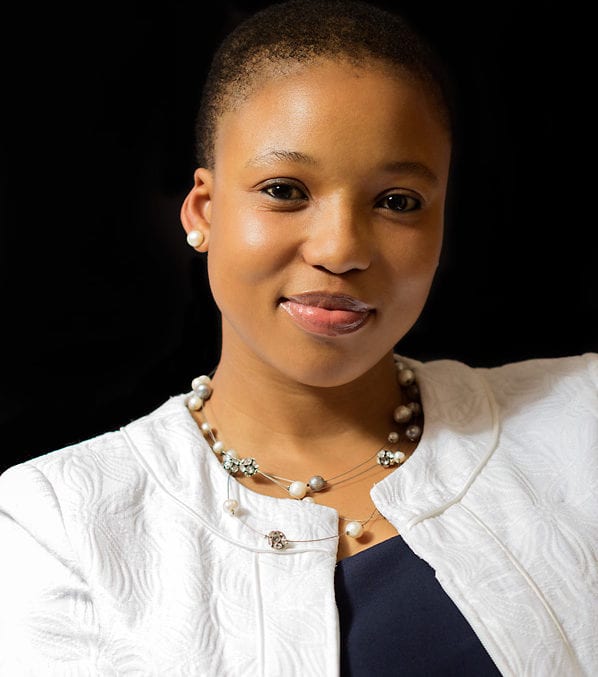
Women have been making their way through traditional male professions for a while now. The latest industry to be tackled by women is mining. How is this move affecting the industry and the pioneering women that have decided to take it on? Join us Thursday Oct. 20th for a twitter chat with Olebogeng Sentsho, founder of Yeabo Mining, a 100% black-woman owned business that focuses on waste management in the mines and also offers administrative and financial services related to mining. If you’re a woman looking to break into a male-dominated industry, a swag-assisting man knowing how to support women in these initiatives or just curious about boss women in South Africa, then you should definitely be a part of the chat. Follow She Leads Africa on twitter and use the hashtag #SheHiveJoburg to ask your questions and participate in the discussion. Topics that we’ll cover: Why male-dominated industries need more women The perks and set-backs of an all women owned business Challenges of being the only woman in the room How to reduce gender imbalances in more industries Advice to women trying to break into the industry, and men who want to help them Twitter chat details Date: Thursday Oct. 20, 2016 Time: 8am NYC // 1pm Lagos // 2pm Joburg Location: Follow She Leads Africa on twitter and use the hashtag #SheHiveJoburg About Olebogeng Sentsho Olebogeng Sentsho is a serial entrepreneur with interests in mining. She is currently the Founder and Head of Operations at Yeabo Mining, a strategic waste management company with plants in and around Limpopo. Olebogeng studied law at the University of the Witwatersrand and is currently pursuing her Masters degree in Business Administration. Mrs Sentsho is also the Founding Chief Executive officer of the newly founded Mining Innovation Initiative of South Africa: a non-profit organisation of businesses and individuals in mining and mining services. MIISA works to promote, enhance, innovate and improve the mining climate in South Africa by catalysing innovation and promoting thought leadership and mining development to the general public, protecting the rights of mining businesses, and assisting these businesses to improve their sales and profits while actively enhancing their contribution to the communities in which they exist. A recipient of the inaugural “Outstanding woman in Mining Award” at the Youth in Mining Business awards, The Head of the Mining and Technical Engineering Services Sector at the Progressive Youth in Business Organisation and a panelist at the recently held “Youth in Mining Procurement Transformation Summit”, Olebogeng is passionate about investment, the African economy, mining and socially responsible business practices. She believes that a more structured and Afro-centric approach to mining will grow the African economy and enable Africa to benefit from the minerals it rightfully owns. Olebogeng believes in the dawn of Africa’s secondary economy driven by industry and the green economy.”
Chido Munei: Don’t be afraid to do things your way
”Few women work in mining, technology, transport and the construction industries, even worse is that fewer women are CEO’s of large companies. I often have people asking me how I ended up in a male-dominated industry, I just smile. They wouldn’t have asked me that question if I was a man.” This what my friend, Chido Munei said when I interviewed her about her role in construction. I wanted to know about the challenges she’s faced working in a job that many consider to be for men. Chido studied architecture at The National University of Science & Technology and currently works as a senior architect for a top internationally-recognised architectural firm in Johannesburg, South Africa. Architecture requires a lot of dedication and hard work. This coupled with the inflated egos of men in school caused some of Chido’s friends to drop out. Chido talks about the important of women being as vocal as men and asking for what we deserve. What made you choose to study architecture? Originally, I chose it because I always admired it as a very creative profession. We spend most of our lives in buildings, you know. The fact that you could have something that you’ve designed in real life and people admiring it everyday was appealing. I figured it would be a good career option because the opportunities for business and the pay-offs are quite fulfilling. What’s more, at the end of the day you are creatively satisfied and proud of your work too. How did you make it as a woman in a male-dominated field? Does your gender have an impact on your performance? One of the biggest challenges for me was breaking the perceptions that certain jobs are for “males” because they require skill sets which are more associated with men than women. I believe the confidence to complete my degree in the first place is what helped me get ahead. Most of my male classmates had inflated confidence levels that I found intimidating. Majority of my capable female friends dropped out because of fear of the challenges and intimidation. Another thing that I’m really proud of myself for is how successful I’ve been at working and negotiating my way up. It can be intimidating to ask for a promotion or raise in the first place. But, I’ve been so determined that my hard work has paid off and got me to a senior architectural position. This has empowered me and given me the courage to conquer regardless of how male-dominated my industry is. So NO!, my gender has not hindered my performance in any way. You too can do this, ladies! What advice would you give to women trying to break into a “male-dominated” field? First, make sure you know and understand your field well. Competition is tough, and to be a success you need to market yourself and your brand well. Get as much experience as you can, both in the office and from construction sites. Education is not just that which you receive in school, but the skills and knowledge required of an architect is broad. I’ll advice the following; Take the initiative and be assertive: Don’t be afraid to do things your way. Believe in yourself, and in doing things your way to get your ideas out there. Practice your emotional intelligence skills because developing a thick skin and sense of humor will help get you further. Speak out and ignore the stereotypes: If you take this personally, you wont go far. There will always be people that will try to pull you down but learn to hold your head high, and just be who you’ve got to be. Men can be very vocal about what they want and we need to do same. Make it clear that you know you deserve what you’re asking for. Network, support and share ideas with other women: Surround yourself with both men and women, who are smarter than you. Participate in women forums and groups. As women, we should provide ongoing support, understanding and opportunities and in the process make new friends too. Empowering each other helps us build personal success stories in such industries. Engaging with people who inspire you, helps you develop confidence and self-respect. Get a mentor: When you have someone who encourages you to reach your full potential, you have the best business teacher and friend in the world. You can learn a lot from those already doing great things.
Pearl Lebusho: I don’t want young people to make the same mistake I did
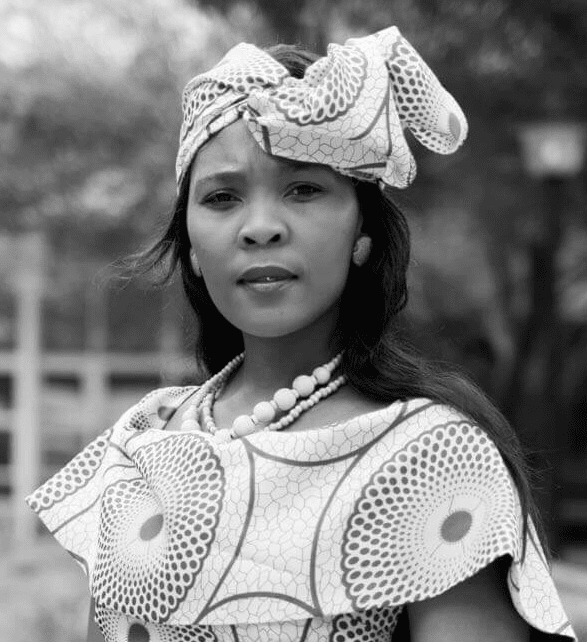
[bctt tweet=”I had only one pair of jeans to wear to college and that motivated me to work extra hard” username=”SheLeadsAfrica”] Pearl Lebusho may have left university twice yet she devotes her time to ensuring girls stay in school. Coming from a rural community, Pearl knows first hand how schools can leave girls poorly informed on what to expect at university. Driven by her passion to help young women from disadvantaged backgrounds, Pearl started the Miss Free State Schools Pageant. Miss FS Schools Pageant is a learning and social reformation programme that inspires and encourages young girls in South Africa’s Free State province through beauty pageants. This builds a community of models and supports girls who see modelling as a career. When Pearl isn’t busy with the pageant, she helps girls attend the Matric dance (aka prom night) by providing dresses. She speaks candidly about dropping out from university and growing her social ventures. You have mentioned that you don’t have a university degree but have pushed others to getting theirs. Tell us about it I dropped out of university twice. The first time was in 2003. I enrolled for a qualification in Information Technology (B. Com IT ) at the University of the Free State. I was accepted. However, I had no clue of what that course entailed as I was from a previously disadvantaged school where we did not have career guidance or development. The qualification was not what I expected. To start with, I had no background of accounting and computer from school. I failed my major course and NSFAS took their loan back. My mother could not afford my fees as she was going through a divorce then. What did you do next? I had to be enrolled to a college the next year. My granny had to pay for my studies out of her little pension money. I had only one pair of jeans to wear to college and that motivated me to work extra hard. That year, I got the best student of the year award. I further completed my certificate in web design in 2004 and NQF Level 5 system support engineer in 2007, both in IT. I was forced to work and study to make it possible. My granny encouraged me to finish the qualification even though I was no longer interested. Then bang, it was the best idea because it got me a job. But you were not happy with your 9-5, why was this so? It was not enough that I was in a job. I was not happy, not only because I did not enjoy the work but because my heart was crying for the young people who were coming from the same background as mine. I was scared that they would make the same mistake I made. In 2008, I started my school visits where I would speak to Matric students in schools and send them bursary applications. That was not enough as it was not resolving the core of the problem —why young people find themselves in wrong or unfulfilling careers. I continued to assist others with career advice but as I was not qualified to do so, I knew I had to get trained. [bctt tweet=”My heart was crying for the young people who were coming from the same background as mine” username=”SheLeadsAfrica”] Now, I am an accredited career guidance practitioner and have assisted thousands of students through my foundation, It’s Possible. I am now looking into having a Degree and PhD in Psychology and be a registered with the Council of Psychologists in SA. What has held you back from returning to university? First, time management. In 2010 for the second time, I enrolled at the University of the Free State and I was accepted in the faculty of Humanities to study a degree in Psychology. I was also a newly-wed wife and a new mother of a 1 year old boy. With little money to afford a helper and stuck in a demanding job, I dropped out again. This time because I did not calculate my risks and plan my time. I made a loan to finance my studies and all that cash was flushed in the toilet when I did not finish my studies again. However, I managed to finish and obtain the accreditation certificate in career development. Another issue is finances. I have now three children that I need to pay school fees for and three younger siblings who are at university that I am also expected to support. I am currently trusting God for my breakthrough so that next year, I can have financial assistance to fund my studies. The reason why I say I do not have a degree and do not mention my other college qualification, is because I want to see myself one day with my degree in Psychology. I want to be registered as a professional councillor so that I can fully advice young people about their careers and on the importance of choosing the right qualification. Also, I want to own a walk-in centre where kids will have access to such information. I see myself referred to as Dr. Lebusho in the near future. [bctt tweet=”The reason why I say I do not have a degree, is because I want to get my degree in Psychology one day” username=”SheLeadsAfrica”] Tell us about the Matric dance, how do you ensure the project goes smoothly? Where do you collect dresses from? The Matric dance is a project that I started in my Matric year. I had a friend who was a top performer in our class. As she was from a disadvantaged family, she could not afford to attend the Matric dance. She did not have clothes to attend the dance with so I approached her and asked if she would not mind me lending her my evening dress. She agreed and I did exactly that, we bought her a cream relaxer and her sister did her hair.
The Omotola way: 3 lessons on work and life
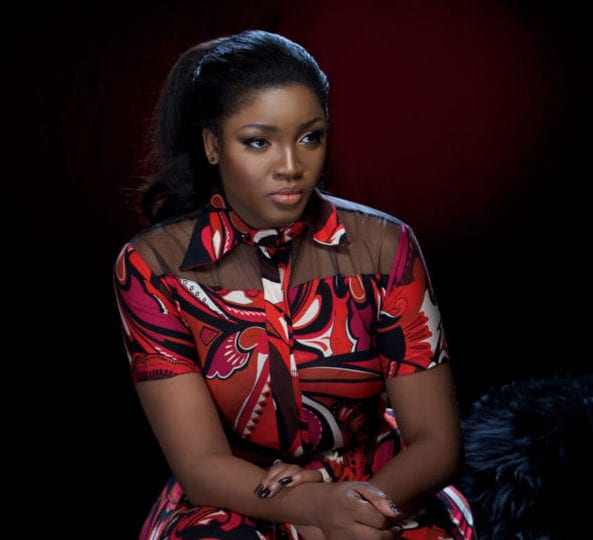
The Omotola way answers a basic concern. As a woman, the one question that has or will cross your mind is how to pull off a successful career and a happy family all at the same time. This is a question that does not seem to bother the opposite gender so much. Anytime we see one woman doing it well, it’s always a wonder how exactly they do it. Omotola Jalade is one such woman; with 300 movies under her belt, several awards to boast of, a music career, philanthropy, four beautiful children and a happy 20-year marriage to boot. This is definitely one woman that works hard and has got everything to show for it. In many ways, Omotola exemplifies all of the advice I have received about life from many different corners. Let the countdown begin. #3 Success follows hard work For the number of movie appearances that she has made, coupled with her modelling and music career, not to mention her philanthropic activities, Omotola has had to put in a lot of man hours. Omotola seems to prove Malcom Gladwell’s 10,000 hour rule for perfecting your craft. In one article, she told how she went back to work barely a month after her first child was born. While some might frown at this decision, it would seem Omotola knew all too well what she needed to do to get her career going. #2 A happy family is a woman’s real success Omotola has never been shy about showing off her beautiful children to the world. If the support she receives from them is anything to go by, then she must be doing something right. A major piece of advice that I have never forgotten was from one of my aunts who told me that there was no such thing as a super woman. You can’t really pull it all off without making decisions that create room for you to do so. Omotola shared with Ndani TV that one of the ways she was able to put in the needed time in her career was because her children were in boarding schools. It gave her time to focus on her career and trained her children to be independent. Having her children at a young age also seems to have worked to Omotola’s advantage. She also says that she is not shy about disciplining her children as she was when she was growing up. Her tough mum act has produced some exemplary children who are off doing great things even at their young age. #1 It matters whom you marry ‘’Your spouse can break or make you career, so it matters whom you marry.’’ One of my mentors told me that once. Omotola says that her husband has been her biggest supporter; 20 years into their union, it is no wonder she has been able to make such great strides. Matthew Ekeinde, himself a busy and successful pilot, has not failed to give his wife the space she needs to grow in her career. In an interview with the Daily Mail, Matthew said he has never been threatened by her success. He, in fact, met her when she had just one movie under her belt and he has seen her rise in her career. These lessons from Omotola inspire on balancing work and life. What more lessons do you think Omotola can teach #MotherlandMoguls?