
5 ways to start building your political career
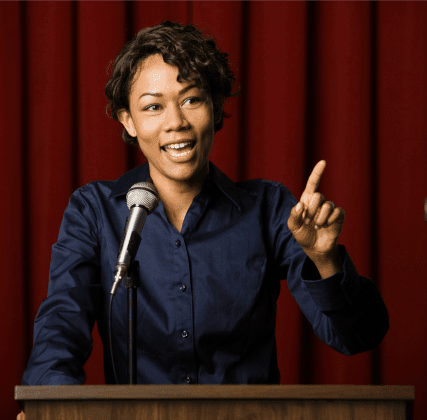
Today more women are taking charge and running the show in different capacities as businesswomen, captains of industries, CEOs, academics, and professionals. Yasss! Salute to all the Motherland Moguls making it happen. For the longest time, politics all around the world has been referred to as the big boys’ game. Well, hold the door fellas because more girls wanna come in and play too. Why politics? It’s simple. There are various issues that affect us African women such as those tendered in the Nigerian Gender and Equal Opportunity Bill which failed to pass for the second reading in the Nigerian Senate. Some of these issues include access to education, divorce rights, ownership of property. To get the laws that will favour us, we need better representation in government. An article in the West Africa Insight declares that women are usually found at the bottom of the political chain; organizing, supporting, and acting as spectators as opposed to leading and initiating. Traditionally, the woman is relegated to the background and as such this practice has found its way into political participation. In the ECOWAS parliament, we have only a minute number of female parliamentarians. Nigeria has one of the lowest numbers of female senators and ECOWAS parliamentarians (6.7% of parliamentarians in Nigeria are female). Despite decades of self-governance, this country has produced only two female governors in its entire history. Does this mean that women are uninterested in politics? Of course not. While we recognize that the participation of women in politics has been an immense struggle with several factors working against us such as financial constraints and cultural inhibitions, we must rise to the occasion. We commend the efforts of countries like Rwanda, South Africa and Namibia for taking a feminist stance in political representation. However, several African countries are still lagging behind. We need to rewrite the story of women in Africa and it starts with every single one of us. Politics is not confined to running for office either. Some of us will rise to become the most influential persons in the government’s cabinet as ministers, commissioners, advisers and administrators. It’s not just about women issues. If we are qualified and passionate about good governance, then we should put ourselves out there. If you have a dream to create an impact in your constituency, by all means work towards it. Where should you begin? For those of us who would like to make our foray into politics, these are some of the steps we need to be taking: 1. Start young It’s not too early to plot your map and begin making steps towards your political future. Now is as good a time as any. Take a leaf from Lindiwe Mazibuko, former parliamentary leader for the Democratic Alliance in South Africa who made history as one of the youngest parliamentarians. She decided to veer into politics after being intrigued by her future party’s dynamics making it the focus of her final year dissertation in university. 2. Get involved with a cause You need to be known for something. This is the time to begin to carve a niche for yourself. What social issues are you most passionate about? There are several campaigns that you can get involved with depending on where your passions lie. Volunteer within the community. Propelled by crises in her own life, Joyce Banda, Former President of Malawi inspired and impacted the lives of women and children battling systemic abuse and poverty even before assuming public office. She also fought to enact bills protecting women and children when she gained a seat in parliament. 3. Align with a mentor Network with the people who can kick off your career and fund your aspirations. According to Political Parity, a platform aimed at helping women achieve their political aspirations, more women remain at the bottom tier because of lack of access to funding. Mentors who are able to relay their experience as well as provide resources and connections play an invaluable role in an aspirant’s rise to success. 4. Develop the right skills to stay relevant Hanna Tetteh became an indispensable member of her political party in Ghana after a worthy performance managing its communication strategy. She has been described as an expert negotiator and it is no surprise that this skill has helped keep her at the top of the political ladder. What skills can you start to develop that will be useful when you begin building your political career? 5. Become an expert in your chosen field As a young woman some people may already have their doubts about you so it is extremely important that you become a master in your field. Former Nigerian Minister of Finance, Ngozi Okonji-Iweala had a long career as an economist rising to one of the top positions in the World Bank before entering government. Despite controversies, she was a prized asset in President Jonathan’s government due to her level of expertise. Thulisile Madonsela became Public Protector of South Africa after receiving a 100 percent vote from parliament. She holds a BA in Law and an LLB, she was also awarded three honorary doctorates in law after an impressive record in public service. She was involved in the drafting of South Africa’s constitution amongst other notable feats. No one can deny that she knows the law and would be an effective advocate for South Africans. Begin to build a worthy resume by deciding what area you intend to become an authority in and by working diligently at it. There you have it ladies, 5 steps that can help you ascend the political ladder. What moves will you be making?
6 steps to building the confidence you need to bring your blog to the masses

Have you ever wanted to share something with the world, but you’ve hesitated? You ask yourself, ”can I really do this? Will people like what I produce?” I can relate. Putting yourself out there is daunting – the Internet can be a scary place. If anyone had told me a year ago that I’d be running my own website, www.abiola.me and sharing my thoughts on life and faith, I would have laughed in their face. Me? Faith? My experiences? It didn’t sound very glamorous and we all know it can be a touchy subject. After months of umm’ing and ahh’ing, I decided to take the plunge. Since then, I’ve found that the world of writing isn’t so big and scary after all. In fact, there’s a lot of good that can come from joining the conversation. Now I’m going to share 6 steps to help you to launch your blog with all the Naomi Campbell-level confidence you can muster. Step 1: Believe in your product and it’s purpose First of all, your product (or in the blogger’s case, content) should be something you’re passionate about and you think other people will enjoy. I didn’t start Abiola.me just cause I ‘wanted to have a blog’, that’s not enough to sustain you when the novelty wears off. From chatting to friends and strangers alike, I could sense that we were all looking for something ‘more’ in our lives, that missing piece. Personally, I had found something that had a huge impact on me, and I had a strong feeling that other people might find it useful too. In true Olivia Pope style, I decided to trust my gut. A strong belief in your product will eventually outweigh your self-doubt or fear of what people might say. Step 2: Your online voice is unique, believe in it, develop it Next, think about your tone of voice. This is one of the most important things as it helps people to buy into and believe in what you’re offering. I decided that I wanted my blog to be approachable and relatable, kind of like speaking to a wise, trusted friend. Each time I publish a blog post, I continue to ask myself, do I sound like that friend? Asking yourself these questions regularly will help bring your content to life. But I can’t write as well as some of the other people out there… I hear you say. Listen, no one becomes good at something without practice – don’t ever let that put you off. We all have to start somewhere, as long as you’ve got your spelling and grammar down, you’re good to go. If you need help, send a draft post to a friend for feedback – that’s what I did at the start and it worked like a dream. The key is to share it with people who are supportive but also comfortable with giving constructive criticism. Remember that this entire experience is a learning opportunity, and waiting until you’re ‘perfect’ is unrealistic (even the Chimamanda Adichie’s of this world have still got stuff to work on! We all do). Step 3: Take the plunge, spread the word The next thing to do is to tell people! It’s really that simple. When I first started my blog, I told no one except 4 or 5 close friends. Even worse, when I added new posts I didn’t tell anyone at all because I was too shy. This is where belief in your product and yourself becomes super helpful: I knew what I was creating was useful and I was putting in too much effort for it not to be shared. So I decided to finally put on my big girl pants and spread the word, what was the worst that could happen? Sharing wasn’t easy – the very first day I prepared my social media promo posts, I was nervous. I knew deep down that I would never feel 100% ready, I’d always find another excuse, so I just did it. Sometimes, you’ve just got to close your eyes and go for it. It’s like jumping into a pool, you’re hesitant at first but the adrenaline pushes you to do it anyway, and once you’re in you realise that it’s actually pretty fun! It also gets easier the second time, then the third time, and suddenly you’re 6 months down the line telling everyone about it. The best thing about sharing is that it’s infectious. If people like your product they will share it their friends without you even asking. I have had colleagues, old university mates and acquaintances tell me how much they enjoy reading my work. But it’s up to you to get the wheels turning; you are your first and biggest cheerleader, so never be afraid to lead the pack. Step 4: Be sponge, soak it all up Congrats, you’ve made it to Step 4 in one piece – not so bad is it? Next, absorb lessons from everyone (and everything) around you; articles, blogs, other people, celebrities – whatever. Inspiration comes from the most random places. So many things inspire the way I write, the images I use or my future plans. Also, never underestimate the power of your own story, even though learning from your peers and the gawds is important, don’t forget to get busy living. Be open to discussion, collaboration and feedback – there’s nothing like bouncing ideas around with people you respect, whether that’s friends, family, mentors, your readers or your peers in the writing game. What you choose to do with the feedback is totally your choice, but always be open to listening. Step 5: Your non-writing experience is relevant too Ever had a job or been in school, university or college? These experiences have helped you to develop the prioritisation and organisational skills you need to keep your blog alive. Developing content takes commitment, dedication and sometimes saying no to brunch (#tears) or staying awake for an extra hour. Being able to keep yourself accountable
Kalinè: You don’t need the ideal situation before you do something with your talent

Singer, pianist, composer and producer – Kalinè is an artist of many talents. The Berklee College of Music graduate inspires her fans through her genuine and unique lyrical style while navigating the Nigerian musical industry as an independent artist. After getting her start in the industry ten years ago, she has remained a self-managed artist who believes that the beauty of not being on a label or represented has given her the power to make decisions about her musical career—what she wants to do and how she wants to do it—all of which have molded her as the artist that she is today. She Leads Africa spoke with Kalinè about her journey as an artist and entrepreneur and why honesty is her favorite form of inspiration. You published a piece on your blog Self-Managed- 9 Reasons why you should be your biggest cheerleader. Why did you decide to self-manage as opposed to hiring someone to do it for you? The ideal situation would be to have a support system in a formal way, or to have a team. However, I got to a point where I was looking for people, as opposed to being found. It is a lot better to be found by a manager as opposed to looking for one or paying for one. This is because they are coming on board knowing exactly what you want to do and they have a passion for what you are doing. I’ve learned to be discerning about who I want on my team as well. I have come into my own, and embraced the challenge that a self managed artist has and I try to use that to encourage others by saying, you don’t have to have the ideal situation before you do something with your career or talent. That is how the self-mantra was formed; by embracing it and seeing the beauty in it—until the right person approaches me. We all know that building a brand is filled with everyday challenges, some big and some small and aggravating. What’s your favorite challenge that you have tackled and what did you learn from this experience? Patience is the biggest thing for me. In this industry it used to be so difficult for me to see other people making a success of their talents and passions. I’ve learned that patience is the most important thing. Everyone has their own journey, their own timelines and trajectories. There is no use being anxious or worried about what is going to happen. I strongly believe that I will get to where I want to go. I must be patient about with the recourses I do have. Since you self-manage, this must also mean that you manage your own social media sites? If so, how have you built an online community around your brand? What advice would you give to other entrepreneurs around building passionate fans and active online communities? Be true to yourself. Be authentic and genuine, whether on Instagram or Facebook or Twitter or Soundcloud. I try to give valuable advice or useful and relevant information to my followers and supporters, while constantly remembering to be myself as I do so. It is also good to have goals for each platform. Your Instagram followers are very different from your Facebook followers, likewise your LinkedIn followers. Figure out, what exactly do followers want to gain from the different platforms? It is a learning process, and a trial and error. From your social media pages, I can see that you’re inspiring your followers in everything that you do—whether it’s singing or blogging. How do other activities that you partake in, inspire your work? Photography, reading, social messages, conversations, and social issues inspire my blogging and songwriting. At Berklee School of Music I studied film and music scoring. I’ve written music for commercials, and teach piano to little kids. Being an artist is a full time job. Everyday there is something to do—from social media, to practicing for a show, to styling, and to rehearsing. What female artists do you gain inspiration and or empowerment from? Adele, her honesty inspires me. Lianne Lahava, Laura Mvula—to name a few—teach me to stay true to myself and to write from an honest place. How do you define yourself and your music, in terms of today’s climate? If you come to one of my shows, you will hear reggae, highlife, pop, R&B and classical elements. The common thread that runs through all of my songs are honesty and elements of truth and authenticity through my repertoire. I am influenced by too many things to really put myself in the box. I think that is where the world is headed—no longer really saying. Everyone is going into various genres; as the Internet and social media become more accessible around the world, we are all going to make music that we love and we know we will communicate to our followers and our fans. What tips do you have on negotiating how much you get paid, how do you determine doing a free show or not? It all depends on the type of gig, and how many minutes they want you to perform; how many songs they want and the number of instruments needed. All are determining factors and more—styling, makeup, and hair—help me to determine how much to charge. However, creativity is relative. Some people have a budget. When you get to a point where you are trying to negotiate then other things come in, such as whether it is for a good cause or if it will be really good exposure for you or performing in front of an audience that you do not get to perform in front to often; or even someone saying, I will cover your costs but not pay your labor fees. There’s also the situation where you have the opportunity to leverage off the people who ask you to perform—if they can open some doors for you, or introduce you to certain people and not pay
Covert Allies: A tale of Nigeria’s secret feminists
As a Nigerian woman, I have a lot of things on my mind. Things such as the disappointment about the Nigerian Senate recently not passing the Gender Discrimination Bill. Or the daily panic that there would be a power cut as I’m putting on my makeup and getting ready for work. My mind is full. I now have to add the pressure of saying the words ‘I am a feminist‘ into the mix. The words are easy for me to utter, but often heavy for others to accept. The reactions are often disdain from a lot of men and suspicion from a lot of women. This surprises me greatly. What’s really wrong with demanding gender equality? It is surprising because to me, it is very evident that we Nigerians are all feminists – whether obvious or covert. Take, for instance, the working mum who says that feminists are unhappy spinsters who are angry with the world because they can not keep a man. This working mum is educated up to university level. She has a career where her salary is paid into her own bank account. She can post her thoughts on social media without her husband’s permission. She is a covert feminist, reaping the fruits of trailblazing feminists before her. But please, don’t let her know about it; that would spoil the secret. Actually, there are covert feminists! We definitely mustn’t forget the special variety of feminists which are the secret male feminists. They are often belligerent and patronizing to women who declare themselves to be feminists. Don’t you dare as a woman turn down the advances of the secret male feminist; he will ask you why you’re carrying this ‘feminist-thing’ on your head. His disdain for you would be oozing out of his pores. However, watch the secret male feminist talk with pride about his mother who worked several jobs against all odds to make sure that he got an education. Watch him puff out his chest when he announces that his wife has bagged a Masters Degree with distinction. Watch him talk with concern as he worries that the secondary school where his daughter is studying isn’t up to world-class standards, and therefore not allowing her to reach her full potential. Watch him talk with frustration about what to do his sister’s boss who sexually harasses her. Watch him look horrified when you call him a feminist. Who is then a feminist? To quote author Chimamanda Ngozi Adichie, ‘a feminist is a person who believes in the social, political and economic equality of the sexes’. That’s it. Feminism is not a cult for angry women; it is a movement which simply suggests that men and women should be treated with equal respect, consideration and dignity. When this is fully understood, bills which would protect the right of a woman to inherit her husband’s property would be passed into law. When this is fully understood, secret feminists-male and female-would come out of the dark shadows cast by misconceptions, and stand tall for equality. It would be one less burden to have on my mind as a Nigerian woman.
Odunayo Eweniyi: I kept going on interviews but was never hired
Odunayo Eweniyi’s story is one that is probably familiar to most young graduates. Leave school excited for the real world. Apply for several roles and go out on interviews. Wait to hear back from the interviewers. Keep waiting. Keep waiting. Keep waiting. Give up hope and become a permanent indentation on your mother’s couch. Instead of just wasting away until a job found her, she went out and created her own job by forming PushCV. The Chapter Lead for the Nigerian chapter of Women in Tech Africa, wanted to create a platform where qualified candidates could get connected directly to job opportunities and cut through the delays. Odunayo shares with us where she thinks most young Nigerians struggle with getting a job, how she’s differentiating her company and what she believes is the most important element of a CV. Why did you start PushCV? We started PushCV right out of university. When I graduated I went on a couple of interviews and I never even heard back, despite being told that I passed the interviews. It went on like that for a bit, plenty of CV submissions and no call backs. So PushCV was borne of a personal need. I wanted to be more involved in how employment is done. We started PushCV because we thought that employment and recruitment could be done better. Every other service was going digital, so why couldn’t recruitment move with the times? Hence we launched PushCV for people – both employers and job seekers – to fully harness the power of technology in the search for the perfect candidate or the perfect job. In what areas do you think most young Nigerians struggle when it comes to finding a job? I have heard employers complain that great candidates don’t exist and I have heard job seekers talk about the lack of jobs. While there’s a degree of truth in these claims, the problem is more of a divide between the employers and job seekers. The struggle is essentially in two places. Employers struggle to find the best suited candidates for their vacancy, and the truth is that sometimes, those candidates do not exist. As a result job seekers struggle to mold themselves into the cast of the perfect candidate. But really the biggest problem is employability. Most of the graduates in the country currently lack the technical or soft skills that would satisfy prospective employers. That is why PushCV is committed to bridging that divide. We created the Elite Employee Quest for this purpose – to isolate the already built up candidates and put them in front of employers; and to work with and on the jobseekers that are lacking in some respect, and make them better. We aim to make every candidate into the perfect candidate by building all aspects of them – soft skills, innate employability, interpersonal skills etc. We do not send candidates who have not met our rigorous standards for interviews. How do you ensure Push CV stands out against all of the other job search platforms on the market? We never stop innovating because we listen to our customers. We believe that we can only move forward when we are fulfilling a pain, not just a need. We have a robust feedback system that we use to track customer preferences of employers and job seekers. What do they want? How can we make it better? Those are the questions that we answer and use those answers to develop a constantly evolving product. What can we expect to see from Push CV over the next 6 months? Over the next 6 months, I think that you can expect to see us gaining an even stronger foothold in the market. The next 6 months will see us pushing the boundaries and bringing better alternatives into the very traditional world of recruitment. Unemployment is one of the biggest problems that Nigeria is facing. As someone who is committed to education and labor and I feel privileged to run a startup that wants to solve this problem. I think that the one thing I can promise is that we will do our absolute best to bring unemployment to the barest minimum. We often employ unconventional methods, so people can expect more outside the box thinking from PushCV over the next few months, What is the most important element to a CV? Here, I should tell you that it’s your “Work Experience” or your “Education”. But really it’s just the top third of your first page. The average resume gets about six seconds of review time before it’s either retained or pitched. So, you need to make a compelling argument for yourself in those six seconds. If the top of your resume works hard and quickly makes your case, you will be retained for review consideration.
How to get discounts and sponsors for your next event
When you’re just getting started, the hustle for customers and publicity is real. You need to get your product in everyone’s face in the cheapest way possible. Events seem to be a favourite for their ability to generate brand exposure and activate your fans. But events cost money and most companies just starting out, don’t really have any so the hunt for sponsors and discounts is on. Everyone wants sponsors, and discounted products and brands get requests from everyone all the time. If you want to stand out and get brands on board for your event, follow these steps for your next event. 1. Start early Give yourself at least 3 months before the event to start looking for sponsors. This can be a long and tedious process and you don’t want to rush at the last minute. 2. Pull together your facts Create a budget as if you were going to pay for everything. This way you are clear about what everything you want costs. Then decide what things are the most important and what things you can afford to lose, if you had to. 3. Decide what you are able to pay for Most of the time it is advisable to pay for the items that the event can not run without. This way no matter what happens, you’ll still be able to run your event and be in control even if a sponsor falls through. However having the money and being prepared to pay for them does not mean you can’t ask for sponsorship. You can also use this during negotiations to let them know that you aren’t just looking for handouts. Brands want to know that you’re investing your own resources to make the event a success as well. 4. Determine if you want a discount, product or cash So many start-ups request cash for their events but that is always the hardest thing to get from a sponsor. Think about what kind of support a brand can provide via in kind services or through exchanges. By being creative in this area, you can strike deals. 5. Decide which sponsors you want to approach and why Beyond just the financial value, think about which brands you want to be associated with your business. Even though you’re just starting out, you want to make sure you’re working with brands that connect to your values and identity. You also want to target brands where whatever you’re offering in return actually matters to them. Most companies that provide sponsorship are looking for the advertising opportunities or to connect to your community. Some may just be happy to support but these companies are few and far between. Generally, everybody wants something in return and you need to figure out what that is. 6. Do your research Call people you know and find out as much as you can about other events this company may have sponsored. Look online for their values and if they have a sponsorship request form. Use LinkedIn to find the right contacts in marketing or communications departments. 7. Prepare a sponsorship package that is targeted at the sponsor Do not ever send a generic proposal. That is the fastest way to get your proposal ignored. Looking for another way to get your proposal in the trash? Have another company’s information in the proposal. That’s a big no no. Spend the time demonstrating that you’ve done your research and know exactly why you want to work with this brand. 8. Send your e-mail Be clear, polite and straight to the point. Ask for a meeting, whether online or face to face so you can explain further and build a relationship. If you have chosen your sponsors carefully you should at least peak their interest in you. 9. Keep track of who you have approached and when If you haven’t heard within 5 days try and follow up with a phone call. 10. Ensure you are able to fulfil the offers you provide sponsors Sponsors can become long term partners if they like your work ethic, product and customer service. Treat sponsors the same as customers. Ensure you have clear agreements so that everyone is on the same page and you keep in touch after the event. Be creative, keep going and good luck with getting them coins!
7 inspirational websites you need to follow
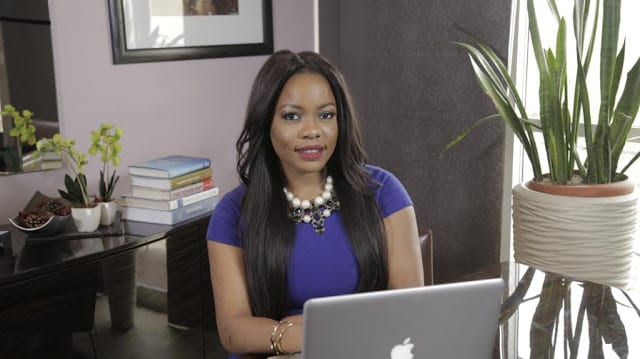
The most beautiful thing about being a young professional or career woman today is that your knowledge isn’t limited to what you can find in your neighbourhood or community. The digital world allows you to connect with experts and information from across the globe. Whatever issue you think you might have, there are probably 100 or so websites that can help you solve your problem. While there are over a too websites we love, here are 7 of our favourites that help us stay informed, motivated and ready for whatever life throws at us. 1. Smart Money Africa The Smart Money Movement is championed by financial guru Arese Ugwu. Her website provides a platform for young people to learn to manage their finances better by knowing their net worth and prioritizing the accumulation of assets over frivolous spending. In other words, being smart about your money. Keep an eye out for the blog, the Smart Money Workshops and the Smart Money Journal. They will literally change your life. You’re welcome. 2. Minding Her Business Young? Ambitious? Fabulous? Ready to move to the next level of all-round wellness? Then you need to be minding her business. Starting out as a series of motivational quotes on social media, MHB evolved into a practical guide for the modern woman in the form of an e-book covering financial success, self-confidence, love and relationships. Navigate the site to get inspired by Ivy’s story, keep afloat with the blog and to get acquainted with the book. 3. Ms Afropolitan If you’re searching for a space to address your feminist woes and reaffirm your womanhood in the African context, then this is your destination. Through its blog articles, this website dissects topical issues such as colonialism, race, politics and what it’s like living in Diaspora. It offers strong, powerful, relevant messages for women of colour. 4. Haute Fashion Africa Haute Fashion Africa is basically the fashion portfolio for the modern African woman. This website is on top of all that’s happening in the African fashion stratosphere. We’re talking all the fashion trends, the major fashion shows in different African cities, profiles on designers, stylists and models. 5. Food and the Fabulous This lifestyle website showcases cuisine and culture from all over the continent and the rest of the world. Award-winning South African journalist, Ishay Govender-Ypma takes you on a journey with the Food and the Fabulous Food tours introducing you to Cape Town’s mouth-watering dishes. Many of these recipes are available for you to try out. You can also gain travel inspiration and take a dig at current issues. 6. Travel Africa Story Sure you’ve heard the saying that one’s education is incomplete without the experience of travel. This inspirational site features travel experiences and highlights amazing travel destinations from across Africa. If you need ideas for your next vacation, check out ‘Travel Tips & Trips’. With several helpful articles and feature stories on travel etiquette and fun things to do on your trip, it’s an amazing travel guide. The best part? You have the opportunity to tell your own travel story and get featured on the site. 7. She Leads Africa (duh!) Did you think we were going to leave this out of the list? Think again. SLA is arguably the #1 go-to website for young African females with a focus on getting started or improving their careers and business. It’s a resource pool packed with power articles and insight from the co-founders and diverse team of editors and contributors. It also features practical tips and advice, webinars, access to career coaches and more. The SheHive events which bring together the SLA community and industry leaders are hosted in various cities around the world. Motherland Moguls, let’s get surfing! Share with us what some of your favorite websites are to check out. Besides us of course 😉
Isn’t it time we stopped following the rules?

When I began doing business and the chase for clients began, I think I probably felt every emotion there was to feel sometimes all at once. The need to maintain customers, rules of the business world, the attempts at adjusting or learning to adjust to the demands of each customer and even getting used to the word “customer” or “client’ and the wonder and satisfaction that I too had something like that. One day, a friend who also runs a business showed me a picture online that said “power of feminism” and another that said “I’m a strong, independent woman. I have a mind of my own”. I nodded in approval and said I was going to use it as my Whatsapp profile picture and she agreed distractedly but when I suggested she do the same, she gave me a very alarmed look saying; “Ah! Noooo! One has to be very careful in business, don’t forget my clients are also on Whatsapp, many of them are men and I might lose them”. I was instantly reminded of medieval women. Not just in Africa but in Greece and Rome too, I remember reading that women who worked were looked down on as the lowliest of women and were not allowed to earn more than a particular amount. Women could own anything including land but had no authority to give them away or sell them; even their dowry was not essentially theirs, it belonged to their husbands and in the event that the husband died it belonged to the son and in the event that there was no son, it belonged to the next male in the family. They had no inheritance, only dowry. Inheritance was for the sons and if there were no sons, fathers arranged to adopt one or arranged for a potential son-in-law to agree to adoption and drop all former familial ties. If the father made no such arrangements before dying then the daughter became an heiress and any man was free to make a bid and marry her. If she was already married, any man strong enough could force her to divorce her husband and marry him. The basic goal was for the woman to not be in charge of any wealth. I read that the famous Plato suggested that dowry be removed to “curb the arrogance of women” and some said that women could not act independently because of what was described as ‘lightness of the mind’. They had to be modest and restrained and possess a certain kind of sense of honour prescribed for them by society. What struck me though was reading that women had the choice to break out of such oppression —at a cost, yes— but they had the choice. They could have made a collective agreement with a firm mind assured in its own belief or they could have buoyed each other to action…but it never happened that way. It was always one woman springing up separately after the other. I sensed an age-old lack of assertion. Once I visited a potential sponsor for a project in the works and we began conversing in the way of two strangers attempting to build a bridge of familiarity. There was a patronizing superiority in the air as soon he began to talk about career women and what they really should be doing —not career. After minutes of hmms and head-shakes in an accommodating manner, I knew I didn’t agree. I didn’t agree at all…and I wanted to say exactly that. Then I remembered my friend from the other day and knew I could possibly be treading a risky path but after another couple of minutes, I took a good look at my company… This person who saw the importance of the matter at hand but didn’t quite take me seriously so found a way to veer off it into domestic topic, who did not know me but brazenly advised that instead of web design, I should have gone into food business because it was more suited for women, who even more brazenly asked how much I was being paid, who casually asked if I ever consulted a career counsellor. So I spilled. Smiling. I disagreed nicely. It suffices to say I didn’t get that sponsor. I wondered what would have happened if I had frowned… The need for the choice of bold assertion especially for women goes beyond the office, it encompasses every sphere of life because so far it’s been particularly tough for the female folk. What wins in the battle between our cautious conservative side and our radical side? When do we truly understand that although we might not be able to fly always, we’re certainly not as restricted as we fear or as we are told? With the times changing, it still seems as though many women persistently —some knowingly— kowtow to the past and the stubborn insistence of many to hold on to its traditions. We have reached several turning points but how many of us have really chosen to turn? What do I think? It’s simple. Put your resources together and construct a new platform that makes you proud. Follow an inspired feeling not a rule book. Society has never really known what women needed, what they are truly. The phrase “inner queen” may sound cliché but it is truth and we need to push it forward and assert our right to exist and be free in truth —not the existence and freedom grudgingly meted out by society. Stop the subdued success act! Be especially articulate about ideas, needs and desires And if it causes some drama? Don’t be afraid. Sometimes we need a little drama to motivate us to make changes and improvements to our lives
Remi Owadokun: I started with N10 and now have customers in 7 countries
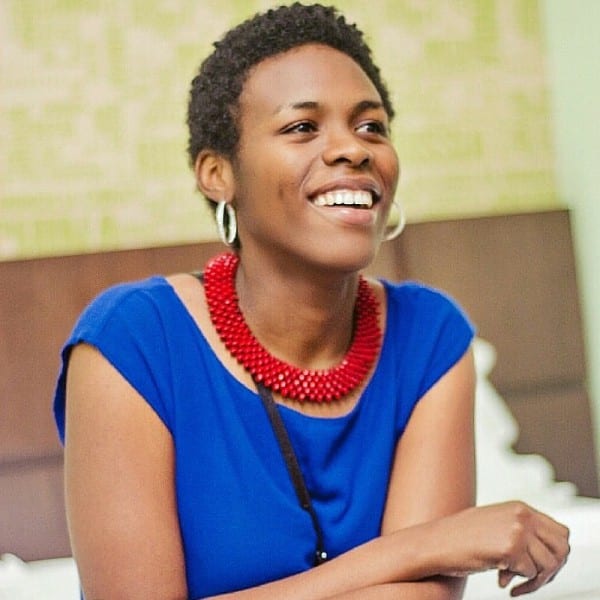
Remi Owadokun used a major life change to kickstart her online business as a weight loss coach and nutritionist. She also used that motivation to start an online video series that spreads health consciousness in a fun and interactive way. Remi shares with us her thoughts on what’s keeping young women healthy, how she started her business with only N10 in her wallet and how she’s planning to take her business global. Why did you start the Total Makeover Program? I started the Total Makeover Program when I made the decision to change my life and lost 40kg. During this process my life was transformed emotionally, financially, spiritually and mentally and I wanted other women to experience this power as well. The first thing that came to mind was simply to blog about my experience because many people who knew me wanted to know how I did it. How many people do I want to tell? So one weekend I sat down and started compiling my experiences. Once my blog was up I started sharing it via email to friends and family. When I went out and people asked me about my health transformation I always referred them to my blog. It was meant to start and end there but I started getting a lot of feedback from people who wanted me to keep writing. There were people who had started their weight loss journeys simply by reading my story and I started getting emails from people who wanted me to coach them. I initially said no because I was not comfortable with people coming to me or me going anywhere. But one day, a lady emailed me and said; “Please coach me, we never have to meet, just email me meal plans and exercise plans.” That was when it occurred to me that I could turn this into an online business. I imagined that if one person was interested, I could get more people interested too. Why do you think most young professional women struggle with living a healthy lifestyle? Many young women are misinformed about what good health means and how they can maintain a healthy lifestyle in today’s environment. Most people assume that someone who is healthy is slim. This is not always the case, there are several “fit looking” people who are unhealthy. They eat junk, don’t sleep well and are constantly stressed. Most people assume that by just eating right and exercising, you will automatically be healthy. There are many factors that contribute to being healthy and whole. You can eat all the greens in the world and exercise 2 hours a day, if you are a bitter, angry person, you are upsetting your biological make up. You can actually find rare cases where an individual eats all sorts of crap but because she is happy and fun loving may end up being in a healthier state than most. Being healthy and living a healthy lifestyle requires a more holistic approach that most ignore. The tendency is to focus on just one area of life and ignore the rest. What makes Total Makeover Program different from other health startups? Most health start ups focus solely on exercise and diet. At TMP we focus on two things: primary and secondary foods. Primary foods are things that feed us but don’t come on a plate like love, relationships, career, spirituality, education, etc. Secondary foods are the items we actually eat on our plates every day. We know that there is no point trying to control your diet if you don’t focus on the things that trigger you to eat. If we can fix the triggers then we worry less about your understanding of food. Most people are emotional eaters but most start ups never focus on the emotions. People eat when they are happy, sad, angry, stressed, etc. For some people a fight with the significant other that displaces them and sends them into over eating. For others it is boredom, being stuck in traffic, or a fight with their boss. I don’t see the point in telling people if they are ill equipped to deal with their emotions when stressful situations arise. I want to avoid the situation where someone I’m working with faces the same triggers and they revert back to their old habits and get so disappointed that they don’t want to try again. Life can be unpredictable and it is unhealthy and unwise to build our lives based on the happenings around us that are outside our control. At TMP we empower you to take full control of the only thing you truly have control over, YOU. For your business to get to the next level, would you prefer funding or a mentor? Which one would you choose and why? I started this business with N10 in my wallet and built it to where it is without needing to look for funding. I would pick mentoring any day as I have always had mentors and I understand the role they play in my life and how they have created opportunities for me. Proper mentoring provides value that will eventually translate to money. As a thought leader and as a mentor, I find that people who have worked with me are more impacted by the time spent together than anything else. Money will finish, then what next? What can we expect to see from Total Makeover Program over the next 6 months? I have coached a little over 80 men and women 1-on-1 in 7 countries in the last 20 months. There is a limit to the amount of people I can coach 1-on-1 , so I am currently creating an online course where people all over the world can download, partake and achieve results without having me there full time. I recently became an international best selling author for my book “How I lost 40kg” when I hit the number 2 spot only 8 hours after it’s release on Amazon. My next book is due in December and I hope to hit number 1. I am also starting the
Webinar with Clarissa Bannor: Managing The Freelance Life (Apr 22)
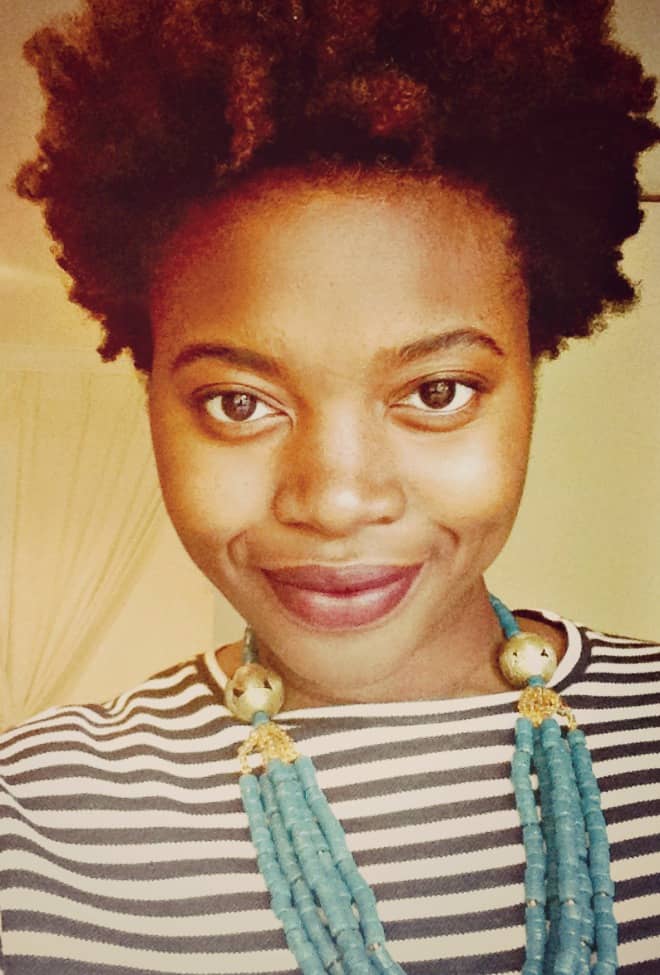
Missed this event? Make sure you don’t miss the next one by joining our community today. Salute to all the Motherland Moguls out there who’ve decided that they’re going to use their hard earned skills and talents to freelance full time and create an independent lifestyle for themselves. While the daily independence and opportunity to wear sweatpants while taking conference calls is exciting, not knowing where your next paycheck will be coming from and how to access bigger opportunities can be very stressful. If you want to maximize your life as a freelancer and grow your business, join us on Friday April 22 for a webinar with Clarissa Bannor who has built a successful career as a freelance writer and public relations consultant so that she can spend more time with her two daughters. Some of the topics we’ll cover: How to build your portfolio and find new opportunities Tech tools you can use to manage your time, finances and projects How to make sure people actually pay you on time What to consider when thinking about how much you’ll charge Webinar Details: Date: Friday April 22, 2016 Time: 10:00am EST // 3:00pm WAT // 5:00pm EAT Location: When you register below you will be sent the private webinar link About Clarissa Bannor: Clarissa Bannor is a Ghanaian-American freelance writer and publicist. Get Out There PR (GOTPR?), her boutique PR agency, is her solution to helping startups, creatives, and small businesses gain market share and international visibility on a shoestring budget. She blogs at www.ThisAfropolitanLife.com.