
Keoratile Ngobeni: I wasn’t going to waste a year of my life doing nothing
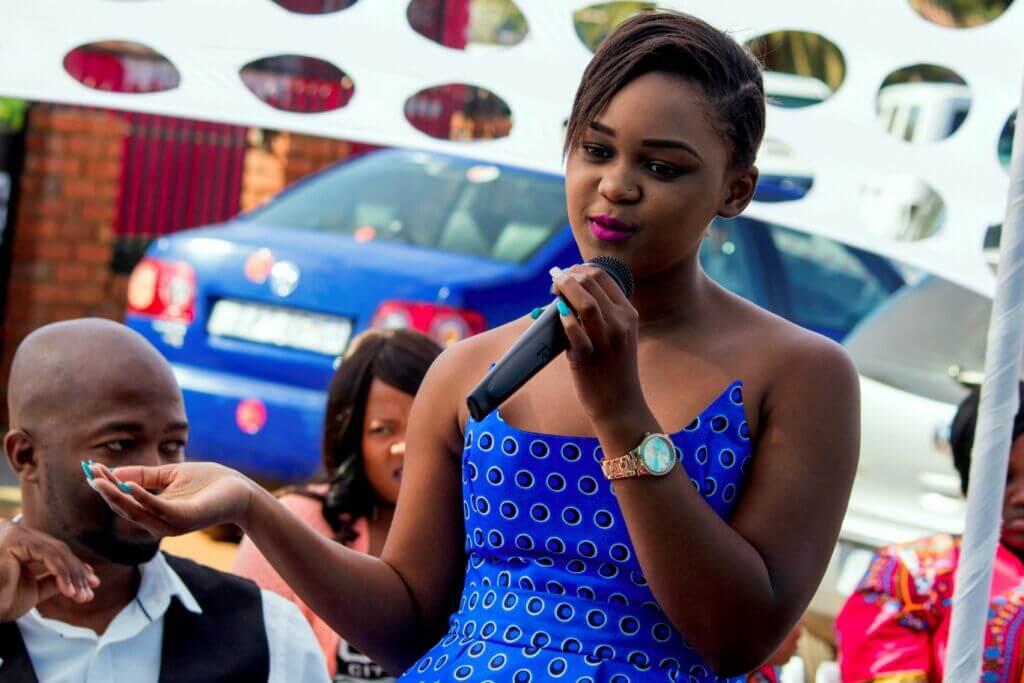
[bctt tweet=”Keoratile Ngobeni: I started Queen Mentality after I was forced to take a gap year ” username=”SheLeadsAfrica”] Who says you’re too young to be a philanthropist? That person should meet Keoratile Ngobeni, a 20 year old feminist and philanthropist from Mabopane, South Africa. Driven by her passion to empower women and develop youth, Keoratile founded Queen Mentality. With the tagline “Fierce. Fearless. Focused”, Queen Mentality works with women through seminars, events, workshops and community projects. This is all to raise a “generation of Queens”. When she’s not focused on turning young women into queens, Keoratile Ngobeni writes and works her hustle as a business woman. Tell us about Queen Mentality. What motivated you to start this organisation? Well, I started Queen Mentality after I was forced to take a gap year this year. I had told myself that I wasn’t going to waste a year of my life doing nothing. I knew I’d rather spend time impacting the lives of people in whichever way that I can. Queen Mentality strives to bring out the best version of the women (and men) we cross paths with. Since you took a gap year, what would you love to study and why? When I first applied to university I had applied for International Relations and Politics. I got accepted to study it but unfortunately I didn’t manage to register. Now, think this was the best thing to happen to me then because I have since changed my mind. I want to study Law. I was going to be stuck with a course I’m not passionate about. [bctt tweet=”Keoratile Ngobeni: I’m going for everything they told me I wouldn’t achieve” username=”SheLeadsAfrica”] What is your greatest strength? My belief in myself. It took me a long time for me to believe in myself and now that I do, I’m going for everything they told me I wouldn’t achieve. It’s what keeps me going. What is your biggest achievement So far, Queen Mentality is my biggest achievement. It has opened a whole lot of doors for me and made me grow into the woman I am today. Condoms or pads? Why? Definitely pads. As much as unwanted pregnancies and STDs are important for people to refrain from, a woman does not choose to go on her periods —even when she can’t afford too. You don’t hear that boys skip school because they don’t have condoms! Over 6 million girls skip school every month because they can’t afford sanitary pads for their cycle. [bctt tweet=”Keoratile Ngobeni: Queen Mentality has made me grow into the woman I am today” username=”SheLeadsAfrica”] Love or money? Money! As much as money doesn’t buy happiness. I don’t think I’d personally ever be TRULY happy if I were deeply in love but I didn’t have money to afford essentials. Name three things in a women you find attractive. Confidence Ambition Giving credit to other women! For example, congratulating or being happy for another woman who is doing well for herself, telling other women their people, not having the “pull her down syndrome“. Want to see women you know featured on SLA? Tell us what amazing things women are doing in your communities here.
Adelle Onyango: Live your best life
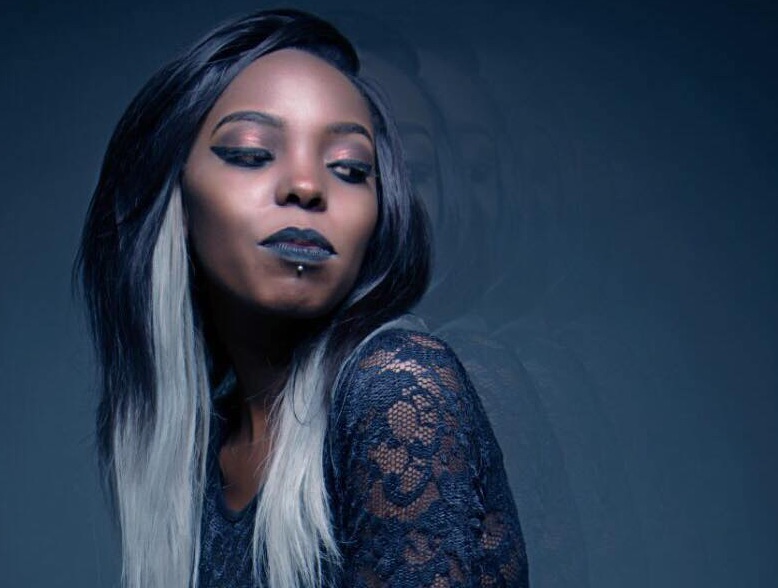
[bctt tweet=”@ADELLEO is the true definition of keeping it real, don’t @ us” username=”SheLeadsAfrica”] When it comes to keeping it real, Adelle Onyango is the true definition of just that. A successful radio personality, a poet, an actress, a social activist and all round advocate for youth and women empowerment, this young Kenyan is a woman of many talents but manages to remain her true self despite the fame. Adelle’s humble yet infectious nature has millions tuned in everyday and she has used this platform to give a voice to the voiceless, initiating projects targeting the youth who she believes have the power to change the world. Get a glimpse of life according to Adelle Onyango in the interview below, conducted by SLA contributor, Diana Odero. Why did you decide to join radio? Was it always something you wanted to do? I guess it was subconsciously. I’d record myself speaking over my sister’s cassettes. I studied journalism but my concentration was public relations. I really though that’s what I wanted to do but since day 1 of being on radio, I think I’ve found my home. In light of your new position as host of the Breakfast Show on Kiss FM Nairobi, how did you prepare for such an important yet challenging role? What lessons can you share with us on taking risks? Well I didn’t know I was preparing for it, but all my days in radio have prepared me for this. Even the challenges I thought were unnecessary have proved necessary now. I think we should all strive to live our best lives and take each opportunity that lands on your path. Because that’s how you learn and that’s how you grow. [bctt tweet=”Adelle Onyango – I think we should all strive to live our best lives” username=”SheLeadsAfrica”] As a radio presenter and social media influencer, you have made your name into a full blown brand – #TeamAdelle. How do you keep your audience engaged and ensure the growth of your brand? This is going to sound cliché but honestly I keep it REAL. There’s no real formula to being you. You just BE YOU. I meet up with members of team Adelle and we even have leaders and various departments. I’m passionate about the youth and getting them to work with each other in changing the world and so I try and work with them towards that. What does team Adelle have to look forward to in the coming new year? Intimate mentorship sessions and a brilliant fashion collaboration that I’m so excited about! [bctt tweet=”@ADELLEO – There’s no real formula to being you. You just BE YOU. ” username=”SheLeadsAfrica”] You recently launched the ProjectSHE campaign. Can you tell us about it and what inspired you to start this movement? I wanted to share stories of conquests. So many times, we get stuck in an abyss of negativity thinking the issues we’re battling are unique to us. But when you hear that someone faced the same issue and overcame it –it’s inspiring! So, my team and I gathered stories of conquests from Kenya, France, Australia, South Africa and shared them with the world online. Your journey to where you are now has not been a walk in the park but you have managed to come out stronger and better. How do you find strength to face difficult days and/or overcome difficult situations? After losing my mother, I am very aware of how fleeting life is. So, everyday I just want to live life to the fullest but also live my best life. That motivates me. What has been the proudest moment of your career? Honestly, I do not think I’ve achieved half of what I want to achieve in life. When that happens I will have a proudest moment. Until then, I’ll keep mastering my craft. [bctt tweet=”@ADELLEO – I do not think I’ve achieved half of what I want to achieve in life” username=”SheLeadsAfrica”] What are 3 things about you that most people wouldn’t know? I’m extremely shy –quite the introvert really. I love baking. My fave pastime ever is reading and analyzing poetry. A little strange but that’s me! Lastly, what mantra do you live by? Live your best life. Want to see women you know featured on SLA? Tell us what amazing things women are doing in your communities here.
Nathacia Olivier: The right place, the right product
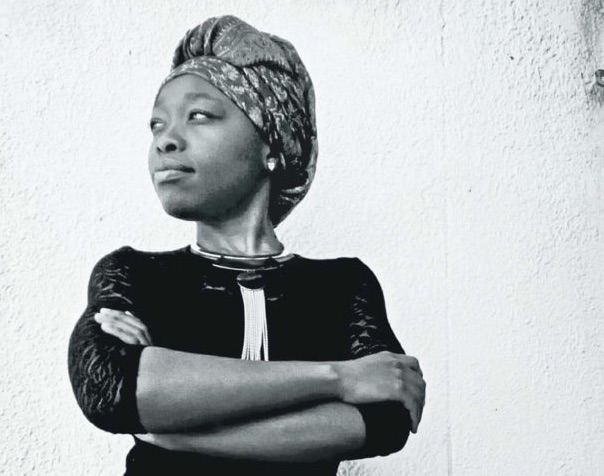
[bctt tweet=”@OlivierNathacia noticed that women like strong role models & used this in her strategy” username=”SheLeadsAfrica”] Indoni is an African-woman owned company based in Ekurhuleni that produces skin and hair care products made from 100% natural ingredients, food compounds and essential oils that contain healing properties. The company firmly believes in the “essence of natural African beauty”. The word “Indoni” is a Nguni, isiZulu name inspired by the realisation that the beauty of a woman is curved in her naturalness. Nathacia Olivier has always believed in being beautiful the natural way without having to spend thousands of rands on things that will eventually burn, damage and agitate the skin. SLA contributor Goitsemang Mvula recently caught up with Nathacia Olivier. She asked about a subject that is vital in business, especially a product based company, product placement and development How wise is it to opt for an intensive distribution with the type products that you are selling and also breaking barriers in international distribution? It was really hard to come up with a distribution strategy that would attract people and also push them to earn more for themselves each day. Going international is challenging when you consider factors such as shipping, communication, currency, advertising and the likes. To what degree does the using an influencer such as Miss South Africa, play a role in attracting customers? I noticed that women love anything and everything that has to do with beauty and fashion. They also follow strong female role models. Liesl Laurie, Miss South Africa 2015 (2nd Princess) is a very good friend of mine. Her agreeing to become part of Indoni was an amazing opportunity as she also feels very strong about being natural. [bctt tweet=”“Indoni” is an isiZulu name inspired by the fact that the beauty of a woman is in her naturalness” username=”SheLeadsAfrica”] Liesl also does a lot of talks related to women, hence she immediately connected with the vision that Indoni has. Getting her to the skin retreat bootcamp attracted a lot of women, her support made them want to use Indoni products and become part of the team. Is it advisable to use consumer testing on your friends and family before you go out to the markets? Testing is one process that has been giving me a headache ever since the inception of Indoni. Yes, we started testing the products with family, friends and myself —I loved the results that came out. [bctt tweet=”Nathacia Olivier: We started testing Indoni products with family, friends and myself ” username=”SheLeadsAfrica”] At the moment, Indoni products are not tested yet women use the products. We are still busy working on that. We are in the process of getting all the products tested by next year. Want to see women you know featured on SLA? Tell us what amazing things women are doing in your communities here.
Achenyo Asimegbe: I wanted to be my own #boss before 30
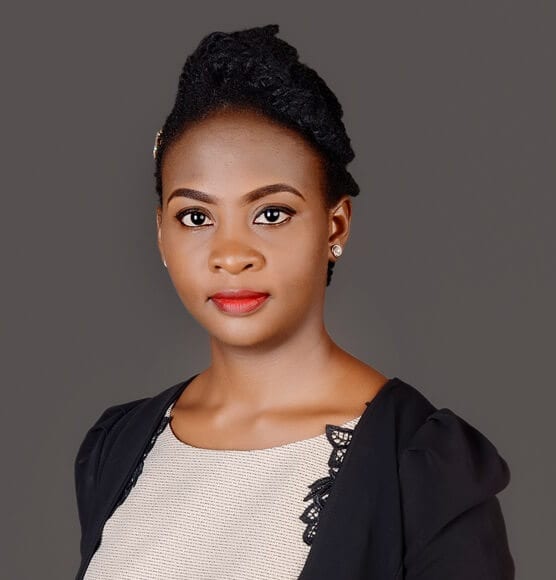
[bctt tweet=”Achenyo Asimegbe of @Stylemarkmall shares her story from quitting her job to serial entrepreneur” username=”SheLeadsAfrica”] How many of your friends are dissatisfied with their jobs and are always going on about quitting (even if they never do)? Achenyo Asimegbe is one of the few who have braved the resignation path. As with most things in life, it wasn’t easy. Achenyo had to quit her job when a transfer request was rejected. First, she had to face family and friends who thought she was making a mistake and ruining her life. Then, came those months where the reality of no salary coming in hit home and Achenyo considered going back to the office life. Yet since making the decision to become a #MotherlandMogul, Achenyo has grown to be a serial entrepreneur. She retails children’s clothing and accessories at Stylemark Mall and trains entrepreneurs and start-ups through Stylemark Pro Enterprise. Achenyo Asimegbe is also a mentor with the Cherie Blaire and Tony Elumelu foundations, supporting other women in businesses. Why did you decide to leave banking? I have worked with two commercial banks, Spring Bank PLC & Enterprise Bank Limited, for a total period of 5 years. I had so much passion for the job. However, one day I decided to request for a transfer. I was in Minna, Niger state and wanted to move to Abuja, where my husband just recently found a new job. I had written formally and pleaded with my superior officers to simply transfer me on marital grounds. Yet, the transfer request was not granted. I was told there was no space at all, in any of the numerous branches the bank had in Abuja. Prior to this time, I was gradually getting dissatisfied with the job. I realized that in all the 5 years I had put in, I had not really achieved anything great in life. I had already decided that I wanted to be my boss and set a goal to do so before I turned 30. When my transfer request was not granted, I was 29 years old. After been told all the no’s and that the transfer will not be possible, I made up my mind to quit. And so, I resigned to fully pursue my passion and accomplish that dream of being my own boss before I turn 30. Did you get any support from your friends or family when you made the decision to quit your job? How did you overcome that? When I made up my mind and resigned, not too many people agreed with my decision. Getting friends and family to be on the same page with me was very tough. Everyone felt I was making a mistake that I may regret later. But I kept telling them that I know my strengths, capabilities, and I have great skills. I knew I would be back on my feet very soon. Every day I would get calls from friends/family, telling me about job offers they saw on the net, newspaper and so on. I knew that chapter of my life was over, but they were still tied to the career person I had been in the past. As days and months went by, they began to see the reality that I had moved on. [bctt tweet=”Achenyo Asimegbe: I resigned to accomplish that dream of being my own boss before I turn 30″ username=”SheLeadsAfrica”] What happened immediately after you resigned? After resigning from my job, and staying 1-2 months without a salary coming in, I grew worried. Then I began considering going back to a paid job. At this time, I had not really figured what exactly I wanted to do next. So, I began applying for jobs all over. I attended interviews but most of the organizations wrote back informing me that I wasn’t selected. This happened more than five times. Then I had enough and said I wasn’t going to apply for jobs again. I decided to start a small business and become self-employed. So, I took a bold step and started business. I established Stylemark Mall, an enterprise that deals in children’s clothing and accessories. Our target audience ranges from new-born kids to 15-year-old teenagers. I have recently become a serial entrepreneur adding a new line of business, Stylemark ProEnterprise, a capacity development centre. One of our products is the SME Springboard, a platform designed to assist Micro, Small and Medium Enterprises(MSMEs) realize their growth potentials. What other projects are you currently involved in? I have so much I’m working on. I am working on launching my clothing line for children, which is really exciting for me. Still, I’m taking it one step at a time. I have over the last 3 months, been organizing trainings/skills and acquisition programmes for women, in Abuja. This is just as a way to give back to society and encourage women to start a small business. I am also a mentor on Cherie Blaire Foundation for Women in Business, and Tony Elumelu Foundation for Entrepreneurs. [bctt tweet=”Achenyo Asimegbe: I wouldn’t have spent all those years in banking & started my businesses” username=”SheLeadsAfrica”] If you could go back in time and change one thing in your journey, what will it be? I most certainly wouldn’t have spent all those years in banking. I would have established my businesses earlier than now. But in all, I am grateful to God for all the experiences and lessons as along the way. If you’d like to share your story with She Leads Africa, let us know more about you and your story here.
Dede Reelia Kouevi: It’s okay not to have it all & still make your vision come to life
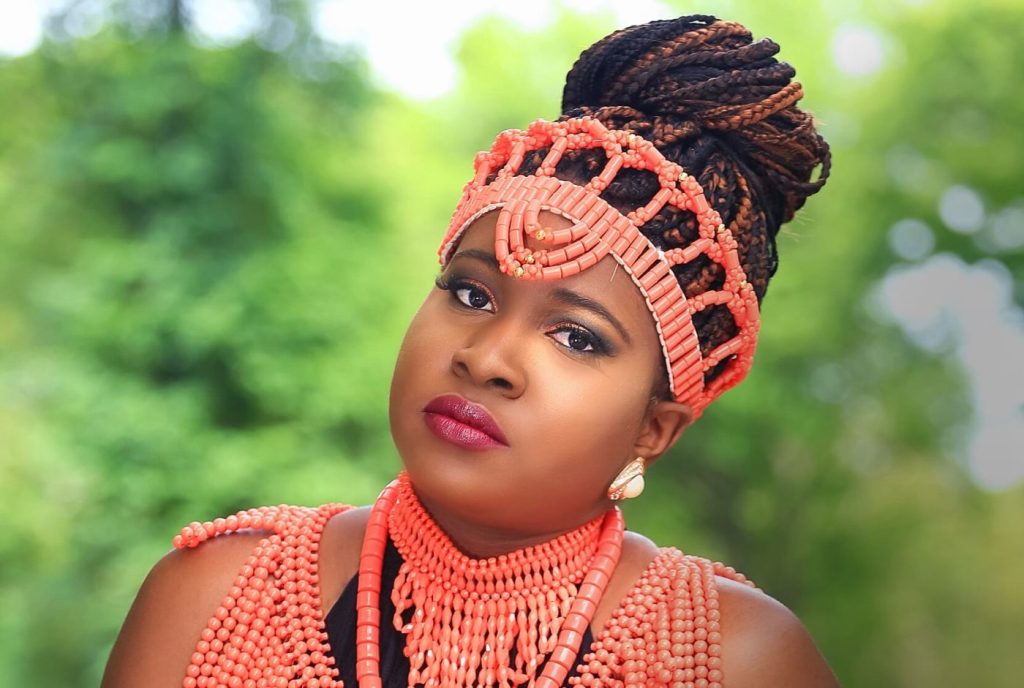
[bctt tweet=”Dede Reelia Kouevi: I bought a Christmas ornament from a $1 store & turned it into an earring” username=”SheLeadsAfrica”] When your grandparents, mother and aunts are tailors, you’re pretty much guaranteed to be a fashionista. Dede Reelia Kouevi was born in Togo to a fashion-forward family, now she’s made her mark as an accessories designer. Her brand UniqueByReelia features vibrant, colourful jewellery and accessories but Reelia isn’t limiting herself to accessories. In the three years since UniqueByReelia launched, Reelia has showcased her designs in shows such as Black Fashion Week Montréal, Fest Africa 2014, African Fashion Week DC and Ankara Fashion Week Miami. Now she’s trying to host her own show in Italy, the Afro Expo Fashion Week. Reelia is very familiar with the difficulty that comes with getting into shows as a young designer and wants to provide a platform for designers like her. Why start Unique by Reelia? I started UniqueByReelia because I always knew I was going to be a fashion designer. I started showcasing at different fundraisers since I was in high school with clothes my mother used to make me from Togo. I knew that I wanted to move to New York to pursue my dream and find a way toward my goal. When I moved to New York, I was hoping my school will have a few designing classes. But that wasn’t the case! It was just a regular private university. In my sophomore year, I decided to start making accessories. One day, I went to a $1 store, bought a Christmas ornament and turned it into an earring. I wore it around my campus and my friends loved it. That was the beginning of UniqueByReelia. I thought to myself if I can start with accessories and make my way up, in the future I will be able to dress people from head to toes. [bctt tweet=”Dede Reelia Kouevi: I wanted to be ambitious and a go getter, somebody who empowers others” username=”SheLeadsAfrica”] What was the spark that lead you down this path? When I was in high school, I attended modelling and acting classes at John Roberts Power. I wasn’t getting gigs and I met other young dark-skinned African girls who were in the same boat as myself. There are people who are driven to be models and willing to learn, yet they were not given the opportunity to do so. I thought to myself; instead of waiting for other people to give me the opportunity I’ve waiting for, I can create that opportunity for others. I loved the idea of being a designer and helping other young models live their dreams. Since I started UniqueByReelia, I have inspired other girls to find confidence through modelling as well. I’ve worked with all types of models, curvy, skinny, tall, starters, pregnant women, as well as some super models and top models. Tell us about being at the Black Fashion Week in Montreal. How did you get there? The Black Fashion Week in Montreal, was an amazing experience. I’ve been looking up to Adama Paris ever since I started my brand. Adama is ambitious and fashion icon, I felt like that was the woman I wanted to become. I wanted to be ambitious and a go getter, somebody who empowers others. So, when an opportunity presented itself, I did everything to make it happened. I’ve became friends with her on Facebook and Instagram. She posted about the Black Fashion Week event and was looking for designers. I applied, they loved my designs and accepted me in. The show participation fee, the transportation and my accommodation came up to a total of $3000. My school refund checks, my fiancé and my dad helped me go to the Black Fashion Week project. [bctt tweet=”Reelia realized at an early stage that many people don’t really value accessory designers” username=”SheLeadsAfrica”] Do you believe you’re limiting yourself by focusing solely on accessories? No, I am not limiting myself by solely focusing on accessories. I recently launched my clothing line 6 months ago and I’m currently working on my swimwear collection for spring/summer 2017, which am very excited about. I just wanted to push my accessories line to the top. First, because I get to create them myself and I wanted to do something different through my brand. I realized at an early stage that many people don’t value accessories designers the way they value clothing designers. So, I promised myself that I will be the best in order to inspire other accessories designers. Being an accessories designer is not easy, we brainstorm too, we sit down and create stuff. We use our hands more than machine. How can you not value something like that? Sometimes I cry when I bring some of my designs to life. I remember going to shows where I had the privilege to showcase my pieces on my own. At these shows, other accessories designers had to pair their pieces with clothing designers. Don’t get me wrong, pairing up designers is not as bad as it sounds. Still sometimes you just want the stage to yourself, you know. [bctt tweet=”Sometimes Dede Reelia Kouevi cries when she brings her @UniqueByReelia designs to life” username=”SheLeadsAfrica”] We stumbled upon your IndieGoGo page for the Afro Expo Fashion Week Italy. Can you tell us how you first heard of this event? Well, Afro Expo Fashion Week Italy, is my own fashion show. This is a show I’m organizing in Italy. My initial idea was to tour Europe and to do shows like I’ve been doing it here in the States. I wanted to start with Black Fashion Paris. But I thought about it and realized that, with all the experiences that I have already acquired, it was time to do my own show. Then again, most of my friends have had their shows here in the States already. I wanted to do something different, so I decided to bring my fashion week to Italy. The idea is to
Lilian Makoi: If it is not new, risky & disruptive, we don’t put our efforts to it
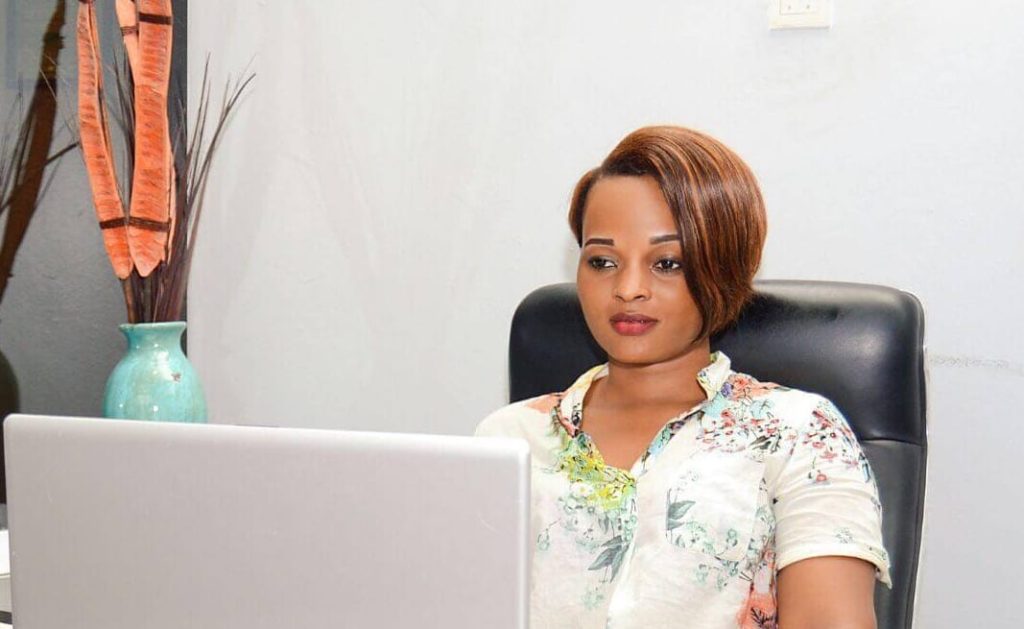
[bctt tweet=”@lilly_makoi of @jamiiafrica is bringing affordable health insurance to Tanzania” username=”SheLeadsAfrica”] Lilian Makoi is doing her part to transform her country through innovative solutions. Although she’s co-founded a number of start-ups but our main focus here is Jamii Africa. Jamii Africa is a start-up that provides health insurance targeted at Tanzania’s low income population. Most start-ups may want to target a middle-class population but Lilian sees profit in those that earn less than $70 a month. The numbers add up, that’s 47 million people compared to 10,000. When Lilian isn’t doing her best to improve the health care of Tanzanians through Jammii, she’s a mentor. Lilian and her husband form a formidable duo, recognising opportunities and investing in them. What is health insurance like in Tanzania and how has Jamii Africa impacted on it? In Tanzania, the penetration of health insurance is as low as 4.5% and this makes the formal sector its only population. The main reason they have health insurance is because they get it as benefit from the employer. The middle income population that can afford healthcare financing anyways make 19.6% of the population.76% are the low income population —from the informal sector, struggling with healthcare financing. This low income population earns less than $70 a month. For them, income is also dynamic and savings is a luxury. This population ends up facing high rate of maternal deaths, home births and deaths from curable diseases. Jamii comes as the much needed solution to this ignored population. Our mobile technology performs all the administration activities of the insurer. Jamii is also matched in strategic partnership with Jubilee Insurance and Vodacom. This helps cut insurance administration cost by 95%! In all, this results in a health insurance product at $1 a month. It immediately makes health insurance affordable to 47 million people in just Tanzania! Jamii is already impacting the lives of over 8,000 families. [bctt tweet=”Lilian Makoi: It took us over 10 meetings to get Vodacom Tanzania’s buy in to Jamii” username=”SheLeadsAfrica”] How did you manage to crack partnerships with Jubilee Insurance and Vodacom Tanzania? We had a great product and knew how to communicate the value we were set to bring to them as partners. All we needed was a platform to communicate this to them. Although it wasn’t easy, we managed to get their attention through constant persuasion and personal branding to establish relevance. Why target the low income population in particular? How do you make a profit doing so? We are passionate about the low income population. First, they have real problems and that means we are solving real problems. This gives us purpose and global impact in all we do. Second, it is where the money is! We make profit, although marginal but it is income from over 47 million people compared to ‘big chunks’ from just 10,000 people! [bctt tweet=”@lilly_makoi – The low income population is where the money is!” username=”SheLeadsAfrica”] What does innovation mean to you? What would you say is unique about your approach to innovation? We live to and for innovation! If it is not new, risky and disruptive, we don’t put our efforts or energy to it! We believe that, it is only Africans that can change Africa for the better. So long as no one is doing anything ‘different’, we will always be a culprit of copycat products and solutions for problems that are not even ours. We love to be pioneers to building highly innovative original solutions and understand the rewards of doing so. What does it take to build a micro-health insurance product in an African country? Four things; A very innovative team, Tons of research, A great insurance partner, A strong telecom partner and Atop class product! [bctt tweet=”Women should understand what they are passionate about & work towards monetising it” username=”SheLeadsAfrica”] What will you need to go live in 14 other markets in Africa and impact 3 million lives in 2017? We will need to partner with multiple local companies in these markets. These partners should already have relationships with telecom operators in their markets and have fair understanding of the insurance landscape. We are close to finalising a partnership with two local companies outside Tanzania that have strong relationships with stakeholders in the identified markets. We expect to finalise ground work required by May 2017 and go live before the end of the year. You’ve co-founded two other companies, what goes into your decision to work on other start-ups? Will you advice other women to follow your footsteps? I have co-founded two other companies and a lot more will come. I have the privilege of working with my husband who is as innovative. We enjoy researching and building solutions together, and mentoring people. We naturally spot opportunities and visualise solutions. Then we choose to either implement directly or pick young passionate talent to mentor through building these solutions. I definitely advice women to spend time understanding what they are passionate about and work towards acquiring skills to monetise their passion. I believe women that have had the privilege to education and/or exposure pursue bigger/newer/innovative business than what we have been taught to aspire. If you can, lets change the world! If you’d like to share your story with She Leads Africa, let us know more about you and your story here.
Ruth Yimika Awogbade: Be a voice, not an echo
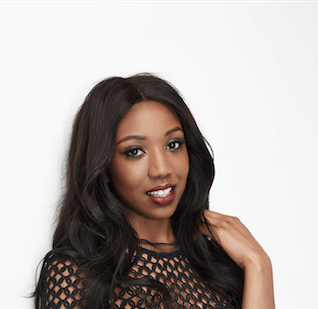
[bctt tweet=”Ruth Yimika Awogbade: @HelloMAGNIFY isn’t your typical fashion, lifestyle or faith publication” username=”SheLeadsAfrica”] Magnify magazine was described by the Huffington Post as ‘the women’s magazine breaking every stereotype out there, and [in the process] turning the idea that religion is stuffy, unfashionable and sexist on its head’. As a consumer of Magnify’s third and very bold issue I must say I totally agree! The magazine contains incredible material about the challenges that face millennial women today all encapsulated with the mantra: Fashion. Faith. Feminism. The timing couldn’t be more perfect for such a declaration. With the political climate as it is, and women under increased scrutiny, this may be just what we need! A reminder that who we are is enough and that being true to you is totally worth it. I was delighted to have a conversation with Magnify’s Editor, Ruth Yimika Awogbade. Whilst the word feminism often leaves a bad taste in one’s mouth, Ruth is breaking barriers by using it boldly. Tell us about your experience starting your own magazine. How did you decide to make it about the three F’s? I started Magnify as a series of events when I was 19 in 2008, in my first year at Durham. The phrase that in many ways encapsulates the journey so far is, ‘Faith is taking the first step, even when you can’t see the full staircase.’ It started out as one event to give my friends the opportunity to explore faith in an engaging way. It grew to a series of events and digital content, then I realized I wanted women to have something they could take away to digest in their own time. That’s how the magazine was born. For a while, I was thinking of a tag-line to express our core values of empowering and celebrating women. This would be based on a foundation of faith yet presented with beautiful editorials. The three words —fashion, faith, feminism— literally dropped into my mind when I was on the tube for a meeting. It felt perfect, engaging and simply encapsulated what we were about. [bctt tweet=”@MissAwogbade started Magnify to inspire readers wherever they are” username=”SheLeadsAfrica”] What inspired the third issue’s slogan ‘Be a Voice, not an Echo’? I think often as women, and particularly millennials, our role is often traditionally seen in relation to being the helper behind the scenes. Particularly too with the rise of social media, there’s a trend to be someone who follows the crowd. My hope is that through the magazine, readers would feel inspired that wherever they are. They have been placed in a sphere of influence with purpose. We all have a unique voice, a unique character and passions that can be used to make an impact and a difference. Often the challenge is to find our voice, but I believe with so many communities of women empowering and supporting each other around the world, this is more possible than ever. How do you think women will relate to this in light of everything that has transpired politically and socially this year? It’s interesting; I could have never predicted how relevant the title would be in light of what has happened politically and socially —especially with the result of the recent US election. As a team, we’re always trying to challenge the stereotype that Christianity is sexist and out of date. In many ways, I found the overwhelming support by evangelical Christians of Donald Trump slightly confusing and disheartening; especially as a black Christian woman. However, I was so encouraged to see prominent Christian women leaders calling out the blatant sexism and double standard. It was amazing to see how many women got behind Hillary —not just because she’s a woman but because she was the most qualified for the job. I hope that our generation realises that there is no better time to rise up and be bold and confident in using our voice and platforms. This despite the progress that still needs to be made in the faith and political arenas especially. [bctt tweet=”Ruth Yimika Awogbade: @HelloMAGNIFY is challenging the idea that Christianity is sexist” username=”SheLeadsAfrica”] The perception is often that print media is dying…why do you think having a magazine is so important? I think traditional magazines that cater to mass audiences are in decline. However, magazines that target demographics with a certain mindset or niche are on the rise. People feel a level of attachment and loyalty as they are value adding. In Magnify, we feature issues that go right to the heart of who we are and that I hope give readers the opportunity to self reflect. Having something that women can digest and explore in their own personal time, away from the busyness of life is so important. [bctt tweet=”Ruth Yimika Awogbade: We all have a unique voice that can be used to make an impact ” username=”SheLeadsAfrica”] What would you want people to take away from reading this issue that makes it different from the rest? Magnify isn’t your typical fashion, lifestyle or faith publication. We aim to empower women across every area of life. That is why we feature articles on faith, identity, relationships, mental health, the arts and entrepreneurship. I hope from reading this, women would feel inspired in their own personal journeys and empowered to know that we each have a purpose on this earth which can be fulfilled. And also know that life isn’t perfect —particularly of those we admire who have achieved success. Everyone faces challenges, but even with them, you can still be a voice and make an impact. What role does feminism play in this issue? And how do you think African women can relate to it? Feminism plays a big role in this issue, particularly looking at it from a variety of angles. In particular, one of my favourite interviews is ‘Faith and Feminism: A man’s perspective.’ For feminism to be embraced, men need to fully understand it too. Particularly in societies that
Michelle Ntalami: Entrepreneurs have a fire
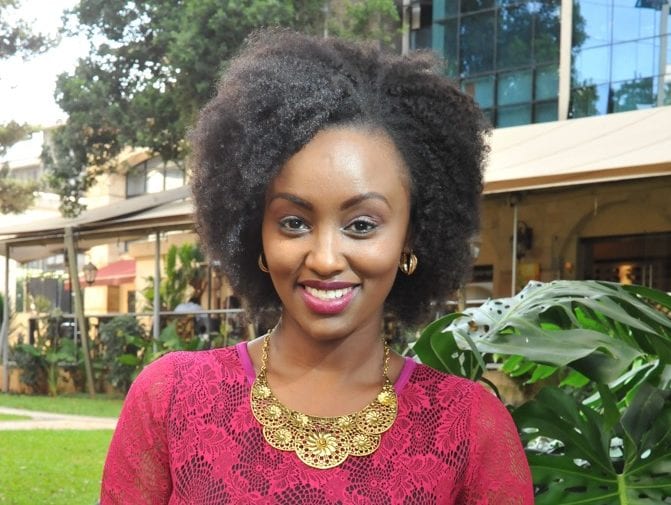
[bctt tweet=”Cosmetic scientists told @MichelleNtalami that the African natural hair market isn’t quite ready” username=”SheLeadsAfrica”] Michelle Ntalami, a strategic brand and marketing expert, is the founder of Marini Naturals, Kenya’s first 100% organic, natural hair care line. With her wealth of branding and design knowledge, she has conceptualised and designed the Marini Naturals brand, from its name to its logo, colours, scents, packaging, label design, brand plan and marketing strategy. Here, Michelle discusses her fruitful journey to creating Marini Naturals. Marini is Swahili for ‘beautiful’ or ‘attractive’. What was your inspiration behind the name Marini Naturals? From the get-go, I wanted the name to mean “gorgeous” or “naturally beautiful,” just like women are intended to be! I also wanted something very African-sounding and easy on the tongue and mind. So I Googled how many other ways to say “beautiful” or “charming” in any African language. I didn’t mind the language, so long as it was African. And right there was the name “Marini” which is Swahili for the same. I instantly fell in love with it. Marini Naturals is Kenyan’s first 100% natural hair product company for natural hair. How did you find and convince the scientists and other experts who helped turn your dream into a reality? In fact, when I approached a few cosmetic scientists, most told me that the natural hair and skin market is not quite ready in Africa. They advised me to go for generic, synthetic products which “sell more and have higher margins.” But I had a set focus and vision in mind, and to me it was producing 100% natural products with no compromise on quality. However, a few formulators and one factory believed and shared in my vision, and the rest followed. We worked together to make Marini a reality. Soon after our first batch hit the markets and flew off the shelves, most of the ones who had convinced me otherwise expressed interest in working with us. How do you strike a balance between running your branding company, Brandvine Group, and Marini Naturals simultaneously? I have got a team of 10 employees who work on both Marini Naturals and Brandvine Group. Brandvine is mainly run by my partner Niyati Patel, with her team of 8 who manage it very efficiently. I do not want to spread myself too thin, therefore my focus now is more on Marini Naturals. Your team of 10 is within the same age range as you. Was this a deliberate decision on your part, and if so, what are the pros and cons of working with people within your age bracket? Yes, it was. I wanted a young, vibrant and energetic team. I knew there was going to be a lot of running around, fieldwork and logistical work. Therefore I needed employees with that same kind of energy and vibrancy to roll up their sleeves and get their hands dirty, so to speak. I led by example in the first few months. Today, they are the ones on the ground making things happen. [bctt tweet=”@MichelleNtalami wanted a young, vibrant and energetic team so hired people her age” username=”SheLeadsAfrica”] If you had the ear of your president, what would be your advice to him about financing start-ups? Great question. I would tell him to have a serious sit-down with banks to encourage them to believe in young entrepreneurs. Entrepreneurs have a fire and a passion like no one else does because they have their entire future ahead of them and the determination to make it is ten-fold. I’d tell him to them to help us realise our business ideas, rather than shut the doors on our face at the mention of supporting our start-ups. What’s the biggest hurdle currently facing Marini Naturals? We have all these plans to expand our product range but capital stifles us. Additionally, meeting the demand both from Kenya and off-shore markets is quite challenging. As much as we have systems in place to alert us on re-order levels, the fact that sales have picked up pretty well always makes it a balance of how fast we can manufacture before the next Curling Gel runs out. [bctt tweet=”@MichelleNtalami is building Marini Naturals to be one of Africa’s premier beauty products” username=”SheLeadsAfrica”] What does the future hold for Marini Naturals? The future looks bright! We just got featured on CNN, and after the show a lot of Africans reached out to us to find out how they can get our products. We have solid plans to slowly expand to the rest of Africa. Also, we’re considering exciting new products from Marini Naturals. We believe men, kids and even our dreadlocked brothers and sisters need to be taken care of too! There has been a lot of demand from these markets and we are working on something fantastic for them. We hope for this brand to slowly and steadily be one of Africa’s premier beauty products for natural hair and skin. If you’d like to share your story with She Leads Africa, let us know more about you and your story here.
Tania Omotayo: Watching my father work so hard, I couldn’t imagine doing less
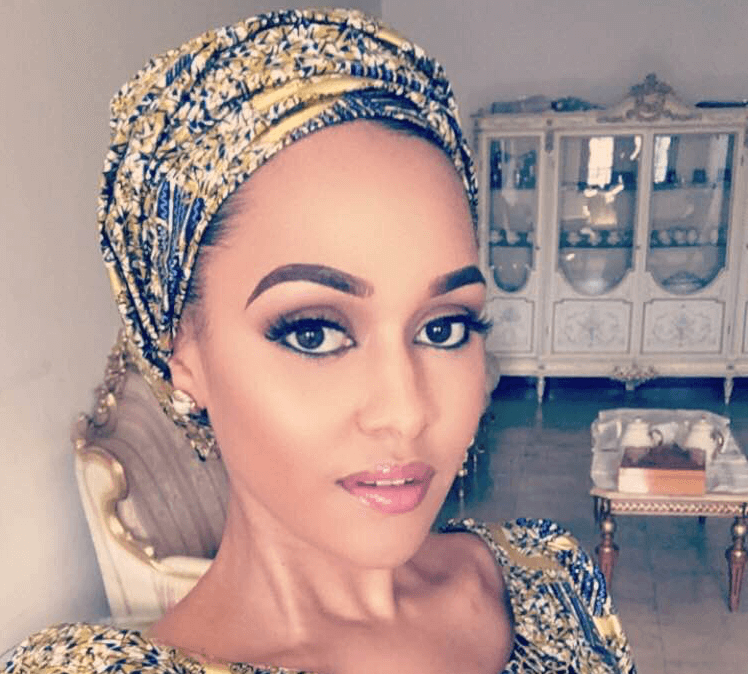
[bctt tweet=”Discover @TaniaOmotayo’s #MotherlandMogul and boss side in this interview” username=”SheLeadsAfrica”] Tania Omotayo is officially our WCW and general #MotherlandMogul goals. The half-Nigerian and half-Austrian beauty is a well-known personality in the Nigerian entertainment scene. Like many enterprising young women, Tania Omotayo does not put her hustle in one basket. On one hand, she is a Senior Creative Analyst at the Temple Management Company (TMC), a leading talent management and events company. On the other, Tania is a model and an entrepreneur. She never stops moving forward and we can thank her dad for that. If you’ve heard of Tania Omotayo and always wanted to know more, or if you’re curious to know the insights of working in the Nigerian entertainment industry, what are you waiting for? Read on! What would you like the world to know about Tania? I would like the world to know that I am a hard-working and focused young woman. I am a Senior Creative Analyst at the Temple Management Company (TMC) which is a leading talent management and events company. Also, I am a model and an entrepreneur. I don’t think I ever stop. If it doesn’t have something to do with my regular 9-5 job then it’s my personal business. I am always up to something. I learnt from my father, watching him work so hard my whole life, I couldn’t imagine doing less. And it is something I am extremely proud of. [bctt tweet=”Tania Omotayo: If it’s not my 9-5 job then it’s my personal business. I am always up to something” username=”SheLeadsAfrica”] What legacy do you see yourself leaving in this world? It’s weird because it’s not something I spend a great deal of time thinking about. But I do hope to leave my mark on this planet in some way. I hope to be remembered as one of the pioneers at the Temple Management Company, that brought change to the Nigerian entertainment industry. I hope to be remembered for doing amazing things for charity, impacting people’s lives and for genuinely making a difference. Tell us more about the Temple Management Company. How did it come about? The Temple Management Company was founded by Mr. Idris Olorunnimbe at the start of 2016. TMC is a child of necessity, the company was started to bring structure and change to our entertainment industry. We are a 360 full-service talent agency and talent management company. We specialize in the representation of personalities with African heritage from all over the globe in the entertainment, sports, media, public and arts sectors. Also, we specialize in the management of events in the entertainment, sports, media, public and arts sectors. I am proud to say that I am part of the nucleus group that helped build the company from the very beginning. [bctt tweet=”@TaniaOmotayo hopes to be a pioneer that brought change to the Nigerian entertainment industry” username=”SheLeadsAfrica”] How do you plan to scale up the Temple Management company in the next few years? We have so many big plans and projects we are working on. I think the main thing is we are focused on changing the game, and we do things differently and properly. We have a lot of extension plans which we have already started with South Africa, Kenya, United Kingdom and the United States. So, in a few years I am sure we will be leaving our footprint worldwide. What’s one thing about the industry you work in that you would like to change? If I had to change one thing, it would be to create a platform so that we have the same structure in place as the rest of the world. Nigeria is one of the few countries in which talents do not really get royalties or adequate compensation from our hard work. I think it is unfair and dispiriting. If I only had one thing to change, it would definitely be to improve the welfare of our talents when compared with the rest of the world. [bctt tweet=”If I only had one thing to change, it would definitely be to improve the welfare of our talents @TaniaOmotayo” username=”SheLeadsAfrica”] What’s a typical day like for you? I actually do not have a typical day. My weekdays are completely different from my weekends. I have crazy weekdays, and more chilled days. On my crazy days, it can be waking up at 5 am and finishing work at 10pm, on days like that I really can’t do anything else. But on my more chilled days, I start work at 9 am and finish between 5 and 7pm. On days like that, I have time to watch a favourite TV show or a movie. On the weekends I like to sleep as much as I can so I am fresh for the week. So I usually spend most of it in bed. What motto(s) do you live by? I have so many, but these are some of my favourites and I’ll explain why: “Someone else is happy with less than what you have” – This helps me to remember to appreciate what I have. “Success is the best revenge”- This is pretty self explanatory when people don’t believe in you or try and water down your dreams, the best way to get them back is to succeed at it. “Happiness is yours to choose or reject. So embrace it.” – This took me a while to fully understand but now I am a pro at choosing to be happy. You should never let other people ruin your happiness. What can we expect from you in 2017? For 2017 you can expect a lot from me. Outside of working for Temple, I am working on a really exciting fashion project that I cannot wait to reveal. It is something that I have been working on for over a year now and I am super excited. I am also working to solidify my brand as a model and I have some projects coming up that I
Sihle Hlophe: The film industry still largely sexist, and at times racist
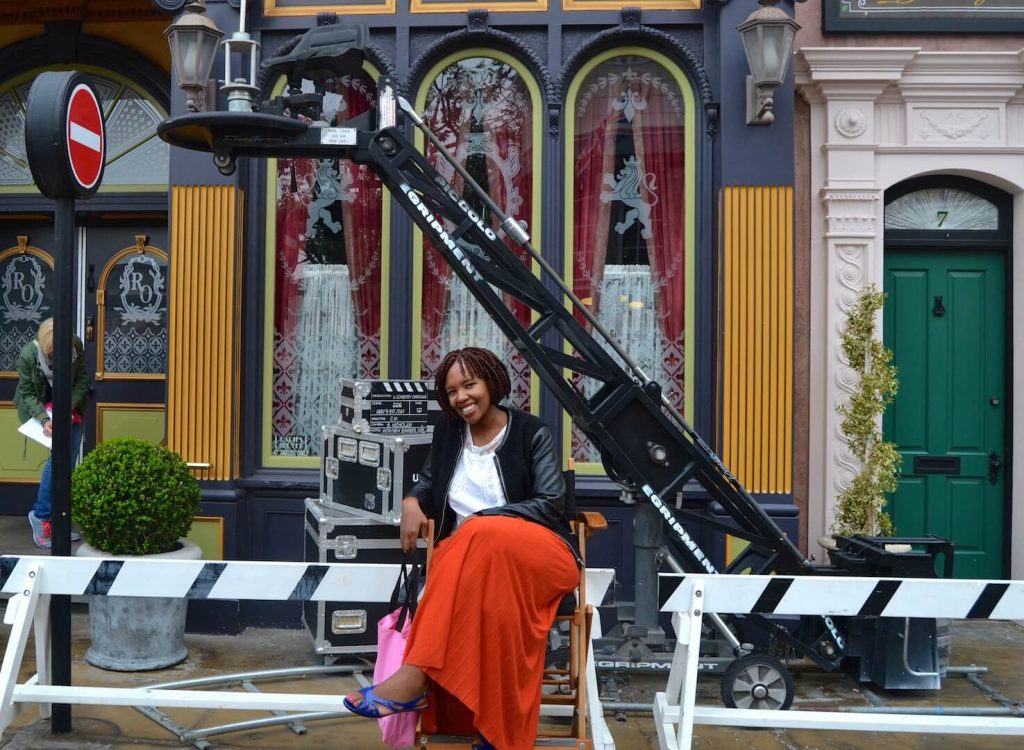
[bctt tweet=”Sihle Hlope chooses the stories that she wants to tell through her communications business” username=”SheLeadsAfrica”] In a modern world of film, deeply ingrained and out-dated sexist misconceptions are still stamped on film scripts and video cameras. It wouldn’t be a truthful to say the women working behind the scenes of some great productions, worked with smiles on their faces from beginning to end. In South Africa, there are some really talented women directors who do not get enough recognition. Sihle Hlophe is a rising 30-year-old film director who is challenging the ingrained sexism of the industry through storytelling. Sihle has openly spoken about sexism in film. She is a holder of the current ICA fellowship and the chairperson of Writer’s Guild of South Africa. Journalist, Khethiwe Mndawe got to interview Sihle for SLA while she was in London for the Screenwriters’ Festival with the Writers’ Guild of South Africa. Briefly describe how running your own business in the film and production industry has been for you as a young black woman. I started my company, Passion Seeds Communications in order to promote minority languages and make a contribution towards the alleviation of youth unemployment. I also wanted to give a platform to marginalized female technicians such as cinematographers, editors and sound recordists. Although the journey has been rocky, it has also been very fulfilling. The biggest challenge is the difficulty in accessing funding for films. However, the government has progressive incentives in place to help young entrepreneurs. Another challenge is that the industry is still largely sexist, and at times racist. One has to be persistent; knocking on doors and getting rejected repeatedly is not for the faint-hearted. The best part about owning my own production company is creating jobs, training young people and of course, getting to choose the stories that I want to tell. Which film production projects have you done that closely targets stories related to Mpumalanga or the neighbouring borders, eg, Swaziland? Both of my short films are SiSwati films. You can see some of them on my Twitter page. I have not had the opportunity to shoot in Mpumalanga. This is due to lack of support from the province, even though both my films are ‘set’ in Mpumalanga. I shoot in Gauteng because that is where I get support. I must mention though that I was deeply touched when the Department of Arts & Culture recognized my work by presenting me with a ‘Best SiSwati Film’ award at the Mpumalanga Provincial Arts & Sports Awards in 2015; I just wish that support would extend to actual productions. Also, I did a short documentary a few years ago based in Swaziland. Its topic is related to the reed dance of virgin girls. [bctt tweet=”One has to be persistent in face of the challenges in the film production industry” username=”SheLeadsAfrica”] Which countries abroad have you visited and what were you representing there? My film ‘As I Am’ has been screened at prestigious film festivals in the USA, Switzerland, Tanzania and here in South Africa. With support from the Department of Trade & Industry, my company Passion Seed Communications has been to film festivals and markets in France, the Netherlands, the USA, England, Germany and Canada. I was also an exchange student in Helsinki, Finland during my final year as a film student at Wits University. Other countries I have visited include Brazil, Kenya, Lesotho, Poland, Estonia, Holland, Swaziland and Botswana. I would like to visit Asia next. What unique experiences did you come across in these countries? I have experienced many unique things in many different countries. One of my greatest experiences as a filmmaker is when I am afforded the opportunity to share my story with people from different walks of life. To see that story resonate with those people is the most powerful thing a storyteller can experience. [bctt tweet=”@NubianStorytela’s films have been screened at prestigious film festivals in different countries” username=”SheLeadsAfrica”] What changes would you like to see in the industry when it comes to opportunities for African women directors? There are some really talented women directors who do not get any work or recognition because of deeply ingrained and outdated sexist misconceptions. It’s truly sad. Some directors are also subjected to sexism and sexual harassment. I would like to see this change! Enough is enough. I would also like to see the government of Mpumalanga investing in its talent and supporting filmmakers like other provinces do. I have more chances of getting support from the Durban Film Commission than I do in my own home province. For me, that is a tragic situation. What have been you greatest achievements so far? Finishing my Masters degree under very trying circumstances and writing and directing two SiSwati films. I am an advocate of minority languages. In fact, the title of my Masters paper was, “The Underrepresentation of Minority Languages on SABC 1: The case of SiSwati“. I have been passionate about promoting my mother tongue for as long as I can remember. You were recently granted the ICA fellowship, congratulations! What is it about? I was one of the fellows chosen by The Institute for Creative Arts (ICA) for 2016. The opportunity is awarded to creative thinkers and doers in diverse disciplines. ICA fellowships encourages collaborative dialogue around issues of urbanism, community, historical legacy and the postcolonial imaginary. Fellows are encouraged to test boundaries, engage with new publics, and to explore the critical potentialities of live art. The ICA is particularly excited about the diverse contributions and imaginative ways of thinking presented by this year’s fellows –from performative writing, dance and music, to art, curatorship and interdisciplinary research. Conversations, exhibitions and public interventions presented by fellows will be announced in due course. Tell us briefly about “Nomfundo”? “Nomfundo” is a short film about a conflicted, young woman whose life is irrevocably changed when she has a transcendental encounter with someone from her past. The film is currently in post-production. It is my second