
First Ever Nigerian Exhibition At The Venice Biennale
What can we learn from the past, how do we find meaning in the present, and what awaits us in the future? These three questions provide the bedrock of the first ever Nigerian exhibition at the Venice Biennale, otherwise known as “The Olympics of Art”. Since 1895 the world’s oldest cultural biennale has risen to become one of the most prestigious art exhibitions. Eight African countries are represented at the prestigious showcase this year: Angola, Côte d’Ivoire, Egypt, Kenya, Nigeria, South Africa, Tunisia, and Zimbabwe. Nigeria makes its solo debut this year. Though superbly rich in artistic and cultural talent, the country hasn’t had nearly enough representation on the international art scene. Godwin Obaseki, Governor of Edo State and commissioner of the Nigerian Pavilion, says that “opportunities like the Biennale offer a platform to establish national pride and develop a more positive narrative for the country.“ Curated by Adenrele Sonariwo and Emmanuel Iduma, the Nigerian exhibition at the 57th Venice Biennale, titled How about now?, features a rich multi-layered journey showcasing the country’s past, present and future, with an emphasis on the present, or as preferred by the artists, “the now”. Mixing videos, conceptual art, installations, and performances, the exhibition showcases exceptional pieces by award-winning visual artist, writer and photographer Victor Ehikhamenor, acclaimed writer, poet and mixed-media storyteller Peju Alatise, as well as performance artist, Qudus Onikeku. The combined genius of these three artists creates a contemporary, as well as far-reaching exhibition, that tells a fresh African narrative, while presenting Nigeria as part of the global art community. Biography of the Forgotten BY VICTOR EHIKHAMENOR Paying homage to the unsung and unrecorded pioneers of Nigerian art, Victor Ehikhamenor’s “Biography of the Forgotten” amalgamates bronze, mirrors, thread and acrylic to create a pure masterpiece. In this installation, he tinkers with both the dilemma and material form of history while paying homage to the historical Igun Street in the heart of the ancient Benin Kingdom. He sources hundreds of Benin bronze heads from the World Heritage Site that still maintains its guild structure to this day, addressing a fragmented history. Against large canvases, Ehikhamenor alternatively places mirrors and the bronze heads, which bear metonymic weight, as symbols of colonial encounter – the former often exchanged for commodities as valuable as humans, and the latter plundered. In addressing the now, “Biography of the Forgotten” reenergizes historical time and material, reviving the past in an effort to bring meaning to the present. Flying Girls BY PEJU ALATISE Using metal, fiberglass, plaster of Paris, resins, and cellulose black matte paint as primary mediums, Peju Alatise uses her storytelling skills to create a fantastical masterpiece. Based on a book that Alatise is set to publish, the piece describes Sim, a little Yoruba girl who lives in two alternate worlds. In one world she is a nine-year old girl who is rented out as a domestic servant working in Lagos, and the other world Sim lives in a dream world where she can fly at will. Alatise describes “Flying Girls” as a body of work dedicated to girls in Nigeria that offers them a little safe place for them to be children. Right here Right now BY QUDUS ONIKEKU https://www.youtube.com/watch?v=CHUcXhMwXxA Harmoniously combining elements of modern and African dance, contemporary choreography, and aspects of age-old Yoruba spirituality and philosophy, Qudus Onikeku presents his artistry in three sections: Of Contemplation, Of Poetry, and Of Engagement. His dance film brings into clear focus the tensions between the various senses of time, and how an audience can be triggered to remember. It draws from his recent and ongoing work to infuse dance with the energy of Yoruba spirituality, with emphasis on the significance of self, the commune, and the divine in imagining the role of aesthetics, beauty, and art. Onikeku says: “I’m not interested in the present, I’m interested in the now, the present is concerned with the past, but the now is so powerful that it doesn’t have time to think about the past, it’s grabbing at the future. That’s when dance becomes so interesting; it’s constantly inventing the now.” PHOTO CREDIT: Ibeabuchi Benson
5 top e-commerce platforms in Africa
Growth of e-commerce Gives Rise to Sophisticated African Digital Consumer After scouring the store for a new pair of sneakers, Paballo Molahlehi finally lands on the one that catches her attention. She stares at it excitedly, swooning over the fresh pair of purple Reeboks. “It’s precisely the one I was looking for, I knew I was going to find it here” she nods as she adds the shoes to her shopping basket. Thrilled with her latest addition to her growing sneaker collection, she navigates her way to the pay point. Molahlehi is doing all this while reclining comfortably on her couch, enjoying the convenience of online shopping. “I stopped going in-store after discovering online shopping. It makes more sense because my purchases get delivered to me for free, and I usually get discounts.” [adsanity align=’aligncenter’ id=144658] Molahlehi is among Africa’s growing middle class who have money to spend and whose shopping habits have changed. With the surge of internet penetration on the continent, many Africans are easing into the habit of shopping online. According to a McKinsey’s Lions go digital report, online shopping could account for up to 10% of retails sales (with a value of around US $75 billion) by 2025, as more Africans gain access to the internet. The increasing access to the internet is seeing a rapid emergence of e-commerce sites eager to tap into the continent’s growing online consumerism. The likes of Nigeria, Kenya, and South Africa are at the forefront of this evolution. Companies such as Jumia, a Lagos-based online retailer, are dipping their finger in almost all major markets on the continent, cutting themselves an enviable piece of every pie. Jumia is also among Africa’s best-funded e-commerce sites, having raised US $150 million in funding in 2014. As more people take to the internet to do their shopping, the demand for devices such as smartphones also increases. The 2017 Accenture Digital Consumer Survey finds that in countries such as South Africa, smartphone acquisition increased from 52% in 2016 and 63% in 2017. Some of the more technologically advanced nations like Kenya and Nigeria boast a smartphone uptake of more than 44% and 30% respectively. Across the continent, the number of smartphone users saw a nearly twofold increase, reaching more than 226 million. This spike in smartphone penetration is steering a digital revolution on the continent, exposing users to the endless opportunities the internet provides. Here are some of the top e-commerce platforms in Africa that are reaping the benefits of the booming internet penetration on the continent. JUMIA With a mission statement and ethos for connecting African consumers and entrepreneurs to do better business together, Jumia is blazing the trail of e-commerce sites in Africa. The company is creating a platform where small, medium and large African companies link with their potential market, thus creating a new-age ecosystem that bypasses the middle man. Launched in 2012 in Nigeria, the site has solidified a footprint in over 23 African countries, with a network of over half a million sellers since its inception. Jumia has managed to create a stellar reputation for being a hub for products and services spanning across the retail, food and hospitality, talent recruitment, concierge and the hotel and catering industries. Apart from servicing the needs of consumers and businesses, Jumia has also been upskilling and aiding employment for many Africans who are qualified in areas such as Engineering, IT and online marketing and web development. TAKEALOT South Africa’s Takealot is the go-to online retailer for the shopper that seeks a convenient and simplified online buying and user experience. The site has been around for over a decade, having been established in the year 2002. Its broad catalogue and variety of products in entertainment gives it an impressionable edge. Customers can shop anything from books to games, computers and TVs. Part of what makes Takealot an e-commerce success story is that the online retailer strives to provide its customers with the very latest products in the market, coupled with up-to-date product specification. In April 2017, Takealot scored a significant investment of over US $69 million from Naspers, one of Africa’s biggest digital companies. This came after the online retailer received US $100 million investment from investment firm Tiger Global Management in 2014. Naspers boasts a 53,5% stake in Takealot, while Tiger Global owns about 34%. KILIMALL Kenya’s largest online shopping mall, Kilimall is relatively new in the e-commerce space but has remarkably managed to create an inter-continental mark since its launch in 2014. The site, now established in other countries such as Nigeria and Uganda, has a retail customer base that continues to boom. Kilimall is known for providing electronics such as phones, computers and gadgets, stocking top brands such Samsung, Huawei, Lenovo, and Phillips. The site also offers other products such as home appliances, clothes, books, health and beauty products, and more. All its services are accompanied by a 7-day free return policy on their premium range of goods, making it an attractive choice for consumers. KONGA Konga has come a long way since its humble beginnings in 2012 as a Lagos-only e-commerce site that specialised in baby and beauty care. The online platform has morphed into a major online retailer, often dubbed “The Amazon of Africa.” In 2015, Konga joined forces with leading Nigerian banks to launch KongaPay, a safe and convenient online payment method to tackle the issue of trust in Africa when it came to online payments. The online marketplace was one of the first in Africa to create a system of payment that was integrated with world banks – an innovation that uses click system that eliminated the sharing of sensitive information during payments. With a backing from the South African media giant, Naspers, Konga is now a major player in the e-commerce space. In 2014, Naspers, which has a 50% stake in Konga, invested US $50 million in the online store. BIDORBUY Established in 1999, South Africa’s
Social Media Productivity: How much time to spend online?
Social media is like the best thing that happened to us since the invention of jollof rice but some of us have taken this social networking thing too far…we all just need to take a chill pill! Take this quiz to find out if you’re a spending the right amount of time on social media and if it has become your hobby, habit or addiction. [viralQuiz id=11]
Sex tapes, exploitation and public shaming: The case of Chidinma Okeke
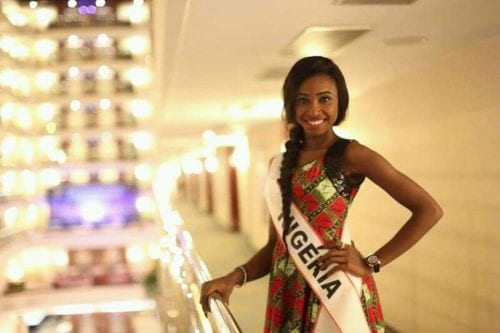
[bctt tweet=”How do we end the sexual exploitation of young ambitious women? @MercedesAlfa asks” username=”SheLeadsAfrica”] A sex tape was leaked online recently involving Chidinma Okeke, Miss Anambra 2015 and another woman. The Internet has been awash with comments and criticisms. You know Nigerians love a good scandal, even more they love to play judge and jury. Chidinma has been crucified, as some have called for her to be prosecuted. Remember under Jonathan’s government, homosexuality was rendered a criminal offence under the law. This Ventures Africa article points out that we need to be asking the right questions and I agree completely. What exactly was the motive for posting the controversial video online? Who actually leaked the video? Often times, when nude photos or a sex tape is leaked, people focus on condemning the participants especially if they’re women. But the pertinent questions are rarely asked. If we are able to step out of our hypocritical stances for a second, we would ask why the item was posted online in the first place. Well, congratulations to those who fell for the bait. Chidinma Okeke is reportedly only 18 years old. Have we considered that she was very likely exploited by the pageant organisers, or someone with a close link to them? The number of young women and girls who are sexually and economically exploited cannot actually be estimated according to this BBC piece. [bctt tweet=”The number of young women who are sexually and economically exploited cannot be estimated” username=”SheLeadsAfrica”] The numbers may be even higher in the pageant industry. It’s alleged that the other woman in the video is also a beauty queen. Shouldn’t we be talking about how to solve the problem of shadowy figures sexually exploiting ambitious women? Exploitation comes in different forms and shades. For Chidinma, it seems to be in the form of revenge porn. Yes, revenge porn really is a thing. Simply put, revenge porn is what it means when a sex tape is leaked without consent. It is, “sexually explicit portrayal of one or more people distributed without their consent”. More and more women are now speaking out about their experiences in a world where women are made to feel ashamed for being exposed online. We should encourage women speaking up and accord them the necessary support to move on from it. If anyone should be shamed, it should be whoever was behind the camera and whoever sent the video out. I’m also side-eyeing anyone who downloaded the video and watched it. I came across a particular comment in which the person asserted that Chidinma Okeke has degraded and lowered the standard of womanhood. Another one claimed that this is one of the direct results of feminism. Sigh! I don’t even know what the standard of womanhood means and how one person’s actions can lower it. The somewhat good news to come out of this is, Chidinma will be receiving an award for her tenacity. I truly hope she’s receiving the support she needs and that this doesn’t spell the end of her career. I’d like to see Chidinma bounce back. Outside the context of sexual exploitation, women have sex. Deal with it. Some women have lesbian or bisexual relations. Gasp! Stop putting women on a pedestal. We aren’t sacred beings. We are human, period. [bctt tweet=”Stop putting women on a pedestal. We aren’t sacred beings. We are human, period. ” username=”SheLeadsAfrica”] Some of us are quirky, loud, rambunctious, braggadocious, flirtatious, and more. Sorry if we don’t conform to your ideals. Most African countries don’t have laws protecting women from revenge porn and other forms of exploitation. Here are some resources you should consider reading for your safety.
Dear Nigeria, we really need to do better for the girl child
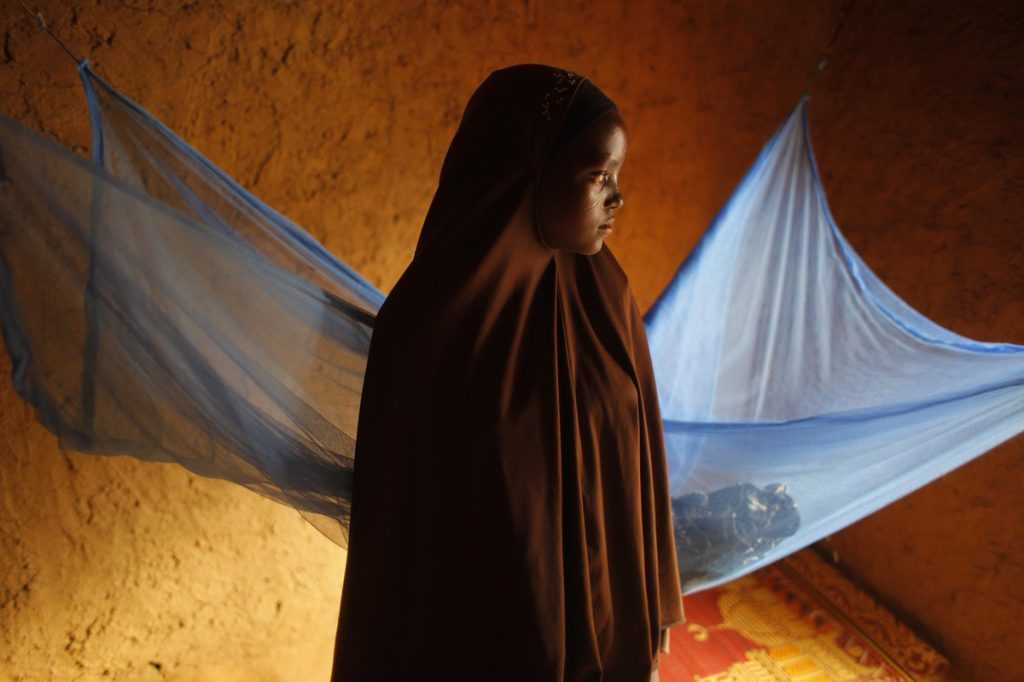
Sometimes I disconnect from current issues because I feel powerless at all the debauchery going on, especially in Nigeria. It was the International day of the girl child only a few days ago but the truth is that we have such a long way to go in according the right value to girls and women. Going through my Twitter feed, I came across the link to a Bella Naija story currently making the rounds. Apparently, the Emir of Katsina state is alleged to have abducted a fourteen year old girl and forced her into marriage. The Emir is at least fifty years her senior. Please let’s process that for a second. It doesn’t matter if he was eighteen or twenty because it would still be wrong. But, for someone who is old enough to be her grandfather, it makes it even more appalling. And yet, he is supposed to be a leader who should set precedence helping his people to do better. Just like in Ese Oruru‘s case, it is alleged that the girl Habiba Isiyaku was abducted and forced to convert to another religion, Islam. Apparently, the Katsina Emirate Council considers the marriage irreversible. It was reported that the Chairman of the Christian Association of Nigeria (CAN) has tried to intervene in this case after the girl’s parents cried foul. He condemned the action and appealed to the Emir also stating that in his own religion, a girl could not be given out in marriage without her parents’ consent. But can we not make this about religion? Because that would be problematic. This is not a Christian or Muslim polity. We are governed by constitutional laws, no? The legal framework I believe comes from a humanitarian perspective. At fourteen years, she is considered a minor and CANNOT consent to marriage. Child marriages must be abolished and the Nigerian senate needs to take a stronger stance towards this. What’s more, the judiciary must begin to enforce the law in this regard. This should be an imprisonable offence. No one should be above the law either. We need to send a strong message throughout our great nation that we as the Nigerian state, do not condone child marriages. In many constitutions, this is regarded to as statutory rape. Let’s also recognise the fact that several crimes have allegedly been committed here. Abduction, domestic violence (because emotional abuse), statutory rape (assuming the ‘marriage’ has been consummated). Let’s outlaw this societal scourge and demand the highest penalty for the offender. If we continue to shout tradition or religion, we will go nowhere. Nigeria please, we really need to do better for the girl child. Every one of us is Ese Oruru, and Habiba Isiyaku, and the Chibok girls. We want unfettered access to education, right to adulthood, right to healthcare, right to economic opportunities.
Pretoria Girls High School: 5 lessons I learned from African girls fighting for their Afros
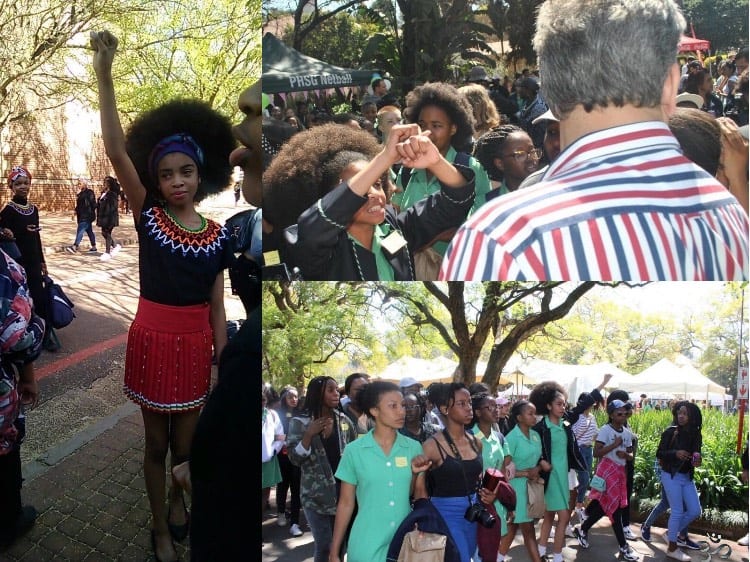
If you have not been living under a rock, you must have heard about the news that ruled the headlines last month. A group of girls in South Africa —who we would all like to adopt into our #SquadGoals— protested against their school for the subliminal and direct ways that they were being racist towards them. The subject in question was their natural hair. As an African living in the US, this trending topic about how unprofessional and untamed natural hair is, is not new to me. Growing up in Ghana, I had heard all the “hair is distracting” arguments. This is why most African girls rocked bald cuts for most of our childhood. What was news to me however, was someone telling African children that their natural hair was unnatural. There is a difference between distracting and unnatural. It’s like going to a school in London and telling the school children that their natural British accents were unnatural. From rocking a bald cut, to having permed strands to now growing kinky curls, I have experienced all the angles on the subject of ‘African Hair’. These are the 5 thoughts I had as I marvelled at the girls from Pretoria Girls High School. Stop telling us what to do with OUR hair Whether permed or kinky, whether braided or dreaded…African women know what they want to do to their hair. And we don’t need your two cents. If African women have to defend their hair everywhere else, should Africa be one of those places? When I heard this story in the news, the first question I had was “Where can we stand?” African features have been under attack since long before we can all remember. From our broader nose to our bigger lips. And now our hair. The fact that African features was being attacked in Africa of all places was unbelievable to me. I felt insulted, that this fight had found its way into our backyard. Are Africans not supposed to find a safe haven in their home? Representation matters I immediately thought of Sarafina when I saw Zulaikha Patel fighting with her fist up for what she believed in. African Americans and other minorities in America, fight every day to be represented respectfully in film, culture and the arts….so should African children not be represented in Africa where they belong home? We should not be denied the freedom of seeing people who look just like us and with hair just like ours. It warms my heart to know that almost thirty years after the movie Sarafina came out, these girls in Pretoria where able to draw the same kind of strength to stand up for what they believed in. Don’t tell us how to fight the issues that only affect us Don’t you love it when the people who are least affected by an issue tell the people most affected by the issue how to cope. (Looking at you, #AllLivesMatter). The problem with telling young girls to ignore the racial issues going on in their schools is that we neglect the fact that they will have to still deal with these same issue when their future employers are telling them their Afro is unprofessional. Problem #2 with the statement in the image above: How do you expect black girls to excel academically if they have to deal with the mental chains of society telling them that their blackness is unnatural? We are strong but we are tired of defending ourselves We are tired of defending our darker skin. Tired of explaining why saying “You are pretty for a dark skin girl” is not a compliment. Tired of hearing the snide comments about how our hair would be more manageable if it was straighter. Tired of hearing how the traits that are most natural to us are somehow unnatural. Teach girls to fight The future of Africa lies in the people who dare to fight for it….and the girls in Pretoria Girls High School fighting for their Afros are all kinds of #goals. These girls came together to raise their voices and change the dialogue in the culture. These girls stood up and peacefully protested. They got made the world listen. They captured the attention of world leaders, all because they decided to be girls who fight. Girls need to be taught that they too have the power to fight for a good cause. Fighting to change the world is not just an exclusive club for Nelson Mandela and other men. African girls can change the world if they will only fight.
Words of wisdom from Africa’s first lady of entertainment Bonang Matheba
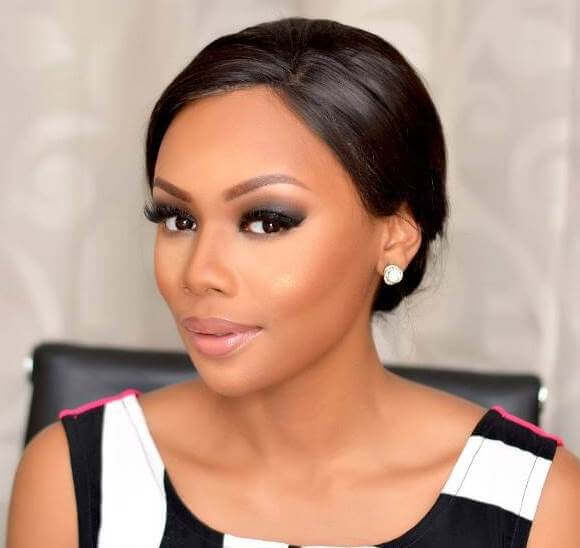
There is nothing better than seeing our fellow African women killin’ it in the game. Bonang Matheba is a South African television host, radio personality, and business woman. From, hosting the red carpet for E!, being the brand ambassador for Revlon South Africa and mentoring South African girls. Bonang can be inspiration for all of us due to her passion for African women and woman empowerment. Here our some word of wisdom from Bonang that any #MotherlandMogul can apply to their lives. Cutting out the negativity “I’ve had to cut out a few acquaintances after realising that negative energy from people I associated myself with would weigh me down, letting go of such relations helped me focus on my career and self development.” As DJ Khaled affectionately put it, stay away from they. Negative people can take up your time and time is money. As the old saying goes you are who you surround yourself with. If you surround yourself with Negative Nancies and Debbie Downers soon enough you will find yourself becoming one of them. If you want to be fulfilled, successful, and career focused, make sure you constantly surround yourself with people who are the same. Be whatever you want to be “We live in a world where everyone has the ability to be whatever they wish to be no matter the circumstance or environment one comes from.” Sometimes we get into the habit of letting opportunities or great ideas we have pass due to our previous experiences or the situations that we are in. Your dreams are valid. Your circumstances don’t define your future. Never let go of an opportunity you believe in. Never doubt yourself or let where you’ve come from define you. Hold on to your confidence “Always be confident in your skin and your capabilities. I can’t tell you how many times people have told me, “No, you can’t do this. No, you can’t do that,” but I always remained confident in myself.” Don’t let a few no’s or failures tarnish your confidence. Bonang didn’t easily reach over a million Twitter followers or become one of the most influential people on the African continent. She isn’t an overnight success story. Bonang was turned down in at least 25 auditions before her first big break at YFM radio, she auditioned 9 times to be a presenter on Live Amp. Some of us would have threw in the towel after the first 3 rejections but Bonang didn’t take no for an answer. “Rise above, replace hate with love and pray, work hard, dress up and kill it.” “You need to grow so hard and so thick and so strong to a point where it doesn’t matter what people think, you need to do what makes you happy.” In others words, Hey South African #MotherlandMoguls, the SheHive will be landing in Johannesburg from November 3-6. Find out more here.
What Jhene Aiko showed us about divorce in Nigeria
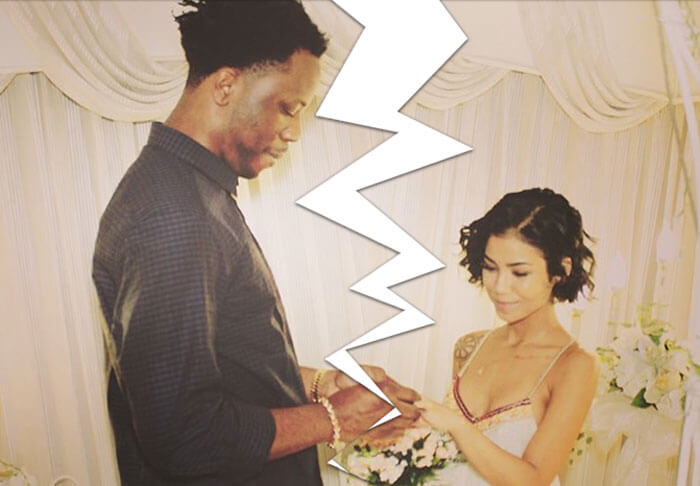
Remember the not-so-shocking end of Jhene Aiko’s marriage to her Nigerian husband, DotdaGenius? It really brought to the forefront how most Nigerians view divorce. The lessons to learn from this bitter and public divorce are numerous. Let’s look at what not to do when a relationship goes sour. Don’t ever feel the need to air your dirty laundry in public For absurd reasons like getting “support”, even if it’s from outsiders, people tend to share more than they should. Jhene Aiko sort of did this on social media after the divorce news broke. Rather than do this, how about settling the rift(s) with the other party without the prying eyes of people who may not really care? Especially as we all agree that there’s some sanctity to marriage. Your value kind of diminishes when you give third parties undue vested interests in your business. Infidelity Being in an unhappy marriage is better imagined, especially when a partner is cheating. But cheating to get back at the spouse is never the best solution to an already terrible situation. Playing the two-can-play-the-game revenge tactic is never the way to go. Rather than cheat, please girl, opt out! Fear Nigerian women have this inexplicable fear of divorce. This may have been fueled by the myth that kids from “broken homes” don’t make good homes themselves. Unfortunately, there is still a never-ending stigma associated with divorce. Nigerians have a way of labeling divorcees (especially women) as rude and not submissive. It’s always the woman’s fault. Making women feel this way because a marriage didn’t work, has made a lot of women stay in unhappy relationships “for the kids”. No one wants to be stereotyped unfairly. Starting over Marriage offers some form of validation for women in Nigeria, and maybe even other parts of Africa. It is believed that irrespective of what a woman achieves, she is nothing without a man. Owing to these beliefs, even otherwise strong women would rather stay in a loveless marriage while enduring being treated badly or even cheated on. In conclusion, Nigerian women need to realise that a divorce can never be the end of one’s life. Everyone is entitled to a new beginning and even after a divorce, there’s still hope. There you have it, ladies, it’s time to have a fresh outlook on love and relationships, and marriage.
Lessons from Mark Zuckerberg’s visit: Check your bias

So by now everyone knows that Facebook founder, Mark Zuckerberg was in Nigeria and Kenya just recently to “inspire 200 developers”. There’s been so much buzz on that visit and we are clearly not over it yet. Here’s what we observed from not just Zuckerberg’s visit but also from the buzz around it. Tech isn’t just for guys Gone are the days of thinking being a tech girl translates to nerdy looks and oversized T-shirts associated with the halls of engineering schools. You know, we can actually have smart, independent women who get hot and heavy with electronics on a daily basis —and come out with some heat of their own. Remember how in school, your course of study wasn’t just a matter of personal preference? It defined how intelligent you were. The geeks were all in the sciences while the not-so-brainy ended up in the social sciences. The course you read was as important as the clothes you wore, or the slang you used. But not anymore. Anyone, and we mean just anyone, can thrive in the tech world! So, here’s the thing, ladies. It’s okay to declare membership to that social group and be hip. We need more tech girls and we’ll be cheering them all the way. Defining people by their colour is not cool! There has been a lot discussion over skin tone. Over the weekend, after Mark Zuckerberg’s visit, the colour fights got worse on twitter between Nigerians and Kenyans. https://twitter.com/hennrry007/status/772177102321885184 These days, the one-time ubiquitous ‘black is beautiful’ mantra has been overrun by the light-skinned Instagram sensation. While everyone still claims that blackness is the gold standard for African women’s skin, others would insult a black woman for being too dark. Sneaky. We are officially over it. How about we start making women (and men alike) comfortable in the skin they were made in? The last time we checked we were all black! In all fairness, you can’t be chilling at the background all the time Your perspective changes right around the first time you’ve worked at a place for a while and seen a Psychology graduate changing oils at a factory. You chuckle or cringe at the strangeness of it and realize, “Wait a second! He probably even earns a salary higher than people who have MBAs!” You may need to start redefining when and how you reach mega-success. That means making your passions profitable. It may even mean skipping school to pursue a dream. Mark Zuckerberg, Bill Gates and Steve Jobs all did it, you know. Forgoing a traditional corporate career may pay off —but remember it also takes discipline, hard lessons, and responsibilities at an age when most of us are still figuring out which of our photoshopped pictures to post on Instagram. Ideal business location has over 1,000 other meanings We are not here to say location isn’t important or anything —but it is there only for ambience. Andela, the tech company Mark Zuckerberg visited is definitely not located in the highbrow areas of Lagos. It’s at the Co-creation Hub in the suburbs of Yaba! I bet you didn’t also know that in June, for its first lead investment, Mark Zuckerberg and Priscilla Chan’s fund led a whooping $24 million into Andela! So, the location may not be what you’d expect but so what? Zuckerberg found them anyway. In conclusion, all the stereotypes that made sense years ago and kept us busy doing nothing to better our lives as Africans? Forget them. We know better.
4 dating ideas for busy girls

Like it or not, it happens. You finally decide to do something about this awesome business idea or project, you get immersed in it, then you begin to get tired as this somehow takes over your life. Suddenly, you look up and realize you have no significant other or anything close to it. You’ve been out of school for about a decade or so which means you’re in your late 20s or early 30s. So, you sort of forget how these things are done. I know it’s not exactly science, but dating demands some effort. Putting in the grunt work now while you’re still young, is so worth it to find the ‘right’ one for the next phase of your life. Here are my top four tips for dating as a busy single girl, whatever it is you do and no matter how old you are. Ask for introductions Ask your family and friends for referrals. Be downright shameless if you have to! These people know you better than anyone else and will help you meet suitable, pre-vetted people. You know, like in the same way having someone pass along your resumé can help. This is an effective way to expand your existing circle. Though there’s no guarantee that this would work but who knows, you might just end up with a new friend or gist buddy. Be creative with the little time on your hands No, really. Get innovative. It doesn’t have to be anything nerve-wracking but literally, get yourself out there. I’d say take this glorious moment of singlehood when your life isn’t jam-packed with commitments (except, of course, making truckloads of money). You may even start giving off that irresistible vibe of a person with passion. You then become the more attractive to potential dates. If you’re an introvert like me, going out might be pretty difficult and I’d suggest doing only things that make you comfortable. These ideas prove that love doesn’t really cost a thing or much: – Volunteering – Free concerts – Go to the movies – Attend weddings…I know it’s cliché but still. – Go out with friends – Attend birthday parties You never know where the right people might find you. Online dating … don’t rule it out yet It’s hard to deny the fact that online dating isn’t just the new normal —it also works. Of course, like all good things, relying on online dating has its downsides. So, I’d say be careful (you’re too smart to be scammed, girl). Be sure to keep your expectations in check. Remember, even a bad date can be a good learning experience. Invite the best. Cut off the wrong people You’re already so busy and can’t afford the luxury of having the wrong person around you. Don’t be one of those people who hang around, enduring disrespect, taking inconsistent calls or texts, hoping that one day this person will change. Give yourself a little tough love and delete the wrong person(s) from your life. You don’t have to convince anyone of your worthiness. Trust yourself and let go of the insecurities and soon, you’ll know what to do and who is right for you.